


Richard Wilbur wrote “Love Calls Us to the Things of This World” in 1956, and it has stayed with readers ever since.
The poem captures that strange, half-awake moment when the mind floats between sleep and reality. It feels simple at first. But the more you read it, the more it gives you.
In this post, I break down the full text, a clear summary, and a deep analysis. If you have ever wondered why this poem shows up in so many literature classes, you are about to find out.
Full Text of Love Calls Us to the Things of This World
This poem was written by Richard Wilbur and published in 1956 in his collection Things of This World. Read it slowly. It rewards every re-read.
The eyes open to a cry of pulleys, And spirited from sleep, the astounded soul Hangs for a moment bodiless and simple As false dawn. Outside the open window The morning air is all awash with angels.
Some are in bed-sheets, some are in blouses, Some are in smocks: but truly there they are. Now they are rising together in calm swells Of halcyon feeling, filling whatever they wear With the deep joy of their impersonal breathing;
Now they are flying in place, conveying The terrible speed of their omnipresence, moving And staying like white water; and now of a sudden They swoon down into so rapt a quiet That nobody seems to be there. The soul shrinks
From all that it is about to remember, From the punctual rape of every blessèd day, And cries, “Oh, let there be nothing on earth but laundry, Nothing but rosy hands in the rising steam And clear dances done in the sight of heaven.”
Yet, as the sun acknowledges With a warm look the world’s hunks and colors, The soul descends once more in bitter love To accept the waking body, saying now In a changed voice as the man yawns and rises,
“Bring them down from their ruddy gallows; Let there be clean linen for the backs of thieves; Let lovers go fresh and sweet to be undone, And the heaviest nuns walk in a pure floating Of dark habits, keeping their difficult balance.”
Source: Richard Wilbur, Things of This World (1956)
Quick Summary of the Poem
Here is a simple breakdown before we get into the deeper analysis.
What Happens in the Poem?
A man wakes to the sound of window pulleys. Still half-asleep, his soul floats free. He sees laundry on a clothesline and, in his dreamy state, mistakes it for angels.
His soul wants to stay in that pure, weightless space. But it cannot. By the end, it returns to the body with what Wilbur calls “bitter love,” and the man rises to face the day.
One-Paragraph Summary
The poem opens with a man waking to the creak of window pulleys. His soul, still loose from sleep, sees laundry blowing in the morning air and imagines it as angels.
For a brief moment, the soul wants nothing to do with the physical world. It longs to stay in that clean, spiritual space. But the waking world pulls it back.
The soul returns to the body with reluctant acceptance, and the man rises to face another ordinary day. The poem moves from dreamy freedom to grounded reality in just a few short stanzas.
Line-by-Line Explanation (Simple Breakdown)
Let me walk you through the poem section by section in plain language.
Opening Lines — Awakening and the “False Dawn”
The poem starts with the sound of pulleys pulling the speaker out of sleep. Wilbur calls the soul “astounded” because waking up is stranger than we think. One moment you are nowhere, the next you are back in a body.
The soul hangs “bodiless and simple” for just a second. Wilbur compares this to “false dawn,” that brief light before the real sunrise. It is a fleeting state that does not last.
The Angelic Laundry Imagery
The speaker looks out the window and sees laundry on a line. Sheets, blouses, smocks. But in his half-awake state, they look like angels.
Wilbur uses this as an extended metaphor. The clothes move with “impersonal breathing,” carrying a spiritual energy that has nothing to do with human need. They are free, pure, and not weighed down by the demands of daily life.
The Turning Point — “The Soul Shrinks”
The soul does not want to come back. Wilbur uses the phrase “punctual rape of every blessèd day.” It is a harsh line on purpose. Every morning, the soul is forced back into the body, on schedule, without fail.
The soul cries out for simple things. Clean hands, steam, laundry. It wants a world without the weight of being human.
The Final Shift — Acceptance of Reality
The soul returns with what Wilbur calls “bitter love.” It does not come back happily. It comes back because love, even reluctant love, ties it to the physical world.
The final lines carry quiet grace. Clean linen for thieves, fresh clothes for lovers, nuns keeping their balance. The soul accepts the body, not with joy, but with worn, quiet tenderness.
Themes in Love Calls Us to the Things of This World
The poem pulls between two worlds. The soul wants the clean, weightless freedom of the spiritual. But the physical world keeps calling it back.
Love is what does the pulling. Wilbur echoes Saint Augustine’s idea that love grounds us in reality, even when reality is hard.
The final stanza reads like a blessing. Clean clothes for thieves, for lovers, for nuns. It is Wilbur saying that ordinary life deserves mercy too.
“Keeping their difficult balance” sums it all up. We are always caught between what we long for and what we have to live with.
Detailed Analysis of the Ending
A closer look at how Wilbur closes the poem with harsh imagery, human compassion, and quiet moral weight.
Meaning of “Ruddy Gallows”
The clothesline gets called “ruddy gallows” in the final stanza. It is a sharp shift in tone. The same laundry that looked like angels now hangs like something condemned.
Wilbur does this on purpose. The beauty of the dream fades, and what is left is the raw, uncomfortable truth of being alive.
Symbolism of Thieves, Lovers, and Nuns
Wilbur picks three very different kinds of people. Thieves represent guilt and wrongdoing. Lovers represent desire and vulnerability. Nuns represent devotion and discipline.
Together, they cover the full range of human experience. Clean linen for all of them. No one is left out. It is a quiet, generous gesture toward every kind of person.
“Keeping Their Difficult Balance” Explained
This is the emotional core of the ending. The nuns walk carefully, holding their balance in heavy habits. But Wilbur means more than that. All of us are doing the same thing.
We carry the weight of our bodies, our choices, and our longings. We try to stay upright. The balance between body and soul is never easy, but we keep at it every single day.
About the Author — Richard Wilbur

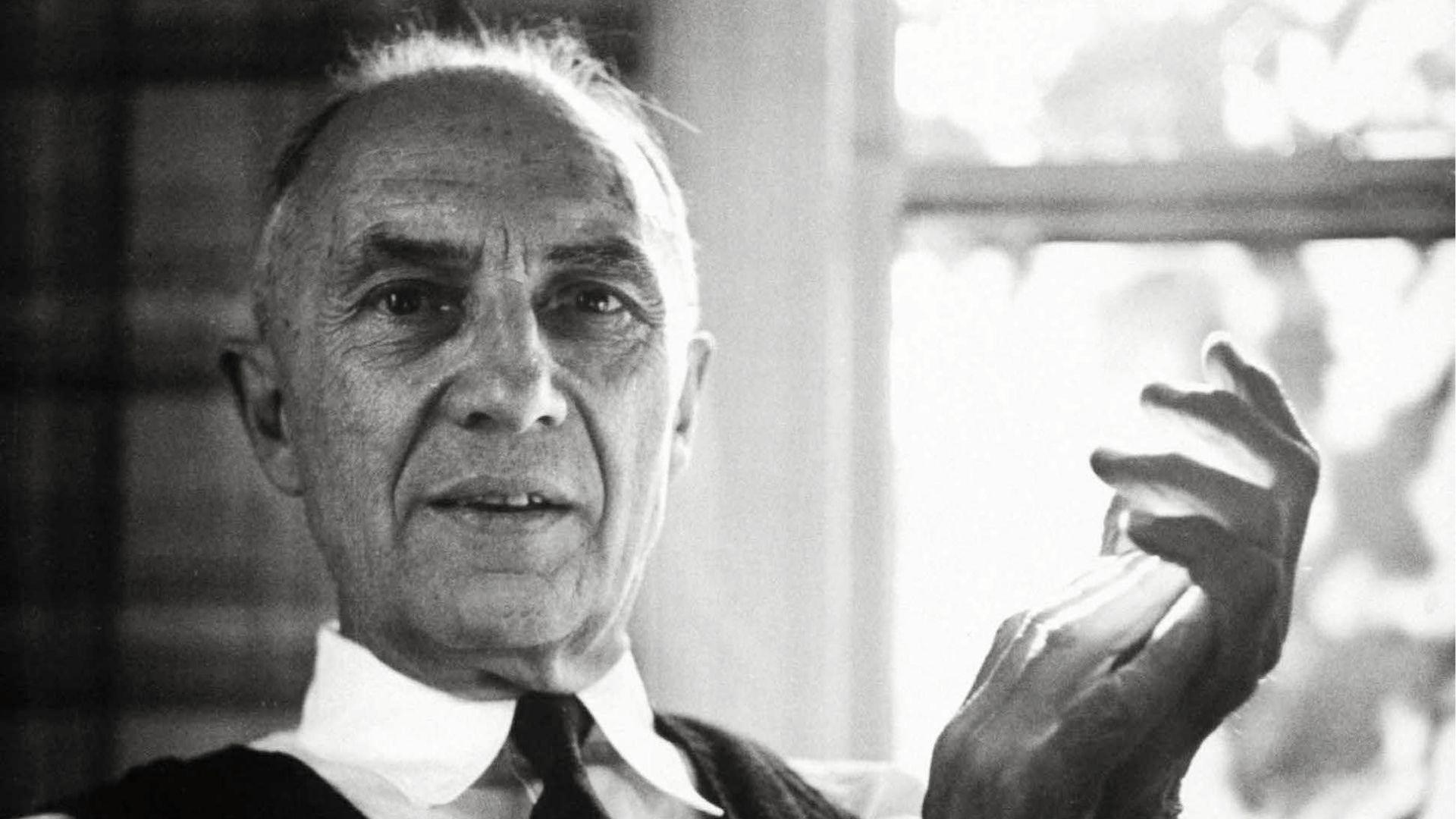
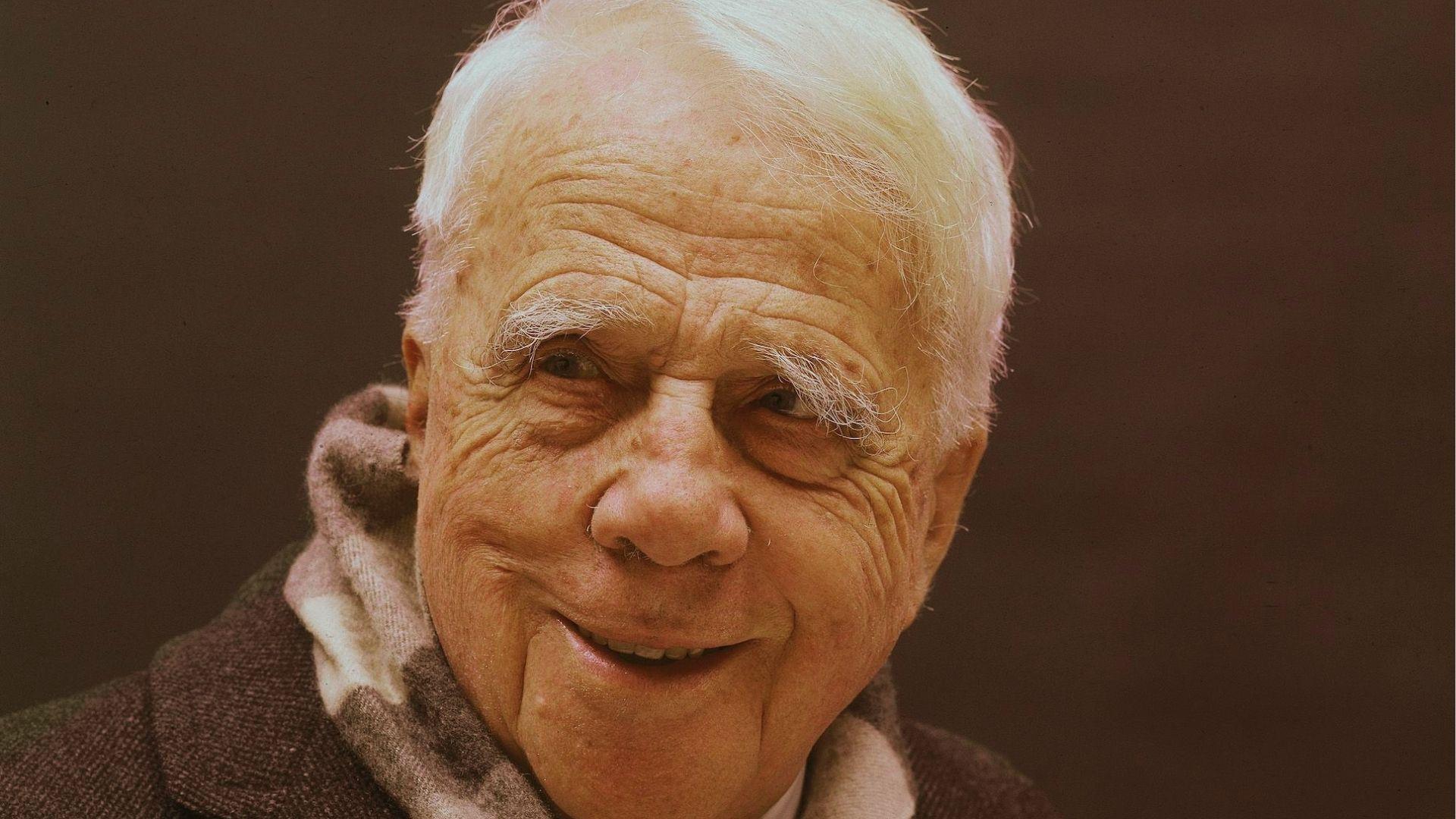
Richard Wilbur was one of the most respected American poets of the 20th century. He won the Pulitzer Prize twice and was named the second US Poet Laureate. He was known for writing in formal verse with real clarity and control.
His style blends philosophical thinking with simple, everyday images. He never chased obscurity. He wanted poems that were precise and readable.
This poem sits at the center of his work. It shows exactly what he did best. Finding something true and lasting in an ordinary morning moment.
Conclusion
“Love Calls Us to the Things of This World” is not a complicated poem. It is an honest one. Wilbur takes a ordinary morning and finds something real in it.
The soul resists, but love wins. That is something most of us understand without even trying.
I hope this breakdown helped you see the poem in a new way. If you enjoyed this analysis, share it with a fellow literature lover or drop your thoughts in the comments below.
Frequently Asked Questions
What is “Love Calls Us to the Things of This World” about?
The poem is about a man waking up and briefly seeing laundry as angels. It follows his soul as it resists returning to daily life but eventually accepts the physical world with reluctant love.
Who wrote “Love Calls Us to the Things of This World”?
Richard Wilbur wrote this poem and published it in 1956 as part of his collection Things of This World. He is one of the most celebrated American poets of the 20th century.
What does “bitter love” mean in the poem?
“Bitter love” refers to the soul returning to the body, not out of joy, but out of necessity. It is Wilbur’s way of saying that love for life continues even when life feels heavy and hard.
What is the main theme of the poem?
The central theme is the tension between the spiritual and the physical world. The poem shows how love pulls the soul back to reality, even when the soul would rather stay in a pure, weightless state.
Why is “Love Calls Us to the Things of This World” so widely studied?
The poem is studied because it handles big ideas in simple, clear language. It speaks to something most people feel but rarely put into words, that quiet resistance to waking up and facing another day.