Mary Oliver wrote poems that make you stop mid-sentence and read a line twice. Her work is simple on the surface but carries real weight underneath.
The best Mary Oliver poems circle around nature, mortality, and what it means to pay attention to your life.
Her most loved work, often searched for as the wild geese poem meaning, is about self-forgiveness that tells readers they do not have to earn their place in the world.
This list covers seven of her most celebrated poems, what each one is really about, and who should read them first.
Who Is Mary Oliver and Why Her Poems Endure
She won the Pulitzer Prize and the National Book Award, but that is not why people keep reading her.
Mary Oliver spent most of her life in nature, and it shows. Her poems are not academic or distant.
They read like quiet observations from someone who spent real time watching the world closely.
She wrote in plain language, with short lines and direct images. That is exactly why her work still connects with people decades later.
She did not write to impress. She wrote to pay attention, and she invites you to do the same.
The Best Mary Oliver Poems to Read
These seven poems represent the full range of what Oliver could do, from comfort to confrontation.
1. Wild Geese
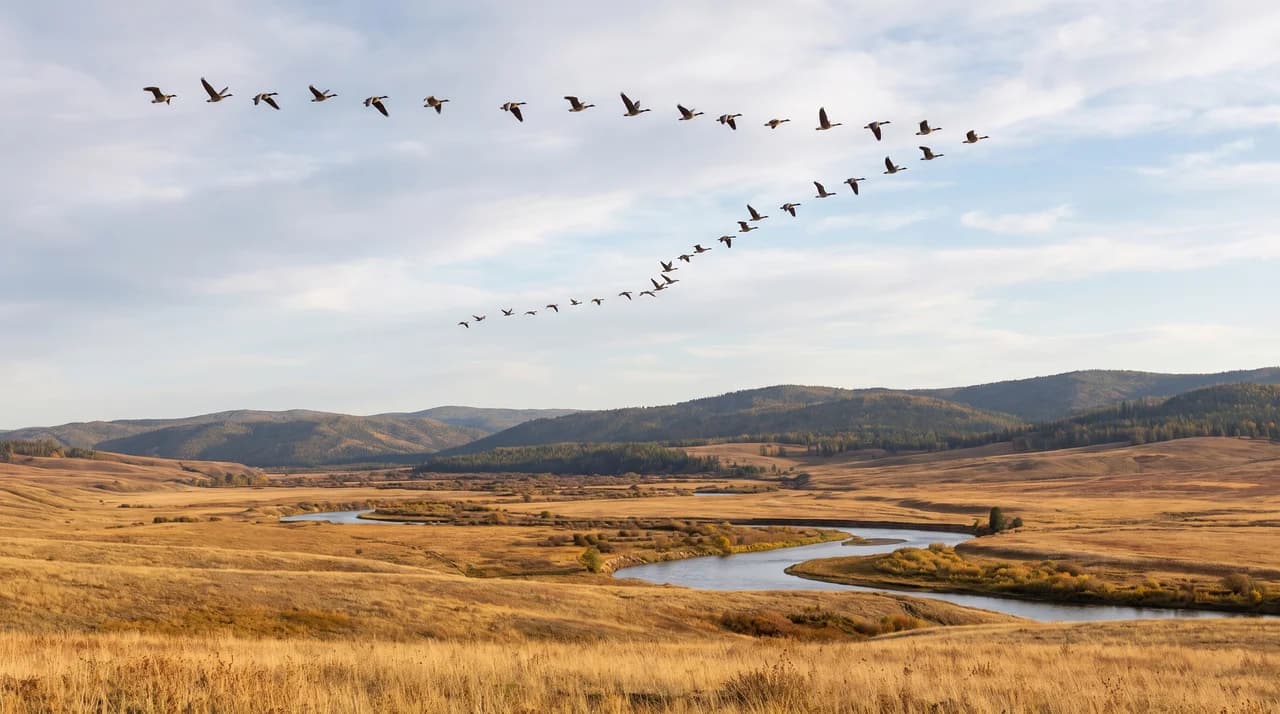
This poem opens with a line that feels like a release:you do not have to be good. Wild Geese is about self-acceptance without conditions.
Oliver tells the reader that nature does not judge them, and neither should they judge themselves. It is the poem most people encounter first, and for good reason.
If you are going through something heavy or feel like you have failed in some way, this is the one to read. It is short, direct, and stays with you.
2. The Summer Day

Most people know this poem by its closing question, asking what you plan to do with your one wild and precious life.
But the bulk of it is actually about a grasshopper. Oliver describes watching it clean its face in her hand, and that small act of attention becomes the whole point.
The poem is about noticing. Read this one if you tend to rush through your days without stopping to look at what is right in front of you.
3. When Death Comes
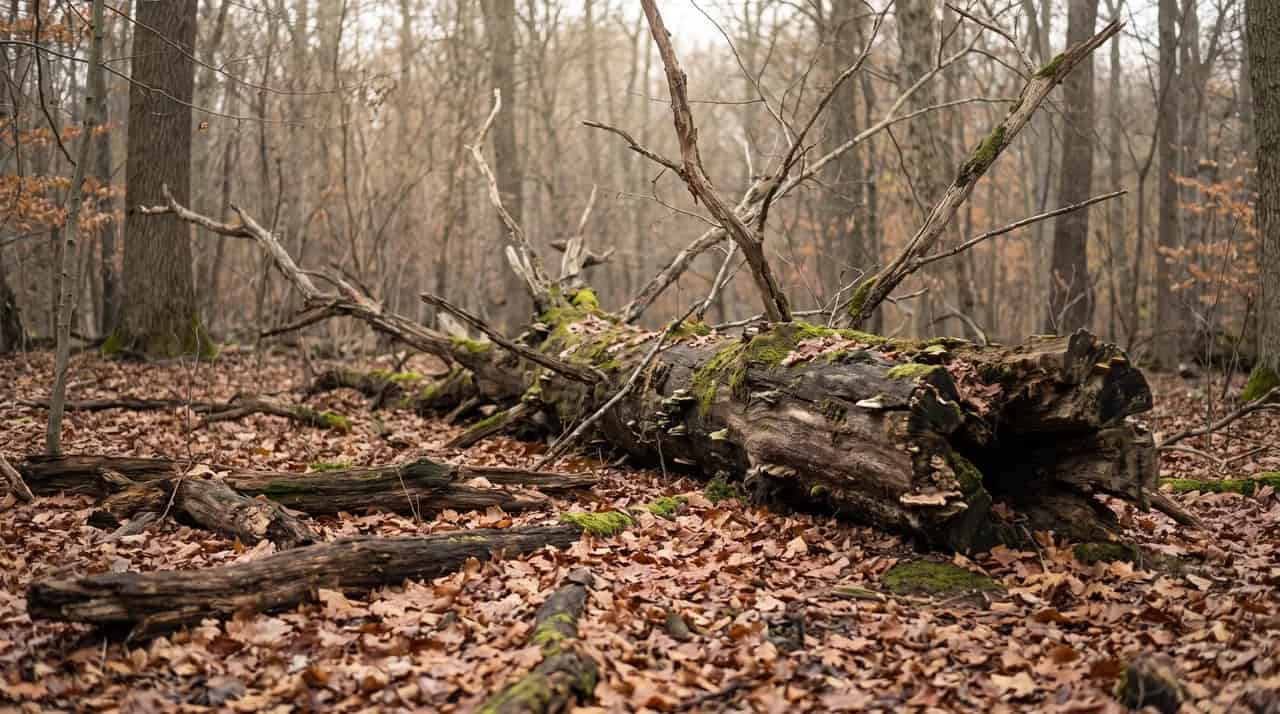
Oliver does not treat death as something to dread here. She approaches it the way she would any other natural fact, with curiosity.
She writes about wanting to have truly lived, not just passed through. This poem is grounding in the best way.
It reframes what it means to have a good life, measured not by productivity but by wonder. Read it if you want perspective on what actually matters, especially during a period when things feel out of proportion.
4. The Swan

Watching a swan move across water should not feel like a shift inside you, but Oliver makes it feel exactly that way.
She uses that image to talk about beauty, attention, and how the natural world can interrupt your thoughts in the best way.
It is quieter than Wild Geese, less about permission and more about presence. Read this one when you want something meditative rather than motivational. It does not push you toward anything. It just asks you to look.
5. Starlings in Winter

A murmuration is one of those things that stops you cold when you see it.
Oliver watches thousands of starlings moving together in the sky as one shape and finds in that movement something close to joy.
The poem is brief but stays open long after you finish it. It is about learning to be in a moment fully, without trying to hold onto it.
Read this if you want Oliver at her most observational, close to the image and light on the message.
6. Dogfish

Not everything Oliver wrote is gentle, and this poem makes that clear. She writes about a dead dogfish on the beach and uses it to work through harder questions about life and pain.
It sits differently from Wild Geese or The Summer Day.There is more grit to it.
If you have only read Oliver’s softer work, this one shows a different side:still grounded in nature, but willing to sit with difficulty rather than resolve it quickly.
7. In Blackwater Woods
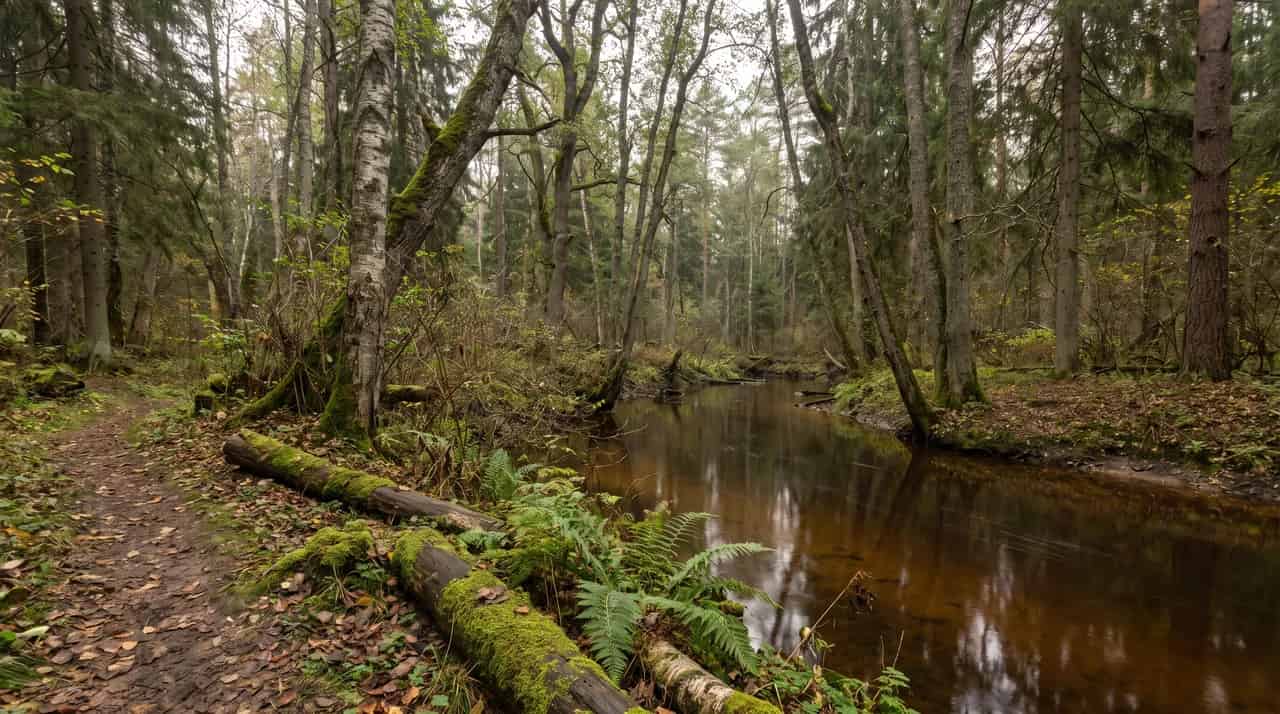
Holding on too tightly to what you love makes it harder to bear losing it. That is the tension at the center of this poem.
Oliver argues that the only way to truly love something mortal is to also practice letting it go. It is one of her most emotionally precise poems.
Read this during grief or after a loss, when you need a poem that does not pretend loss is simple, but also does not make it feel hopeless.
Where to Start If You Are New to Mary Oliver
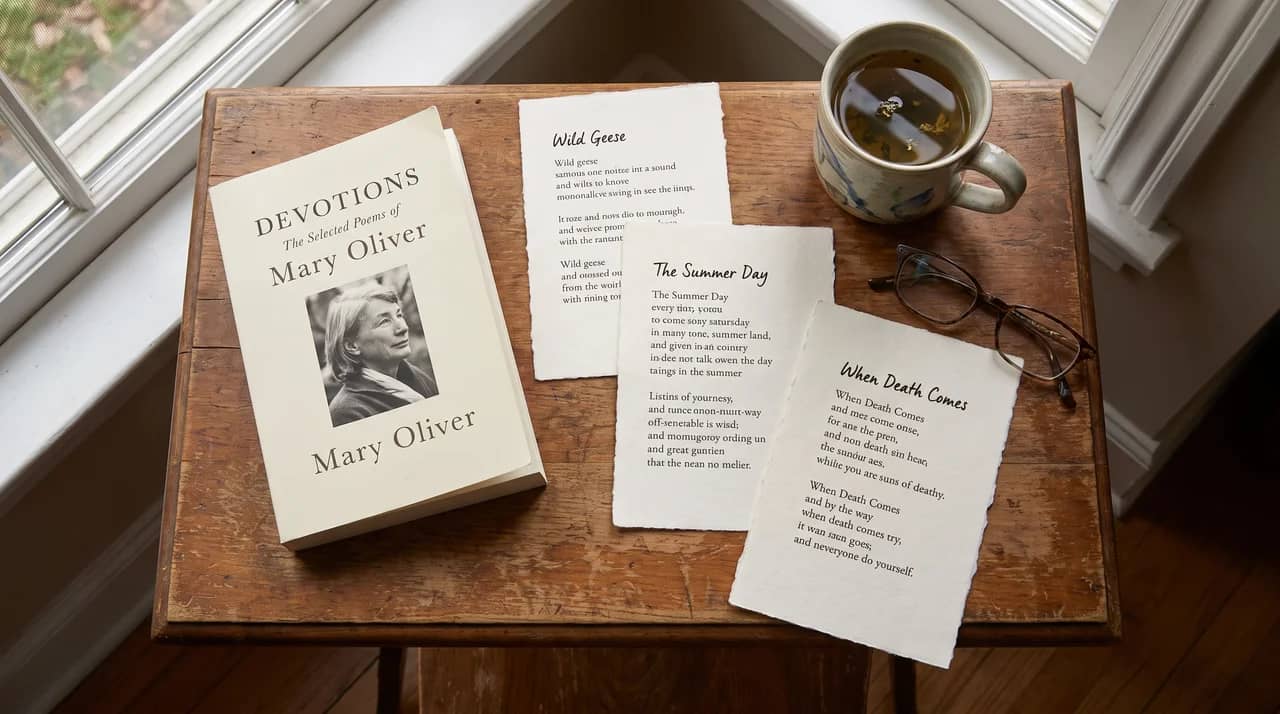
The best starting point is her collection Devotions, a curated selection of her work across four decades.
It is the book most readers recommend first because Oliver herself helped select the poems.
You get a wide view of her range without having to track down multiple collections. If you want to start with a single poem, Wild Geese is the right call.
It is short, accessible, and gives you the clearest sense of what her work feels like.
From there, The Summer Day and When Death Comes are natural next steps. You can also browse her page on the Poetry Foundation website for free access to several of her poems.
Final Thoughts
The best Mary Oliver poems are not difficult to read. That is part of what makes them last.
She wrote about grasshoppers and swans and dead fish on a beach, and somehow made all of it feel like it was about you.
Start with Wild Geese if you have not already. Then pick one more from this list that matches where you are right now.
If you want to go deeper, pick up Devotions and read it slowly. Which Mary Oliver poem has stayed with you the longest? Drop it in the comments.
Frequently Asked Questions
What Is Mary Oliver’s Most Popular Poem?
Wild Geese is her most widely read poem, known for its opening line about not having to be good. It appears in anthologies, grief groups, and therapy offices because the message fits almost any situation.
What Is Mary Oliver’s Most Famous Quote?
The closing question from The Summer Day, asking what you plan to do with your one wild and precious life, is the line most associated with her. It gets quoted far more often than it gets read in full context.
What Are Some of Mary Oliver’s Best Love Poems?
Oliver did not write conventional love poems, but In Blackwater Woods comes closest, focusing on what it costs to love something mortal. The Swan and Starlings in Winter carry that same quiet tenderness toward the world.