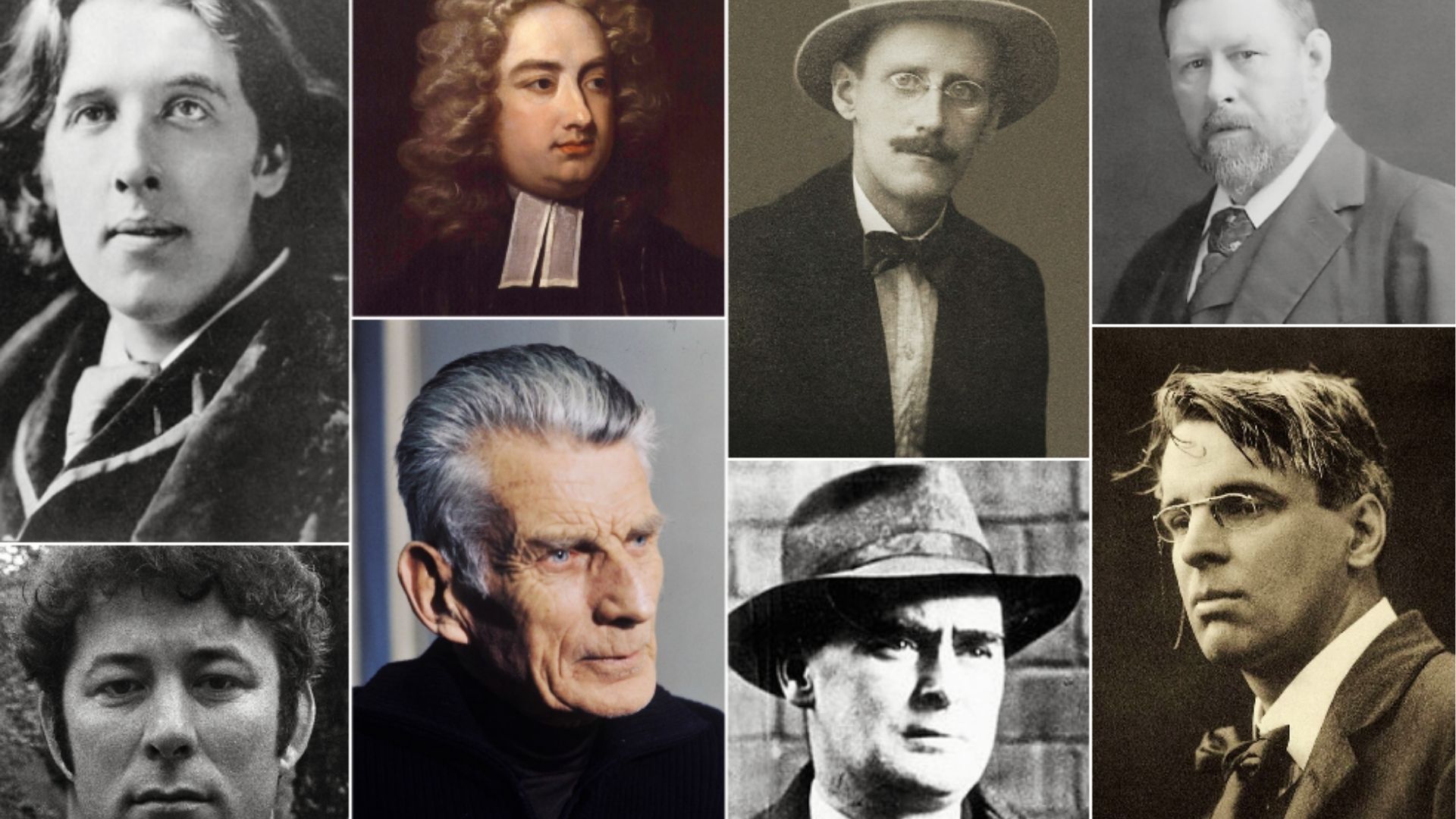
Ireland is one of the few countries that can claim two Nobel Prize-winning poets: W.B. Yeats in 1923 and Seamus Heaney in 1995.
But the story of famous Irish poets runs far wider than those two names. It stretches from Thomas Moore’s melodies to Oscar Wilde’s prison ballad.
What ties them together is a sense of place. Even when these poets write about love, faith or growing old, the ground beneath them is never far from the page. After years of reading them, that is what keeps pulling me back.
Below are the most famous Irish poets from the 1800s to today.
For each one, you’ll find who they were, the themes that shaped their work, and the best-known poems to start with if you’re reading them for the first time.
The Irish Literary Revival and Its Legacy
In the late 19th and early 20th centuries, a cultural movement took hold in Ireland that changed everything.
Writers, artists, and thinkers came together to reclaim the Irish language, mythology, and identity after centuries of British rule. This period, known as the Irish Literary Revival, gave the world W.B. Yeats, Lady Gregory, and George William Russell (AE), among others.
The movement wasn’t just about literature. It was a political act.
Writing in English while drawing on Celtic myths was a way of saying: we have our own history, our own stories, and they matter.
That energy didn’t disappear after the Revival ended. It filtered into every generation of Irish poets that followed.
What Makes Irish Poetry Distinct
Irish poetry tends to sit right at the intersection of landscape and loss. The land itself shows up constantly, not as a backdrop, but as something that carries memory. The countryside in Heaney’s work isn’t scenery. It holds trauma, childhood, and political weight all at once.
There’s also a directness to Irish verse that you don’t always find elsewhere. It doesn’t reach for abstraction first. It reaches for the specific, the earthy, the real, and then pulls you toward something larger.
The Greatest Irish Poets of All Time
These are the names that appear on syllabuses, in Nobel citations, and on the walls of literary pubs across Dublin.
W.B. Yeats (1865-1939)
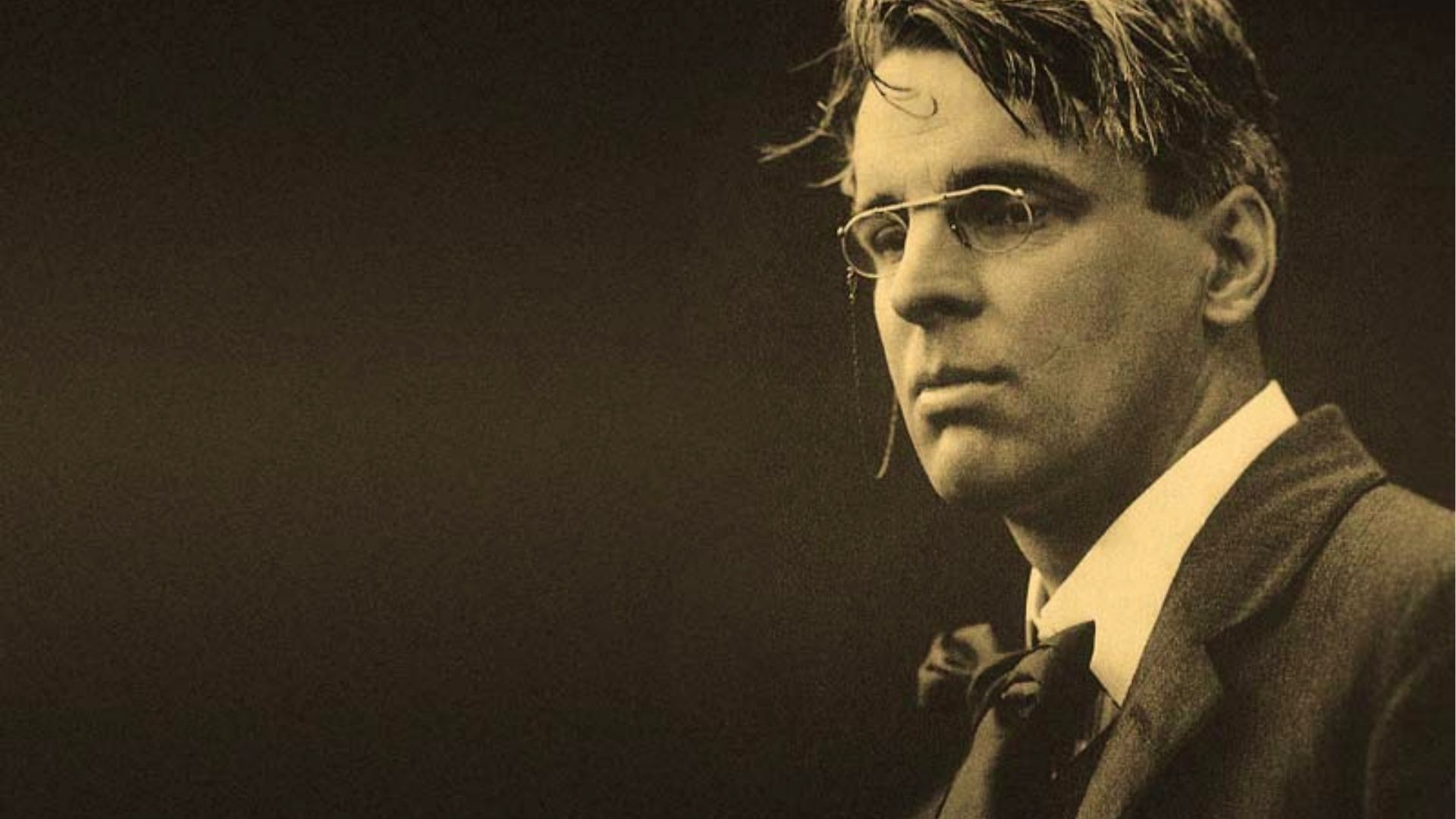
Yeats is the towering figure of Irish poetry, full stop. He won the Nobel Prize in Literature in 1923 and spent his career weaving Irish mythology with modernist ideas in ways no one had done before.
His most read poems include “The Second Coming,” “The Lake Isle of Innisfree,” and “Sailing to Byzantium.” Each one carries a different version of Yeats: the nationalist, the mystic, the aging man looking for meaning.
He was also deeply involved in the Irish Literary Revival and co-founded the Abbey Theatre in Dublin. His work is inseparable from Ireland’s push for cultural and political independence.
Seamus Heaney (1939-2013)
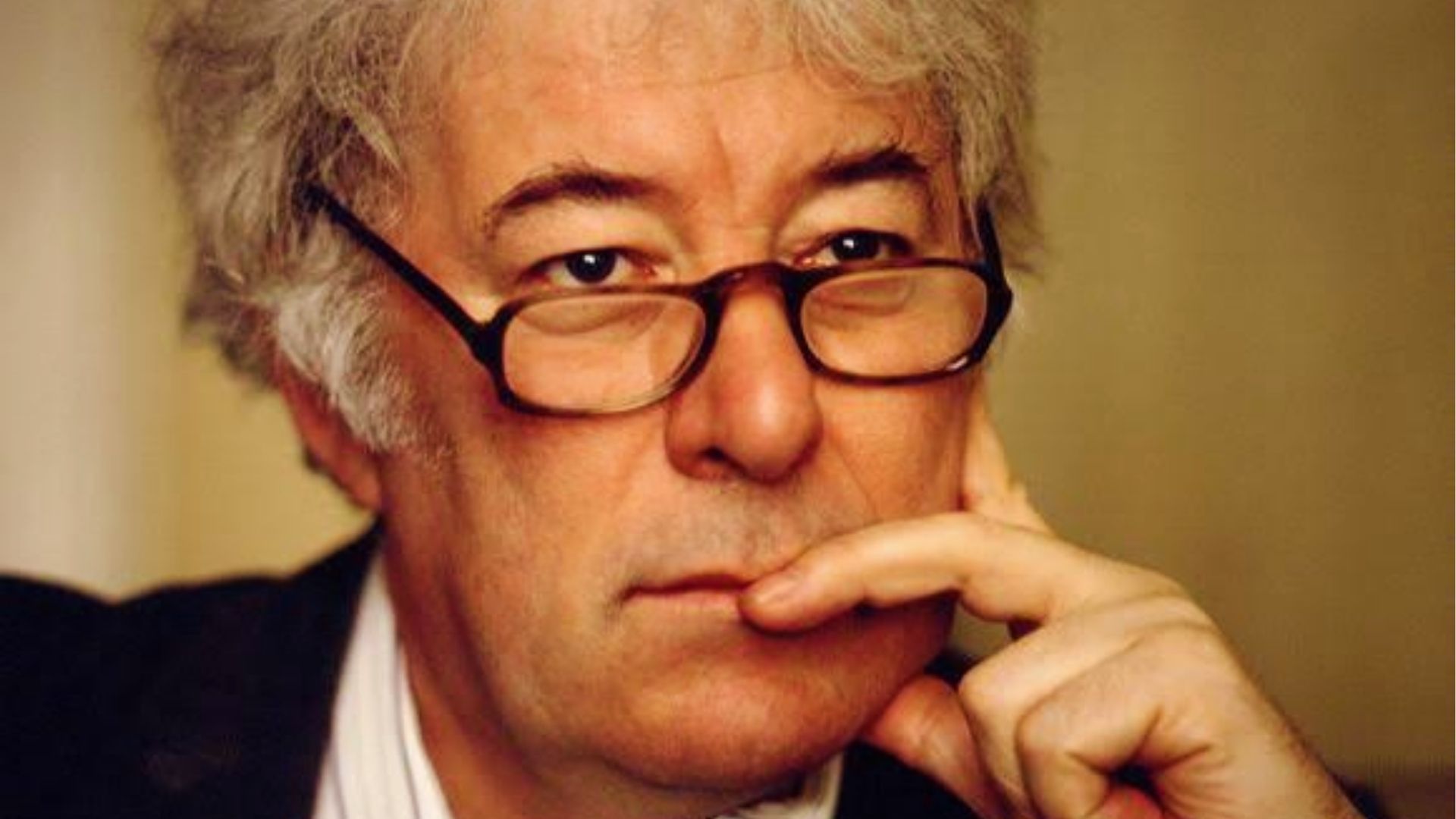
Heaney won the Nobel Prize in Literature in 1995, and the committee described his work as being of lyrical beauty and ethical depth. That’s exactly right.
He grew up on a farm in County Derry, Northern Ireland, and that rural upbringing is present on every page.
His debut collection “Death of a Naturalist” introduced a voice that felt completely new: grounded, physical, and honest about both nature and violence.
His poem “Digging” is often the first Heaney poem people read. It holds his whole world in less than thirty lines.
Oscar Wilde (1854-1900)
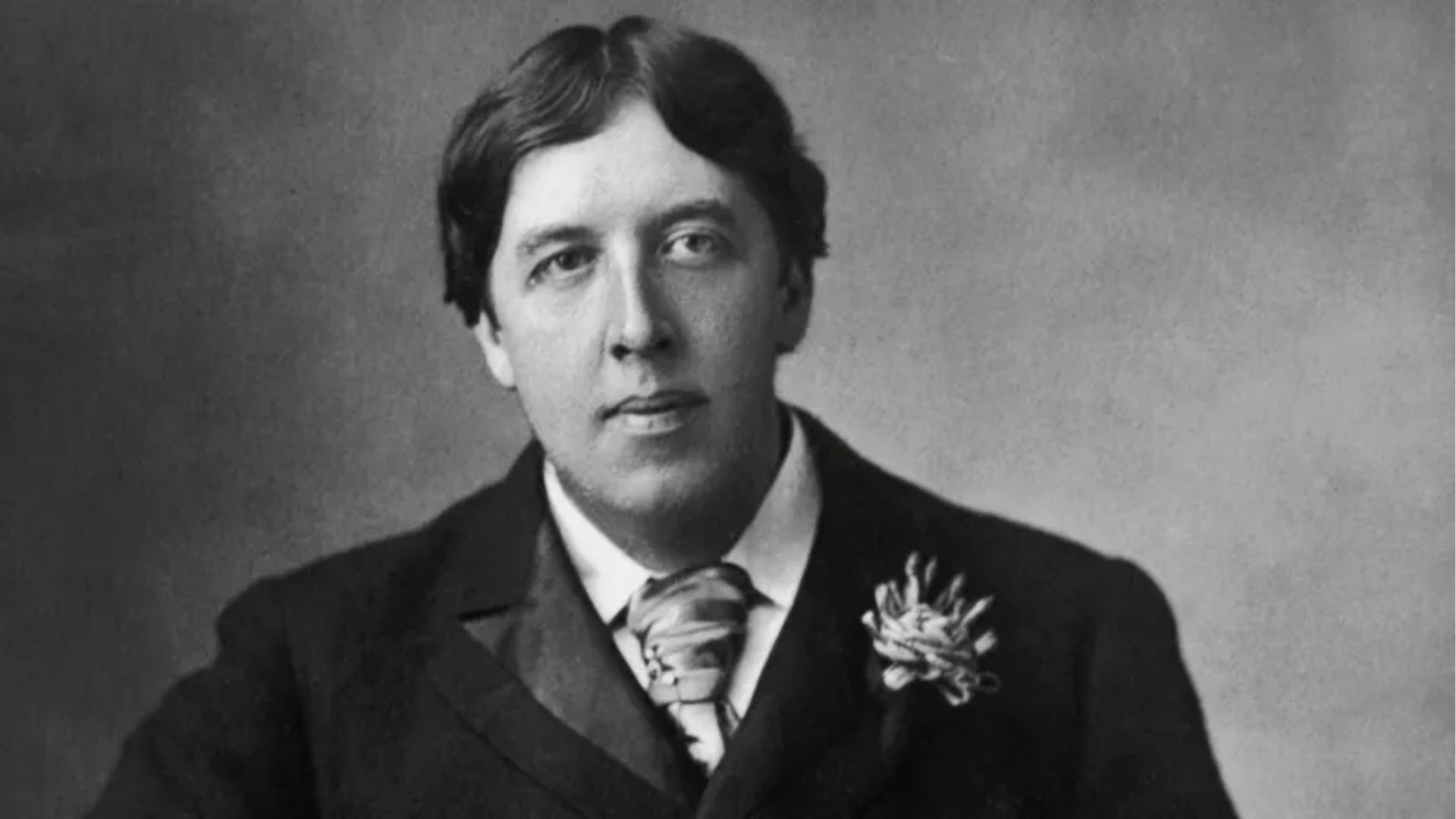
Most people know Wilde as a playwright and wit. Fewer know him as a poet. But “The Ballad of Reading Gaol,” written after his imprisonment, is one of the most powerful poems in the English language.
It’s a long, devastating work about a man he watched being led to execution. The poem is nothing like the sharp comedies he’s famous for. It’s raw, slow, and full of grief.
Wilde proves that Irish poets don’t come in one shape.
Patrick Kavanagh (1904-1967)

Kavanagh grew up poor in rural County Monaghan, and his poetry shows it. He had no patience for romanticizing the Irish countryside.
His 1942 poem “The Great Hunger” dismantled the pastoral myth that Irish rural life was simple or noble.
His work is sharp, sometimes bitter, and always honest. He wrote about ordinary people living difficult lives without dressing it up.
“Canal Bank Walk” is a good starting point if you want to see the gentler, more reflective side of his voice.
Famous Irish Women Poets
Women have always been part of Irish poetry. The canon just hasn’t always made room for them.
Eavan Boland (Expanded Focus)
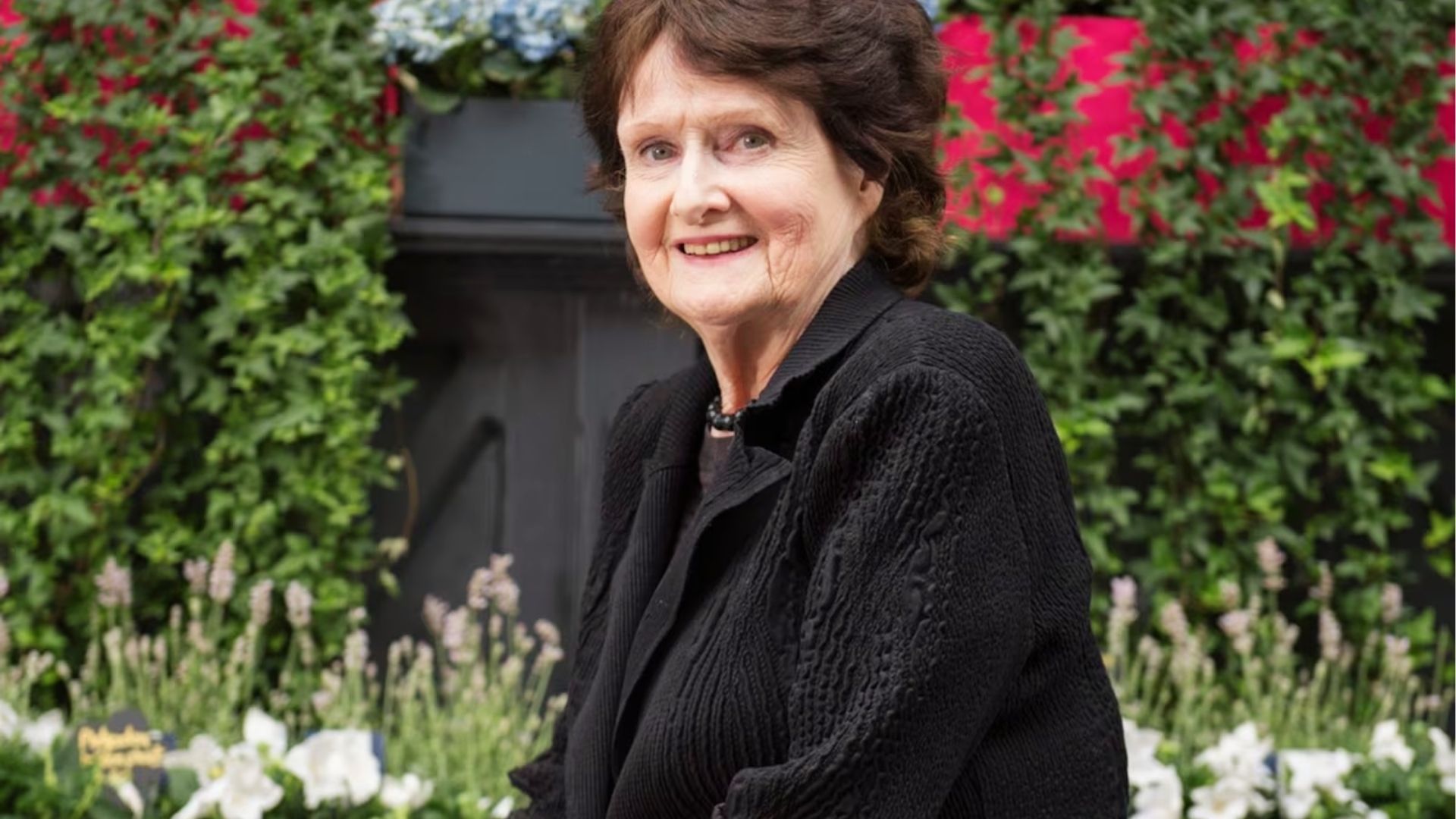
It’s worth spending more time with Boland because her contribution went beyond her own poems.
She actively wrote and spoke about the way Irish poetry had treated women as symbols, as mythologised figures, rather than as real people with real lives.
Her essays in “Object Lessons” are as important as her poems. If you want to understand the gender politics of Irish literary history, start there.
Katharine Tynan
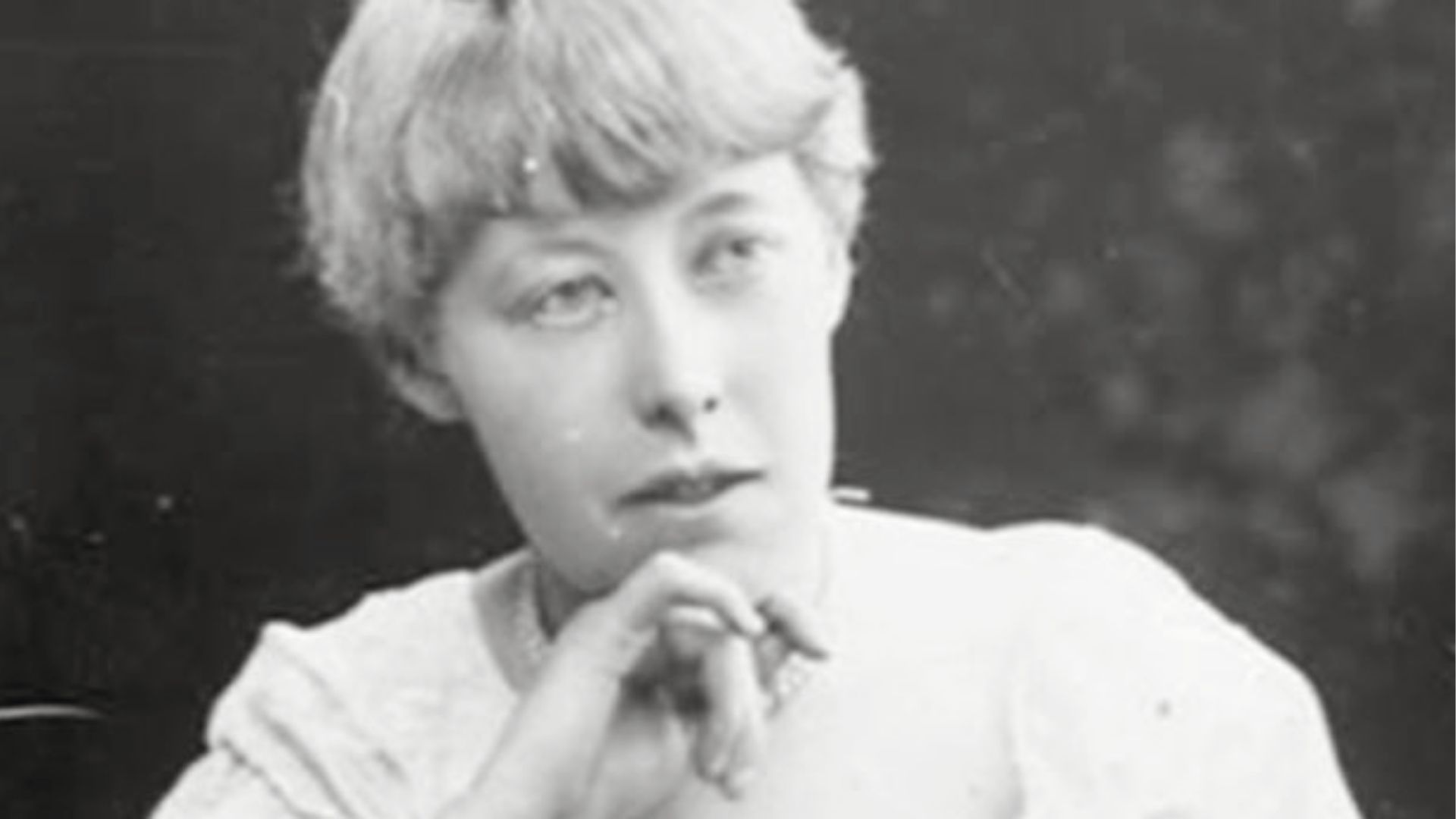
Tynan’s friendship with Yeats is well documented, but she was never simply a supporting figure.
She had her own distinct voice: quieter than Yeats, more personal, less mythologised. Her devotional poems have a warmth that holds up even now.
Elaine Feeney
Feeney is a contemporary Irish poet and novelist from County Galway. Her poetry deals with the body, illness, family, and Irish life in a way that feels urgent and unfiltered. She’s one of the most exciting voices in Irish writing right now.
Colette Bryce
Bryce grew up in Derry during the Troubles and her poetry carries that history without being defined by it.
Her collection “The Full Indian Rope Trick” is a strong entry point. Her voice is precise, controlled, and quietly powerful.
Contemporary and Modern Irish Poets
Irish poetry didn’t stop with the Nobel laureates. New voices are actively reshaping what the tradition looks like.
Who Is Writing Irish Poetry Today
Alongside Elaine Feeney and Paul Muldoon, names like Doireann Ní Ghríofa and Vona Groarke are getting serious attention.
Ní Ghríofa writes in both Irish and English, and her hybrid prose-poem work “A Ghost in the Throat” became an international success.
The Irish language is also having a moment. Poets writing in Irish (Gaelic) are gaining wider readership through translation, and that’s opening up a side of Irish poetry that English-only readers rarely see.
Recommended Collections to Start With
If you’re new to Irish poetry, these are the collections worth reading first:
- “Death of a Naturalist” by Seamus Heaney
- “The Winding Stair” by W.B. Yeats
- “In a Time of Violence” by Eavan Boland
- “The Great Hunger” by Patrick Kavanagh
- “The Full Indian Rope Trick” by Colette Bryce
Closing Thoughts
Famous Irish poets didn’t just write about Ireland. They wrote about grief, identity, land, and what it means to be human inside a place that’s been shaped by struggle.
From Yeats winning the Nobel Prize to Boland rewriting who gets to be in the poem, this tradition has always been about more than words on a page.
If any of the names here are new to you, pick one collection and start there. You’ll find your own favorite quickly. Which Irish poet speaks to you most? Drop it in the comments.
Frequently Asked Questions
Who is considered the father of Irish poetry?
W.B. Yeats is widely regarded as the father of modern Irish poetry, given his role in the Literary Revival and his lasting influence on generations of writers after him.
Are there Irish poets who wrote in the Irish language?
Yes, Piaras Feiritéar and Nuala Ní Dhomhnaill are among the most celebrated poets who wrote primarily in Irish (Gaelic), with their work now widely available in translation.
What is the saddest poem ever that makes you cry?
W.H. Auden’s “Funeral Blues” is widely considered one of the saddest poems ever written because it describes the raw, all-consuming pain of sudden grief.