
A sonnet is a 14-line poem, usually in iambic pentameter with a set rhyme scheme, built around a turn in thought called the volta. The sonnet poem examples below show each rule in action, and show which rules poets bend.
Most people can name a famous sonnet but can’t explain what makes it work. This guide walks through 11 sonnet examples, from Shakespeare and John Donne to Robert Frost and Lucille Clifton.
Each one is annotated so you can see its form, where the argument turns, and why the ending lands the way it does.
By the end, you’ll be able to pick up any sonnet and understand what it is doing.
What Makes a Poem a Sonnet?
A poem is a sonnet when it has 14 lines, a regular meter, a fixed rhyme scheme, and a turn in thought. The name comes from the Italian sonetto, which the Academy of American Poets defines as “a little sound or song.”
The volta is what actually matters. It is the moment the argument changes direction, the tone flips, or the speaker sees things differently.
Modern poets loosen the meter, drop the rhyme, even change the line count. The turn is the one thing that stays.
Shakespearean Sonnet Structure
A Shakespearean sonnet has three quatrains and a closing couplet. Each quatrain rhymes ABAB, so lines 1 to 12 run ABAB CDCD EFEF, and the final two lines rhyme GG.
Shakespeare made the form famous, but Sir Thomas Wyatt and Henry Howard, Earl of Surrey, developed it in the 16th century. The volta often arrives at line 9, though Shakespeare frequently saves it for the couplet.
Petrarchan Sonnet Structure
A Petrarchan sonnet splits into an eight-line octave rhyming ABBAABBA and a six-line sestet, usually rhyming CDECDE or CDCDCD. The volta falls at line 9, right at the split. Whatever question the octave raises, the sestet answers.
Six lines of resolution instead of two give the argument room to develop, as entries 3 and 7 show.
11 Sonnet Poem Examples (Classical to Contemporary)
Each entry names the form, locates the volta, and shows one structural move worth knowing.
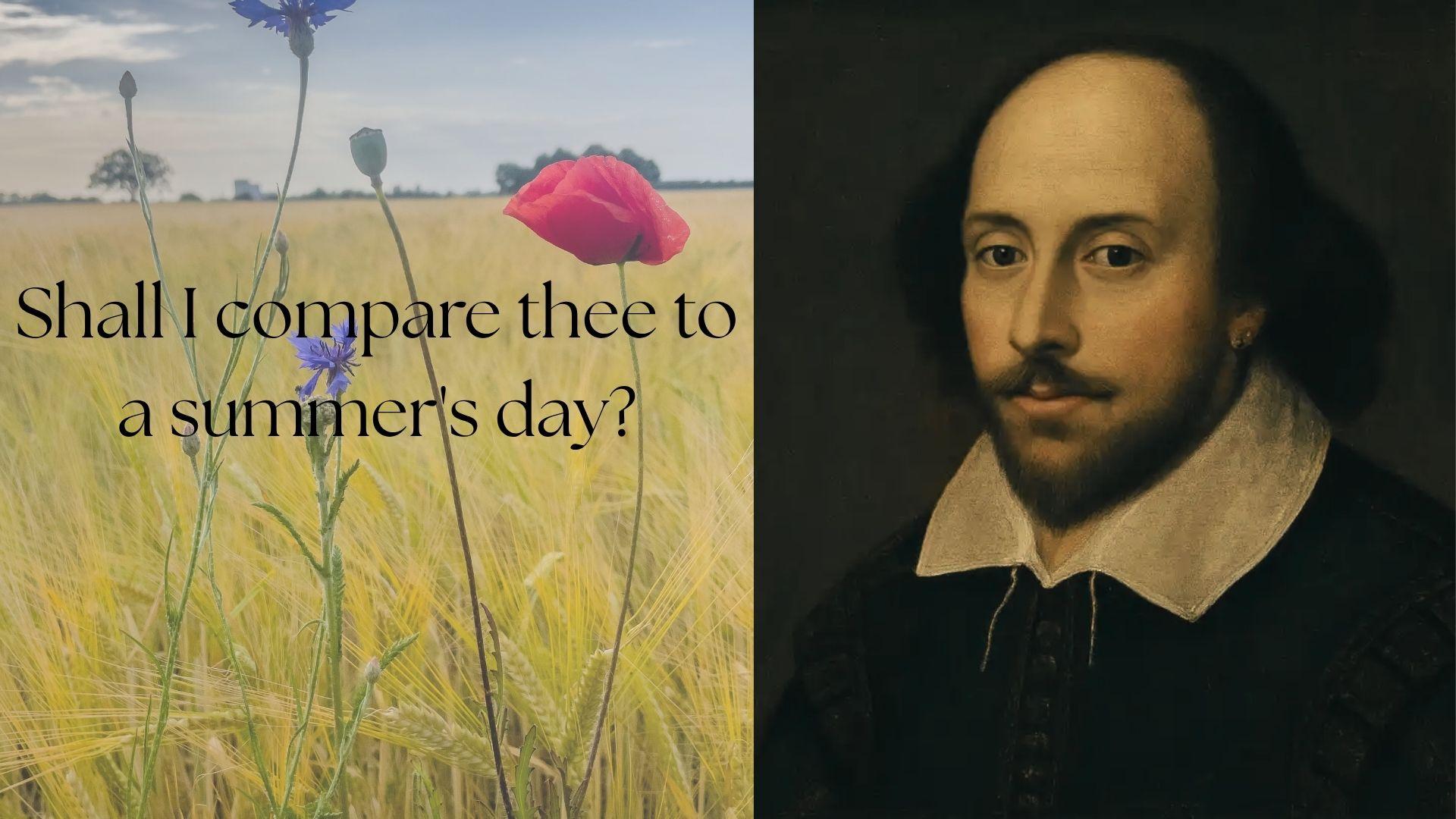
1. Sonnet 18 by William Shakespeare: “Shall I compare thee to a summer’s day?”
Form:Shakespearean (ABAB CDCD EFEF GG)
Sonnet 18 is one of the most widely taught Shakespearean sonnet examples because every feature shows up cleanly. The quatrains rhyme day/temperate/May/date, shines/dimm’d/declines/untrimm’d, and fade/ow’st/shade/grow’st, closing on see/thee.
- The volta hits at line 9:“But thy eternal summer shall not fade.” Until then, Shakespeare lists everything summer gets wrong.
- Then the argument flips:nature fades, the beloved won’t.
- The couplet is proof: the poem promises immortality and delivers it by being read.
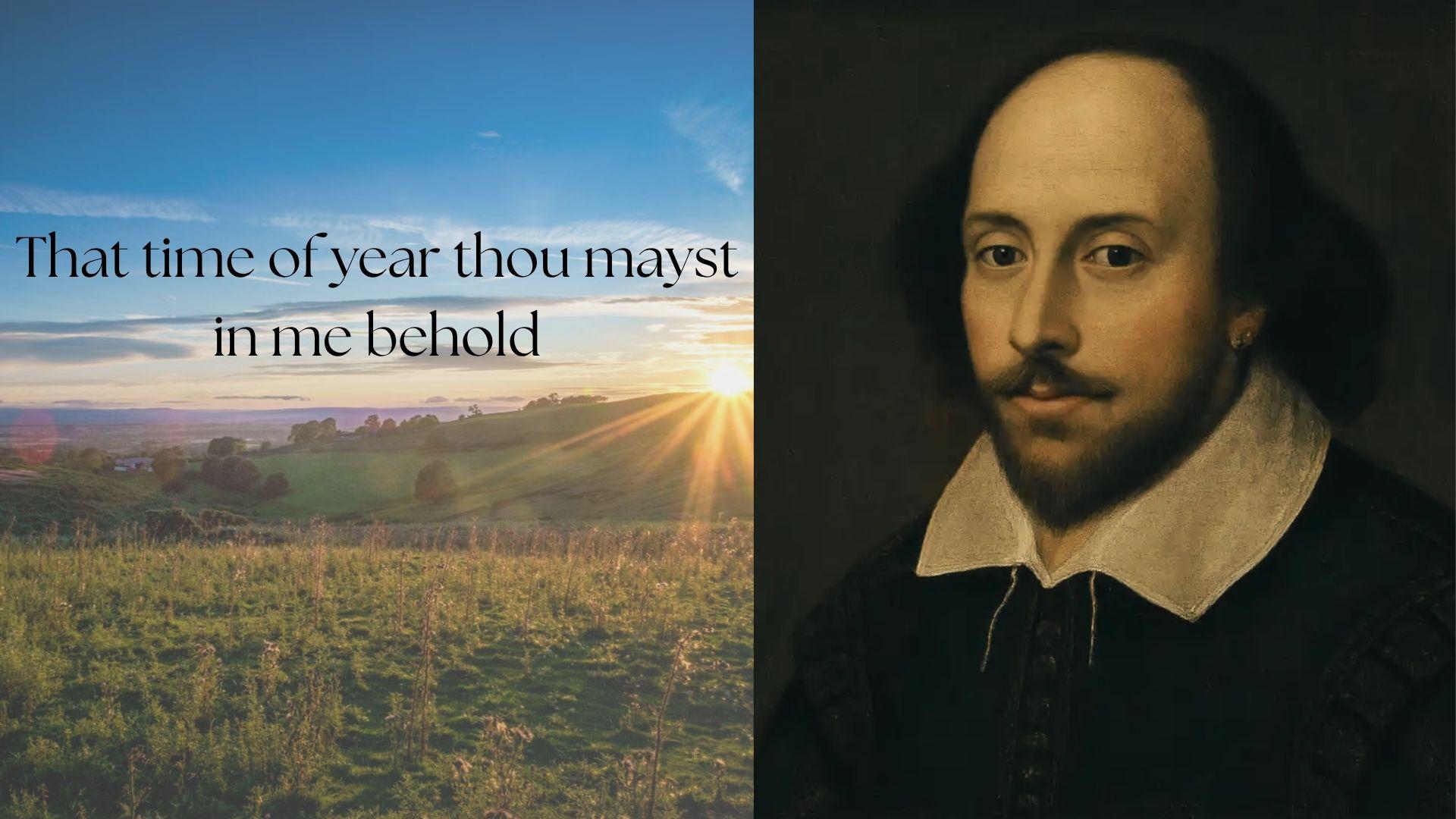
2. Sonnet 73 by William Shakespeare: “That time of year thou mayst in me behold”
Form:william-shakespeare-sonnet-73-that-time-of-year
Same structure, different approach. Each quatrain offers a separate metaphor for ageing: autumn, twilight, a dying fire.
- The volta arrives in the couplet: “This thou perceiv’st, which makes thy love more strong.”
- The images become a demand on the beloved: love me harder, because I won’t be here long. Sonnet 18 ends in triumph, Sonnet 73 ends in urgency.
3. Sonnet 43 by Elizabeth Barrett Browning: “How Do I Love Thee?”
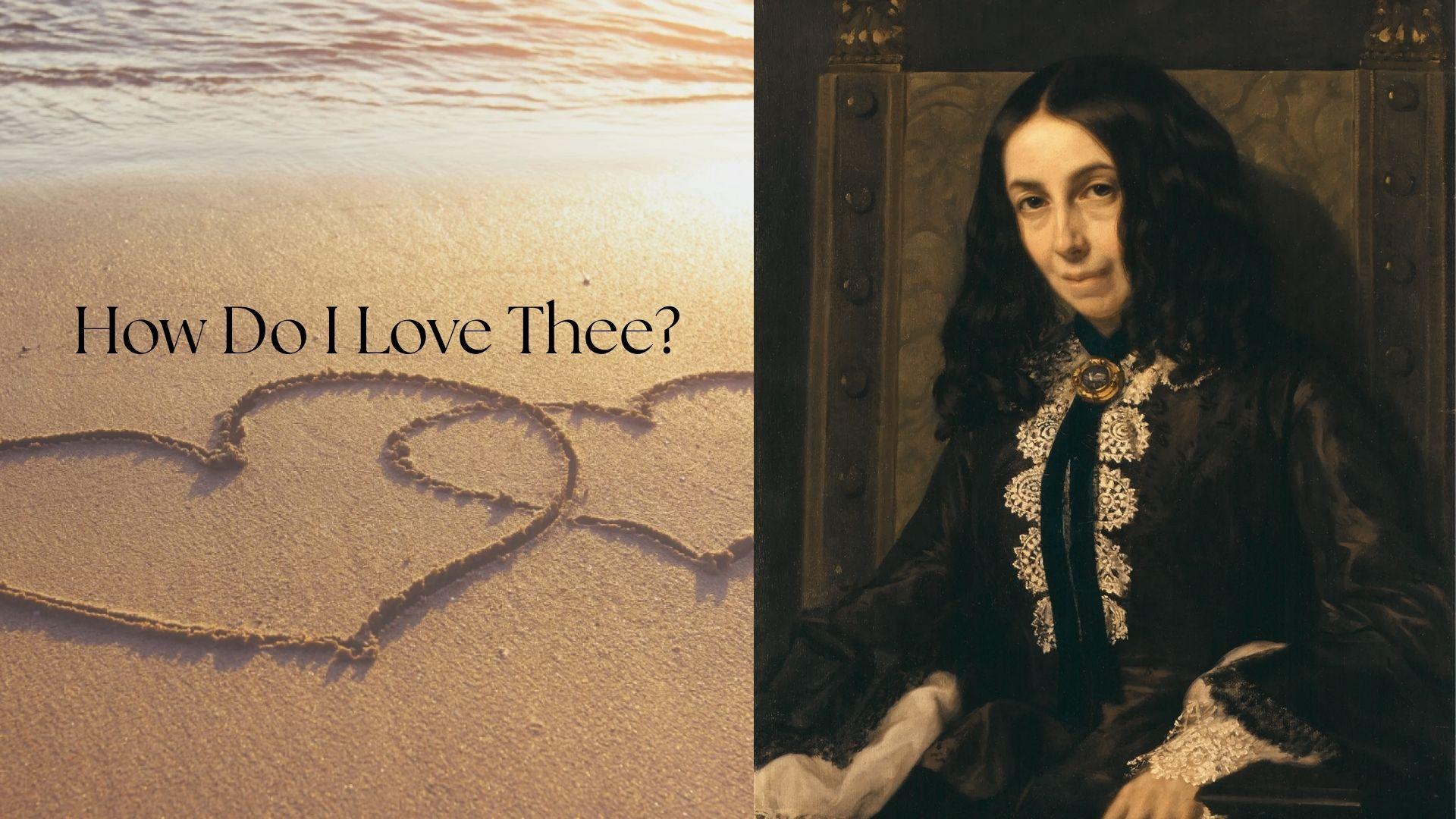
Form:Petrarchan (ABBAABBA CDCDCD, Sonnets from the Portuguese, 1850)
The octave measures love in vast, spiritual terms: “to the depth and breadth and height / My soul can reach.” At line 9 the poem turns personal, comparing that love to the passion of “old griefs” and “childhood’s faith.”
The six-line sestet gives Browning room to move from that past toward the afterlife, ending with the hope that “I shall but love thee better after death” A couplet would have forced a single landing.
4. Holy Sonnet 10 by John Donne: “Death, be not proud”
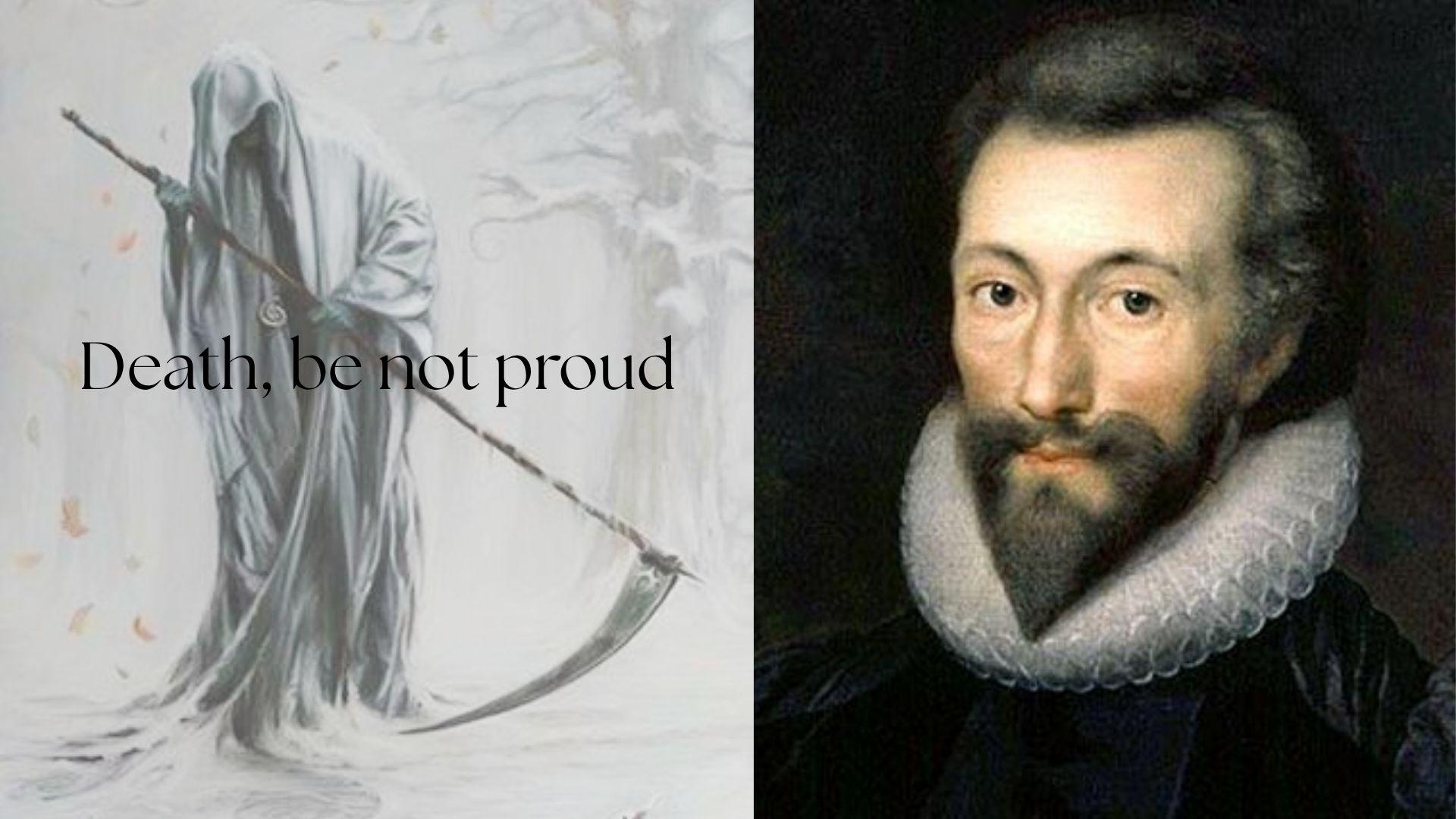
Form:Petrarchan octave with a closing couplet (ABBAABBA CDDCEE)
Donne writes a cross-examination, addressing Death as “thou” and dismantling its reputation point by point.
The volta at line 9 escalates the attack:Death is “slave to fate, chance, kings, and desperate men.” The couplet closes with “Death, thou shalt die.” That paradox only works because 12 lines of compressed argument built the case for it.
5. “Ozymandias” by Percy Bysshe Shelley
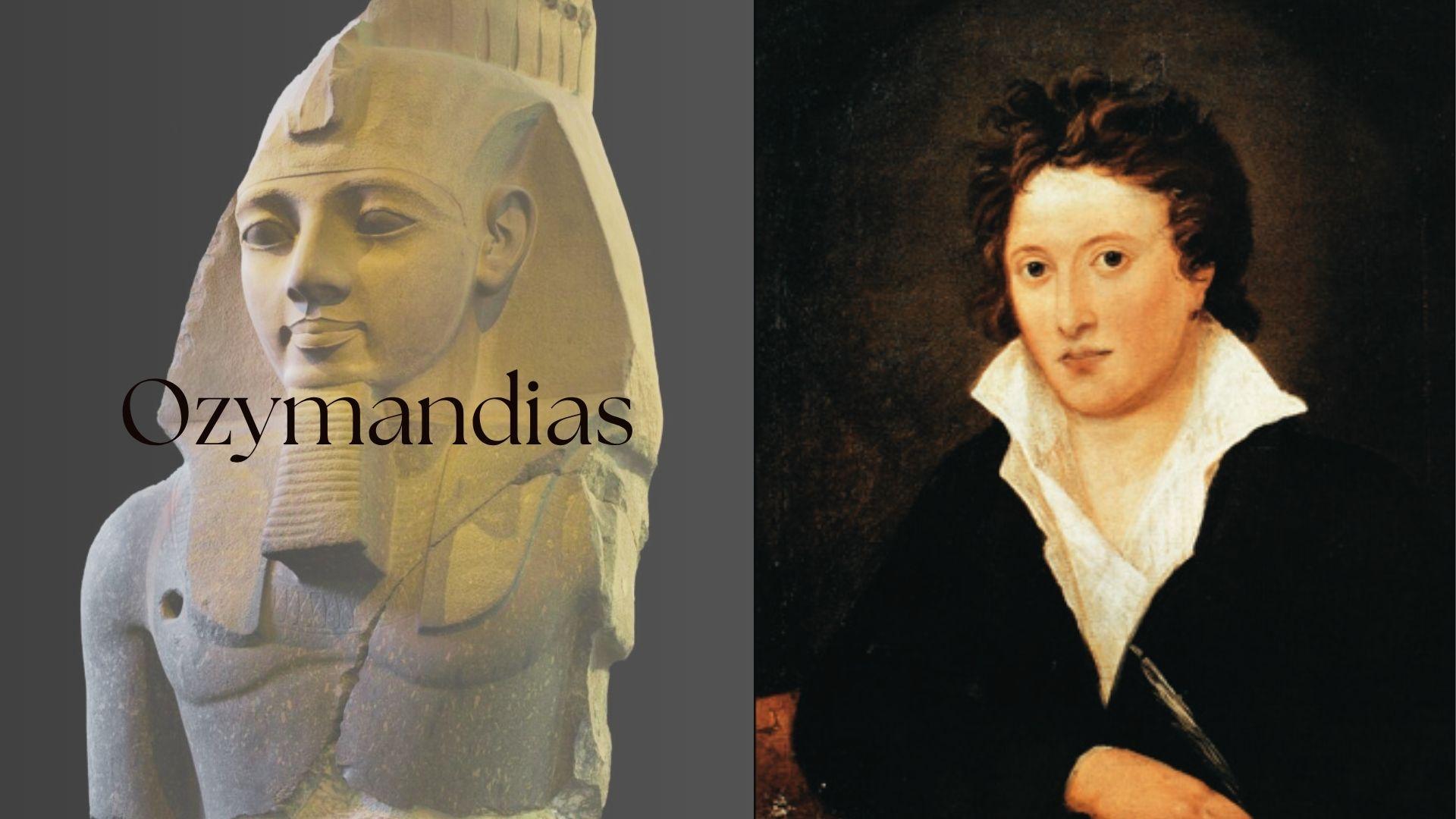
Form:Irregular sonnet (ABABACDCEDEFEF, published 1818)
“Ozymandias” refuses both standard rhyme schemes and mixes in slant rhymes such as stone/frown, mirroring its subject: decay. It also layers three voices: narrator, traveller, and inscription.
The turn builds across lines 9 to 12. Line 9 introduces the pedestal, lines 10 and 11 deliver the boast (“My name is Ozymandias, King of Kings”), and line 12 undercuts it: “Nothing beside remains.”
6. “Acquainted with the Night” by Robert Frost
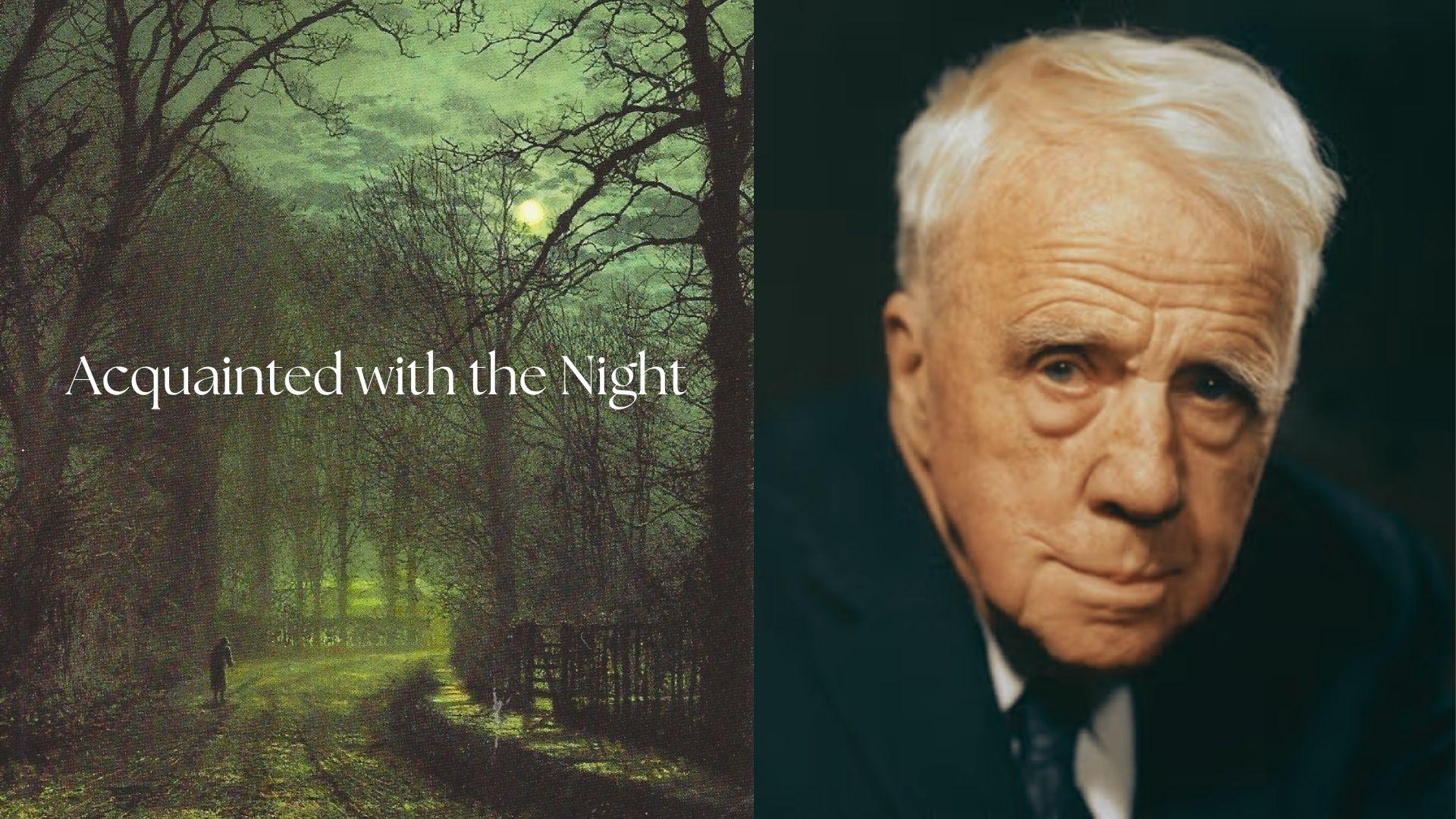
Form:Terza rima sonnet (ABA BCB CDC DAD AA, published 1928)
Each stanza’s middle rhyme becomes the outer rhyme of the next, so the poem keeps pulling you forward.
The volta arrives in lines 12 and 13:“One luminary clock against the sky / Proclaimed the time was neither wrong nor right.” The poem lifts from street level to cosmic indifference. Its first and last lines are identical, so the turn loops back to the beginning instead of pushing forward.
7. “What Lips My Lips Have Kissed” by Edna St. Vincent Millay
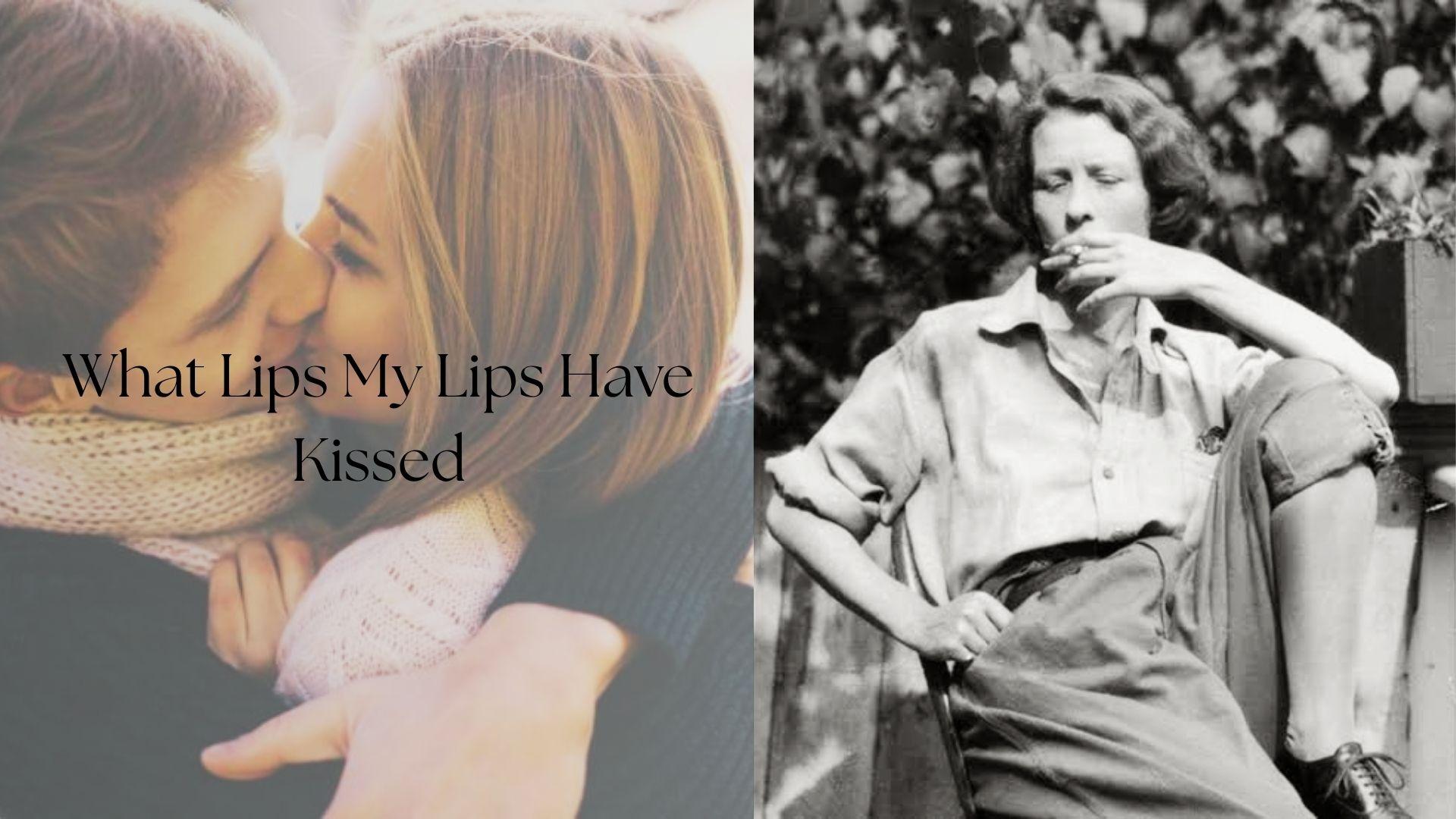
Form:Petrarchan (ABBAABBA CDECDE)
The octave builds an atmosphere of unnamed, forgotten lovers.
The volta at line 9 is “Thus in the winter stands the lonely tree.” At exactly the point the form requires a turn, abstract grief becomes one concrete image.
The sestet then brings it home:summer sang in the speaker “a little while” and sings no more.
8. “Bluebeard” by Edna St. Vincent Millay

Form:Shakespearean (ABAB CDCD EFEF GG, Renascence and Other Poems, 1917)
Same poet, different form. Millay retells the Bluebeard tale in reverse: the forbidden room has been opened, and it is empty.
At line 9 (“Yet this alone out of my life I kept / Unto myself”) the poem reveals what the room was:the one private part of her life.
The couplet does in two lines what a sestet would take six to do: “This now is yours. I seek another place.” Set beside entry 7, it shows form changing the pace of the ending while the line-9 turn stays constant.
9. “The New Colossus” by Emma Lazarus
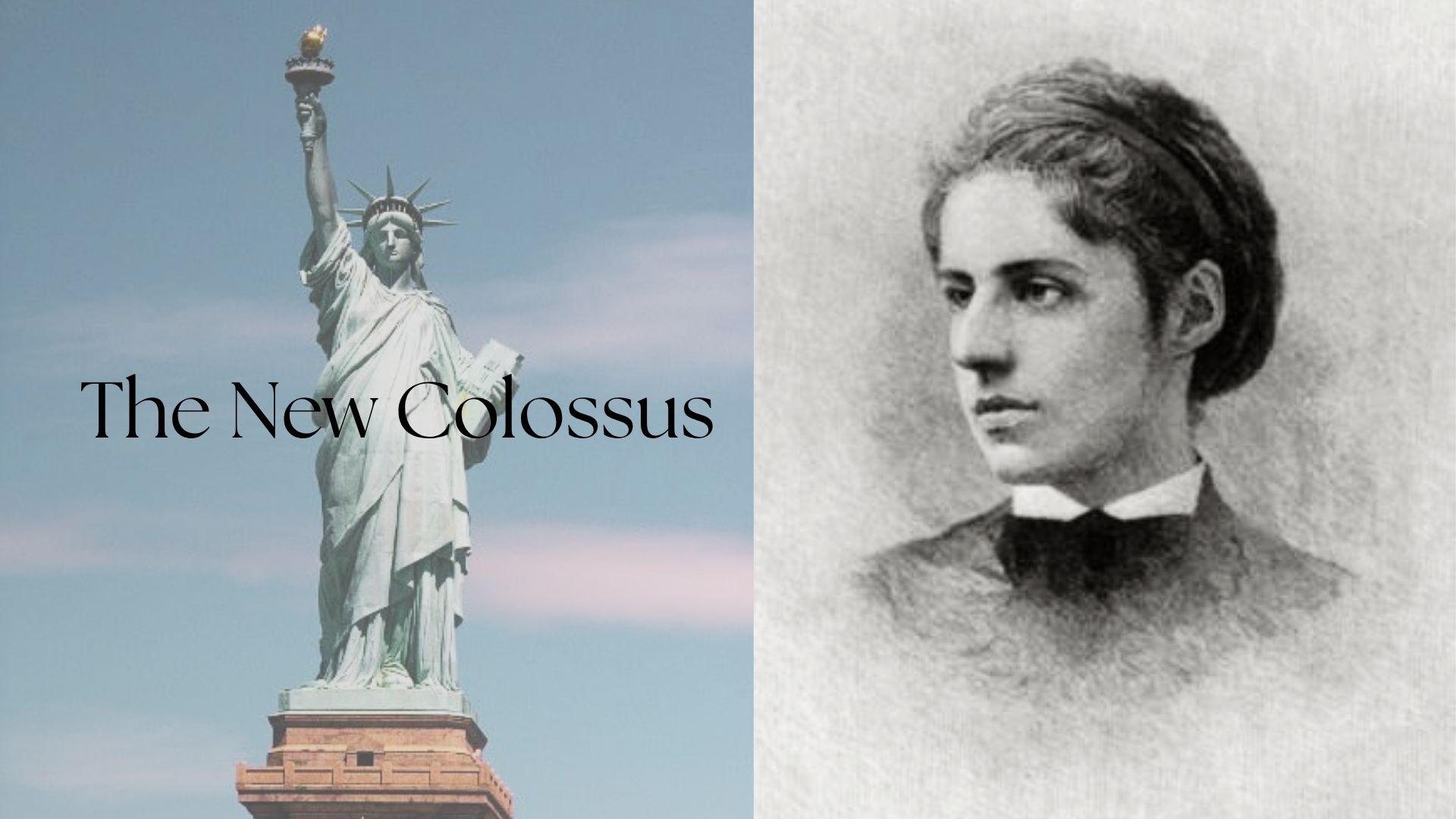
Form:Petrarchan (ABBAABBA CDCDCD, written 1883)
Lazarus wrote the poem to raise money for the Statue of Liberty’s pedestal; it was mounted on a plaque there in 1903.
The octave contrasts the “brazen giant of Greek fame,” the Colossus of Rhodes, with a “mighty woman with a torch.”
At line 9 the statue speaks for the first time: “Keep, ancient lands, your storied pomp!” Then comes “Give me your tired, your poor.” The volta hands the sestet to a new speaker.
10. “Pied Beauty” by Gerard Manley Hopkins
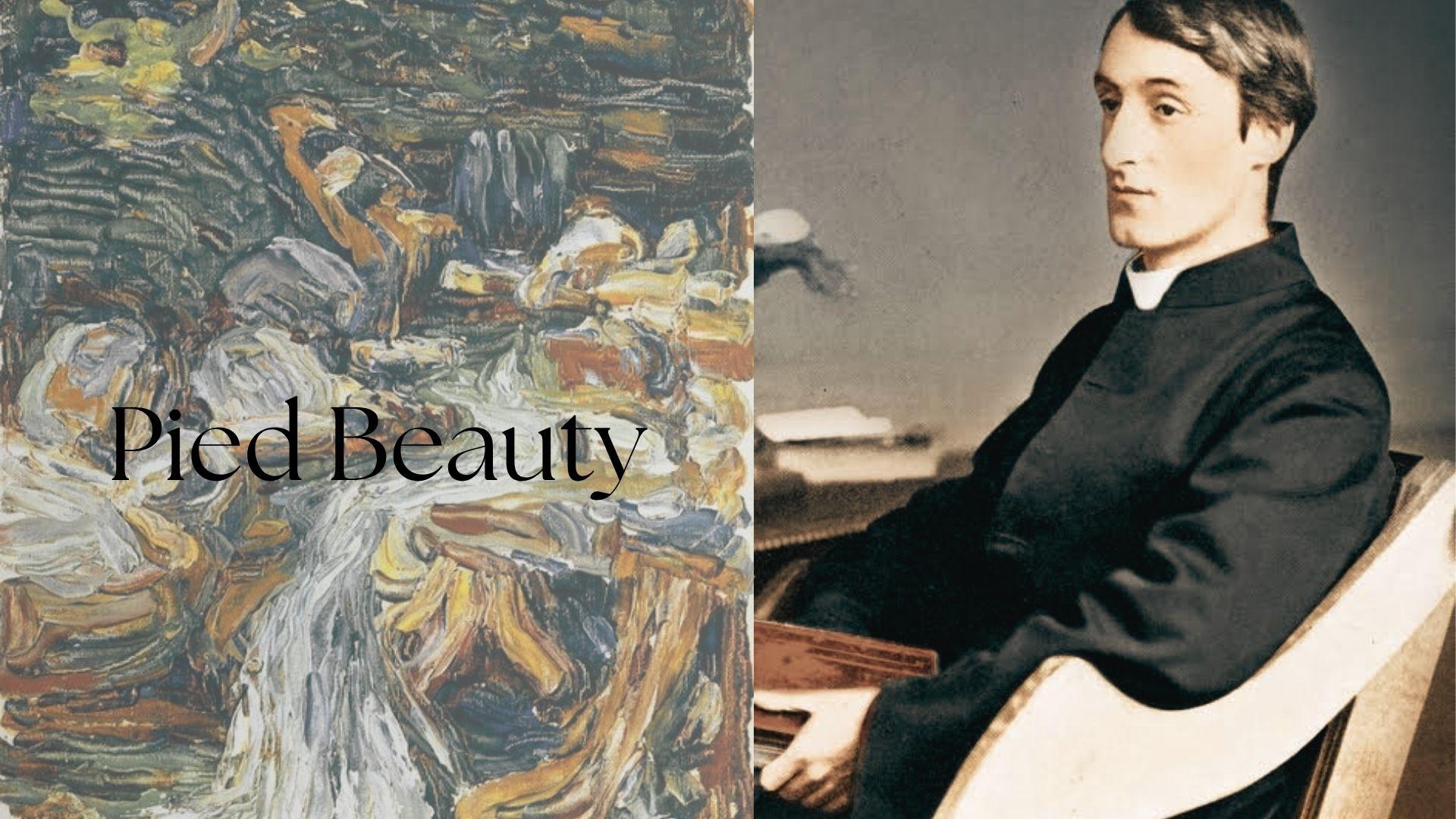
Form:Curtal sonnet (ABCABC DBCDC, written 1877, published 1918)
Does a sonnet need 14 lines? Hopkins said no, as long as the proportions hold. His curtal sonnet shrinks the Petrarchan eight-plus-six to six plus four and a half, as Britannica notes.
The first six lines catalogue “dappled things.” The volta lands at line 7, “All things counter, original, spare, strange,” where the list becomes a principle. The poem ends on a half line: “Praise him.” The length shrinks, but the turn survives.
11. “won’t you celebrate with me” by Lucille Clifton
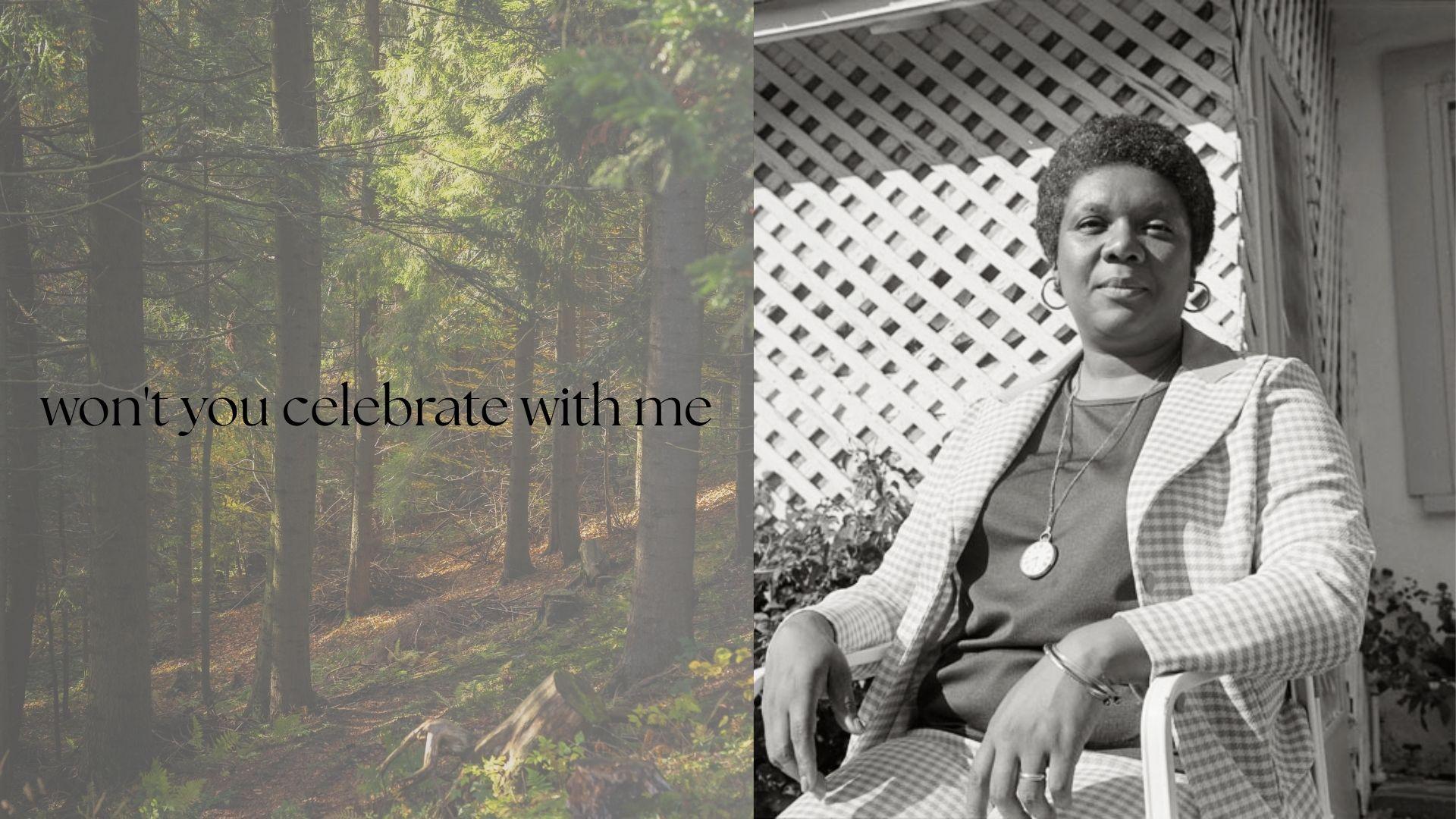
Form:Contemporary free sonnet (14 lines, no fixed meter or rhyme, Book of Light, 1993)
Clifton’s poem has 14 lines, no iambic pentameter, and no rhyme scheme.
The opening is quiet and searching: the speaker had no model for her life, so she made herself up.
Then the volta:Vulnerability becomes survival. The poem doesn’t change, but your reading of it does. The meter and rhyme are gone, but the turn stays, which is what makes it a modern sonnet example.
How to Read Any Sonnet: A Quick Framework
- Identify the form. Count the lines and check the rhyme scheme. ABAB CDCD EFEF GG is Shakespearean; ABBAABBA in the first eight lines is Petrarchan. Anything else is a variation.
- Find the volta. Go to line 9 and ask what changes: the argument, the tone, or the speaker. Modern sonnets often push the turn later, so keep reading if line 9 feels flat.
- Read the ending as an answer. The couplet or sestet responds to the tension the opening sets up.
Form, turn, resolution:every sonnet here follows that logic.
Wrapping Up
Once you know the three rules and the turn, every sonnet poem example starts to make sense. In each one, the structure does real work.
Try the framework on Christina Rossetti’s “Remember,” a Petrarchan sonnet that turns right on cue at line 9 (see our Remember Me poem analysis), or on the 14 lines of Robert Hayden’s “Those Winter Sundays.” If Sonnet 43 stayed with you, you’ll find it among our sympathy poems.
Which sonnet surprised you most? Tell us in the comments, and share this guide with anyone studying sonnets.
Frequently Asked Questions
What are the three rules of a sonnet?
A traditional sonnet has 14 lines, a regular meter (usually iambic pentameter in English), and a fixed rhyme scheme. Most readers add a fourth feature, the volta, and it is the one modern poets almost never drop.
Who invented the sonnet form?
The sonnet began in 13th-century Sicily and is credited to Giacomo da Lentini. Petrarch perfected the Italian form. Wyatt and Surrey brought it to England in the 16th century, and Surrey’s version became known as the Shakespearean sonnet.
Is Iambic pentameter hard to write?
Iambic pentameter takes practice, but it follows a simple da-DUM rhythm repeated five times per line. Reading your lines aloud is the fastest way to catch where the rhythm breaks.
Can sonnets tell a story?
Yes. “Ozymandias” tells a story through three nested voices, and “Bluebeard” retells a fairy tale in 14 lines. A sonnet can carry narrative as long as it builds to a turn.
What are the main types of sonnets?
The three main types are the Petrarchan (ABBAABBA plus a CDECDE or CDCDCD sestet), the Shakespearean (ABAB CDCD EFEF GG), and the Spenserian (ABAB BCBC CDCD EE). The Spenserian links its quatrains through shared rhymes, as in Edmund Spenser’s Amoretti. Curtal, caudate, terza rima, and free sonnets are later variations on these models.
What is a sonnet sequence?
A sonnet sequence is a series of linked sonnets on one subject. Shakespeare’s 154 sonnets and Elizabeth Barrett Browning’s 44 Sonnets from the Portuguese are the best known. Pablo Neruda’s One Hundred Love Sonnets is a modern example; see our guide to Pablo Neruda’s love poems.