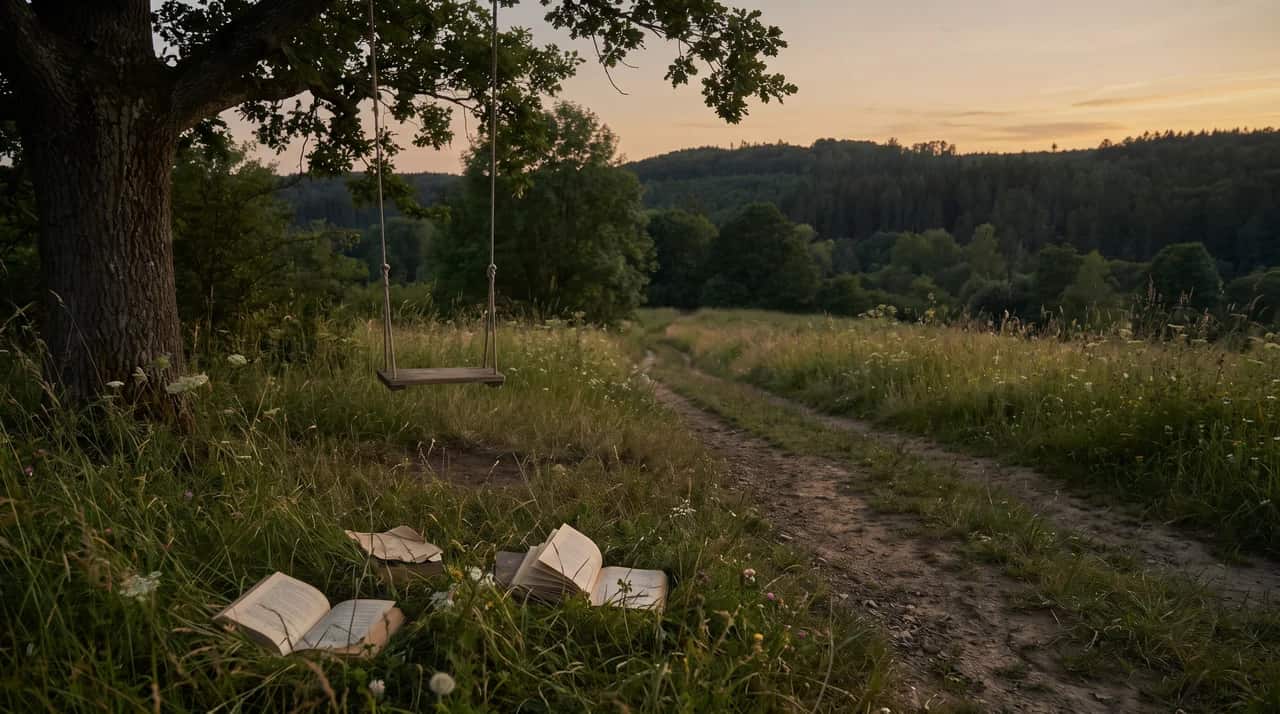


Poems about summer do something a photo album cannot. They put you back inside the feeling, not just the image.
The heat, the stillness, the sense that time has slowed to almost nothing.
This collection brings together the summer poems that have lasted, and looks honestly at what each one actually does.
Read them, and you will start to notice summer differently. Not as a season to get through, but as something worth paying attention to while it is still here.
What Makes a Poem Capture Summer Better Than Any Photograph?
A photograph shows you what summer looked like. A poem makes you feel it again.
That is the difference. A good summer poem does not describe the season.
It locks onto one precise moment inside it: the weight of a long afternoon, the sound of nothing happening, the way heat sits on your skin and slows everything down.
Prose moves past those moments. Poetry stops there.
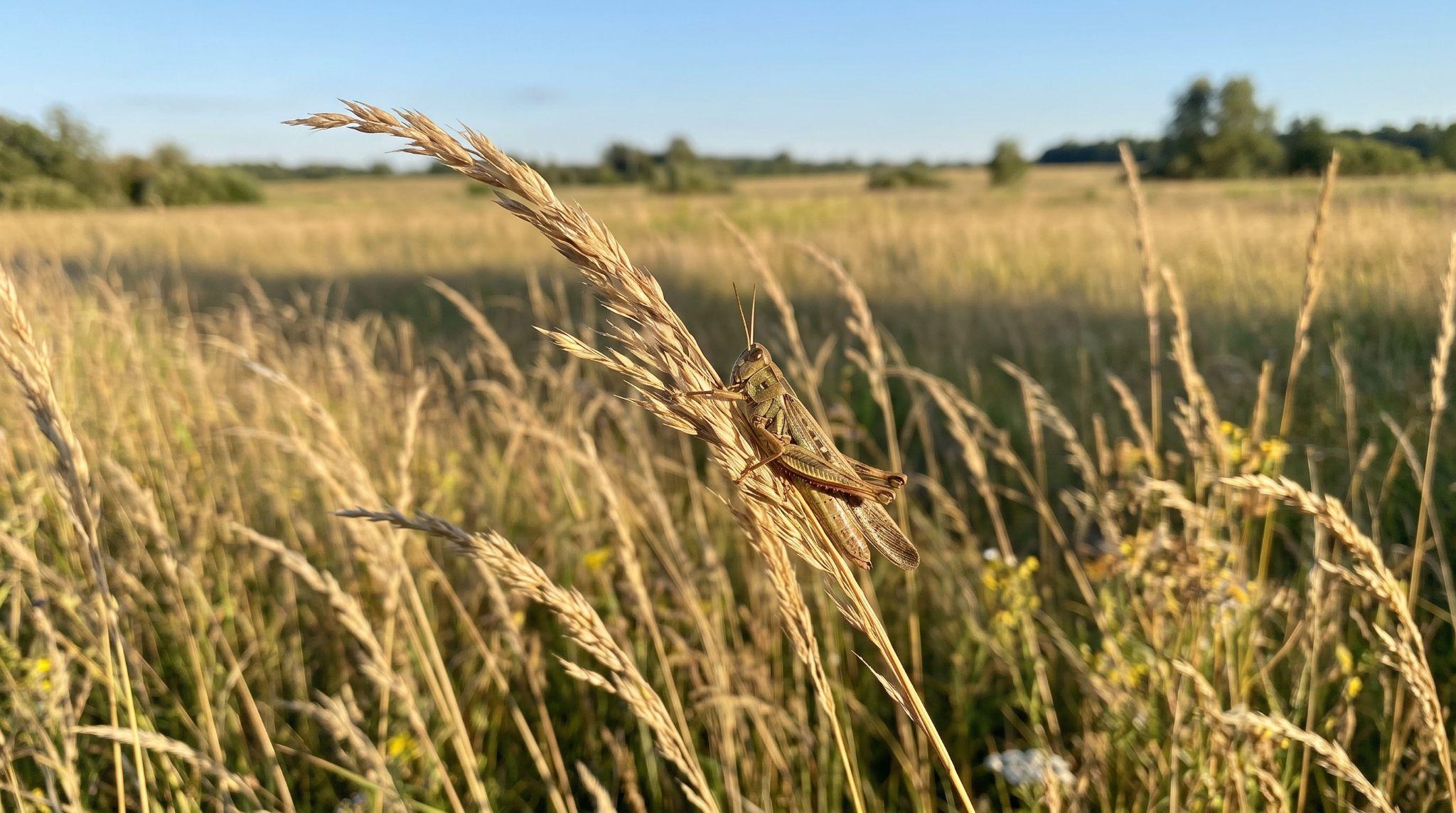
The poems that last are never about summer as a whole. They are about one grasshopper.
One fly. One child awakens while the sky is still light. That narrowness is exactly what gives them power.
The wider the lens, the less you feel. The best summer poems know that.
The Summer Poems Most Worth Reading and What They Do
These are not the only summer poems worth your time. But they are the ones that do something most summer poems do not. Each one earns its place here for a specific reason.
"The Summer Day" by Mary Oliver
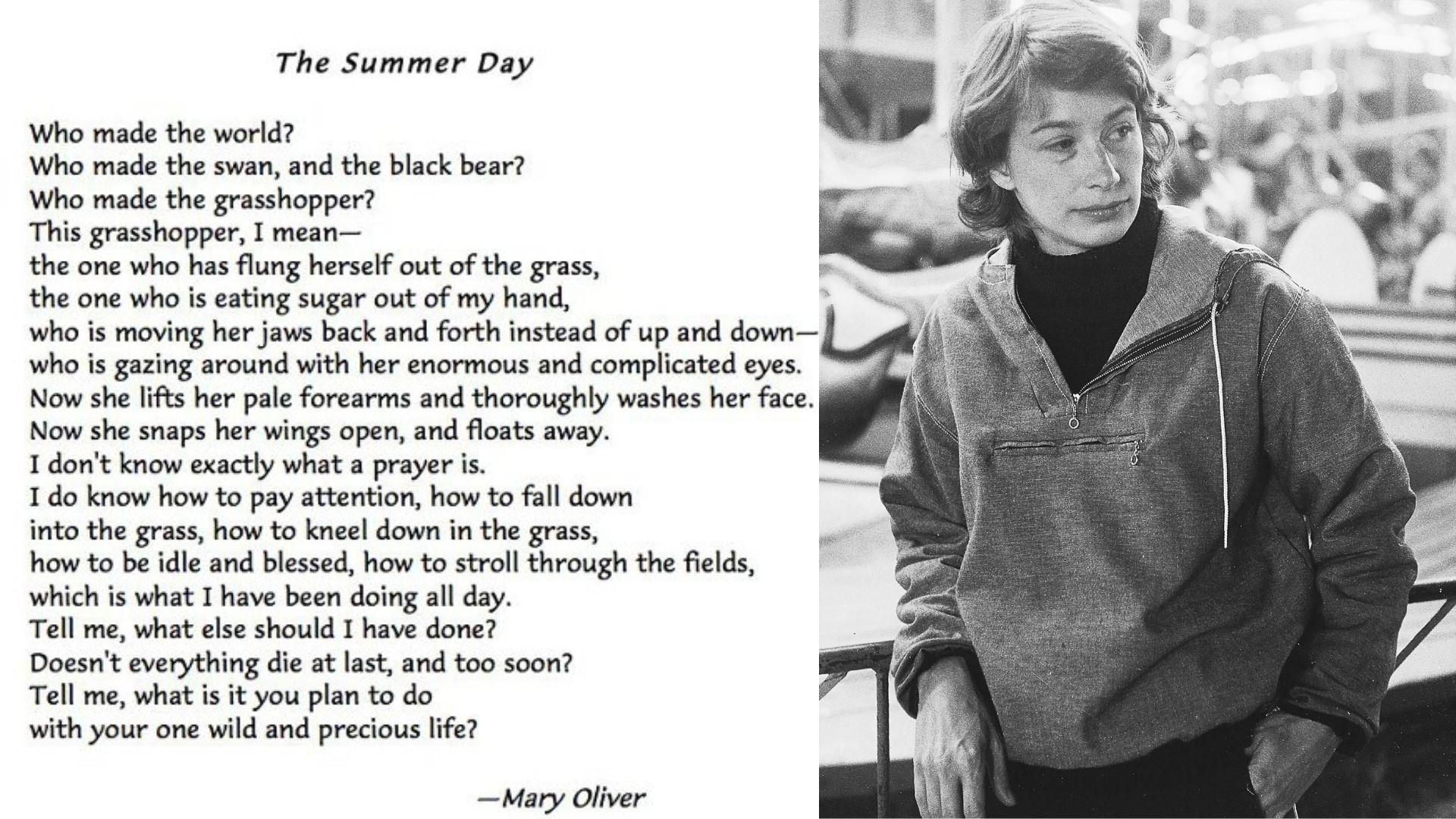
Mary Oliver spent most of her life paying attention to small things. This poem is proof of that.
It opens with enormous questions. Who made the world? Who made the swan?
Then it narrows to one grasshopper sitting in Oliver's hand on a summer afternoon, cleaning her face, moving her jaws side to side.
That shift is the whole poem. From the vast to the precise. From the universe to one insect in one afternoon.
It closes with a question most readers carry with them for years after. Not about summer. About what you are doing with the time you have been given.
It works because it never tries to describe summer. It just lives inside one hour of it completely.
"Bed in Summer" by Robert Louis Stevenson
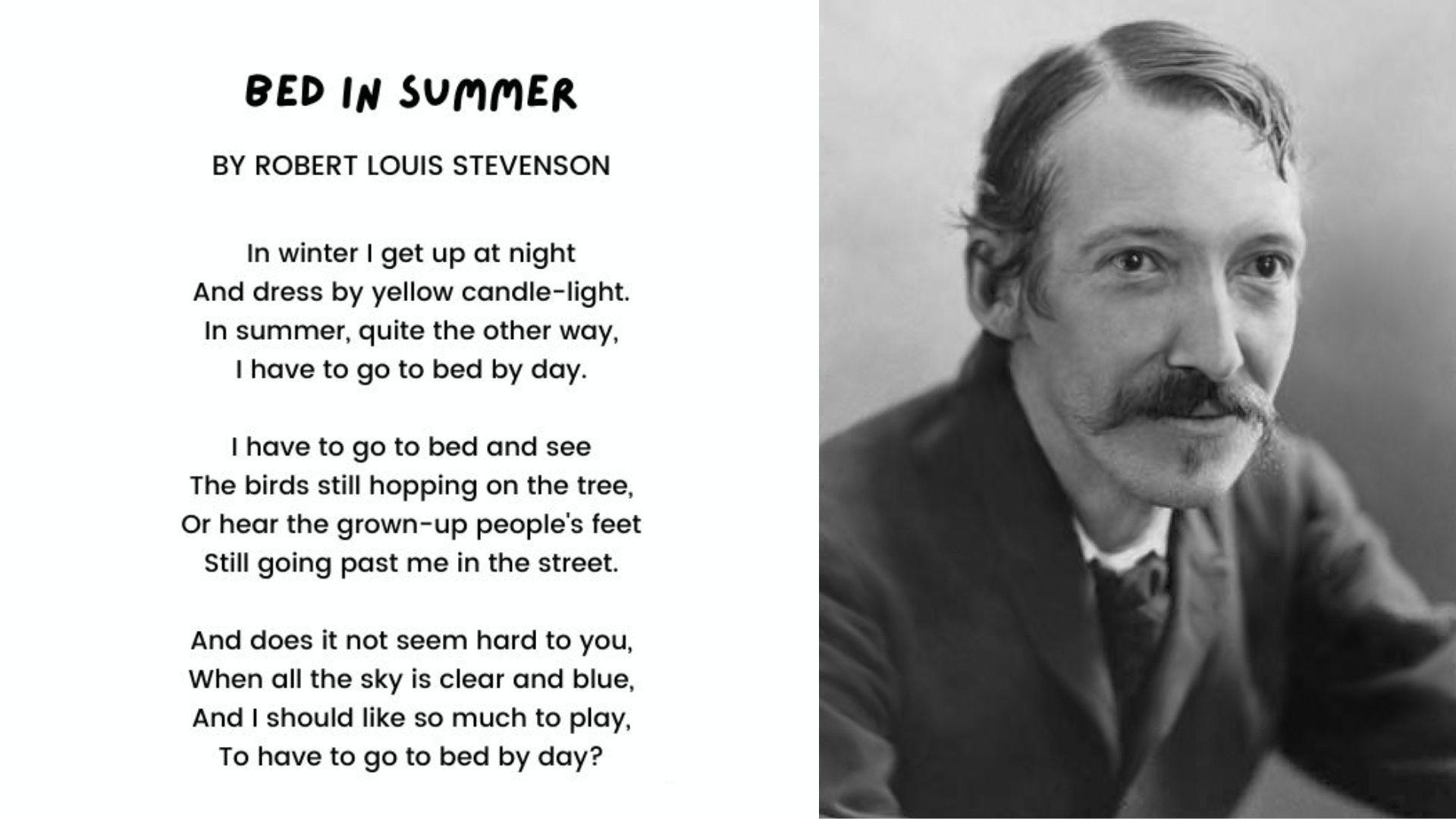
This poem captures something every child knows and no adult forgets. The injustice of being sent to bed while summer daylight still fills the window.
Stevenson writes it from a child's point of view. Short lines. Simple words. A clean, musical rhythm.
But the feeling inside it is real and specific. The sky is still light. The world outside is still moving. And you are in bed.
It is a small poem. That is precisely why it works. It does not reach for anything grand.
It just tells the truth about one frustrating summer moment, and that truth holds.
"To Autumn" by John Keats
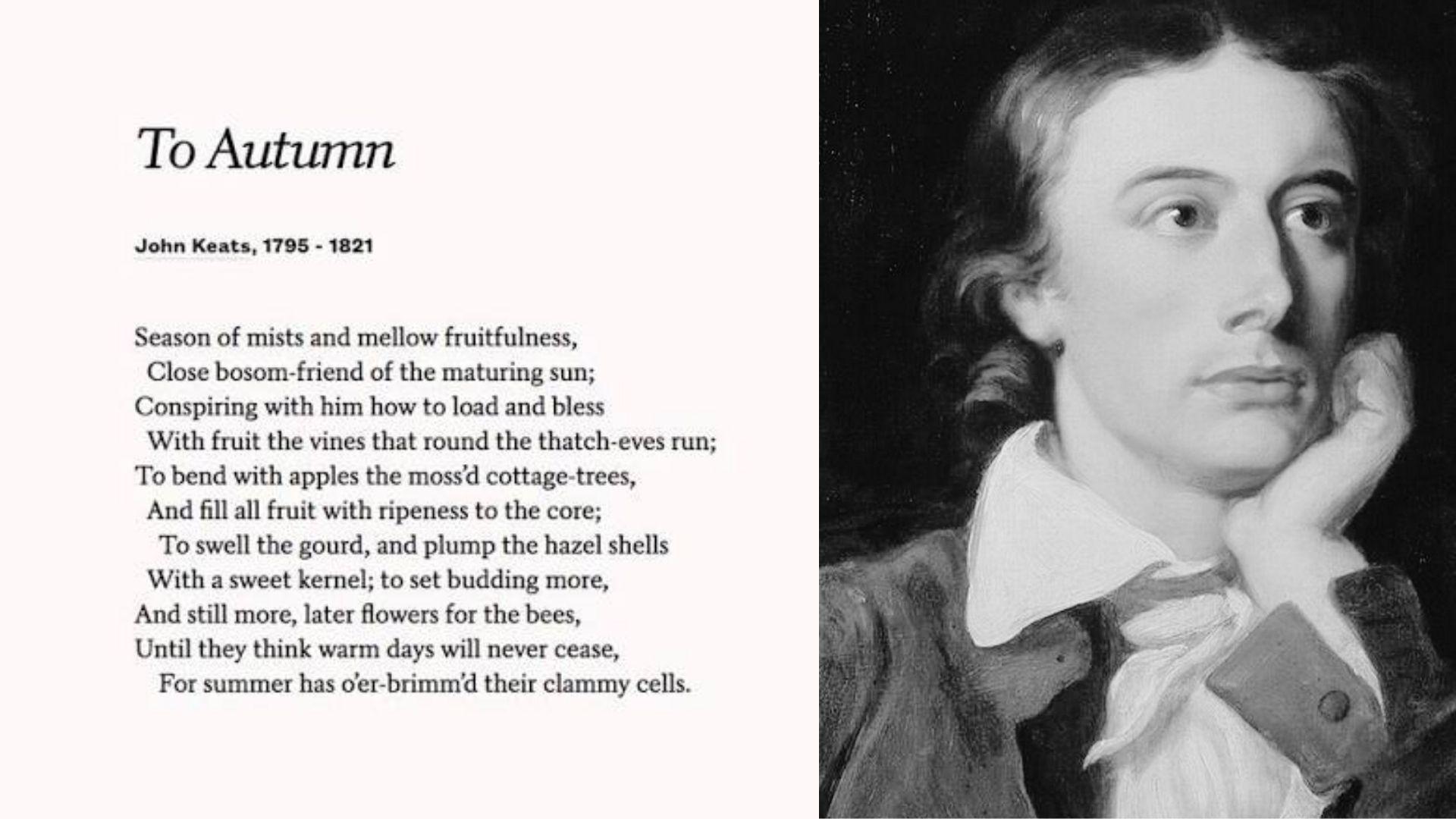
Most readers know this as an autumn poem. But read it at the right time of year, and it reads differently.
Keats wrote it in September, at the exact moment summer gives way. The warmth is still there.
The fruit is full. But everything is tipping. You can feel the season about to turn on every line.
That is what makes it worth reading here. It does not celebrate summer. It catches summer the moment before it disappears.
If you want a poem for the end of August, this is it. Nothing captures that specific feeling more honestly.
"The Fly" by William Blake

Blake wrote this poem as a short, almost casual thing. A man swats a fly. Then he wonders whether the fly's life and his own are really that different.
It is a summer poem because it could only happen in summer. The idle hand.
The small, unimportant act. The long afternoon that gives you enough empty time to follow a thought like that all the way to its end.
The poem is unsettling in a quiet way. It earns that feeling without working hard for it.
"Summer Is Over Upon the Sea" by Elizabeth Bishop
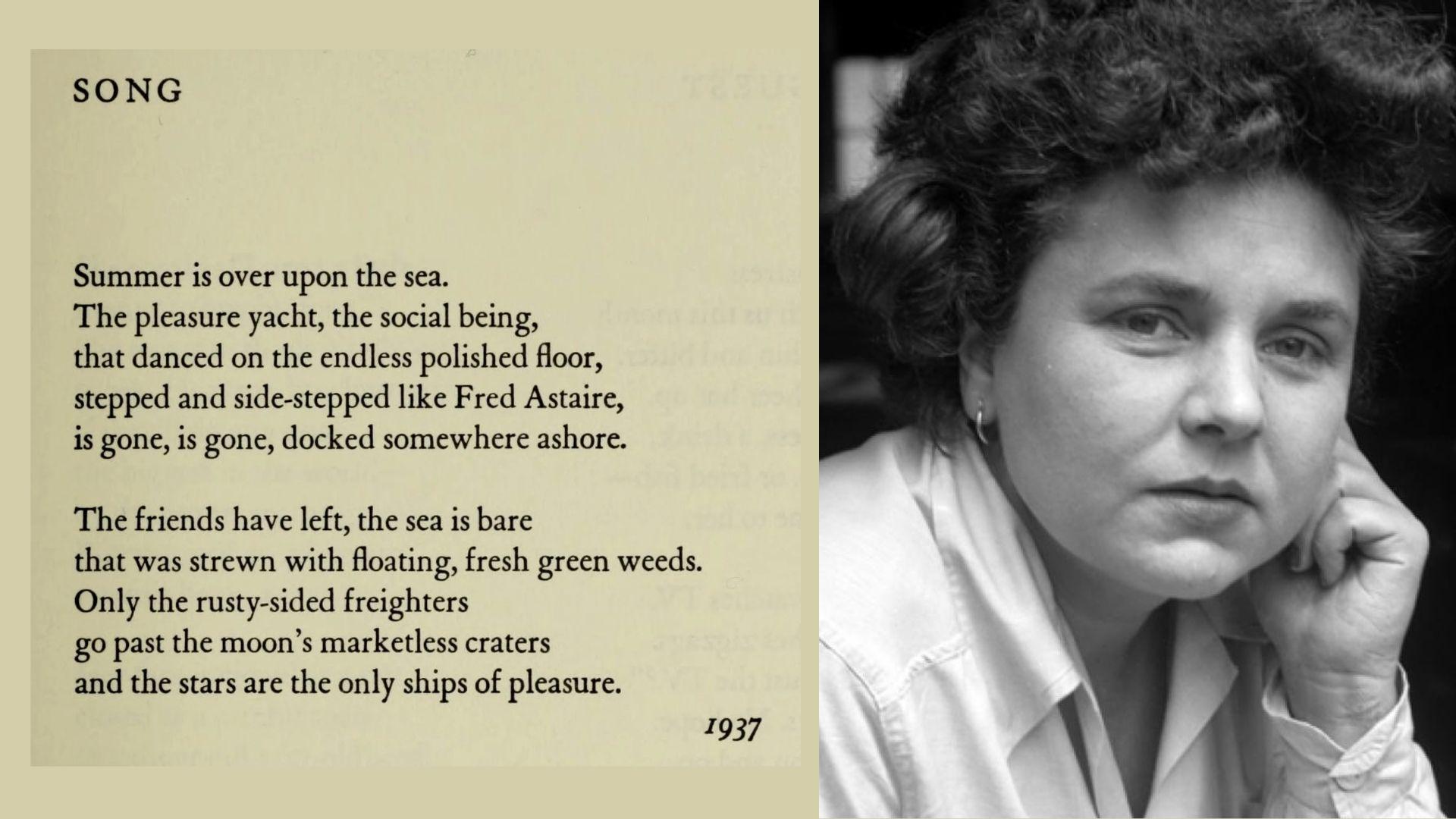
This is a single line from a longer Bishop poem, but it has circulated widely on its own for good reason.
It does not mourn summer loudly. It simply states that it is gone. Seven words, and the feeling lands immediately.
Bishop had an ability to put enormous weight into plain language, and this line is one of the clearest examples of it.
If you want to understand what compression means in poetry, start here.
Summer Poems for Kids and School Use

Not every great summer poem works in a classroom. The ones that do tend to be short, image-driven, and readable aloud in under a minute.
From the poems covered here, two stand out for younger readers.
"Bed in Summer" by Stevenson is the clearest fit. It rhymes, it has a steady rhythm, and it describes something children recognise immediately.
For handwriting practice or copywork, it is close to ideal. Every line is short enough to copy without losing the thread.
"The Fly" by Blake works better for slightly older students. The language is simple, but the idea behind it takes a moment to land. That makes it good for class discussion. Not so good for a first-grade read-aloud.
The distinction worth keeping in mind is this. Rhyme and meter matter more when the goal is memorisation or copywork.
For discussion, a poem with a strong image or an unexpected idea will serve you better.
Mary Oliver's "The Summer Day" works well for older students in that second category. The question it closes with tends to start a real conversation.
Final Thoughts
The best poems about summer are not really about sunshine. They are about attention. About what happens when you slow down long enough to notice one grasshopper, one fly, one child watching daylight from a bed.
That is the insight every poem here carries in its own way. If one of these stopped you mid-read, go back to it.
Read it again slowly. The poem you keep returning to is usually the one that already knows something about you.
Frequently Asked Questions
What is the best poem about summer?
Mary Oliver's "The Summer Day" earns that title for most readers. It locks onto one grasshopper on one afternoon and somehow asks the biggest question a person can ask. That combination of the tiny and the enormous is what makes it stay with you long after you have read it.
What is Mary Oliver's poem about summer?
"The Summer Day" is the one most people mean when they ask this. It moves from sweeping questions about the world down to a single insect in Oliver's hand. The closing lines shift the poem entirely. It stops being about summer and becomes about how you are spending your life.
What are some of Robert Frost's poems about summer?
Frost tends to write summer from its edges rather than its centre. "Hyla Brook" and "A Late Walk" both carry that quality. The season is present but already tipping toward something cooler. His summer poems feel less like celebrations and more like quiet reckonings with time passing.
What is a good short summer poem that rhymes?
Stevenson's "Bed in Summer" is the most reliable answer here. Clean rhymes, short lines, and a feeling any reader recognises instantly. It is one of those rare poems that works just as well read silently as it does read aloud to a child at bedtime.