

Some poems stay with you because they arrived at exactly the right moment when you needed courage, or comfort, or simply the feeling that someone else had already put words to what you were carrying.
Alfred Noyes’s The Highwayman is that kind of poem. It moves through love, loyalty, sacrifice, and loss at a pace that makes the emotion hit before you’ve had time to brace for it.
People return to it when they want something that feels urgent and alive, a story that doesn’t soften its ending but still leaves you believing the feeling was worth it.
This page brings together everything you need to sit with the poem fully: the complete text, a clear summary, the characters, the themes, the rhyme and rhythm that make it gallop, the story behind it, and answers to the questions readers ask most.
What is The Highwayman Poem?
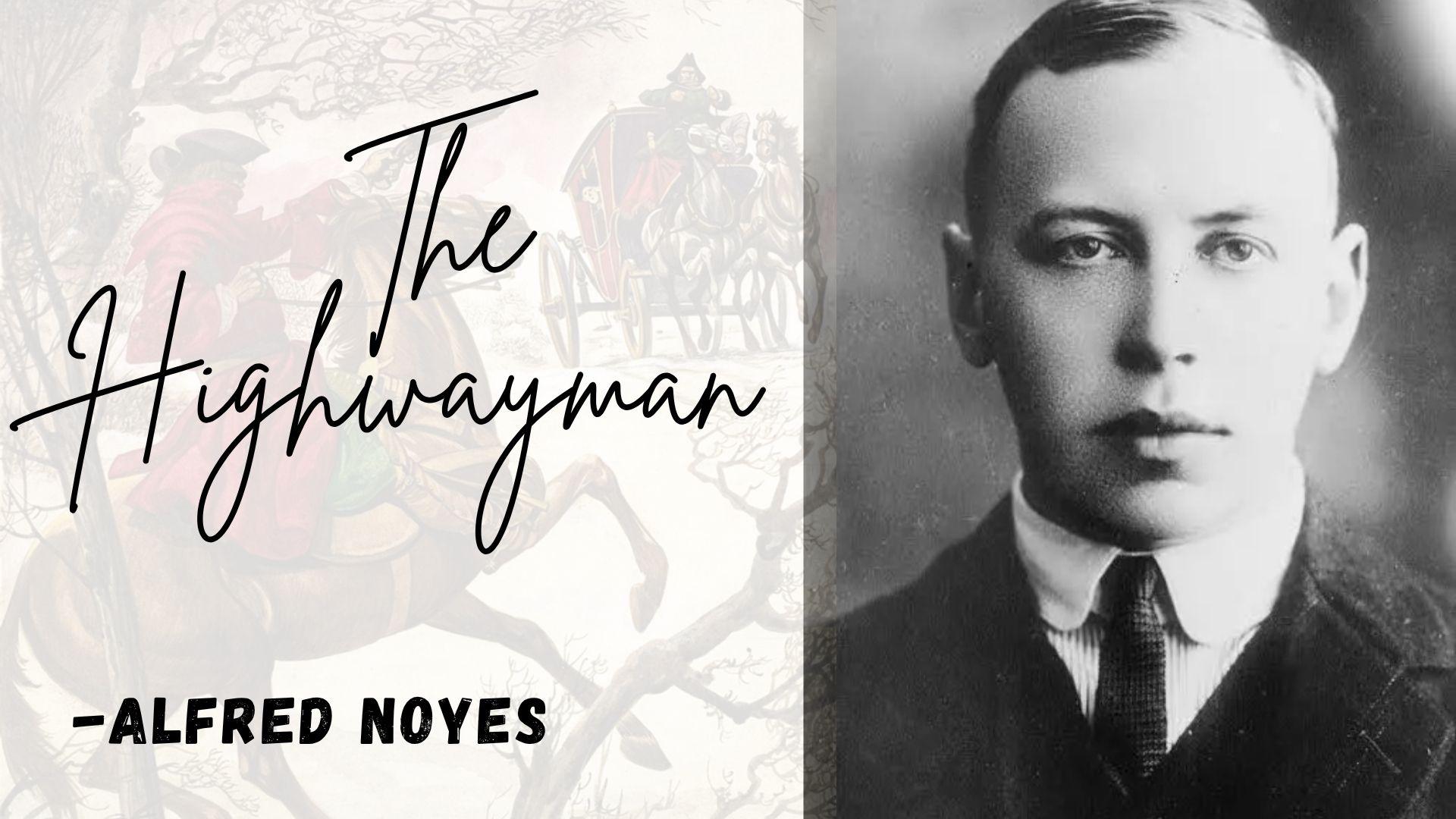
The Highwayman is a narrative poem by English poet Alfred Noyes, first published in Blackwood’s Magazine in August 1906 and collected in Forty Singing Seamen and Other Poemsin 1907.
Noyes was 24 and staying in a cottage on the edge of Bagshot Heath in Surrey when he wrote it; he later said the sound of wind in the pines one blustery night gave him the first line. In 1995, it was voted 15th in the BBC’s poll of “The Nation’s Favourite Poems.”
It’s a romantic ballad: a love story told in rhymed verse, with repeated lines, made to be read aloud.
It’s set in old England, in the days of highwaymen and redcoat soldiers. Noyes (1880 to 1958) wrote many poems, but this is still his best-known.
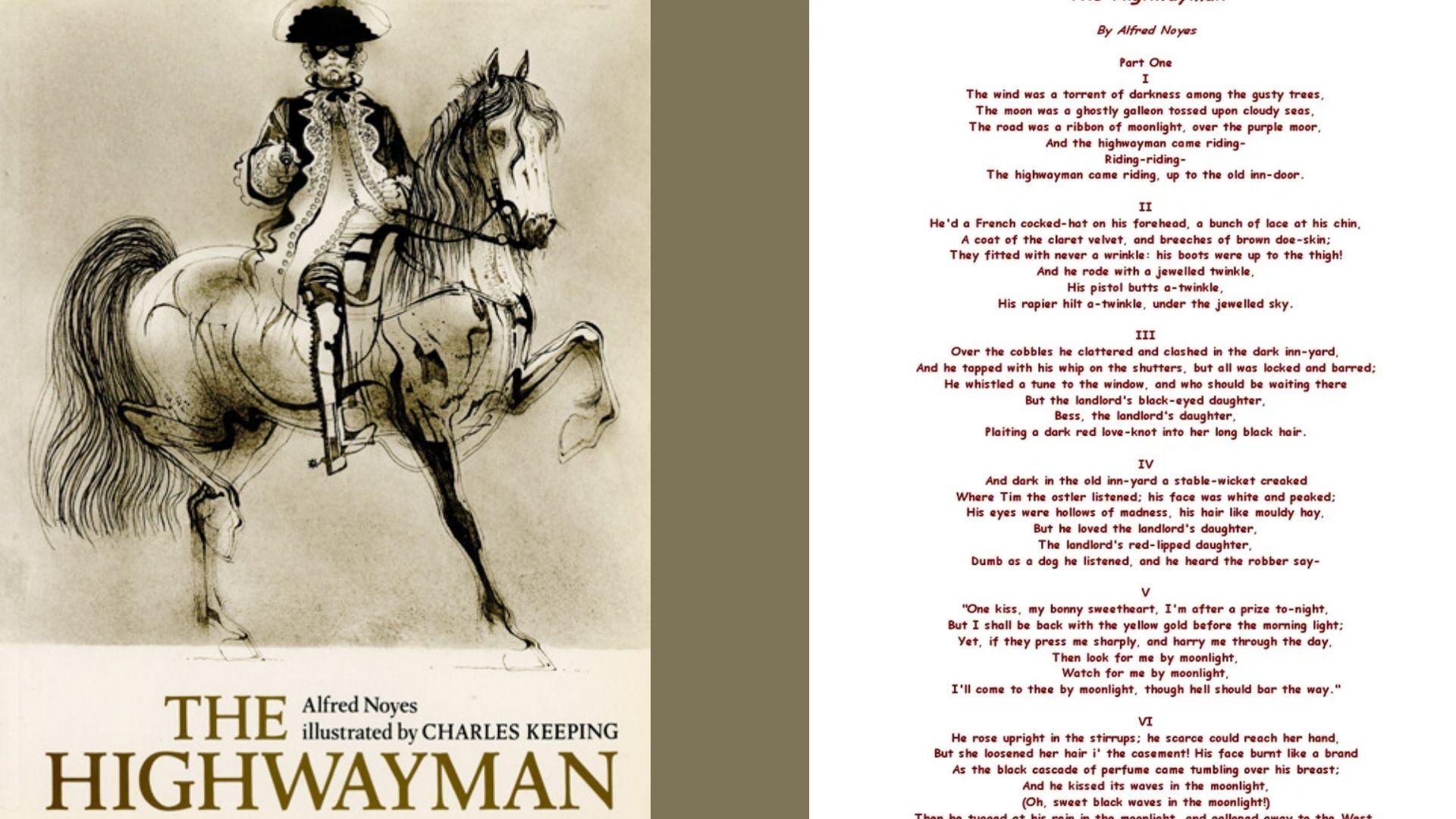
The Highwayman by Alfred Noyes: Full Text
Here is the full Highwayman poem, split into its two parts so it’s easy to follow. Read it slowly once, then try it aloud to hear the galloping rhythm.
PART ONE
I
THE wind was a torrent of darkness among the gusty trees,
The moon was a ghostly galleon tossed upon cloudy seas,
The road was a ribbon of moonlight over the purple moor,
And the highwayman came riding
Riding riding
The highwayman came riding, up to the old inn-door.
II
He’d a French cocked-hat on his forehead, a bunch of lace at his chin,
A coat of the claret velvet, and breeches of brown doe-skin;
They fitted with never a wrinkle: his boots were up to the thigh.
And he rode with a jewelled twinkle, His pistol butts a-twinkle,
His rapier hilt a-twinkle, under the jewelled sky.
III
Over the cobbles he clattered and clashed in the dark inn-yard,
And he tapped with his whip on the shutters, but all was locked and barred;
He whistled a tune to the window, and who should be waiting there
But the landlord’s black-eyed daughter, Bess, the landlord’s daughter,
Plaiting a dark red love-knot into her long black hair.
IV
And dark in the dark old inn-yard a stable-wicket creaked
Where Tim the ostler listened; his face was white and peaked;
His eyes were hollows of madness, his hair like mouldy hay,
But he loved the landlord’s daughter,
The landlord’s red-lipped daughter,
Dumb as a dog he listened, and he heard the robber say
V‘
One kiss, my bonny sweetheart, I’m after a prize to-night,
But I shall be back with the yellow gold before the morning light;
Yet, if they press me sharply, and harry me through the day,
Then look for me by moonlight,
Watch for me by moonlight,
I’ll come to thee by moonlight, though hell should bar the way.’
VI
He rose upright in the stirrups; he scarce could reach her hand,
But she loosened her hairi’ thecasement! His face burnt like a brand
As the black cascade of perfume came tumbling over his breast;
And he kissed its waves in the moonlight,
(Oh, sweet, black waves in the moonlight!)
Then he tugged at his rein in the moonlight, and galloped away to the West.
PART TWO
I
He did not come in the dawning; he did not come at noon;
And out o’ the tawny sunset, before the rise o’ the moon,
When the road was a gypsy’s ribbon, looping the purple moor,
A red-coat troop came marching
Marching marching
King George’s men came marching, up to the old inn-door.
II
They said no word to the landlord, they drank his ale instead,
But they gagged his daughter and bound her to the foot of her narrow bed;
Two of them knelt at her casement, with muskets at their side!
There was death at every window;
And hell at one dark window;
For Bess could see, through her casement, the road that he would ride.
III
They had tied her up to attention, with many a sniggering jest;
They had bound a musket beside her, with the muzzle beneath her breast!
Now, keep good watch!’ and they kissed her. She heard the doomed man say,
Look for me by moonlight;
Watch for me by moonlight;
I’ll come to thee by moonlight, though hell should bar the way!
IV
She twisted her hands behind her; but all the knots held good!
She writhed her hands till her fingers were wet with sweat or blood!
They stretched and strained in the darkness, and the hours crawled by like years,
Till, now, on the stroke of midnight,
Cold, on the stroke of midnight,
The tip of one finger touched it! The trigger at least was hers!
V
The tip of one finger touched it; she strove no more for the rest!
Up, she stood up to attention, with the muzzle beneath her breast,
She would not risk their hearing; she would not strive again;
For the road lay bare in the moonlight;
Blank and bare in the moonlight;
And the blood of her veins in the moonlight throbbed to her love’s refrain.
VI
Tlot-tlot; tlot-tlot! Had they heard it? The horse-hoofs ringing clear;
Tlot-tlot, tlot-tlot, in the distance? Were they deaf that they did not hear?
Down the ribbon of moonlight, over the brow of the hill,
The highwayman came riding,
Riding, riding!
The red-coatslooked to their priming! She stood up, straight and still.
VII
Tlot-tlot, in the frosty silence! Tlot-tlot, in the echoing night!
Nearer he came and nearer! Her face was like a light!
Her eyes grew wide for a moment; she drew one last deep breath,
Then her finger moved in the moonlight,
Her musket shattered the moonlight,
Shattered her breast in the moonlight and warned him—with her death.
VIII
He turned; he spurred to the West; he did not know who stood
Bowed, with her head o’er the musket, drenched with her own blood!
Not till the dawn he heard it, and his face grew grey to hear
How Bess, the landlord’s daughter,
The landlord’s black-eyed daughter,
Had watched for her love in the moonlight, and died in the darkness there.
IX
Back, he spurred like a madman, shrieking a curse to the sky,
With the white road smoking behind him and his rapier brandished high!
Blood-red were his spurs i’ the golden noon; wine-red was his velvet coat,
When they shot him down on the highway, Down like a dog on the highway,
And he lay in his blood on the highway, with a bunch of lace at his throat.
X
And still of a winter’s night, they say, when the wind is in the trees,
When the moon is a ghostly galleon tossed upon cloudy seas,
When the road is a ribbon of moonlight over the purple moor,
A highwayman comes riding
Riding riding
A highwayman comes riding, up to the old inn-door.
XI
Over the cobbles he clatters and clangs in the dark inn-yard;
He taps with his whip on the shutters, but all is locked and barred;
He whistles a tune to the window, and who should be waiting there
But the landlord’s black-eyed daughter, Bess, the landlord’s daughter,
Plaiting a dark red love-knot into her long black hair.
The Highwayman Summary: The Story of Bess and Her Highwayman
The poem runs in two parts. Part One is the promise. Part Two is what it costs.
Part One: The Promise at the Inn
On a windy night, a highwayman rides up to an old inn on a dark moor. He taps on the shutters and whistles at a window. Bess, the landlord’s daughter, is waiting there, tying a red ribbon into her long black hair.
He tells her he’s off to collect a prize and will be back with gold before dawn. If soldiers chase him through the day, he says, he’ll come to her by moonlight anyway. He kisses her hair and rides away.
Someone else is listening. Tim the ostler loves Bess too, and he hears every word. Tim’s love wants something in return, and Bess has chosen someone else.
The poem never shows Tim talking to the soldiers, but it strongly suggests it, because the redcoats arrive prepared.
I read his motive as jealousy rather than greed: if he can’t have Bess, the highwayman won’t either. That’s my reading, and other readers see it differently.
Part Two: The Trap and the Ride Back
The day passes, and the highwayman doesn’t come. At sunset, a troop of King George’s redcoats marches up to the inn.
They drink the landlord’s ale, then gag Bess and tie her up with a loaded musket set against her chest, using her as bait.
Through the night, Bess works at the knots. At last she gets a finger to the trigger. Then she hears hoofbeats far off on the road and knows the sound.
She can’t shout, and she can’t run. So she fires the gun that was meant to trap him. The shot warns him, and it kills her.
He turns away, and only in the morning does he learn what she did. He rides back in a fury, straight at the soldiers, and they shoot him down on the open road in daylight.
The poem ends with a ghost. On winter nights, people say, the highwayman still rides up to the inn, and Bess still sits at her window plaiting her hair.
Themes: Love, Sacrifice, and Betrayal
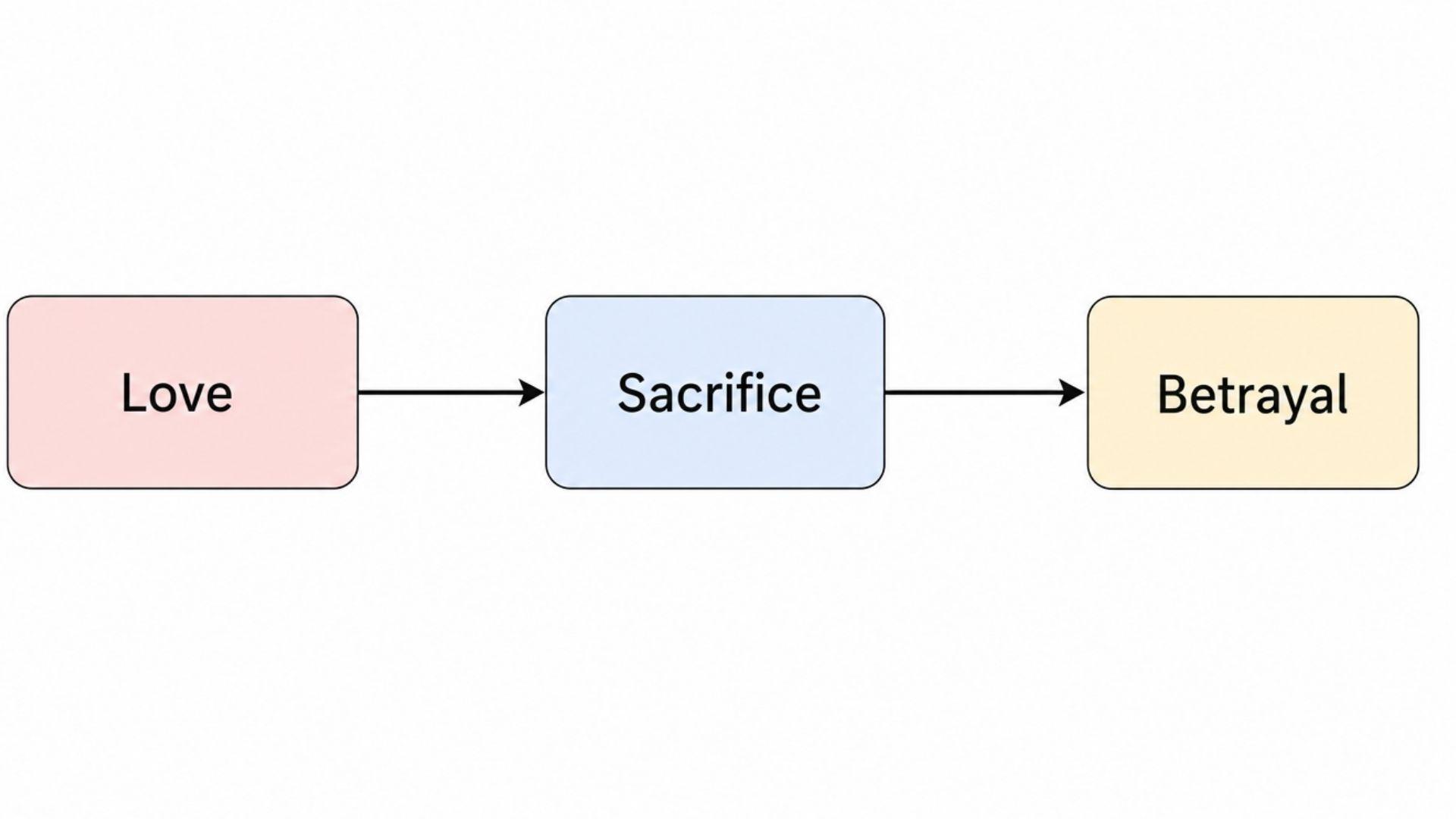
Love
Love here is shown through action, not speeches. Bess is plaiting a dark red love-knot into her hair when he arrives, and his promise to return through danger is his whole declaration.
Readers are divided: some see a true romance, others a thief who gets a girl killed. We meet him through Bess’s eyes, which makes him easy to forgive.
Sacrifice
Bess’s death is a choice, which is why it’s more than a tragedy. Tied up and gagged, she can’t call out, so she works her finger to the trigger bit by bit and fires.
It doesn’t save the highwayman, but it still counts. He also dies for love, but her act is a calm decision, and his is a rage.
Betrayal
Betrayal comes from the smallest person in the story. Tim has no power beyond what he overhears. His love and Bess’s look alike at first, and the difference is what each wants back.
She gives freely, and he wants her for himself. One love ends in a warning shot, the other in a whisper to the soldiers.
Rhyme Scheme, Rhythm, and Poetic Devices
Each six-line stanza follows an AABCCB rhyme scheme, with the fourth and fifth lines usually repeating a word (“riding, riding”). The meter is mostly anapestic (da-da-DUM), mixed with iambs, so the lines drum forward like hoofbeats.
Noyes builds the world through metaphor: the wind is “a torrent of darkness,” the moon “a ghostly galleon,” the road “a ribbon of moonlight.” He uses onomatopoeia in the “Tlot-tlot” of the horse, and similes such as “dumb as a dog.” Red runs through the poem as a colour motif, from the love-knot and claret coat to the blood.
The poem also flips light and dark. Night belongs to the lovers, while daylight brings the soldiers and the highwayman’s death.
About Alfred Noyes
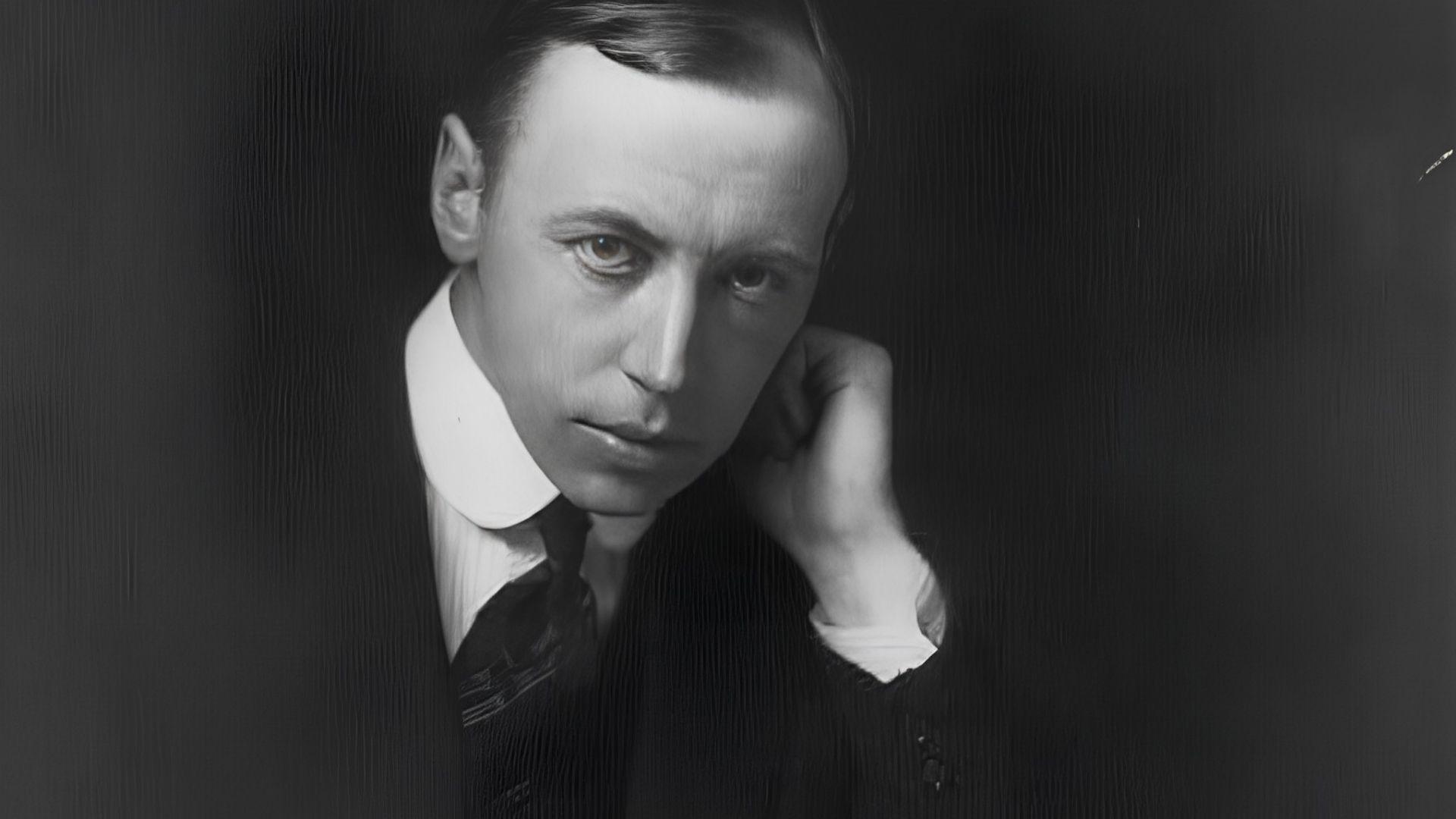
Alfred Noyes (1880–1958) was an English poet, short-story writer, and playwright, born in Wolverhampton and best remembered for “The Highwayman,” which first appeared in Blackwood’s Magazine in 1906. He later taught English literature at Princeton University.
Beyond that famous poem, he was a remarkably productive writer. He wrote Drake, a sweeping 12-book epic in blank verse about the Elizabethan naval commander Sir Francis Drake, published in two volumes (1906 and 1908).
His body of work stretches well beyond these titles. You can read his full biography on the Poetry Foundation. Charles Keeping’s black-and-white illustrated edition of The Highwayman won the Kate Greenaway Medal in 1981 and introduced the poem to a new generation of young readers.
His body of work stretches well beyond these titles, and readers curious to learn more will find his full biography and complete bibliography just a click away.
Why The Highwayman Still Resonates
Boil it down, and you get one line: love that costs everything, told at speed.
That’s why it sticks. The story is simple enough for a child to follow, and the sound carries you before you start thinking.
The first time you read it, you get the gallop and the shock. The second time, you notice Tim’s jealousy, the moon and the reds.
It’s also a poem of contrast. The rhythm is joyful, and the story is not, and that gap is why it hurts.
So read the full text above, then listen to a recording. Then read it once more, listening for the rhythm and watching the moon, the road and the reds.
Final Takeaway
The highwayman poem lasts because it wraps love, betrayal and sacrifice in a story you can hear as much as read.
That matters, because these are feelings every reader understands, even more than a century later. Bess’s choice is what stays with me. She gives up everything for the person she loves, and the poem never lets you forget the cost.
I think it will stay with you too. Read it once more, this time aloud. Then tell me in the comments which moment hit you hardest, or explore my other articles on classic poems.
Frequently Asked Questions
What Is the Story of The Highwayman Poem?
A highwayman promises to return to Bess, an innkeeper’s daughter, but a jealous ostler betrays him to soldiers. Bess sacrifices her life to warn him, and he is shot dead on the road.
Is The Highwayman a Real Story?
No. “The Highwayman” is a fictional romantic ballad Alfred Noyes wrote in 1906. It was inspired by the landscape of Bagshot Heath in Surrey, once notorious for highwaymen, and by the real era of English highway robbers in the 17th and 18th centuries.
What Is a Famous Quote from The Highwayman?
The most quoted lines are the opening, “The moon was a ghostly galleon tossed upon cloudy seas, / The road was a ribbon of moonlight over the purple moor,” and the highwayman’s promise: “Look for me by moonlight, / Watch for me by moonlight, / I’ll come to thee by moonlight, though hell should bar the way.”
What Is the Main Message of The Highwayman?
The main message of “The Highwayman” is that true love demands the ultimate sacrifice Bess gives her life to warn the man she loves, showing that love’s greatest proof is not words or promises, but action, even at the cost of everything.