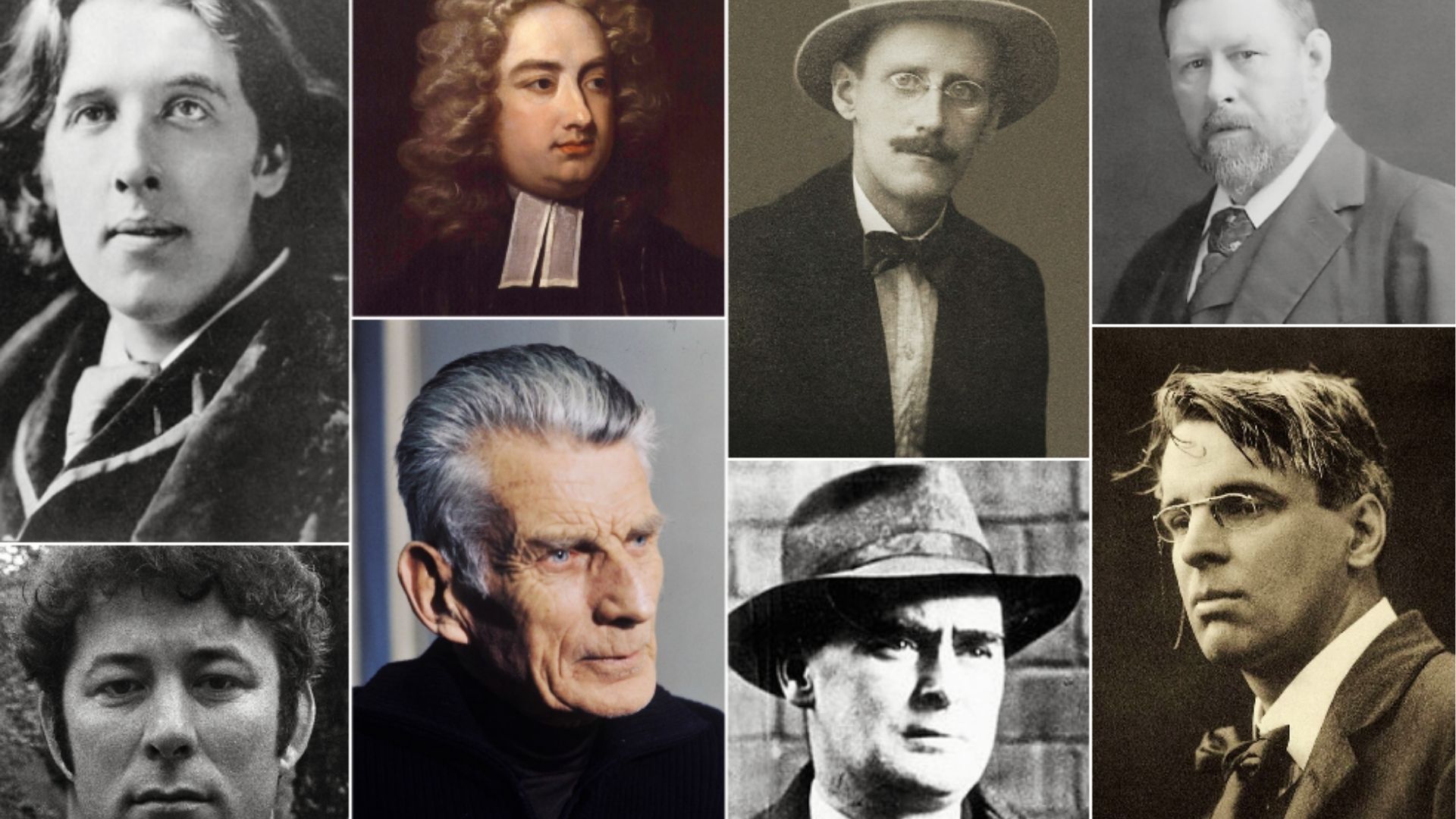


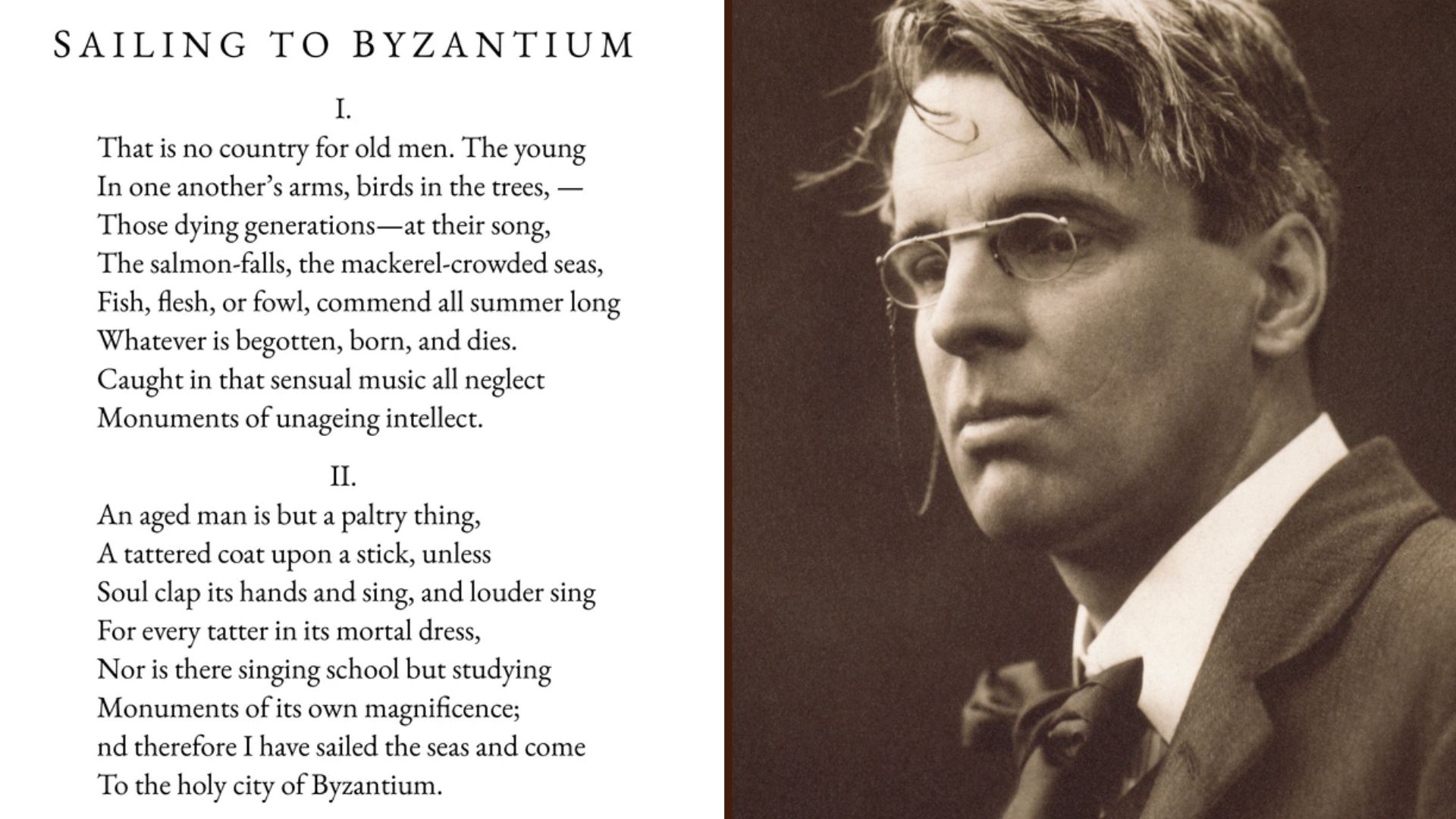
Growing old scares most of us. W.B. Yeats turned that fear into one of the most studied poems in English literature. Sailing to Byzantium is about a man who feels out of place in a world built for the young. He looks for something lasting: art, wisdom, and eternity.
This guide breaks down the poem's meaning, its themes, and its symbols in plain language. You will learn what each stanza is really saying and why scholars still argue about Byzantium's meaning today. I have read this poem more times than I can count, and every read still uncovers something new.
By the end, you will understand this poem better than most readers ever do.
Sailing to Byzantium (Full Poem)
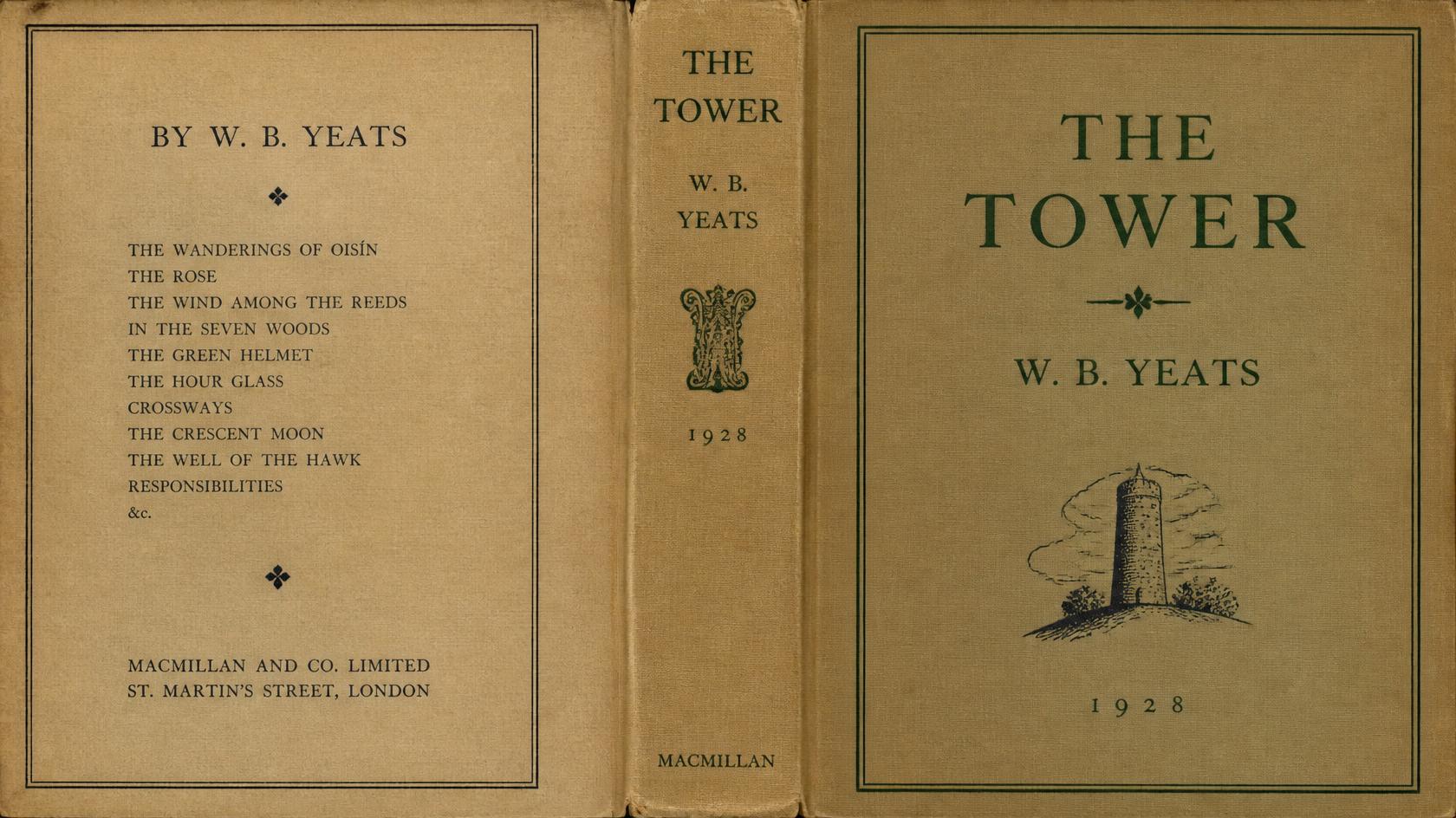
A quick look at where to find the poem and what it means.
Sailing to Byzantium is a four-stanza poem written by W.B. Yeats, first published in 1927 and later included in his 1928 collection The Tower.
The full text isn't reprinted here, but you can find the authorized poem through Yeats's published collections, a licensed poetry archive, or sites like the Poetry Foundation.
Below, this guide walks through what the poem says, stanza by stanza, along with its major themes, symbols, and structure, so you can read the original alongside a clear explanation of what it means.
Synopsis of Sailing to Byzantium
A short summary of the poem's central idea.
What the Poem Is About
An old man realizes the country he lives in belongs to the young. Birds sing, fish swim, and lovers embrace. None of that has room for someone aging.
He decides to leave that world behind and sail toward Byzantium, a city he sees as a symbol of art and permanence.
The poem moves from a world ruled by bodies and time to a world ruled by spirit and art.
He wants to shed his aging body and become something that does not decay, imagined as a golden bird that sings forever instead of dying like a living creature.
Major Themes in Sailing to Byzantium
The big ideas running through the poem.
Aging Against Art and Nature
The poem opens with an old man feeling useless in a world that prizes youth and physical life. This sense of being left behind drives the entire poem.
Yeats saw art as a way to outlast the body. A painting or a song does not age the way a person does, and the speaker wants to become part of that permanence.
Spiritual Transformation
The speaker asks sages and spiritual figures to help him leave his failing body behind. He wants his soul purified and gathered into something eternal.
Living things are born, grow old, and die, while human-made art does not follow that cycle. Yeats sets these two forces against each other throughout the poem.
Literary Analysis
How Yeats builds meaning through symbols and structure.
Symbols and Imagery
Byzantium stands for a place where art and spirit matter more than flesh. The golden bird stands for art that never dies.
The dying animal stands for the physical body that eventually fails everyone. Yeats contrasts the natural world in the first stanza with the crafted, eternal world he longs for later, shifting from living creatures to gold work and enameling.
Tone, Structure, and Style
The poem uses four stanzas written in ottava rima, a structured eight-line rhyme pattern. The tone moves from frustration to longing, then to hope. Yeats keeps a formal, controlled rhythm even while describing a search for release.
Stanza-by-Stanza Summary
What happens in each of the four stanzas.
Stanzas One and Two
The speaker describes a country full of young lovers, birds, and fish, all caught up in life and reproduction. He feels ignored in this setting because it has no place for the elderly or the intellect.
He compares an old man to a worn-out, insignificant object unless his soul sings loudly through study and art. This pushes him to travel to Byzantium, a place tied to learning and monuments of the past.
Stanzas Three and Four
The speaker calls out to sages, pictured in old mosaics, asking them to become his teachers and gather his soul into eternity, away from a body that is breaking down.
Once free from his body, he wants to take the form of a golden bird made by Grecian goldsmiths, singing forever about time without ever being part of a living, dying thing again.
Historical and Literary Context
Why Yeats wrote this poem and what shaped it.
Yeats, Byzantium, and Modernism
Yeats wrote this poem later in life, when he was thinking deeply about aging and his own legacy. He wanted a way to express both his fear of decline and his belief in art's power to last.
The historical city of Byzantium was known for its mosaics, religious art, and skilled craftsmanship. Yeats used it as a symbol of a culture where spiritual and artistic life mattered more than physical youth.
The poem is considered one of the finest examples of modernist poetry, blending personal reflection with big questions about art, time, and the human condition.
Why Sailing to Byzantium Is Still Relevant
Why this century-old poem still matters today.
Its Lasting Influence
The poem has shaped how later poets and writers think about aging and creative legacy.
Its themes of aging, purpose, and the search for meaning are universal, which keeps the poem feeling current. Growing older does not erase the value of a person's mind or work.
Creativity offers a way to leave something behind that keeps meaning long after the body is gone.
Publication Information
When and where the poem first appeared.
Writing and Publication History
Yeats wrote the poem in the mid-1920s, during a period when he was reflecting heavily on aging and artistic legacy.
It was first published in 1927 and later included in Yeats's 1928 collection titled The Tower.
Public domain status depends on the country and its copyright laws, so check your local copyright law or a trusted archive for an accurate answer.
About the Author: W.B. Yeats
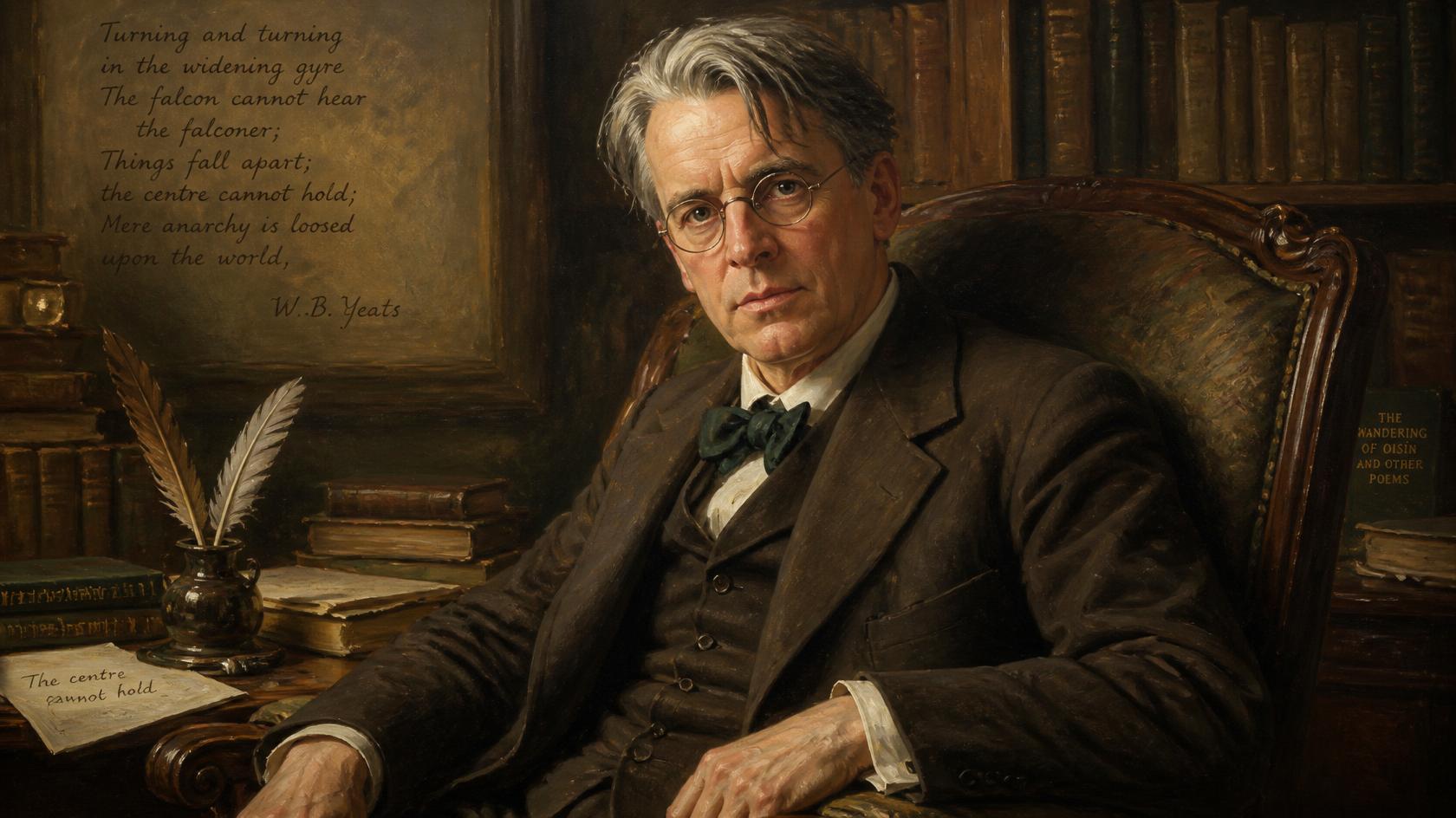
A quick look at the poet behind the poem.
William Butler Yeats was an Irish poet born in 1865. He became one of the most important literary figures of the twentieth century, blending Irish folklore, mysticism, and modernist ideas in his work.
His later poetry, including this poem, grew more philosophical as he aged, focusing on themes of legacy, spirit, and time. Yeats received the Nobel Prize in Literature in 1923, and his influence stretches across generations of poets studied worldwide.
Conclusion
Yeats gave us more than a poem about growing old. He gave us a way to think about what lasts.
I still find comfort in the idea that creativity outlives the body. If this poem stayed with you, sit with it a little longer.
Read it again with fresh eyes. Then tell me below what Byzantium means to you, or share this with someone who loves poetry as much as you do.
Frequently Asked Questions
What is the main message of Sailing to Byzantium?
The poem explores aging and the wish to escape physical decline through art. It suggests that creative work can offer a kind of permanence the body never can.
Why did Yeats choose Byzantium as a symbol?
Byzantium represented a civilization known for artistic and spiritual achievement. Yeats used it to represent a world where art and intellect mattered more than youth.
What does the golden bird symbolize?
The golden bird represents art that never ages or dies. It stands for the speaker's wish to become something crafted and eternal instead of a living, decaying being.
Is Sailing to Byzantium a difficult poem to understand?
The language can feel dense at first, but its core idea is simple. It is about fearing old age and searching for lasting meaning through art.
What poetic form does Sailing to Byzantium use?
It is written in ottava rima, a structured form using eight-line stanzas with a set rhyme pattern. Yeats used this form to give the poem a formal, controlled rhythm.