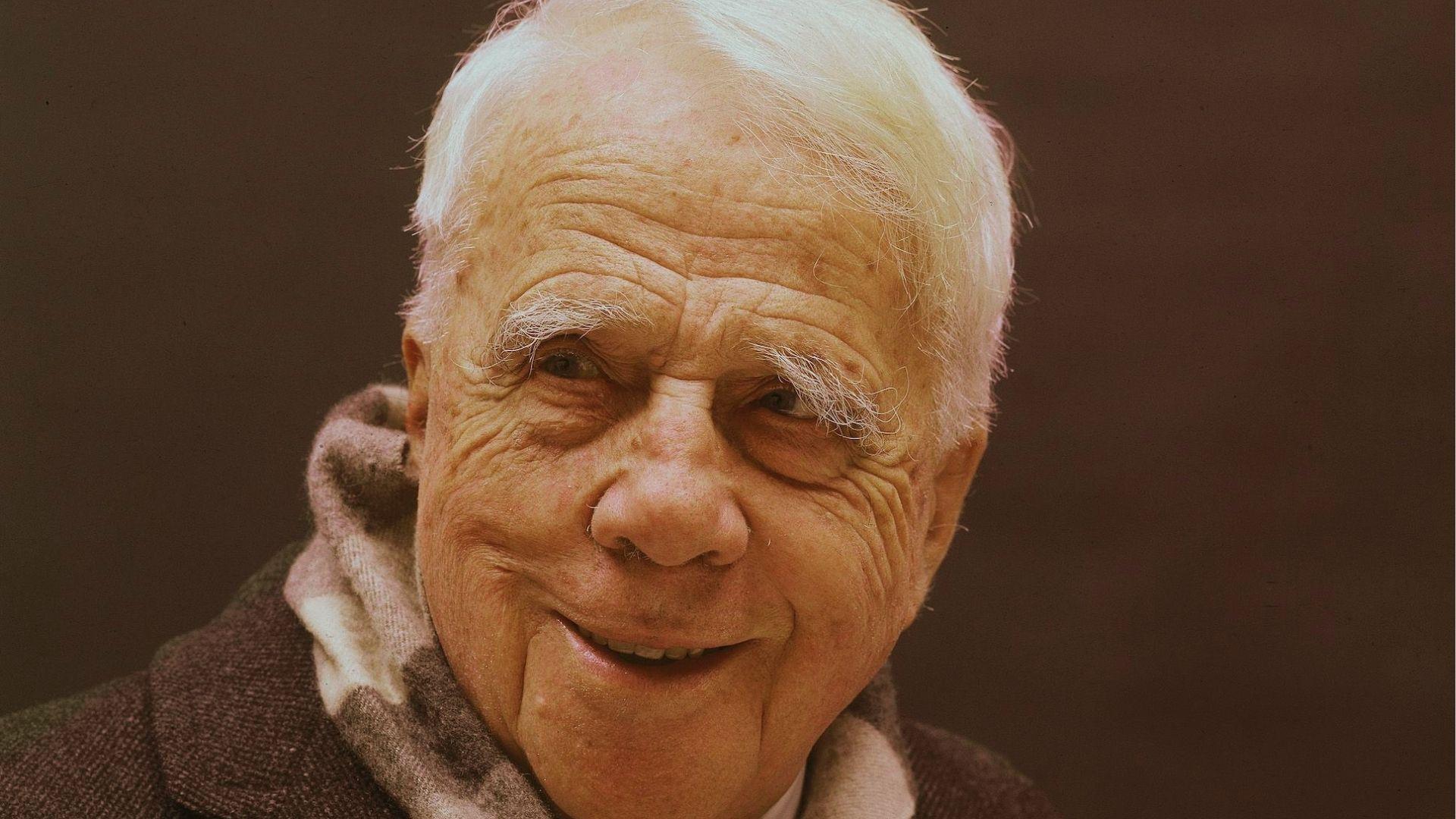


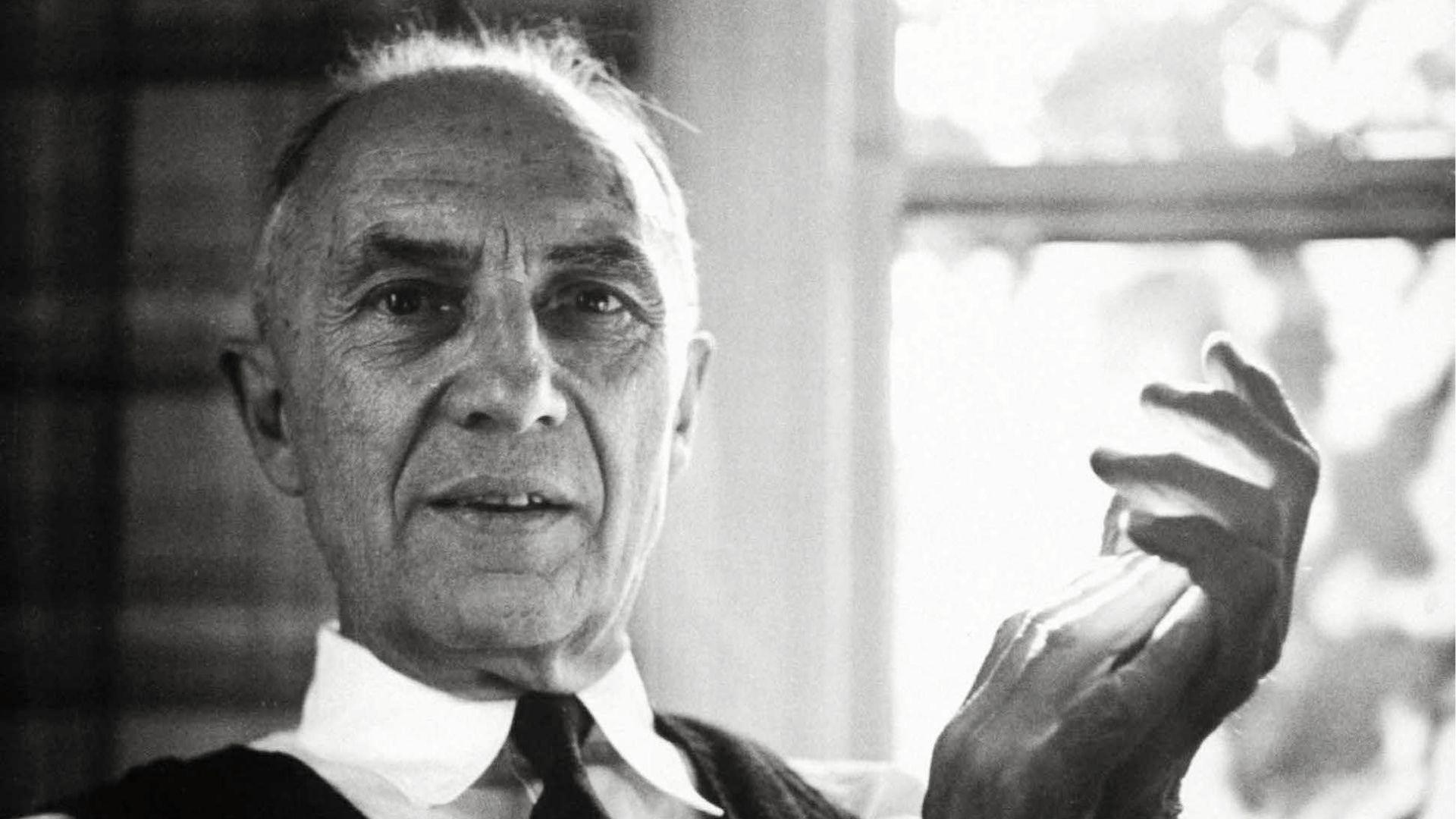
William Carlos Williams poems have a way of stopping you mid-sentence. Not because they are complex, but because they are shockingly simple.
You read “This Is Just to Say,” a short note about eating someone’s plums from the fridge, and somehow it feels like a real poem.
That is exactly what Williams did. He wrote about ordinary things, ordinary people, and ordinary moments and made them matter.
This guide covers his most famous poems, what sets his style apart, and where to start if you are reading him for the first time.
Who Was William Carlos Williams?

William Carlos Williams was a poet and a full-time doctor, writing between patient visits on prescription pads in Rutherford, New Jersey.
The Poet Who Wrote Like an American
Most poets of his time were looking to Europe for inspiration. Williams looked at his own neighborhood.
He wanted American poetry to sound like Americans actually talk. No fancy borrowed forms, no Old World references. Just clear images and plain speech. That choice made him stand out then, and it still does now.
Why His Style Still Feels Modern
Williams rejected rhyme schemes and traditional meters.He used free verse not as a shortcut but as a deliberate tool.
His lines break where a thought naturally pauses, not where a beat demands it. That is why reading him feels less like reciting poetry and more like noticing something for the first time.
His Most Famous Poems, Ranked by Impact
These are the poems that show up on every reading list and still hold up when you actually read them.
The Red Wheelbarrow
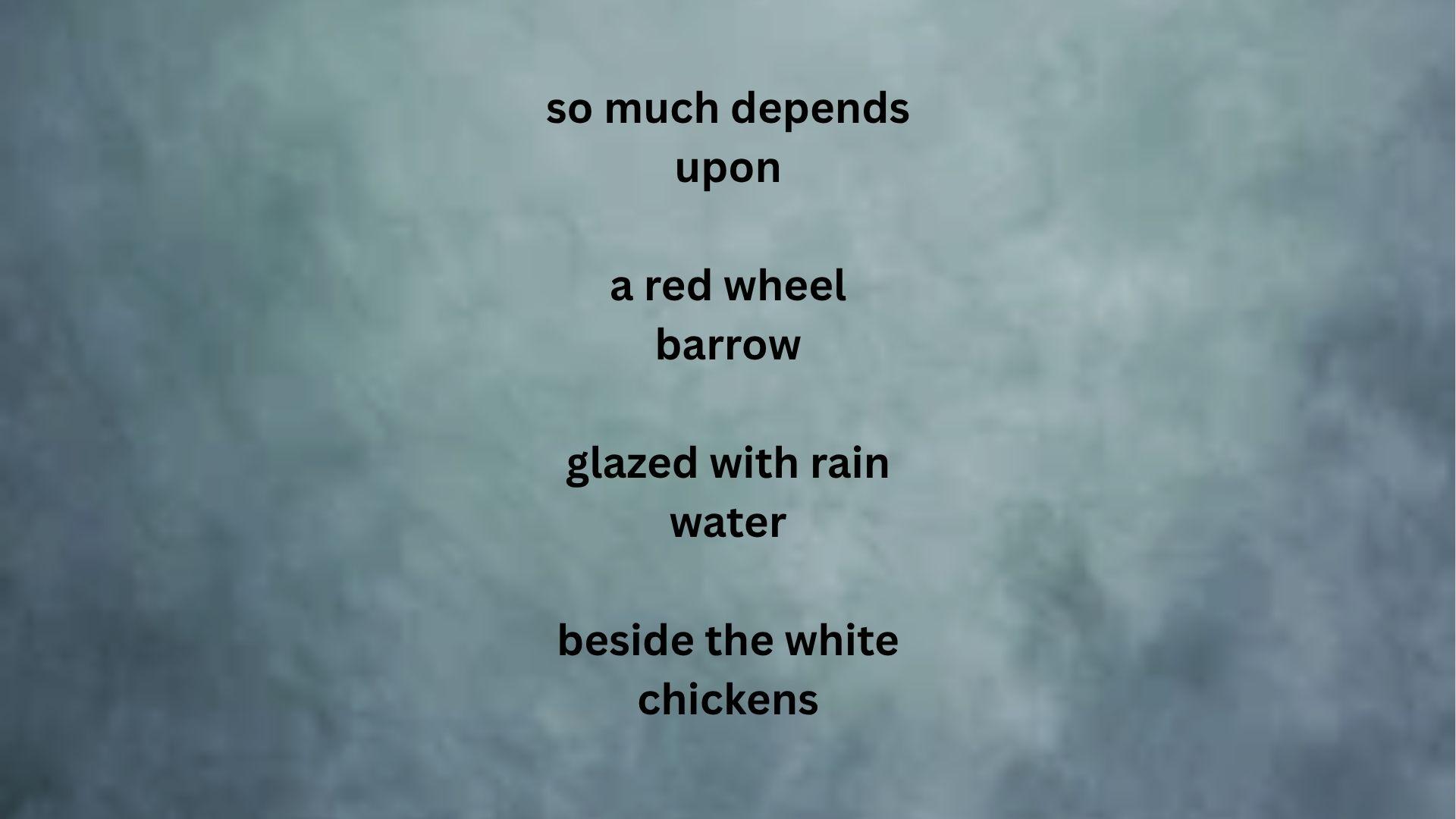
Sixteen words. That is all.
“So much depends upon a red wheelbarrow glazed with rainwater beside the white chickens.”
Williams is not explaining what depends on it. He is asking you to look.
The poem is a direct example of his core belief that a single image, seen clearly, carries more weight than a page of abstract ideas.
It is one of the most studied short poems in American literature.
This Is Just to Say
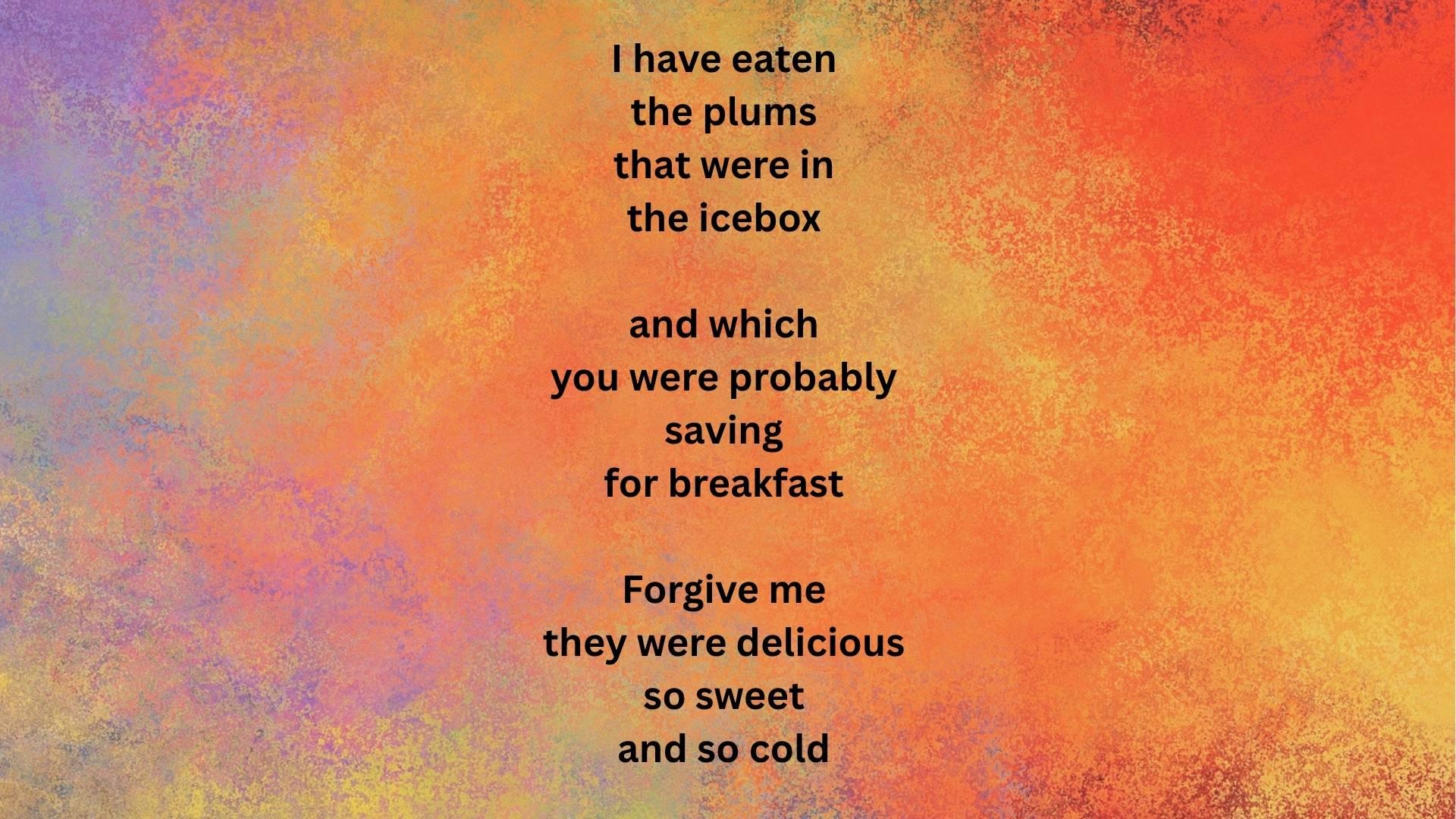
This poem reads like a note left on a kitchen counter. The speaker ate the plums his partner was saving for breakfast and is sort of apologising, but not really.
“Forgive me, they were delicious, so sweet and so cold.” It is playful, domestic, and oddly moving.
Williams shows that the smallest everyday exchange can carry real feeling if you write it honestly.
The Widow’s Lament in Springtime
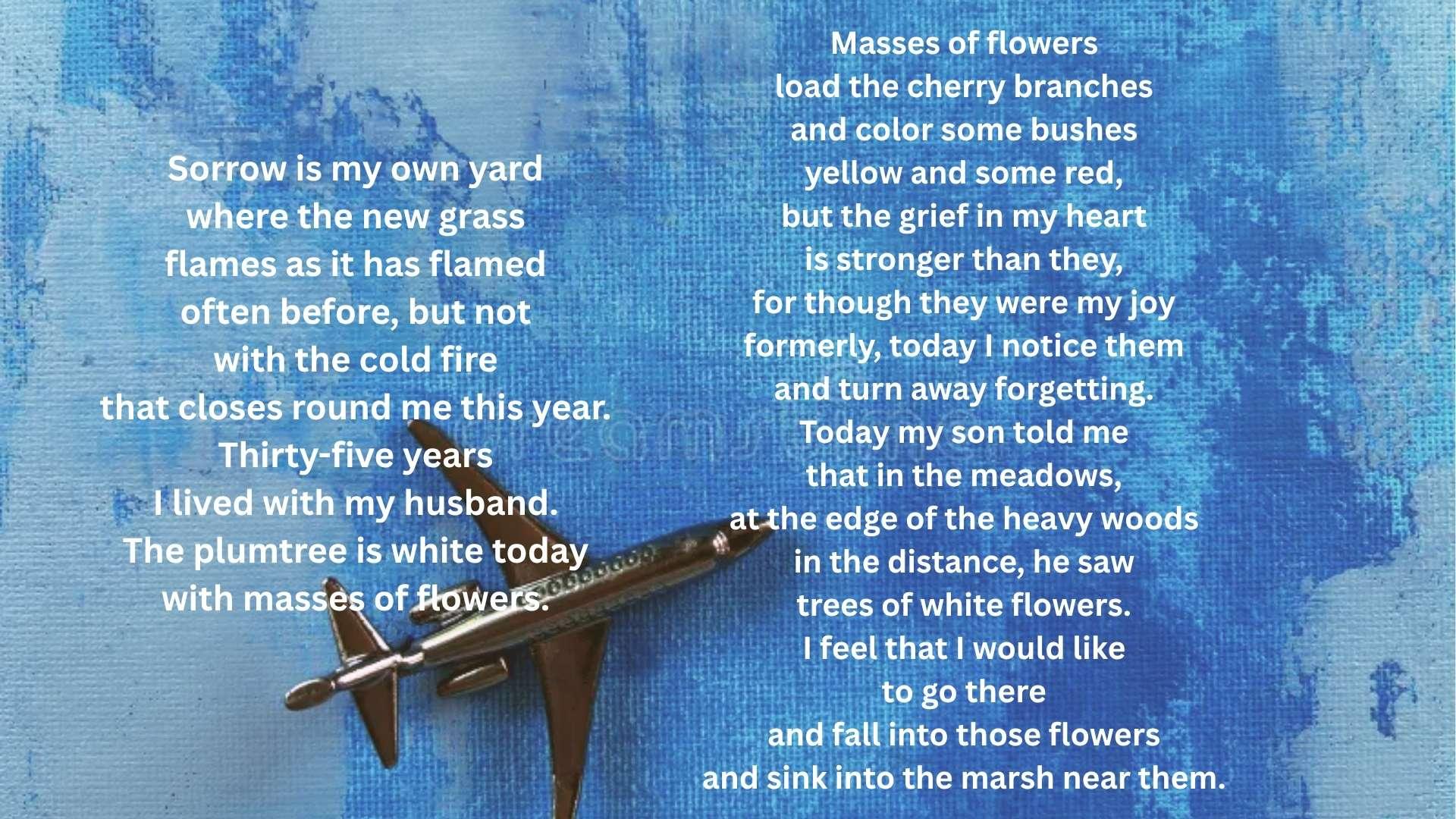
This one is grief made visible. A widow watches spring arrive and feels no joy in it. The trees blooming, the flowers opening, none of it reaches her.
Williams does not use dramatic language. He uses plain, quiet images to show how loss changes the way you see the world. It is one of his most emotionally direct poems.
Danse Russe
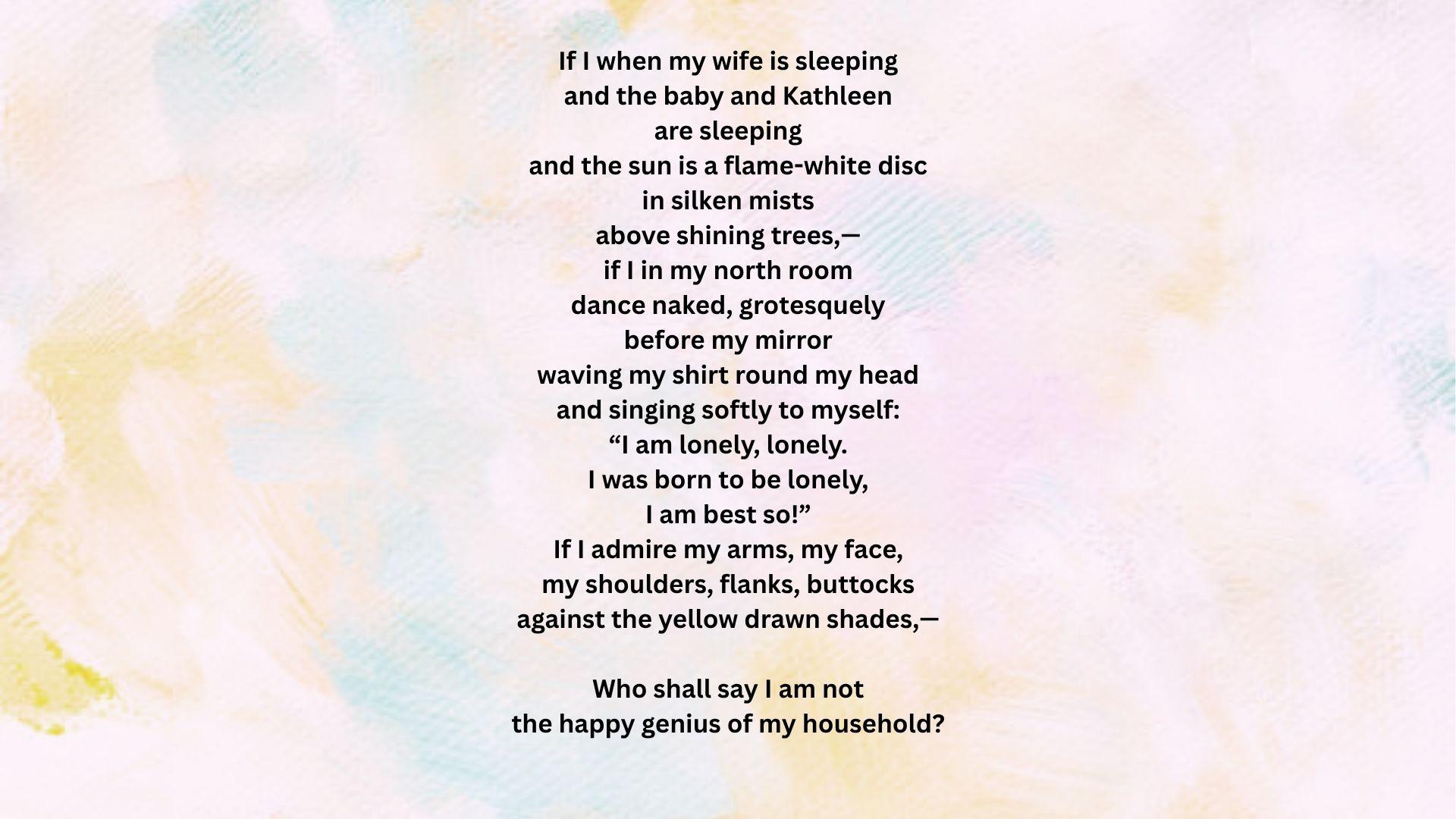
A man dances naked in front of a mirror while his family sleeps. It sounds strange, but the poem is actually about small private joy.
Williams captures that moment of being fully yourself when no one is watching. It is funny, a little eccentric, and completely honest.
Portrait of a Lady
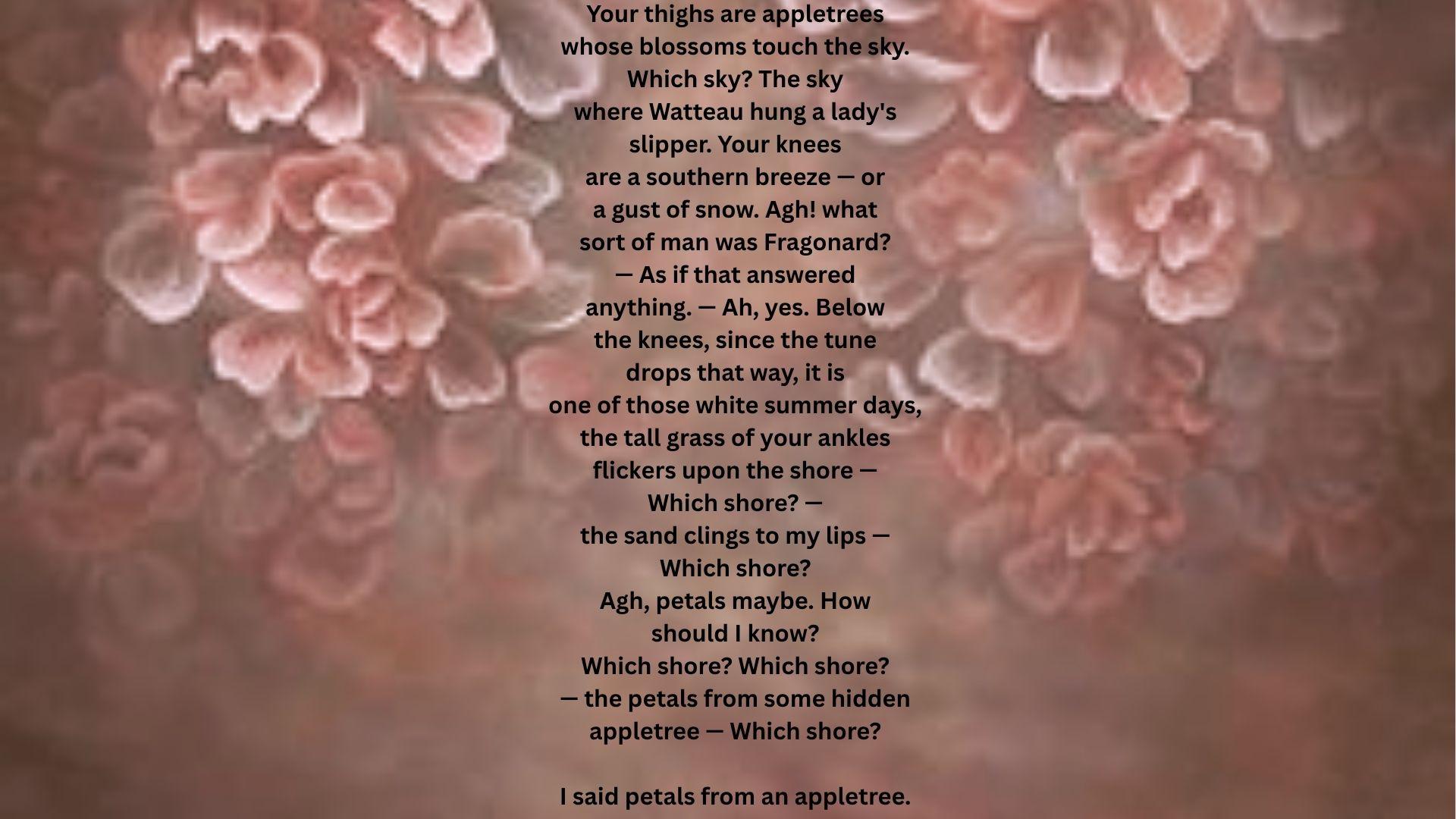
This poem plays with the idea of beauty and observation. Williams keeps shifting focus, almost teasing the reader about where to look.
It shows a more playful, experimental side of his writing that readers who only know The Red Wheelbarrow often miss.
What Makes His Poetry Different
Williams had a clear philosophy, and once you understand it, every poem clicks into place.
“No Ideas But in Things” Explained Simply
This is his most quoted line and his clearest artistic statement. He believed poetry should not preach or philosophise.
It should show you something real and let the idea come from the object itself. A wheelbarrow. A plum.
A widow looking at flowers. The thing is the idea. You do not need to explain it. You need to see it.
How He Used Everyday Objects as Subjects
Williams chose subjects other poets ignored. Kitchen notes, backyard chickens, old women in spring gardens.
He treated these not as small or trivial but as worthy of the same attention a painter gives a canvas.
That approach was almost radical in early 20th-century poetry, and it directly influenced later writers like Allen Ginsberg, who credited Williams as a key influence on his own work.
Poems for Specific Readers
Not every reader needs to start at the same place.
Best Short Williams Poems for Beginners
If you are new to his work, start with The Red Wheelbarrow and This Is Just to Say. Both are under 20 words, and both make immediate sense without any literary background.
From there, try Danse Russe for something slightly longer but still very readable. These three give you a clear sense of his voice before you move deeper.
Deeper Cuts Worth Reading Next
Once you are comfortable, read The Widow’s Lament in Springtime and Portrait of a Lady. After that, look at Spring and All, a longer work that mixes poetry and prose.
And if you want to see his full range, Paterson is his book-length poem about a city in New Jersey. It is ambitious, sprawling, and very different from his short lyrics, but it shows what he was working toward across his whole career.
William Carlos Williams’ poems reward close attention without demanding it. You can read The Red Wheelbarrow in ten seconds or think about it for ten minutes.
Both experiences are valid. Start with the short poems, get comfortable with his plain style, then follow whatever pulls you deeper.
If a poem about plums in a fridge made you feel something, you are already reading him right. Pick one poem from this list and read it today. Then read it again.
Wrapping Up
The poems on this list are a good place to start, but they are not the whole picture. Williams wrote across decades, and every poem rewards a second read.
Start with the short ones, get comfortable with his plain style, and follow whatever pulls you deeper. You do not need to analyse everything. Sometimes a poem about plums in a fridge just makes you smile, and that is enough.
He wrote about real life without dressing it up. That is why his work still holds up today.
Frequently Asked Questions
What poetry movement did Williams belong to?
Williams was closely tied to Imagism and American Modernism. He focused on precise images and plain American speech rather than European poetic traditions.
Did Williams win a Pulitzer Prize?
Yes. He won the Pulitzer Prize for Poetry posthumously in 1963 for Pictures from Brueghel and Other Poems, published the year before he died.
What is Paterson and should I read it?
Paterson is Williams’ long-form poem about a New Jersey city and its people. It is best read after you are already familiar with his shorter lyrics.