


You’ve read it before, maybe in a classroom, maybe on someone’s fridge as a joke. A short note. A stolen breakfast. An apology that doesn’t quite apologise.
“This Is Just to Say” by William Carlos Williams is 28 words long. It has no punctuation, no grand statements, no morals. And somehow it has outlasted thousands of longer, more ambitious poems.
This piece breaks down what the poem actually does, why it works, and why people are still imitating it nearly a century later.
What is “This Is Just to Say”?
This Is Just to Say
William Carlos Williams, 1934
I have eaten
the plums
that were in
the icebox
and which
you were probably
saving
for breakfast
Forgive me
they were delicious
so sweet
and so cold
“This Is Just to Say” is a 1934 poem by William Carlos Williams. It reads like a note left on a kitchen counter, someone confessing they ate the plums you were saving for breakfast.
The poem is only 28 words across 12 lines. That’s not an accident. Williams wrote it to feel like something dashed off in a hurry. Casual, unpolished, real.
The short lines and missing punctuation aren’t careless. They’re deliberate. The poem is built to sound like everyday speech, not like literature.
What the Poem Actually Says and What It Doesn’t
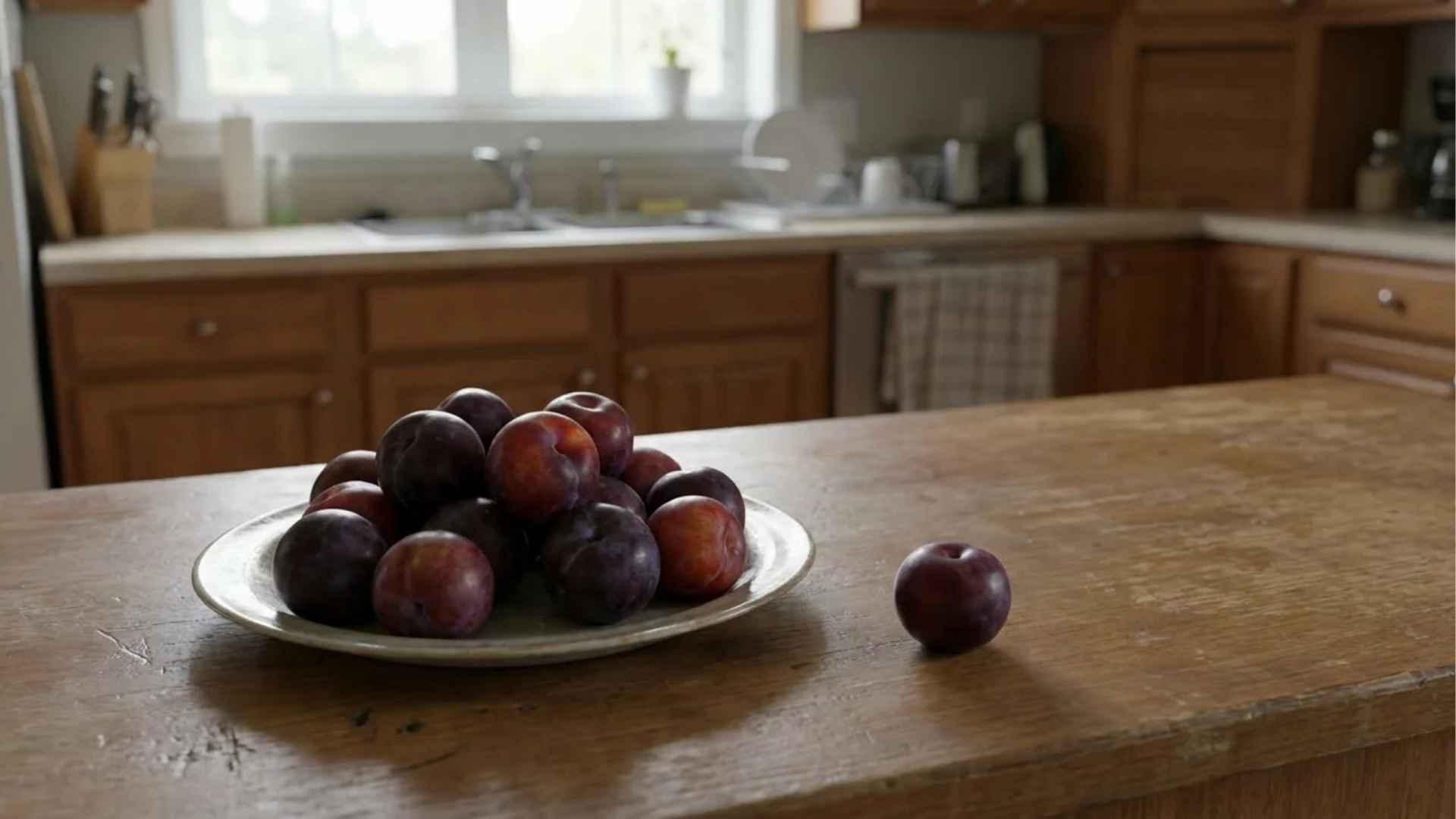
The apology in this poem is real. It’s also incomplete, and that’s exactly what makes it work.
Most readers land on “Forgive me” and take it at face value. But look at what comes after it. Williams doesn’t follow the apology with regret or explanation. He follows it with “they were delicious / so sweet / and so cold.”
Three sensory details. All pleasure. No remorse.
The poem’s structure tells you everything. The first two stanzas confess the act. The third stanza is supposed to be the apology. But the words Williams chooses don’t carry guilt. They carry satisfaction.
That’s the tension the poem lives in. The speaker isn’t pretending to be sorry. The sorry is genuine. So is the pleasure. Williams puts both in the same breath and doesn’t resolve them.
That’s harder to do than it sounds. Most writing about guilt tips one way or the other. Either the regret wins or the justification does. This poem holds both at once, and that’s why it feels honest instead of performed.
There’s one more thing worth noting. This isn’t a public confession. It’s a note to a specific person, someone who had those plums set aside, someone with a reasonable expectation of breakfast. That intimacy matters.
The poem only works because both people know exactly what happened. Casualness isn’t rudeness. It’s closeness.
How Williams Makes 28 Words Do This Much
This poem feels like an actual note because Williams built it that way, down to the last detail. If you want to see exactly how he does it, knowing how to annotate a poem makes these choices visible in a way a first read always misses.
Start with the line breaks. Each line holds only a few words. That forces you to pause more than you normally would. By the time you reach “so sweet / and so cold,” those aren’t two adjectives in a list. They’re two separate moments. You feel each one before the next arrives.
No punctuation. No capital letters except at the start. That’s not a stylistic quirk. It’s what a real note looks like, written quickly, not composed carefully. The absence of punctuation makes the confession feel caught in the moment rather than prepared.
Then there are the plums themselves. Williams never makes them stand for anything. They aren’t a symbol of desire or guilt or marriage. They’re cold plums in an icebox, and that’s the whole point. The poem earns its emotional weight by staying completely physical.
The moment you reach for a deeper meaning, the poem pushes back. What happened was simple. Someone ate the plums. The feeling that creates is real enough on its own.
Why the Poem Became a Cultural Template

Few short American poems have been parodied as often as this one, and the form is the reason. The structure is almost a template. Confess a small wrong. Offer a half-hearted apology. Make clear you’d probably do it again.
That pattern fits any minor domestic transgression, which is why writers keep reaching for it. Frost’s the road less traveled meaning became a cultural shorthand for the same reason: a simple situation, a relatable choice, and a structure loose enough that everyone finds themselves in it.
Eaten the last of the coffee. Used someone’s shampoo. Finished the leftovers that weren’t yours. The poem absorbs all of it without breaking.
Parodies work here because the original tension travels. Readers recognise the guilt-plus-pleasure combination instantly. Seeing it applied to something mundane is funny precisely because the emotional logic still holds.
The other reason this poem has lasted is simpler. It’s taught in almost every American high school. That means several generations of readers share it as a reference point.
When someone writes a parody, they’re not explaining the joke. The reader already knows the poem. That shared familiarity is what makes the imitation land.
Final Verdict
“This Is Just to Say” works because it doesn’t try to be a poem. It tries to be a note, and that honesty is what makes it stick.
Williams figured out something most writers spend careers chasing. The less you perform, the more the reader feels. Twenty-eight words, no punctuation, cold plums. That’s enough.
If this poem is new to you, read it once more before you leave. If you’ve known it for years, you probably just heard it differently.
Either way, share it with someone who hasn’t read it yet.
Frequently Asked Questions
What does “This Is Just to Say” mean?
The speaker apologises for eating someone’s saved plums but lingers more on how good they tasted than on the regret. Williams holds guilt and pleasure together without resolving either.
Is “This Is Just to Say” a real note or a poem?
It was published as a poem in 1934, but written to read like a handwritten note left on a kitchen table. The informality is deliberate, not casual.
What kind of poem is “This Is Just to Say”?
It is an imaginary poem. Williams uses no metaphors and offers no morals. The plums are just plums, and that physical directness is the whole point.
Why is this poem so often parodied?
The structure works like a template. Confess a small wrong, apologise halfway, and make clear you’d do it again. That pattern fits almost any minor domestic transgression.