

The Wife Speaks poem by Stoddard is one of those poems that stays with you long after you read it. It holds real feelings, quiet doubts, and deep love all at once.
I first came across it while looking into 19th-century women poets, and it moved me right away.
In this blog, I will cover the full text, a clear summary, themes, literary devices, tone, mood, and the poet herself.
I have studied this poem carefully so you get honest, simple, and clear answers you can trust.
Overview of The Wife Speaks Poem
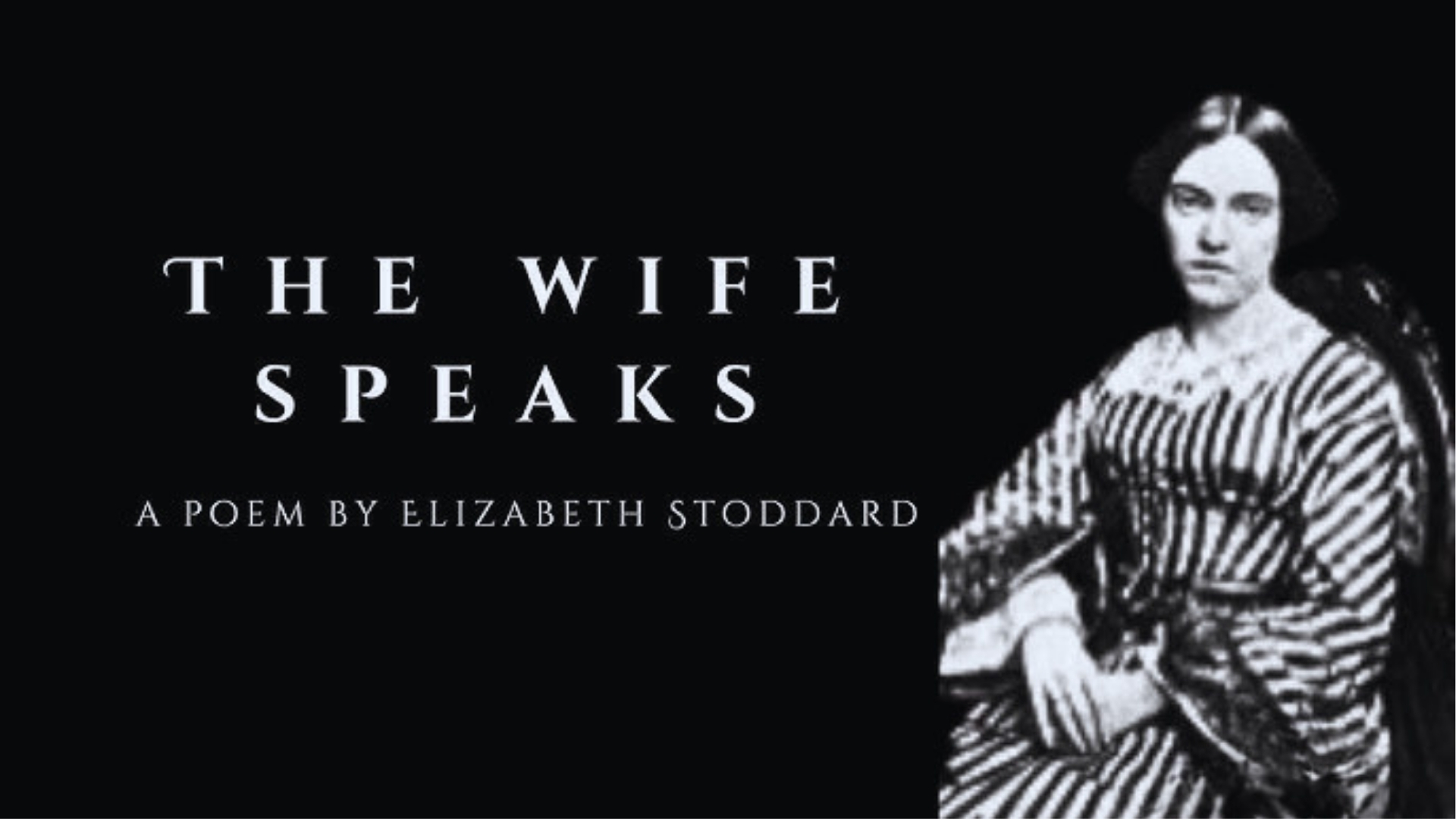
The speaker in this poem is a wife who talks in first person. Her voice is calm but carries deep feelings. She does not express her emotions loudly. Instead, she lets them settle quietly in her words.
She looks back at her life and thinks about the choices she made. The setting is not one fixed place. She moves through time in her mind, shifting between the past and the present.
The poem feels like a still, quiet moment when someone sits alone with their thoughts. Time here is not just background. It shapes everything she feels.
Full Text of The Wife Speaks Poem by Stoddard
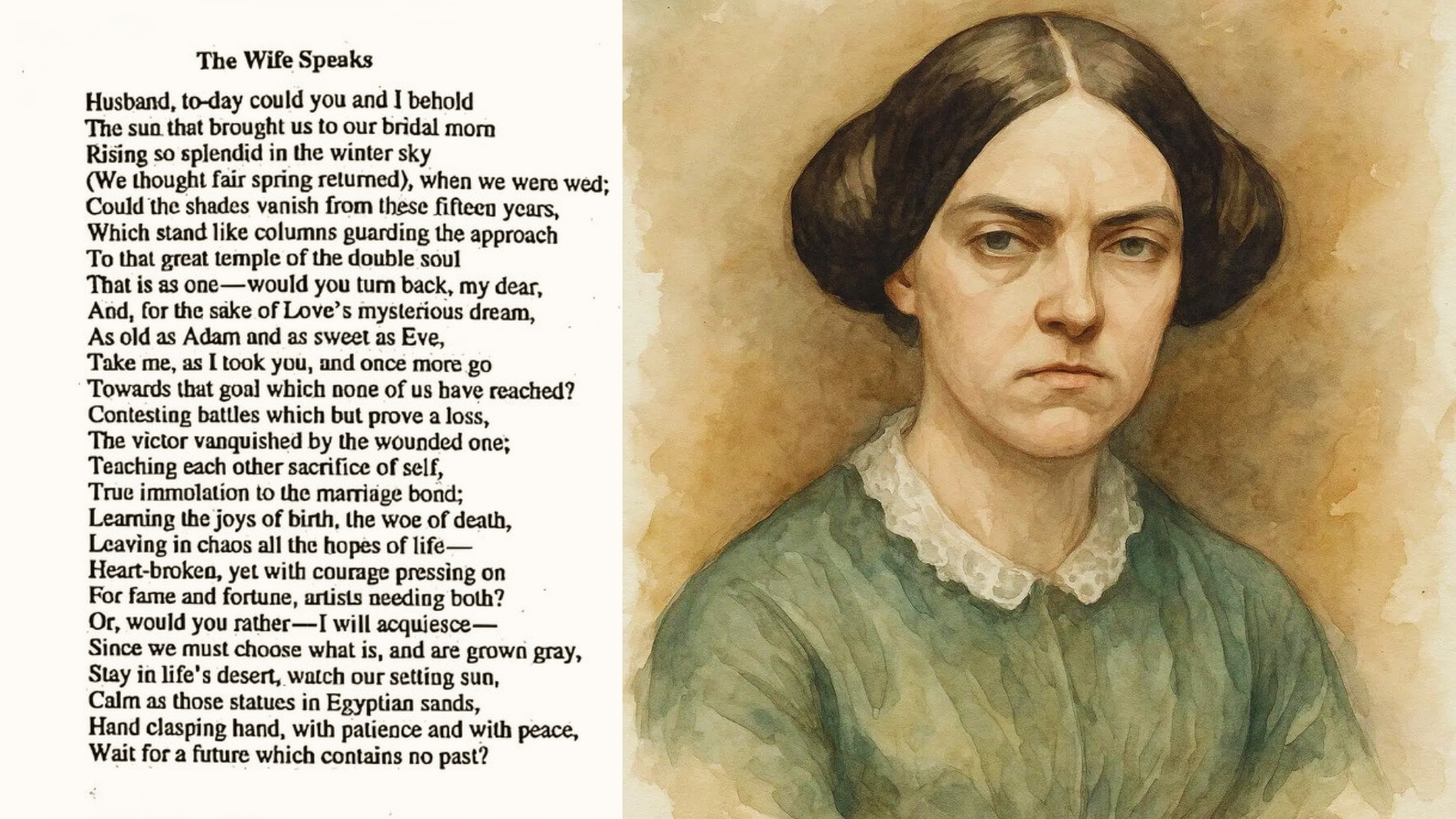
The complete poem, presented as written by Elizabeth Drew Stoddard.
Husband, today could you and I behold
The sun that brought us to our bridal morn
Rising so splendid in the winter sky
(We though fair spring returned), when we were wed;
Could the shades vanish from these fifteen years,
Which stand like columns guarding the approach
To that great temple of the double soul
That is as one – would you turn back, my dear,
And, for the sake of Love’s mysterious dream,
As old as Adam and as sweet as Eve,
Take me, as I took you, and once more go
Towards that goal which none of us have reached?
Contesting battles which but prove a loss,
The victor vanquished by the wounded one;
Teaching each other sacrifice of self,
True immolation to the marriage bond;
Learning the joys of birth, the woe of death,
Leaving in chaos all the hopes of life-
Heart-broken, yet with courage pressing on
For fame and fortune, artists needing both?
Or, would you rather – I will acquiesce-
Since we must choose what is, and are grown gray,
Stay in life’s desert, watch our setting sun,
Calm as those statues in Egyptian sands,
Hand clasping hand, with patience and with peace,
Wait for a future which contains no past?
Summary of The Wife Speaks Poem
A plain and honest summary of what this poem means and feels like.
Reflection on Marriage
The wife looks back at her married life. She thinks about what she gave up and what she gained. She chose her husband freely. But time has passed. Things have changed.
She does not blame him. She does not leave. She simply reflects. That reflection is the heart of the poem.
Emotional Conflict and Choices
There is a quiet tension in the poem. The wife feels something she cannot fully name. It is not anger. It is not hate. It may be a kind of longing for what could have been.
She chose one path. She wonders about the other. This inner conflict is what makes the poem feel so human and honest.
Themes in The Wife Speaks Poem
Three key themes that run through this powerful poem.
Marriage and Companionship
The poem looks closely at what marriage really is. Not just love and romance. But also routine, sacrifice, and quiet loyalty. The wife is not a victim. She is a thinking, feeling person who made a choice and lives with it.
This theme speaks to anyone in a long-term relationship.
Time, Aging, and Memory
Time moves through the poem like a slow river. The wife is older now. She remembers when things were different. Memory and time work together here to create a deep sense of loss, but also peace.
Love, Sacrifice, and Regret
These three things sit side by side in the poem. The wife loves. She has given things up. And sometimes, she regrets it. But regret here is not bitterness. It is just an honest feeling.
This is what makes Stoddard’s poem so touching. It does not pretend. It just feels.
Literary Devices Used in The Wife Speaks Poem
How Stoddard uses language to say more than just words.
Symbolism: Sun, Temple, Desert
- The sun: stands for warmth, life, and the passage of time.
- The temple: suggests something sacred, a bond that is spiritual or holy.
- The desert: points to emptiness, hardship, or a place that tests you.
Together, these symbols build a world that feels both real and larger than life.
Imagery and Figurative Language
Stoddard uses strong images that you can see and feel. The poem puts pictures in your mind without being too long or wordy. This is a skill not many poets have.
Her figurative language is subtle. It does not try too hard. It just fits.
Contrast Between Past and Present
The wife speaks from the present but thinks about the past. This contrast creates emotional depth. You see who she was and who she is now.
The gap between the two is where all the feeling lives.
Tone and Mood of The Wife Speaks Poem
How the poem feels from start to finish.
Reflective and Questioning Tone
The tone is calm but thoughtful. The wife is not angry. She is asking quiet questions. She wonders. She thinks. This reflective tone pulls the reader in gently.
Nostalgia and Acceptance
The mood shifts between looking back and letting go. There is sadness, yes. But also a kind of peace. The wife accepts her life. She does not fight it.
This acceptance gives the poem a soft, warm ending feeling.
About the Poet – Elizabeth Drew Stoddard

Elizabeth Drew Stoddard was born in 1823 in Mattapoisett, Massachusetts. She was an American writer and poet who worked during a time when women writers were rarely given the respect they deserved.
She was married to fellow poet Richard Henry Stoddard and spent her life writing novels, poems, and essays that stood apart from the writing of her time.
Her voice was honest, direct, and deeply personal. Stoddard is not as widely known as some of her peers, but her work deserves real attention.
She wrote about women’s inner lives, their choices, and their quiet feelings in a way that felt bold and true. The Wife Speaks is a fine example of her style.
Simple words. Deep meaning. Real emotion that still connects with readers today.
Conclusion
The Wife Speaks poem by Stoddard left a mark on me. It reminded me that love is not always loud. Sometimes it is quiet, full of questions, and deeply honest.
If you have ever reflected on a choice you made and felt both peace and wonder at the same time, this poem is for you.
I hope this blog helped you understand the poem better. Leave a comment below and share your thoughts. What line in the poem touched you most? Share this post with someone who loves poetry.
Frequently Asked Questions
What is The Wife Speaks poem about?
The poem is about a wife reflecting on her marriage and life choices. She looks back with honesty, feeling both love and quiet doubt at the same time.
Who wrote The Wife Speaks poem?
The poem was written by Elizabeth Drew Stoddard, an American poet and novelist from the 19th century. She was known for her honest and personal writing style.
What are the main themes in The Wife Speaks by Stoddard?
The main themes include marriage, time and memory, and love mixed with regret. Stoddard looks at the real, complex feelings that come with a long-term relationship.
What literary devices are used in The Wife Speaks?
Stoddard uses symbolism, imagery, and contrast between past and present. Objects like the sun, desert, and temple carry deeper meaning throughout the poem.
Where can I read the full text of The Wife Speaks by Stoddard?
You can find the full original poem on public domain poetry websites and literary archives like the Poetry Foundation or similar platforms that host 19th-century American poetry.