

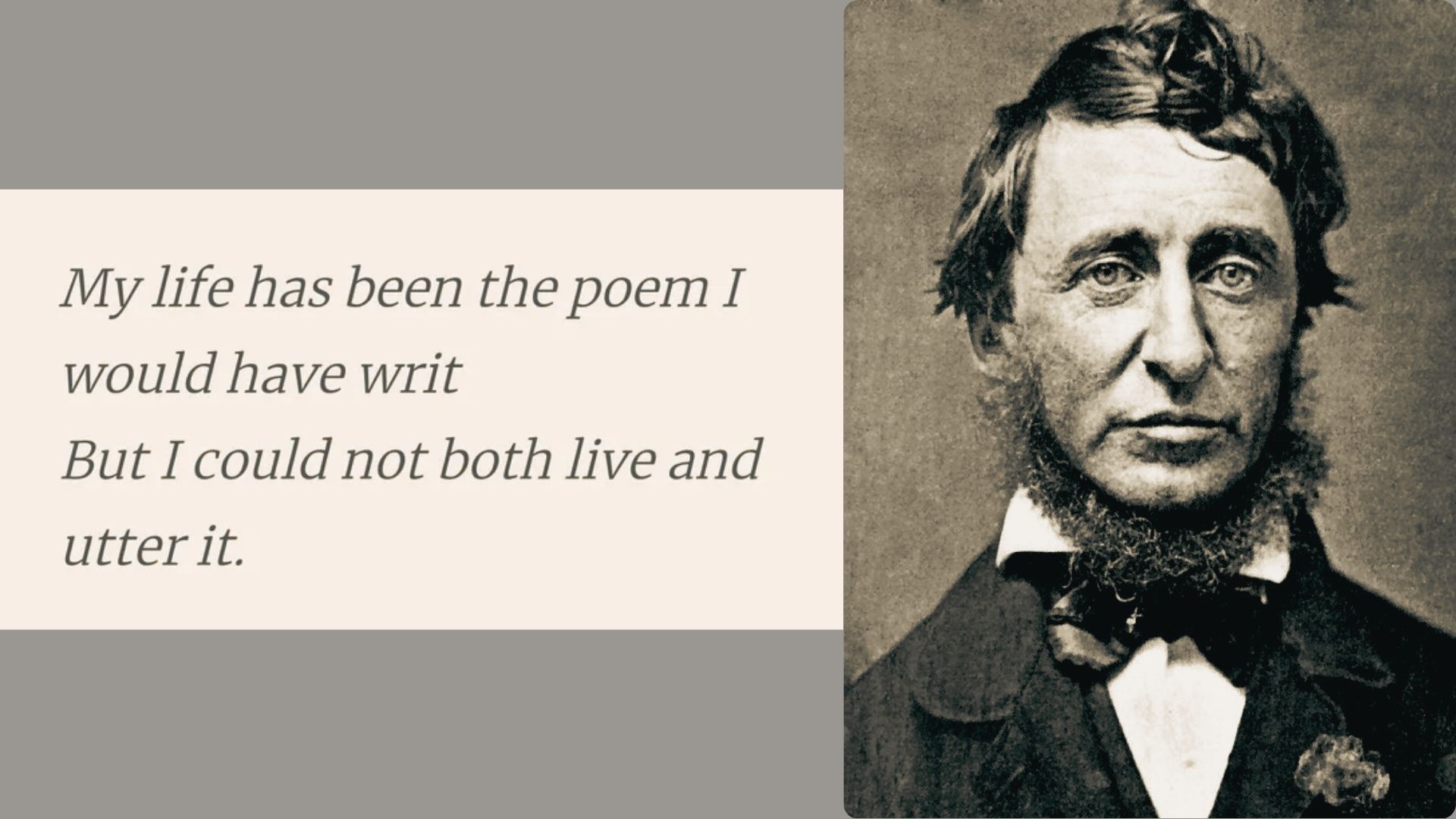
Have you ever felt too busy living to write about it? That is exactly what Thoreau said in just two lines.
I have studied this poem closely, and I want to make it simple for you. In this article, you will get a line-by-line breakdown, key themes, literary devices, and why this poem still speaks to people today.
By the end, you will see why so many readers find it deeply personal.
I have been reading Thoreau for years, and this one never gets old.
Let us get into it.
Full Text of My Life Has Been the Poem
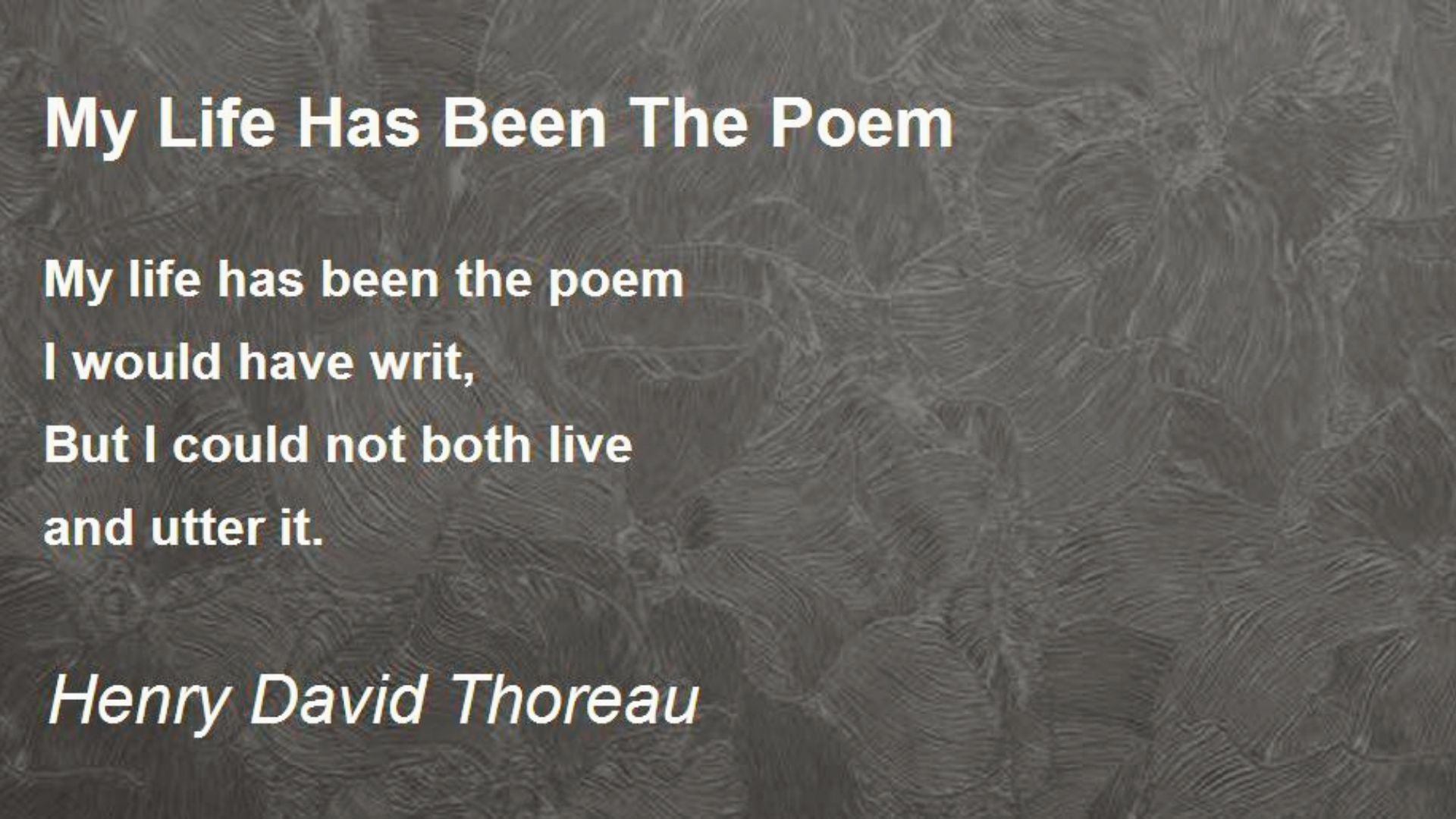
This section gives you the complete, original poem so you can read it in its purest form.
Read the Original Poem
Here is the poem exactly as Thoreau wrote it:
“My life has been the poem I would have writ,
But I could not both live and utter it.”
That is it. Two lines. Two couplets in some versions. But the weight behind them is heavy.
Some versions include a slightly extended form:
“My life has been the poem
I would have writ,
But I could not both live and utter it.
What I have done is all I know;
What I have left undone is what I owe.”
The short version is the most widely cited. Both carry the same core truth.
Meaning of My Life Has Been the Poem
Here is a plain and clear look at what Thoreau was trying to say in this short but powerful poem.
Short and Simple Meaning
Thoreau is saying something very personal here.
His life itself was the poem he always wanted to write. He lived it fully. But because he was so busy living, he could never fully put it into words.
Here are the two core ideas:
- Life itself is the poem he could not write
- Living and writing cannot happen fully at the same time
Think of it this way. If you are fully present in a moment, you are not stopping to write about it. And if you stop to write, you step out of the moment.
Detailed Explanation of the Poem
Let us go line by line.
Line 1: “My life has been the poem I would have writ”
Thoreau is saying that his lived experience was itself a work of art. He did not need to write a grand poem. His life was already one.
The word “would have writ” tells us there was a desire. He wanted to write it. But something stopped him.
Line 2: “But I could not both live and utter it”
This is the conflict. To live something fully and to express it fully at the same time is not possible. “Utter” means to speak or write. He chose living over writing about living.
The conflict between experience and expression:
This is the tension at the heart of the poem. Every artist knows it. Every person who has tried to journal a great moment knows it too. The moment you try to capture it, it changes.
Why writing requires distance from living:
To write well about something, you often need to step back from it. You need time. Reflection. Distance. Thoreau is honest enough to admit he never fully found that balance.
Key Message of the Poem
The poem carries a simple but deep message about how we choose to spend our time and attention.
The Tension Between Living and Writing
Thoreau made a choice. He chose experience over documentation.
He went to Walden Pond to live simply and deliberately. He was not there to write about life from the outside. He was inside life. Fully.
This poem is his honest confession. He picked the living. The writing always came second.
The Limits of Language
Words can only do so much.
Life cannot be fully captured in words. This is something most writers feel but rarely say out loud. Thoreau said it plainly. No matter how skilled the writer, language always falls a little short of real experience.
A sunset is not the same as a poem about a sunset. A friendship is not the same as a story about one.
Themes in My Life Has Been the Poem
This poem touches on several big ideas that go well beyond just writing.
Life as Art
One of the strongest themes here is that living itself is a creative act.
Thoreau did not think you had to write a book or paint a picture to be creative. The way you live your life, the choices you make, the attention you pay to the world around you. That is art too.
His life at Walden was his canvas.
Expression vs Experience
There is a clear theme of the impossibility of doing both fully.
You can write about life. Or you can live it. But to do both at the same time, at full depth? That is very hard. Maybe impossible.
This is not just a poet’s problem. It is a human one.
Simplicity and Authenticity
Thoreau always valued real life over artistic output. This poem proves it.
He is not sad that he did not write more. He is at peace with having lived more. That is the Thoreau way. Simple. Honest. Grounded.
Literary Devices Used in the Poem
Even in just two lines, Thoreau uses language in a very intentional way.
Metaphor
The biggest device here is metaphor. He compares his life to a poem.
A poem is not random. It has shape, rhythm, and meaning. By calling his life a poem, Thoreau is saying his life had all of those things too. It was crafted, even if never written down.
Irony
There is a quiet irony in this poem that makes it memorable.
A poet is saying he could not write the poem of his life. The very person whose job it is to put life into words admits that words were not enough. That is irony used with honesty.
Concise Structure
The short form of the poem itself reflects its message.
If the poem is about the limits of language, it makes sense that it is brief. Thoreau does not overexplain. He says what needs to be said and stops. The form and the idea match perfectly.
Tone and Diction
The tone is simple, reflective, and restrained.
There are no fancy words here. No over-the-top emotion. Just a calm, honest statement. The diction is plain because the truth is plain. Thoreau was not trying to impress. He was trying to be real.
Form, Structure, and Rhyme
The way this poem is built says just as much as the words themselves.
Two Couplet Structure
The poem is compact and balanced.
Two lines. Two ideas. One problem. The couplet form keeps things tight. Nothing is wasted. Every word earns its place.
Rhyme and Meter
The poem follows a traditional rhythm.
“Writ” and “it” rhyme cleanly. The meter flows naturally when read aloud. This structure gives the poem a sense of order, which works against the idea of a life that felt too full to write about.
The order in the poem is what he could not bring to his experience.
Why the Structure Matters
Brevity mirrors the idea of limitation.
The poem is short because the point is that there is always more to say than can be said. The form proves the argument. Thoreau could have written a long poem about this. He did not. And that is the point.
About the Poet
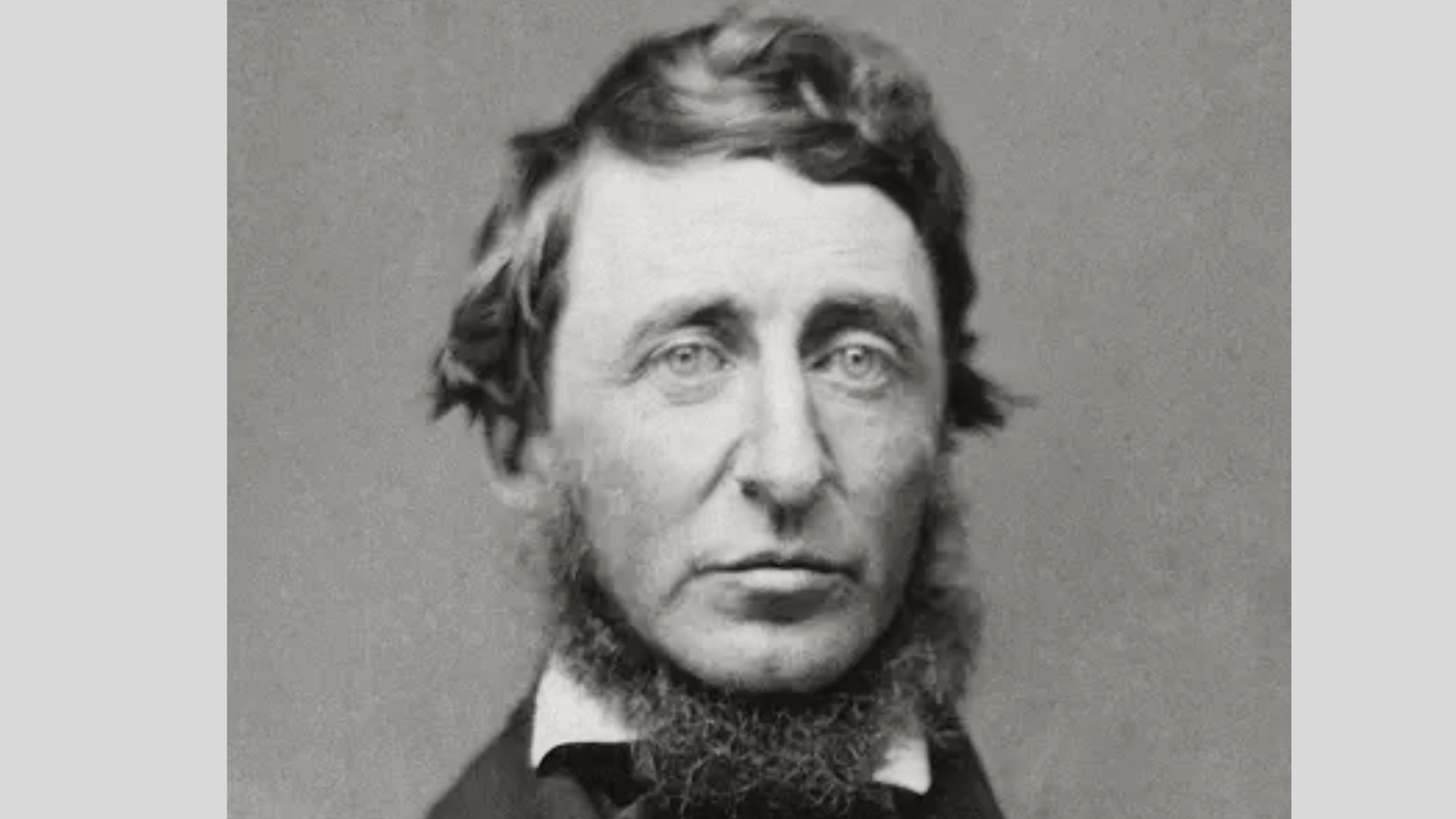
Knowing who Thoreau was makes this poem hit even harder.
Henry David Thoreau was born on July 12, 1817, in Concord, Massachusetts. He studied at Harvard and became one of America’s most important writers and thinkers.
He is best known for Walden and his essay Civil Disobedience. He believed in living simply, thinking deeply, and questioning what society told people to want. He died on May 6, 1862, at just 44 years old.
Walden is his most famous work. It covers the two years he spent in a small cabin near Walden Pond. He went there to live simply and on purpose.
He wanted to strip life down to its basics. This poem fits that choice perfectly. He was not there to write a great work. He was there to live one.
Why This Poem Still Matters Today
Think about social media. Every day, millions of people stop in the middle of a moment to photograph it, post it, and caption it. Are they living it? Or just recording it?
That is exactly what Thoreau was talking about. We have more tools than ever to document our lives. And yet, many people feel like they are missing them.
The struggle between doing and reflecting never goes away. Writers feel it. Parents feel it. Athletes feel it. The moment you try to describe an experience, you have already stepped out of it. Thoreau said this in two lines. That is why the poem lasts.
Conclusion
I have always been drawn to short poems that say more than they seem to. My Life Has Been the Poem is one of them.
When I read it, I think about every moment I stopped to write about instead of just feeling it. Maybe you do too.
Thoreau made his choice. He lived first. What would you choose?
If this article helped you, leave a comment below and share what you think the poem means to you. You can also share this post with someone who loves poetry or is studying Thoreau.
Frequently Asked Questions
What is the main idea of “My Life Has Been the Poem” by Thoreau?
The poem says that Thoreau’s lived experience was the poem he always wanted to write. He could not fully live and fully write about it at the same time.
How long is “My Life Has Been the Poem”?
The poem is two lines long in its most common form. Some versions include four lines, but the two-line version is the most widely known and cited.
What literary device does Thoreau use in this poem?
The main literary device is metaphor. Thoreau compares his life to a poem. He also uses irony, since a poet admits he could not write the poem of his own life.
What does “I could not both live and utter it” mean?
It means that living fully and writing about that life fully at the same time is not possible. To speak or write about an experience, you must step away from it.
How does this poem connect to Thoreau’s life at Walden Pond?
Thoreau went to Walden Pond to live simply and on purpose. This poem reflects that choice. He valued the act of living over the act of writing about living, which was central to everything he believed.