

Splendor in the Grass is a passage that has stayed with readers for generations.
It comes from a longer poem by William Wordsworth, and its message about youth, memory, and growing older still feels personal today.
In this article, you will find the full poem text, a clear meaning breakdown, major themes, literary devices, and background on Wordsworth himself.
I have studied this poem carefully, and I want to make it simple and easy for you to understand. You will leave here with a complete picture of what this poem truly means.
Full Text of Splendor in the Grass
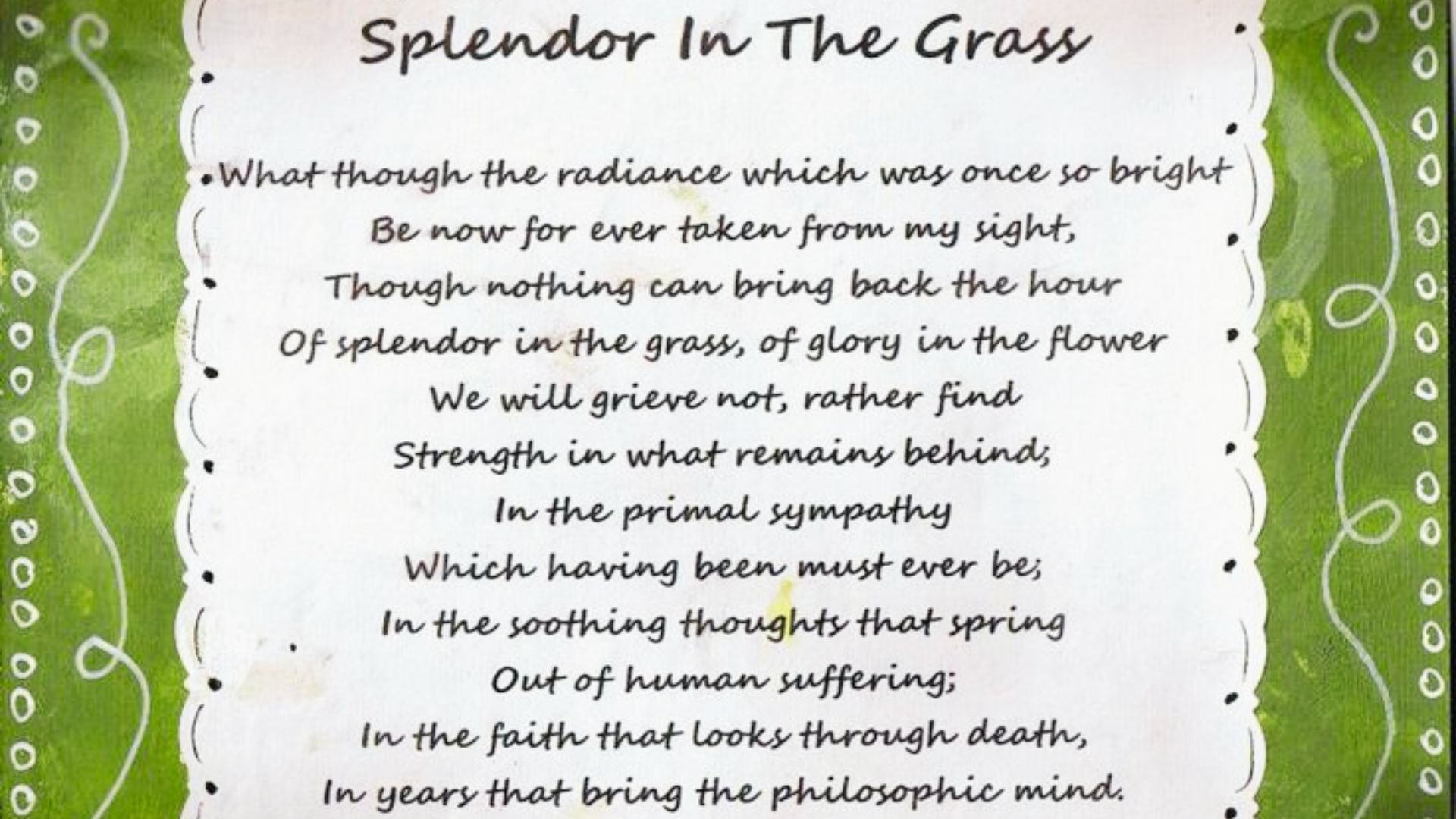
A look at the original words Wordsworth wrote, exactly as he wrote them:
What though the radiance which was once so bright
Be now forever taken from my sight,
Though nothing can bring back the hour
Of splendour in the grass, of glory in the flower.
We will grieve not, rather find
Strength in what remains behind.
In the primal sympathy
Which having been must ever be.
In the soothing thoughts that spring
out of human suffering;
In the faith that looks through death,
In years that bring the philosophic mind.
Meaning of Splendor in the Grass Poem
Understanding what this poem says at its core helps readers connect with it on a much deeper level.
Short and Simple Meaning
The poem talks about how the joy and wonder of childhood slowly fade as people grow older.
That bright, magical feeling from youth does not last. But Wordsworth does not stop at sadness. He says people can still find strength in their memories and in the wisdom they gain over time.
The key idea is this: losing something does not mean losing everything.
Detailed Meaning of the Poem
Wordsworth wrote this poem while thinking about how childhood felt full of light and magic. As adults, that feeling is gone. He called this loss the fading of “celestial light.”
The line “splendour in the grass” refers to the way nature once looked breathtaking and alive to a young person. Everything felt new, glowing, and full of meaning.
“Glory in the flower” works the same way. Flowers were once objects of pure wonder. Over time, they become just flowers again.
But here is where the poem turns in a hopeful direction. Wordsworth does not say people should stay sad. Instead, he says:
We will grieve not, rather find strength in what remains behind.
He is saying that memory, experience, and emotional growth are gifts. They replace the lost wonder of childhood with something more grounded and lasting.
Key Message in Splendor in the Grass
The message is both honest and hopeful.
Nothing in life stays the same. Childhood joy fades. Youth passes. The world changes. But within those changes, people find new meaning.
Memories hold beauty. Growth brings wisdom. And emotional strength comes from accepting life as it is, not as it once was.
Themes in Splendor in the Grass Poem
The poem carries several strong themes that make it feel timeless and deeply human.
Childhood and Innocence
Wordsworth saw childhood as a time of natural wonder. Children experience the world with full emotional openness. There are no layers of worry, routine, or disappointment in the way.
He believed children are closer to a kind of spiritual clarity. As people grow, that closeness fades. The poem mourns this loss while also accepting it.
Memory and Nostalgia
Looking back on youth is painful for many people. The poem gives that feeling a name and a shape.
Nostalgia in this poem is not just sadness. It is also an appreciation. Wordsworth remembers the past not to stay stuck in it but to carry its warmth into the present.
Nature and Human Emotion
Nature plays a big role in this poem. Grass and flowers are not just plants. They stand in for human feelings.
When nature appears bright and glowing in the poem, it reflects the emotional richness of youth. When that glow fades, nature mirrors the inner experience of growing older.
Wordsworth used nature to say things about people that would be hard to express any other way.
Acceptance and Emotional Strength
This is the theme that gives the poem its power.
Wordsworth does not ask readers to pretend they are not sad about what they have lost. He asks them to accept it and move forward.
The poem says that strength comes from what remains, from memories, from love, from the wisdom only time can give.
Literary Devices Used in Splendor in the Grass
Wordsworth used several writing tools to make the poem feel both musical and emotional.
Imagery
The poem is full of visual images. Grass, flowers, light, and nature all appear clearly in the reader’s mind.
These images are not random. Each one is chosen to make the reader feel the beauty that once existed and the quiet ache of watching it fade.
Symbolism
Grass and flowers carry symbolic weight throughout the poem.
They represent youth, beauty, and moments of happiness that do not last. Just as flowers bloom and then fade, so does the wonder of childhood.
This symbolism makes the poem feel larger than just one person’s experience. It speaks to something everyone goes through.
Alliteration and Sound Devices
Wordsworth used repeated sounds to give the poem a musical quality.
Lines like “splendour in the grass” and “glory in the flower” use soft, flowing sounds that make reading feel smooth and almost like listening to music.
These sound patterns also slow the reader down, which creates space to feel the emotion behind the words.
Emotional Tone
The tone of the poem moves through several emotional states.
It starts with loss and grief. Then it shifts toward reflection. By the end, the tone becomes one of quiet acceptance and even hope.
This movement mirrors what many people experience when they think about their own past.
Form, Structure, and Style of the Poem
It is this balance of simplicity and emotional depth that gives the poem its lasting impact and universal appeal.
Romantic Poetry Style
This poem belongs to the Romantic movement, a period in literature that valued nature, emotion, memory, and personal experience above strict rules.
Wordsworth was one of the most important figures in this movement. He believed that ordinary life, childhood, and the natural world were worthy of serious poetry.
Ode: ‘Intimations of Immortality’ is considered one of the finest examples of Romantic ode writing.
Rhythm and Flow
The poem uses a flexible but careful rhythm. Lines vary in length, which prevents the poem from feeling mechanical or stiff.
This variation also reflects the emotional content. Short lines carry sharp emotions. Longer lines allow feelings to breathe and expand.
The result is a poem that feels natural to read out loud, almost like speech set to music.
Why the Passage Feels So Powerful
The passage feels powerful because the language is simple but the meaning runs deep.
Wordsworth did not use complicated or obscure words to make his point. He used words that anyone could recognize: grass, flowers, grief, strength.
By keeping the language accessible, he made the emotions impossible to ignore. The poem speaks directly to the reader without putting walls between the words and the feeling.
About the Poet
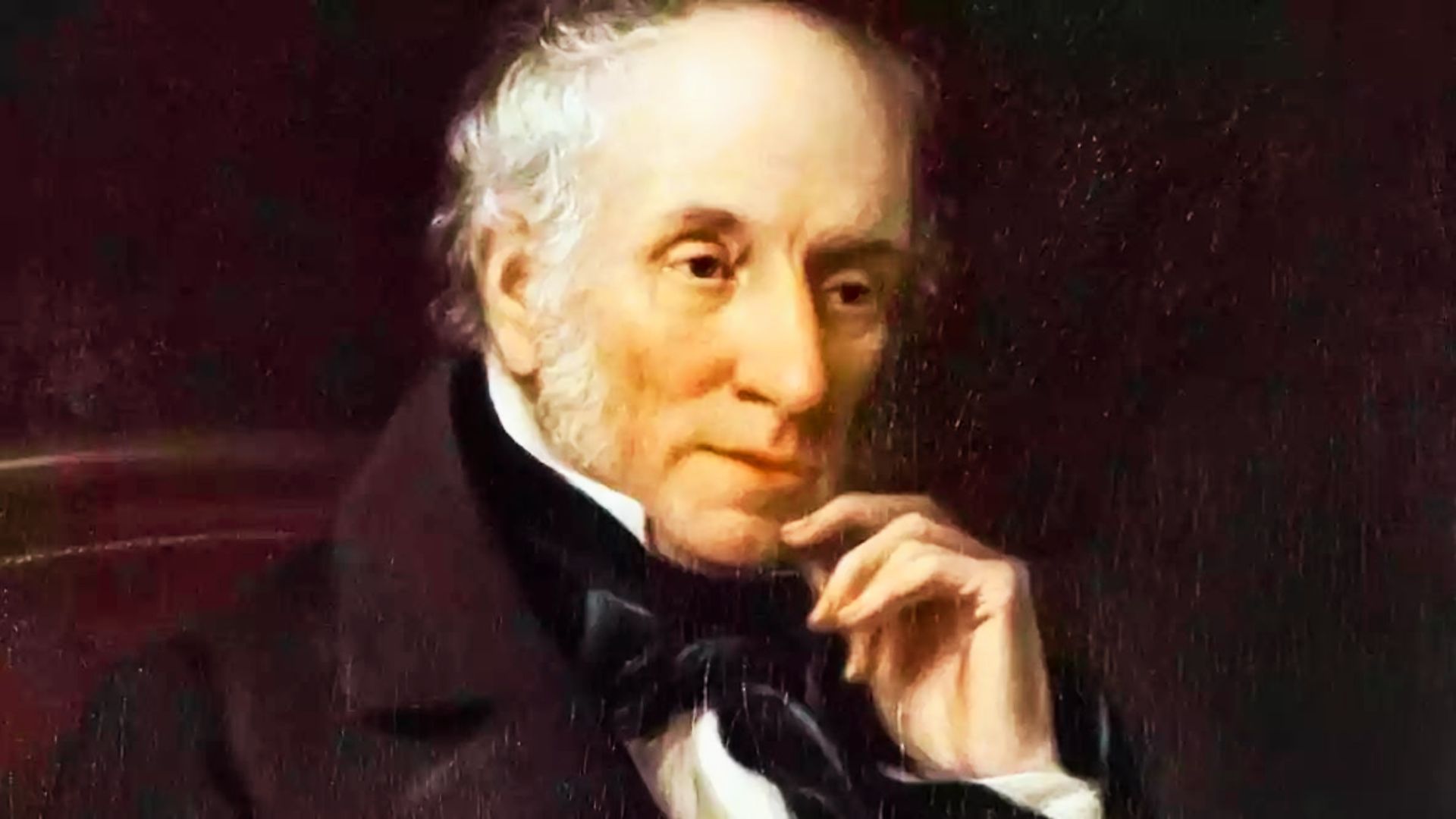
William Wordsworth was born on April 7, 1770, in Cockermouth, England. He is one of the most celebrated poets in the English language.
He co-authored Lyrical Ballads with Samuel Taylor Coleridge in 1798, helping launch the Romantic Age of English literature. Wordsworth served as Britain’s Poet Laureate from 1843 until his death in 1850.
He spent much of his life in the Lake District, where nature deeply shaped his writing. Memory, childhood, and emotional growth were central to his work.
The “splendour in the grass” passage grew directly from his personal reflections on growing older.
Conclusion
The first time I read these lines, they stayed with me for days. There is something deeply honest about a poem that admits loss but still chooses hope.
Wordsworth did not pretend growing up is easy. He simply said that what remains after youth still has value.
That message never gets old. If this article helped you see the poem in a new way, share it with someone who loves reading.
Drop a comment below and tell me what these lines mean to you personally.
Frequently Asked Questions
What is the meaning of the Splendor in the Grass poem?
The poem talks about how the joy and wonder of childhood fade as people grow older. It also says that strength and wisdom can still be found in memories and life experience.
Who wrote the Splendor in the Grass poem?
The passage comes from Ode: Intimations of Immortality, written by English Romantic poet William Wordsworth. He is one of the most celebrated poets in literary history.
Is Splendor in the Grass a complete poem?
No, it is not a standalone poem. The famous lines are part of a longer ode by Wordsworth that explores childhood, memory, loss, and emotional growth across multiple stanzas.
What are the main themes in the poem?
The poem covers childhood innocence, nostalgia, nature and human emotion, and acceptance. It shows how people can find strength even after losing the wonder of their younger years.
When was the Splendor in the Grass poem written?
Wordsworth wrote the ode between 1802 and 1804, and it was published in 1807. It appeared in his collection Poems, in Two Volumes during the height of the Romantic literary movement.