
Some poems feel like they were written about right now, even when they are over a hundred years old. That is what happens with the poem ‘The Second Coming’.
Written by William Butler Yeats in 1919, this short poem captures the fear of a world coming apart. People quote it during wars, elections, and crisis after crisis, because its images still feel true.
In this blog, we will cover it all. You will learn who wrote the poem, the history behind it, what each part truly means, and the key themes that make it timeless.
We will also look at how critics view it and answer common questions readers still ask. By the end, you will understand exactly why this poem still shows up in headlines and classrooms today.
What Is The Second Coming Poem About?

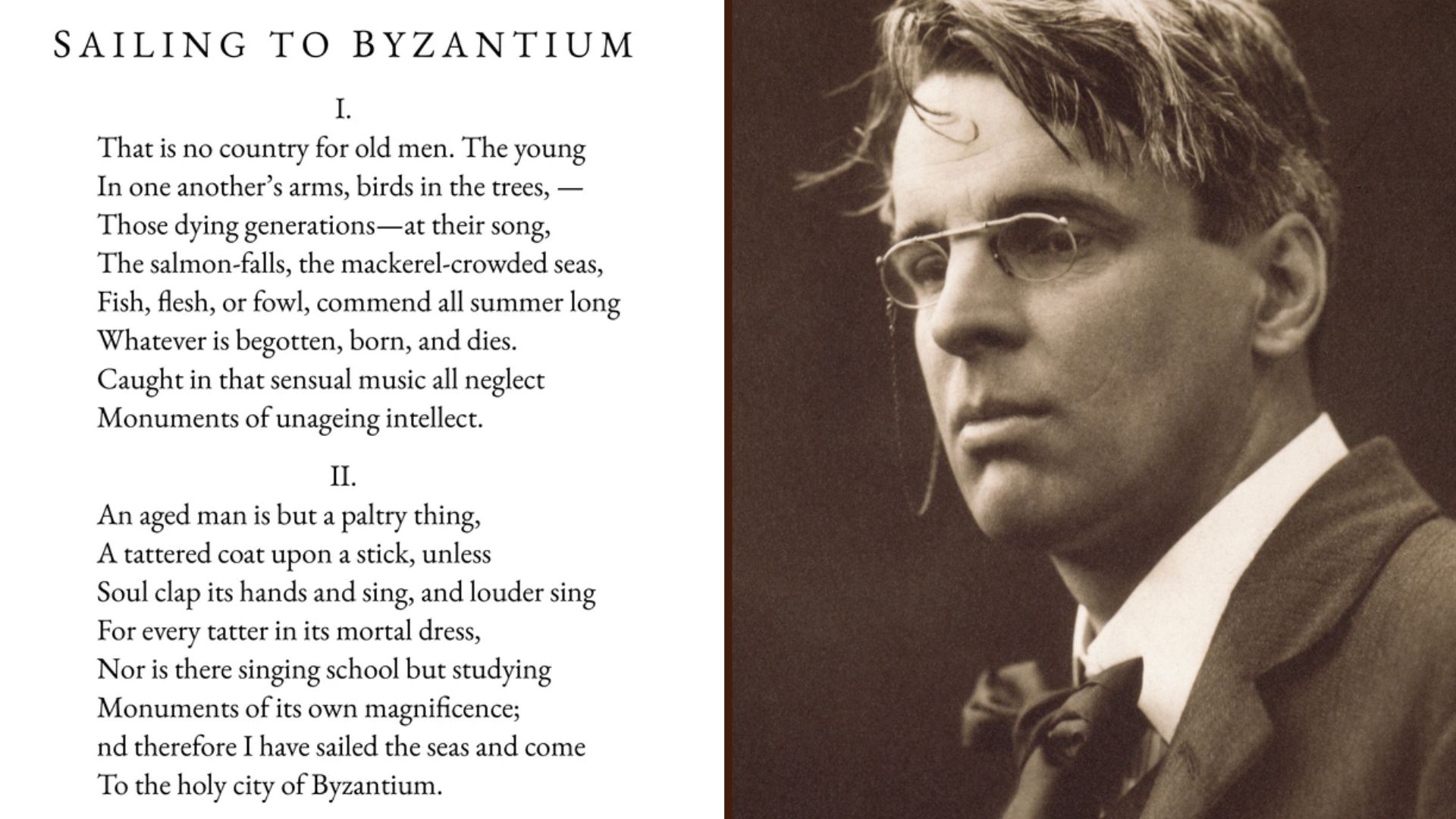
‘The Second Coming’ is a short poem written in 1919 by William Butler Yeats, an Irish poet and one of the most important voices in modern poetry.
The poem opens with a falcon flying so far from its falconer that it can no longer hear him.
This image sets the tone for the whole poem: control is slipping, and things fall apart. Yeats reads Europe as a civilization spinning out of its own orbit, sliding toward chaos after the horror of the First World War.
The poem builds toward a strange, frightening vision, a beast waking after two thousand years, moving slowly toward Bethlehem to be born. Instead of comfort, the poem ends in dread.
It borrows the language of the Book of Revelation and the Christian idea of a second coming, then turns that hope into something eerie.
Publication History of The Second Coming
Yeats wrote the poem in January 1919, shortly after the end of World War I and during the Irish War of Independence. Both events shaped the poem's mood of collapse and uncertainty.
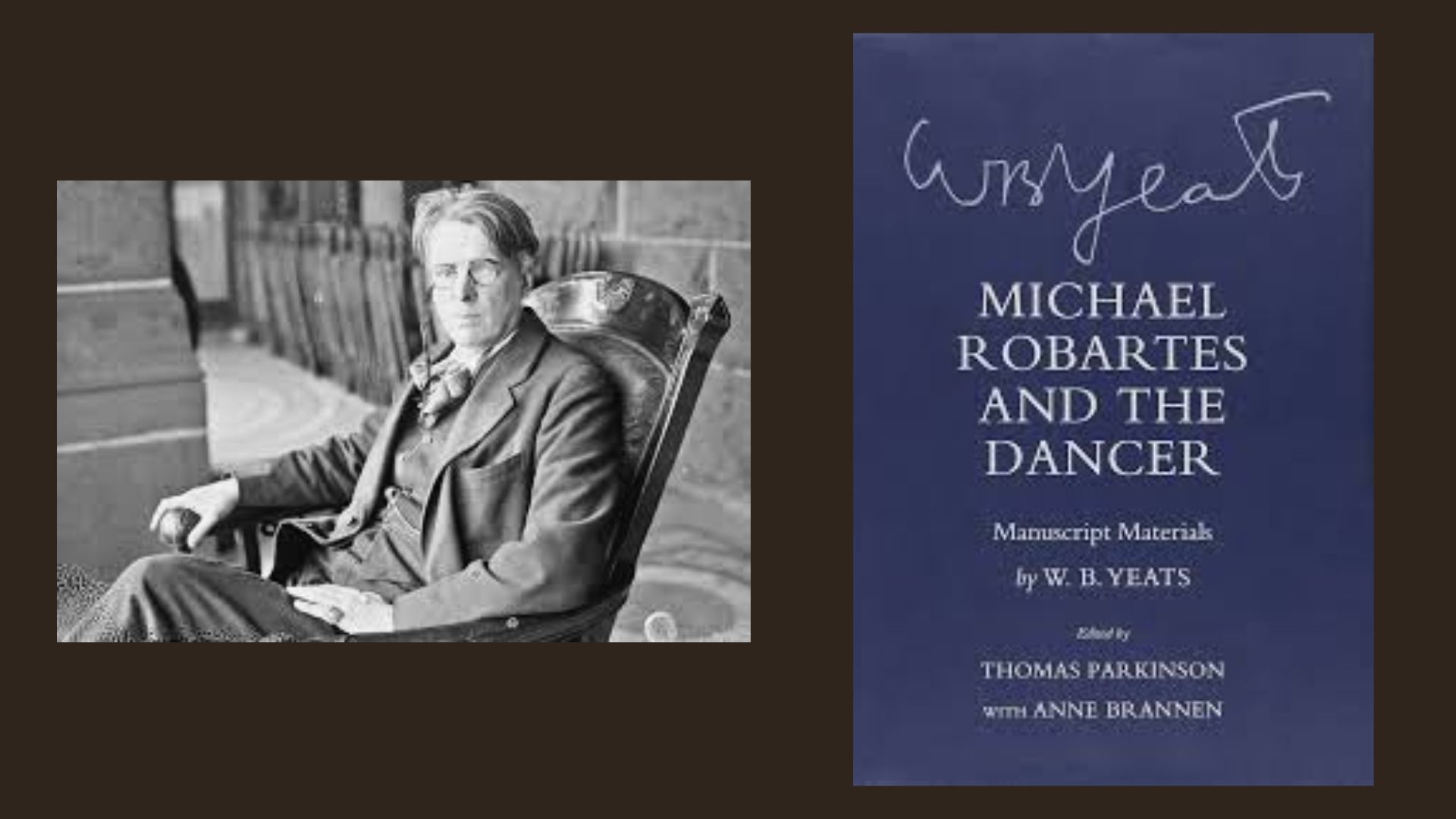
The poem first appeared in The Dial in November 1920, then in The Nation that same month, before being collected in Yeats's 1921 book, Michael Robartes and the Dancer.
Yeats later explained much of the poem's imagery in his prose book, A Vision, where he laid out his own theory of history. He believed civilizations move in cycles, expanding outward like a spinning cone, or gyre, until they lose their center and a new age begins.
The Poem's Strange Afterlife
Few poems have traveled as far past their original page as this one.
A Title Born From One Line
The poem's third line, about things falling apart, gave Nigerian author Chinua Achebe the title for his 1958 novel, Things Fall Apart.
That novel is now one of the most read books in modern African literature, and it introduced Yeats's phrase to millions of readers who may never have read the poem itself.
Echoes in Later Writers
Author Joan Didion borrowed the poem's closing image for her essay collection Slouching Towards Bethlehem, using it to describe 1960s America.
Critics also trace some of the poem's tone and its sphinx-like vision back to earlier Romantic poets, including Percy Shelley's Prometheus Unbound and the visionary work of William Blake.
The Second Coming Poem Meaning Explained
Each part of the poem builds a picture of a world losing its shape. Below, we walk through it section by section, in plain, everyday language.
The Falcon and the Falconer
The opening lines show a falcon circling so wide it cannot hear its falconer anymore. This is Yeats's picture of a world where control has broken down between people and the systems meant to guide them.
The Widening Gyre
Yeats calls this spiral motion the widening gyre.
It is his way of showing history moving outward in ever-larger loops until it spins past the point of holding together. The center cannot hold, and things fall apart.
A World of Chaos
The poem describes a bloody tide let loose across the world, drowning innocence, while the best people seem to hold back and the worst act with full confidence.
This line still gets quoted today because it fits so many moments of political or social unrest.
The Sphinx in the Desert
Right after the word ‘Second Coming’, Yeats has a vision arising from what he calls ‘Spiritus Mundi’, a kind of shared world memory or spirit.
He pictures a shape with the body of a lion and the head of a man, staring blankly and pitilessly, moving slowly across the desert sand.
The Rough Beast
The poem ends with a question. Yeats asks what rough beast is slowly moving toward Bethlehem to be born, now that its time has finally come.
Most people expect the second coming to bring back Christ, and with him, hope. Yeats flips that idea on its head. Instead of peace, he shows us fear. Instead of grace, he shows us something cruel waking up and taking its place.
Themes in ‘The Second Coming’
- Collapse of order: The poem's central fear is a world that has lost its structure, shown through the falcon, the gyre, and the phrase things fall apart.
- History as a cycle: Yeats believed ages rise and fall in patterns, and this poem marks the turning point between one age ending and a darker one beginning.
- Religion turned upside down: The poem borrows straight from the Book of Revelation, then twists the hopeful idea of a second coming into something to fear.
- Loss of innocence: The image of innocence drowned in a bloody tide reflects the shock many felt after the mass death of World War I.
- Uncertainty about the future: The poem never says exactly what the rough beast is. That mystery is part of why it still unsettles readers a century later.
‘The Second Coming’Summary
‘The Second Coming’ shows a world spinning out of control, a falcon lost from its falconer, and a center that cannot hold. Yeats reads this chaos as history reaching a breaking point, the end of one age and the start of another.
The poem's most haunting image is a beast with a lion's body and a man's head, waking in the desert after two thousand years of sleep. Instead of the return of Christ, this second coming brings something far more unsettling, a rough beast moving toward Bethlehem to be born.
How Critics View ‘The Second Coming’?
Not everyone reads this poem the same way, and that disagreement is part of why it stays so widely studied.
Praise as a Landmark of Modern Poetry
Many critics rank ‘The Second Coming’ among the most important poems of the 20th century.
Its tight, vivid images and its refusal to explain themselves in full make it a favorite in modernist poetry courses.
Debate Over the Beast's Meaning
Scholars still argue over what exactly the rough beast represents.
Some read it as fascism rising in Europe, others as a comment on any force that threatens order, and others as a purely personal vision tied to Yeats's own occult beliefs, laid out later in A Vision.
Criticism of Its Ambiguity
A few critics push back on the poem for being too vague, arguing that its power comes from mood and sound more than from a clear argument.
Others say that same ambiguity is exactly why the poem keeps finding new meaning in new crises.
About William Butler Yeats
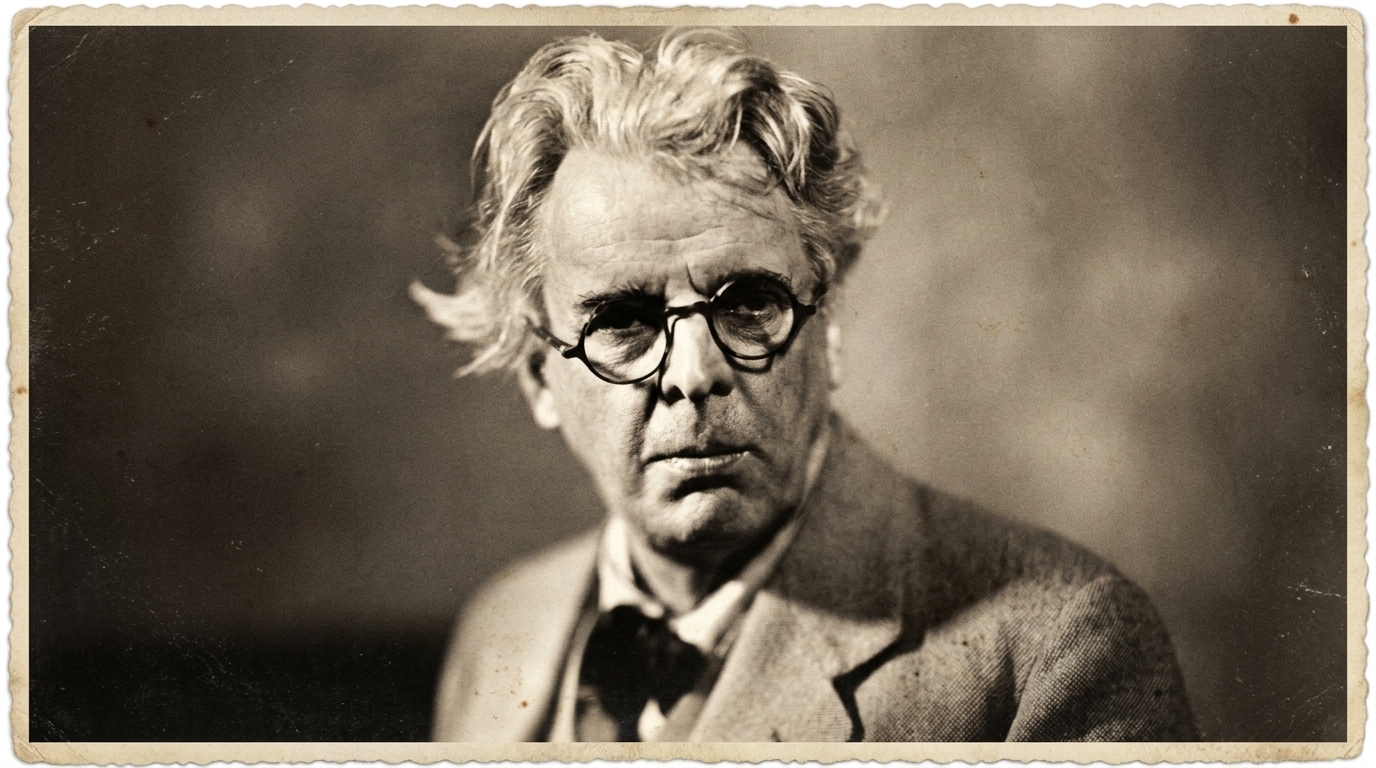
William Butler Yeats was an Irish poet and playwright, born in 1865 in Dublin. He helped lead the Irish Literary Revival and later won the Nobel Prize in Literature in 1923.
Yeats wrote ‘The Second Coming’ in the shadow of World War I and the fight for Irish independence, drawing on his personal system of history and symbolism, which he later expanded in A Vision.
For Yeats, the poem was not just a comment on current events. It was part of a larger belief that history moves in great turning cycles, and that 1919 marked one of those turning points.
Conclusion
‘The Second Coming’ reminds us that order is not guaranteed, and that even a stable world can spin toward chaos.
Its images, the falcon, the gyre, the rough beast, still show up whenever people try to describe a moment of collapse.
If this poem stayed with you, share it with someone who loves poetry with real bite. And tell us in the comments what you think the rough beast really stands for.
Frequently Asked Questions
What type of poem is ‘The Second Coming’?
It is written in blank verse, with no fixed rhyme scheme. The lines loosely follow iambic pentameter, but Yeats breaks the pattern often to match the poem's uneasy mood.
How many lines and stanzas does the poem have?
The poem has 22 lines split into two stanzas. The first stanza is longer and sets the scene of chaos, while the shorter second stanza reveals the beast.
What literary devices does Yeats use in the poem?
Yeats leans on metaphor, biblical allusion, and repeated words like "turning" and "surely" to build tension. He also uses enjambment, letting lines run into each other to keep the pace urgent.
Is' The Second Coming’considered a prophecy?
Many readers treat it that way, since Yeats wrote it after one world war and it seems to warn of more chaos ahead. Yeats himself framed it more as a vision tied to his own theory of history, not a firm prediction.
Why do people still quote this poem today?
Its lines about a center that cannot hold get pulled into modern politics, news, and essays almost every time a country or system looks like it is breaking down. The poem's vague, open ending lets each generation apply it to their own crisis.