


Have you ever searched for a poem that seems to speak straight to your life? That is what happens with ‘Ithaca’, written by C. P. Cavafy.
This short poem has guided readers for over a century, and it became world famous after being read at Jacqueline Kennedy Onassis's memorial service.
If you searched for the poem's meaning, its full text, or the story behind it, you are in the right place.
In this blog, we cover it all. You will learn who wrote the poem, why it became so loved, and what each part truly means in plain, easy words.
We also look at how critics view it and answer the questions readers ask most. By the end, you will know exactly why this simple poem still means so much to so many people today.
What Is the Ithaca Poem?

‘Ithaca’ is a poem written in 1911 by Constantine P. Cavafy, a Greek poet who spent most of his life in Alexandria, Egypt.
The poem takes its name from the island of Ithaca, the real place in Greece that Odysseus tries to reach in Homer's Odyssey.
But Cavafy is not really writing about Odysseus. He is writing about you. The poem uses the hero's long trip home as a stand-in for any long journey in life. It tells readers to slow down, enjoy the trip, and stop rushing toward the finish line.
Publication History of the Ithaca Poem
Cavafy first shared ‘Ithaca’ in 1911, and it later appeared in his collected poems after his death in 1933.
For much of his life, Cavafy did not publish his work in books at all. He printed poems on loose sheets and gave them to friends, or had them run in small local journals in Alexandria.
‘Ithaca’ was one of his most personal poems. He returned to it often, and readers and scholars still study his early drafts to see how he shaped the final version.
Today, the original Greek poem sits in the public domain. English translations, though, such as the well-known version by Edmund Keeley and Philip Sherrard, are still under copyright, which is why you will not find the full English text reprinted freely on most sites.
Why the Ithaca Poem Became Famous?
The poem's history holds a moment that pushed it into the spotlight worldwide.
The Jackie Kennedy Reading
In 1994, ‘Ithaca’ was read aloud at the memorial service for Jacqueline Kennedy Onassis.
The poem was one of her favorites, and hearing it read at such a public, emotional moment introduced it to a huge new audience.
How the Poem Spread Further
Maurice Tempelsman, her longtime partner, was the one who read the poem that day.
Since then, other well known readings, including one by actor Sean Connery, have kept the poem circulating online, often shared alongside the audio from the original memorial service.
Ithaca Poem Meaning Explained Line by Line
Each part of ‘Ithaca’ carries its own lesson about how to live. Below, we walk through the poem section by section to explain what Cavafy meant in plain, everyday language.
The Journey Itself Matters Most
The opening lines ask you to hope your road is a long one, full of discovery. Cavafy reminds us that the trip itself, not just the arrival, is the point.
The Monsters Are Inside You
The poem mentions the Laestrygonians, the Cyclops, and an angry Poseidon, the same dangers Odysseus faced in the Odyssey.
Cavafy says you will never meet these things unless you carry them inside your own mind. Fear, in other words, is often something we create ourselves.
Take Your Time and Stay Curious
Cavafy urges readers to hope the road is long, so there are many summer mornings ahead.
He tells us to stop at new ports, learn from scholars, and collect knowledge and pleasure along the way, without any rush to reach the end.
What Does Ithaca Give You?
Cavafy tells readers to always keep Ithaca in mind, since arriving there is your destiny.
But he is honest that Ithaca itself has nothing more to give once you get there. The real reward was the journey, not the island.
Arriving Wiser, Not Richer
The poem closes by saying that by the time you reach Ithaca, you will already be rich from everything you gained on the way.
You will understand what these Ithacas truly mean, even though the island itself stays humble and unremarkable.
Ithaca Poem Summary
‘Ithaca’ teaches readers to enjoy a long journey rather than rush toward a single goal. It reminds us that fear and danger often come from within, not from the outside world.
The poem also encourages curiosity, patience, and a hunger for new experience. It ends with simple, timeless advice: value the trip, since that is where the real wisdom and reward are found.
How Critics View the Ithaca Poem?
Not everyone reads ‘Ithaca’ the same way. While many readers find comfort and guidance in it, literary critics often look at the poem through a different lens.
Praise for Its Universal Message
Many readers and critics praise ‘Ithaca’ for turning an old myth into advice that fits any life or any era. Its message about the journey mattering more than the destination explains why it still gets read at graduations, weddings, and memorials.
Scholarly Debate Over Its Meaning
Scholars such as Daniel Mendelsohn have written detailed analysis of how Cavafy blends Greek myth with personal reflection. Some critics see the poem as a quiet comment on desire and disappointment, since Cavafy suggests ‘Ithaca’ can never fully live up to the dream of it.
Debate Over Its Simplicity
Some readers find the poem's advice, enjoy the road, don't rush, almost too simple for a poem so widely praised. Others argue that this plain style is exactly why it connects with so many people who are not usually poetry readers.
About C. P. Cavafy
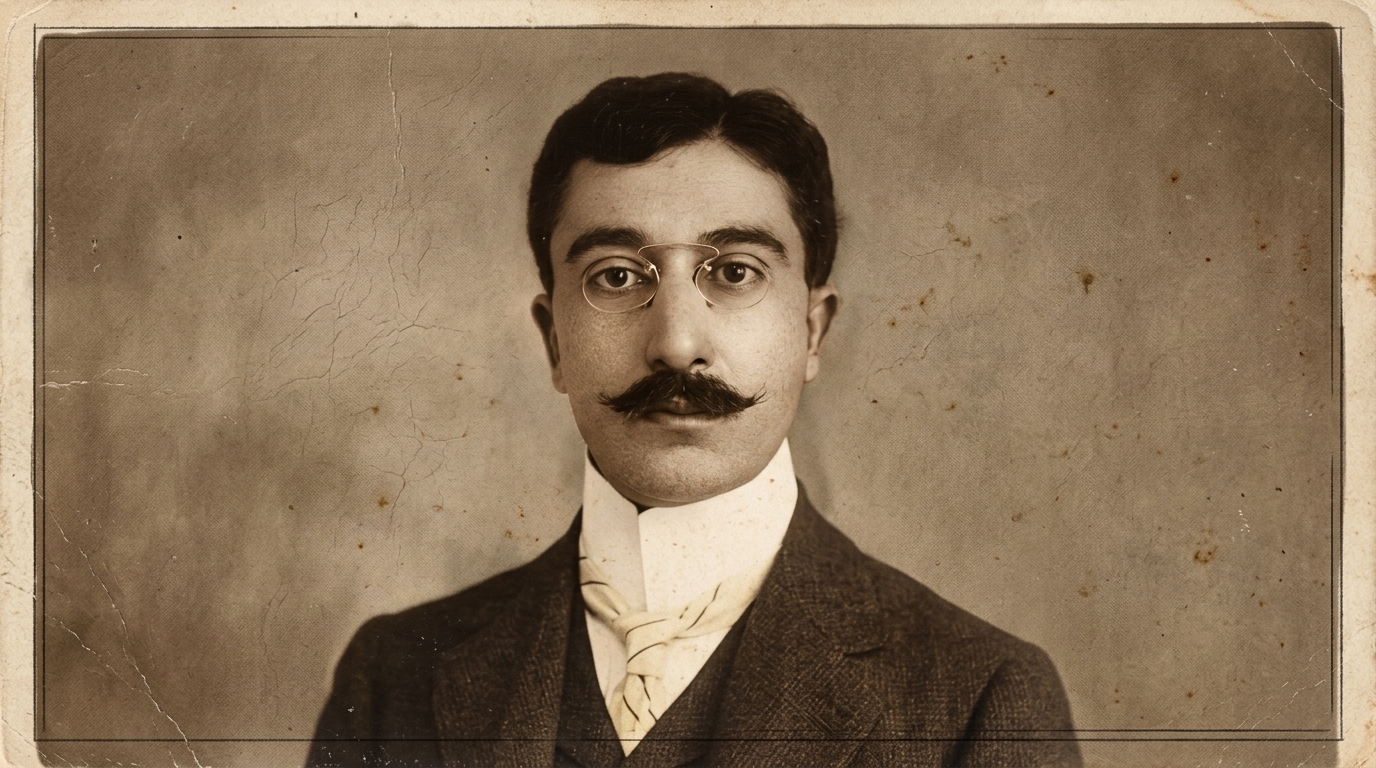
Constantine P. Cavafy was a Greek poet born in 1863 in Alexandria, Egypt, where he spent most of his life working as a civil servant.
He wrote quietly and rarely published his poems widely during his lifetime, sharing them instead with a small circle of friends and readers.
Cavafy often drew on Greek history and myth, using old stories to explore modern feelings about time, desire, and memory. He died in 1933, and his full reputation as one of the most important modern Greek poets grew mostly after his death.
Conclusion
Ithaca reminds us of one simple truth: the road matters more than the destination.
Every stop along the way, every person you meet, and every experience you collect is part of what makes the final arrival meaningful.
That thought alone can shift how you approach your next big step.
If this poem spoke to you, share it with someone who could use that reminder right now.
Drop a comment below and tell us which line from Ithaca stays with you the most. We would love to hear it.
Frequently Asked Questions
What language was the Ithaca poem originally written in?
Cavafy wrote the poem in Greek. Every English version you read today, even well known ones, is a translation of his original Greek text.
What form or style does the Ithaca poem follow?
The poem is written in free verse, with no fixed rhyme or meter. This loose style makes it read more like calm, direct advice than a formal poem.
What inspired Cavafy to write the Ithaca poem?
Cavafy drew on Homer's Odyssey, but his own quiet life in Alexandria shaped it too. He often used old myths to talk about modern longing and patience.
What does "the road to Ithaca" mean outside the poem?
People now use the phrase to describe any long personal goal, not just a trip. It has become shorthand for enjoying a journey instead of rushing toward one fixed outcome.
Is "Ithaca" or "Ithaka" the correct spelling?
Both spellings are used and refer to the same poem. "Ithaka" stays closer to the Greek spelling, while "Ithaca" is the more common spelling used in English translations.