


"Caged Bird" by Maya Angelou is six stanzas, two birds, and one of the most honest pieces of writing in American literature.
Quick note before we start: this is an analysis of the 1983 poem not a summary of her autobiography of the same name.
Whether you are studying it for class or reading out of curiosity, this post covers the full text, meaning, themes, symbols, and literary devices in plain language.
About the Poem
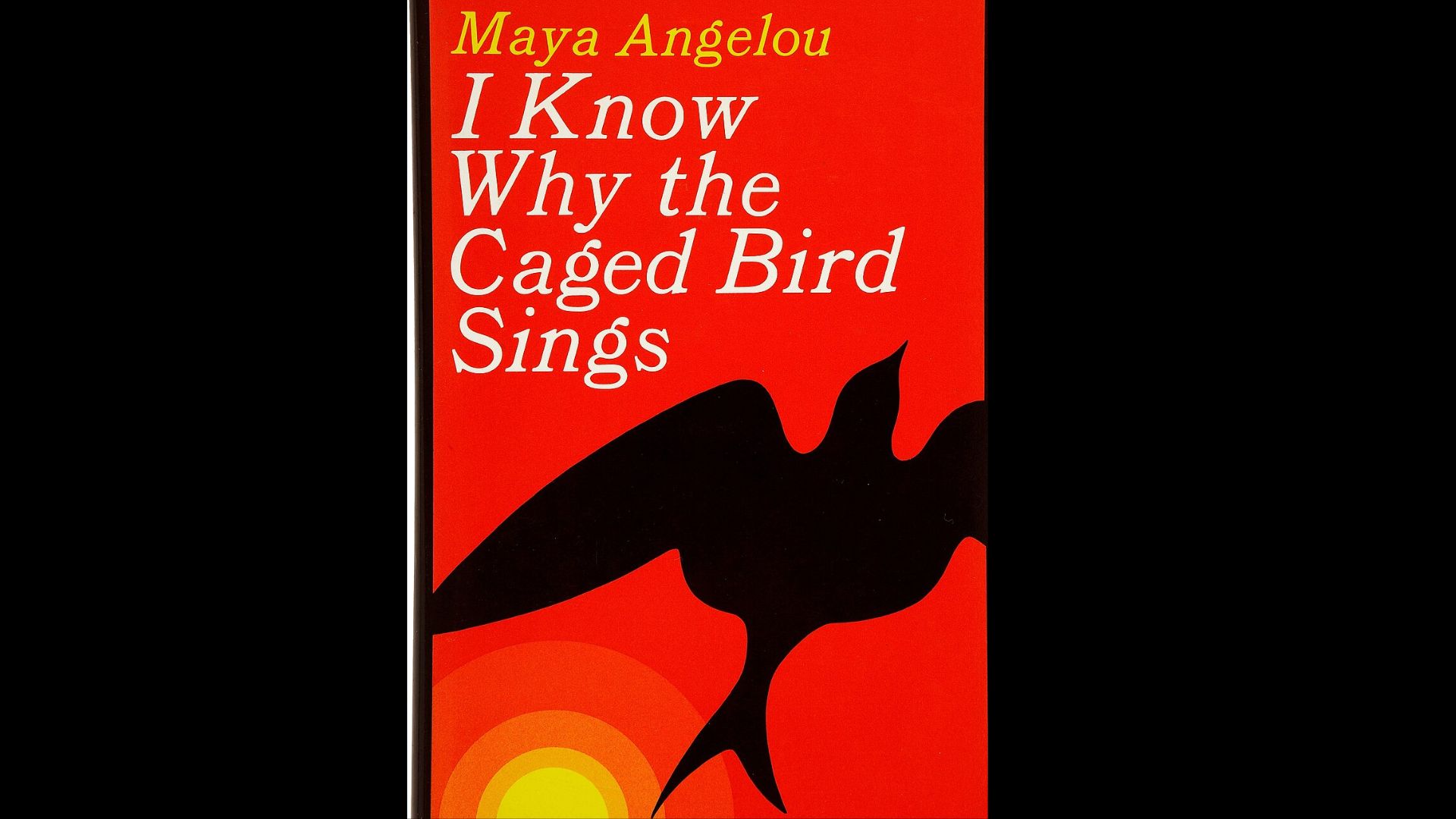
Angelou published this poem in 1983 as part of her collection Shaker, Why Don't You Sing? If you want a broader look at Maya Angelou's poetry, that page covers her wider body of work.
The title connects to her 1969 autobiography and to Paul Laurence Dunbar's 1899 poem "Sympathy," in which a poetic speaker watches a caged bird beat its wings against the bars until they bleed, an image of raw physical protest against confinement.
Angelou's bird responds to the same situation in an entirely different way. It sings. That shift from physical protest to voice is not a small change.
It reflects the difference between a poem written in 1899 and one written by a woman who had already survived everything she was describing.
By 1983, Angelou was writing from the other side of the cage and the response she chose was not to beat against the bars but to open her throat.
Caged Bird: Full Poem Text
You can also explore our dedicated page on the Caged Bird full text alongside this analysis.
Caged Bird: Stanza by Stanza Analysis
A line by line look at what Angelou built into each stanza, from tone and diction to the devices she used.
Stanza 1: The Free Bird
Tone:Joyful, expansive, and confident. This stanza feels open from the first word.
Key diction: "leaps," "floats," "dips," and "dares" are all effortless, outward-moving verbs.
They suggest a creature for whom the world offers no resistance. The word "dares" is particularly important, it implies not just freedom but the courage that comes from having never been told no.
"Claims" in the final line takes this further: the free bird does not just enjoy the sky, it takes ownership of something that does not belong to it.
Figure of speech:The air is compared to a river the bird rides downstream, a metaphor that makes freedom feel like something that carries you rather than something you have to fight for.
Connection to next stanza:Angelou opens with "But" in stanza two. That single word does all the transitional work. Everything that felt natural and easy is about to be reversed.
Stanza 2: The Caged Bird
Tone:Heavy, compressed, and suffocating. The physical feeling of this stanza is completely different from the first.
Key diction:"Stalks" replaces "leaps." That one word change carries the entire shift. A bird that leaps is airborne and free.
A bird that stalks moves slowly, carefully, in a confined space. "Narrow," "seldom," "clipped," and "tied" all work in the same direction, reducing, limiting, compressing. "Bars of rage" is not just a physical description.
The rage belongs to the bird itself, suggesting that the confinement has become internal as well as external. The cage is both outside and inside.
Figure of speech:Personification of the bird's emotional state is built into the description of its physical surroundings.
Connection to next stanza: The stanza ends not with despair but with action. The caged bird opens its throat. That pivot from confinement to voice is what the next stanza carries forward.
Stanza 3: The Caged Bird's Song (First Time)
Tone:Mournful and reaching. The fearful trill is not a happy sound. But it travels.
Key diction:"Fearful trill" tells you the song comes from a place of pain, not celebration.
"Longed for still" tells you the wanting has not been extinguished. "Distant hill" tells you the voice carries beyond the walls of the cage, the bird may be trapped but its song is not.
Figure of speech:The repeated structure of "things unknown but longed for still" creates a rhythm that sounds like a chant or a prayer, something repeated because it must be said, not because it will be answered.
Connection to next stanza:Angelou returns to the free bird.
The contrast is at its sharpest here because you have just heard the caged bird's cry and now you are back with a bird that is thinking about its next meal.
Stanza 4: The Free Bird Returns
Tone:Comfortable, self-satisfied, and entirely unaware.
Key diction:"Another breeze" the free bird already has everything and wants more. "Fat worms," "dawn-bright lawn," and "sighing trees" create a world of abundance where even the landscape seems to offer comfort.
"Names the sky his own" this is the second time Angelou uses the language of ownership, and it is stronger here because you have just heard the caged bird singing of things it has never had.
The free bird is naming as its own the very thing the caged bird is crying for.
Trade winds: The trade winds reference is not decorative.
These are the wind patterns historically tied to Atlantic slave trade routes Angelou places the free bird's comfort inside that history deliberately.
Figure of speech:The semantic field of light "dawn-bright," sighing, soft contrasts with the shadow and nightmare that appear in the very next stanza.
Connection to next stanza: The free bird thinks only of its next pleasure. The next stanza returns to a bird standing on the grave of its dreams. That transition is the most painful juxtaposition in the poem.
Stanza 5: The Caged Bird Returns
Tone:Bleak and unresolved. This is the emotional low point of the poem.
Key diction: "Grave of dreams" is among the most striking images Angelou uses. The dreams are not just deferred, they are described as dead and buried.
"Shadow shouts" and "nightmare scream" take the stanza further into despair than stanza two.
The situation has not changed. If anything, having just read about the free bird's abundance, the caged bird's condition feels worse by comparison.
"Bars of rage" returns the same phrase from stanza two confirming that nothing has changed for this bird. The repetition is part of the argument.
Figure of speech:Personification the shadow shouts, giving the bird's inner life a sound that the bars cannot contain even if the bird itself cannot escape.
Connection to final stanza:The stanza ends the same way stanza two ended the bird opens its throat to sing. That repetition is deliberate. It leads directly into the repeated final stanza.
Stanza 6: The Song Repeated
Tone:Identical to stanza three in words. Heavier in meaning on second reading.
This stanza is word-for-word the same as stanza three. On first reading it may feel like a musical refrain.
On second reading, knowing what the poem has shown you in between, it lands completely differently.
The caged bird is still caged. The song is the same fearful song. Nothing has changed.
Angelou repeats the stanza not to create rhythm but to make an argument:the cage is still there, the only response is still the song, and the poem refuses to give you a resolution.
That refusal is the most honest and precise choice in the poem.
Poem Summary
At its simplest:one bird is free, one bird is not. The free bird moves through an open sky with ease and a sense of entitlement to everything around it.
The caged bird cannot move, its wings are clipped, its feet are tied so it does the only thing left to it and opens its throat to sing.
That song is not happy. It is fearful and full of longing for a freedom the bird has never experienced.
But it sings anyway. That is the poem. Everything below is what Angelou built into those six stanzas beneath the surface.
Poem Meaning
The two birds are never just birds. The free bird represents those who move through life with access, ease, and a sense of entitlement to the world around them.
The caged bird represents those denied the same freedoms by systems they did not create and cannot walk away from.
Clipped wings, tied feet, and bars of rage describe a confinement that is both physical and psychological.
Freedom and Oppression
What makes this poem so enduring is that Angelou does not tell you how to feel.
She shows you two very different lives side by side, using juxtaposition as her main tool, and lets the contrast do the work. The free bird does not know the caged bird exists.
That detail is perhaps the most cutting observation in the entire poem. When the free bird "dares to claim the sky," Angelou is also referencing the colonial mindset behind Manifest Destiny, the belief that freedom justifies ownership over everything else.
Privilege often operates that way, not through active cruelty, but through a complete unawareness of the conditions others live in.
Hope Through Voice
The caged bird's song is the emotional core of the poem. It is scary, yes. But it is also unstoppable. Angelou had experienced real silence in her own life.
She understood better than most what it costs to find your voice again.
As Frederick Douglass once observed, enslaved people "sing most when they are most unhappy." Angelou builds on that insight directly.
The caged bird's song is not a celebration. It is a cry from a place of deep pain. When the caged bird sings of things unknown but longed for still, it is not giving up.
It is insisting that the longing itself matters, that wanting freedom is an act of dignity even when freedom has not yet arrived.
Major Themes
The big ideas Angelou builds into every stanza, from freedom and identity to hope and the weight of childhood loss.
1. Freedom and Captivity
This sits at the foundation of everything in this poem. Angelou does not treat these as abstract ideas. She makes them physical and sensory.
One bird feels the wind and the warmth of sunlight on its body. The other feels bars and rope. One moves through an open world.
The other can seldom see through its bars of rage. That physical specificity is what makes the contrast so immediate and affecting.
2. Identity and Resilience
This runs through the poem in the simple fact that the caged bird keeps singing. It has been clipped, tied, and confined. Its dreams are described as buried.
And yet it opens its throat. Angelou argues through this image that identity cannot be fully taken away. The bird is still a bird. It still has a voice. Singing is how it insists on that fact.
This connects directly to the tradition of Black spirituals, which were sung by enslaved people not as expressions of contentment but as coded expressions of suffering and a longing for freedom.
3. Hope and Courage
This appears most clearly in the nature of the caged bird's song. It sings of things unknown but longed for still.
It has never experienced freedom. It does not know what freedom actually feels like. Yet it sings of it anyway. Angelou presents this as courage rather than delusion.
Holding onto hope for something you have never had, in conditions designed to make you stop hoping, is one of the most demanding things a person can do. The poem honors that.
4. Childhood and Loss
This sits quietly beneath the surface. Angelou wrote this poem having already told the story of her own childhood in her autobiography.
The caged bird standing on the grave of dreams carries echoes of a young life shaped by confinement and loss before it ever had the chance to fully begin.
That weight adds another layer to the poem for readers who know her story.
Symbols and Imagery
Every image in this poem carries meaning far beyond its surface, and understanding them changes how you read the whole poem.
The Caged Bird
The poem's emotional center and its primary symbol. It represents anyone confined by circumstances they did not choose.
In the specific context of Angelou's life and work, it most directly points to Black Americans living under systems of racial inequality.
But Angelou wrote the metaphor broadly enough that it has spoken to readers from many different backgrounds who have found their own experience of confinement reflected in it.
The Free Bird
It claims the sky, enjoys the wind, thinks about its next meal, and names the world its own. It does not hear the song reaching distant hills because it is not listening.
That unawareness is a quiet but sharp observation about how privilege works in practice.
The free bird's sense of ownership over the sky also echoes the logic behind Manifest Destiny, where freedom was used to justify claiming what did not belong to you.
Song as Resistance
The most important symbol in the poem. The caged bird's song is not decorative. It is the single act of agency left to a creature that has had everything else removed.
Angelou connects this to a long tradition in Black American culture, where song was one of the few forms of expression that could not be fully controlled.
When that song carries to distant hills, she is saying that voice has reach beyond confinement. It is a form of power that cannot be fully taken away, no matter how narrow the cage.
The Grave of Dreams
One of the most striking images in the poem. The caged bird does not just have clipped wings. Its dreams are described as dead and buried, with its shadow shouting on a nightmare scream.
This is not gentle sadness. It is a vivid picture of what sustained oppression does to a person's interior life, not just their physical freedom.
Literary Analysis
A closer look at how Angelou constructed the poem and why every technical choice she made serves the poem's central argument for a primer on the literary devices and poetic elements referenced below, that guide covers the foundations.
1. Tone and Mood
The poem's emotional register shifts depending on which bird Angelou is describing. The free bird passages feel warm, spacious, and almost sensuous. Orange sun rays, sighing trees, a dawn bright lawn.
The caged bird passages feel heavy and compressed. Nightmare screams, bars of rage, graves of dreams.
Angelou uses that tonal contrast to make the reader feel the difference in lived experience rather than simply observe it from a distance.
2. Structure and Style
The poem has six stanzas of varying length, written in free verse with half-rhyme throughout.
Angelou also regularly uses iambic meter within that free verse, which gives the poem a rising musical quality that mirrors the caged bird's song and the broader aspiration to rise from oppression.
The free bird's stanzas flow loosely, with long open lines. The caged bird's stanzas feel more compressed and contained.
That structural contrast is not accidental. Angelou made the form of the poem do the same work as its content.
The third and sixth stanzas are identical, and that repetition is the poem's most powerful structural choice.
It tells you that the caged bird is still there, still singing, and nothing has changed. The poem does not end with freedom. It ends with the song.
Conclusion
Caged Bird is more than a school assignment. It is a reminder that voice matters, even when the world tries to silence it.
Angelou gave that truth a shape anyone can understand. If this post helped you see the poem more clearly, share it with someone who is studying it too.
And if you have a thought about which part of the poem stayed with you, feel free to leave it in the comments. Sometimes the best way to understand a poem is to talk about it.
Frequently Asked Questions
Is Caged Bird taught in schools?
Yes. It appears on middle and high school reading lists across the United States and internationally, widely studied for its themes of freedom, oppression, and the power of voice.
Why does the caged bird sing if it is trapped?
Because song is the one thing the cage cannot remove. Wings are clipped and feet are tied but the voice remains untouched. Angelou presents that as the poem's central argument that voice is resistance even when nothing else is left.
What is the tone of Caged Bird by Maya Angelou?
The tone shifts depending on which bird Angelou describes. The free bird stanzas feel warm and expansive while the caged bird stanzas feel heavy and compressed. That tonal contrast is deliberate, it makes the reader feel the difference rather than just read about it.