


The right poem finds you at the right moment. Sometimes you need hope. Sometimes you need strength to keep going.
Sometimes you just need someone to put into words what you have been carrying around but couldn't say out loud.
Harlem Renaissance poems do that better than most. They were written by people who had real reasons to feel frustrated, proud, angry, and hopeful, often all at once. That tension is what makes them last.
This article brings together the best of those poems, grouped by what they speak to: identity, resilience, protest, and pride.
Whether you are facing a hard stretch, searching for your roots, or simply want words that carry real weight, you will find something here that meets you where you are.
What Are Harlem Renaissance Poems?
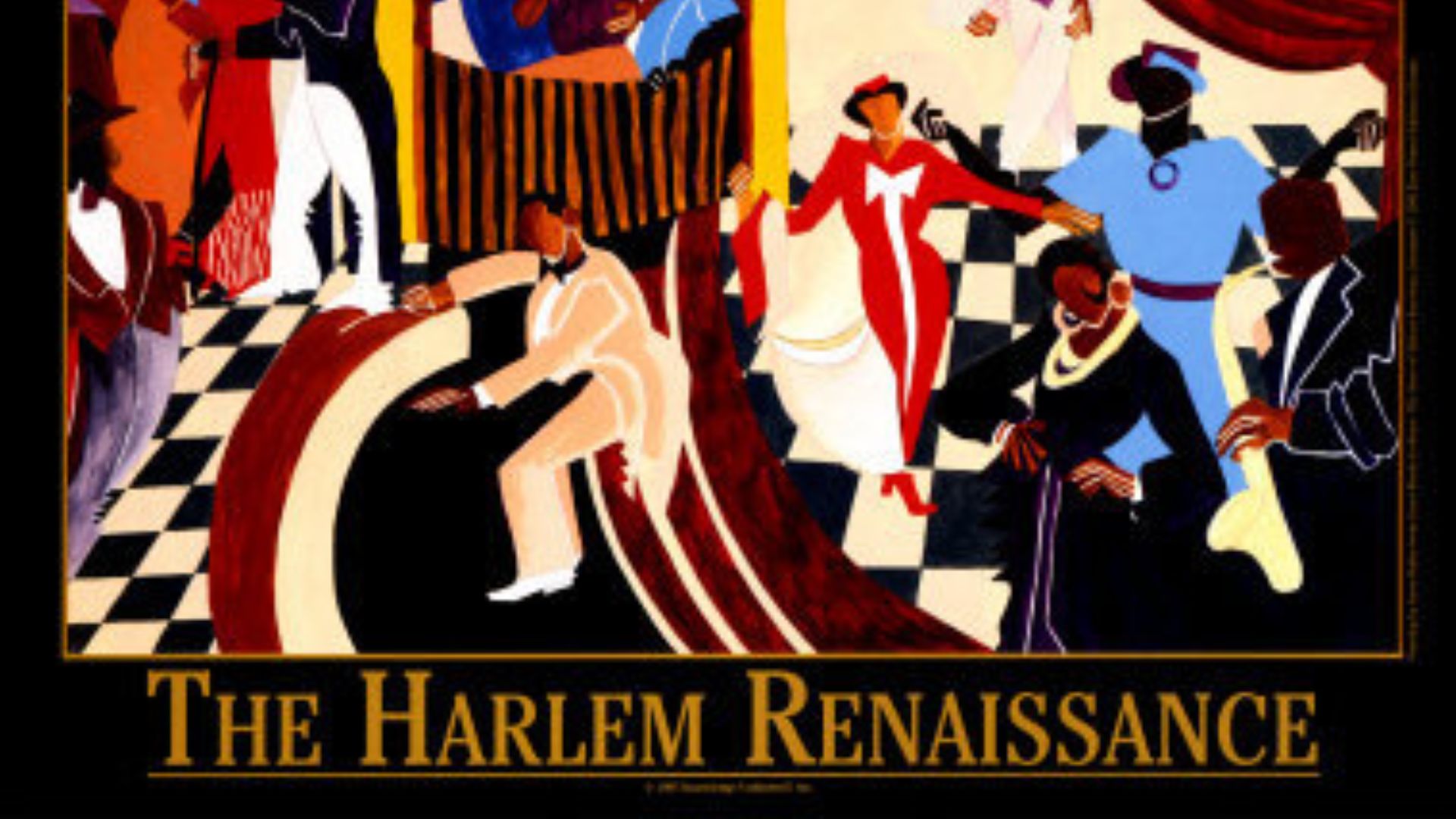
The Harlem Renaissance was a major cultural and artistic movement centered in Harlem, New York, during the 1920s and 1930s, featuring groundbreaking poetry that explored racial pride, identity, struggle, and the African American experience.
Harlem Renaissance poems are works written by Black American and Caribbean-born poets during this era.
They explored racial identity, pride, protest, heritage, and the lived experience of Black Americans at a moment when that experience was being powerfully asserted for the first time.
What held these poets together wasn't a shared style. It was a shared urgency. Black identity was being reclaimed out loud, in print, for the world to read.
From Claude McKay's resistance sonnets to Langston Hughes's jazz-infused verses, dozens of poets were writing in genuinely different voices, and the full range is far richer than the highlights show.
Best Harlem Renaissance Poems Every Reader Should Know
These poems didn't come from a writing workshop or a literary trend. They came from real lives, real frustration, and real pride. Each one below is worth reading slowly, not just for what it says, but for what it refuses to stay quiet about.
1."The Negro Speaks of Rivers" – Langston Hughes
Hughes wrote this poem as a teenager, sources vary, with claims ranging from 17 to 19 on a train ride to visit his father.
He connects Black history and heritage to some of the oldest rivers on earth, the Euphrates, the Congo, the Nile, and the Mississippi.
Each one represents a chapter of Black history that existed long before slavery. Long before America.
The poem isn't mourning. It's anchoring. It says Black people have ancient roots and a soul that runs deeper than any pain or oppression they were put through.
2."I, Too" – Langston Hughes
In this poem, a Black man is told to eat in the kitchen when guests come over because he is not welcome at the main table.
But instead of getting angry or upset, he quietly says: one day, I will sit at that table too, and nobody will dare to stop me. That quiet confidence is what makes this poem so powerful.
3."Mother to Son" – Langston Hughes
A mother is talking to her son about how hard her life has been. She uses the image of a staircase to explain it.
Her staircase had nails sticking out, broken boards, and dark stretches with no light. It was never smooth or easy. But she never stopped climbing it.
She tells her son to keep going the same way she did, no matter how rough the path gets. The poem works because it sounds exactly like a real mother talking to her real child, no fancy words, just truth.
4."If We Must Die" – Claude McKay
Claude McKay wrote this poem in 1919, a year when violent riots against Black Americans were happening across the country.
He was angry, and he wanted Black people to fight back with dignity instead of suffering quietly. The poem says that if death is coming, face it standing up and fighting, not helpless and afraid.
McKay wrote it in a formal, structured style on purpose, because he wanted the world to take his words seriously.
The contrast between the elegant writing style and the raw, urgent message makes this poem hit harder than a straightforward protest ever could.
5."America" – Claude McKay
In this poem, McKay talks about his complicated feelings toward America. The country treats him badly, gives him pain, and takes away his best years.
But he still loves it. He does not try to explain why or make it make sense. He just tells the truth about both feelings existing at the same time. That kind of raw honesty is what makes this poem stick with you long after you read it.
Harlem Renaissance Poems About Identity and Resilience
These poems didn't just reflect Black experience; they shaped how a generation understood itself. Some argued. Some declared. Some simply refused to look away. That range is what makes them worth sitting with.
6. "Harlem" (Dream Deferred) – Langston Hughes
Hughes asks what happens to a dream when you keep putting it off. Does it dry up, rot, or just feel heavy?
He asks these questions one by one, and each one hits harder than the last. The poem never gives you a clean answer.
Instead, it ends with a question that feels like a warning. If you keep ignoring a dream long enough, it does not just fade away. It builds up until something breaks.
7. "Georgia Dusk" – Jean Toomer
This poem captures the rural Black South at twilight pine forests, sawmill smoke, and voices singing into the night.
Toomer paints a landscape that is both beautiful and deeply rooted in Black Southern life. If you have ever felt connected to a place or a people, this poem will speak to you.
It is one of the most atmospheric poems of the Harlem Renaissance, rich with sound and imagery that stays with you long after you finish reading.
8. "Song of the Son" – Jean Toomer
While most poets of this era were focused on the future, Toomer chose to look back at the South and everything it held, its land, its history, and its fading songs. The poem is about returning to those roots before they are lost forever.
Toomer believed the rural Black South was not just a painful place people left behind but a deep part of who they are. He wanted to preserve that connection before it slipped away for good.
9. "To a Dark Girl" – Gwendolyn B. Bennett
Bennett writes this poem directly to a Black girl and tells her she is beautiful. She connects her to queens and ancient Egypt, reminding her that her roots go back thousands of years before anyone tried to make her feel less.
At a time when Black women were constantly looked down upon, saying "you are beautiful and you come from greatness" was a bold and powerful thing to write
10. "The Heart of a Woman" – Georgia Douglas Johnson
Georgia Douglas Johnson compares a woman's heart to a bird that flies out at dawn full of hope, but eventually crashes against the bars of a cage. That cage represents the limits society placed on women at the time.
Johnson is saying that women feel, dream, and want more than the world allows them to have. Writing that truth out loud in the 1920s, when women were expected to stay quiet, was a brave and powerful thing to do
How to Choose the Right Harlem Renaissance Poem for You
The right Harlem Renaissance poem depends on what you need from it. A poem about hope may help during uncertainty. A poem about resilience may speak more strongly when you are facing a setback.
- If you are looking for strength during a hard time, read "Mother to Son" by Hughes. A mother talks honestly about her struggles and why she never stopped. Simple, direct, hard to forget.
- If you are feeling unseen or left out, read "I, Too" by Hughes. It is about claiming your place when the world says you do not have one.
- If you are angry about injustice, read "If We Must Die" by McKay. It does not ask for sympathy. It demands dignity.
- If you are searching for your roots, read "The Negro Speaks of Rivers" by Hughes. It connects personal identity to something much older than one lifetime.
- If you feel overlooked as a woman, read "The Heart of a Woman" by Georgia Douglas Johnson. She wrote about the inner life that most people around her refused to see.
Wrapping up
Harlem Renaissance poems weren't written to sit quietly in textbooks. They were written to be felt by someone, somewhere, in a moment that needed them.
You've just met ten of the best. Each one came from a real place and still speaks to real ones today. The voices here are different from each other on purpose. That range is part of what made this movement matter.
Pick the poem that matches where you are right now. Read it slowly. Read it twice. Then follow the poet deeper, because most of them have entire collections worth your time.
You don't need to read all ten at once. Start with one. That's enough.
Frequently Asked Questions
Who was the most famous Harlem Renaissance poet?
Langston Hughes is widely regarded as the most famous Harlem Renaissance poet, known for blending jazz rhythms and vernacular speech to portray Black working-class life.
What is Langston Hughes' most famous poem?
"The Negro Speaks of Rivers" (1921) is often cited as Langston Hughes' most famous poem, though "Harlem" (Dream Deferred) and "I, Too" are equally iconic.
Who is the father of the Harlem Renaissance?
Alain Locke, a philosopher, scholar, and educator, is widely considered the father of the Harlem Renaissance for his role in shaping and promoting the movement through his landmark 1925 anthology, The New Negro
What's the shortest poem ever?
One of the shortest published poems is Aram Saroyan's one-word poem "lighght," though Muhammad Ali's "Me? Whee!" is often popularly cited as the shortest, just two words