


Sara Teasdale wrote “There Will Come Soft Rains” in 1918, right in the middle of one of history’s bloodiest wars.
Yet the poem says almost nothing about the war itself. That contrast is exactly what makes it so powerful.
I’ve studied this poem closely, and I want to make it easy for you to understand.
In this article, I’ll walk you through the full text, its meaning, themes, literary devices, and the historical background behind it.
If you’re a student or just someone who loves poetry, this guide has everything you need.
Meaning of the Poem
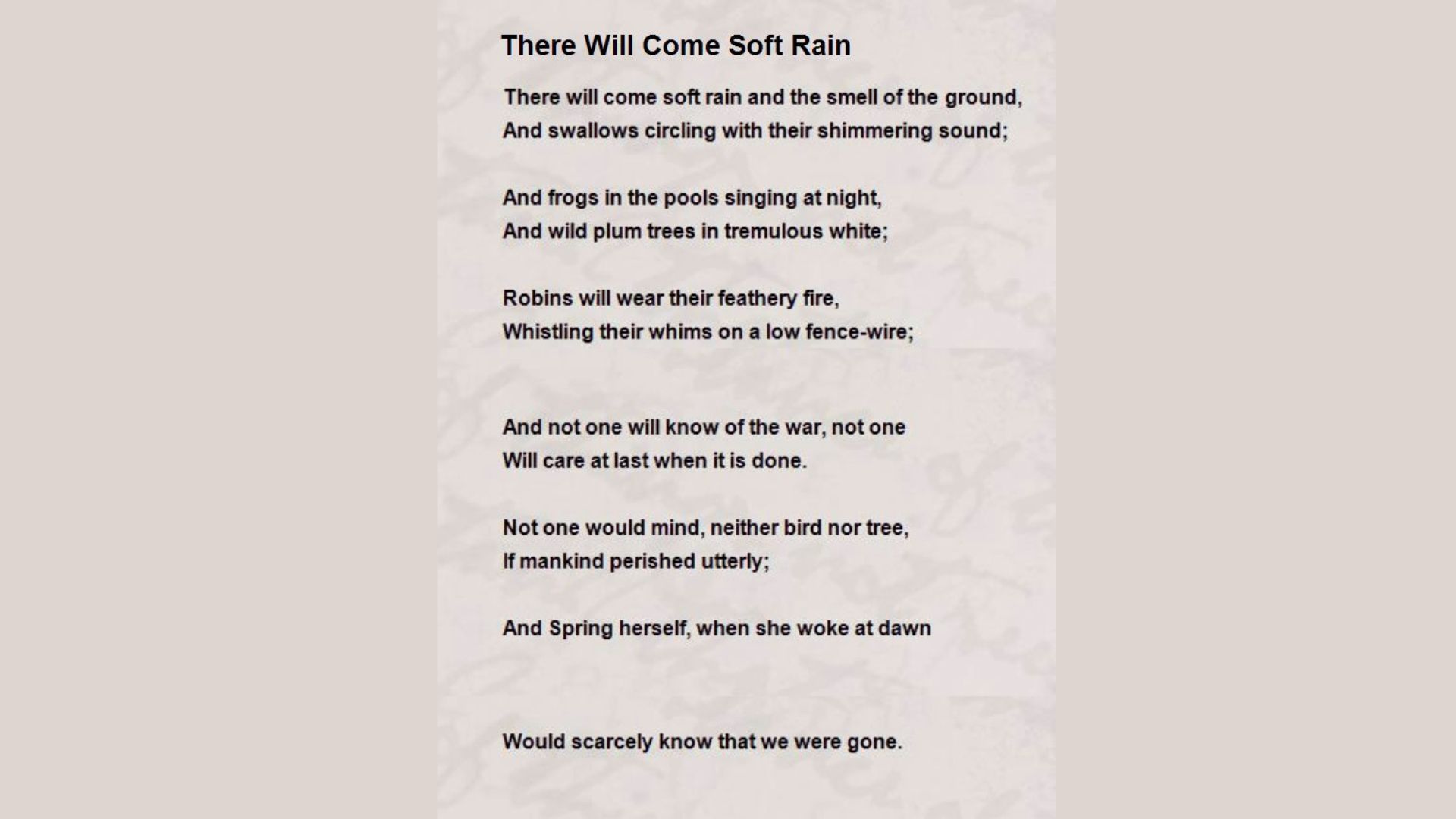
Nature does not stop for anyone. That is the heart of this poem. Teasdale paints a calm, peaceful world full of rain, birds, frogs, and blooming trees.
But humans are missing from that world entirely.
The poem moves quietly from images of spring to a striking idea: if every person on Earth were gone, nature would barely notice.
The tone stays calm and thoughtful throughout. There is no anger here, just a steady, quiet truth about how small we really are.
Key Themes
This poem carries big ideas in just twelve short lines.
Nature’s Persistence
Life keeps going no matter what humans do. The rains still fall. The robins still sing. The frogs still call out at night.
Teasdale shows us that the natural world runs on its own schedule, one that has nothing to do with human choices or human suffering.
Nature does not wait for peace before blooming again.
Human Insignificance
Humans think of themselves as the center of everything. This poem quietly pushes back on that idea.
The birds, the trees, and even spring itself would carry on without us. It is not a cruel thought. It is just honest.
Our presence on this Earth matters far less to nature than we like to believe.
War and Destruction
The poem was written during World War I, but war is barely mentioned. That silence is the point.
Human conflict, as terrible as it is, means nothing to a robin on a fence wire. Wars begin and end. Nature continues.
The contrast between human destruction and natural peace is what gives the poem its quiet power.
Literary Devices & Analysis
Teasdale uses simple tools to say something deep.
Imagery
The poem is full of clear, sensory images. Soft rains, singing frogs, wild plum trees in white, and robins with feathers like fire.
You can see and hear this world. That is intentional. The more real and vivid nature feels, the more powerful the final message becomes. We are not just told nature is alive. We feel it.
Personification
Spring is described as waking at dawn, like a person rising from sleep. This gives nature a kind of quiet awareness.
And yet, even that aware version of spring would barely notice we were gone. The personification makes the indifference feel even more pointed and real.
Contrast and Juxtaposition
The poem places peaceful nature directly against the backdrop of a world war. But it never shows the war.
Instead, it shows everything the war cannot touch. That contrast does more than a description of battle ever could. Peace and destruction sit side by side without ever meeting.
Rhyme Scheme & Structure
The poem has twelve lines arranged in six couplets, following an AA BB CC DD EE FF rhyme scheme. Every two lines rhyme cleanly.
This simple, orderly structure mirrors the calm and steady rhythm of nature itself. The form and the meaning work together in a way that feels almost effortless.
Historical & Literary Context
Sara Teasdale wrote this poem in 1918, near the end of World War I, a conflict that killed millions and shook the world to its core.
She subtitled it “War Time,” though the poem never describes a single battle. It first appeared in Harper’s Magazine and was later collected in her 1920 book Flame and Shadow.
Teasdale was a Pulitzer Prize-winning American poet known for her lyrical, emotional style.
Writing during such a dark moment in history, she chose to focus not on suffering but on the quiet, lasting power of the natural world.
Why Read This Poem
This poem does something rare. It makes you stop and think about your place in the world without making you feel lectured.
Reading it gives you a new way to look at nature, not as a backdrop to human life, but as something that exists completely on its own terms.
It is widely studied in literature classes for its themes, its clean structure, and its historical setting.
But beyond school, it offers something personal: a moment of quiet perspective on what we leave behind, and what stays long after we are gone.
About the Poet
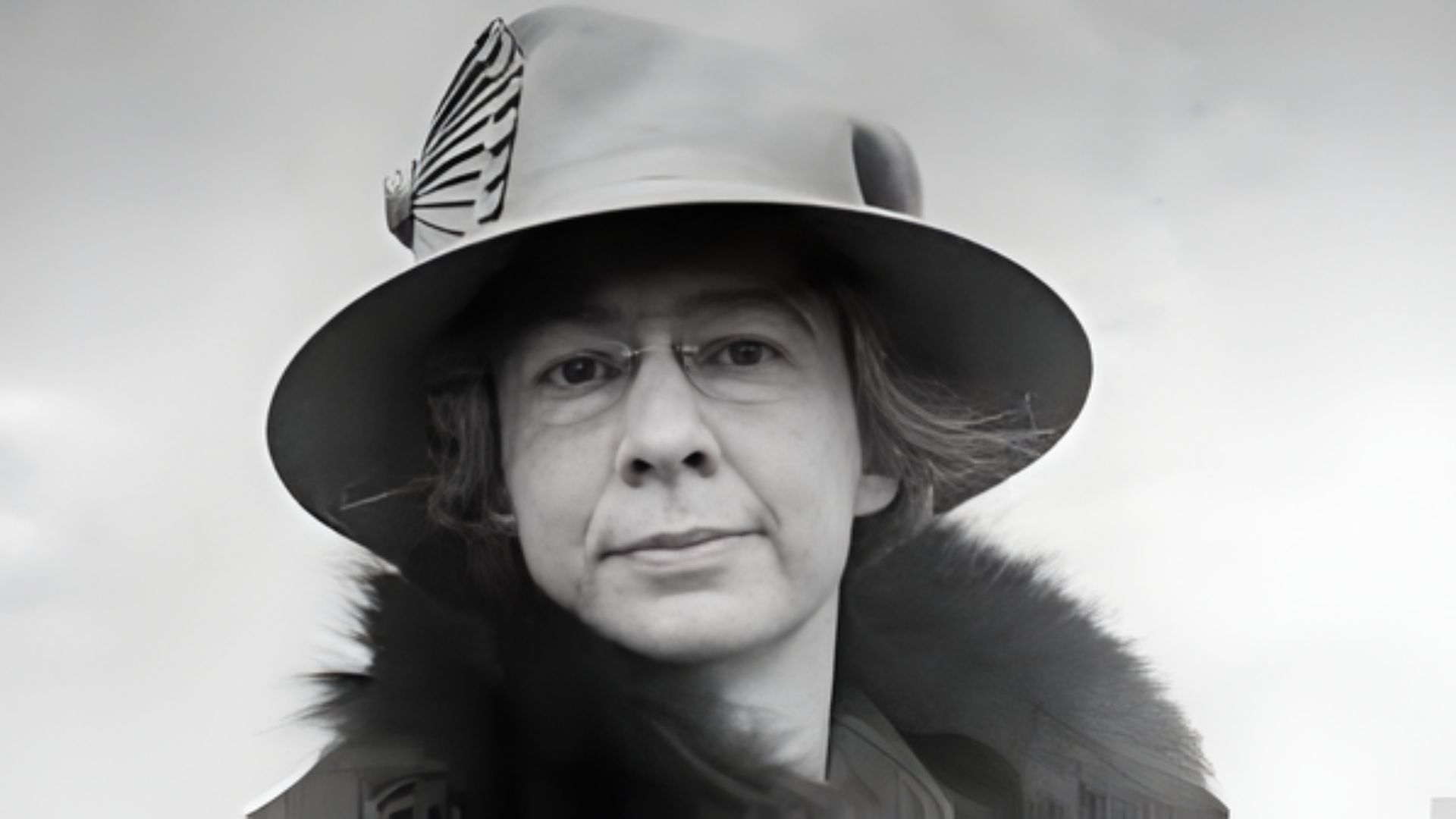
Sara Teasdale was born in St. Louis, Missouri, in 1884. She grew up in a sheltered household and turned to poetry early in life.
Her writing was known for being lyrical and deeply personal. In 1918, she became one of the first poets to win the Columbia University Poetry Prize, which later became the Pulitzer Prize for Poetry.
Her collection Love Songs won that honor. She published several books throughout her life, including Rivers to the Sea and Flame and Shadow.
Teasdale struggled with health problems and personal difficulties for much of her adult life. She passed away in 1933.
Her poems remain widely read and studied today for their clarity, emotion, and lasting beauty.
Conclusion
I first read “There Will Come Soft Rains” in a literature class, and I remember thinking it was simple. Then I read the last two lines again.
That quiet line about spring barely knowing we were gone stayed with me for days. It still does.
If this poem made you pause, even for a second, it did its job. Share this post with a friend who loves poetry, or drop a comment below with your thoughts on the poem.
I’d love to know what line hit you hardest.
Frequently Asked Questions
What is the main message of “There Will Come Soft Rains”?
The poem says nature will carry on peacefully even if all of humanity disappears.
When did Sara Teasdale write this poem?
She wrote it in 1918, during World War I.
What is the rhyme scheme of the poem?
It follows an AA BB CC DD EE FF pattern, with six rhyming couplets.
Why is the poem subtitled “War Time”?
It was written during World War I, though the poem focuses on nature rather than the war itself.
Where was the poem first published?
It first appeared in Harper’s Magazine and was later included in Teasdale’s 1920 collection Flame and Shadow.