


Have you ever read a poem out loud and felt something almost like a heartbeat underneath the words?
That’s the rhythm. And once you notice it, you’ll hear it everywhere.
I’ve spent a lot of time studying rhythm examples in poetry, and I know how confusing it can feel at first. Too many terms, too many patterns, not enough clear examples.
So I wrote this blog to fix that for you.
Here, I’ll cover what rhythm actually is, how it works inside a poem, the main types you need to know, and why poets use it so intentionally.
By the end, reading and analyzing poetry will feel a lot more natural and a lot less overwhelming.
Let’s get started.
What Is Rhythm in Poetry?

Rhythm in poetry is the pattern of stressed and unstressed syllables moving through a line. Think of it like a heartbeat.
Some beats land harder, some softer. Together, they create a kind of flow that your ear picks up naturally. Rhythm is what makes poetry feel alive when you read it aloud.
It shows up in old sonnets, modern spoken word, and even free verse. You don’t need to be an expert to feel it. If a poem has movement, it has rhythm.
How Rhythm Works in Poems
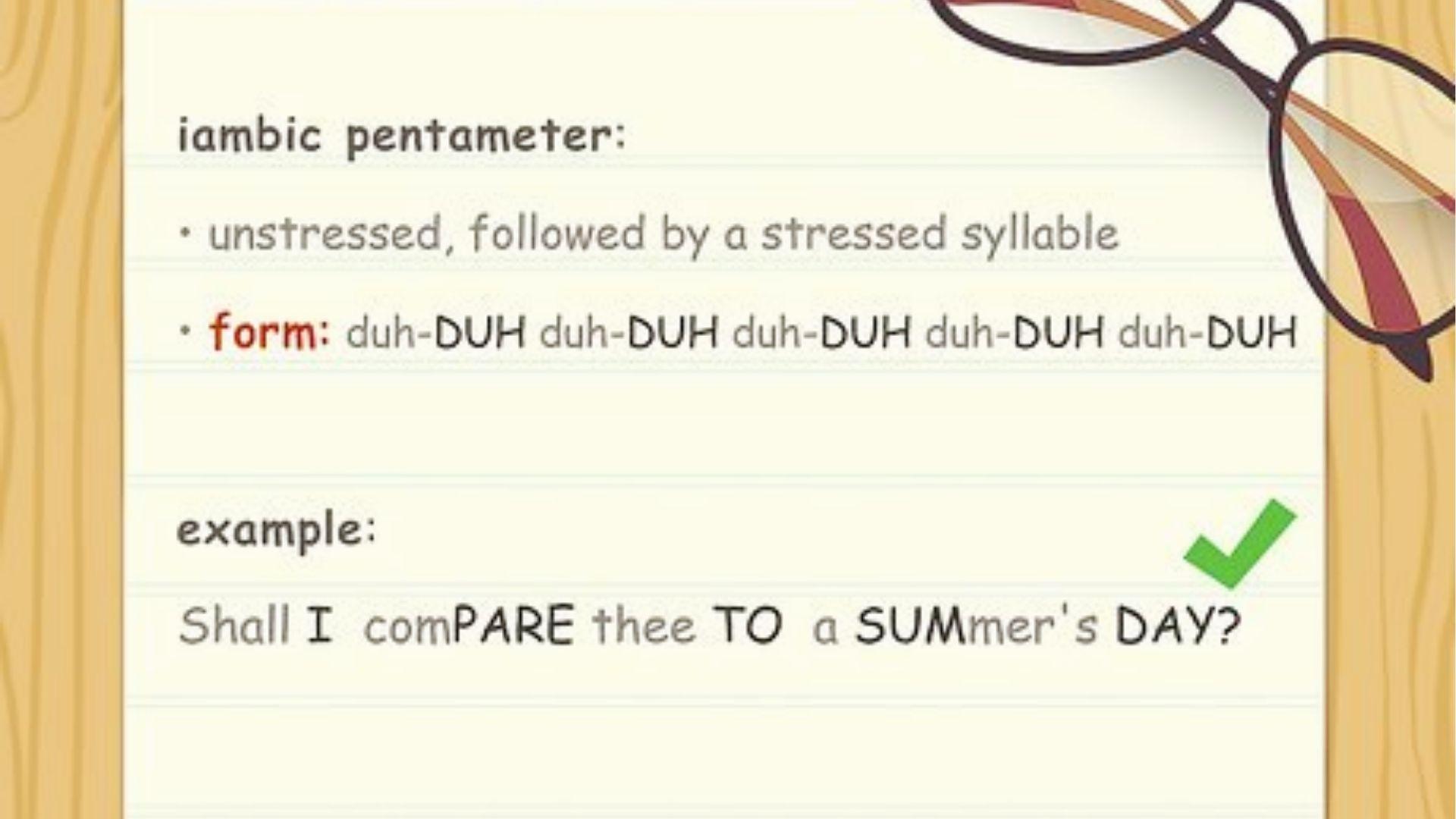
Every word has syllables, and every syllable carries a weight. Some syllables are stressed, meaning you say them with more force.
Others are unstressed, meaning they come out lighter. Poets arrange these patterns on purpose. They use repetition to build a steady beat.
They add pauses to slow things down. They speed up lines to create urgency. Sound devices like alliteration and assonance also feed into the rhythm.
When all of this works together, the poem doesn’t just say something. It feels like something.
Significance of Rhythm in Poetry

Rhythm does far more than keep a beat. It shapes how a poem feels, sounds, and sticks with you long after you’ve read it.
Rhythm Creates Musicality
Rhythm gives poetry a song-like quality that straight prose doesn’t have. When beats repeat in a pattern, the poem becomes enjoyable to read aloud.
You almost want to tap along. This musicality is why so many poems have been set to music over the years.
The beat pulls you in and keeps you moving through the lines without effort.
Rhythm Builds Mood and Emotion
Fast rhythm can create excitement. Slow rhythm can feel heavy or sad. A steady, even beat can feel calming.
Poets choose their rhythmic patterns based on the emotion they want you to feel. When the rhythm matches the meaning, the emotional impact is much stronger.
You don’t just understand what the poem is saying. You feel it in your chest.
Rhythm Improves Flow and Readability
Rhythm controls the pace of a poem. It tells you when to speed up and when to slow down. A well-placed pause after a stressed syllable can make a single word feel powerful.
Good rhythm guides you through each line without you having to think about it. The poem just moves, and you move with it.
That’s what makes some poems so easy to read from start to finish.
Rhythm Makes Poetry Memorable
Lines with a clear rhythmic pattern are much easier to remember. Your brain holds onto the beat even after you’ve finished reading.
That’s why so many famous poem lines stick with people for years. Rhythm is a memory tool. It also helps with recitation and performance.
When you know the beat, the words come back to you faster. You feel more confident reading aloud.
Rhythm Emphasizes Meaning and Imagery
Rhythm can put stress on the words that matter most. When the beat lands on a key word, your attention goes there automatically.
This is how poets use rhythm to support their storytelling. A well-timed stress can make an image land harder or a moment feel more significant.
Rhythm and meaning work together, not separately. The best poems use both to say something bigger than the words alone could carry.
Rhythm and Rhyme Examples in Poetry

Seeing rhythm and rhyme work together in real poems makes everything click faster than any definition ever could.
“Twinkle, Twinkle, Little Star” Rhythm and Rhyme Example
This nursery rhyme is one of the clearest rhythm and rhyme examples in poetry for beginners.
The lines move in a smooth, steady iambic pattern that feels almost effortless to read aloud. “Star” and “are” create a clean end rhyme that satisfies the ear.
The repetition of “twinkle” at the start builds a musical rhythm that makes the whole poem feel like a song.
“The Tyger” by William Blake
Blake opens with “Tyger! Tyger! Burning bright, in the forests of the night.” The trochaic rhythm hits hard right from the first syllable.
That stressed-then-unstressed beat gives each line a bold, forceful feel. “Bright” and “night” form a tight rhyme pair that adds to the intensity.
Together, the rhythm and rhyme build a dramatic, almost fearful energy that matches the power of the tiger itself.
“Sonnet 18” by William Shakespeare
Shakespeare’s opening line moves in a steady iambic pentameter that feels smooth and conversational.
The rhythm never feels forced. It flows naturally from one thought to the next, giving the poem a calm, controlled elegance. The balanced sound structure keeps each line feeling equal in weight.
Rhythm here isn’t just decoration. It carries the feeling of admiration through every single word Shakespeare chose.
“Annabel Lee” by Edgar Allan Poe
Poe opens with long, flowing lines that create a gentle but mournful rhythm. The repeated rhyme sounds, especially the “sea” sound woven throughout, give the poem a musical, almost haunting quality.
That steady rhythmic movement mirrors the speaker’s deep grief. Every line feels like it’s pulling you deeper into the story.
Rhythm and rhyme here don’t just support the emotion. They become the emotion.
Common Mistakes When Studying Rhythm in Poetry
A lot of readers skip right past the most basic errors, so let’s fix that now.
- Rhythm is the beat inside a line, not the matching sounds at the end like rhyme.
- Missing which syllables carry weight means you’ll miss the whole pattern completely.
- Speed reading kills rhythm, so slow down and let each beat land naturally.
- Free verse still has pace, stress, and flow even without a fixed pattern.
- Not every poem fits one rhythmic type, and sometimes the pattern shifts on purpose.
Once you stop making these mistakes, reading poetry gets a lot more rewarding.
Why Writers and Poets Use Rhythm
Rhythm isn’t just a technical choice. It’s one of the most powerful tools a poet has. I’ve always found that poems with a strong rhythm stay with me longer.
They feel alive. Poets use rhythm to make their words musical and full of energy. It helps control how fast or slow a poem moves, which directly shapes how the reader feels.
A slower beat adds weight. A faster beat adds tension. Rhythm also deepens emotional intensity and keeps readers locked in from line to line.
Without it, even the best words can fall flat. That’s why every skilled poet thinks carefully about the beat behind every line.
Conclusion
I hope this gave you a clear look at how rhythm examples in poetry work in real poems.
Once I started paying attention to the beat in lines, reading poetry felt completely different. It clicked in a new way. Now I catch rhythm everywhere.
I think you will too. Try reading a poem out loud today and listen for the pattern.
If this helped you, drop a comment below and let me know your favorite type of rhythm. And if you found it useful, share it with a friend who loves poetry.
Frequently Asked Questions
What are the most common rhythm examples in poetry?
The most common examples include iambic, trochaic, anapestic, and dactylic patterns, each found in classic and modern poems.
Is rhythm the same as meter in poetry?
Meter refers to the formal, measured pattern of rhythm in a poem, so rhythm is the broader term and meter is a specific type.
Can free verse poetry have rhythm?
Yes, free verse still uses stressed and unstressed syllables, pauses, and pacing to create a natural but flexible rhythm.
How do I identify rhythm in a poem?
Read the poem aloud slowly, listen for where the stress falls in each word, and notice if a pattern repeats across multiple lines.
Why is rhythm important for students studying poetry?
Rhythm helps students understand how sound and meaning connect, making it easier to analyze, memorize, and perform poems confidently.