



Have you ever kept your anger to yourself instead of talking about it?
At first, it may seem easier to stay quiet. But A Poison Tree poem shows how hidden anger can grow into something much more harmful if it is left unresolved.
We'll also talk about why this short poem continues to connect with people today.
I have explained many classic poems in simple language, and this guide is designed to help you understand A Poison Tree clearly without confusing literary terms. Let us get started.
Full Text of A Poison Tree Poem
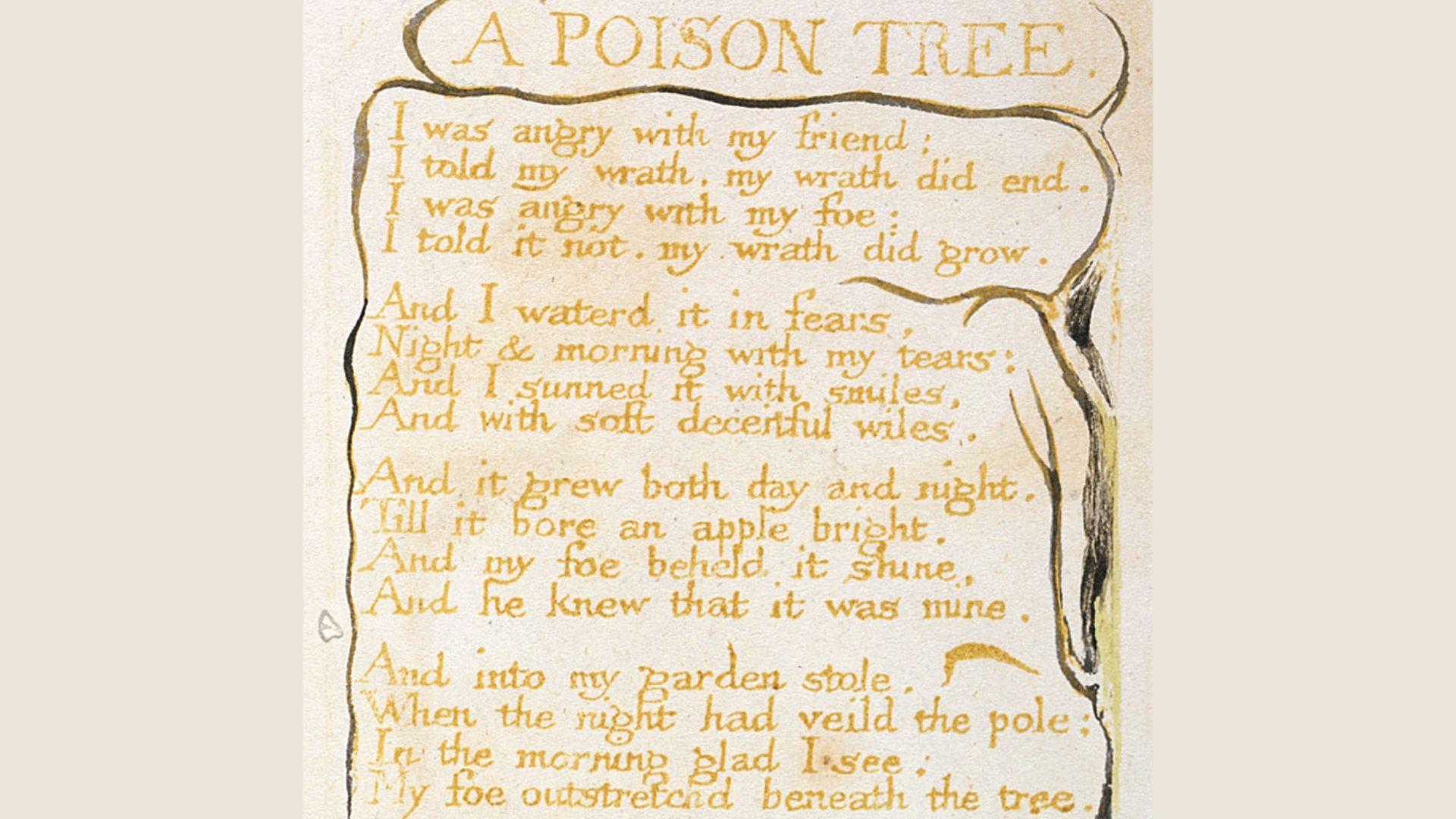
I was angry with my friend:I told my wrath, my wrath did end.I was angry with my foe:I told it not, my wrath did grow.
And I watered it in fears,Night and morning with my tears;And I sunned it with smiles,And with soft deceitful wiles.
And it grew both day and night,Till it bore an apple bright;And my foe beheld it shine,And he knew that it was mine.
And into my garden stole,When the night had veiled the pole;In the morning glad I see;My foe outstretched beneath the tree.
Meaning of A Poison Tree Poem
This section explains the poem's central idea in simple words so you can understand what William Blake was really trying to say.
Short and Simple Meaning:
At its heart, A Poison Tree is about the danger of keeping anger hidden. The speaker tells us that when he shared his anger with a friend, it disappeared.
But when he hid his anger toward an enemy, it continued to grow until it led to a harmful outcome.
What Each Stanza Means in Simple Terms
This section breaks the poem into four parts so you can follow exactly what happens and why it matters.
Stanza 1: Friend vs Enemy
I was angry with my friend: I told my wrath, my wrath did end.I was angry with my foe: I told it not, my wrath did grow.
The poem opens with a simple comparison. When the speaker tells his friend he is angry, the anger ends.
When he stays silent with his enemy, the anger starts to grow.
Blake is making one point here:honesty resolves anger, silence feeds it. This is the rule the rest of the poem follows.
Stanza 2: How the Anger Grows
And I watered it in fears, Night and morning with my tears;And I sunned it with smiles, And with soft deceitful wiles.
The speaker does three things: he feeds the anger with his own fear and sadness (the tears), he hides it behind smiles, and he keeps it alive through small deceptions.
Each of these acts keeps the anger fresh in his mind. The anger does not grow on its own the speaker is actively maintaining it, even while pretending everything is fine.
Stanza 3: The Anger Becomes Visible
And it grew both day and night, Till it bore an apple bright;And my foe beheld it shine, And he knew that it was mine.
The hidden anger has now grown into something real:a tree with a bright apple. The enemy can see it and knows it belongs to the speaker.
This is the moment where the speaker's private emotion becomes a danger to someone else. The apple looks attractive, which is exactly the point.
Stanza 4: The Outcome
And into my garden stole, When the night had veiled the pole;In the morning glad I see; My foe outstretched beneath the tree.
The enemy sneaks into the garden at night and takes the apple. By morning, he is dead beneath the tree. The most important word here is "glad."
The speaker is not shocked or troubled, he is pleased. That single word is what makes the ending so disturbing. It shows how completely the anger has changed the speaker from the inside.
Key Message of the Poem
This poem delivers a powerful message about anger, honesty, and the consequences of holding on to negative emotions.
Hidden Anger Can Become Destructive
The poem's central message is that anger does not simply disappear when it is ignored. Instead, it grows stronger when it is hidden.
The speaker's resentment develops into something dangerous because he chooses silence and deceit instead of honest communication. Blake reminds readers that unresolved emotions can lead to harmful outcomes.
Honest Communication Prevents Conflict
The opening lines show an important contrast. When the speaker tells his friend about his anger, the problem ends. When he keeps his anger from his enemy, it continues to grow.
Blake suggests that expressing feelings in a healthy and respectful way can prevent misunderstandings, resentment, and unnecessary conflict.
Revenge Brings Harm, Not Peace
The poem also warns against seeking revenge. The speaker carefully nurtures his anger until it harms his enemy, but there is no sense of true happiness or peace in the ending.
Blake suggests that revenge may satisfy anger for a moment, but it cannot replace forgiveness, understanding, or emotional healing.
Some readers see the poem as a lesson pulled from Christian teaching, that we should forgive both friends and foes instead of holding a grudge.
Blake originally titled this poem "Christian Forbearance" a detail that shows he was not just writing about anger, but criticising the idea that swallowing your feelings is a virtue.
The poem argues that suppressing emotion in the name of politeness or faith does not make you better, it makes you dangerous.
Themes in A Poison Tree Poem
The poem talks about several powerful themes about human emotions and relationships.
Through the symbol of a growing tree, William Blake shows how anger, when left unresolved, can change the way people think and act.
Anger and Resentment
The most important theme in the poem is anger and how it grows when it is hidden. The speaker's anger toward his enemy becomes stronger because he refuses to express it honestly.
Blake shows that unresolved resentment does not disappear on its own. Instead, it builds over time and can eventually lead to harmful actions and broken relationships.
Revenge and Its Consequences
The poem talks about the dangers of revenge. Rather than resolving his feelings, the speaker secretly nurtures his anger until it harms his enemy.
Blake suggests that revenge may seem satisfying in the moment, but it grows from bitterness and leads to destruction rather than peace or understanding.
Deception and Dishonesty
Throughout the poem, the speaker hides his true emotions behind smiles and "deceitful wiles." This contrast between outward kindness and inner anger highlights the dangers of dishonesty.
What the speaker is doing looks a lot like what we'd now call passive aggression, smiling on the outside while resentment builds underneath.
Blake suggests that pretending everything is fine while secretly holding resentment only allows negative emotions to become stronger, and this self-deception is aimed at the speaker just as much as at the foe.
The Power of Human Emotions
The poem also talks about how emotions influence people's thoughts and actions. Anger, fear, sadness, and hatred all contribute to the growth of the poison tree.
Blake reminds readers that the feelings we choose to nurture can shape our behavior, relationships, and ultimately the direction of our lives.
Sin, Temptation, and the Fall
The apple in the poem is not a random choice. Blake is directly referencing the story of Adam and Eve.
The garden, the tree, and the forbidden fruit all connect the poem to one of the oldest stories about human weakness.
But the roles here are reversed. The enemy is not Eve being innocently tempted. The speaker is the one who grew the fruit and left it where his enemy could find it.
The sin in this poem belongs to the person who nurtured the anger, not just the one who reached for the apple.
Literary Devices Used in the Poem
William Blake uses six key literary devices in this poem. Together they turn a simple story about anger into something that stays with the reader long after the poem ends.
Symbolism
The poison tree is the poem's central symbol. It represents the speaker's hidden anger and growing resentment. As the tree grows stronger, so does his hatred.
The bright apple symbolizes temptation and the destructive result of nurturing negative emotions. Together, these symbols show how unchecked anger can lead to bad consequences.
Extended Metaphor
The entire poem is built around an extended metaphor Blake compares anger to a tree that is planted, watered, and cared for until it bears fruit.
Just as a tree grows with time and attention, resentment also grows when people continue to feed it with fear, sadness, and hatred instead of resolving it honestly.
Imagery
Blake creates vivid imagery through descriptions of the growing tree, the shining apple, the quiet garden, and the darkness of night.
These visual details help readers picture the scene while creating a mysterious and unsettling mood. The imagery also reinforces the poem's warning about the hidden dangers of revenge.
Contrast
The poem uses contrast to emphasize its message.
The speaker's anger toward his friend disappears after honest communication, while his anger toward his enemy grows because it remains hidden.
Blake also contrasts the apple's attractive appearance with its deadly consequences, showing that things which seem appealing may conceal danger.
Irony
The sharpest irony in the poem is in the final lines. The speaker says he is "glad" to find his enemy dead.
Blake presents this without any judgment or guilt, which makes it more powerful than if the speaker had felt remorse.
The reader is left with the discomfort of that gladness and the quiet question of whether they have ever felt something similar.
Allusion
Blake alludes to the Biblical story of the Garden of Eden through the apple, the garden, and the tree.
This connects the speaker's private anger to one of the oldest stories about temptation and moral failure.
The roles are reversed from the original story. Here the speaker is not a victim of temptation, he is the one setting the trap.
This reversal gives the poem a deeper layer of meaning that rewards a second reading.
Form, Structure, and Rhyme Scheme
Understanding how the poem is built makes the meaning land harder.
Four Quatrains
The poem has four stanzas, each with four lines. This clean, simple shape feels almost like a nursery rhyme.
That is not an accident Blake chose a cheerful, childlike structure to carry a dark story about anger and death. The contrast between the form and the content is part of the poem's impact.
AABB Rhyme Scheme
Each stanza follows an AABB rhyme scheme:the first two lines rhyme, then the next two rhyme.
This gives the poem a sing-song, rhythmic feel. Reading it almost feels light and easy, which makes the disturbing ending arrive before the reader has time to prepare for it.
Iambic Tetrameter
The poem is written in iambic tetrameter, meaning each line has four stressed beats. This keeps the rhythm steady and forward-moving almost like someone marching.
There is no hesitation in the sound of the poem, which mirrors how quietly and steadily the speaker's anger grows throughout.
Narrative Structure
Each stanza carries one stage of the story:the contrast, the cultivation, the fruit, the consequence.
This four-part structure gives the poem the feel of a parable. It tells a complete story in sixteen lines without wasting a single word.
About the Poet
Learning about the poet helps you better understand the ideas behind the poem.
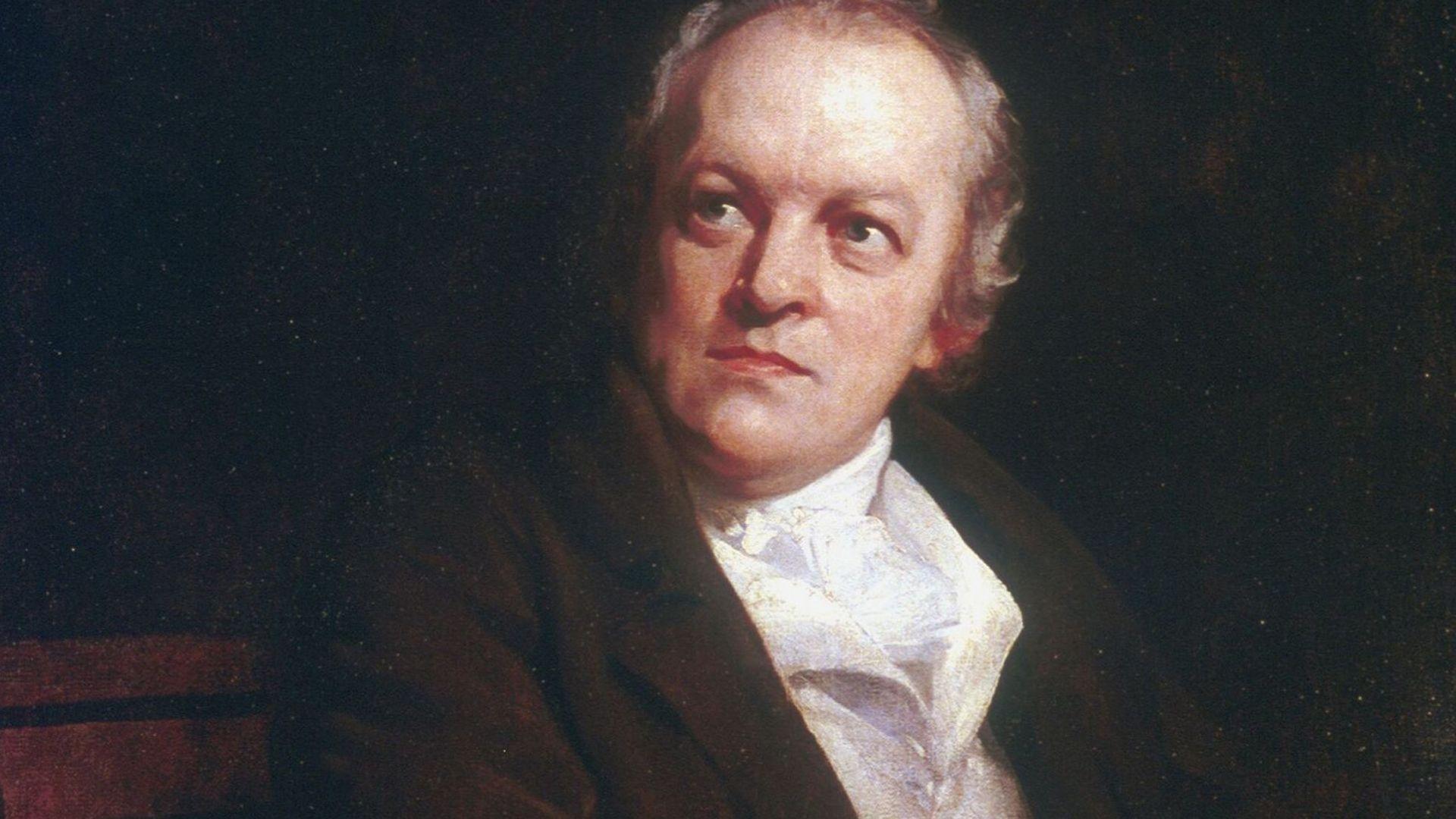
William Blake was an English poet, painter, and printmaker whose work dealt with human emotions, imagination, morality, and society.
Born on November 28, 1757, in London, Blake became one of the most influential writers of the Romantic era.
Although his work was not widely recognized during his lifetime, it later gained admiration for its originality and powerful symbolism.
His famous collections include Songs of Innocence and Experience, where A Poison Tree first appeared.
Through simple language and vivid imagery, Blake dealt with complex ideas about human nature, making his poetry timeless and widely studied.
Blake was deeply suspicious of organised religion and government, a theme explored just as sharply in Blake's critique of institutions in The Chimney Sweeper.
That belief sits directly behind A Poison Tree:the poem's original title was "Christian Forbearance," a pointed critique of the idea that staying silent and suppressing anger is a moral virtue.
Why This Poem Still Matters Today
Although ‘A Poison Tree’ was written more than two centuries ago, its message remains relevant because everyone experiences anger at some point in life.
If conflicts happen with friends, family, classmates, or coworkers, the poem reminds us that ignoring our feelings rarely solves the problem.
In a time when disagreements play out publicly on social media and passive aggression has become more common than honest conversation, Blake's warning feels more specific than ever.
Instead, honest communication and understanding can prevent resentment from growing into something more harmful.
The poem encourages readers to deal with emotions in healthy ways rather than allowing bitterness or revenge to take control.
Its simple lesson about honesty, forgiveness, and emotional awareness continues to speak to readers of every generation.
Conclusion
A Poison Tree reminds us that the way we handle our emotions can shape our relationships and our peace of mind.
Every time I read this poem, it reminds me that honest conversations are often easier than carrying silent anger.
If this guide helped you understand the A Poison Tree poem better, take a moment to think about how open communication can change difficult situations.
I'd love to hear your thoughts, so leave a comment below, share this article with others, or try our other poetry guides.
Frequently Asked Questions
Was A Poison Tree based on a real experience of William Blake?
No confirmed real event inspired it, but Blake's distrust of suppressed emotion and organised religion strongly shaped the poem's message about hidden anger leading to destruction.
Is A Poison Tree suitable for children to study?
Yes, it is widely studied in schools because its language is simple and its message about honesty and emotions is easy to understand, though the dark ending requires some guided discussion.
How long is a poison tree?
The poem is sixteen lines long, divided into four stanzas of four lines each. Despite its short length, it tells a complete story from conflict to consequence without wasting a single word.