


I have read hundreds of poems, and the ones that stuck with me always had one thing in common. They used extended metaphor poems to say big things in simple ways.
In this blog, I will explain what an extended metaphor poem is, how it works, and walk you through 11 real examples explained simply.
I have helped many students understand poetry without confusion. You will leave here with clear answers and real examples you can actually use.
Let us get started.
What is an Extended Metaphor Poem?

A metaphor says one thing is another. “Life is a race” is a simple metaphor. An extended metaphor takes that same idea and builds on it through the whole poem.
The poet keeps adding details that connect back to the same comparison. So the race becomes runners, finish lines, and tired legs. Every image points to the same meaning.
The poet picks one central idea, then lets every line grow from it. This gives the poem focus and depth. The reader follows one clear thread from start to finish.
It feels personal, layered, and much more powerful than a single line.
11 Extended Metaphor Poem Examples Explained Simply
Read each example with a simple breakdown so you understand exactly what the poet means.
1. Hope is the Thing with Feathers – Emily Dickinson
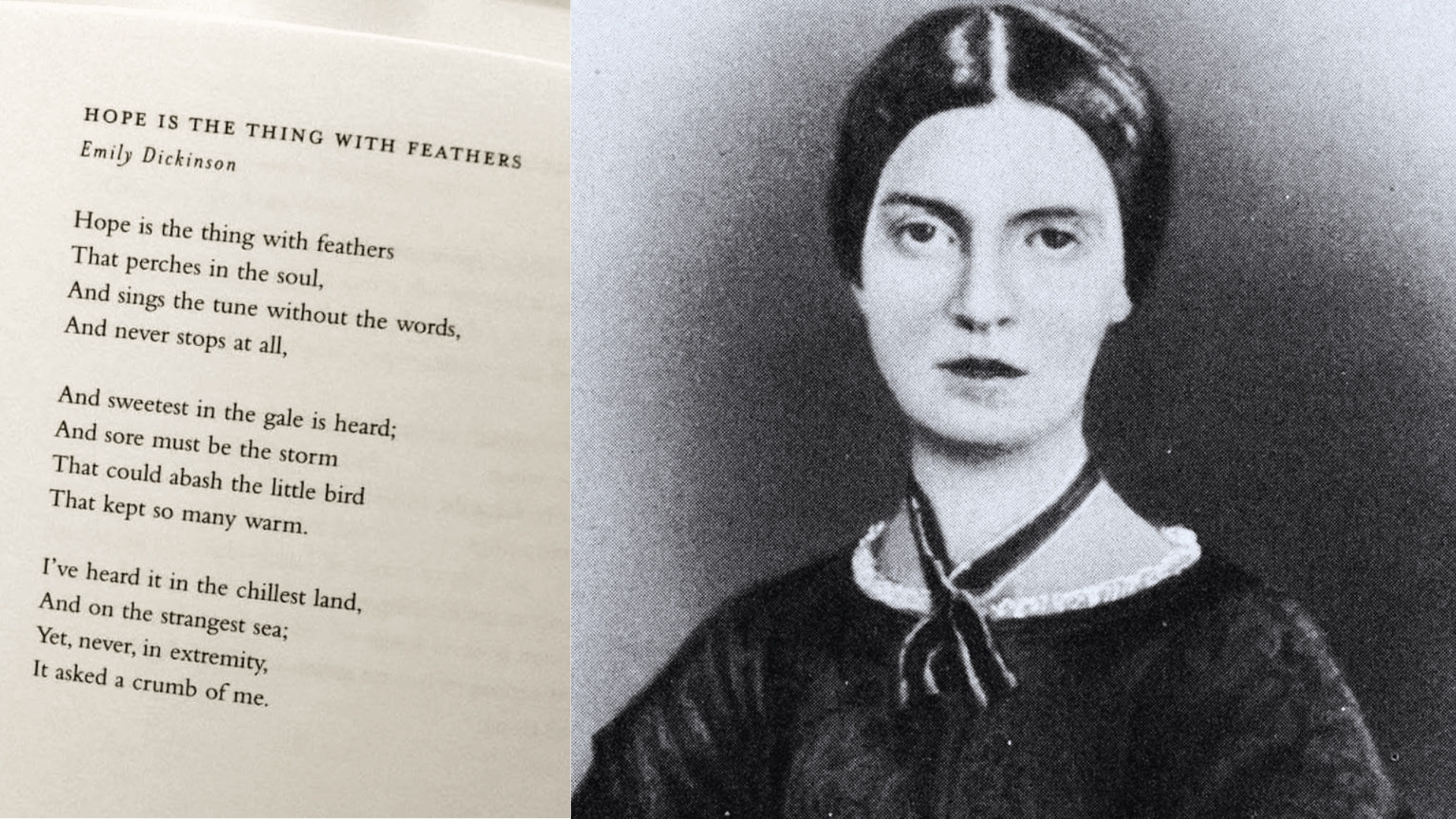
Emily Dickinson wrote this poem to show what hope feels like from the inside. She compares hope to a bird that lives inside the human soul.
The bird never stops singing, no matter how bad things get. Even in the middle of a storm, it keeps going. The feathers represent softness and lightness, showing that hope does not feel heavy.
The song represents the quiet, steady voice inside us that keeps us going. Dickinson uses every detail of the bird to show how hope behaves in real life.
2. The Road Not Taken – Robert Frost
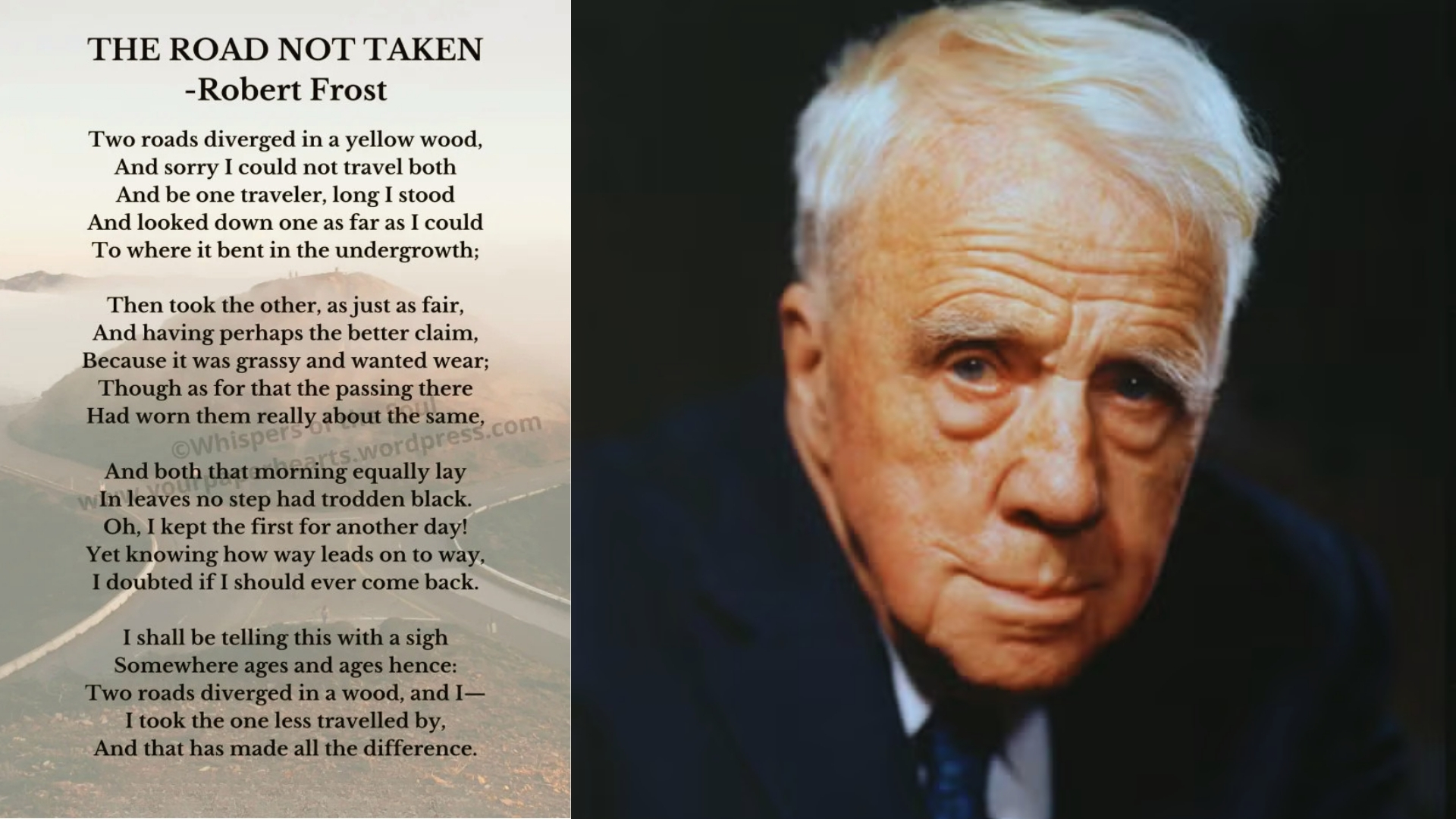
Robert Frost wrote this poem about a person standing where two roads split in a forest. The two roads represent the choices we face in life.
The speaker looks down one road as far as he can, then picks the other one. This choice stands for any big decision a person has to make.
The whole poem stays on this one comparison. Looking back at the end of the poem shows how people wonder about the paths they did not take.
Frost uses the road to say something deep about regret, choice, and how we tell our own stories.
3. Poetry – Meghan Frey
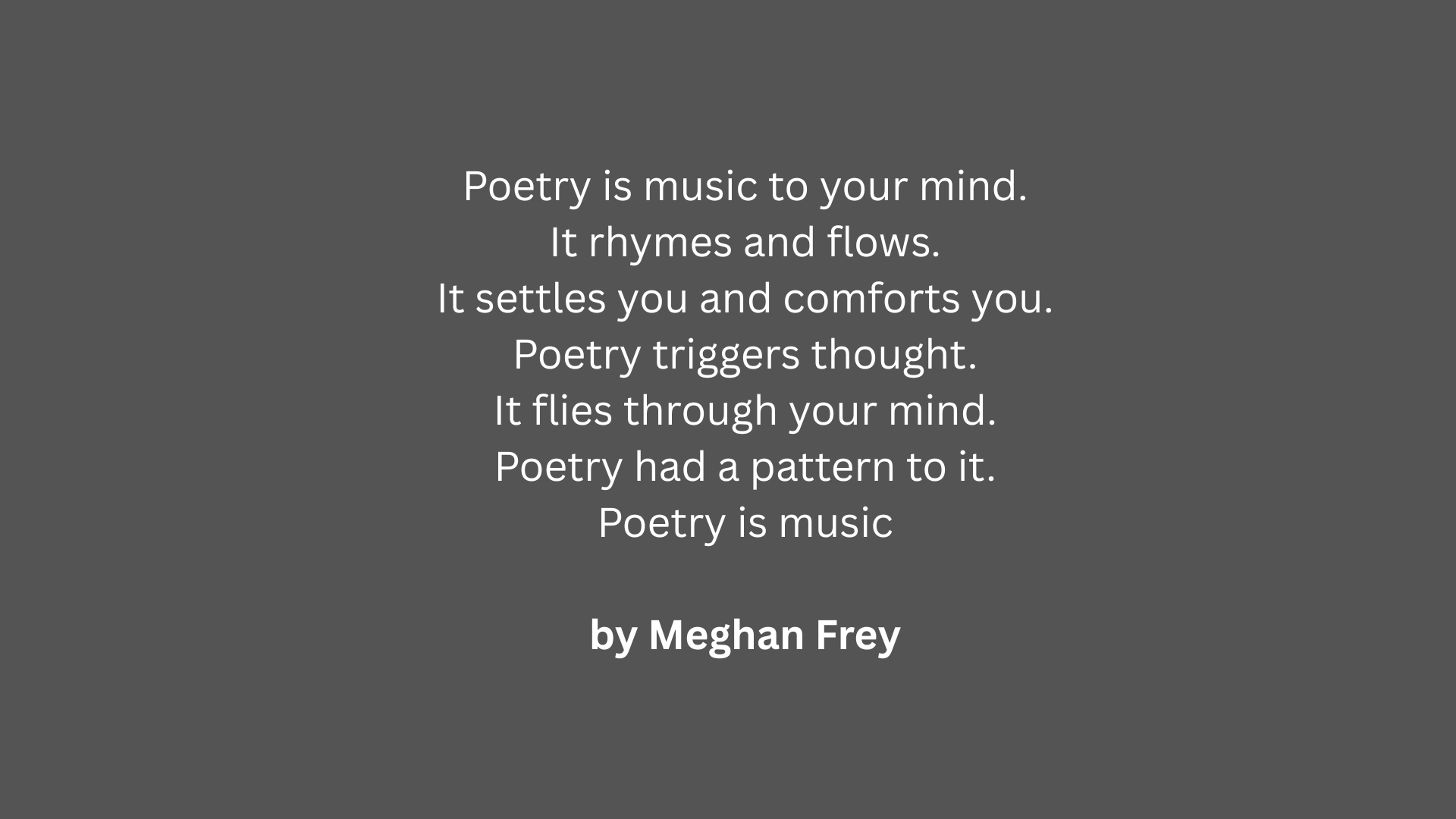
Meghan Frey treats poetry as if it is a living, breathing thing in this poem. She does not just describe words on a page. She gives poetry a body, a voice, and a pulse.
Every line she writes adds a new layer to the idea that poetry moves and feels. It can comfort, challenge, and speak when people cannot find their own words.
The extended metaphor works because she keeps returning to this idea of poetry being alive. By the end, the reader sees poetry not as a school subject but as something real and present.
4. Football Game – Richie Pelanek
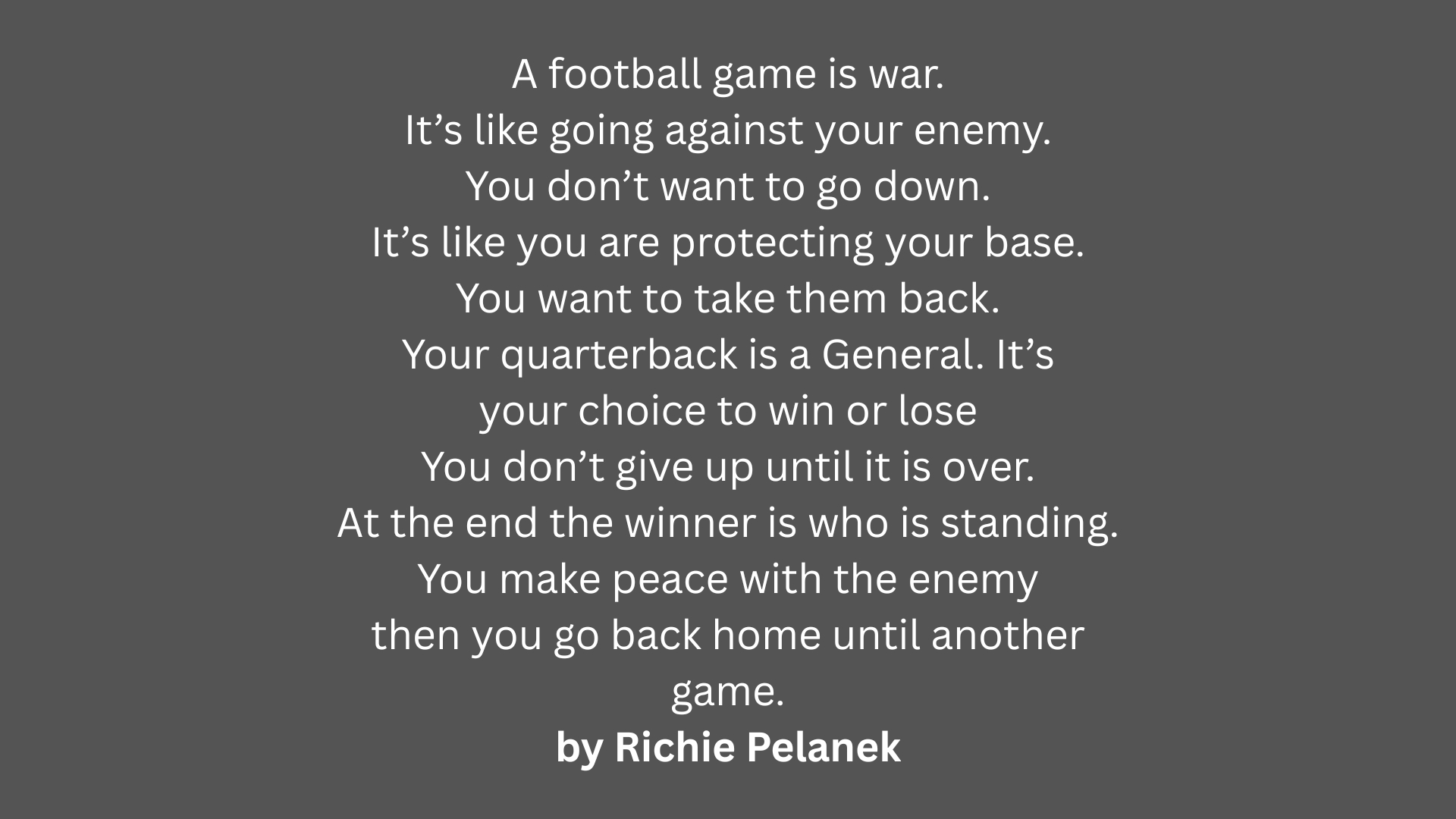
Richie Pelanek uses a football game to stand for something much larger than sports. The game becomes a way to talk about effort, competition, and working with others toward a goal.
The field stands for life. The plays stand for the plans and decisions people make every day. The score represents how we measure success and failure.
Even the pressure of the game mirrors the pressure people feel in real situations. Pelanek keeps the football imagery going all the way through, which makes the poem feel focused and strong.
5. Snowboarding – Marisa Cook and Rachel Covert
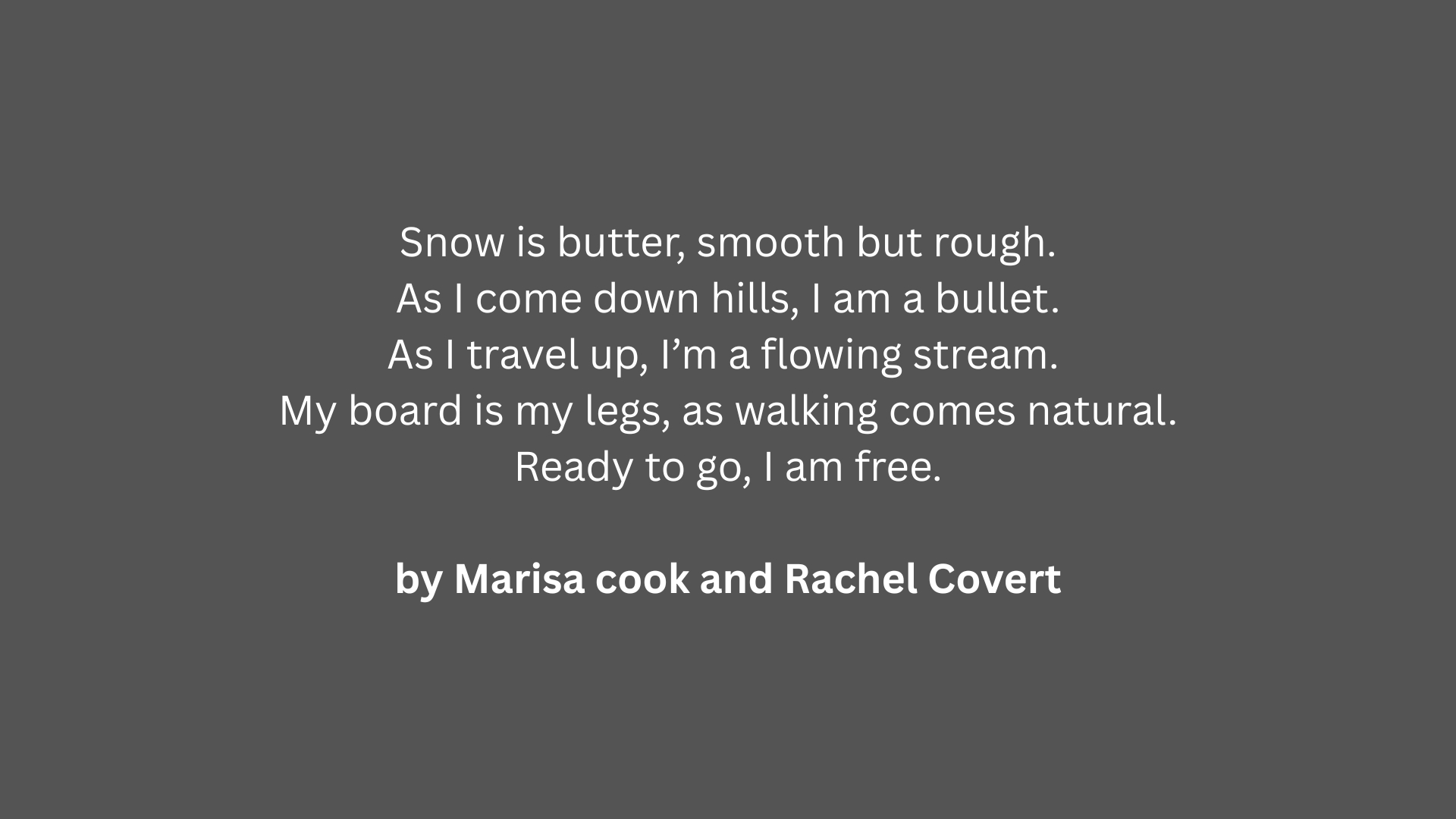
This poem uses the experience of snowboarding to talk about freedom and staying in control. The mountain represents the big challenges people face.
The speed of going downhill shows the rush of taking risks. The turns a snowboarder makes stand for the adjustments people make when things get hard.
Losing balance on the board mirrors losing balance in life. The two poets keep this comparison running throughout the whole piece.
By the end, snowboarding feels like much more than a sport. It becomes a way of understanding how people handle pressure and find their footing.
6. My Room – Michelle Krebs and Eve Elsing
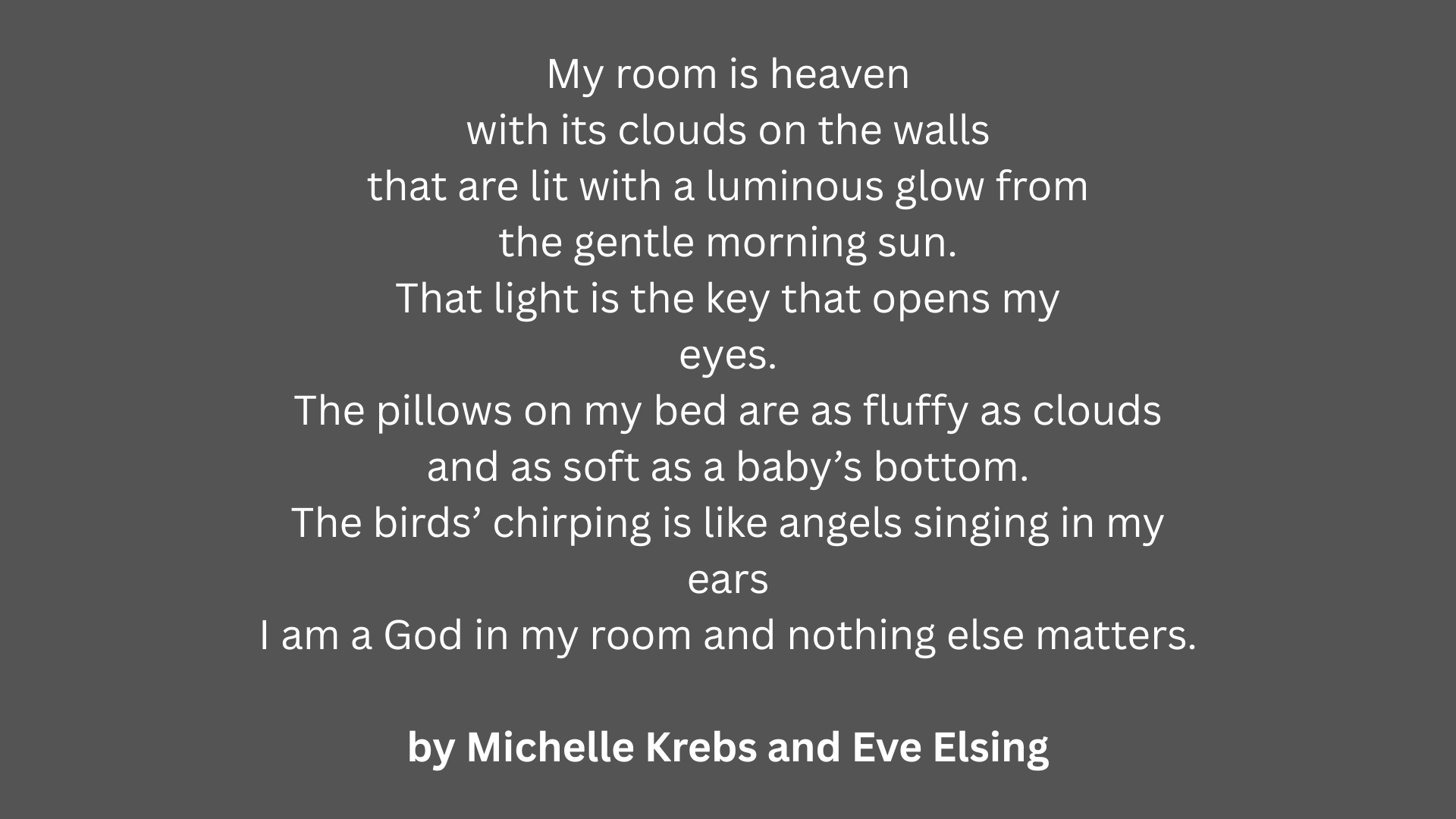
In this poem, a room becomes a symbol for the inner world of the speaker. The space is not just four walls and furniture. Each object in the room stands for something personal, like a thought, a feeling, or a memory.
The way the room is organized reflects the speaker’s state of mind. A messy room might mean a troubled mind. A quiet room might mean peace.
The poets use small, everyday details to carry big emotional meaning. This makes the poem easy to relate to because everyone knows what it feels like to be alone in their own space.
7. Children – Ali Ballweg
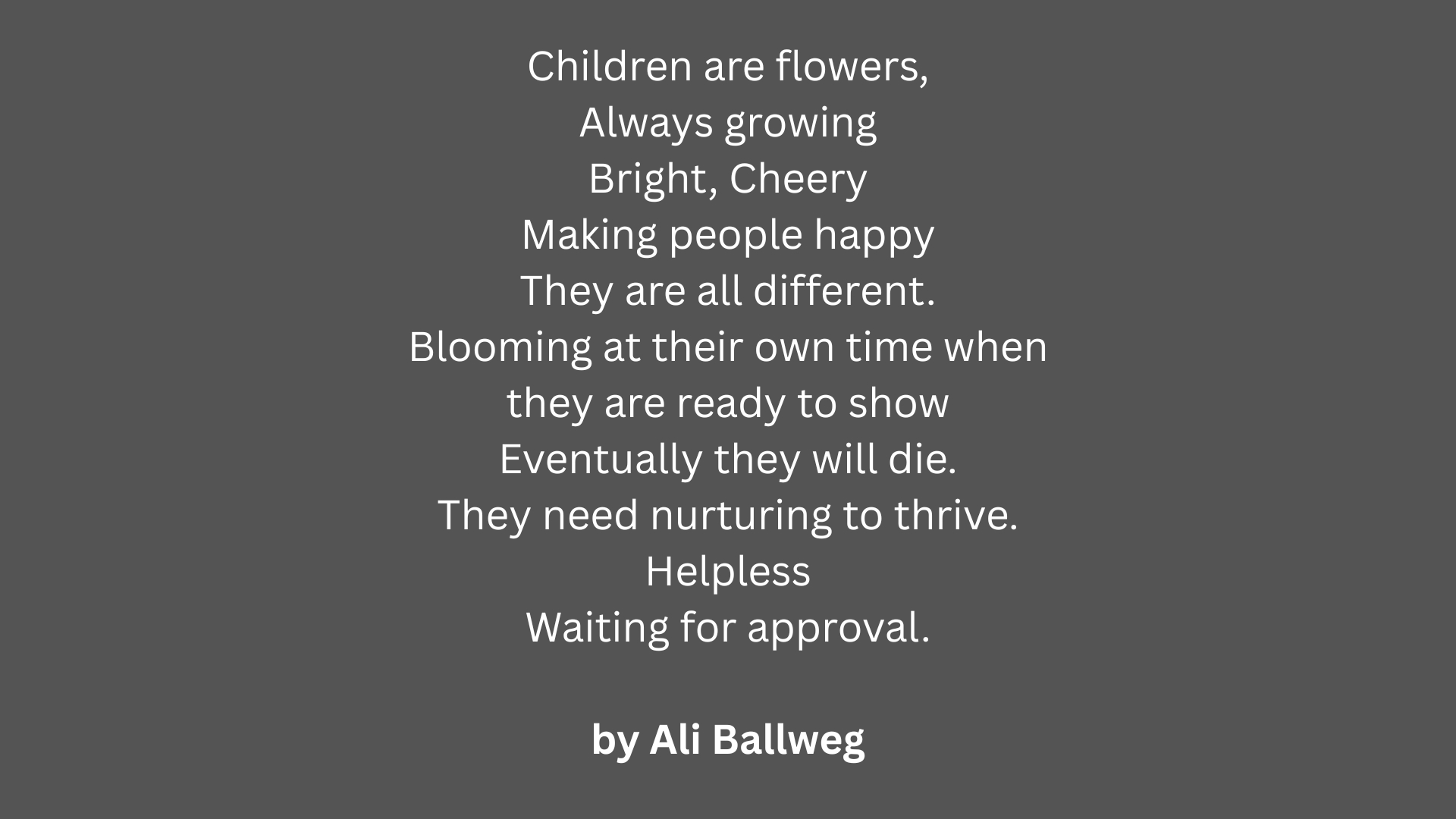
Ali Ballweg compares children to things that grow in nature, like plants or flowers. Just like a plant needs water, sunlight, and care, children need love, attention, and guidance.
The way a plant grows slowly over time mirrors how children develop through different stages. If a plant is ignored, it wilts.
The same is true for a child who does not receive enough support. Ballweg uses this comparison to show how much responsibility goes into raising a child.
The metaphor runs through the whole poem and gives it a warm, gentle tone that feels both simple and meaningful.
8. Longing is a Sharp Knife – Gardel Best Tango Singer Poetrix
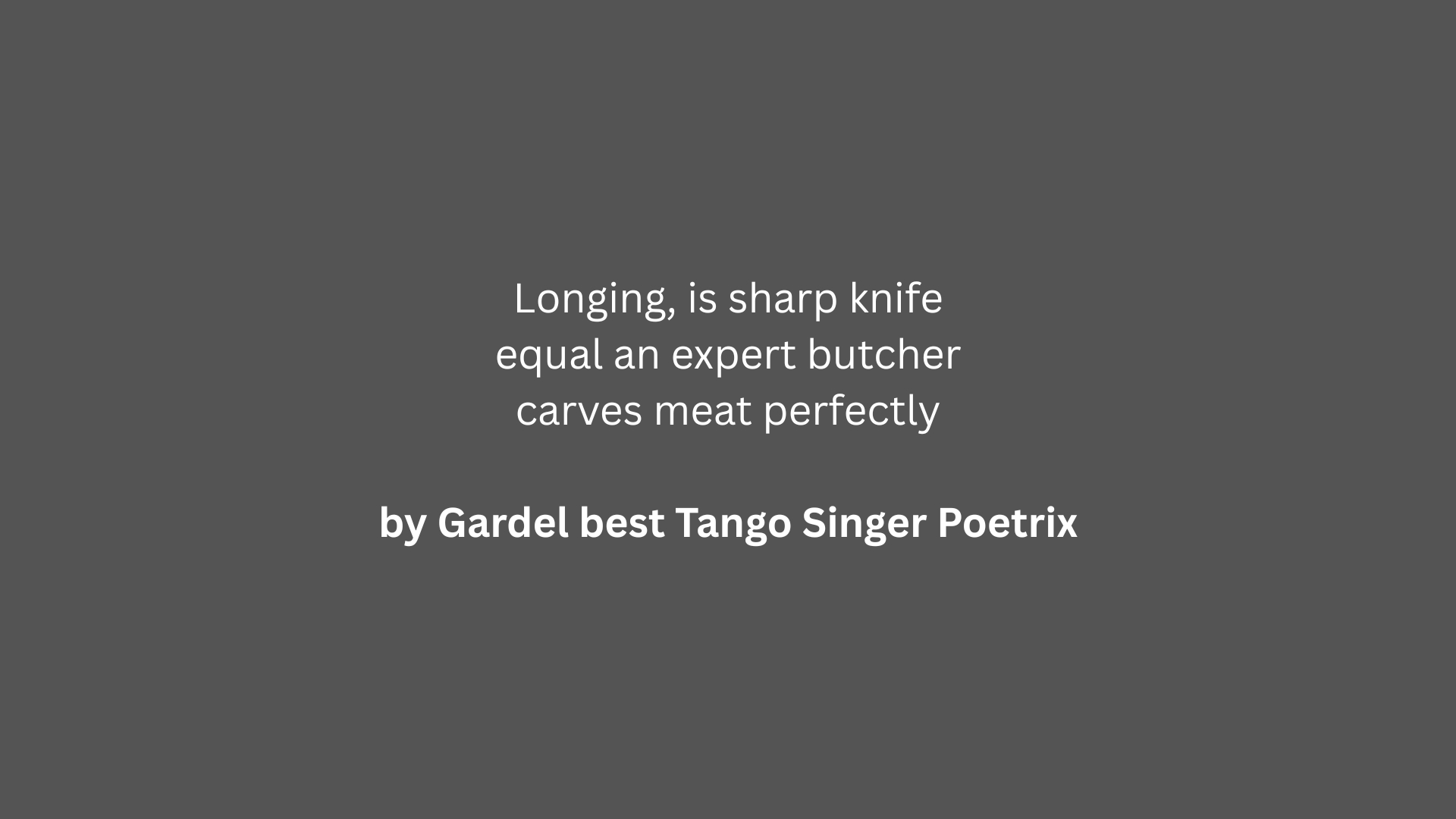
This poem uses a knife to describe the feeling of longing or deep missing. A knife is sharp, and so is the pain of wanting something or someone you cannot have.
The knife cuts, and longing cuts the same way. It does not go away quickly. It stays with you, just like a wound. Every image in the poem connects back to this central idea.
The poet does not need to say the word pain because the knife says it for her. This is what makes the extended metaphor so powerful. The reader feels the weight of longing through one clear, sharp image.
9. A Little Bird I Am – Jeanne M. B. De La Mothe
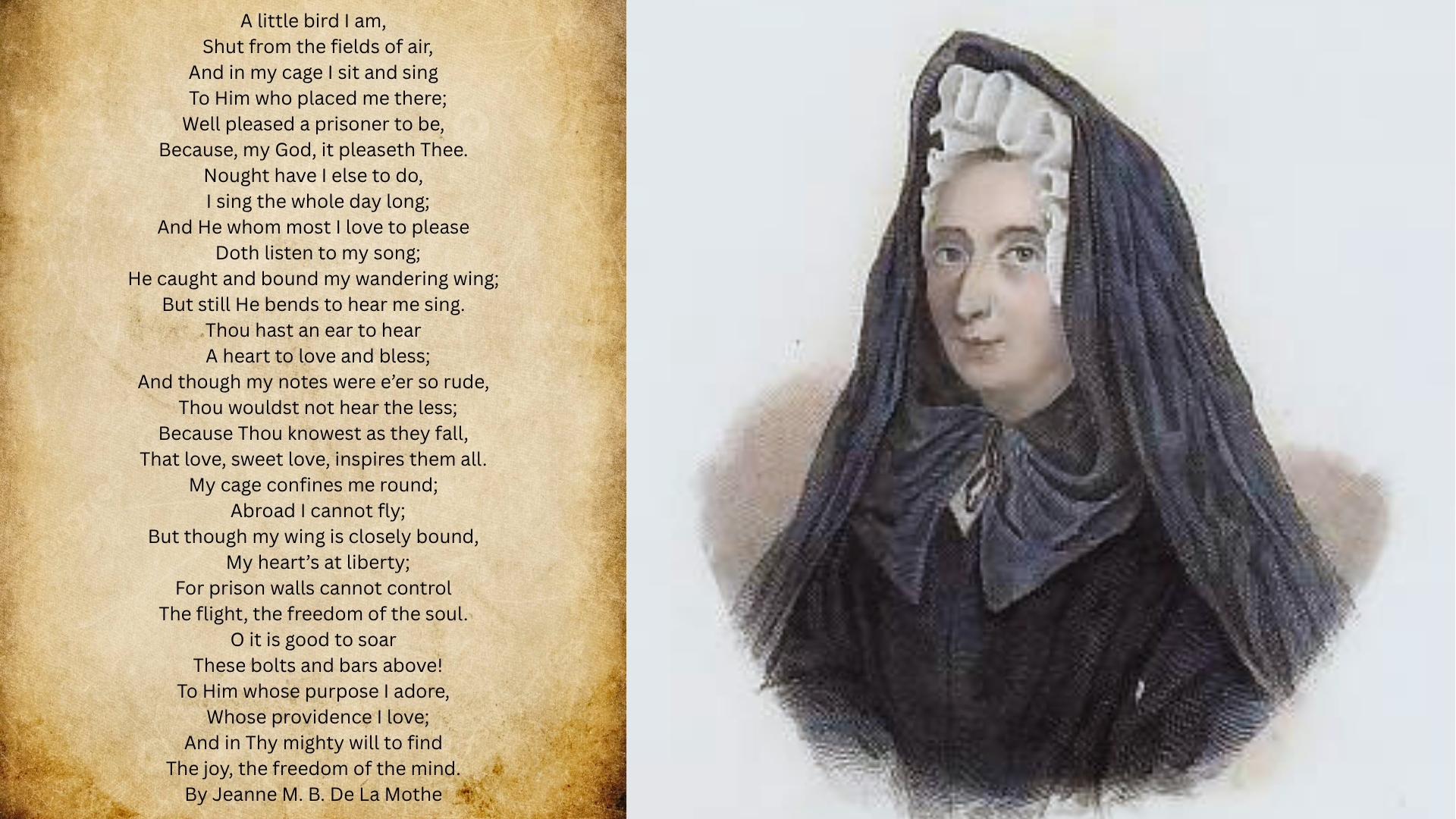
Jeanne M. B. De La Mothe speaks as a small bird locked inside a cage in this poem. The cage stands for the limits that have been placed on her life, possibly by society or by other people with power.
The bird’s wish to fly stands for the human desire to be free and live without restriction. The small size of the bird shows how powerless the speaker feels.
But the bird still wants to sing and still wants to fly. That shows there is still hope and will inside the speaker. The extended metaphor gives the poem both sadness and quiet strength at the same time.
10. I Sit and Sew – Alice Dunbar-Nelson
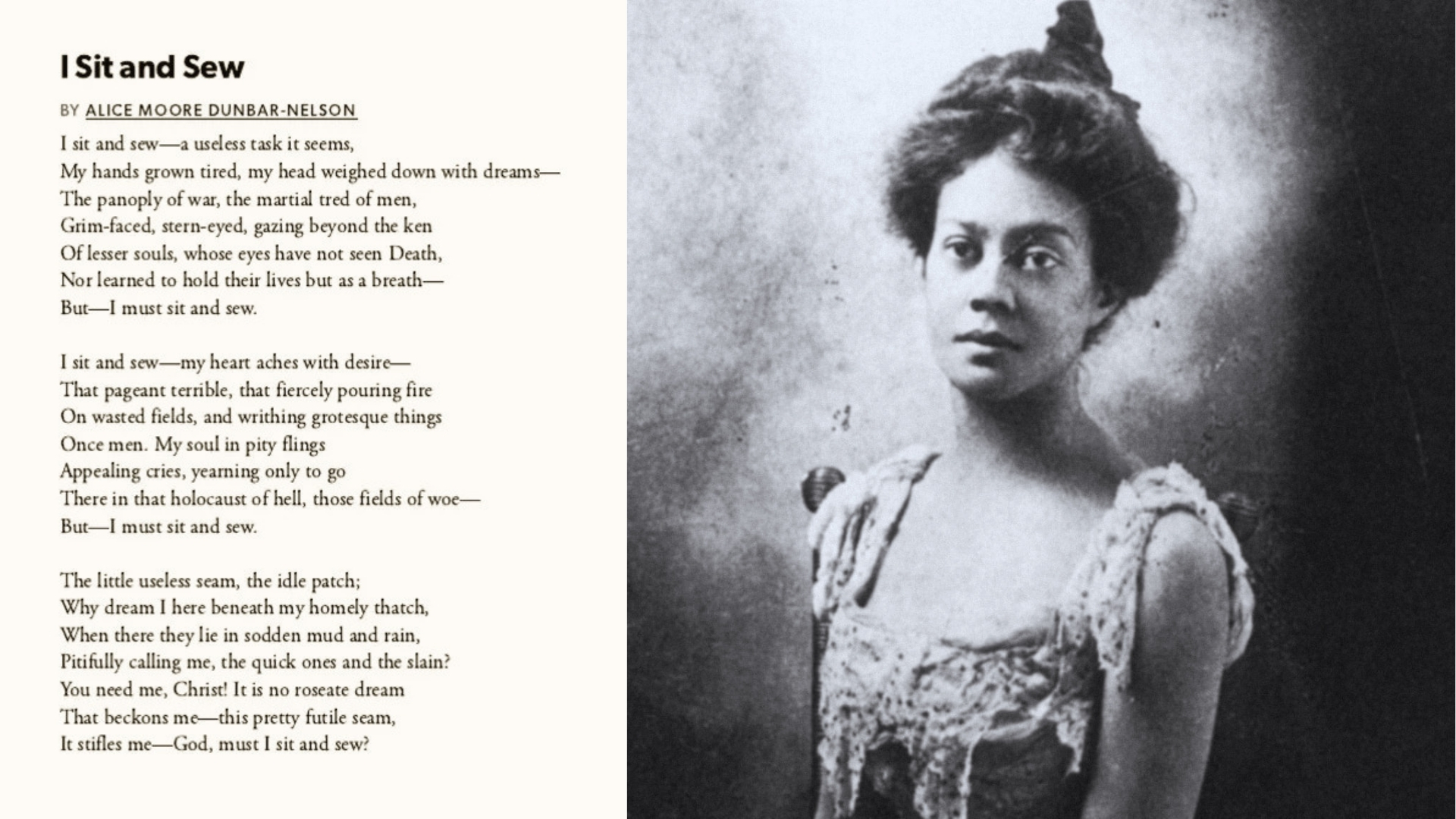
Alice Dunbar-Nelson wrote this poem during a time of war. The speaker sits at home and sews while soldiers fight in the distance.
Sewing becomes a symbol for being kept in a small, quiet role while the world moves around you. The needle and thread represent the limited tasks women were expected to do. The speaker does not want to sew.
She wants to be part of something bigger. But she has no choice. Dunbar-Nelson uses sewing as a running metaphor to show the frustration of being overlooked and held back. Every stitch in the poem carries that feeling of quiet protest.
11. All the World’s a Stage – William Shakespeare
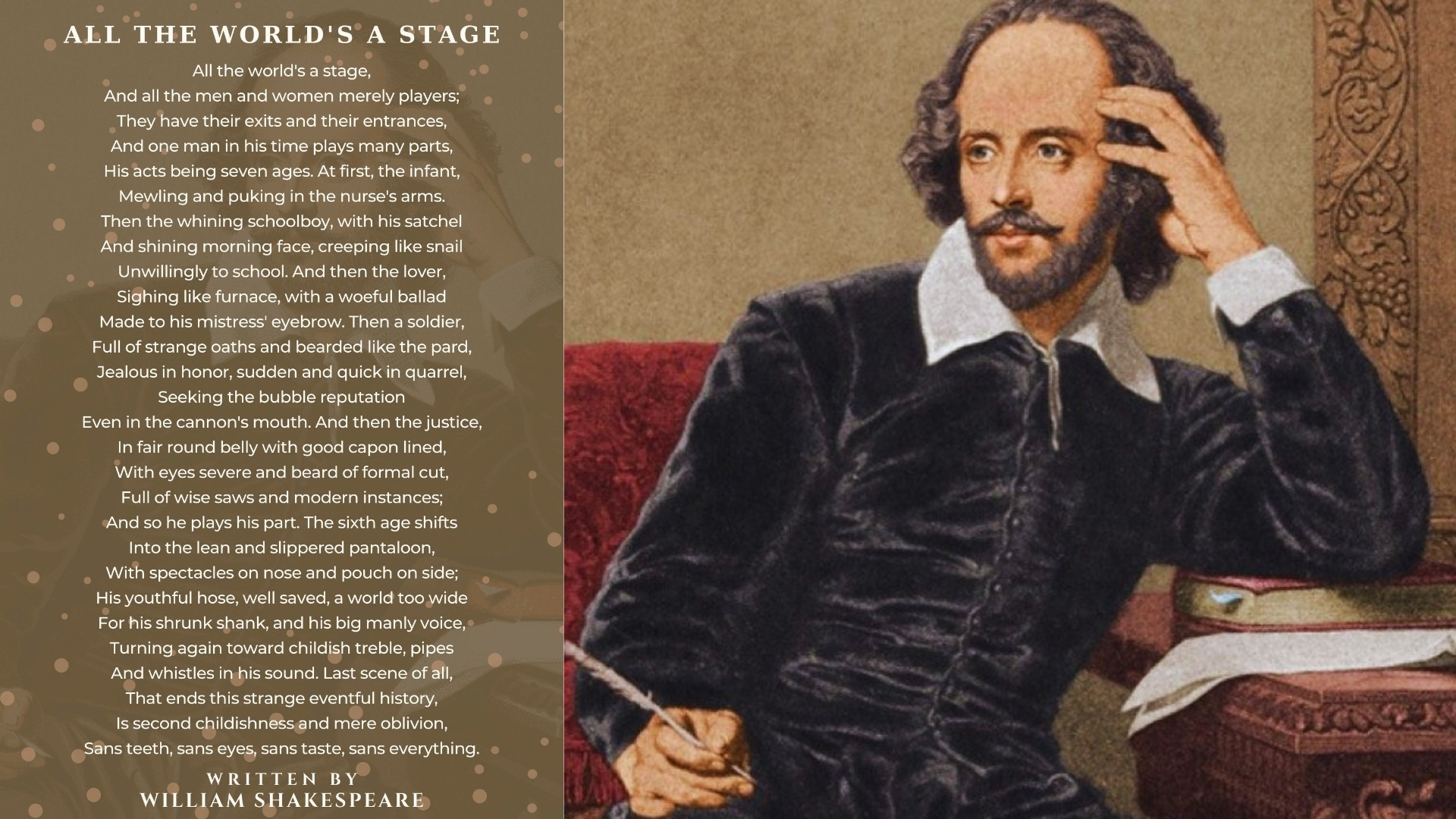
This is one of the most well known extended metaphors in all of literature. Shakespeare writes that the entire world is a stage and every person on it is an actor.
He then breaks human life into seven stages, from a crying baby to an old man losing his memory. Each stage is described as a role in a play.
A school child, a lover, a soldier, a judge, these are all parts a person plays as they grow older. The metaphor works because life and theater share so much.
People perform for others, play different roles, and eventually exit the stage. Shakespeare keeps this comparison tight and clear from the first line to the last.
Why Extended Metaphor Poems Are Important
These poems do more than rhyme. They change how readers think and feel.
Helps Readers Understand Abstract Ideas
Feelings like hope, longing, or freedom are hard to describe. When a poet connects them to a bird or a knife, the reader gets it right away. The comparison makes the idea real and easy to hold.
Adds Depth and Creativity to Poetry
A single metaphor is good. But an extended one gives the poem layers. Each new line adds more meaning. The reader keeps finding new things every time they read it.
Improves Reader Engagement
When one idea runs through the whole poem, the reader stays focused. They want to follow the thread. They feel connected to the poem because it has a clear and consistent voice.
How to Identify an Extended Metaphor Poem
Three simple steps help you spot extended metaphors without confusion.
Look for Repeated Comparisons
If the same comparison shows up in line after line, that is a sign. The poet is not just using one image. They are building something bigger.
Notice Symbolic Language Across Lines
Words that seem out of place often carry hidden meanings. A bird, a road, a stage these are clues that the poet is comparing them to something else.
Understand the Hidden Meaning
Ask yourself: what is this poem really about? If the answer is different from what the words say on the surface, you have found an extended metaphor.
Tips to Write an Extended Metaphor Poem
Simple steps to write your own extended metaphor poem from scratch.
- Pick two things that share a real connection, like life and a river or love and fire.
- Make sure your central comparison is strong enough to support many lines.
- Keep every line tied to that one main idea, do not mix in unrelated images.
- If your metaphor is a river, stick to currents, floods, and banks throughout.
- Use clear, specific words so the reader can see and feel what you mean.
- Avoid vague language. The sharper your images, the stronger your poem.
Conclusion
I hope this blog made extended metaphor poems feel less confusing. Poetry does not have to be hard. Once you see how one idea stretches across a whole poem, everything clicks.
Try reading one poem from this list today. See if you can spot the central comparison. Better yet, try writing your own.
If this helped you, leave a comment below or share it with a friend who finds poetry tricky. I would love to hear which example was your favorite.
Frequently Asked Questions
What is an extended metaphor poem in simple words?
It is a poem where one comparison runs through the whole piece. The poet keeps building on the same idea from start to finish.
How is an extended metaphor different from a regular metaphor?
A regular metaphor makes one comparison in one line. An extended metaphor keeps that same comparison going for many lines or the whole poem.
Can an extended metaphor poem be short?
Yes. Even a short poem can use an extended metaphor. What matters is that the comparison runs all the way through, not how long the poem is.
Why do poets use extended metaphors?
They help explain complex feelings in a simple way. They also make poems more focused, creative, and easier for readers to connect with.
How do I start writing my own extended metaphor poem?
Pick one strong comparison you care about. Then write each line as a new detail that connects back to that same idea. Keep it focused and use clear images.