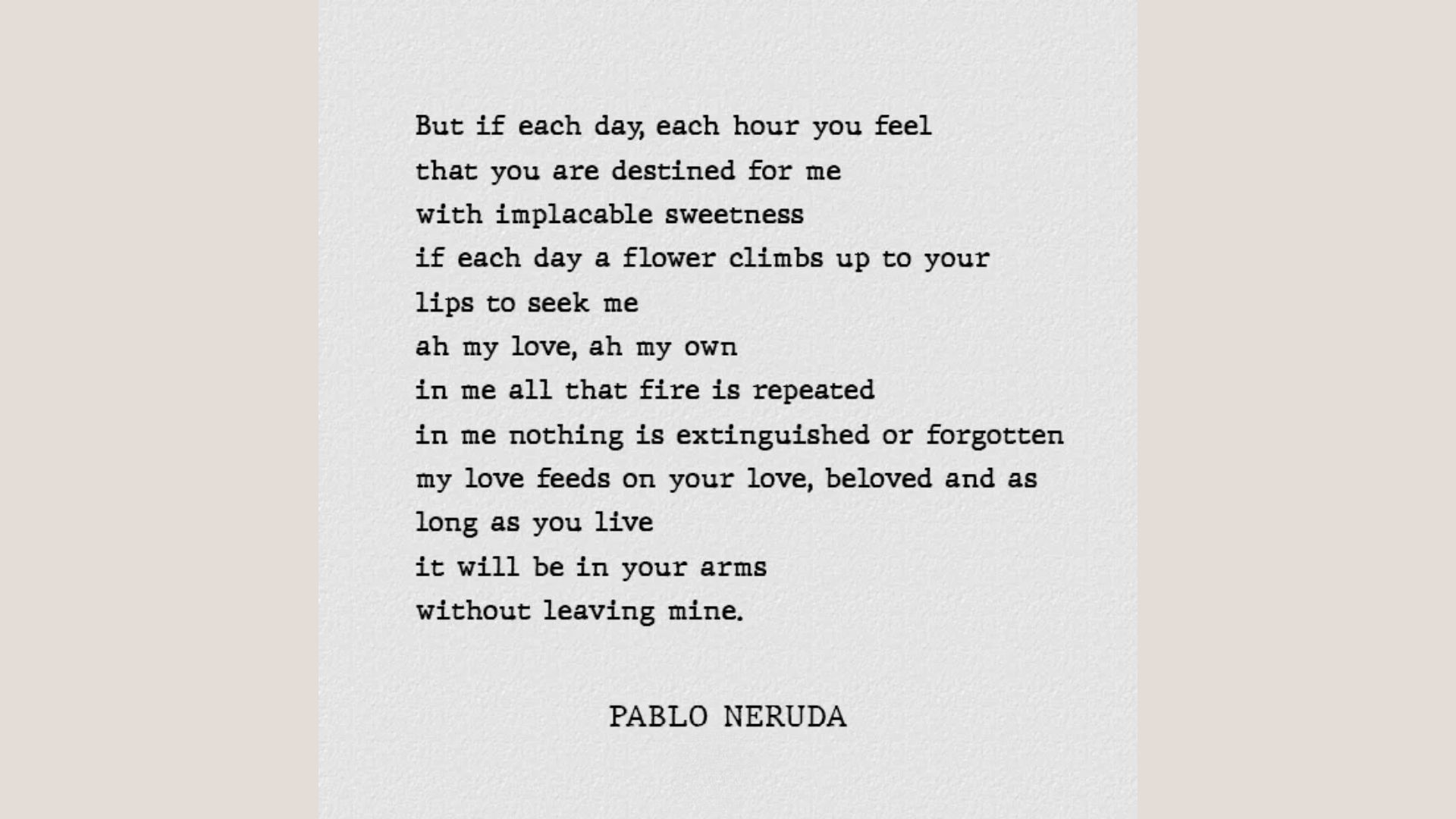


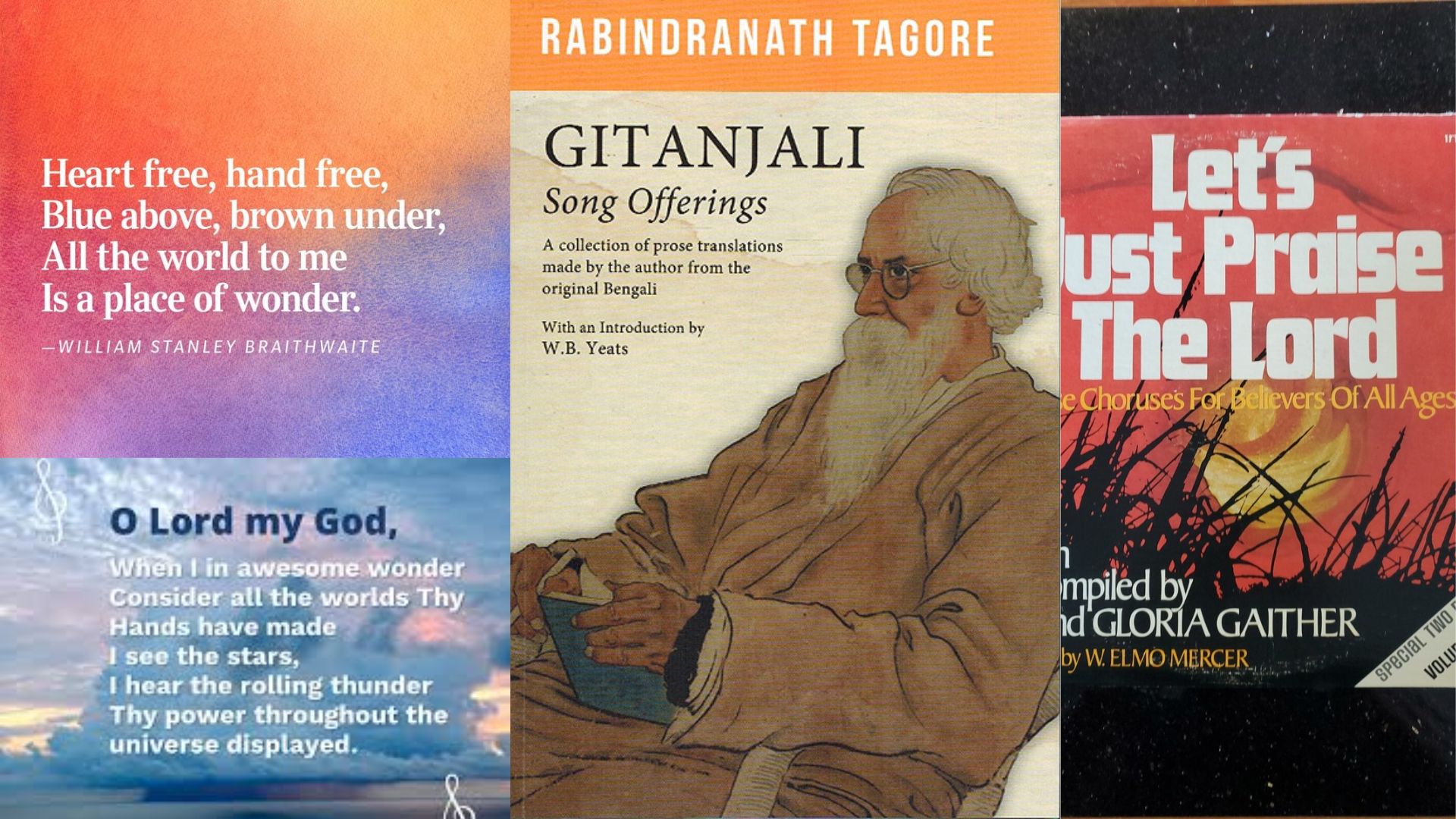
My grandmother never called it poetry. She just called it her morning words.
Every day, the same few lines, spoken quietly before anything else happened. I thought it was habit.
It took me years to understand it was something much more intentional than that.
A poem of praise does something ordinary words can’t quite manage. It focuses you. It reminds you what matters before the day pulls you in ten directions.
This guide covers five powerful poems of praise, where they come from and what they actually mean. One of them might become your own morning words.
What Is a Poem of Praise?

A poem of praise is a piece of writing that expresses deep admiration, gratitude, or worship toward a divine power, God, a higher truth, or something sacred.
It’s not just religious writing. It’s an act of devotion put into words.
The themes are consistent across cultures and traditions.
Gratitude, surrender, awe, and worship show up in almost every poem of praise, regardless of where it comes from or when it was written.
These poems appear in many places. Churches, temples, personal prayer routines, meditation practices, and literary collections all make room for them.
They move between the sacred and the everyday without losing their meaning.
5 Powerful Poem of Praise Examples for Devotion and Worship
These five examples come from different traditions, time periods, and parts of the world. What they share is that same quality of genuine praise, expressed in ways that still land today.
1. Psalm 23 (Bible): A Timeless Poem of Praise

Psalm 23 is one of the most recognized pieces of devotional writing in the world. It opens with the line “The Lord is my shepherd” and builds from there into a quiet, steady expression of trust.
The poem describes divine guidance through difficult terrain, including valleys and dark places, without any sense of fear. The tone is calm and grounded. Not desperate. Just certain.
That certainty is what makes it so widely used in worship, funerals, weddings, and personal prayer. It meets people in hard moments and offers steadiness.
As a poem of praise, it works because it doesn’t just say God is great. It shows what that greatness feels like in the middle of real life.
2. “Praise the Lord” Hymn: A Classic Devotional Poem
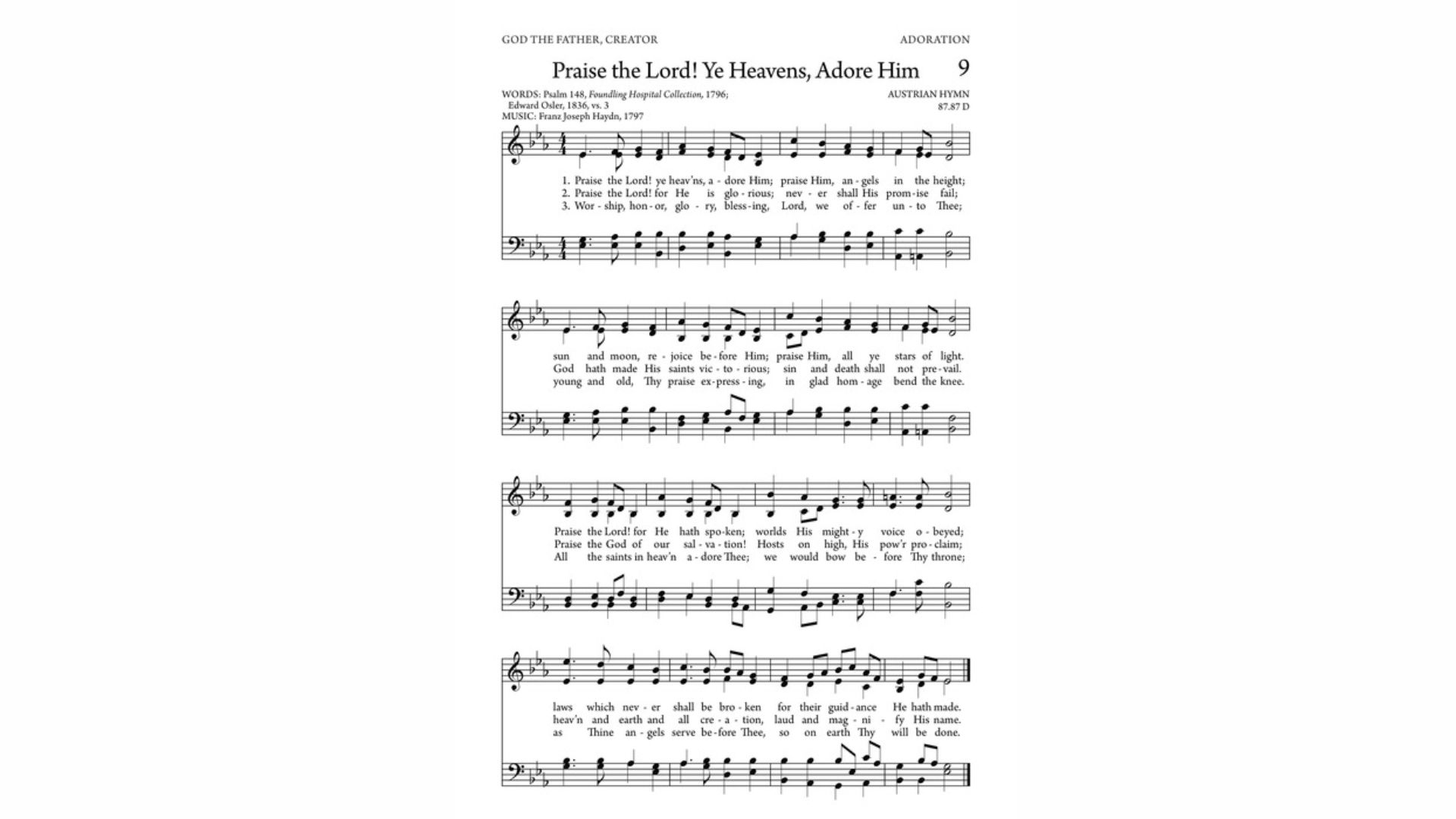
Hymn-style praise poetry has been central to communal worship for centuries. “Praise the Lord” as a category of hymn covers a wide range of songs and poems that call a group of people to worship together.
What makes these poems powerful in a group setting is the repetition. When a room full of people say or sing the same words, something shifts. The individual becomes part of something collective.
The meaning is straightforward: gratitude expressed together creates a stronger connection, both to the divine and to the people around you.
These hymns are designed to be felt as much as understood. The rhythm and the simplicity are deliberate. They invite everyone in, regardless of background or belief level.
3. “How Great Thou Art”: A Poetic Expression of Awe
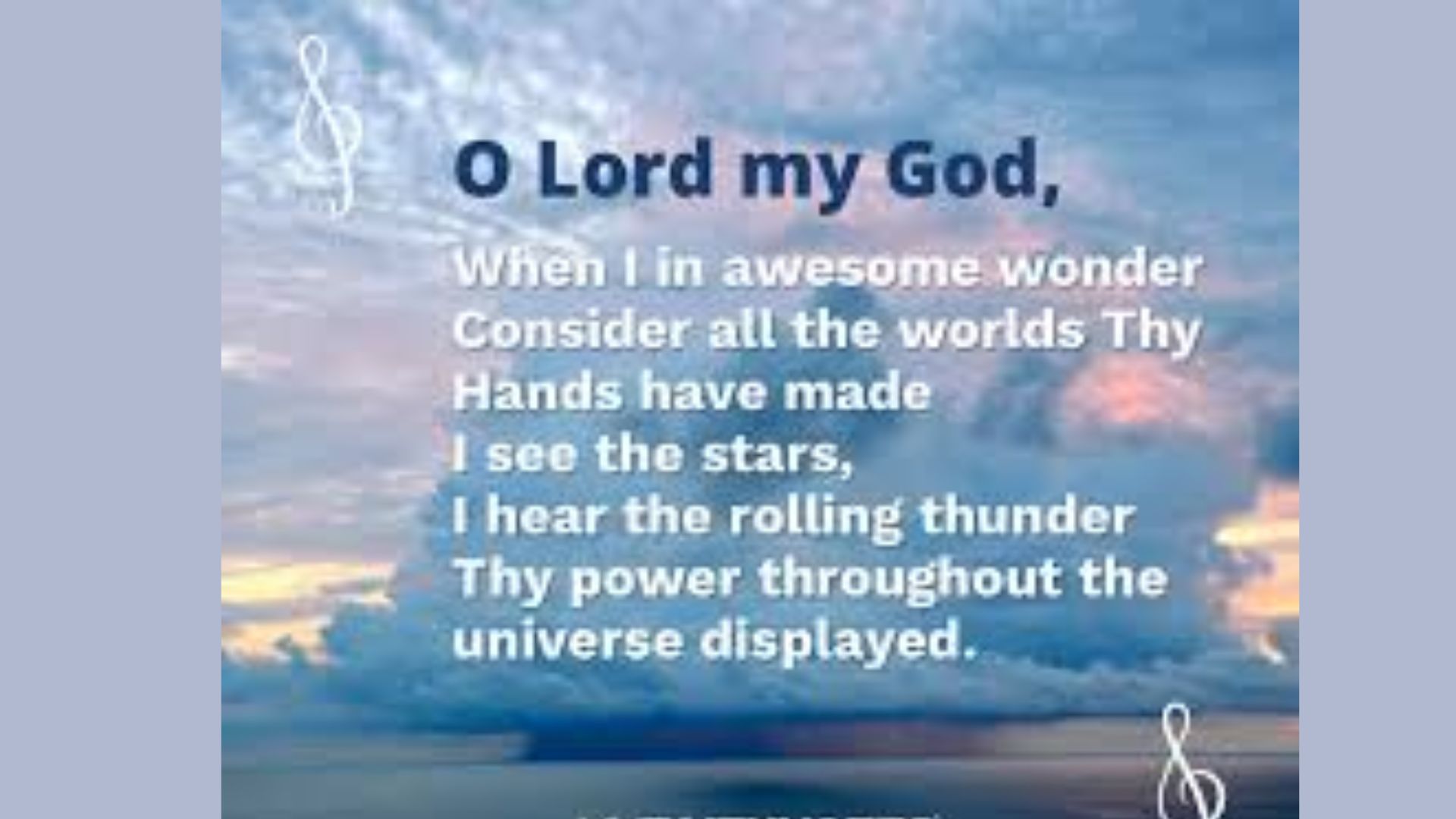
This hymn began as a Swedish poem written by Carl Boberg in 1885, inspired by a sudden thunderstorm. It was later translated and adapted into the English version most people know today.
The poem moves through scenes of nature, mountains, forests, and skies, using them as evidence of something divine and vast. The natural world becomes a kind of language for awe.
That’s why it resonates so widely across cultures and denominations. You don’t need a specific theological background to feel wonder when you stand at the edge of something enormous and beautiful.
As a poem of praise, it connects the physical world to the spiritual one in a way that feels honest and observable rather than abstract.
4. Rabindranath Tagore’s Gitanjali: Selected Verses
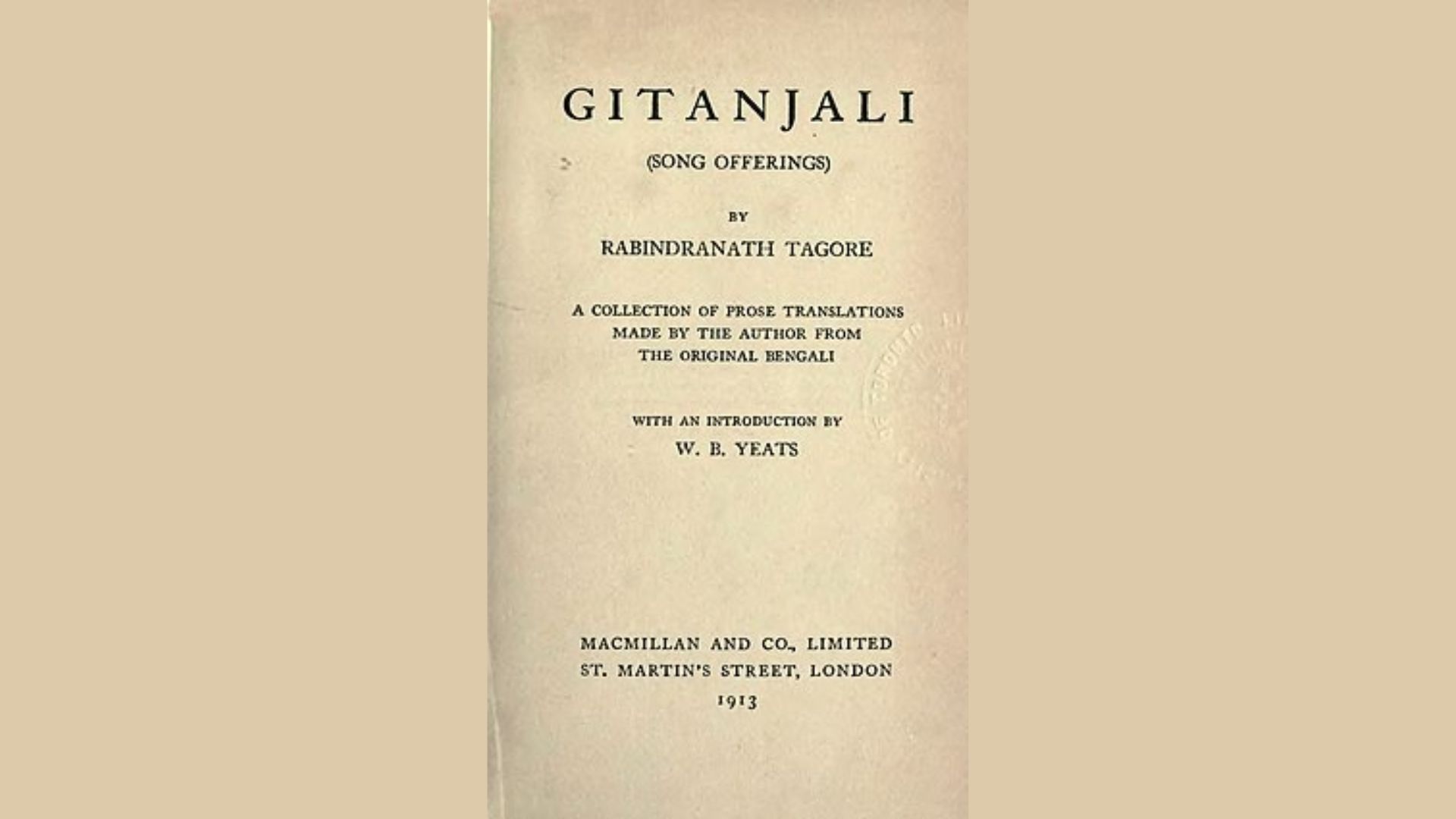
Tagore’s “Gitanjali,” which translates roughly to “song offerings,” won the Nobel Prize in Literature in 1913. It’s a collection of devotional poems that Tagore himself translated from Bengali into English.
The poems are addressed directly to the divine. They speak of longing, surrender, and the quiet joy of spiritual connection. The tone is intimate, almost conversational.
What makes Gitanjali stand out as a poem of praise is its lack of distance. Tagore doesn’t write about God from far away. He writes as someone in an ongoing, personal relationship.
Culturally, the collection holds enormous significance across South Asia and beyond. It brought Indian devotional poetry to a global audience and showed that spiritual writing could be both deeply rooted and universally felt.
5. A Simple Modern Poem of Praise

Not all praise poetry comes from ancient texts or famous authors. Sometimes the most honest version comes from ordinary language and a quiet moment.
Here is a short original poem of praise in a modern, accessible style:
For All of This
I didn’t earn the morning. It came anyway. Light through a cracked window, coffee going warm in my hands.
I didn’t ask for the people who stayed. Or the second chances I almost didn’t take.
For all of it, seen and unseen, I am grateful. That feels like enough. That feels like everything.
This kind of poem of praise reflects how modern spirituality often works. Less formal, more personal. It doesn’t require a specific religion. It just requires paying attention to what you’ve been given.
Many people are drawn to this style because it fits into daily life. It can be written in a journal, read quietly in the morning, or shared with someone going through a hard time.
Why a Poem of Praise Matters in Spiritual Life
Devotional poetry isn’t just for religious settings. It plays a real role in how people process gratitude, navigate difficulty, and stay connected to something meaningful.
Reading or reciting a poem of praise regularly can shift how you start your day. It orients your attention toward what’s good rather than what’s missing.
It also creates emotional connection. Praise poetry gives language to feelings that are hard to articulate, like wonder, peace, or deep thankfulness.
When you find a poem that puts those feelings into words, it can feel like relief.
Many people use devotional poems in meditation, journaling, or morning routines. The repetition of familiar lines builds a kind of inner calm over time.
Finally, praise poetry builds faith. Not by arguing for it, but by expressing it. Reading or writing a poem of praise is itself an act of belief.
And that practice, done consistently, shapes how you see the world around you.
Conclusion
Praise has a way of finding you when you least expect it. One line from the right poem can shift something inside you that nothing else reached. That’s worth paying attention to.
Try this: pick one poem from this list and read it every morning for a week. Just one. Notice what changes.
If you already have a devotional poem that means something to you, share it in the comments. I’d genuinely love to read it.
And if this guide was helpful, pass it on to someone who could use a little more gratitude in their day.
Frequently Asked Questions
What Is a Poem of Praise?
A poem of praise is a devotional piece of writing that expresses admiration, gratitude, or worship toward a divine power or higher truth. It can be religious or broadly spiritual depending on the writer’s intent.
Where Are Poems of Praise Used?
They appear in religious ceremonies, personal prayer, meditation practices, and literary collections across cultures. Many people also use them in daily journaling or quiet reflection.
What Is a Poem of Praise Crossword Clue?
In crossword puzzles, a poem of praise clue typically points to words like “hymn,” “psalm,” or “ode.” The answer usually depends on the number of letters the puzzle requires.
Can I Write My Own Poem of Praise?
Yes, and you don’t need formal writing experience to do it. Start with a feeling of genuine gratitude and use simple, honest language to express it.
What Are Famous Examples of a Poem of Praise?
Well-known examples include Psalms from the Bible, traditional hymns, and Rabindranath Tagore’s Gitanjali. Each comes from a different tradition but carries the same spirit of devotion.