

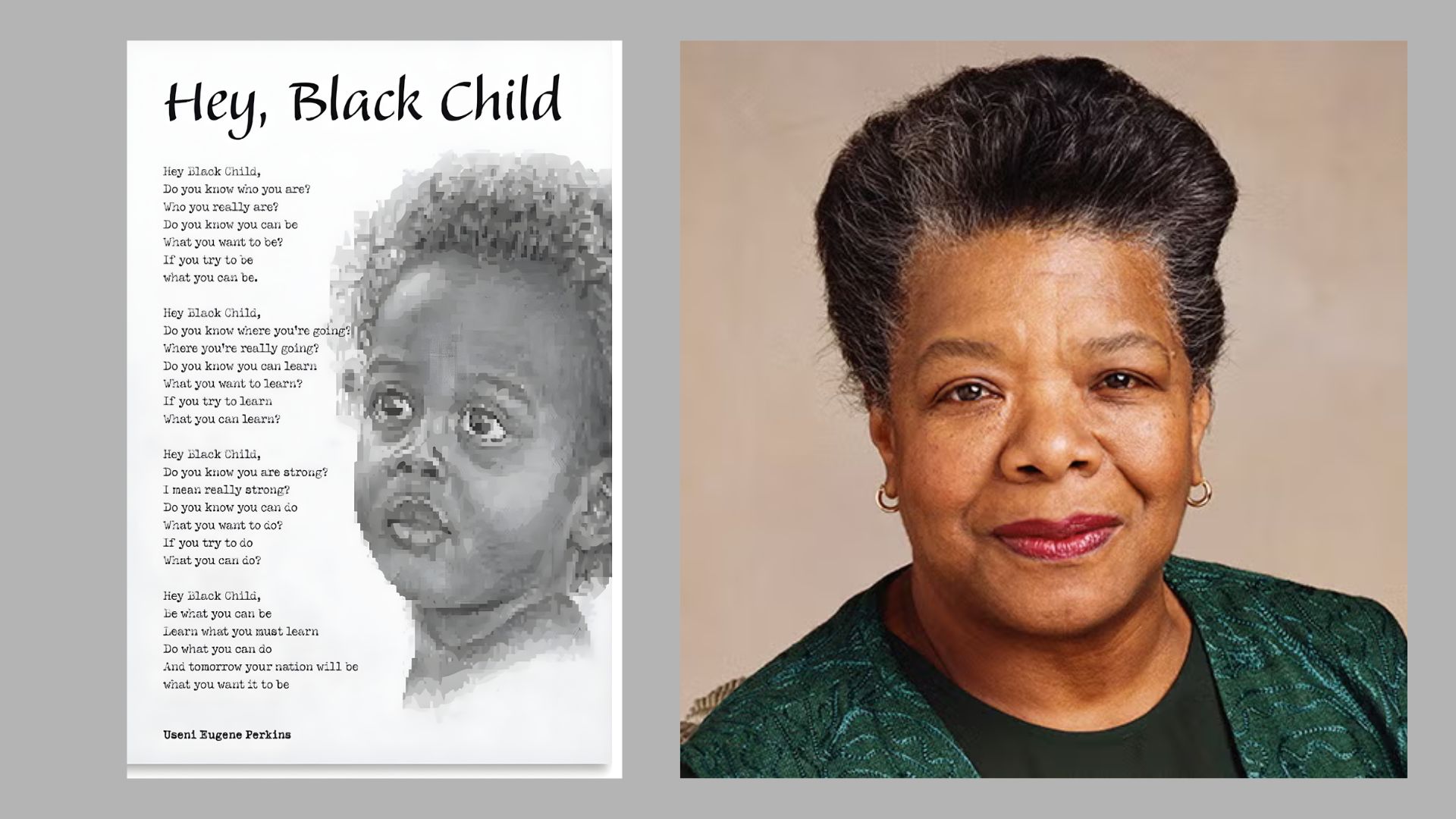
You have probably seen the “Hey Black Child” poem by Maya Angelou shared all over the internet.
I did too. I even shared it once without checking. Then I found out the real author was someone else entirely.
That stopped me cold. In this post, I cover who actually wrote the poem, when it was written, and why the mix-up keeps happening.
I have spent years writing about poetry and literature. Getting the facts right matters to me.
The answer might surprise you more than it surprised me.
Meaning of “Hey Black Child” Poem
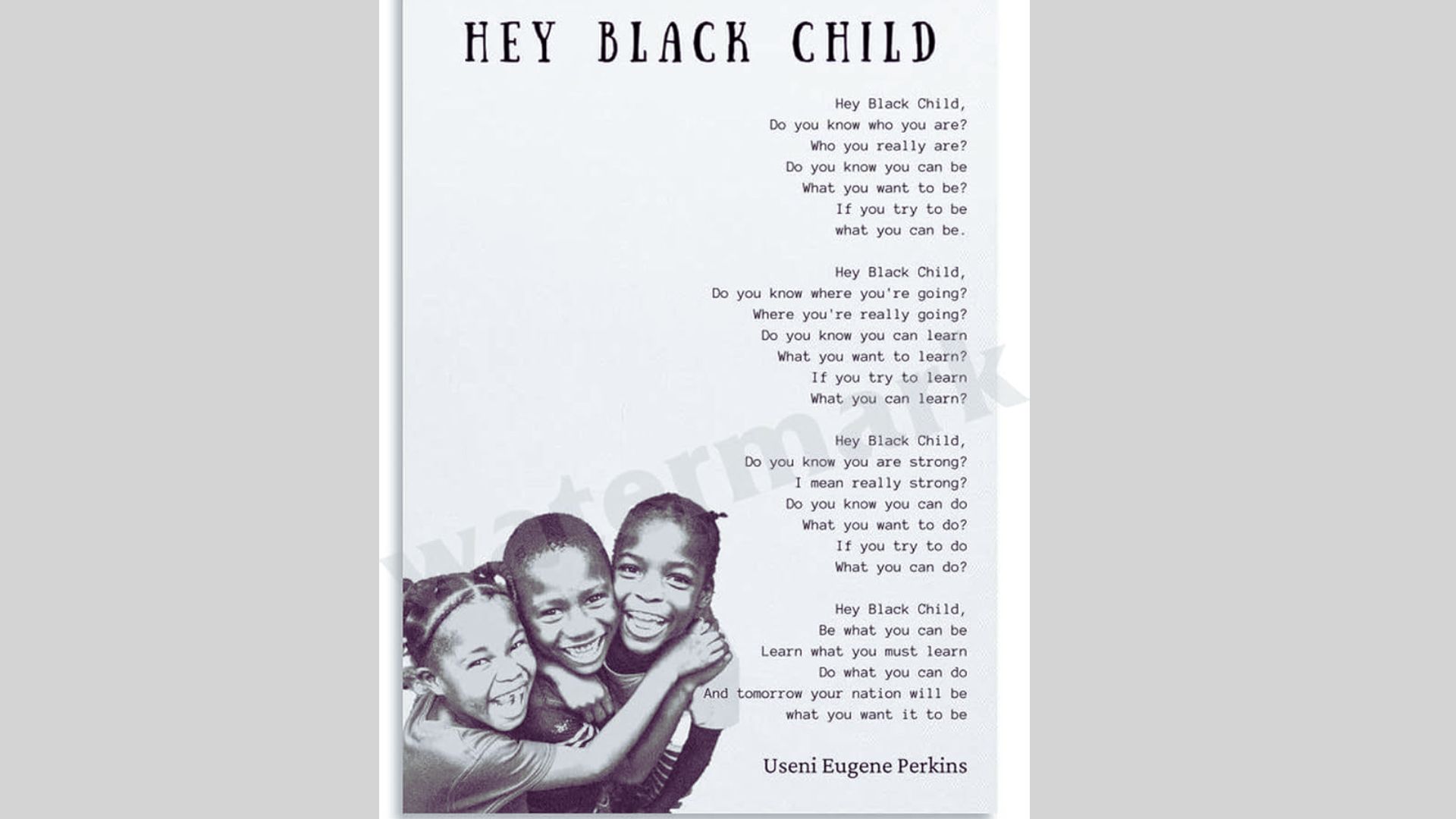
The poem carries a simple but powerful message. It speaks directly to Black children and tells them they matter.
It asks them to know who they are, to be what they can be, and to learn what they need to learn.
Every line is a reminder of worth and potential. Perkins wrote it as a love letter to young Black kids who needed encouragement.
The poem does not use complicated language. It uses honesty. That is what makes it land so hard. It feels personal every single time you read it.
Theme of the Poem
A powerful message of empowerment, self-worth, pride in Black identity, and timeless inspiration for children and generations to come.
Empowerment and Self-Worth
The poem emphasizes the importance of self-belief and recognizing one’s own value.
By addressing Black children directly, it instills confidence and encourages them to see their potential.
Each line serves as a reminder that they are capable of achieving their dreams, making decisions, and overcoming challenges, fostering a sense of personal empowerment and inner strength.
Motivation and Ambition
“Hey Black Child” inspires readers to pursue their goals and ambitions, no matter the obstacles.
It encourages learning, growth, and persistence, showing that effort and determination matter more than fear or doubt.
The poem motivates children to take action, dream big, and work toward their future, reinforcing that ambition is not only possible but necessary for personal success.
Pride in Black Identity
The poem celebrates Black heritage, culture, and identity, encouraging children to feel proud of who they are.
It affirms their place in the world and reinforces the value of their experiences. By connecting self-worth with cultural pride.
The poem strengthens resilience and encourages young readers to embrace their roots, fostering confidence, dignity, and a sense of belonging within the community.
Timeless Inspiration
Though written in the 1970s, the poem’s message remains relevant today. Its lessons about self-belief, growth, and perseverance continue to motivate children and adults alike.
By combining encouragement with cultural affirmation, it becomes a timeless source of inspiration.
Readers across generations can find guidance, hope, and a reminder of the power of ambition and personal potential.
Who Actually Wrote “Hey Black Child”?
The real author of “Hey Black Child” is Useni Eugene Perkins. He was a Black poet, playwright, and social worker born in Chicago, Illinois.
Perkins wrote this poem to speak directly to Black children and remind them of their worth and potential.
He published it in his 1975 collection titled “Black Expressions.” His career was dedicated to uplifting the Black community, especially its young people.
He wanted children to feel seen, valued, and capable. Perkins passed away in 2019, leaving behind a body of work that still resonates today.
When Was “Hey Black Child” Written?
“Hey Black Child” was written by Useni Eugene Perkins in the early 1970s and published in his 1975 collection “Black Expressions.”
This was a time of strong Black cultural movements in America. Artists, poets, and writers were creating work that spoke directly to their communities with power and honesty.
Perkins wrote this poem during that rich creative period. He wanted to address Black children in a voice that felt personal and loving.
The timing gave the poem even more weight. It captured a feeling that was very much alive.
Why Is “Hey Black Child” Often Misattributed to Maya Angelou?
“Hey Black Child” is frequently credited to Maya Angelou because its uplifting tone, focus on Black identity, and empowering message strongly resemble her style.
Readers naturally associate the warmth and encouragement in the poem with Angelou’s celebrated work.
Social media and online sharing amplify this misattribution, as posts often attach her name without verification.
Over time, the repeated circulation of these posts cements the error in public perception.
Additionally, some versions credit other poets or list the author as anonymous, further confusing readers. Proper attribution to Useni Eugene Perkins restores recognition and honors his legacy.
Importance of Correct Attribution
Crediting the real author is a matter of respect and integrity. Useni Eugene Perkins created “Hey Black Child” to uplift Black children, and his name deserves recognition.
Misattributing the poem to Maya Angelou erases Perkins’ contribution and denies readers the opportunity to explore his other works.
Accurate attribution also maintains credibility when sharing or citing the poem.
By honoring the true author, we preserve literary history, support the voices behind meaningful works, and ensure that readers understand and appreciate the origins of this inspiring message.
About the Poet: Useni Eugene Perkins
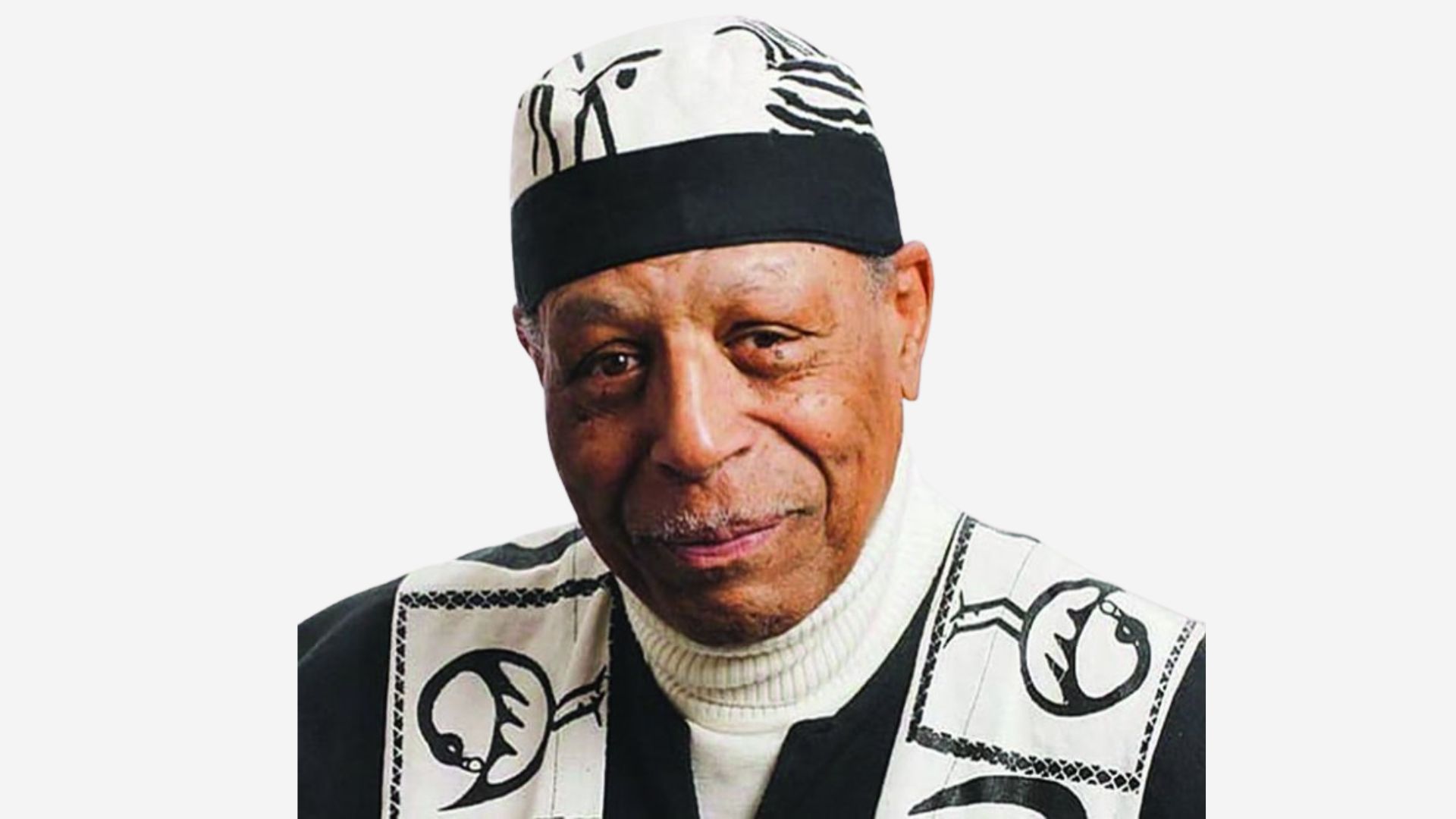
Useni Eugene Perkins was more than a poet. He was a playwright, author, and social worker who dedicated his life to the Black community.
Born in Chicago, Illinois, he used his words to speak directly to Black youth at a time when they needed to hear it most.
He believed that children needed to see themselves in literature. Perkins wrote over a dozen books and plays throughout his career.
His work appeared in schools, community centers, and homes across America. He also worked closely with young people off the page.
Perkins passed away in 2019. But his poems, especially “Hey Black Child,” continue to reach new readers every day.
That reach is especially clear in classrooms, where the poem’s direct and encouraging voice speaks to young readers.
Teachers often read it during Black History Month alongside other poems that celebrate Black heritage.
Conclusion
Now you know the real story behind the “Hey Black Child” poem by Maya Angelou.
it was not written by her at all. Useni Eugene Perkins wrote it in 1975, and he deserves to be remembered for it.
Knowing the truth helps us honor the right voices. If this post helped you, drop a comment below and share it with someone who loves poetry.
And do not miss our other posts on poets and their stories.
Frequently Asked Questions
Did Maya Angelou write “Hey Black Child”?
No, the poem was written by Useni Eugene Perkins, not Maya Angelou.
Who is the real author of “Hey Black Child”?
Useni Eugene Perkins, a Black poet and social worker from Chicago, is the true author.
When was “Hey Black Child” published?
It was published in 1975 as part of Perkins’ poetry collection titled “Black Expressions.”
Why does everyone think Maya Angelou wrote “Hey Black Child”?
The poem’s tone and themes of Black strength remind readers of her style, causing the mix-up.
Does it matter if a poem is credited to the wrong person?
Yes, it erases the real author’s work and denies them the recognition they rightfully earned.