


I still remember the first time I heard God’s Garden Poem read aloud at a graveside service. The words were quiet and simple. Yet they stayed with me for days.
If you are searching for the full text, the meaning, or a version to share at a service, you are in the right place.
In this blog, I cover the complete poem text, its variations, key themes, symbols, and the poets behind it. I also explain why it still speaks to so many people today.
I have spent time studying this poem carefully. You will find honest, clear answers here.
Full Text of God’s Garden Poem
Find the complete God’s Garden Poem text here, including the original and most widely used versions.
Original Version by Dorothy Frances Blomfield Gurney
THE Lord God planted a gardenIn the first white days of the world,And He set there an angel wardenIn a garment of light enfurled.
So near to the peace of Heaven,That the hawk might nest with the wren,For there in the cool of the evenGod walked with the first of men.
And I dream that these garden closesWith their shade and their sun‑flecked sodAnd their lilies and bowers of roses,Were laid by the hand of God.
The kiss of the sun for pardon,The song of the birds for mirth,—One is nearer God’s heart in a gardenThan anywhere else on earth.
For He broke it for us in a gardenUnder the olive‑treesWhere the angel of strength was the wardenAnd the soul of the world found ease.
Popular Funeral/Comfort Version
God looked around His gardenAnd He found an empty place.He then looked down upon the earthAnd saw your tired face.
He put His arms around youAnd lifted you to rest.God’s garden must be beautiful,He always takes the best.
He knew that you were suffering,He knew you were in pain.He knew that you would neverGet well on earth again.
He saw the road was getting rough,The hills were hard to climb.So He closed your weary eyelidsAnd whispered, “Peace be thine.”
It broke our hearts to lose you,But you didn’t go alone.For part of us went with youThe day God
Other Notable Variations
1.God’s Garden: Mark Walters (Devotional Version) :
God tends His garden with tender care,
Each flower a soul, each leaf a prayer…
2.Modern Funeral Adaptation (Anonymous) :
He took the one He loved the most,
And left a garden here for those who grieve…
3.Children’s / Family-Friendly Version (Anonymous) :
God made a garden up in the sky,
Where happy souls go when they say goodbye…
Themes in God’s Garden Poem
God’s Garden Poem carries deep themes of faith, nature, peace, and comfort that speak across many generations.
Spiritual Peace and Divine Presence
One of the strongest themes in God’s Garden Poem is spiritual peace. The poem suggests that God is close to us in nature, especially in a garden.
This brings a quiet sense of calm. It tells readers they do not need to look far to feel God’s presence. Nature itself holds that feeling, right outside the door.
Nature as a Reflection of God
The poem uses flowers, sunlight, and birds as symbols of God’s love and care. Nature is not just background here. It is a mirror of something greater.
Every flower and ray of light points back to God. This is a gentle reminder that the world around us carries meaning and purpose, if we take a moment to notice it.
Comfort in Times of Loss
God’s Garden Poem is often read when someone has passed away, framing death as a gentle act of God, not something to fear.
He tends His garden with love. When He calls someone home, it is with care. That idea brings real and lasting peace to grieving hearts.
Analysis and Interpretation
A closer look at the imagery, symbols, and lessons inside God’s Garden Poem and what they mean for daily life.
Symbolism of Garden Imagery
The garden in this poem is more than a physical place. It stands for closeness to God, for peace, and for life well-tended. Gardens grow slowly with care and attention.
This mirrors how God works in our lives. The imagery reminds readers that growth takes time and that every life is part of something larger and more meaningful.
Angelic References and Their Meaning
Some versions of God’s Garden Poem mention angels gathering flowers or souls. Angels in the poem act as gentle helpers, not frightening figures. They carry comfort, not fear.
These references suggest that death is not an ending but a return to something good, a sentiment also at the heart of one of the most beloved memorial poems ever written.
The angelic imagery softens grief and gives readers a sense of safety and peace.
Lessons for Everyday Life
The poem teaches a simple but powerful lesson: look for God in ordinary things. A garden, sunlight, birdsong, these are not small things. They are reminders of something greater.
The poem encourages readers to slow down, pay attention, and find meaning in the world around them. That lesson is as relevant today as it ever was.
Variations and Adaptations
God’s Garden Poem has been adapted many times, with wording changes and new versions shaping how readers feel its message.
Differences in Wording and Style
Different versions of God’s Garden Poem use slightly different words. Some say “nearer God’s heart” while others say “closer to God.”
Some versions are longer, with extra stanzas about heaven. These small changes in wording shift the tone from quiet reflection to open celebration.
Still, the core message stays the same across every version.
Contemporary Adaptations for Readings or Services
Modern versions of God’s Garden Poem have been written for use in church services, memorials, and grief support settings, often adding more personal language to make the poem feel easier to connect with.
These adaptations often add more personal language, making the poem feel easier to connect with. Some versions are written as prayers.
Others are set to music. All of them keep the spirit of the original alive and meaningful.
How Variations Affect the Poem’s Message
When the wording of God’s Garden Poem changes, so does its impact. A version focused on death and heaven will feel different from one focused on nature and daily life.
Some readers prefer the short, original four lines. Others find comfort in the longer funeral version. Each variation serves a different need, and none of them loses the heart of the poem.
Why God’s Garden Poem Resonates Today
God’s Garden Poem continues to speak to people because it touches something real. Grief is not a new experience, and neither is the need for comfort.
This poem gives people simple, honest words to hold onto when they cannot find their own. It does not ask for much from the reader. It just offers peace.
In a world that often feels rushed and loud, the image of a quiet garden tended by a loving God feels grounding and still. That is why this poem has stayed with so many hearts for so long.
About the Poets
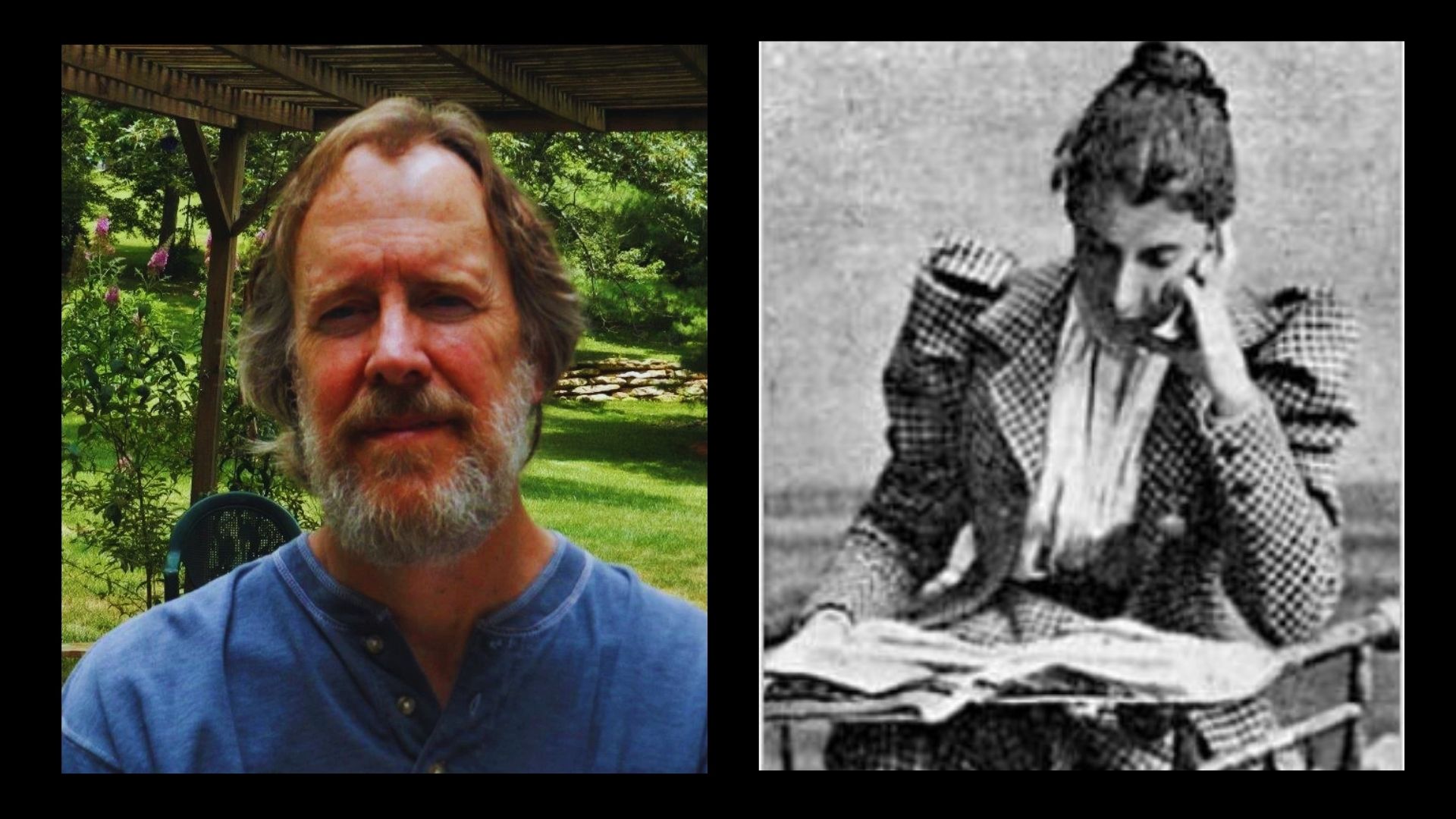
Learn about the real people behind God’s Garden Poem, from its original author to those who shaped its widely used versions.
Dorothy Frances Blomfield Gurney: Original Author
Dorothy Frances Blomfield Gurney (1858–1932) was an English poet known for her devotional writing.
She wrote the short, famous four-line verse that became the foundation of God’s Garden Poem. Gurney later became a Roman Catholic.
Her simple, heartfelt words about closeness to God in nature have been quoted around the world ever since she first wrote them.
Anonymous / Funeral Version Poets
The longer funeral version of God’s Garden Poem has no confirmed author. It is widely shared but rarely credited.
Over many decades, people added to and changed the original verse to suit memorial services. The anonymous nature of this version has not stopped it from spreading.
Its comfort speaks for itself, regardless of who first put the words together for grieving families.
Mark Walters: Devotional Variation
Mark Walters wrote a devotional version of God’s Garden Poem that has circulated in Christian communities. His variation focuses more on faith, personal reflection, and connection with God.
While less widely known than the original, Walters’ poem has found an audience among readers looking for something more personal and prayerful in tone, and it continues to be shared in devotional settings.
Conclusion
God’s Garden Poem has a way of finding you when you need it most.
I first read it at a graveside, and those words stayed with me for years. There is something about this poem that holds people gently, especially in hard moments.
I hope this blog gave you the full text, the context, and the meaning you were looking for. If you are reading it for the first time or coming back to it after a loss, these words carry something real.
Leave a comment below, share this post, or pass the poem along to someone who needs a little peace today.
Frequently Asked Questions
What is God’s Garden Poem about?
It is about finding closeness to God in nature. The funeral version uses the garden as a symbol for heaven, where God gently calls souls home.
Who wrote God’s Garden Poem?
Dorothy Frances Blomfield Gurney wrote the original short version. The longer funeral version has no confirmed author and is listed as anonymous.
Is God’s Garden Poem suitable for funerals?
Yes. The longer version is widely used at memorial services. It brings comfort by presenting death as a peaceful return to God’s loving care.
Are there different versions of God’s Garden Poem?
Yes. The original is four lines. The funeral version is longer. Other adaptations exist for church services, devotional use, and personal reflection.
What does the garden symbolize in God’s Garden Poem?
The garden stands for peace and closeness to God. In the funeral version, it also represents heaven, a place where God lovingly tends to those He has called home.