

Looking for the full text of “Recuerdo” by Edna St. Vincent Millay? You are in the right place.
I have studied this poem closely, and I know how hard it can be to find clear, reliable answers in one spot. This post covers the full poem text, its meaning, themes, a line by line breakdown, and key literary devices.
Everything you need is right here.
By the end, you will know exactly what the poem says and why it still connects with readers today.
Recuerdo Poem Meaning

This section breaks down the deeper meaning behind the poem’s words and moments.
“Recuerdo” is a Spanish word that means “memory” or “I remember.” The speaker is looking back at something precious. That adds a nostalgic weight before you even read the first line.
The poem says joy does not need to come from big events. It can live in a ferry ride, a shared pear, and a kind act toward a stranger.
The best moments in life are often small. Generosity makes them even richer.
Recuerdo Poem Full Text by Edna St. Vincent Millay
“Recuerdo” was published in 1920 and is in the public domain. Here is the full original poem:
Recuerdo by Edna St. Vincent Millay
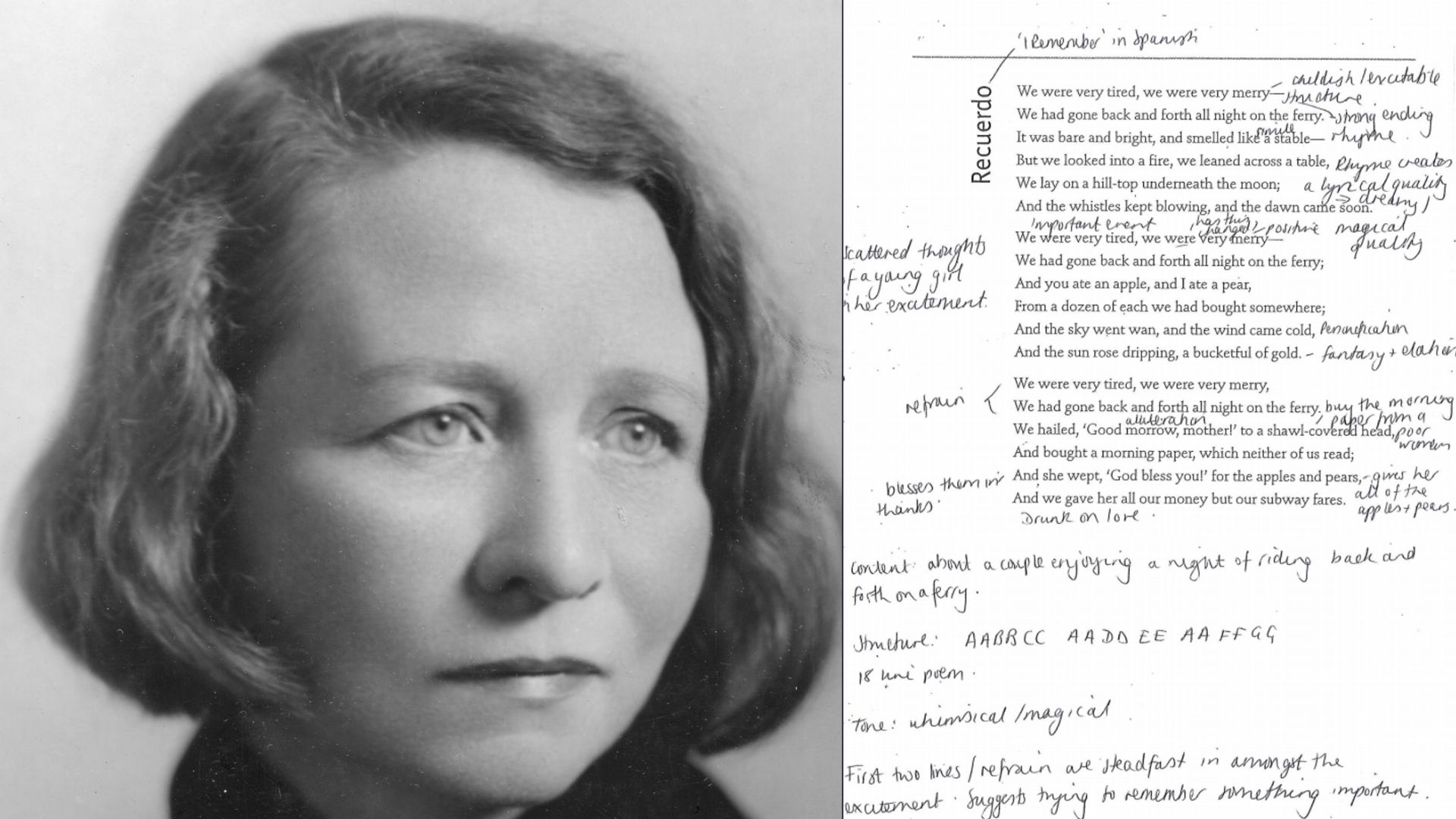
We were very tired, we were very merry, We had gone back and forth all night on the ferry. It was bare and bright, and smelled like a stable, But we looked into a fire, we leaned across a table, We lay on a hill-top underneath the moon; And the whistles kept blowing, and the dawn came soon.
We were very tired, we were very merry, We had gone back and forth all night on the ferry. And you ate an apple, and I ate a pear, From a dozen of each we had bought somewhere; And the sky went wan, and the wind came cold, And the sun rose dripping, a bucketful of gold.
We were very tired, we were very merry, We had gone back and forth all night on the ferry.
We hailed, “Good morrow, mother!” to a shawl-covered head, And bought a morning paper, which neither of us read; And she wept, “God bless you!” for the apples and the pears, And we gave her all our money but our subway fares.
Recuerdo Poem Summary
A short look at what this poem is saying, told simply and clearly.
“Recuerdo” follows two people who spend an entire night riding a ferry back and forth. They are tired but happy.
As morning comes, they share fruit, watch the sunrise, and give almost all their money to an old woman they meet.
It is a simple poem about one night full of joy and kindness.
Themes in Recuerdo Poem
The poem holds several themes that run quietly through its three stanzas.
Companionship and Shared Moments
The poem is built entirely around “we.” Everything happens together. The bond between the two people is the heart of the poem.
Shared experience creates memories that last.
Joy in Simple Experiences
There are no grand gestures here. Just a ferry, some fruit, and a sunrise. Millay finds richness in the everyday.
Joy shows up right in the middle of exhaustion.
Memory and Nostalgia
The speaker is not just living the night. They are already remembering it.
Good moments become memories the instant they pass. The repeated refrain adds to that feeling of something recalled from a distance.
Generosity and Kindness
The two people give all their money to an older woman and keep just enough for the subway home.
The kindness is spontaneous. That makes it feel more genuine. Giving, Millay suggests, is a natural extension of joy.
Recuerdo Poem Line by Line Explanation
Here is a closer look at each stanza and what the lines actually mean.
Stanza 1 Analysis
“We were very tired, we were very merry” opens like a chorus. The tiredness and happiness together show a night that has gone on too long.
The ferry is described as bare, bright, and smelling like a stable. Yet the two people are fully alive in it. The stanza ends with whistles blowing and dawn arriving.
Stanza 2 Analysis
“And you ate an apple, and I ate a pear” is one of the most personal lines in the poem. It grounds everything in a real moment.
Then comes the most famous line: “The sun rose dripping, a bucketful of gold.” It captures how morning can feel overwhelming after a sleepless night.
Stanza 3 Analysis
The two people greet a woman in a shawl and buy a newspaper they never read. That small detail says a lot. They are too wrapped up in each other to care about the outside world.
They give her all their money except subway fare. She weeps and blesses them. Joy shared outward becomes something even greater.
Literary Devices in Recuerdo Poem
Millay uses a clear set of poetic tools to make this poem work.
Repetition and Refrain
The opening two lines repeat in every stanza. This refrain works like a song chorus and brings the reader back to the core truth of the night.
It also mimics the back and forth motion of the ferry itself.
Imagery and Metaphor
The ferry “smelled like a stable.” The sky “went wan.” The sun rose “dripping, a bucketful of gold.”
The bucketful of gold metaphor is the most striking. It makes the sunrise feel heavy and overflowing, demanding to be noticed.
Rhyme Scheme and Structure
The poem has three six line stanzas following an AABBCC rhyme scheme.
The tight rhyme scheme gives the poem a light, playful feeling. It makes a tired night sound like a song.
Tone and Mood of Recuerdo Poem
The feeling of this poem shifts slightly as it moves from start to finish.
The tone is warm and joyful throughout. There is no drama or conflict. Even exhausted, the two speakers stay light and fully present.
Underneath that joy sits a reflective mood. The speaker is looking back. The small details, the fruit, the shawl covered woman, the unread newspaper, are the kinds of things you only remember because they were real.
The mood is nostalgic without being sad.
About Edna St. Vincent Millay
A quick look at the poet behind this beloved poem.
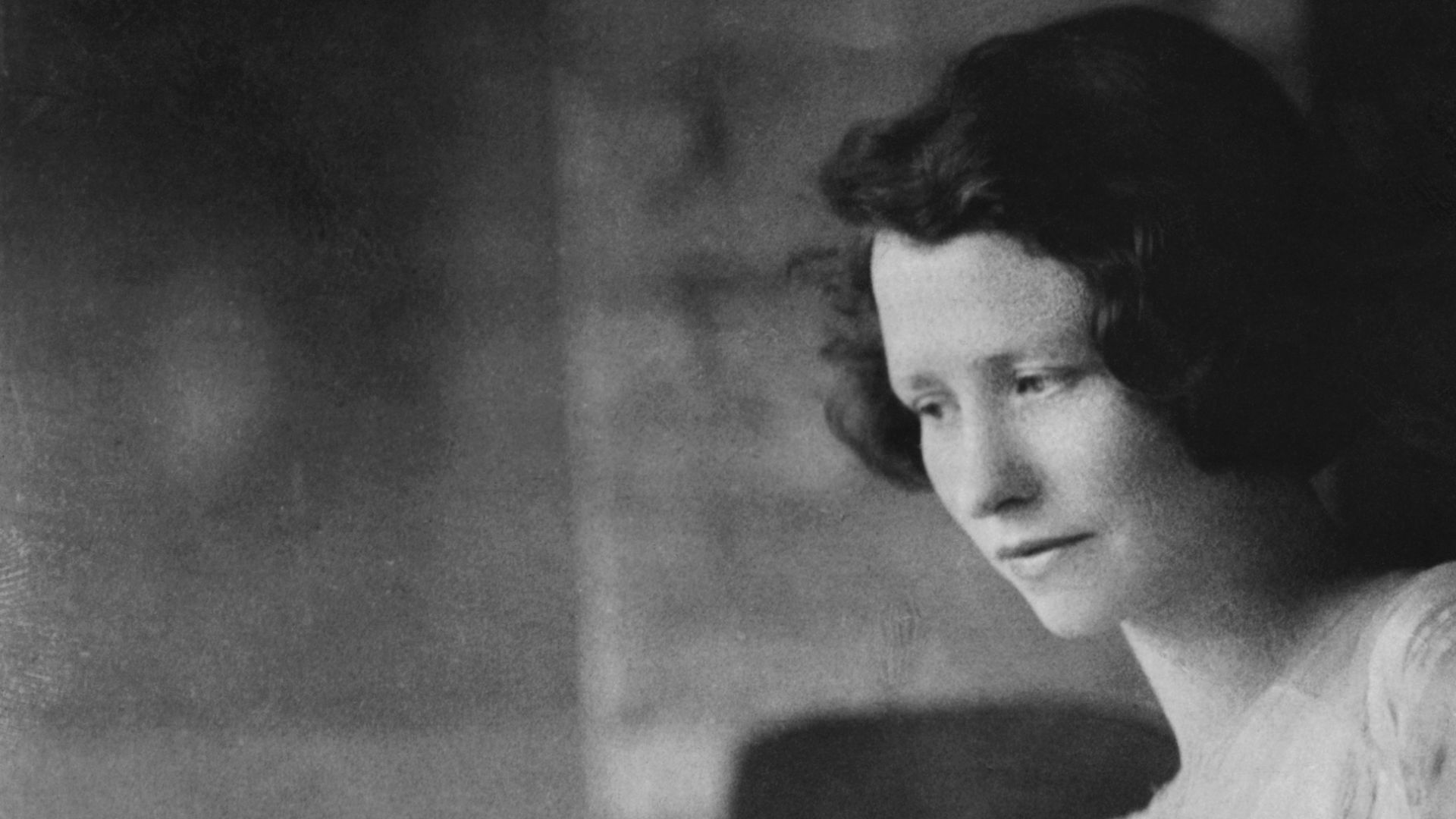
Edna St. Vincent Millay was born on February 22, 1892, in Rockland, Maine. She graduated from Vassar College in 1917 and moved to Greenwich Village in New York City. In 1923, she became the first woman to win the Pulitzer Prize for Poetry.
She wrote in traditional poetic forms at a time when most poets were moving away from them. Her work is known for its honest, personal voice on themes like love, freedom, and time.
“Recuerdo” was published in 1920 in her collection “A Few Figs from Thistles” and remains one of her most loved works.
Conclusion
“Recuerdo” is a poem that stays with you. It is not complicated, but it is full of feeling.
I read it years ago and still think about that line, the sun rising like a bucketful of gold. There is something in this poem that reminds me to pay attention to the small, good moments in life.
If this post helped you understand the poem better, drop a comment below.
Share it with a friend who loves poetry. And check out our other literary breakdowns for more reads like this one.
Frequently asked questions
What is the Recuerdo poem about?
“Recuerdo” is about two people who spend an entire night riding a ferry. They share fruit, watch the sunrise, and give their money to a stranger. It is a poem about joy found in a single shared night.
What does the title Recuerdo mean?
“Recuerdo” is a Spanish word that means “memory” or “I remember.” It signals that the poem is a personal recollection of a meaningful night.
What is the main theme of Recuerdo poem?
The main theme is joy found in simple, shared experiences. The poem also touches on nostalgia, companionship, and generosity.
Why is Recuerdo poem important?
It shows that great poetry does not need dramatic subject matter. Millay turns a simple ferry ride into something deeply human and lasting.
Who wrote the Recuerdo poem and when was it published?
Edna St. Vincent Millay wrote “Recuerdo.” It was published in 1920 in her collection “A Few Figs from Thistles.”