


Folks read “Who Burns for the Perfection of Paper” and see a poem about a difficult job.
That’s the surface. Beneath it, Martín Espada is making a precise legal argument in lyric form about who builds the instruments of power and who those instruments ignore.
This piece walks through the full poem, the imagery that does the argumentative work, and what the two stanzas together actually claim.
The poem is shorter than you expect. The argument is sharper than most readings give it credit for.
What Is “Who Burns for the Perfection of Paper” About?
It is a short lyric by Martín Espada that uses his own experience working in a legal-pad factory to argue that the people who produce the instruments of law are rendered invisible by the system those instruments serve.
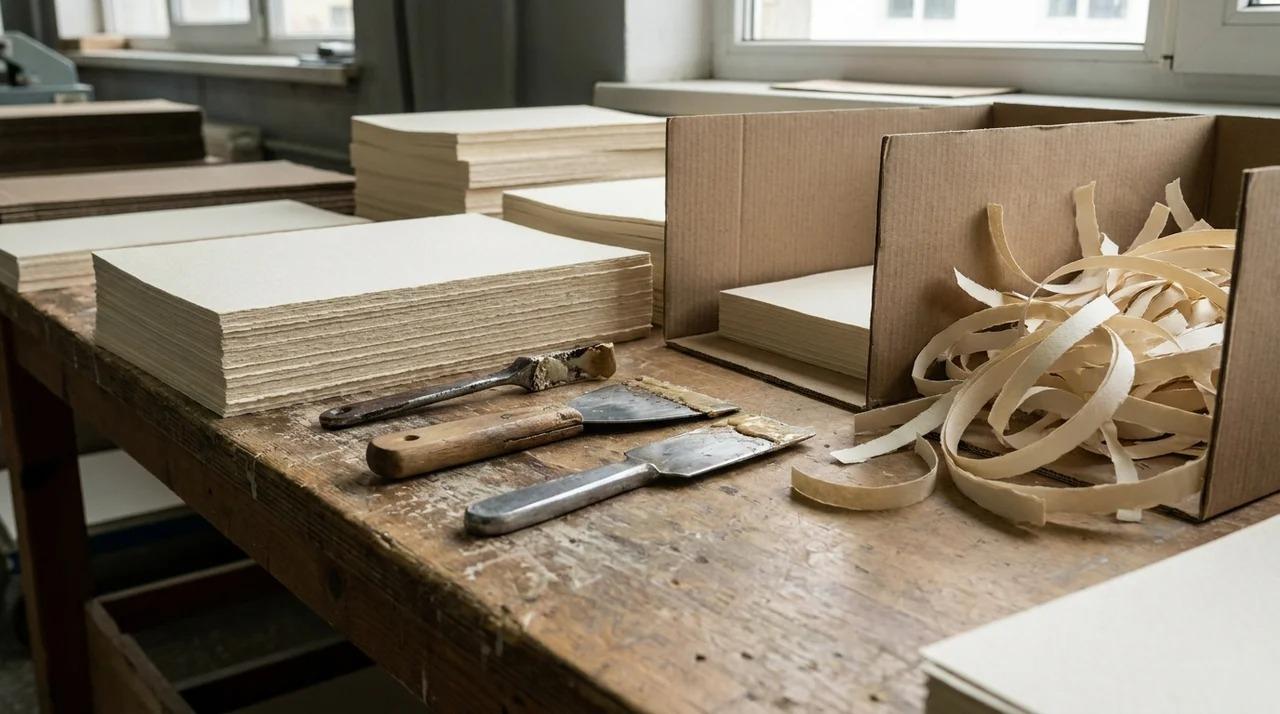
Espada wrote the poem from memory. As a teenager, he worked after school at a printing plant making legal pads, the kind of unglamorous, unacknowledged labour that poems like those winter sundays poem also know something about.
No gloves, bare hands in glue, paper cuts stinging by the end of every shift. That’s the first stanza.
The second stanza jumps ten years forward. Espada is in law school now, opening the same lawbooks those legal pads were made for.
That gap is the poem’s argument.
It’s not a poem about a hard job. It’s a poem about what it means to build the tools of a system that was never built for you. The factory work isn’t backstory. It’s the evidence. The law school moment isn’t resolution. It’s the indictment.
Readers who skim the first stanza as scene-setting miss the whole thing. The physical detail isn’t the atmosphere. It’s the case Espada is making, and the second stanza is the verdict.
“Who Burns for the Perfection of Paper” Full Poem Text
“Who Burns for the Perfection of Paper” was written by Martín Espada and published in his 1993 collection City of Coughing and Dead Radiators. Here is the poem in full.
At sixteen, I worked after high school hours
at a printing plantt
hat manufactured legal pads:
Yellow paper
stacked seven feet highand leaning
as I slipped cardboard
between the pages,
then brushed red glueup and down the stack.
No gloves: fingertips required
for the perfection of paper,
smoothing the exact rectangle.
Sluggish by 9 PM, the hands
would slide along suddenly sharp paper,
and gather slits thinner than the crevices
of the skin, hidden.Then the glue would sting,
hands oozingtill both palms burnedat the punchclock.
Ten years later, in law school,
I knew that every legal pad
was glued with the sting of hidden cuts,
that every open lawbook
was a pair of hands
upturned and burning.
Read on for a full breakdown of what the poem means and how it works.
How Does Espada Build the Argument Through Imagery?
Espada builds his argument not through statements but through a sequence of physical images. Each one establishes working conditions while simultaneously indicating the legal system that benefits from them.
He never tells you what to think. He shows you what the body absorbed, and lets the argument land on its own.
“No Gloves” The Opening Detail
Three words in, Espada tells you everything about the power dynamic in that factory.
No gloves means fingertips on paper. It means the worker’s skin is the instrument of quality control. The product has to be perfect. The worker’s hands do not.
That’s not incidental detail. That’s the poem’s central paradox stated in the opening line. Perfection in the legal pad is extracted directly from the body of the person making it. The cost of the product’s precision is paid in cuts and burns.
The Punchclock and What It Does
The punchclock image is the most compressed moment in the poem, and the most overlooked.
By the time the worker’s palms are burning at the punchclock, two things are happening at once. The body is showing the damage from hours of unprotected work. And the employer is marking the end of the worker’s paid time.
Both happen at the same location, at the same moment. The punchclock records labor. The burned hands are the evidence of what that labor actually cost.
Most readings treat this as a dramatic closing image for the first stanza. It’s more than that. It’s Espada showing that the worker’s body and the employer’s clock operate on the same person simultaneously. The time belongs to the employer. The damage belongs to the worker.
The Lawbook as Final Image
The second stanza’s closing image only works because of everything the first stanza built.
Every open lawbook was a pair of hands upturned and burning. That line asks the reader to see a legal text and a damaged body as the same object. It’s a collapse of distance between the person who made the pad and the person who uses it in law school.
If you read the first stanza as atmosphere, this line reads as metaphor. If you read the first stanza as an argument, this line reads as evidence. That’s the difference the poem is counting on.
What Does the Poem Say About Labor, Law, and Social Mobility?
It makes a precise argument: the people who produce the physical tools of legal authority are, by design, invisible to the system those tools serve.
That’s not a call for sympathy. It’s an exposure of how the system is structured and Ozymandias does something similar, dismantling the myth of power through what the monument fails to preserve.
The factory worker doesn’t appear in any lawbook. There’s no legal category for the teenager whose hands built the pad that a law student writes on. The labor happened. The product exists. The worker is nowhere in the record.
That’s the condition Espada is naming. Not unfairness in a general sense. A specific, structural absence.
Most readings describe this as a poem about class struggle or working-class hardship. That framing is too broad. The poem is more precisely about legibility about who the legal system can see and who it cannot.
The factory worker isn’t simply poor. They are unreadable to the institution whose instruments they manufacture. Espada doesn’t just cross class lines by going to law school. He crossed into a system that had no language for what he was ten years earlier.
That’s why the law school moment doesn’t feel like triumph. It feels like exposure.
And Espada makes this argument without anger. The poem’s tone stays observational throughout. He reports what happened to the hands. He states what he knew in law school. He doesn’t editorialize.
That restraint is deliberate. An angry poem asks you to feel outrage. This poem asks you to sit with the gap and feel it yourself. That’s a harder thing to do, and a more lasting one.
What Is the Tone of “Who Burns for the Perfection of Paper”?
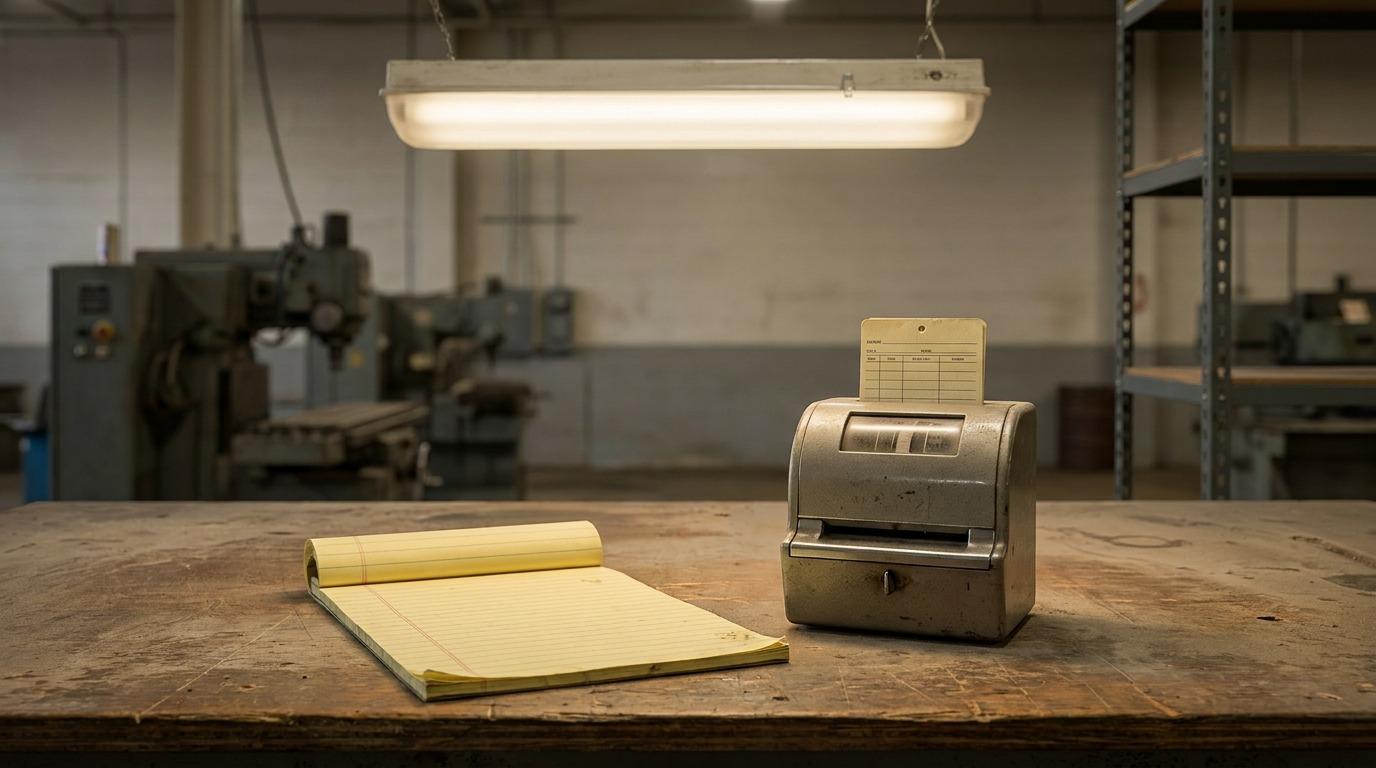
The tone of the poem is controlled and observational. Espada deliberately withholds emotional commentary and lets the physical details carry an argument the reader must complete.
He doesn’t tell you the situation is unjust. He describes hands oozing glue at a punch clock and leaves you to name it.
That restraint is the tone. It’s not detachment. It’s precision. Espada knows that a reader who arrives at outrage on their own will hold it longer than one who was told to feel it.
The first stanza stays in documentary mode throughout. What happened, when, how the body responded. No judgment attached.
The second stanza shifts. “I knew” signals a change from report to reflection. The final image, a pair of hands upturned and burning, is where the emotional weight releases. It’s still not angry. It’s clear. And clarity, in a poem about invisible damage, hits harder than anger would.
Final Verdict
“Who Burns for the Perfection of Paper” is a short poem. But short doesn’t mean simple.
Espada took a teenage memory and turned it into an argument that holds up in a law school classroom. The factory worker and the law student are the same person and that’s exactly the point. The system never accounted for that.
Next time you pick up a legal pad, you might think about that.
If this breakdown helped, share it with someone who’s reading the poem for class. They’ll get more out of it than a summary ever gave you.
Frequently Asked Questions
Who wrote “Who Burns for the Perfection of Paper”?
Martín Espada, a Puerto Rican-American poet and former lawyer. The poem draws on his real experience working in a legal-pad factory as a teenager and was published in his 1993 collection City of Coughing and Dead Radiators.
What type of poem is “Who Burns for the Perfection of Paper”?
It’s a short lyric written in free verse with no rhyme scheme, no fixed meter, two stanzas. Espada lets the weight of the argument carry the poem rather than any formal poetic device.
Who is the speaker in “Who Burns for the Perfection of Paper”?
The speaker is Espada himself. He recalls two real moments: his teenage factory job and his time in law school ten years later. It reads as testimony, not fiction.
Where was “Who Burns for the Perfection of Paper” published?
In Espada’s 1993 collection City of Coughing and Dead Radiators (W.W. Norton). It has since been anthologized widely and featured in the Library of Congress’s Poetry 180 project.