


I have sat in front of a blank page more times than I can count, pen in hand, with absolutely nothing coming out.
The problem is never a lack of talent. It is always a lack of direction. Every poem starts with one memory, one image, or one feeling you have been carrying without knowing what to do with it.
The moment you find that entry point, the blank page stops being a wall.
These starting points have helped real writers produce their most honest work. Browse slowly. When something stirs something in you, start there.
119 Ideas for What to Write Your Poem About
Stuck on what should I write my poem about? This list covers everything from raw emotion to pure imagination.
There is something here for every kind of writer, whether you are brand new to poetry or looking to break out of a creative rut.
Browse through the categories below. When something catches your attention or stirs something in you, that is your starting point.
1. Your Happiest Childhood Memory
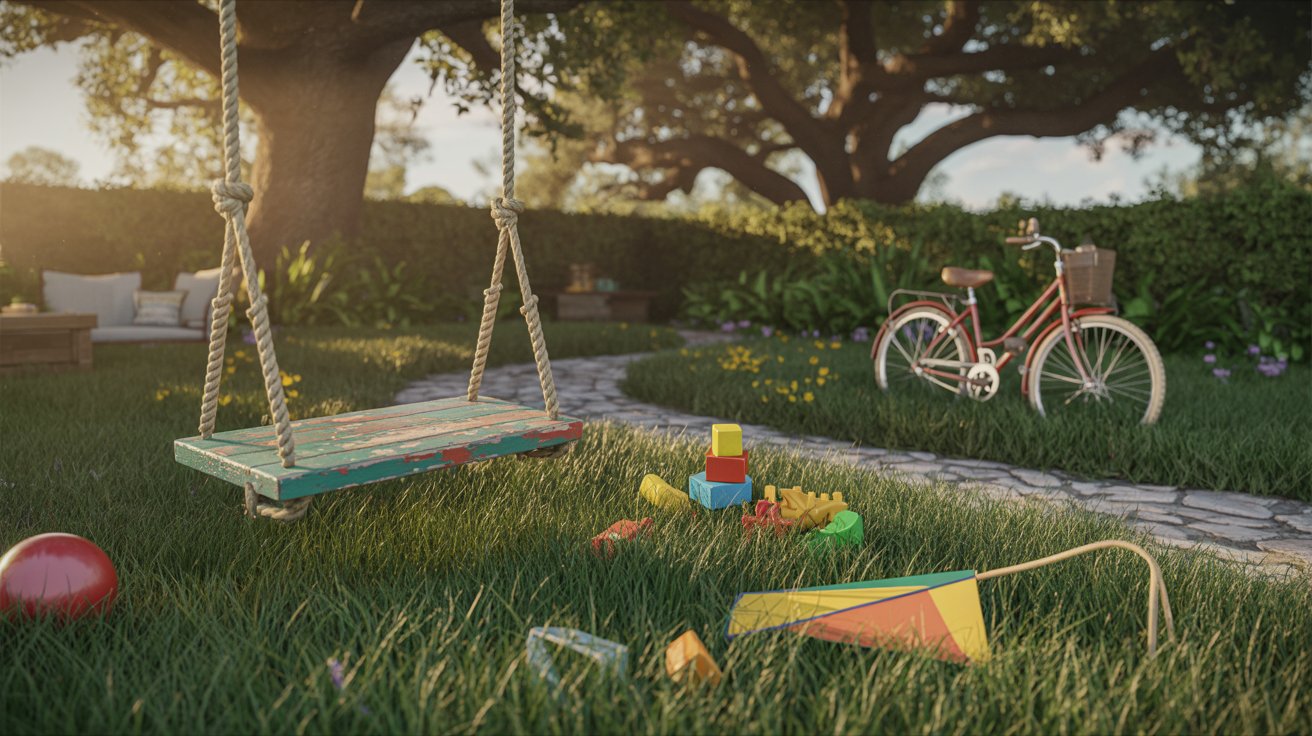
Think back to a moment that still makes you smile without trying. It could be a summer afternoon, a game you played, or a person who made everything feel safe.
That specific memory already holds more poetry than you realise.
2. The Feeling of Heartbreak
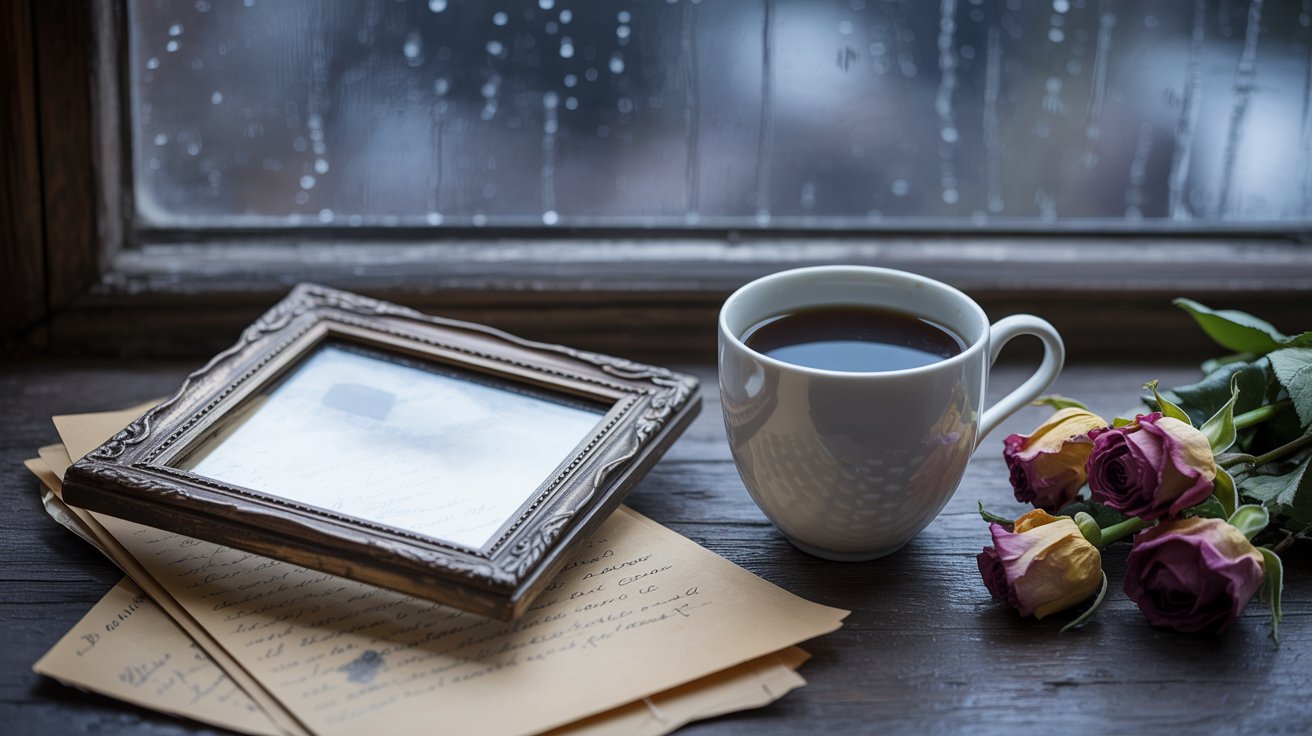
Heartbreak is one of the most written-about experiences in poetry for good reason. It is universal, raw, and full of sharp imagery. Write the moment it hit you, not just the feeling in general.
3. Falling in Love for the First Time
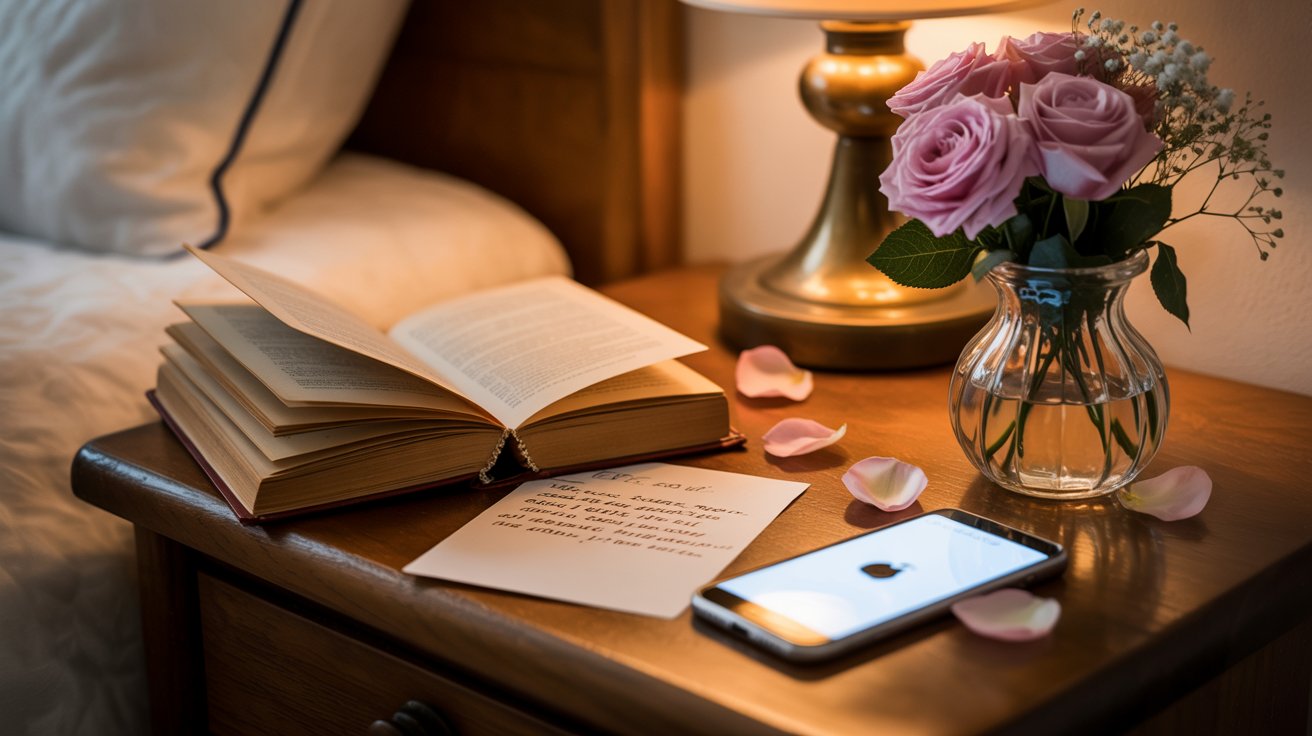
First love carries a kind of nervousness that never comes back quite the same way.
Write about the small details: the way someone laughed, a text you reread ten times, the exact moment you knew. Those specifics are what make this topic sing.
4. Anxiety Before a Big Moment
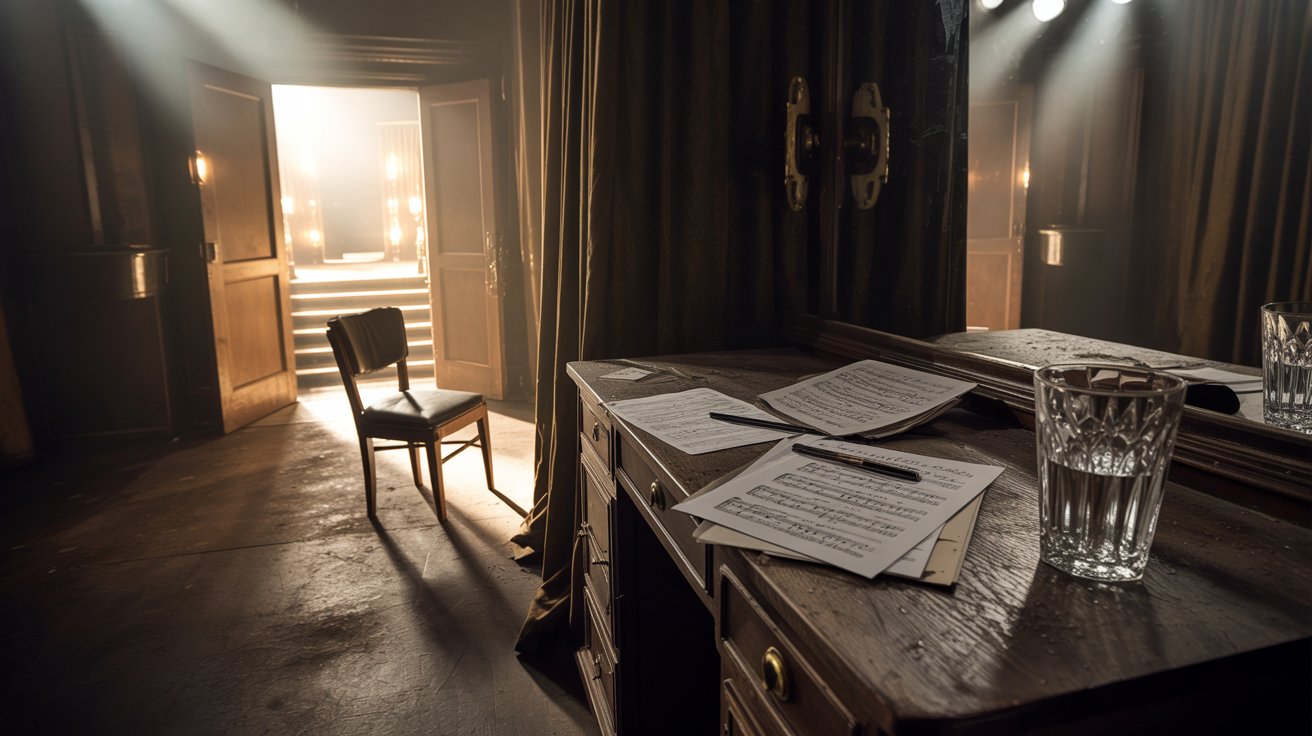
That tight chest, dry mouth, racing mind feeling before something important is deeply relatable. A poem about anxiety does not need to be dramatic. Sometimes the quiet dread before a moment is more powerful than the moment itself.
5. Missing Someone Deeply

Missing someone is not just sadness. It is reaching for your phone to call them, or smelling something that brings them back for a second. Write about those small, specific moments of missing rather than the loss in general.
6. Feeling Invisible in a Crowd
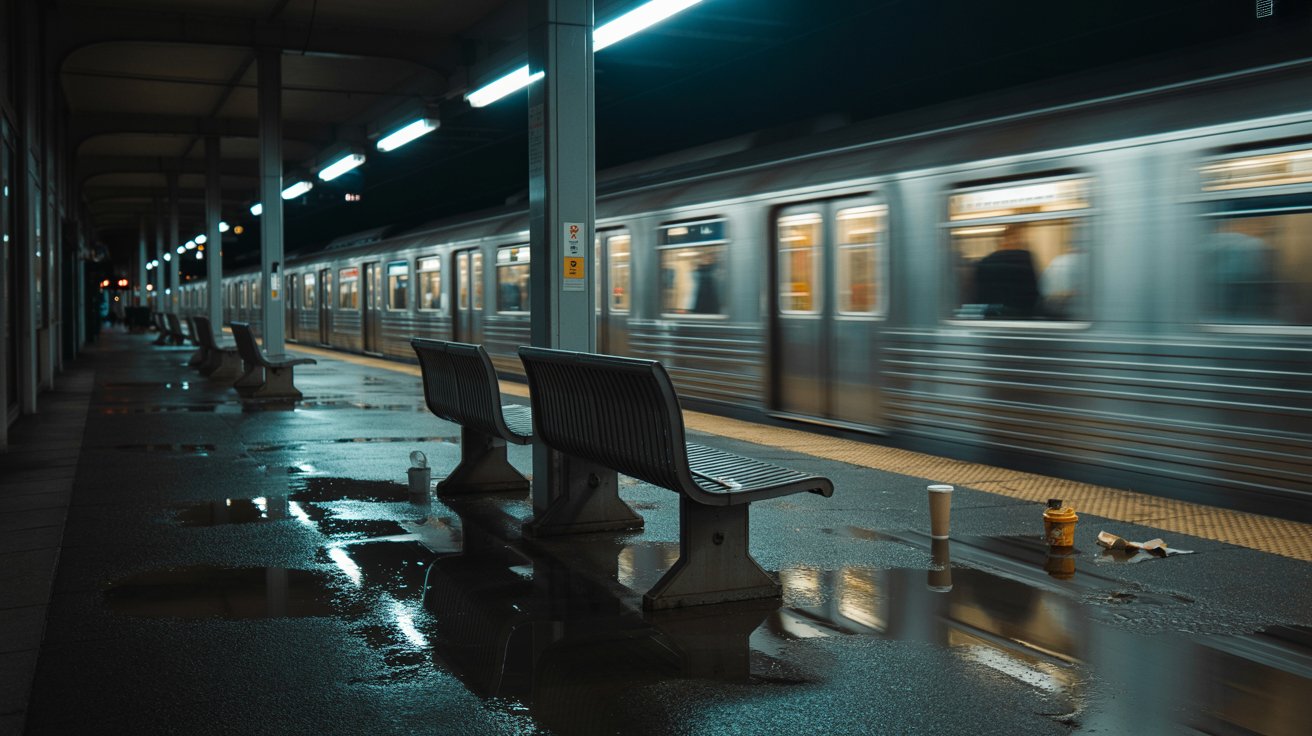
Being surrounded by people but feeling completely alone is an experience many people know but few talk about openly. A poem about this touches something real in a lot of readers. Use the contrast between noise and inner silence to make it land.
7. The Excitement of a New Beginning

New beginnings carry both hope and fear at the same time. A new job, a new city, a fresh chapter. Write about that specific mix of feelings because it is more interesting than pure optimism.
8. Fear of Growing Older

Getting older can feel like watching something slip away before you have finished with it. Write about a birthday, a grey hair, or a photo that reminded you of how much time has passed. Keep it honest, not dramatic.
9. Jealousy Between Friends

Jealousy in friendships is something most people feel but rarely admit. It is a quiet, uncomfortable emotion that makes for surprisingly powerful poetry. Writing it out honestly can also help you process it.
10. A Moment That Changed Your Confidence

Think of a time when something someone said or did shifted how you saw yourself. It could be a compliment that stuck, a failure that taught you something, or a challenge you did not expect to survive. That turning point is worth writing about.
11. A Thunderstorm at Midnight
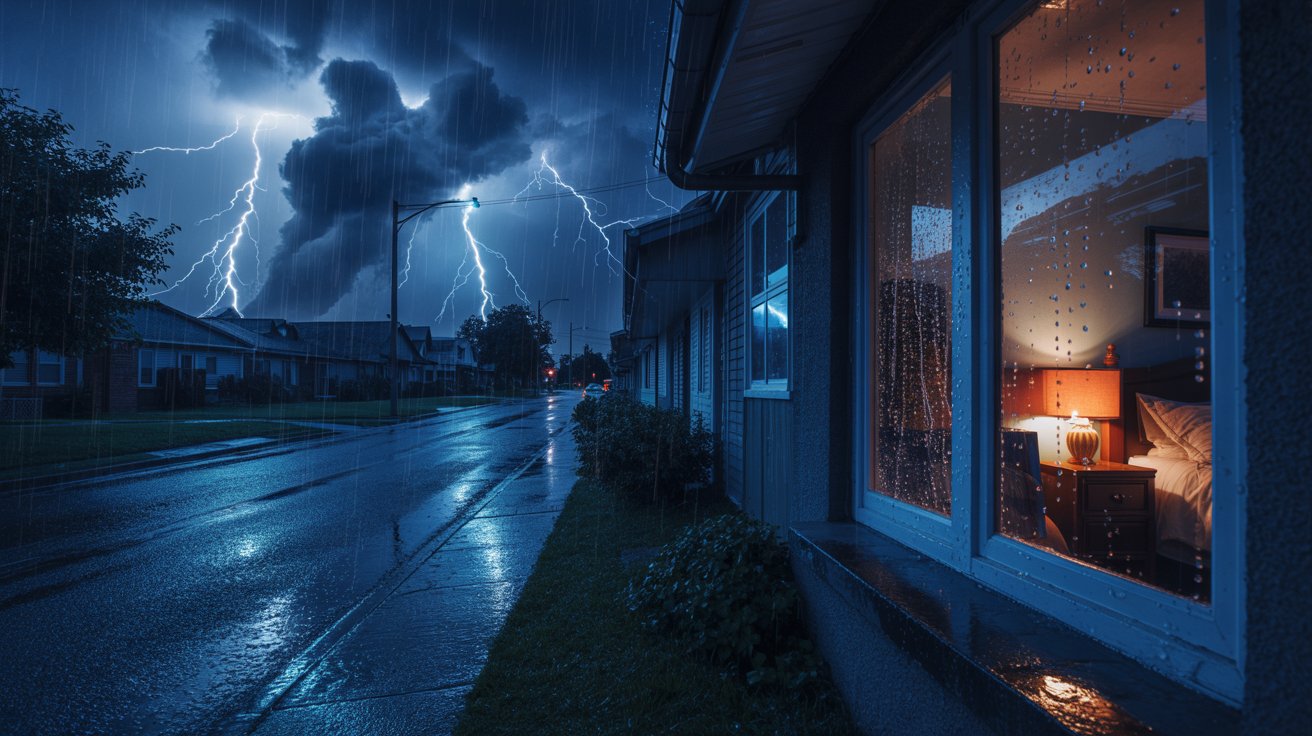
There is something both frightening and thrilling about a storm in the middle of the night. Write about the sound, the flashes, the way the whole world feels paused. Let the storm mirror whatever you are feeling inside.
12. The Sound of Rain on Windows

Rain is one of those sounds that immediately changes your mood and pulls you inward. Write about what it makes you think of, who it reminds you of, or simply how it feels to sit still and listen to it fall.
13. Watching Leaves Fall in Autumn
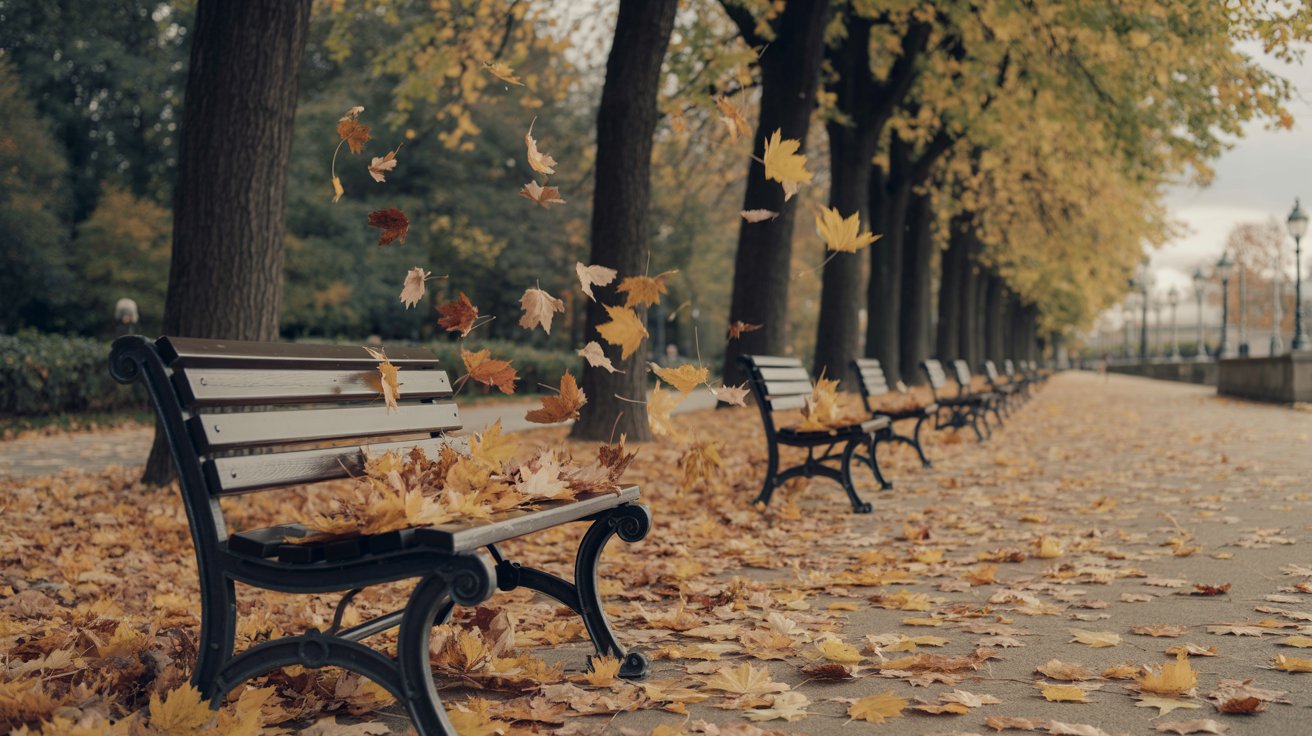
Autumn carries a particular kind of beauty that feels slightly sad at the same time. Watching leaves fall is a small, quiet moment but it carries big feelings about change, letting go, and time moving forward.
14. A Sunflower Field in Summer
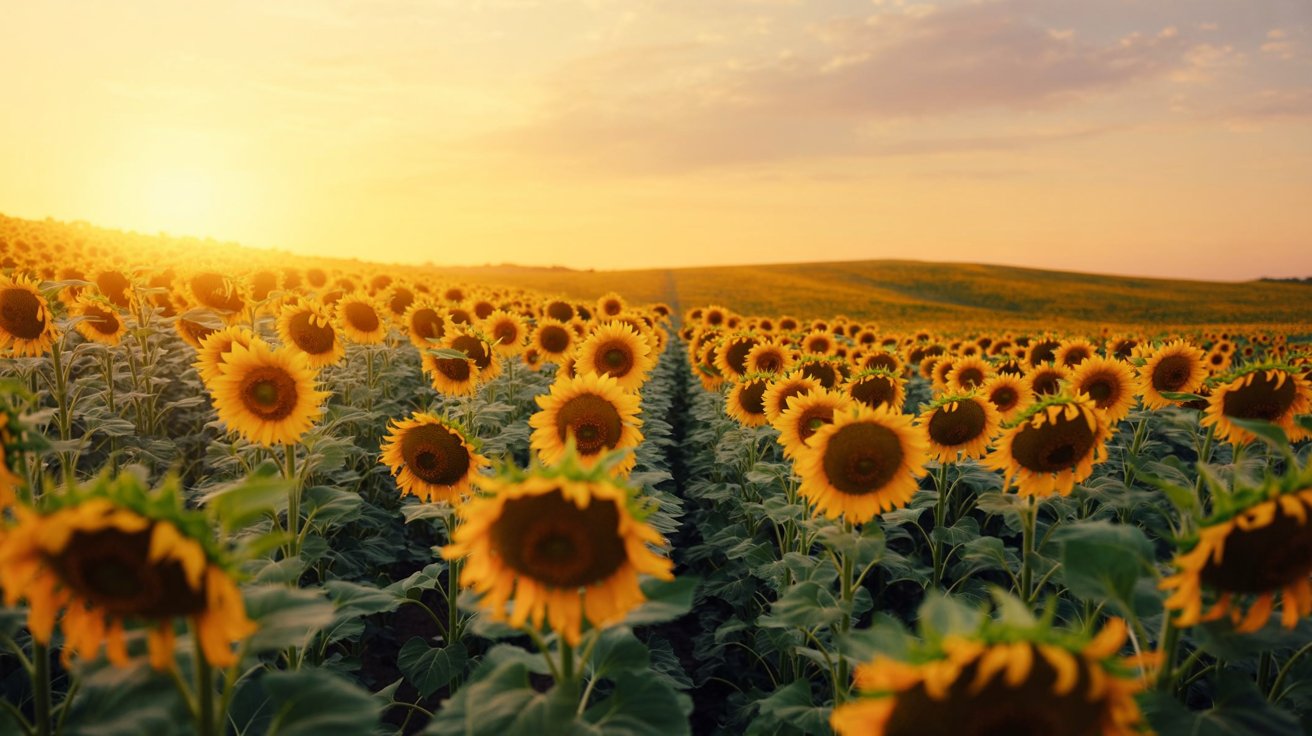
Sunflowers are bold, warm, and impossible to ignore. Use them as a symbol of something you love, something you are working toward, or simply write about the physical experience of standing in a field full of them.
15. Ocean Waves During Sunrise
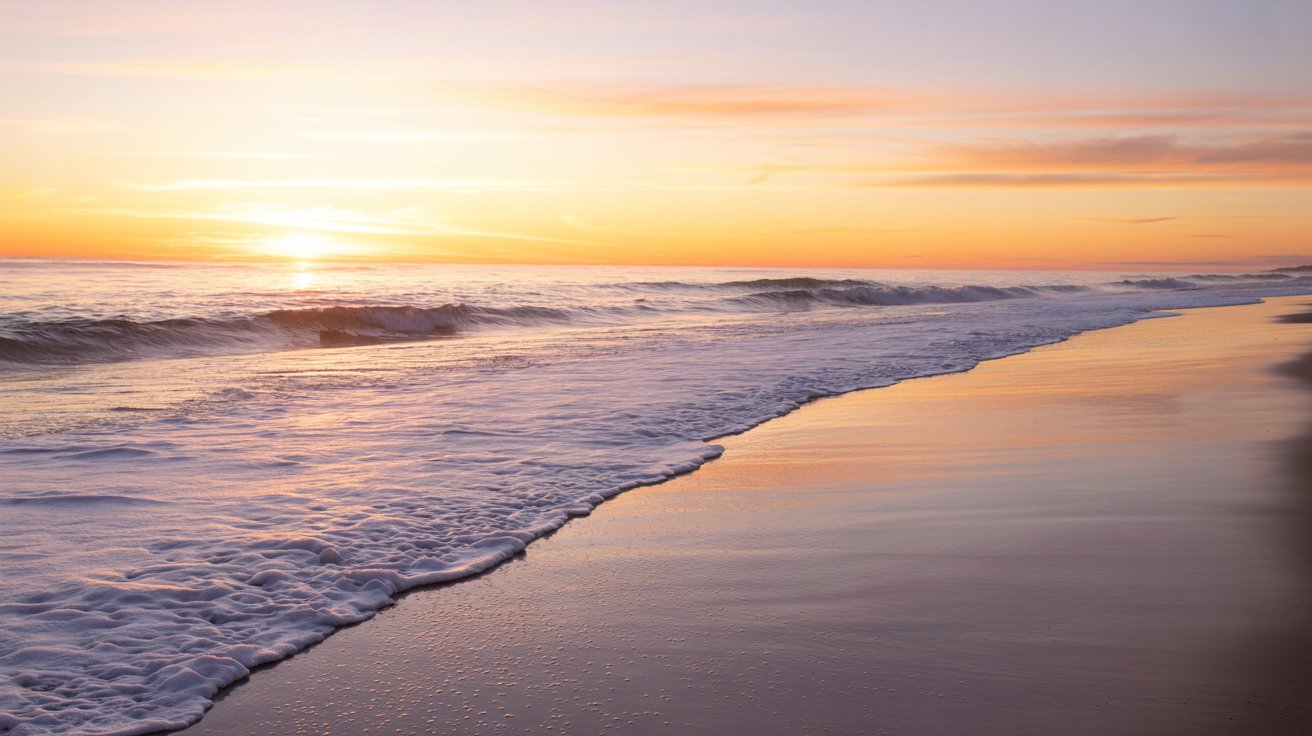
The ocean at sunrise is one of the most emotionally layered scenes you can write about. The combination of light, sound, and movement makes it rich with imagery. Write about what it feels like to stand there and watch the world start again.
16. A Lonely Mountain Peak

A mountain standing alone above everything else is a powerful image for isolation, strength, or perspective. Write from the mountain’s point of view or write about what it feels like to look up at something so still and unmovable.
17. The Moon on a Silent Night
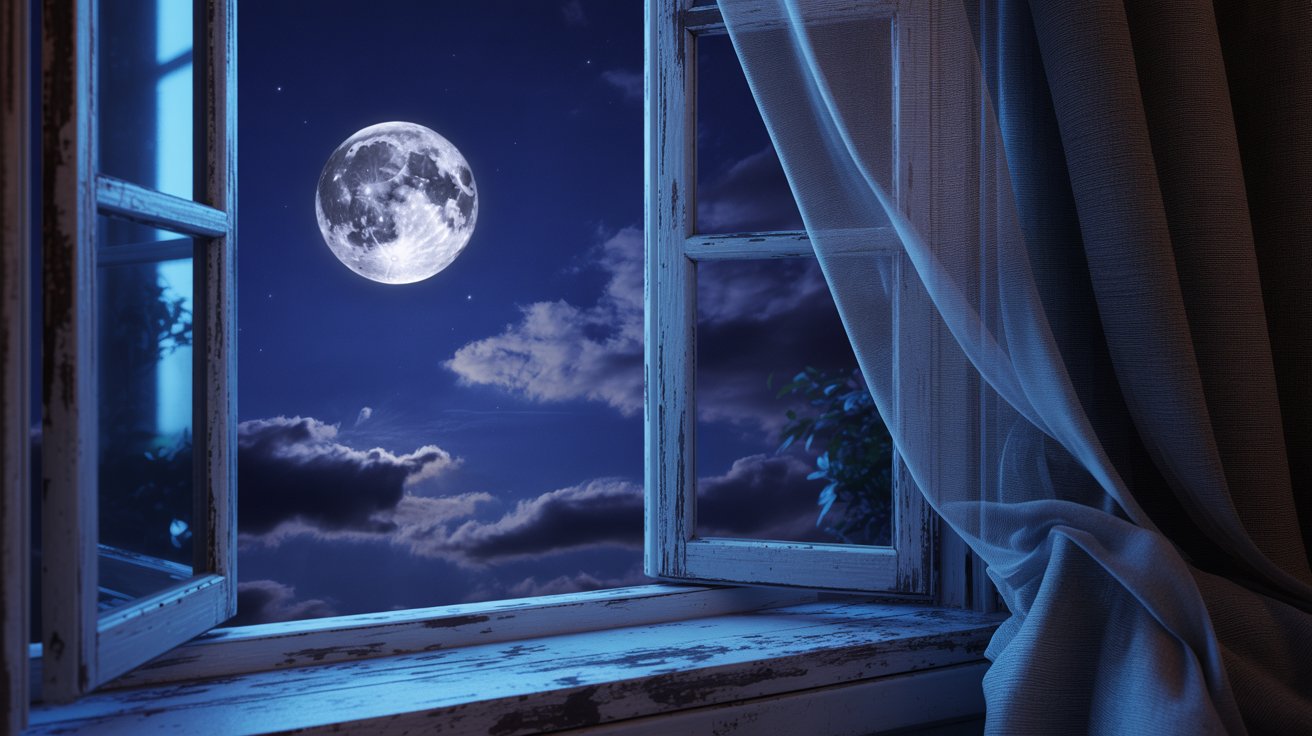
The moon shows up in poetry across centuries and cultures because it never loses its power. Write about what the moon means to you specifically. Not what it symbolises in general, but what it looks like from your window on a quiet night.
18. A Forest Hiding Secrets
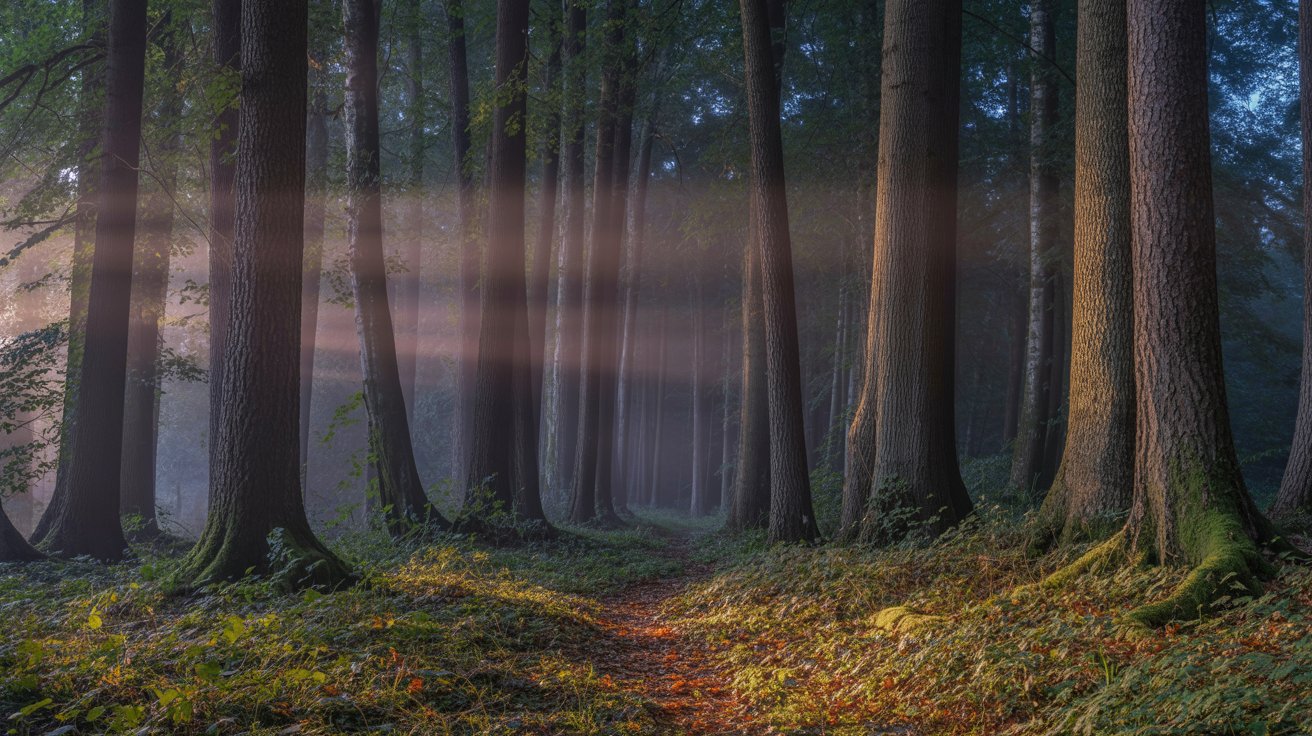
Forests carry a natural sense of mystery. The way light filters through trees, the sounds you cannot quite identify, the feeling that something old is watching. Use that atmosphere to build a poem full of mood and texture.
19. Flowers Blooming After Winter
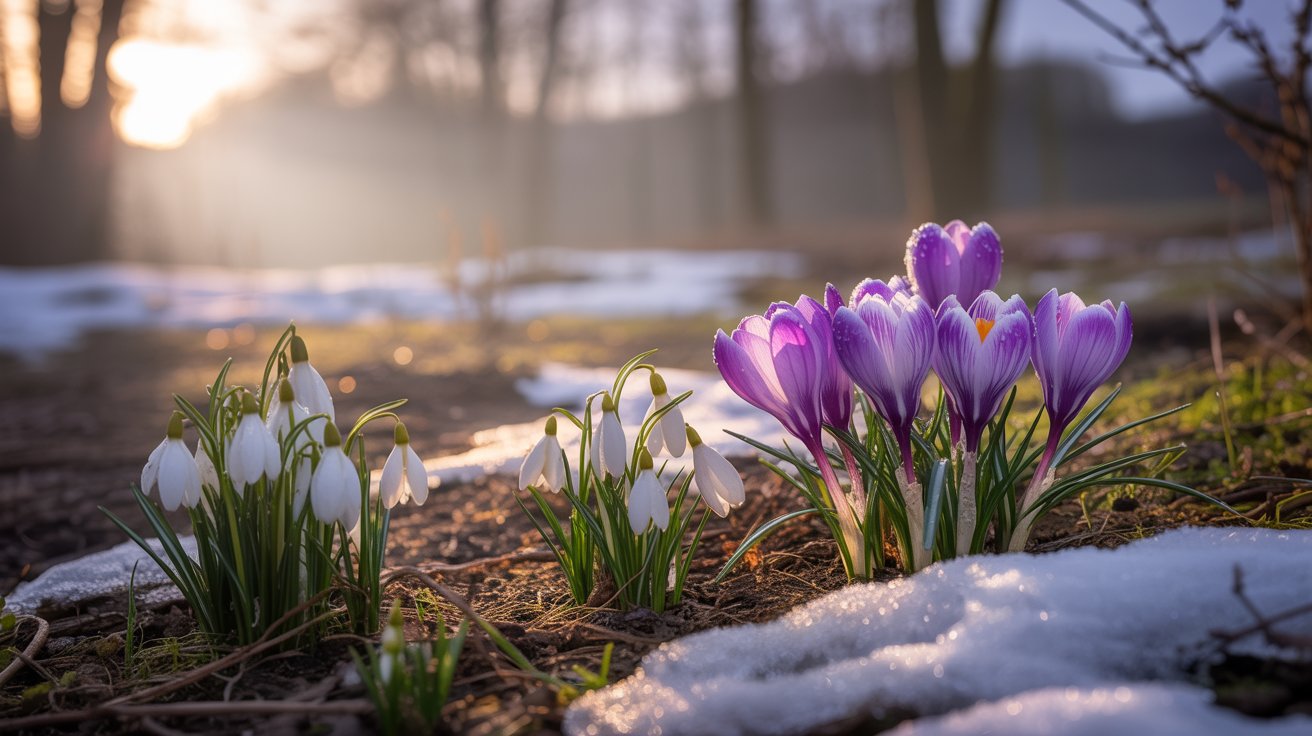
There is something quietly triumphant about flowers pushing through cold ground to reach light. This is a strong image for recovery, hope, or survival. Write about the specific flower, the specific moment, and what it means to you.
20. The Beauty of Snowfall
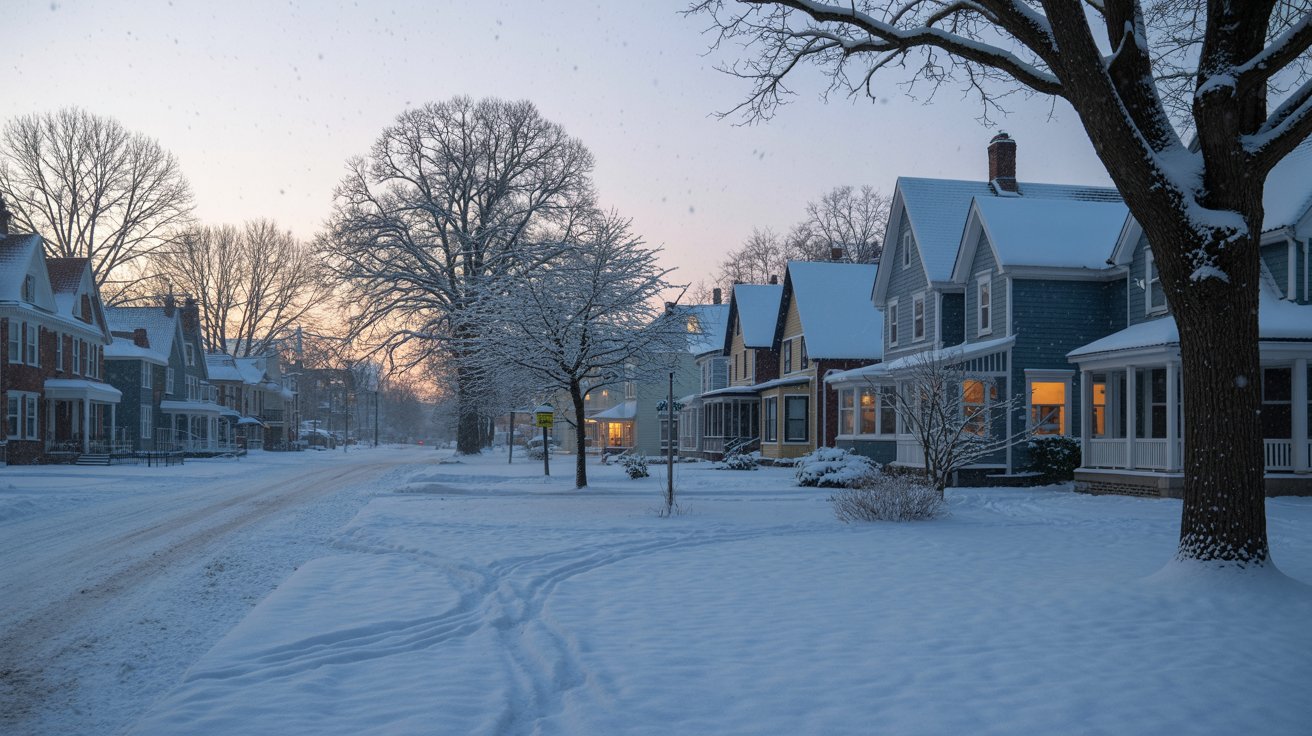
Snow changes everything it touches and does it silently. Write about the hush that falls over a neighbourhood when it snows, or a childhood memory of waking up to a white world outside. Keep the imagery sharp and specific.
21. A Long-Distance Relationship
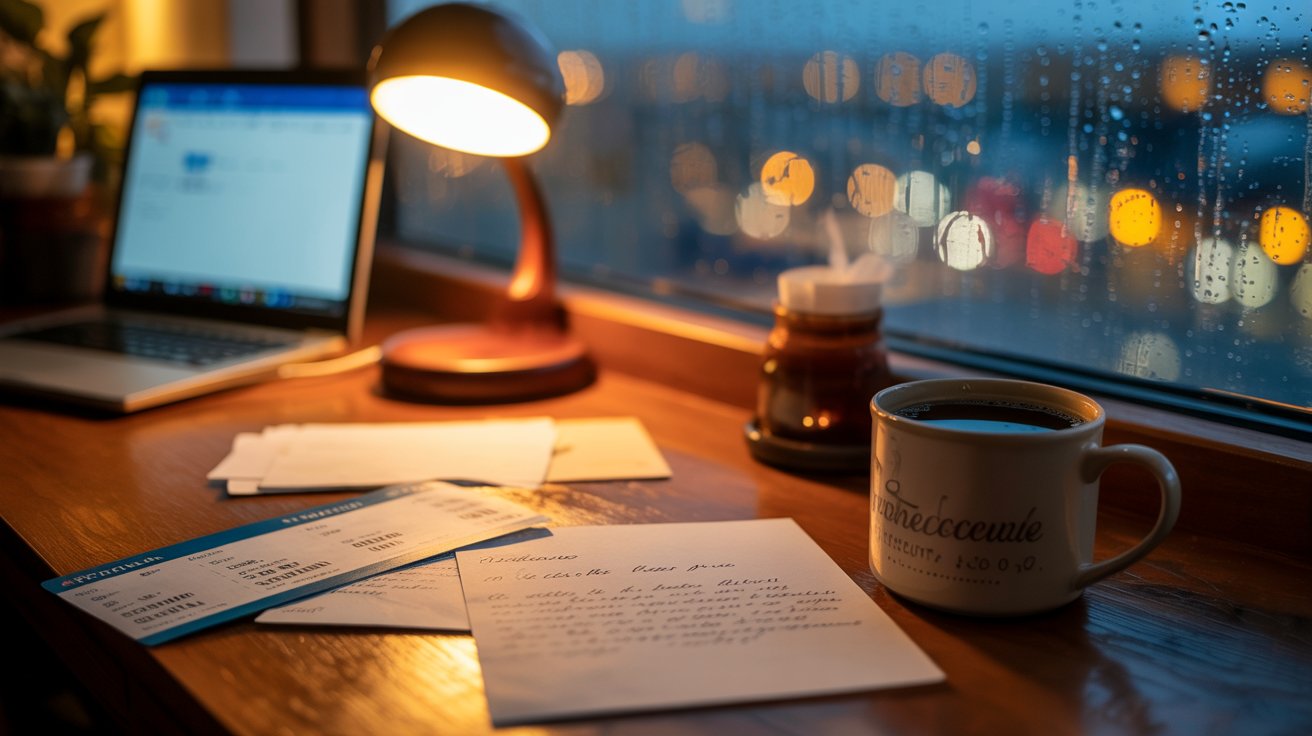
The geography between two people who care about each other creates a very specific kind of longing. Write about time zones, late-night calls, airport goodbyes, and the strange intimacy of loving someone you cannot reach out and touch.
22. Unspoken Feelings for Someone

Things left unsaid often carry more weight than things spoken aloud. Write about the moment you almost said something and did not. What did you hold back, and why? That silence is full of poetry.
23. A Friendship That Faded Away

Some friendships do not end with a fight. They just quietly drift until one day you realise you have not spoken in months. That slow disappearance is a specific kind of grief that deserves its own poem.
24. Your Soulmate in Another Lifetime
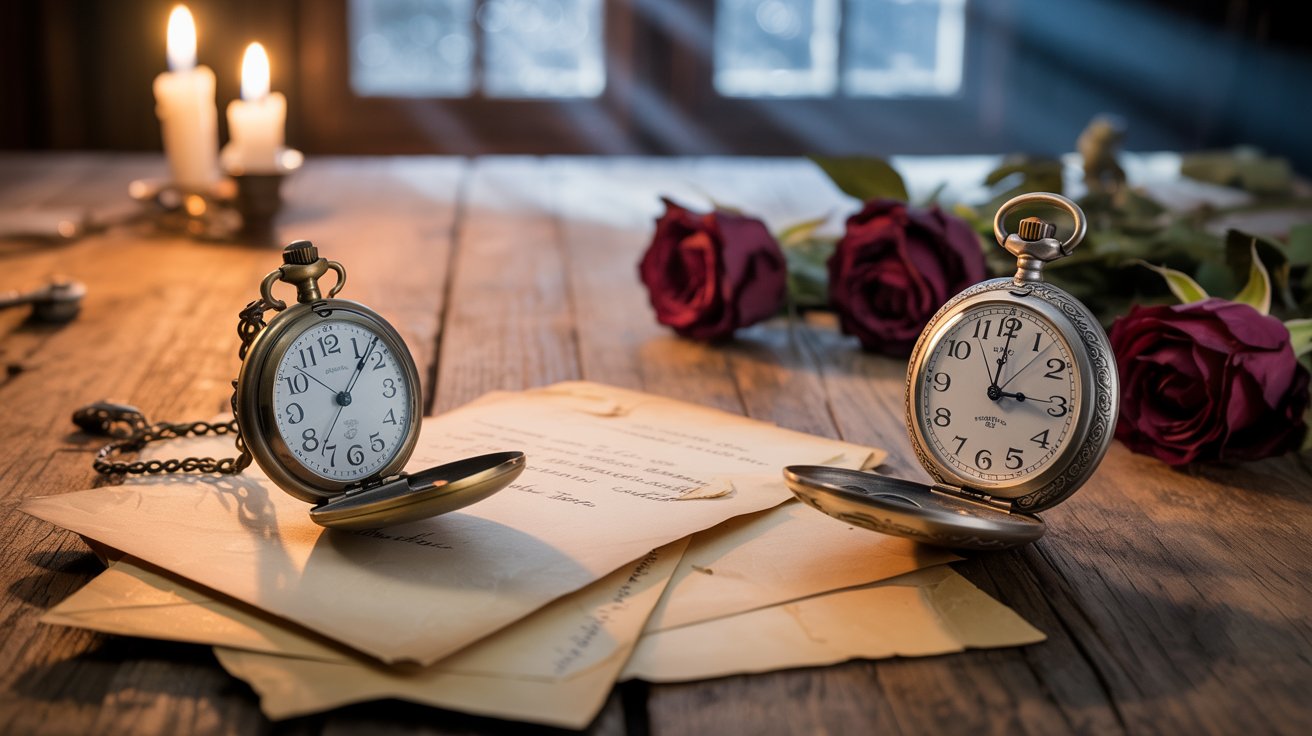
The idea of meeting the right person at the wrong time, or in another life entirely, carries a romantic sadness that resonates widely. Write about recognition, timing, and the feeling that some connections go beyond logic.
25. First Love Memories
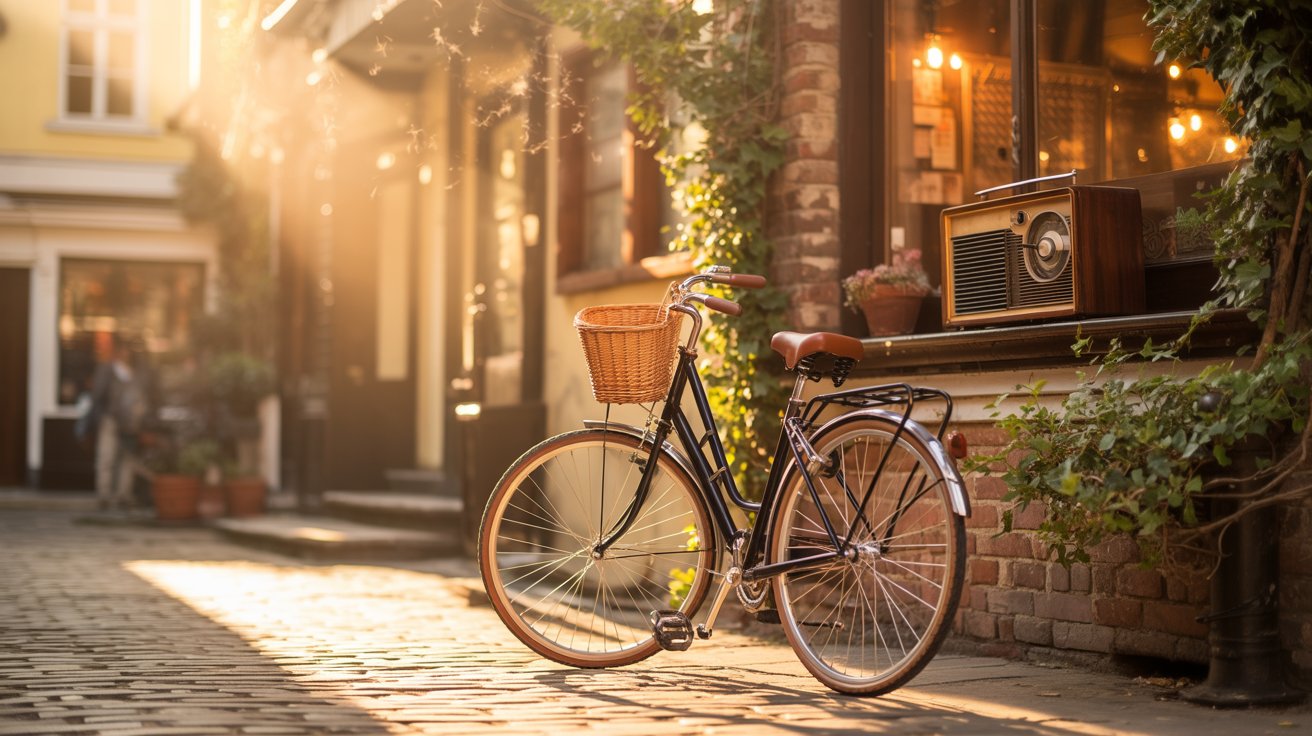
First love lives in very specific details: the street corner, the song that was playing, the exact shade of light. Write those details down before they fade any further. That specificity is what separates a good love poem from a forgettable one.
26. A Toxic Relationship

Toxic love is complicated because it rarely feels entirely bad from the inside. Write honestly about the pull of something you knew was not good for you. That honesty makes for poetry that people recognise immediately.
27. Love After Heartbreak

Loving someone again after being hurt takes a kind of quiet courage. Write about what it feels like to let someone in when part of you is still guarded. That tension is emotionally rich material.
28. A Goodbye You Never Expected
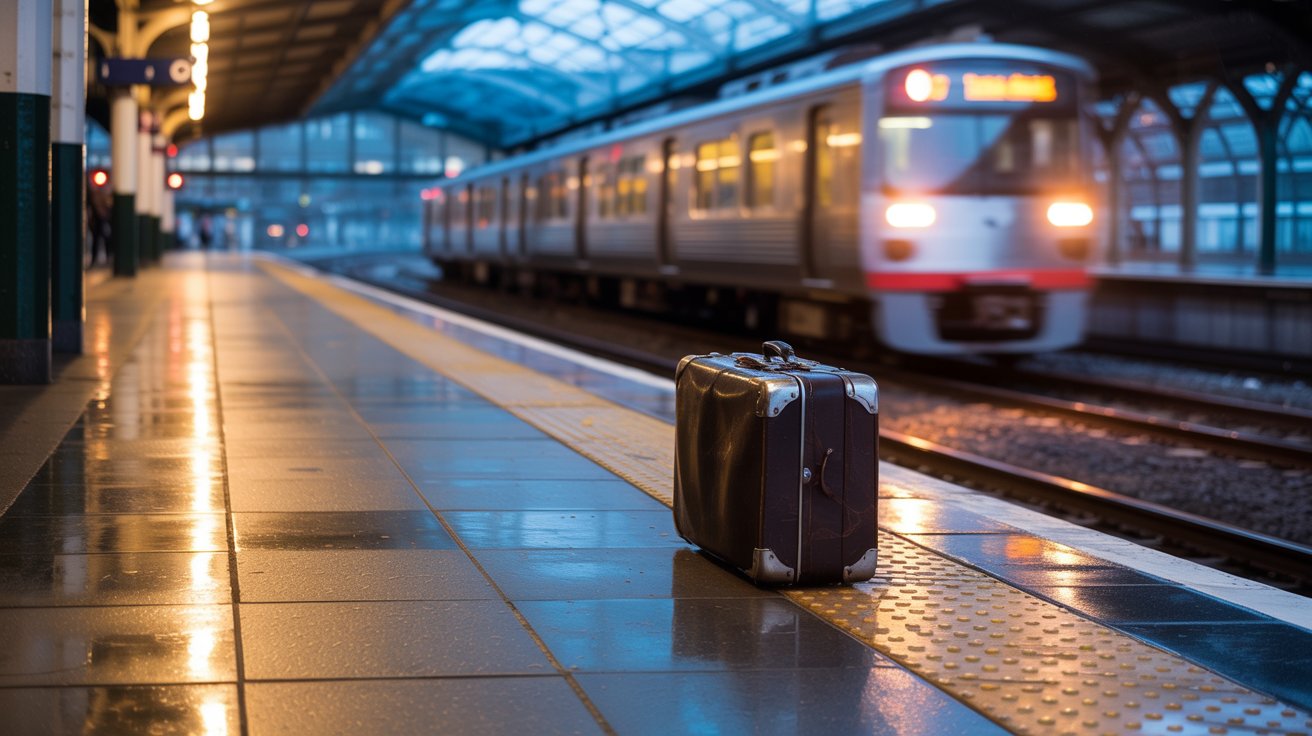
Some goodbyes come without warning and they stay with you for years. Write about the last conversation you had with someone before everything changed. You do not need to explain the whole story. Just the moment is enough.
29. A Love Letter Turned Into Poetry

Take a real feeling you have for someone and write it the way you would in a letter, then shape it into a poem. The directness of a letter gives poetry an immediacy that can be hard to create from scratch.
30. Meeting Someone at the Wrong Time
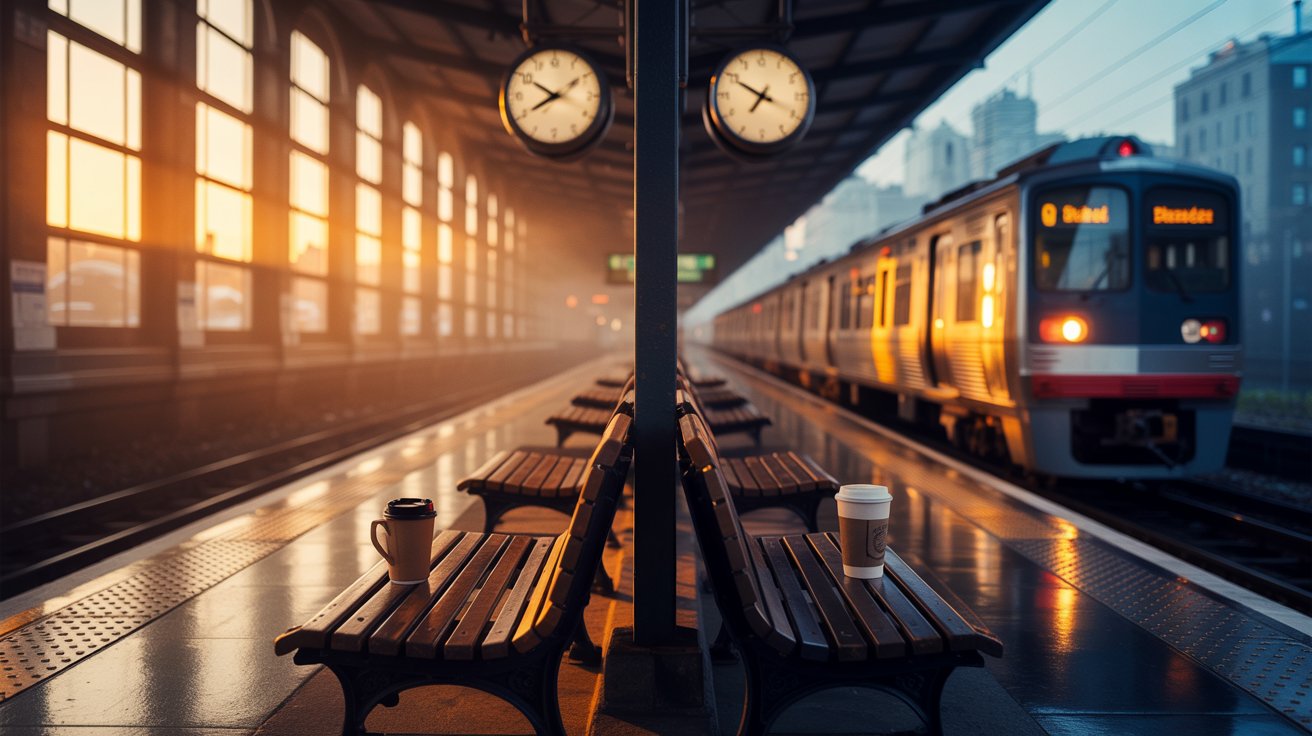
Right person, wrong moment. It is one of the most bittersweet experiences in life and one of the most relatable poem topics you can choose. Write about what you felt, what could have been, and what you had to let go of.
31. What Happiness Truly Means

Happiness looks different for everyone, and that gap between what we are told it should look like and what it actually feels like is worth exploring in a poem. Write your own honest definition using specific images rather than abstract statements.
32. The Meaning of Time

Time is something everyone experiences but nobody fully understands. Write about how it speeds up as you get older, how it crawls when you are waiting, or how a single moment can feel longer than a whole year.
33. Fear of Failure

The fear of failing often stops people before they even try. Write about that paralysis, about the gap between wanting something and being too afraid to reach for it. This topic speaks to almost every reader on some level.
34. Social Media and Loneliness

Being constantly connected but still feeling alone is one of the defining experiences of modern life. Write about the performance of happiness online versus the reality behind the screen. This contrast makes for powerful, relevant poetry.
35. The Pressure to Be Perfect

Perfectionism is exhausting, and most people carrying it feel like they are the only ones who do. Write about the weight of always trying to measure up. That honesty gives readers permission to exhale.
36. What It Means to Be Human

This is a big topic, so the key is to make it specific. Do not write about humanity in general. Write about one small, very human moment that captures something true about what it feels like to be alive right now.
37. Dreams Versus Reality

The space between what you imagined your life would look like and what it actually is can be painful, funny, or both. Write about a specific dream you held and what happened to it. Keep it honest.
38. Life After Death
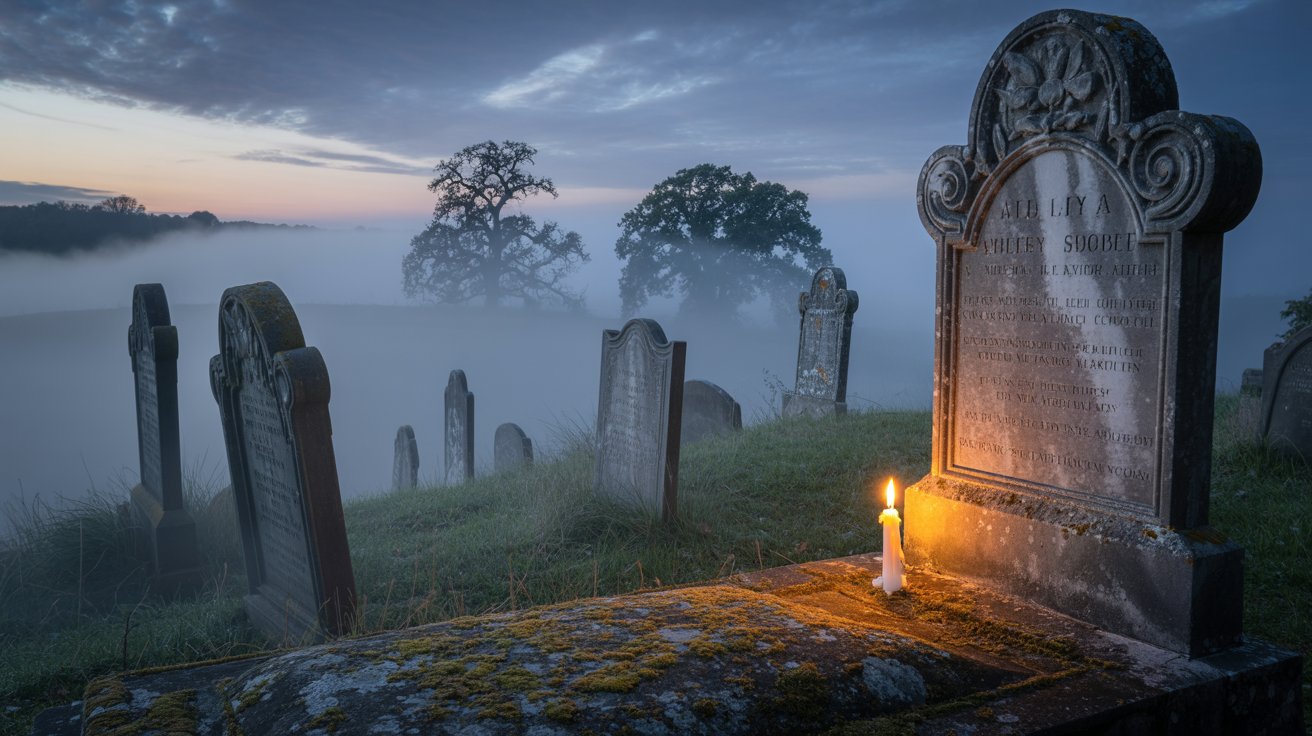
Nobody knows what comes after, and that uncertainty is one of the oldest sources of poetry in human history. Write about what you believe, what you fear, or what you hope. Your personal take is what makes this topic fresh.
39. Identity and Self-Discovery

Who are you when nobody is watching? Write about the version of yourself that exists before you perform for anyone else. Identity poems work best when they are specific and a little uncomfortable to write.
40. The Idea of Freedom

Freedom means very different things depending on where you are in life. Write about what it means to you right now. Is it something you have, something you are chasing, or something you are still figuring out how to define?
41. A City Floating in the Sky
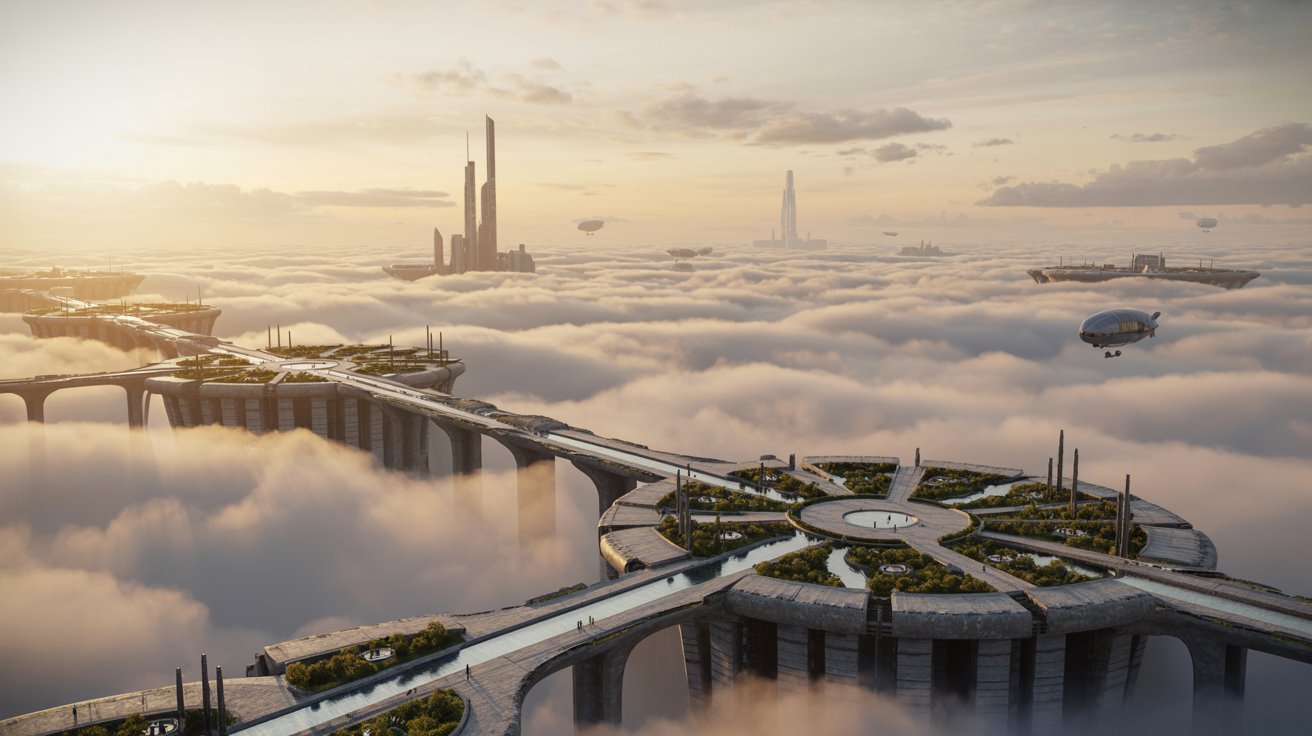
Imagine a whole city suspended above the clouds. What does it smell like? Who lives there? What do they look forward to and what do they fear? Build it from scratch and let the details make it feel real.
42. A Dragon Protecting Ancient Secrets
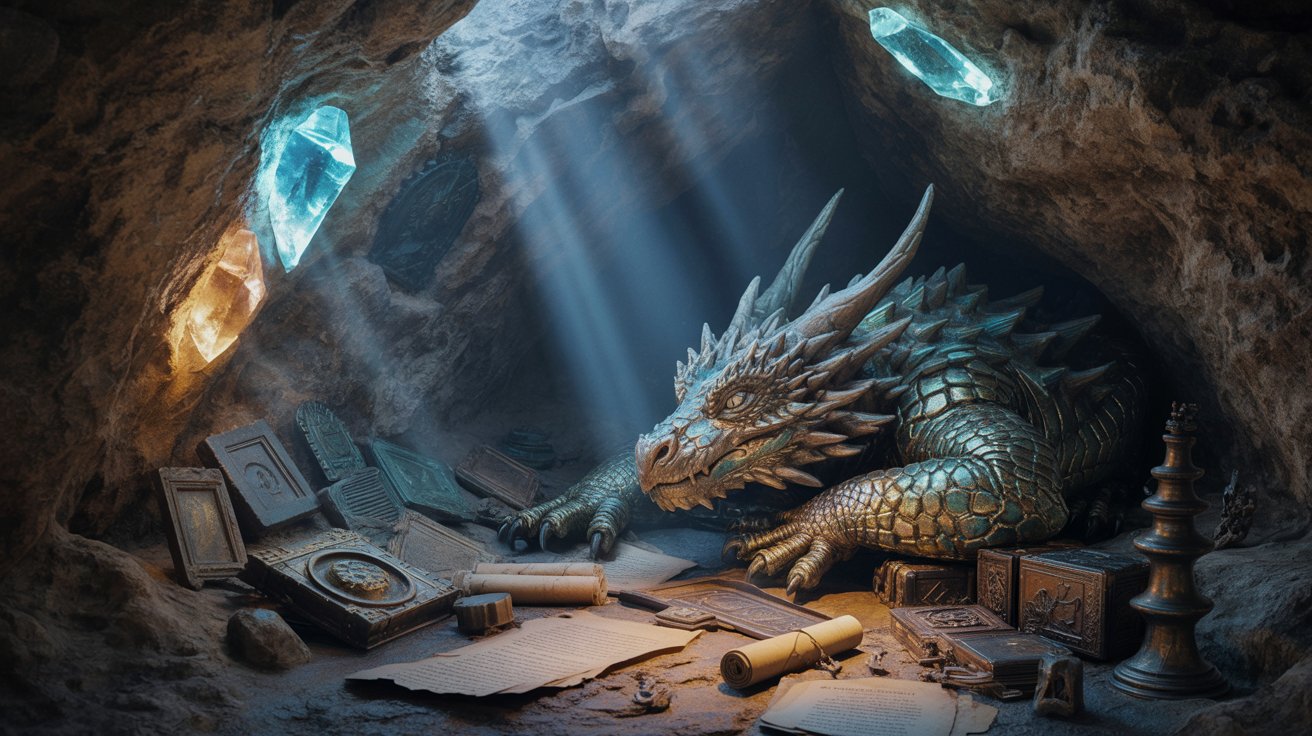
A dragon does not have to be a villain. Write about one that guards something precious, something old, something the world has forgotten. Give it a personality and a reason. That emotional depth is what makes fantasy poetry work.
43. Talking Stars in Outer Space
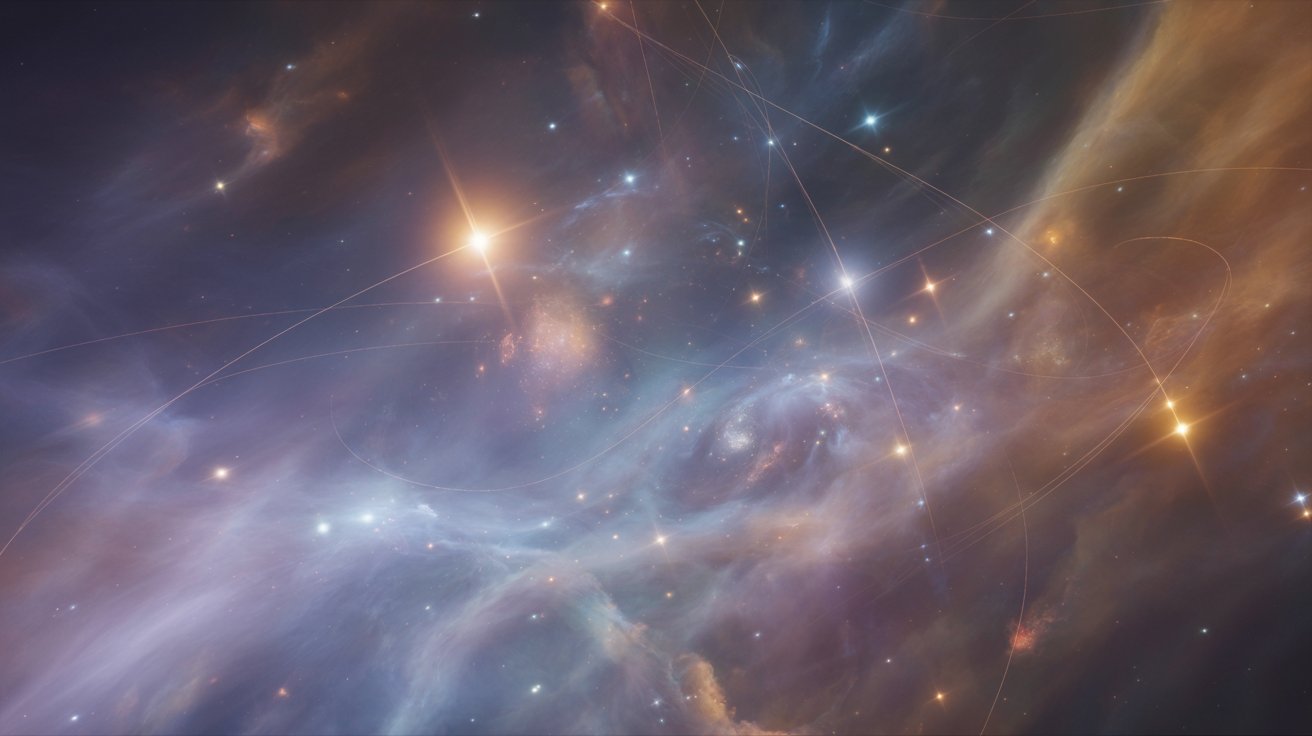
Stars have been watching everything since before humans existed. If they could talk, what would they say about what they have seen? Write a conversation between stars, or write from inside one looking down at everything below.
44. A Magical Forest at Night
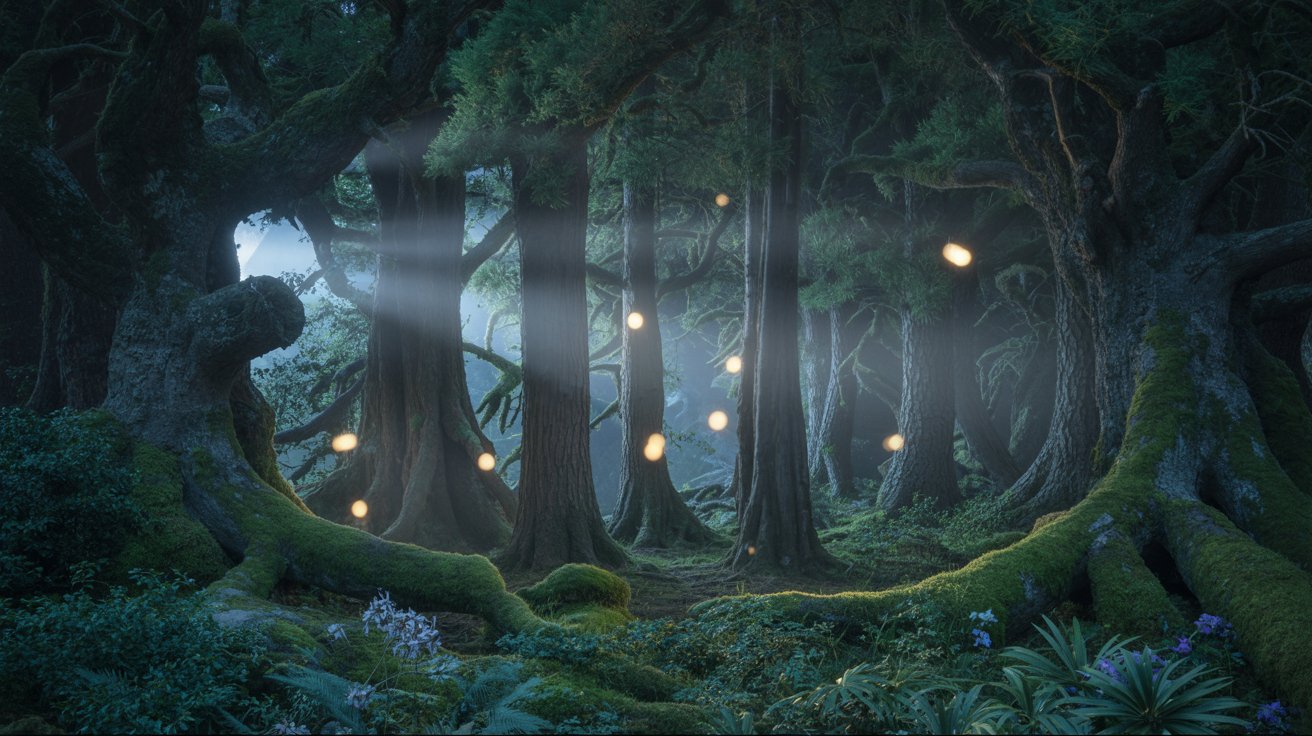
A forest at night already feels magical without adding anything invented. Now add the invented parts. Strange lights, creatures that do not exist, sounds that have no explanation. Write it the way a dream feels: vivid but slightly out of reach.
45. Time Travel Gone Wrong
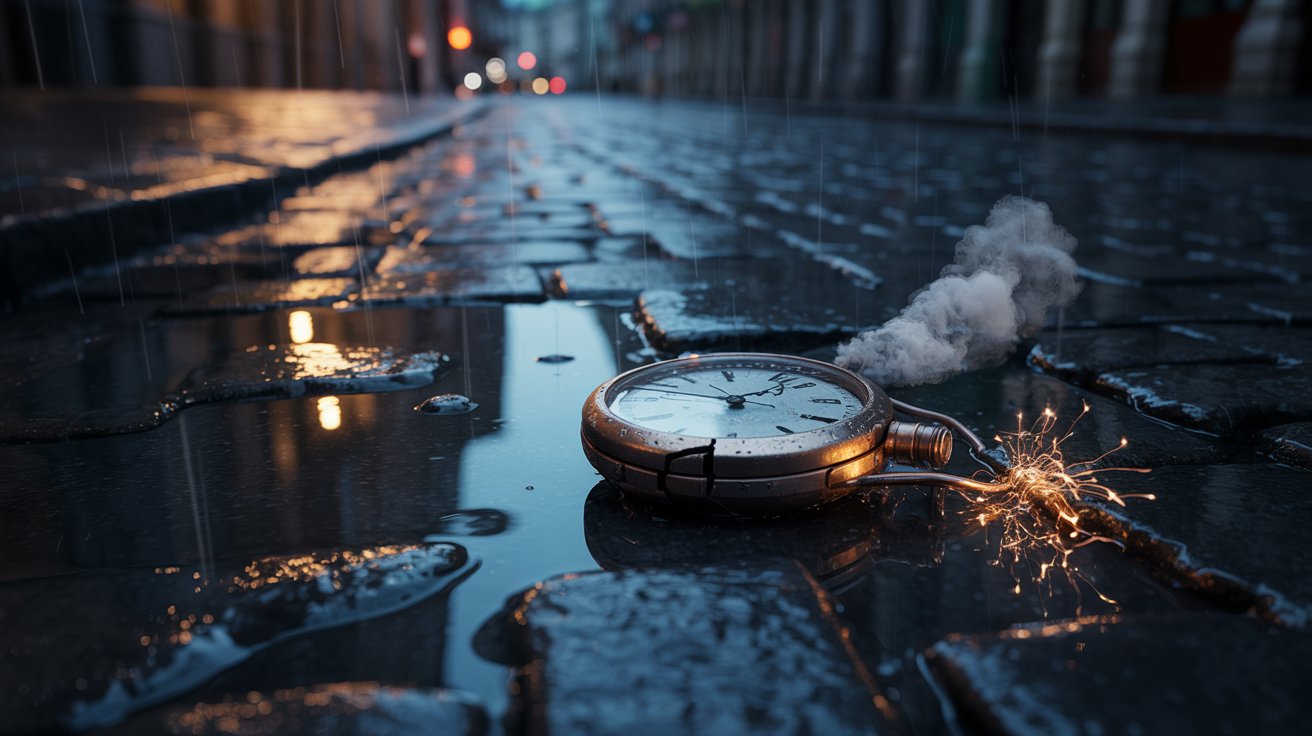
Time travel poetry works best when you focus on the emotional consequences, not the mechanics. What if you went back and changed something and lost something else in the process? Write the moment everything went sideways.
46. A World Without Colour
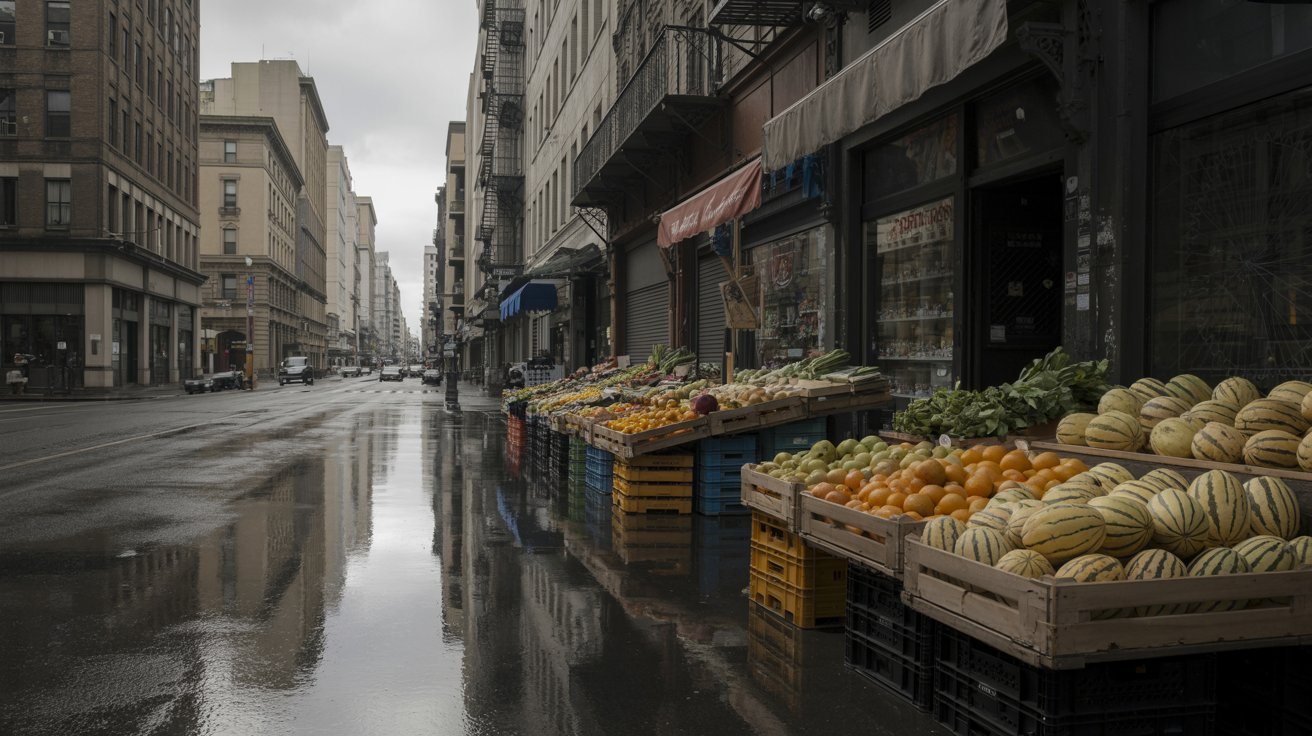
Imagine waking up in a world where all colour has disappeared overnight. Write about what you miss most, what looks different, and what still feels the same. This prompt is really about what we take for granted every day.
47. A Conversation With the Moon
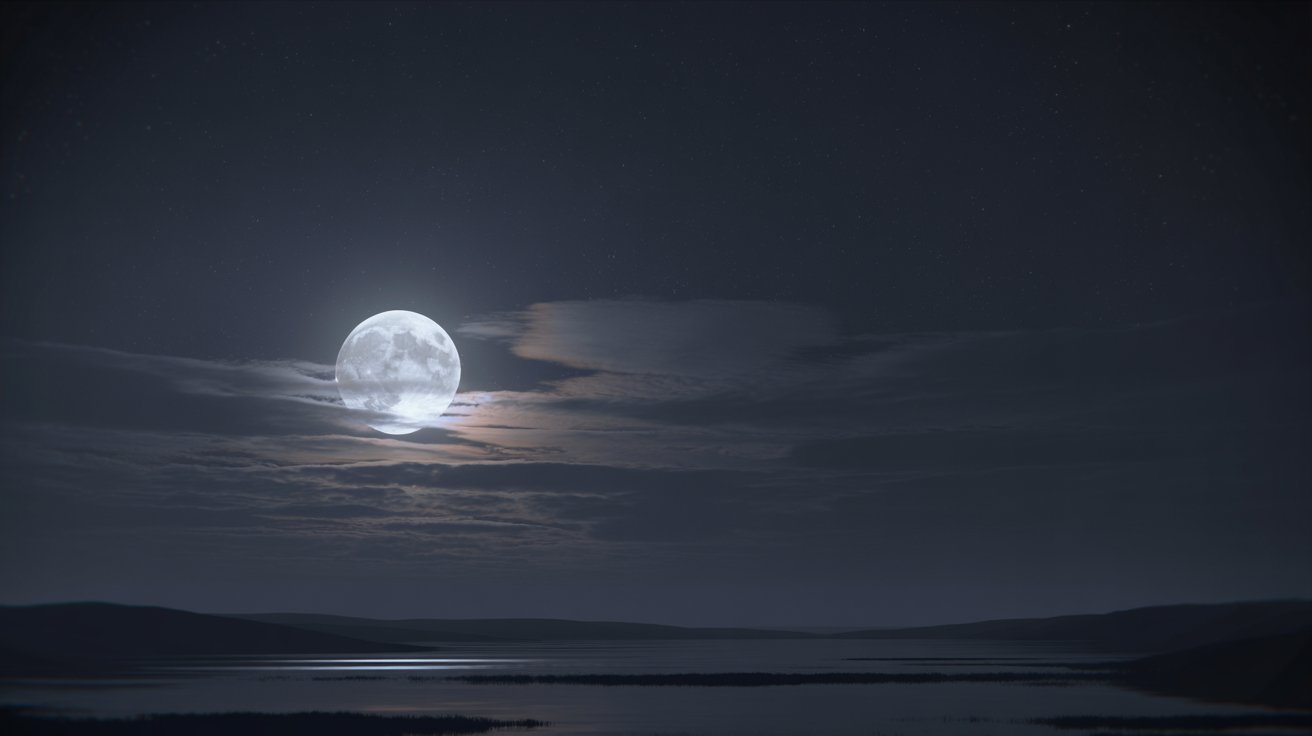
The moon has appeared in millions of poems and never gets old because the relationship between humans and the moon is genuinely old and mysterious. Write it as a real conversation. What would you ask, and what do you think it would say back?
48. A Hidden Kingdom Underwater

An underwater world has its own logic, its own light, its own silence. Build a kingdom there with its own rules and people and history. Use the strangeness of that environment to write something that feels completely different from anything on land.
49. Living Inside a Dream

Dreams have their own rules. Time does not work right, places are familiar and wrong at the same time, and people show up who should not be there. Write a poem that captures that feeling without trying to explain it.
50. A Portal to Another Dimension
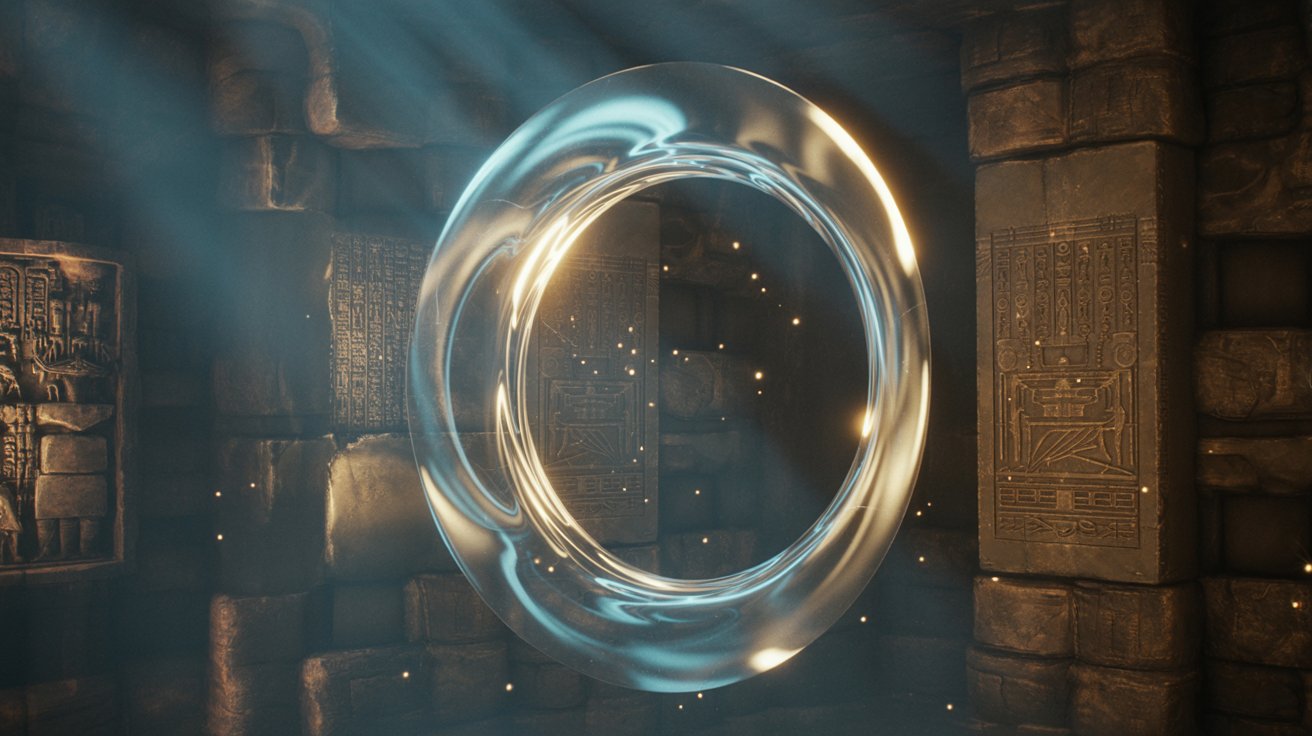
A portal is really about a threshold, a moment before everything changes. Write about standing in front of one and deciding whether to step through. The decision itself is where all the emotion lives.
Personal Experience Poem Ideas

Your own life is full of material. These ideas pull directly from real moments that already live inside you.
- Your Biggest Regret: Write about something you wish you had done differently. Do not justify it or explain it away. Just write what happened and how it still sits with you today.
- A Lesson Learned the Hard Way: The lessons that cost us something are the ones we never forget. Write about the experience itself, the specific moment when you finally understood what it was teaching you.
- Your First Day at School: First days carry a very specific kind of nervous energy that most people remember clearly. Write about the sounds, the faces, the smell of the classroom, and how small you felt.
- Moving to a New Place: Picking up and starting somewhere new is exciting and quietly frightening at the same time. Write about the boxes, the empty rooms, and the strange feeling of a space that is yours but does not feel like home yet.
- Losing Someone Important: Grief is not a single feeling. It is a hundred small moments where you reach for someone who is no longer there. Write one of those moments rather than trying to capture the whole experience.
- A Family Tradition: Family rituals carry enormous emotional weight because they connect you to people and times that are gone. Write about one specific tradition: what happened, who was there, and what it meant.
- Your Proudest Achievement: Write about something you did that you are genuinely proud of. Not the result, but the moment you realised you had actually done it. That specific feeling is worth capturing.
- A Moment of Embarrassment: Embarrassment has a physical quality to it: the heat in your face, the wish to disappear. Write about one specific moment with enough honesty that the reader feels it too. A little humour does not hurt here.
- A Memory Connected to Music: Certain songs are time machines. Write about a song that takes you somewhere specific when you hear it. Describe where it takes you and what it feels like to be dropped back there without warning.
- Overcoming a Difficult Challenge: Write about a time you got through something you were not sure you could handle. Focus on the process, not the outcome. The struggle is what makes this interesting.
Dark and Emotional Poetry Ideas

Dark poetry is not depressing. It is honest. These topics give you space to write through the heavier experiences without having to wrap them up neatly.
- Sleepless Nights: Write about the specific quality of being awake at 3am when the rest of the world is quiet and your thoughts are not. That particular silence is its own kind of poetry.
- Feeling Emotionally Numb: Sometimes pain stops feeling like pain and just becomes a flat, grey absence. Write about what it feels like to feel nothing when you know you should be feeling something. That numbness is harder to write about than sadness, which makes it more interesting.
- The Pain of Betrayal: Betrayal hits hardest when it comes from someone you trusted completely. Write about the specific moment you realised what happened, not the aftermath. That instant is where the real emotion lives.
- Fighting Inner Demons: The arguments we have with ourselves are often the most exhausting fights we ever have. Write about one of those internal battles: the voice that doubts you, the part of you that pushes back, and what it feels like to be caught in the middle.
- A Broken Promise: Write about a promise that mattered and what it felt like when it was broken. Was it broken suddenly or slowly? Did the person even realise what they had done? That detail changes everything.
- Loneliness in a Crowded Room: Being surrounded by people and still feeling completely cut off is a specific kind of pain. Write about a party, a family dinner, or a classroom where everyone was present but you were somewhere else entirely.
- The Fear of Being Forgotten: Most people carry a quiet fear that they will not leave a mark on the world. Write about what that feels like, what you are doing about it, or what you wish you could leave behind.
- Grief After Loss: Write grief the way it actually works: in waves, in unexpected places, in the middle of ordinary moments. Not as one big feeling but as a series of small ambushes throughout an otherwise normal day.
- A Battle With Self-Doubt: Self-doubt is the voice that shows up right before something important. Write about what it says, how it sounds, and what you do when it gets loud enough to make you want to stop.
- The Silence After an Argument: Arguments end but the silence that follows can last for hours or days. Write about that particular kind of quiet, the things left unsaid, and what it feels like to be in the same space as someone you are not speaking to.
Funny and Lighthearted Poem Topics

Poetry does not have to carry weight. Some of the most memorable poems are the ones that make you laugh at the very human chaos of everyday life.
- Your Pet Acting Like a Human: Pets have enormous personalities and absolutely no self-awareness about how funny they are. Write about your pet like they have opinions, ambitions, and strong feelings about their daily routine. It writes itself.
- Surviving Monday Mornings: Monday has a particular heaviness that everyone recognises. Write about the alarm, the ceiling stare, the negotiation with yourself about getting up. Keep it relatable and let the humour come naturally.
- Coffee Addiction Struggles: For a lot of people, coffee is not a preference, it is a survival strategy. Write about that first cup of the day like it is a lifeline. Your fellow coffee drinkers will feel seen.
- A Disastrous Cooking Attempt: Everyone has a cooking story that ended in smoke alarms and takeaway orders. Write yours in vivid, dramatic detail. The more specific the disaster, the funnier it gets.
- Awkward Family Gatherings: Family events have a cast of characters and a guaranteed plot twist. Write about the aunt who asks the same questions every year or the silence that falls when someone brings up a sensitive topic. Keep it warm but honest.
- Online Shopping Regrets: Writing about the midnight purchase you instantly regretted taps into a shared modern experience. Write about the excitement of clicking buy, the wait, and the moment the package arrived and you remembered why you should not shop at 1am.
- A Phone Battery Dying at the Worst Moment: The panic of watching your battery drop at a critical moment is completely absurd and completely real. Write about it with the urgency it deserves. Your readers will laugh because they have been there.
- The Chaos of Group Chats: Group chats are their own ecosystem. Write about the notifications, the off-topic conversations, the someone is typing bubble that lasts for two minutes and then disappears. It is absurd in the best way.
- Trying to Wake Up Early: The internal battle between the version of yourself who set the alarm and the version who is reaching for the snooze button at 6am is genuinely worth writing about. Everyone fights this war daily.
- Your Most Embarrassing Typo: Autocorrect has ruined lives. Write about the message that sent before you could stop it, the moment you realised, and everything that followed. Comedy and horror in equal measure.
Seasonal and Holiday Poem Ideas

Seasons and celebrations carry strong shared memories. These topics connect with readers quickly because they have lived them too, even if the details look different.
- The Magic of Christmas Lights: Christmas lights have a way of making the ordinary look like something else entirely. Write about a specific street, a specific window, or a specific childhood memory of lights in the dark.
- Summer Vacation Memories: Summer holidays feel longer when you are young, and writing about them pulls that feeling back. Pick one specific summer, one specific place, and write it in enough detail that the reader can smell the sunscreen.
- A Spooky Halloween Night: Halloween has a very specific atmosphere: costumes, cold air, the excitement of being a little scared. Write about trick-or-treating as a child, or the feeling of walking through a dark street with your friends in disguise.
- New Year’s Resolutions: New Year’s resolutions are full of hope and also quietly funny because most people make the same ones every year. Write about the gap between the promise and the reality with honesty and a little warmth.
- The First Day of Spring: After a long winter, the first real day of spring feels like something significant. Write about the specific moment you noticed it: a warmer smell in the air, a sound outside, the light looking slightly different in the morning.
- A Rainy Monsoon Afternoon: For anyone who has grown up with monsoon seasons, that particular rain carries strong memories. Write about the sound of heavy rain, getting soaked, or the smell of wet earth after the first monsoon shower.
- Fireworks Lighting the Sky: Fireworks are extraordinary for about three minutes and then they are over. Write about that brief, collective wonder of watching strangers stand together looking up at the same sky.
- Winter Mornings by the Fireplace: Write about the comfort of warmth when everything outside is cold. A fireplace, a blanket, a hot drink. These are small things that carry a big feeling of safety and belonging.
- The Smell of Autumn Leaves: Autumn has a very specific smell that is almost impossible to describe but instantly recognisable. Try to describe it anyway. That challenge is part of what makes this a good poetry exercise.
- Celebrating Festivals With Family: Write about a specific festival from your life: the preparation, the food, the people around the table, and the feeling that for one day everything felt exactly right.
More Creative Poetry Ideas

Sometimes the most interesting poems come from turning the familiar completely upside down. These ideas ask you to write from unexpected angles, unusual perspectives, and the quiet spaces most writers walk right past.
91. A Poem Told Backwards: Start at the end of a moment and work your way to the beginning. A goodbye that opens with the door closing. A friendship that starts with two strangers. Writing in reverse changes everything you thought you knew about a story.
92. The Last Page of a Finished Book: That specific feeling when a story ends and you are not ready to leave it behind is one of the most quietly emotional experiences a reader knows. Write about the closing of something that mattered.
93. A Poem With No People in It: Remove every human from the scene and write only about objects, spaces, and the world continuing without us. A kitchen at 4am. An empty playground. What does the world look like when we are not watching?
94. Something You Overheard by Accident: A conversation you were not meant to hear, a single sentence drifting through a window or across a restaurant. Write the poem that lives inside those few words. You can invent everything you did not actually hear.
95. The Moment Before Sleep: That strange in-between place where you are not quite awake and not yet dreaming is full of images and half-formed thoughts. Write about what your mind does when you finally stop directing it.
96. A Poem Written as a Recipe: Write an emotion, a memory, or a relationship as if it were a set of cooking instructions. List the ingredients, the steps, the temperature, and the warning signs that tell you something has gone wrong.
97. Writing From the Perspective of an Old Photograph: A photograph holds a moment still forever while everyone in it keeps changing. Write from inside a specific photograph: what it knows, what it cannot show, and what everyone in it has become since.
98. Something You Threw Away and Then Missed: A letter, a jacket, an old journal. The things we discard sometimes leave a shape behind. Write about something you got rid of that turned out to matter more than you realised at the time.
99. The Hour Before a Storm: The air changes, the light shifts, and everything goes slightly too quiet. Write about that charged, waiting feeling before the storm actually arrives. The anticipation is almost always more interesting than what follows.
100. A Poem About Hands: Hands carry a whole life in them: work, tenderness, age, habit. Write about a specific pair of hands, whether your own, a parent’s, or a stranger’s on a train. What do they say about the person they belong to?
101. The Thing Nobody Asked You at the Funeral: Grief comes with a strange script that everyone follows. Write about what you wished someone had asked, or what you could not say when the expected words were the only ones allowed.
Objects and Small Moments
Your own life is full of objects that carry more weight than they seem. These ideas pull directly from the small, quiet things that already hold memory and meaning.
102. An Old Letter: Letters carry the voice of someone at a specific moment in time, before everything that came after had happened yet. Reading one back years later is like holding a version of a person who no longer exists quite the same way. Write about what the words say and what the silence between them is hiding.
103. An Empty Chair:A chair that used to hold someone says more about absence than almost any other image. It does not announce itself. It just sits there being what it always was, except now everything around it has changed. Write about whose chair it is and what the room feels like without them in it.
104. A Broken Watch: A watch that stopped marks the exact moment time did something it was not supposed to do. Write about what was happening when it stopped, or use it as an entry point into something larger about moments you could not hold onto no matter how hard you tried.
105. A Worn Pair of Shoes:Shoes carry the shape of the person who wore them. The sole wears down in specific places, the heel tilts a certain way, the laces hold their last knot. Write about a pair that went somewhere important or belonged to someone who is no longer walking in them.
106. A Childhood Toy Still in a Box:The toys we kept without knowing why hold a logic that belongs entirely to the child we used to be. Write about one specific toy: what it meant then, why it is still there, and what it feels like to hold something that remembers a version of you that you cannot fully reach anymore.
107. A Handwritten Note You Never Sent:There is a particular kind of honesty that only appears when you write something with no intention of sending it. Write about what the note said, who it was for, and what stopped you. The decision not to send it is often the most important part of the story.
108. A Locked Diary:A diary locked against readers holds a version of yourself you were protecting at the time. Write about what was so important it needed a key, or about finding one years later and deciding whether to open it or leave it alone.
109. A Photograph With No Names on the Back:A photograph without names becomes a mystery over time. The faces are real but the story behind them has gone quiet. Write about who these people might have been to each other, or about the feeling of holding proof of a moment that nobody living remembers anymore.
110. A Gift You Threw Away and Then Missed:Objects given with intention carry that intention even after they leave your hands. Write about something you discarded or lost that you have thought about since. What did it mean when you had it and why does it matter more now that it is gone.
111. A Key With No Lock You Can Find:A key that no longer has a door is one of the strangest objects to hold. Write about what it might have opened, or use it as a way into a poem about the things in your life that were once open to you and no longer are.
Society and Modern Life
Some of the most honest poetry being written right now comes from the experience of living in a world that is always connected but rarely feels close. These ideas pull from the quieter, harder side of modern life.
112. Social Media and the Loneliness Behind It:The strangest part of being constantly connected is how often it produces a specific kind of silence rather than company. Write about the gap between what you post and what you are actually feeling at the moment you post it. That gap is where the most honest poems about modern life live.
113. The Highlight Reel Versus the Actual Day:Everyone around you online appears to be living a version of life that yours does not quite match. Write about what your actual Tuesday looked like against the version of Tuesday you would have been willing to share. The distance between those two things is worth saying out loud.
114. Burnout After Chasing a Goal:There is a specific exhaustion that arrives when you have been working toward something for a long time and you can no longer remember why you wanted it. Write about that moment, not the ambition that came before it and not the recovery that came after. Just the flat, quiet feeling of having pushed too hard for too long.
115. The Pressure to Have It All Figured Out:At almost every age there is an expectation that you should know more than you do, want clearer things than you want, and be further along than you are. Write about what that pressure feels like from the inside, not the outside version of it that other people see.
116. Comparison Culture:Measuring your life against someone else’s is one of the most exhausting habits a person can have, and also one of the hardest to stop. Write about a specific moment of comparison, not the general feeling of it. The specific moment is always more honest and more interesting than the broad observation.
117. Growing Up Faster Than You Were Ready For: Some people lose the slow part of childhood before they are finished with it. Write about the moment something shifted and the version of life you had expected stopped being available. That loss is real even when it is hard to name.
118. The Full Inbox You Cannot Open:There is a particular kind of avoidance that lives in unread messages and unopened emails you scroll past without looking at. Write about what is in there that you are not ready to face, or about what it feels like to know it is waiting without knowing exactly what it says.
119. Being Seen by Everyone and Known by No One:You can have hundreds of people watching your life and still feel completely unknown. Write about the difference between visibility and connection, and about what it actually feels like when the number goes up but the loneliness does not go down.
How to Choose the Best Topic for Your Poem
Picking the right topic is easier when you stop searching for the “perfect” idea and start paying attention to what already moves you. The best poem topics are usually the ones hiding in plain sight.
Start by thinking about what has stayed with you recently. A conversation, a feeling, a moment you keep replaying. Those sticking points are where your best writing lives.
- If picturing the topic gives you one clear image within a few seconds, it is good enough to start
- For beginners and students, a personal memory will almost always produce a stronger poem than a topic that sounds impressive
- Write down three things you felt strongly about this week
- Look for subjects that bring up a clear image in your mind
- Think about what you would talk about if you had no filter
- Ask yourself what you have never said out loud but always felt
- Choose topics that make you slightly uncomfortable. That discomfort usually means something important is there
- Go back to childhood memories when you feel stuck. They are almost always rich with detail and emotion
- Pick a topic you could write ten lines about without stopping
Once you have a short list of ideas, read them back slowly. The one that makes your chest tighten a little is the one worth writing about first.
Common Mistakes to Avoid When Choosing a Poem Topic
A lot of writers choose topics they think sound poetic instead of topics they actually care about. That gap between what sounds good and what feels real shows up in the writing every time.
Here are the most common mistakes to watch out for when figuring out what should I write my poem about:
- Picking a topic because it seems impressive rather than meaningful
- Choosing something too broad with no personal angle attached
- Avoiding emotional topics because they feel too vulnerable
- Trying to cover too many ideas in one poem
- Copying themes from poems you have read instead of finding your own
- Giving up on a topic too quickly before exploring it fully
- Choosing a subject you cannot connect to any specific image or memory
The fix for most of these is simple. Go back to your own experience. Your memories, your feelings, and your specific moments are things no one else can write about. That is your biggest advantage as a poet.
How to Start Writing Once You Have a Topic
Having a topic is not the same as having a way in. Most first lines fail because they try to summarise the feeling instead of showing one specific moment inside it. Here is how to actually begin:
Step 1: Start with One Sensory Detail
Do not open with the emotion. Open with the smell, the sound, or the image connected to it.
That detail pulls the feeling up without you having to announce it and learning to use figurative language will sharpen how you render those images on the page.
Step 2: Write Without Stopping
The first draft exists only to get something on the page. Do not edit while writing. Write badly on purpose if you have to. Fix it later.
Step 3: Read it Out Loud
Once you have read it aloud, go back and annotate your draft to mark what is working and what still needs attention.
Step 4: Stop at a First Line Worth Returning to
The goal is not a finished poem. It is one line that pulls you back tomorrow. That is enough to begin.
Conclusion
The next time that blank page stares back at you and you wonder what I should write my poem about, remember this: the answer was never far away.
It was sitting in your memories, your feelings, and the moments you almost forgot.
You do not need the perfect idea. You just need the courage to start with a real one. Pick any prompt from this list right now and write your first line.
Then share it in the comments below. I read every single one, and I would love to see what you create.
Frequently Asked Questions
What is the easiest poem to write?
A free verse poem about a personal memory is the easiest starting point because it has no rules around rhyme or structure. Just write what happened and how it felt.
What are 10 types of poems?
The most common types are free verse, haiku, sonnet, limerick, ballad, ode, elegy, acrostic, narrative, and concrete poetry. Each has its own structure and suits different topics and moods.
What are some good poems for teenagers?
Teenagers write best about identity, school pressure, first love, friendship, and the feeling of not quite fitting in. These topics are close enough to feel real and open enough to explore honestly.
Is writing poetry hard?
Poetry feels hard when you try to make it perfect from the first line. It gets easier the moment you stop trying to impress and start writing something true instead.