


I didn’t used to believe poetry could do much for you. Then I hit a point where nothing felt right, and someone suggested I read just one poem about self-love. I thought it was a bit much.
I was wrong.
There’s something about the right words at the right time that gets through in a way advice never does.
This list has 27 poems about self-love, from famous classics to modern poets you need to know. Some of them might stop you mid-sentence. In the best way.
What Are Poems About self-love?

Poems about self-love are exactly what they sound like. They’re poems that center on accepting who you are, healing from pain, and choosing yourself even when it’s hard.
The themes vary. Some focus on acceptance. Others explore healing, personal growth, or quiet confidence. What they share is an honest look at the inner self.
That honesty is why they resonate. Reading one can feel like someone finally said the thing you couldn’t put into words yourself.
27 Best Poems About self-love (With Authors and Meaning)
This list covers a wide range, from well-known literary icons to contemporary poets who are redefining what self-love looks like on the page.
Each one offers something different, so take your time with them.
1. “Love After Love” by Derek Walcott
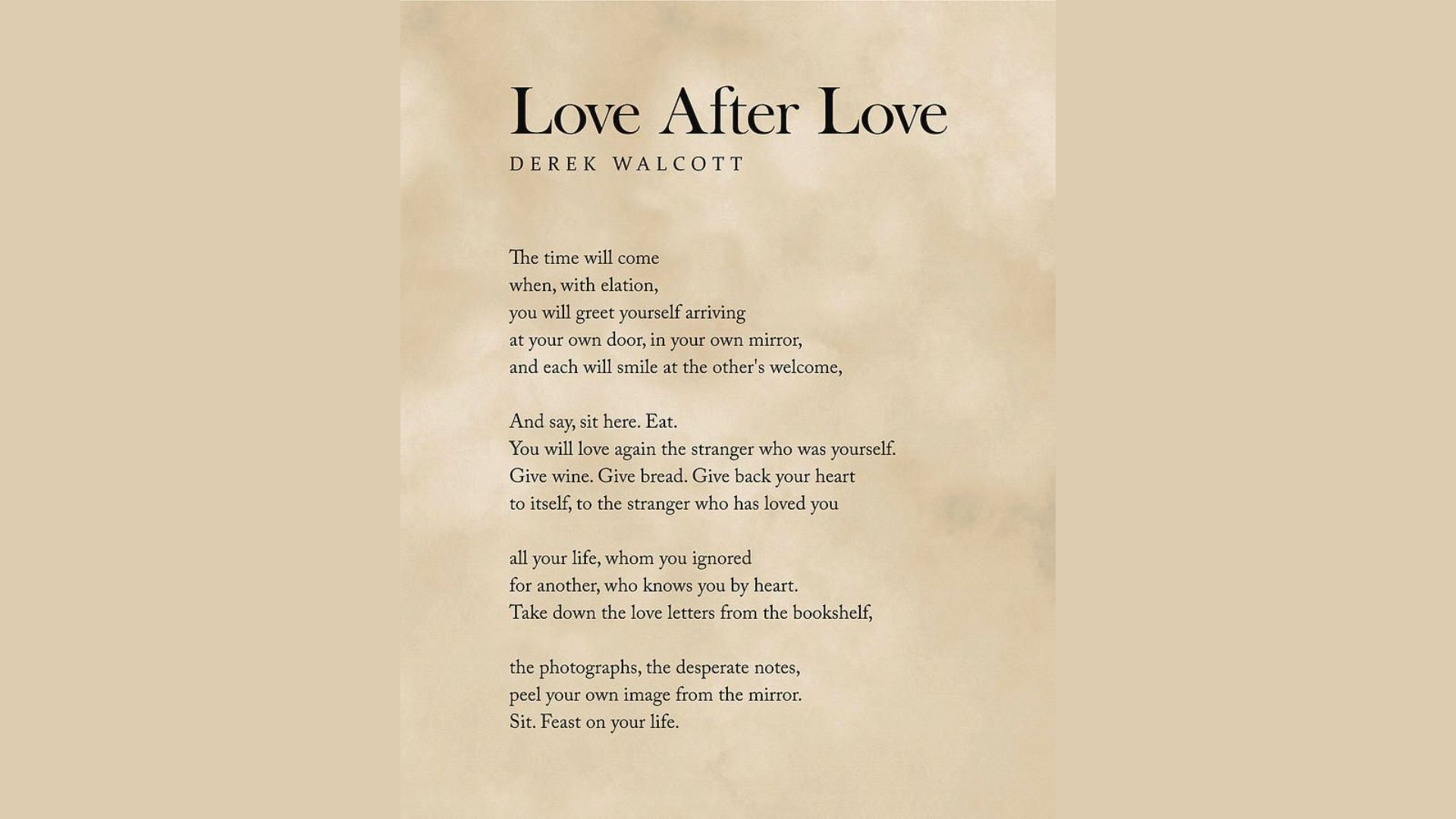
This poem is about coming back to yourself after loss or a hard period in life. Walcott uses the idea of sitting down and eating at your own table as a way to describe self-acceptance.
It treats the self as someone you’ve been neglecting. Someone worth welcoming back.
The message is simple but powerful. You were always worth your own time and care. You just forgot for a while.
This is one of the most recommended poems about self-love for a reason. It feels like a warm conversation, not a lecture.
2. “Still I Rise” by Maya Angelou
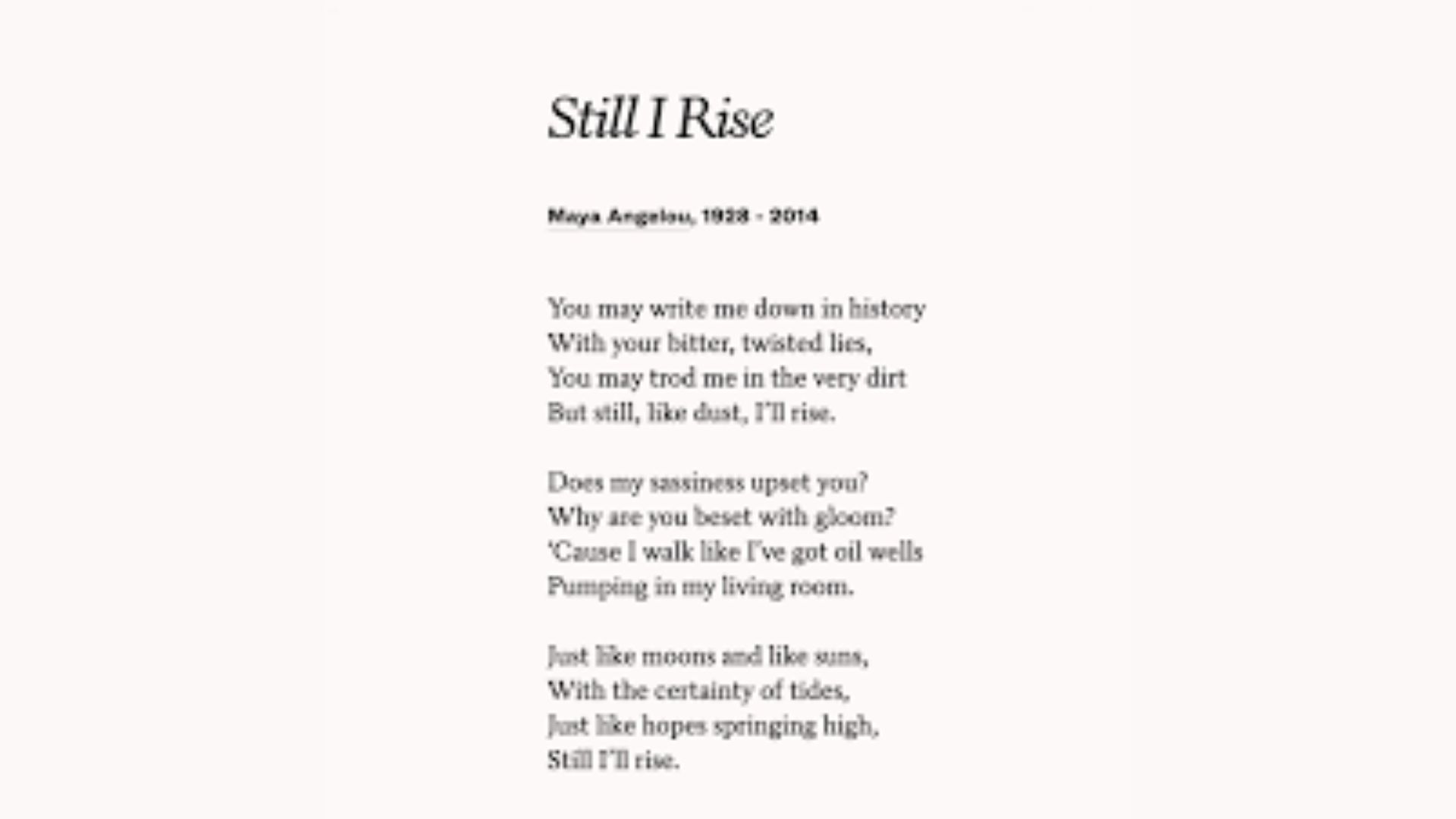
Angelou wrote this poem as an act of defiance. It pushes back against every force that tries to bring a person down, whether that’s other people, history, or circumstances.
The tone is bold. Almost joyful in its refusal to stay down. That energy is contagious when you read it.
It’s also deeply personal. Angelou was writing from real experience of oppression and pain, which gives every line real weight.
If you need a poem that makes you want to stand up straighter, this is it.
3. “Phenomenal Woman” by Maya Angelou
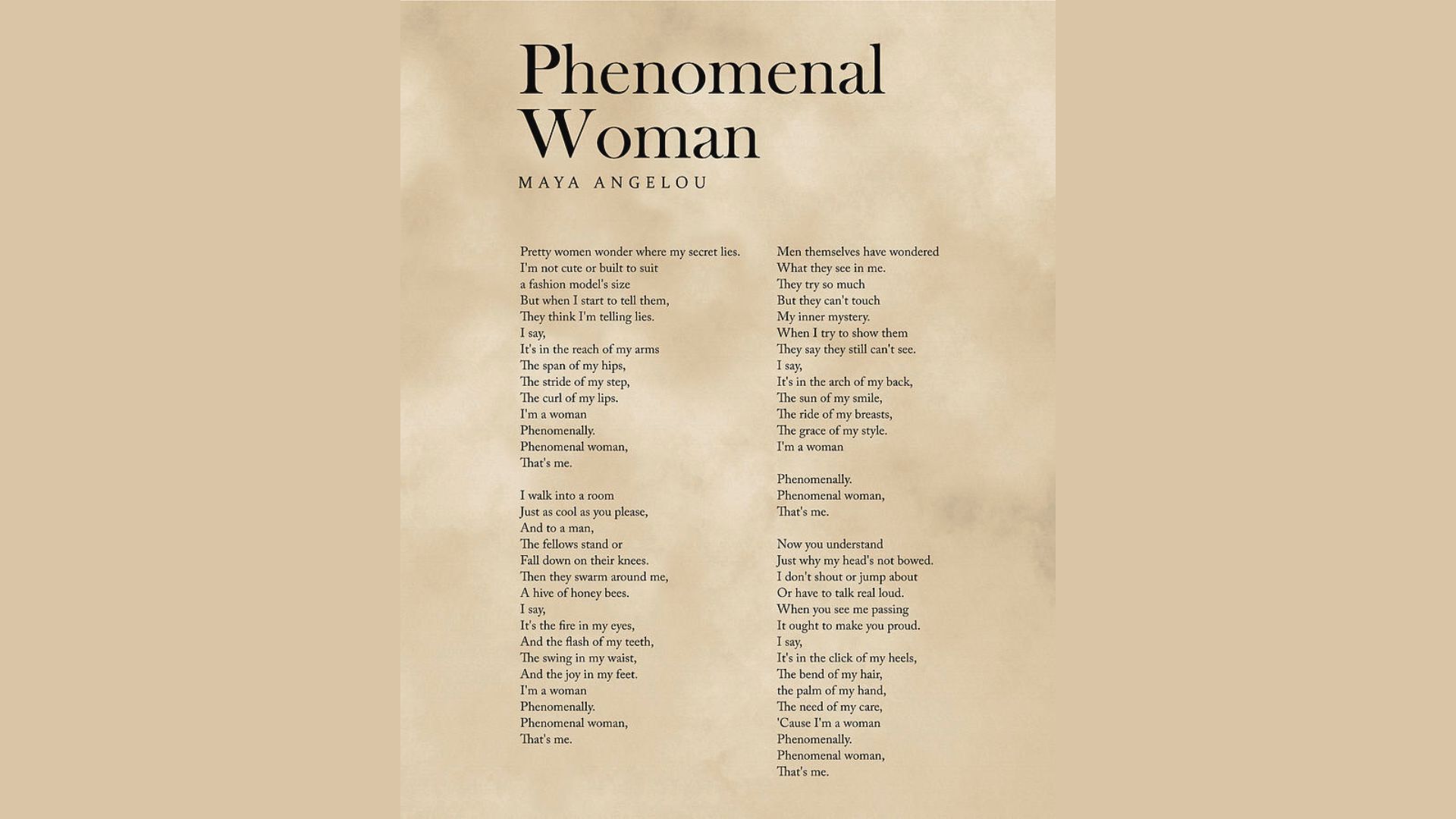
This one is about confidence that comes from within. Angelou writes about a kind of self-assurance that has nothing to do with fitting a certain mold.
She describes power in posture, in laughter, in how a woman moves through the world. It’s not about being perfect. It’s about owning who you are.
The poem has a rhythm that feels almost like a chant. Reading it out loud makes it hit even harder.
It’s a reminder that your worth isn’t up for debate.
4. “Milk and Honey” by Rupi Kaur
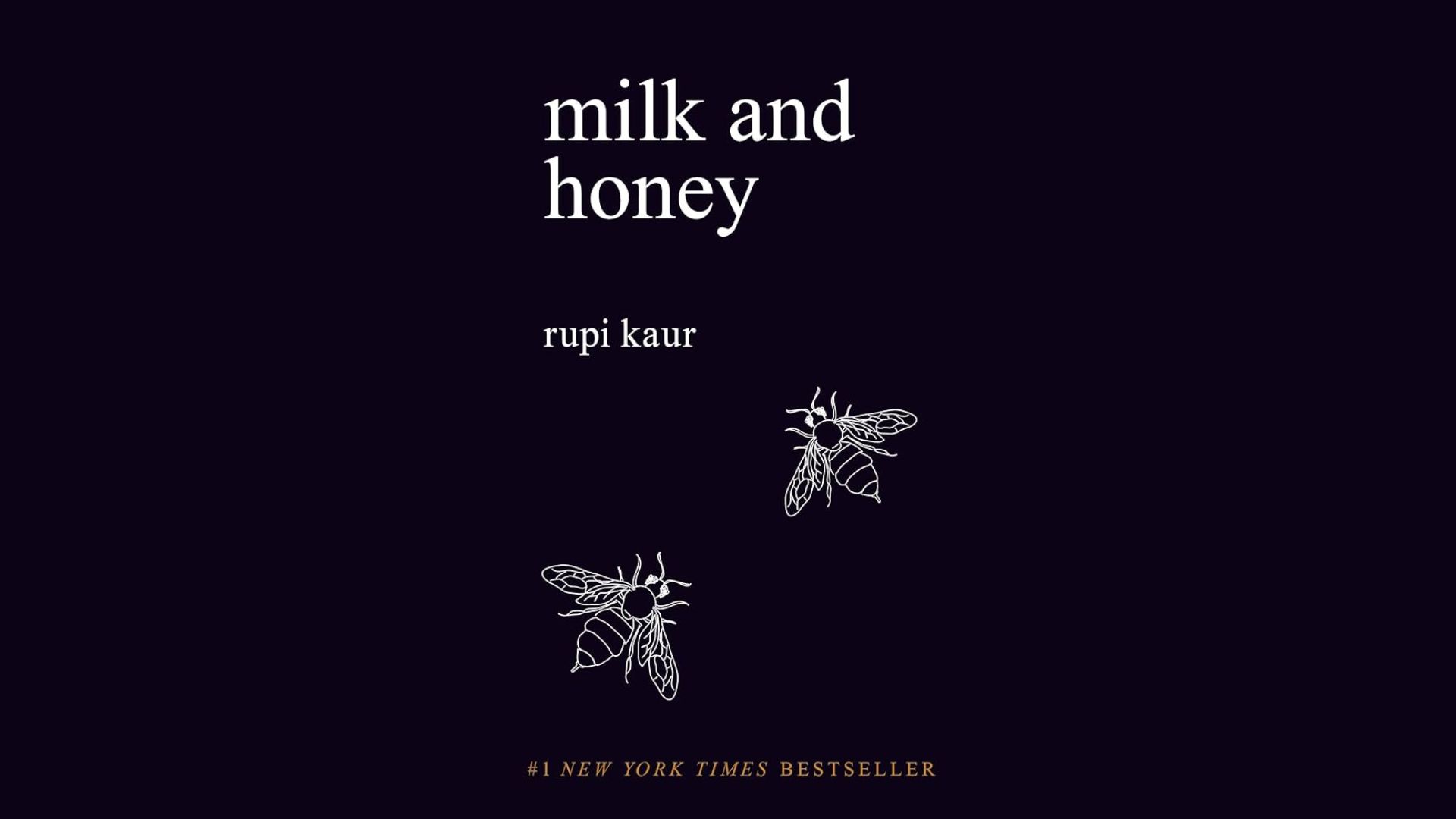
Kaur’s collection moves through pain, survival, and eventually healing. The self-love poems within it don’t skip over the hard parts.
That’s what makes them feel real. She doesn’t tell you to just feel better. She sits with you in the mess first.
By the end of the collection, the idea of loving yourself again feels earned. Not forced.
This is a good one to read when you’re in recovery from something emotional.
5. “The Sun and Her Flowers” by Rupi Kaur
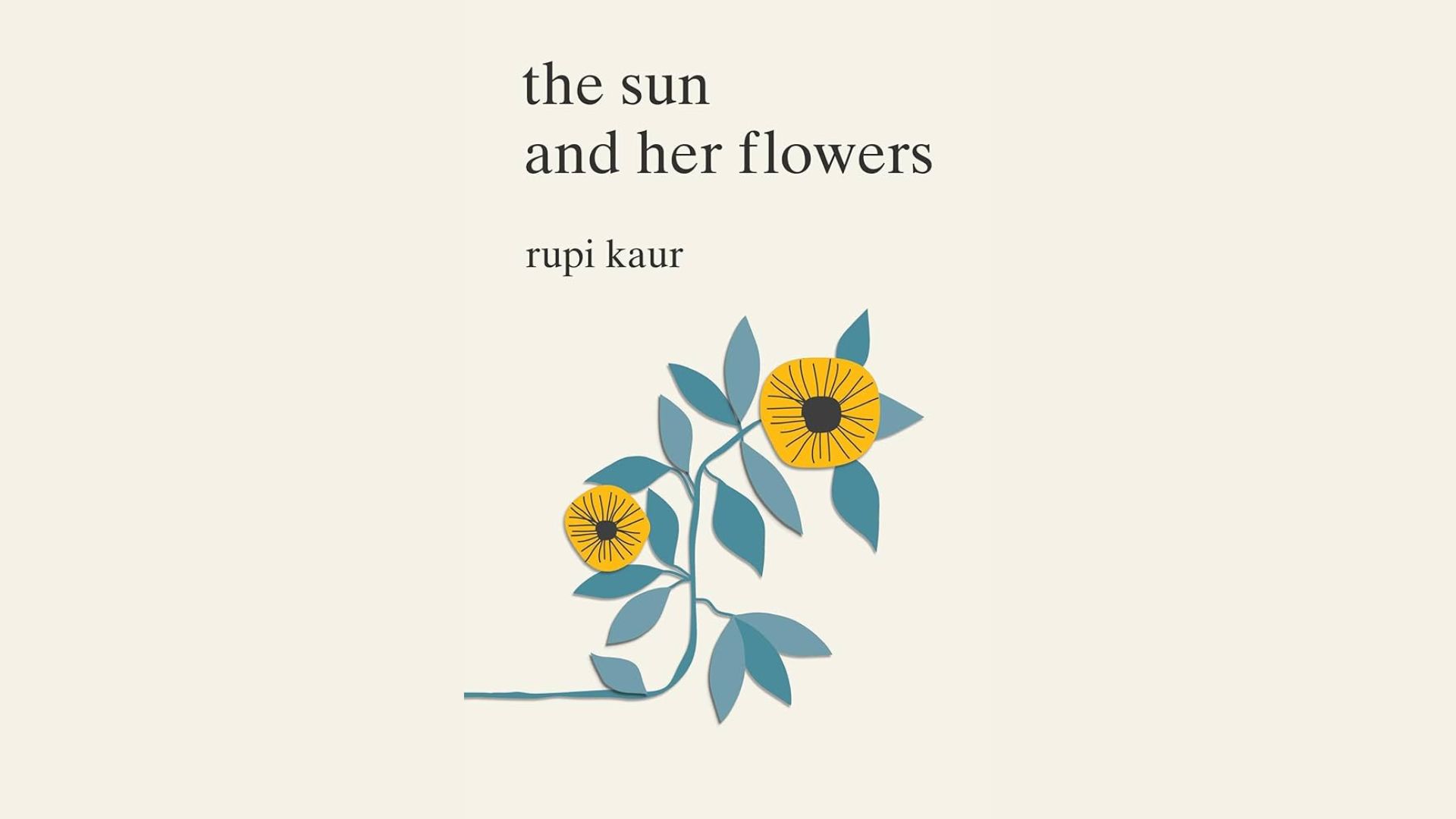
Kaur uses flowers and nature to talk about growing back after something breaks you. The imagery is soft but the meaning is strong.
The collection moves through loss and grief into something that looks like personal growth. It’s quiet and steady.
One of the things Kaur does well is making big feelings feel manageable. She breaks them into small, readable pieces.
If you like poetry that feels grounded and visual, this one is worth picking up.
6. “The Journey” by Mary Oliver
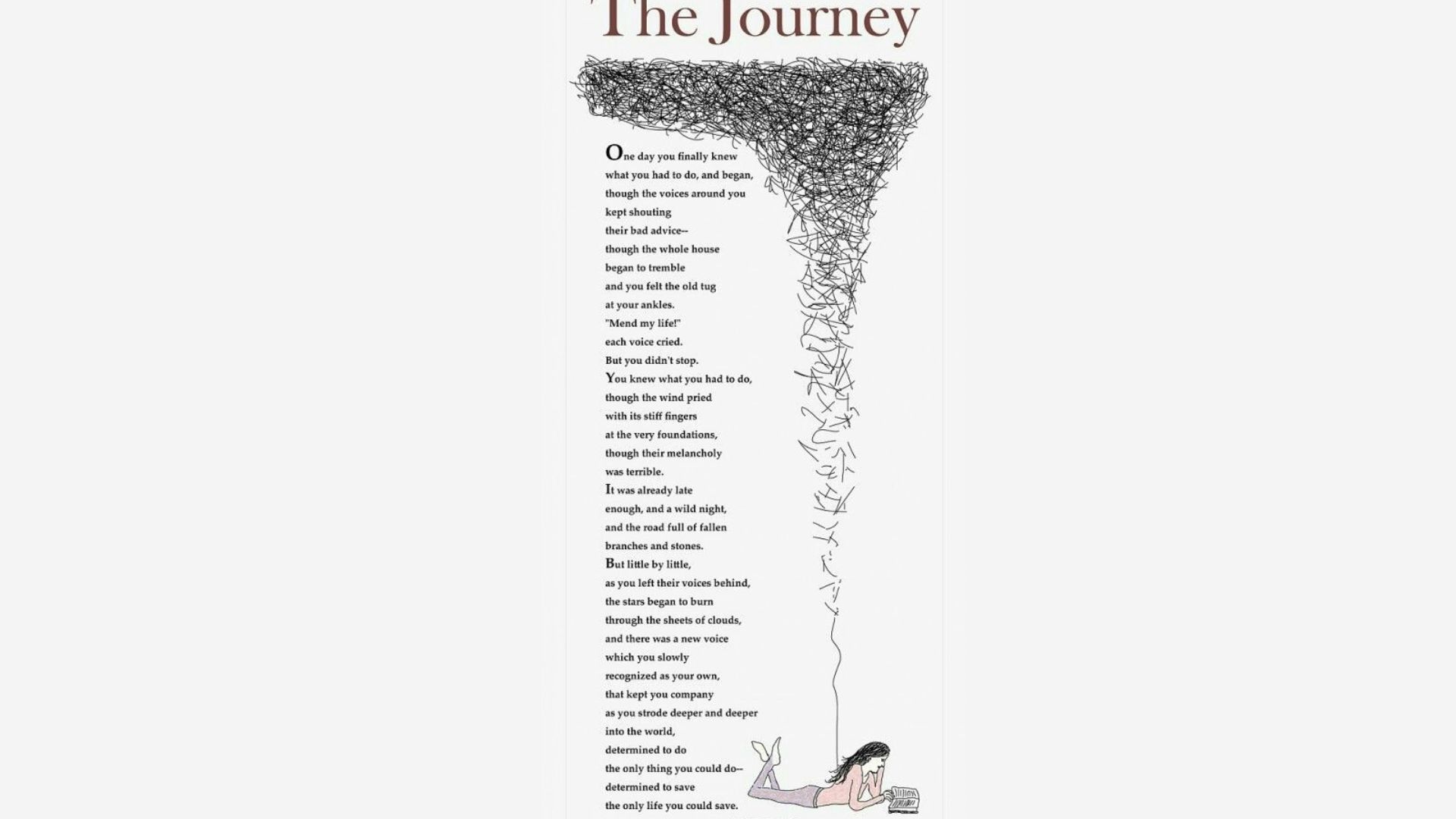
This poem is about the moment you decide to stop living for everyone else. Oliver describes walking away from other people’s noise and finally listening to your own voice.
It’s not an angry poem. It’s more like a quiet turning point.
Many people say they came back to this poem again and again during major life changes. It validates the choice to put yourself first.
That’s a message that doesn’t get old.
7. “Wild Geese” by Mary Oliver

Oliver tells the reader directly that they don’t have to be good. They don’t have to earn their place in the world through suffering or perfection.
It’s a poem about belonging, both to yourself and to the larger world around you.
The lines feel like permission. Permission to be exactly as you are without apology.
This is one of the most widely shared poems about self-love online, and it’s easy to see why.
8. “Invictus” by William Ernest Henley
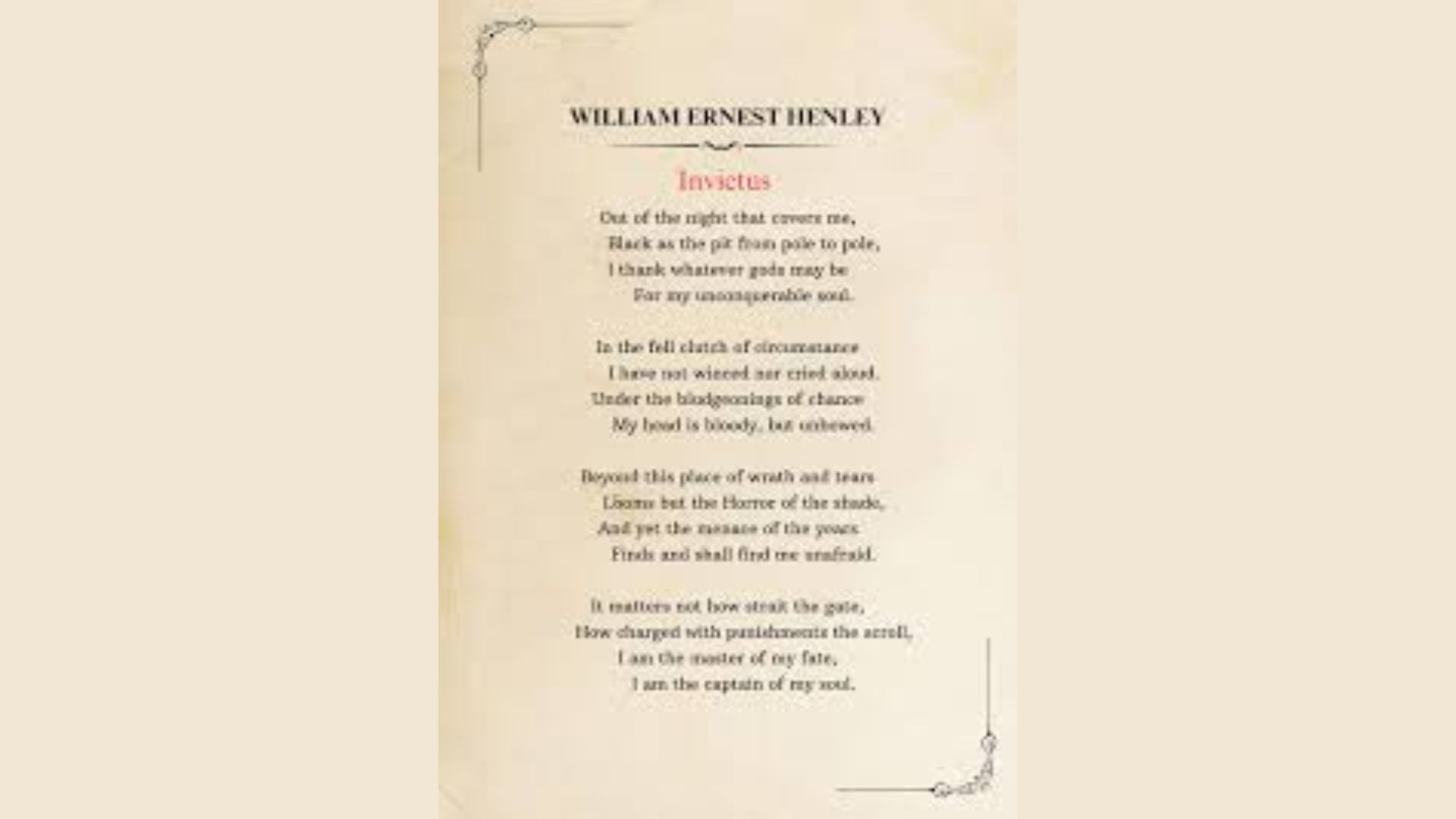
Henley wrote this from a hospital bed after a serious illness. The poem is about refusing to let circumstances define you.
The closing lines are some of the most quoted in all of English poetry. They speak to personal responsibility and inner strength.
It’s not a soft poem. It’s more like a fist raised in the air. Defiant and grounded at the same time.
If you need something that stirs strength rather than comfort, this one delivers.
9. “If” by Rudyard Kipling
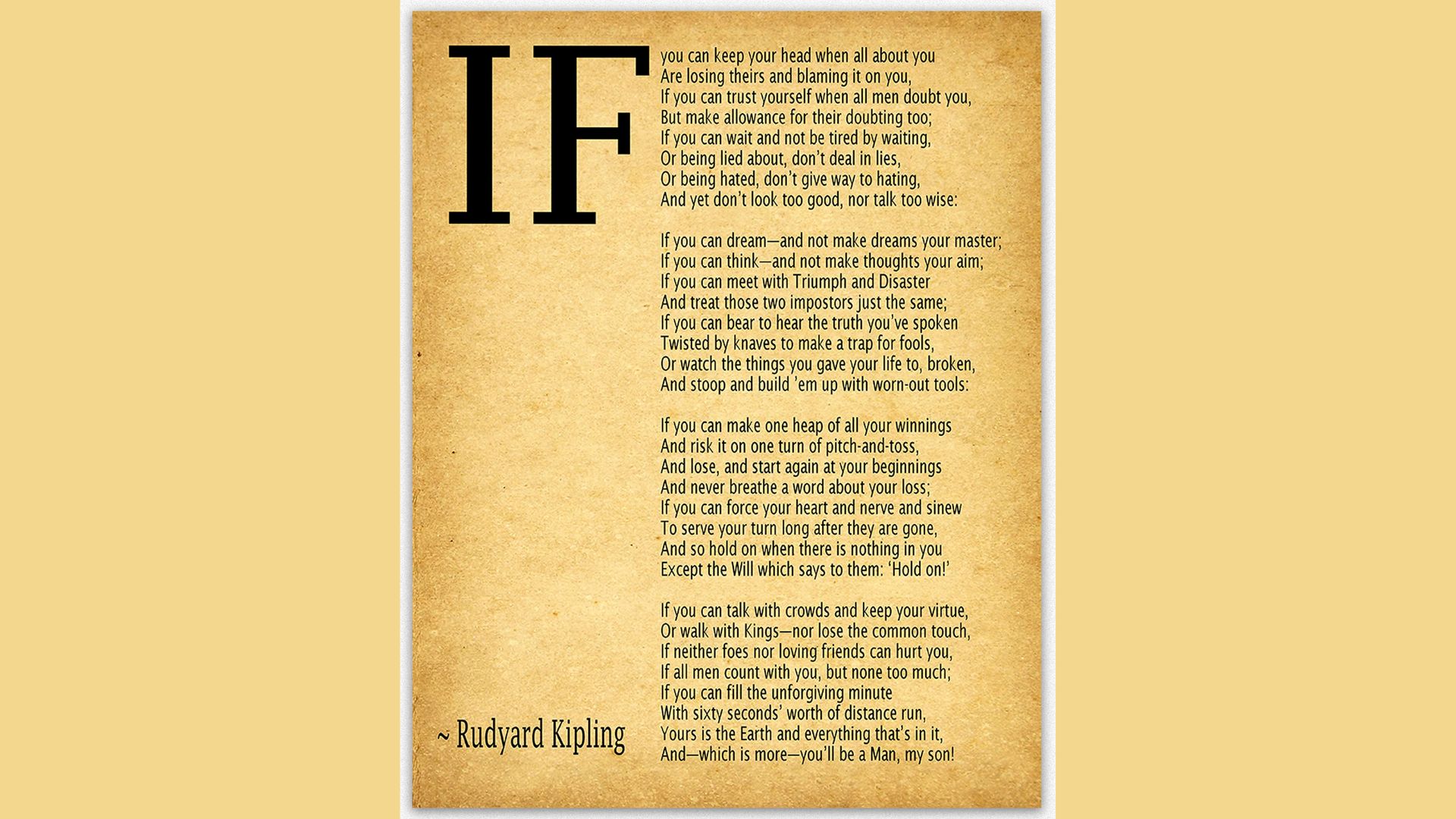
This poem reads like a guide for staying steady no matter what life throws at you. Kipling covers patience, self-belief, and emotional balance across simple, clear lines.
It’s written as advice from a father to a son, but the lessons apply to anyone.
The poem doesn’t tell you to ignore your feelings. It asks you to hold them without being controlled by them.
That kind of emotional maturity is exactly what self-love looks like in practice.
10. “The Guest House” by Rumi
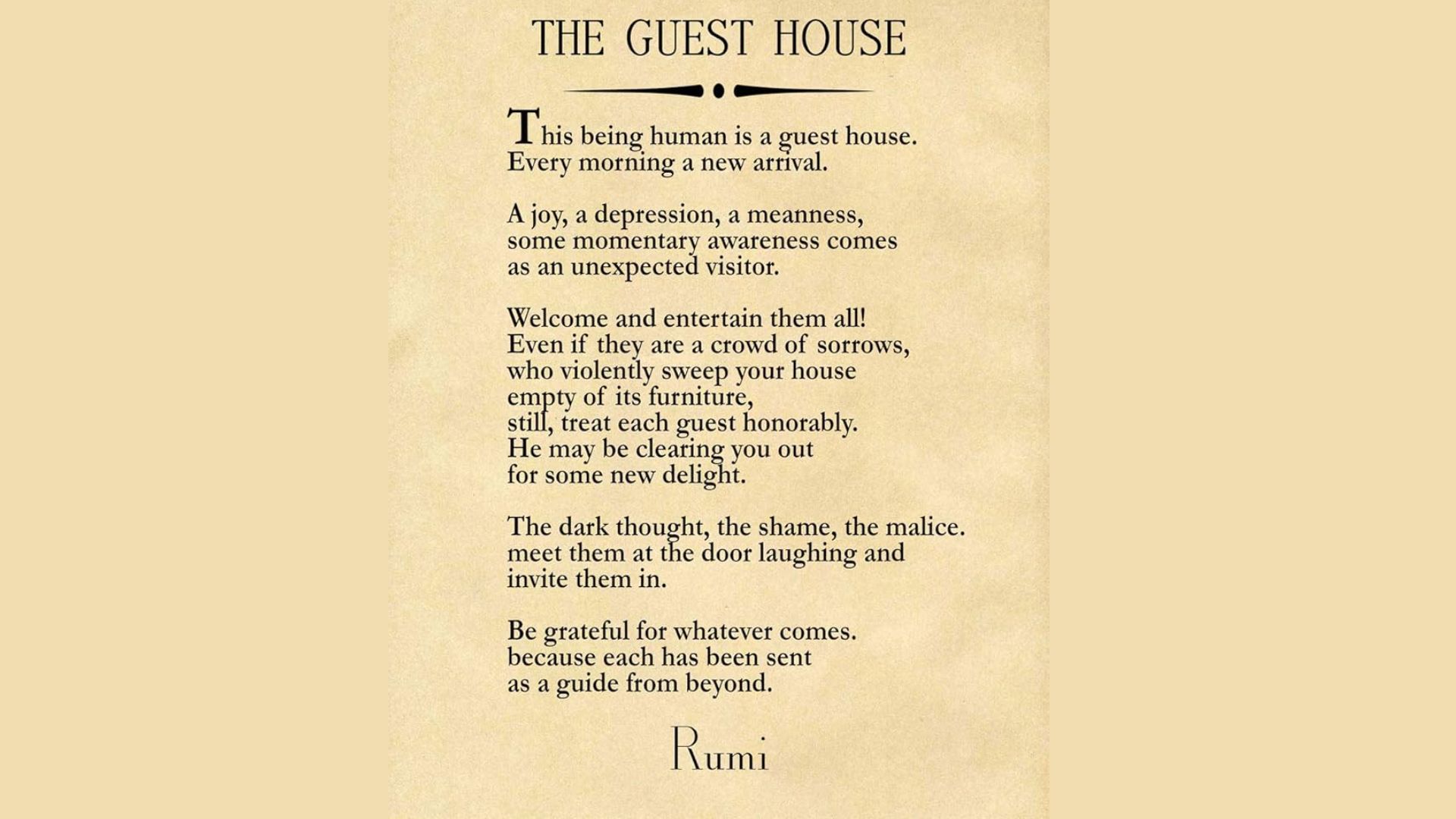
Rumi uses the image of a guest house to describe the human experience of emotions. Each feeling, even the painful ones, is a visitor worth welcoming.
The idea is that resisting your emotions makes them worse. Accepting them lets them pass through naturally.
It’s a very different take on self-love. Less about confidence and more about self-awareness and compassion.
This poem is often recommended in therapy and mindfulness circles for good reason.
11. “Kindness” by Naomi Shihab Nye
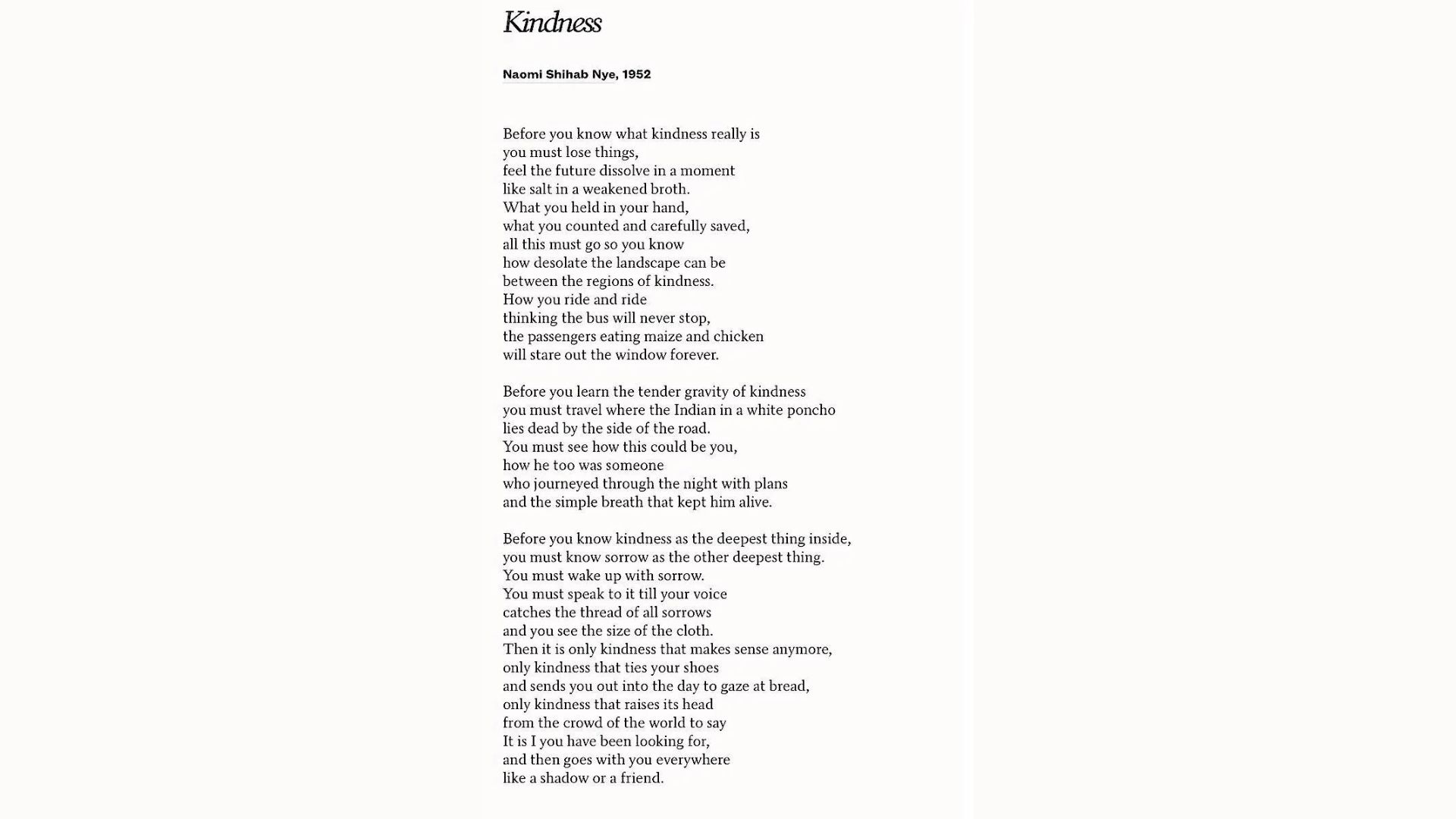
Nye argues that you can’t truly understand kindness until you’ve been through real loss. The poem connects self-compassion with lived experience.
It moves slowly and builds to a point that feels inevitable once you reach it.
The connection between pain and genuine kindness toward yourself is something most people sense but rarely see put into words this clearly.
It’s a poem that asks you to treat yourself the way you’d treat someone you deeply care about.
12. “To Myself” by Edgar Allan Poe
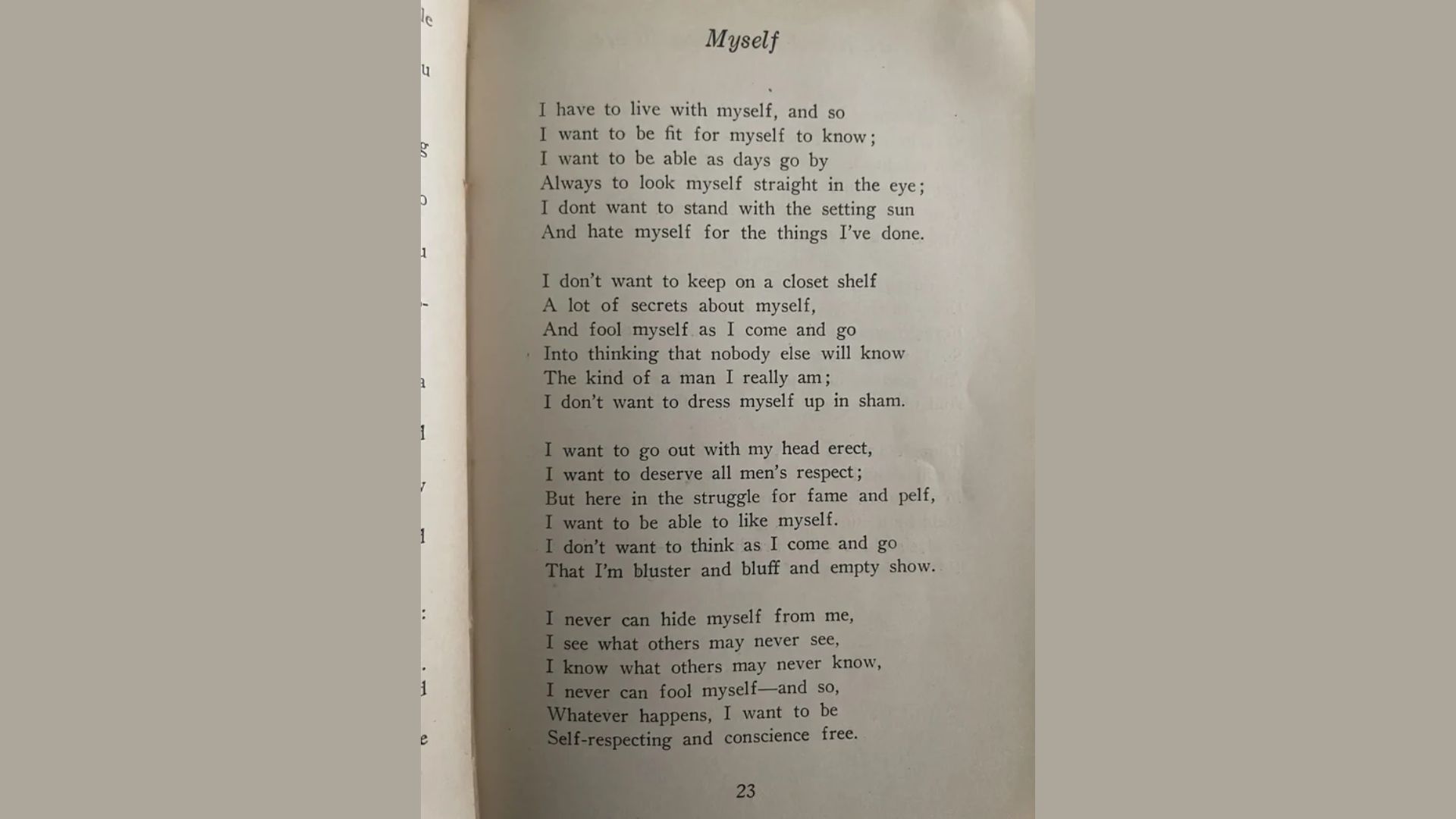
Poe is known for dark and gothic work, so this one surprises people. It’s a quieter, more reflective piece about identity and the inner self.
He writes about the relationship a person has with their own mind. It’s introspective without being heavy.
The poem encourages a kind of honesty with yourself that’s harder than it sounds.
It stands out in Poe’s body of work and stands out in any list of self-love poems too.
13. “Song of Myself” by Walt Whitman
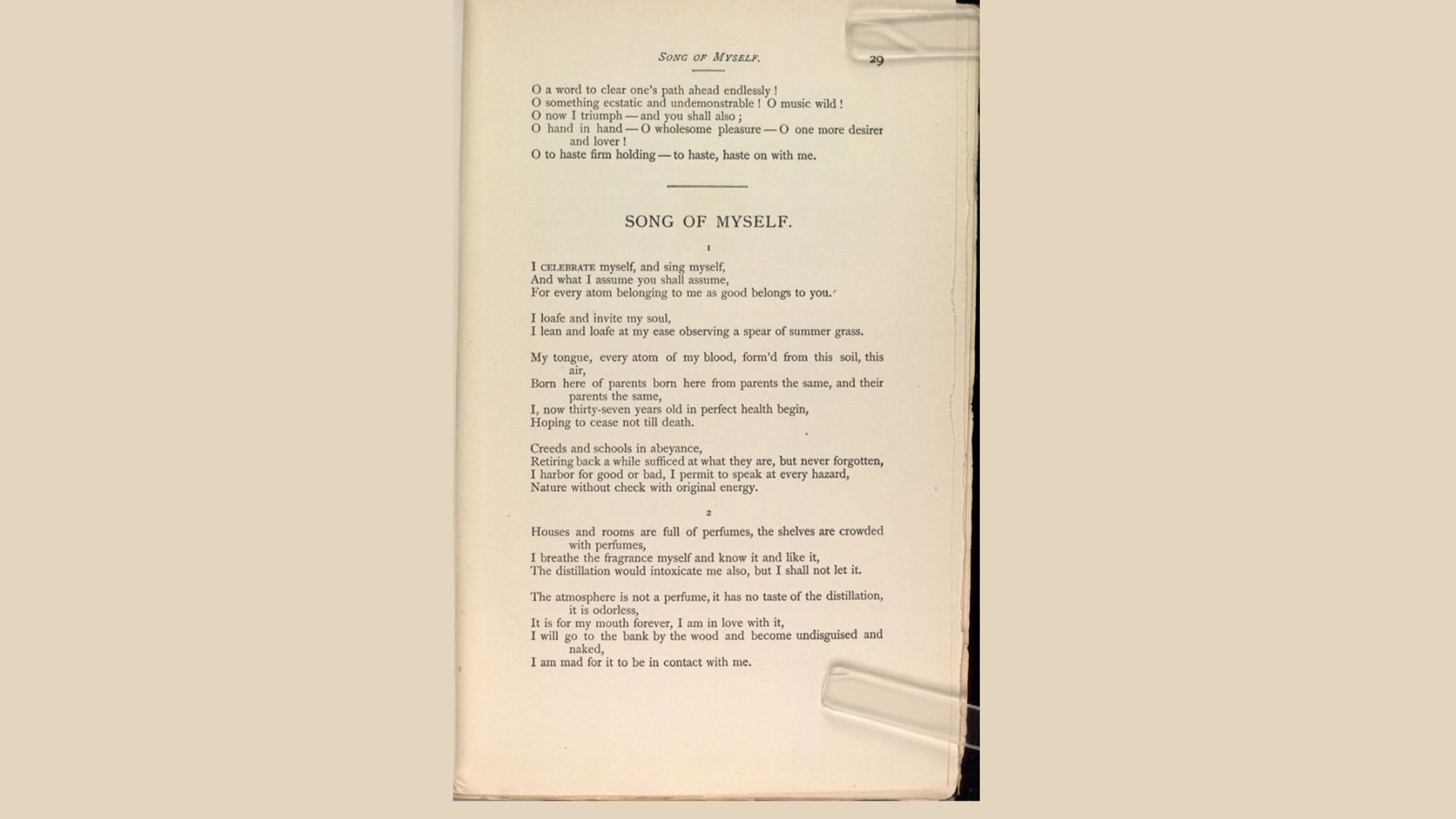
Whitman’s long, sweeping poem is essentially a celebration of being alive and being an individual. He writes with enormous confidence about the value of the self.
It covers everything from the body to the soul to the natural world. The scope is wide but the feeling is personal.
Reading even a section of it can make you feel more present in your own life.
It’s one of the most ambitious poems about self-love ever written.
14. “Mirror” by Sylvia Plath
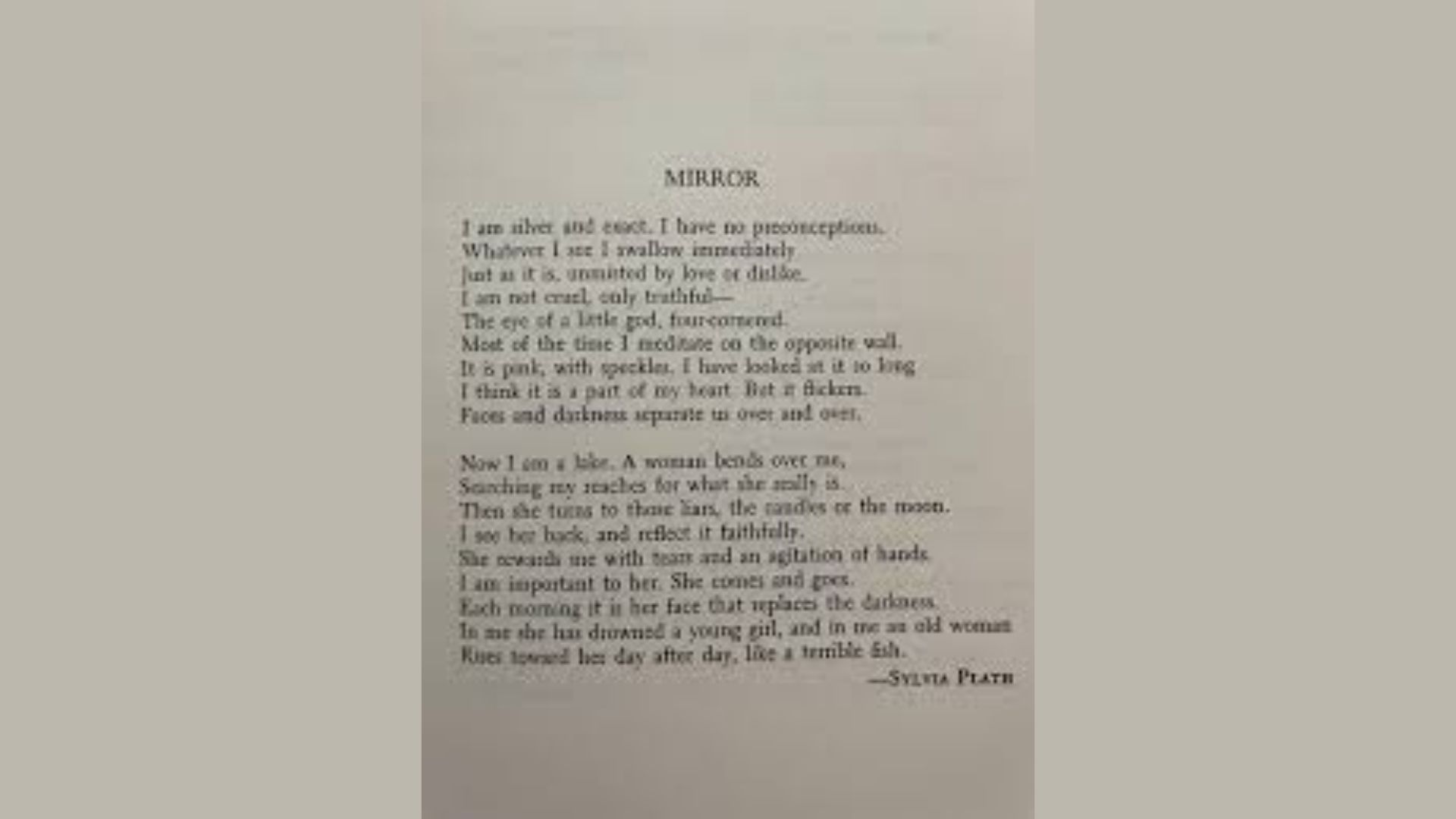
Plath writes from the perspective of a mirror watching a woman age. It’s an honest, sometimes uncomfortable look at how people see themselves.
The poem doesn’t offer easy comfort. It reflects self-perception back without softening it.
But there’s value in that honesty. Recognizing how you see yourself is the first step toward changing the narrative.
Plath’s work is not always easy reading, but it’s almost always worth it.
15. “Lady Lazarus” by Sylvia Plath
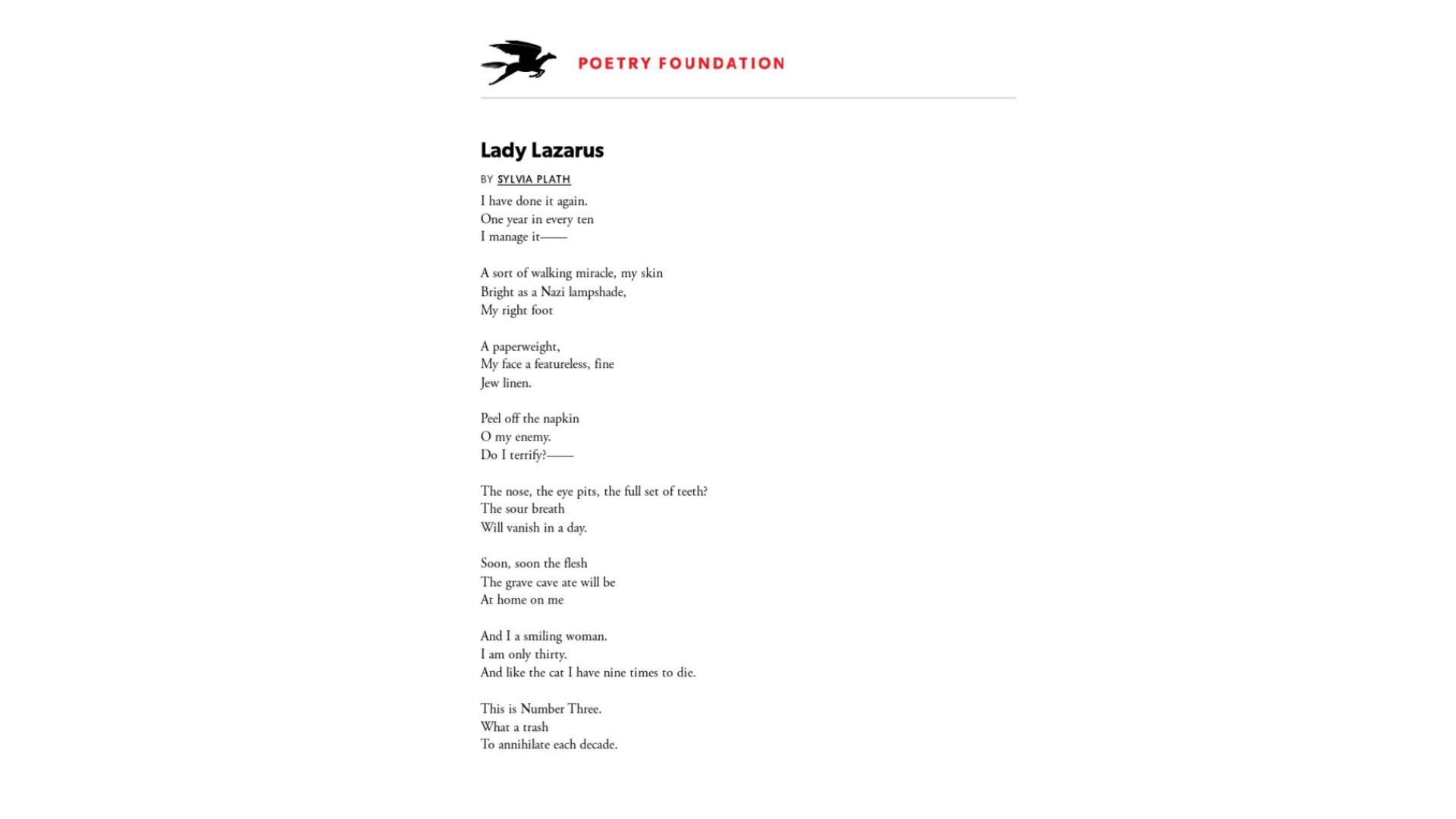
This poem is about surviving. Over and over again. Plath uses dramatic imagery of rising from the dead to talk about personal resilience.
It’s fierce and a little unsettling. But the core message is about reclaiming your own power.
The speaker refuses to stay down. She comes back stronger each time.
For anyone who’s been through something that felt unsurvivable, this poem recognizes that strength.
16. “Still Here” by Langston Hughes
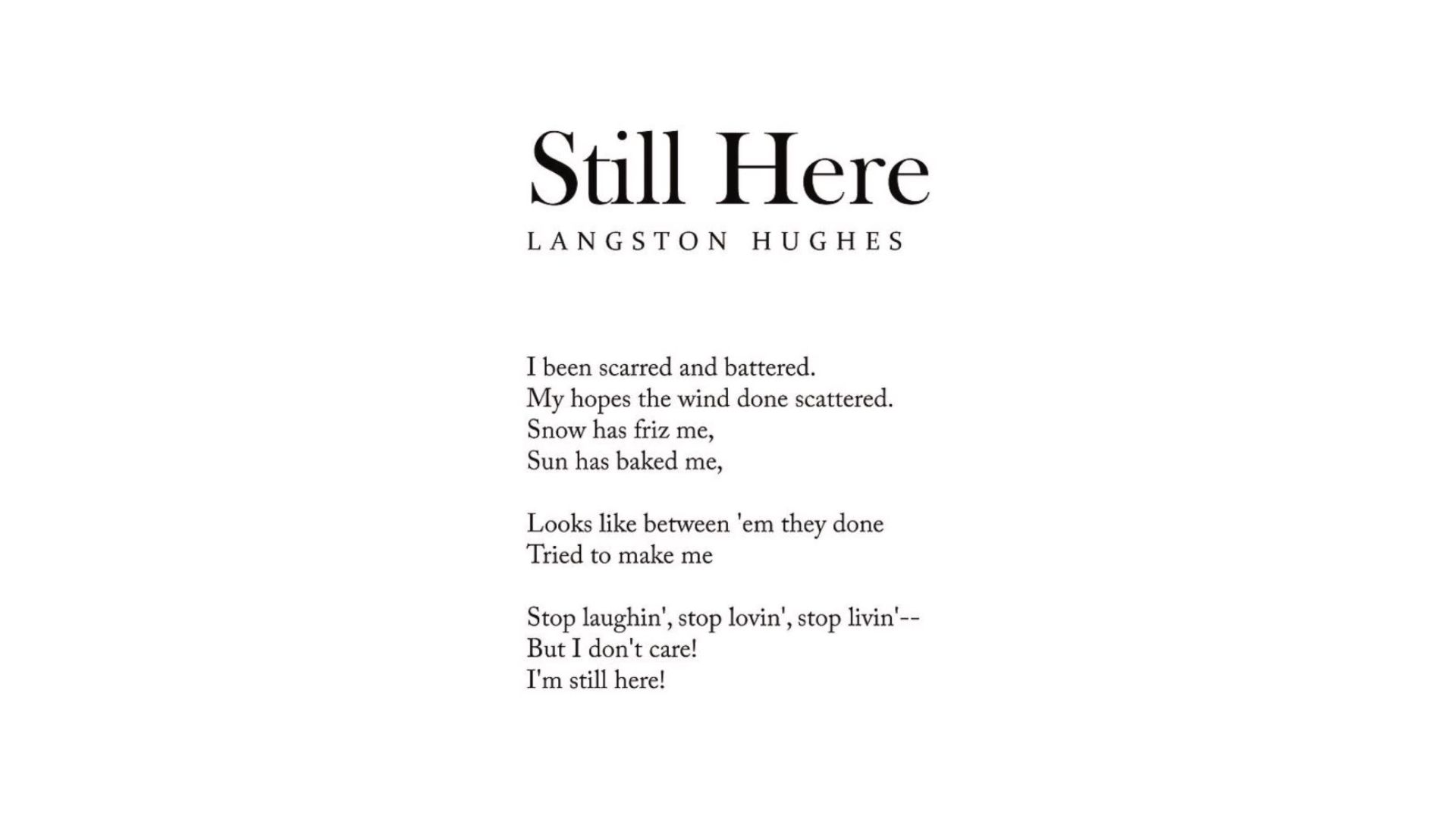
Hughes writes about endurance in this short, punchy poem. The speaker has been through hard times, plenty of them, and is still standing.
There’s no bitterness in the tone. Just a steady, quiet pride in surviving.
It’s a poem for the days when you don’t feel like you’ve won anything. Just kept going. And that’s enough.
Hughes had a gift for saying big things in very few words. This is a strong example of that.
17. “Won’t You Celebrate With Me” by Lucille Clifton
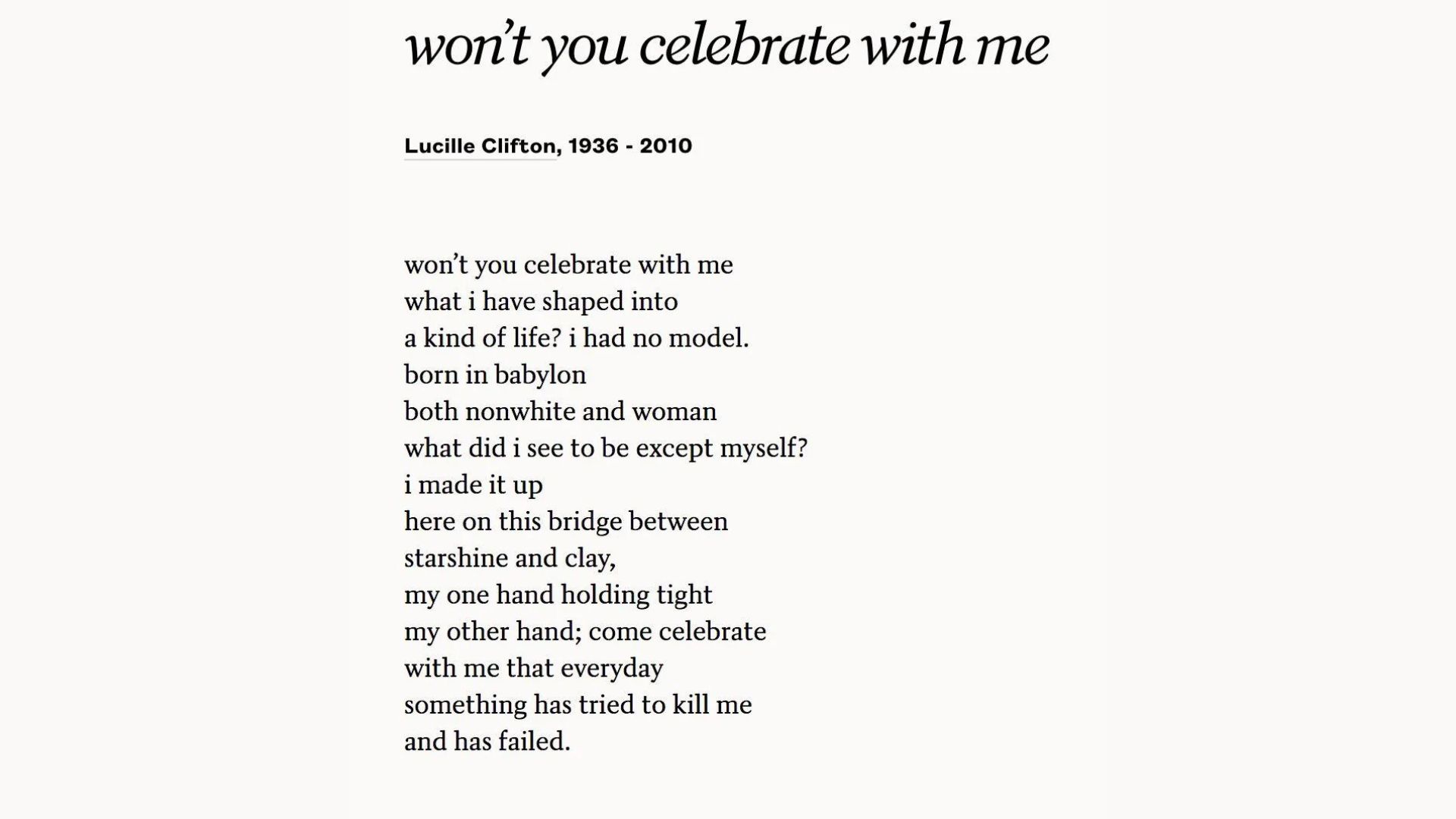
Clifton asks the reader to celebrate her survival with her. She acknowledges that she built herself from almost nothing and that’s worth honoring.
The poem is both personal and universal. Anyone who has had to create their own sense of self against the odds will feel this one.
It’s warm and inviting, not boastful. She’s not showing off. She’s genuinely grateful to be here.
One of the most human self-love poems on this list.
18. “Ego Tripping” by Nikki Giovanni
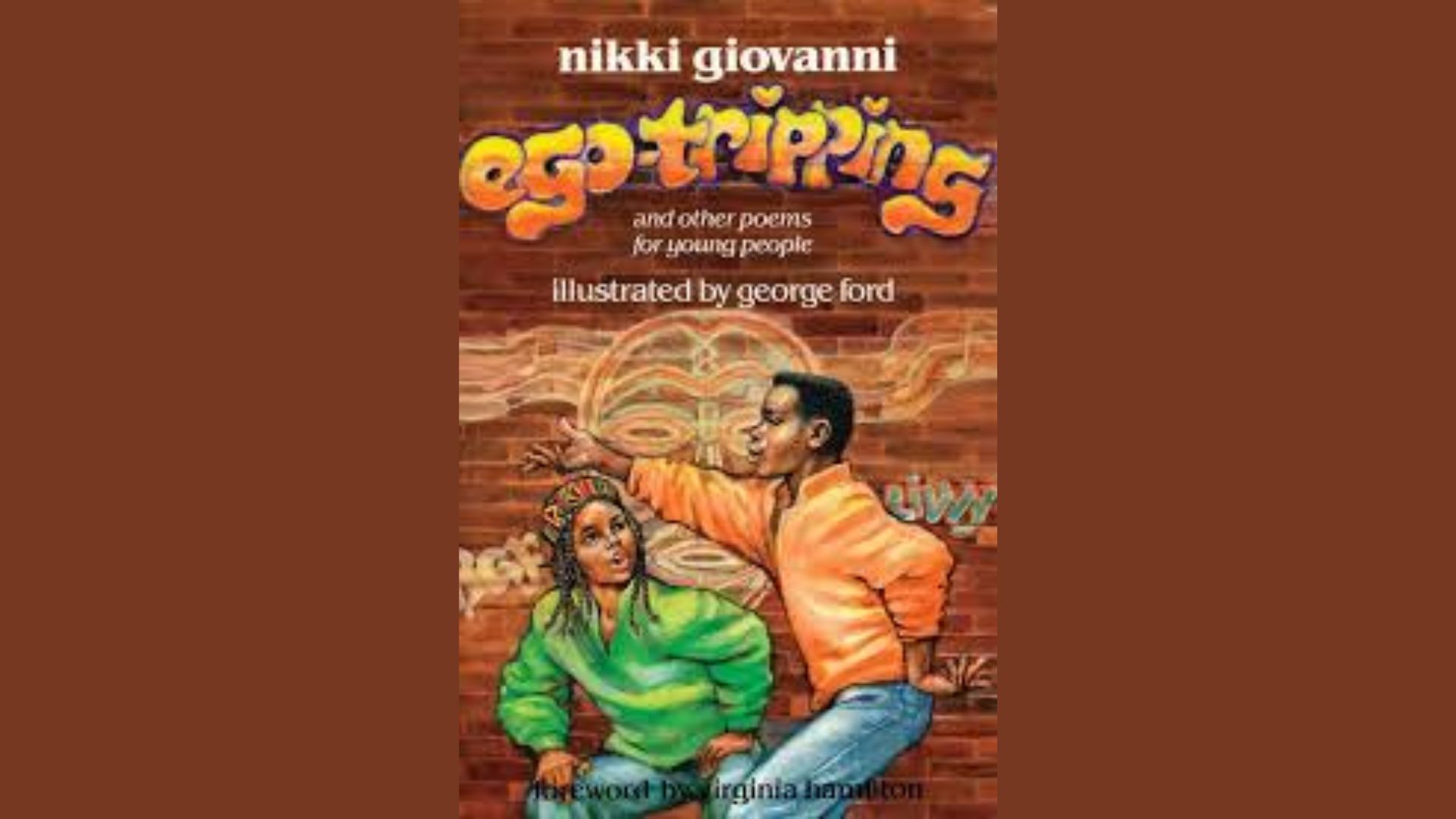
Giovanni’s poem is loud and confident and deliberately so. She writes about self-worth in a big, unapologetic voice.
The poem draws on history and myth to make the speaker feel vast and significant.
It’s a good one to read when you need to feel larger than your problems.
Giovanni doesn’t ask for permission to take up space. And after reading this, you might not either.
19. “You Are Your Own Fairy Tale” by Amanda Lovelace
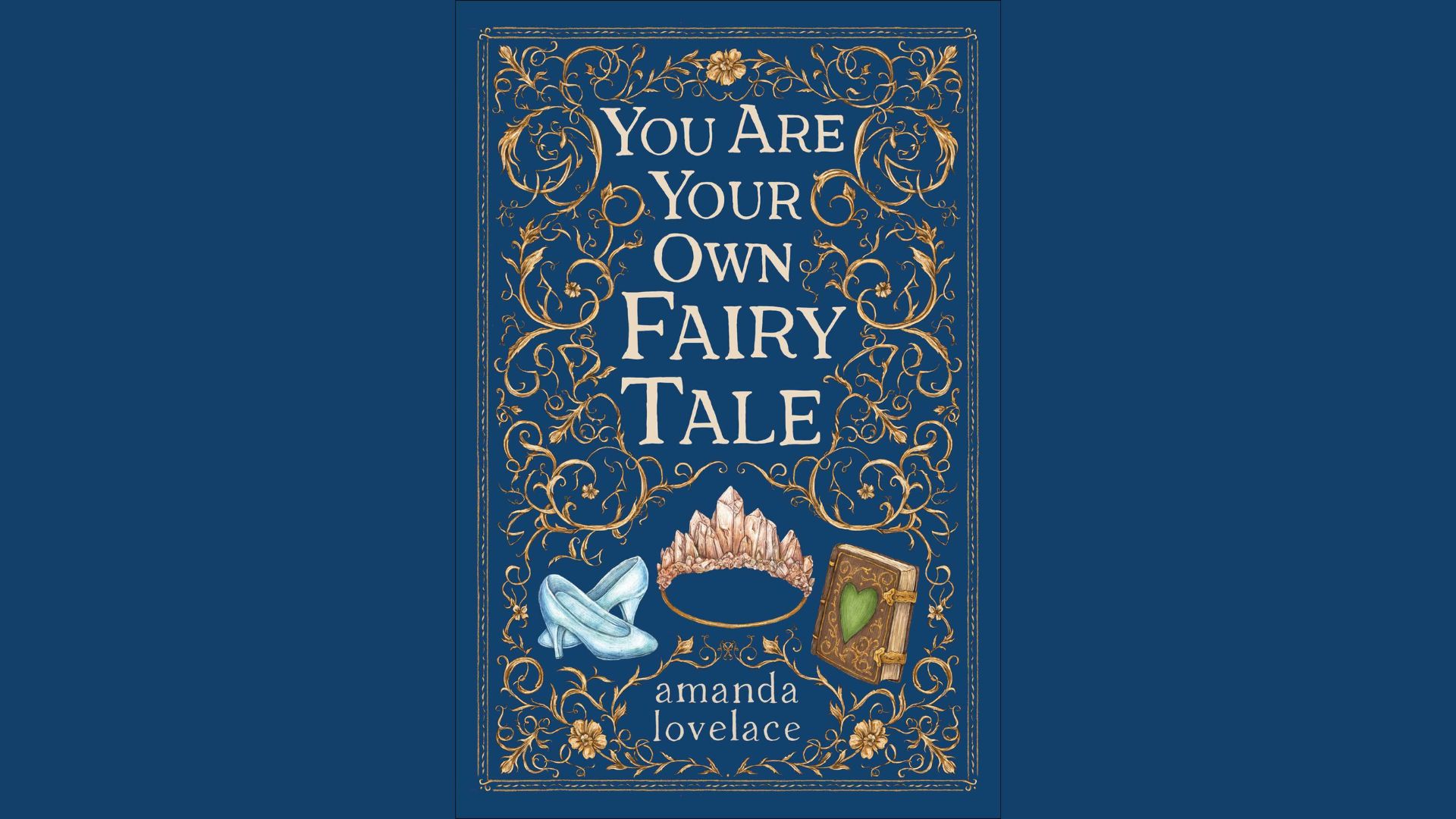
Lovelace writes for people who have let others define their story. This poem is about taking that story back.
It’s direct and easy to read, written in the accessible style that makes her work popular with younger readers.
The message is simple. You are the author of your own life. Start writing.
For anyone recovering from a relationship or situation that made them feel small, this one lands hard.
20. “Self-Love” by Lang Leav
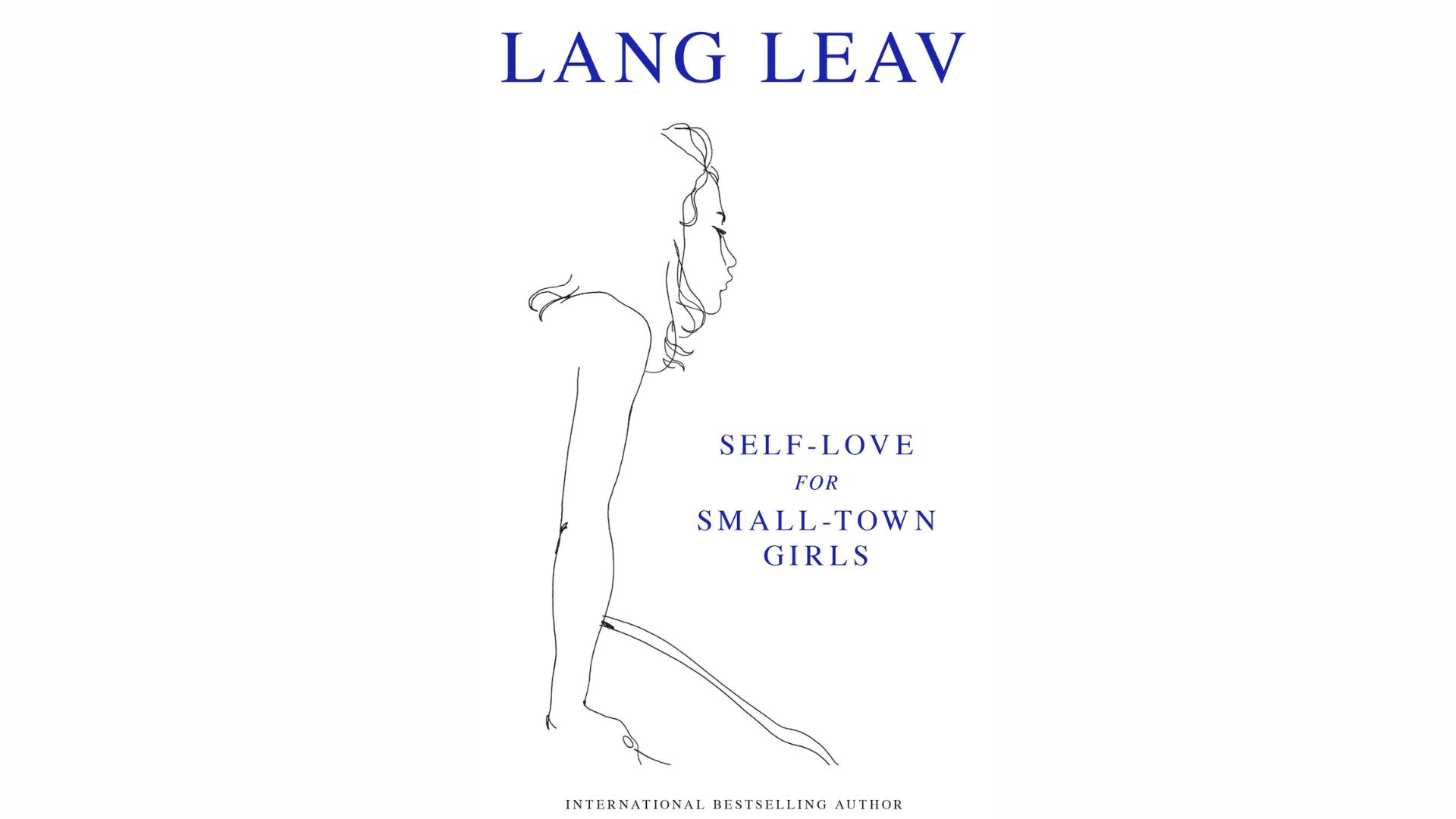
Leav writes about self-love as a gentle, gradual process. Not a sudden shift but a slow return to yourself.
Her style is clean and minimal. The poems are short but they stay with you.
This one in particular focuses on accepting your own emotions without judgment. That quiet, internal work is often the hardest kind.
It’s a good poem for slow mornings or journal entries.
21. “Ode to Myself” by Pablo Neruda
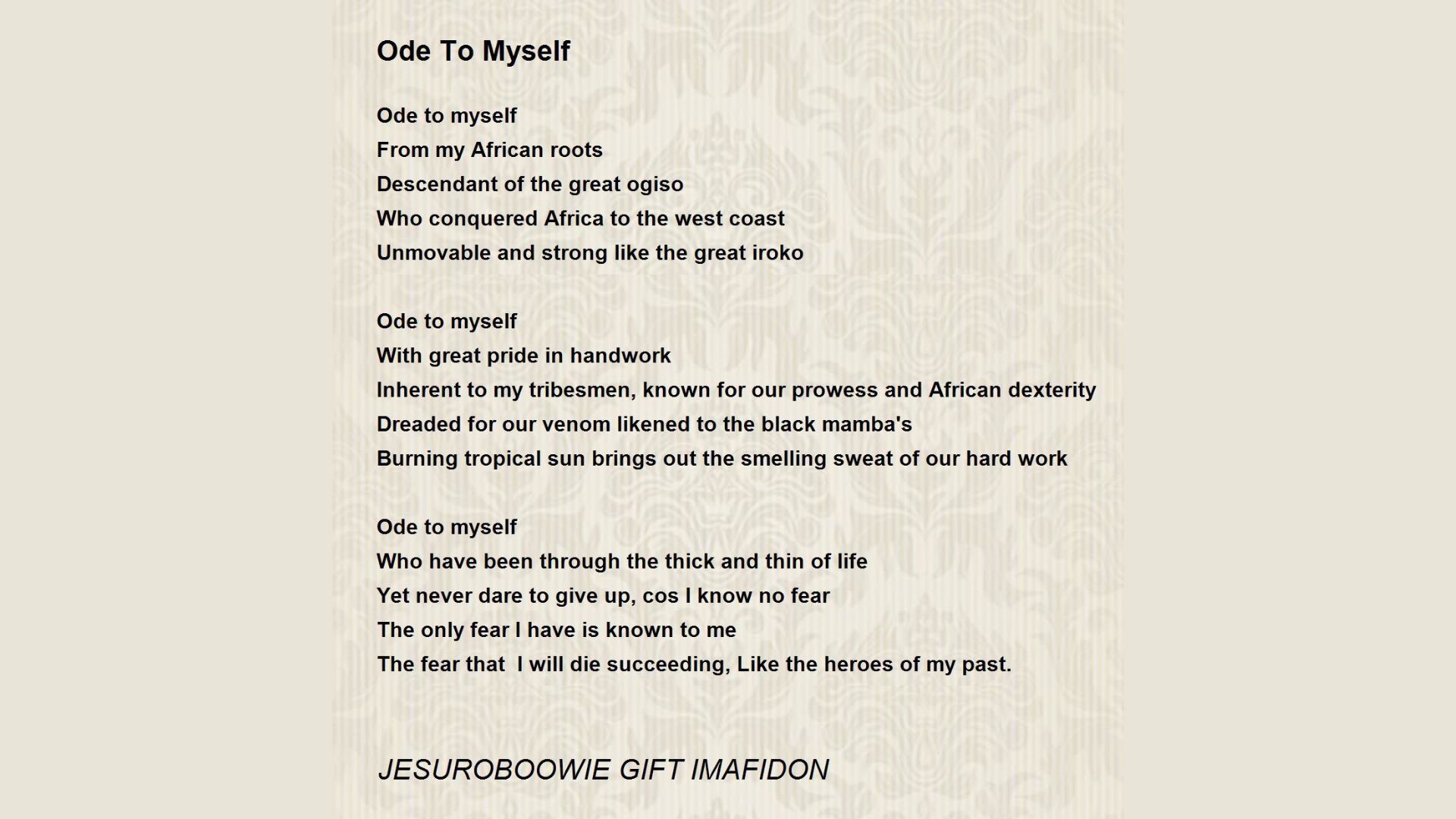
Neruda turns his famous ode format toward himself in this poem. He writes with warmth and humor about the experience of simply existing as a person.
It’s not grandiose. It’s more like a fond appreciation for being alive and being who he is.
That lightness is refreshing in a genre that can sometimes feel heavy.
Neruda shows that self-love doesn’t always have to be serious. Sometimes it’s just gratitude.
22. “On Being Brought from Africa to America” by Phillis Wheatley

Wheatley wrote this poem in the 18th century under extraordinary circumstances. As an enslaved person who became a published poet, her voice carries enormous weight.
The poem asserts dignity and spiritual worth in a world that denied her basic humanity.
Reading it through a self-love lens, it becomes a statement about inherent value that no outside force can take away.
It’s a historically important poem and an emotionally powerful one.
23. “Caged Bird” by Maya Angelou
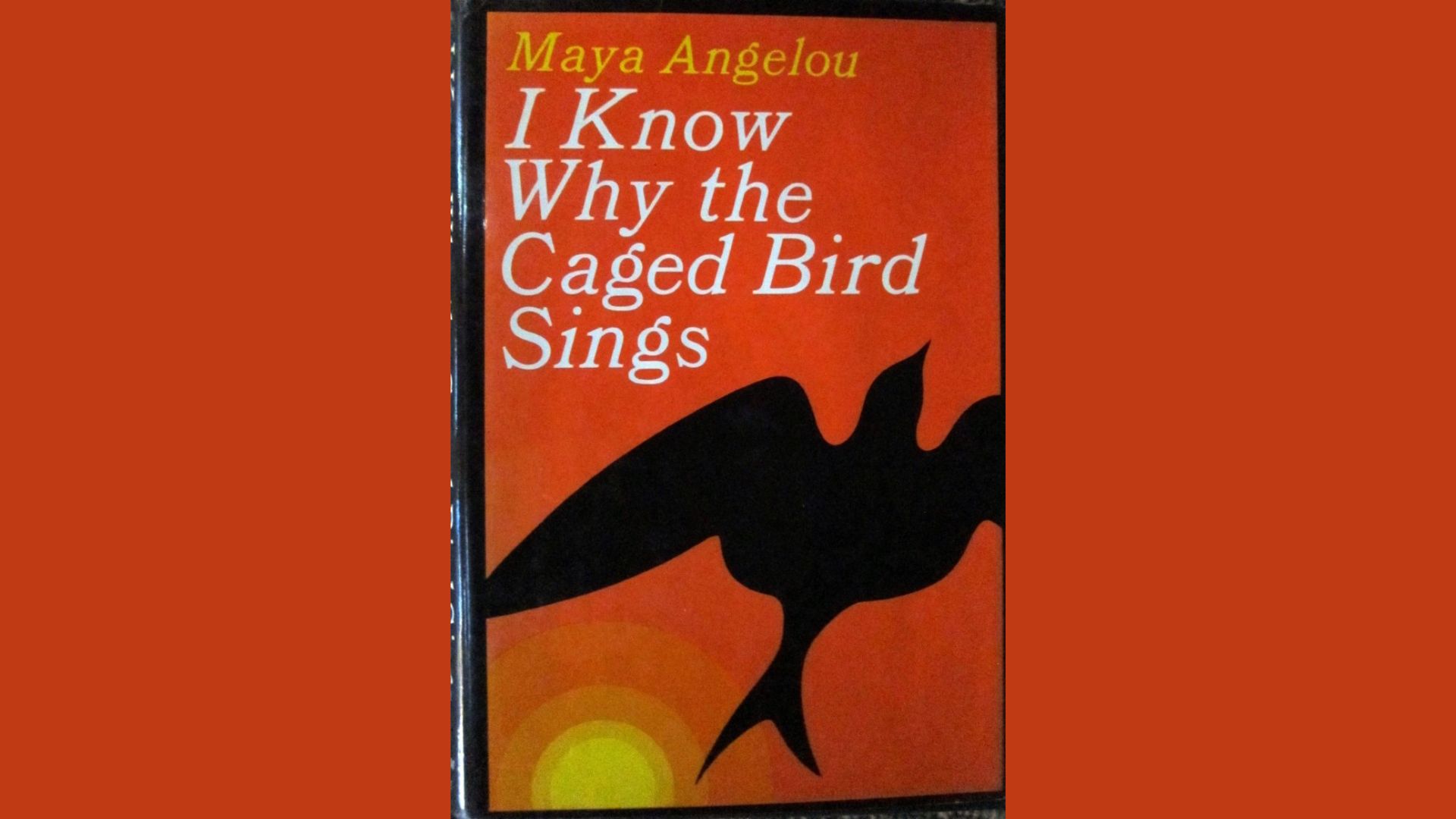
Angelou contrasts a free bird and a caged bird to talk about freedom, identity, and self-expression. The caged bird still sings, even when trapped.
That image of singing despite constraint is one of the most enduring in American poetry.
It speaks to anyone who has felt held back, by others, by fear, by circumstance.
Choosing to express yourself anyway is its own act of self-love.
24. “The Laughing Heart” by Charles Bukowski
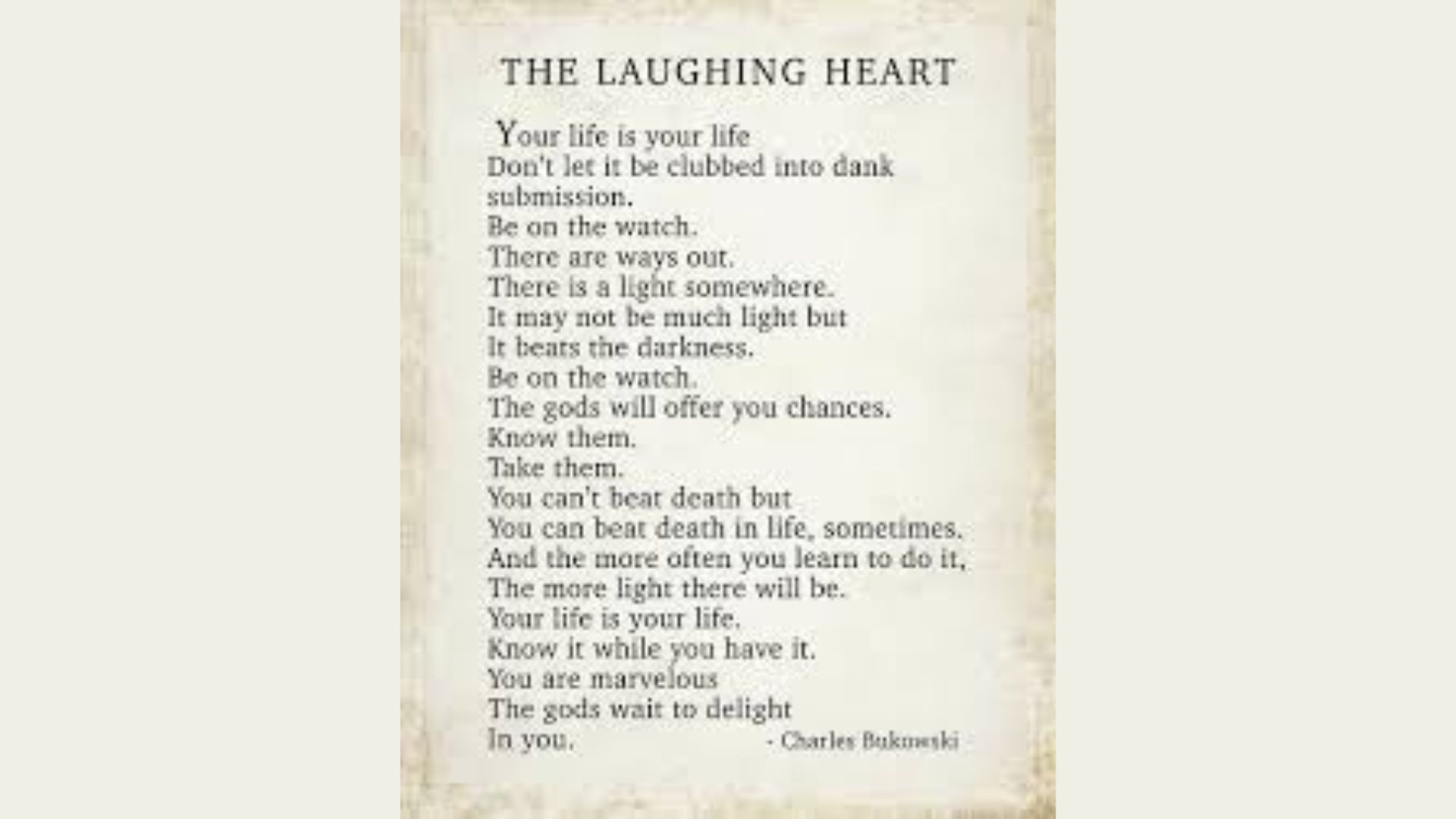
Bukowski isn’t usually associated with self-love poetry, but this poem is different from his usual work. It urges the reader to grab their own life before someone else does it for them.
The tone is urgent but not panicked. More like a friend shaking you by the shoulders.
Your life is yours. That’s the whole message. Don’t hand it over.
It’s blunt, which is very Bukowski, but the message is genuinely encouraging.
25. “Desiderata” by Max Ehrmann
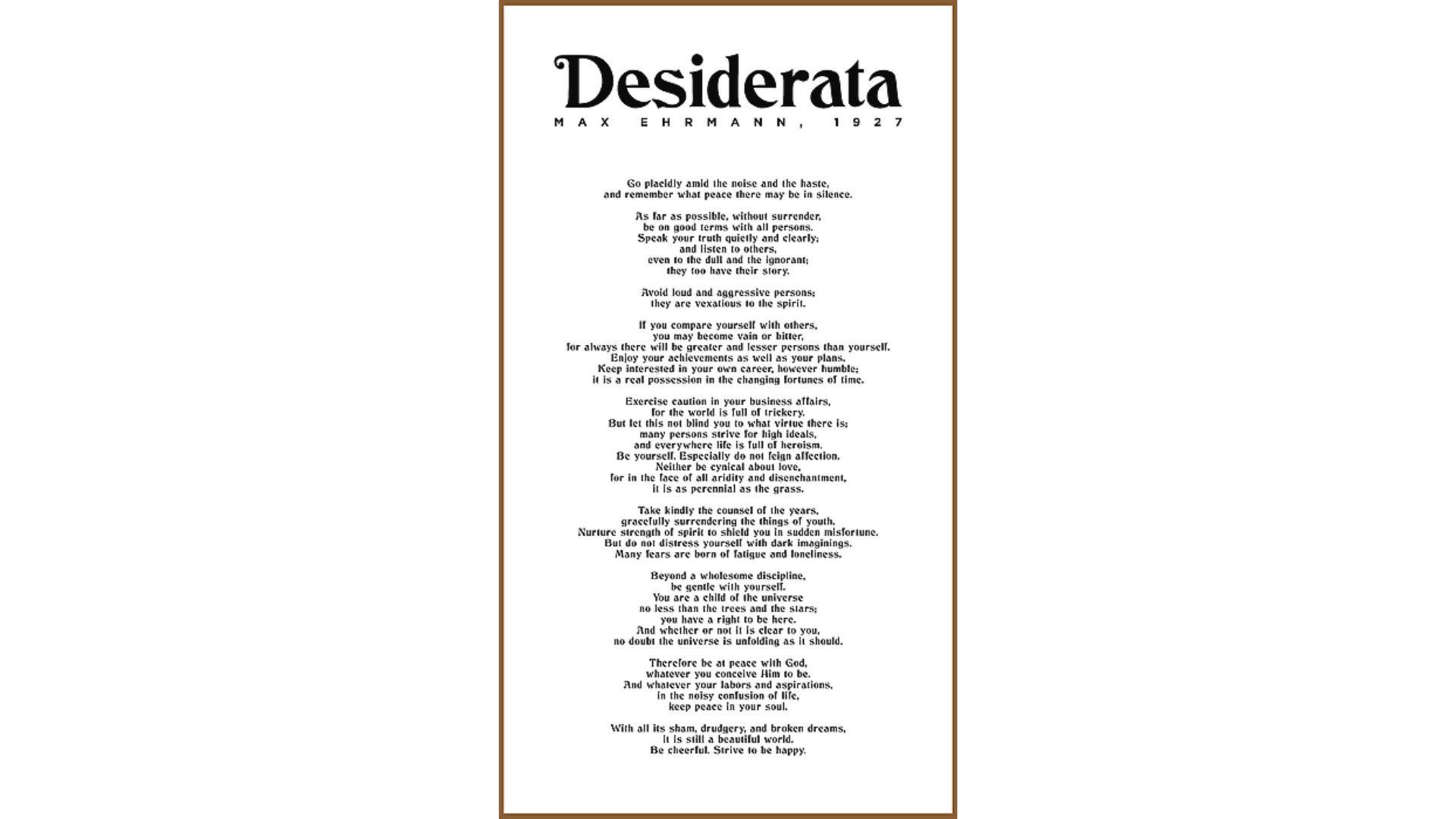
Ehrmann wrote this as a set of instructions for living peacefully. It covers self-respect, contentment, and finding your place without comparing yourself to others.
The language is calm and measured. It doesn’t demand anything of you. It just offers perspective.
Reading it feels like a reset. A reminder that most of what you’re worried about isn’t as urgent as it feels.
This poem has been shared, printed, and framed by millions of people for a reason. It holds up.
26. “Do Not Go Gentle into That Good Night” by Dylan Thomas
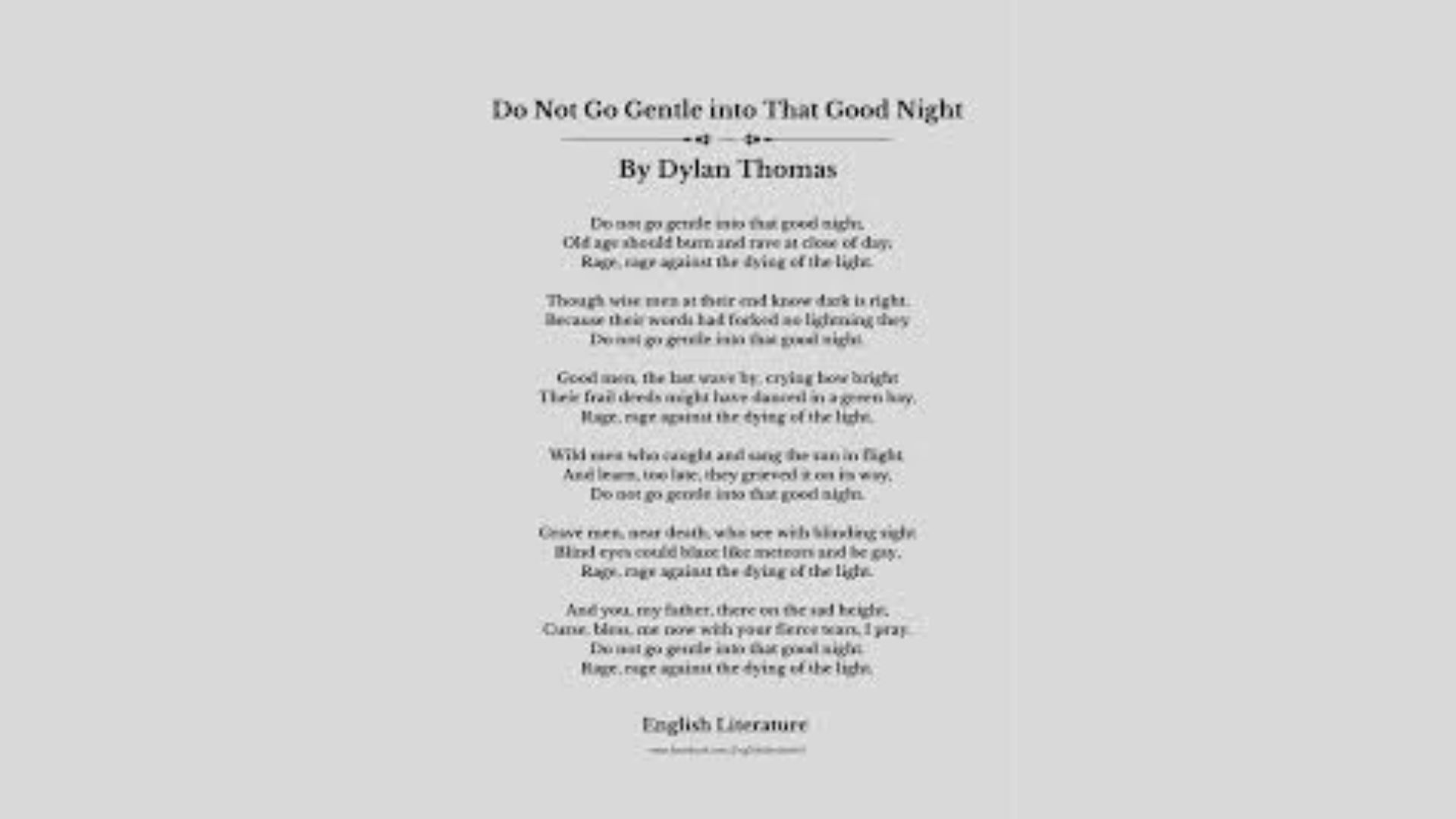
Thomas wrote this as a plea to his dying father to keep fighting. But the poem has become a broader call to inner strength and refusing to give up.
It’s one of the most well-known villanelles in the English language, and the repetition gives it a powerful, building energy.
In the context of self-love, it reads as a reminder not to give up on yourself quietly. Keep going. Resist.
When everything feels too hard, this poem pushes back.
27. “The Layers” by Stanley Kunitz
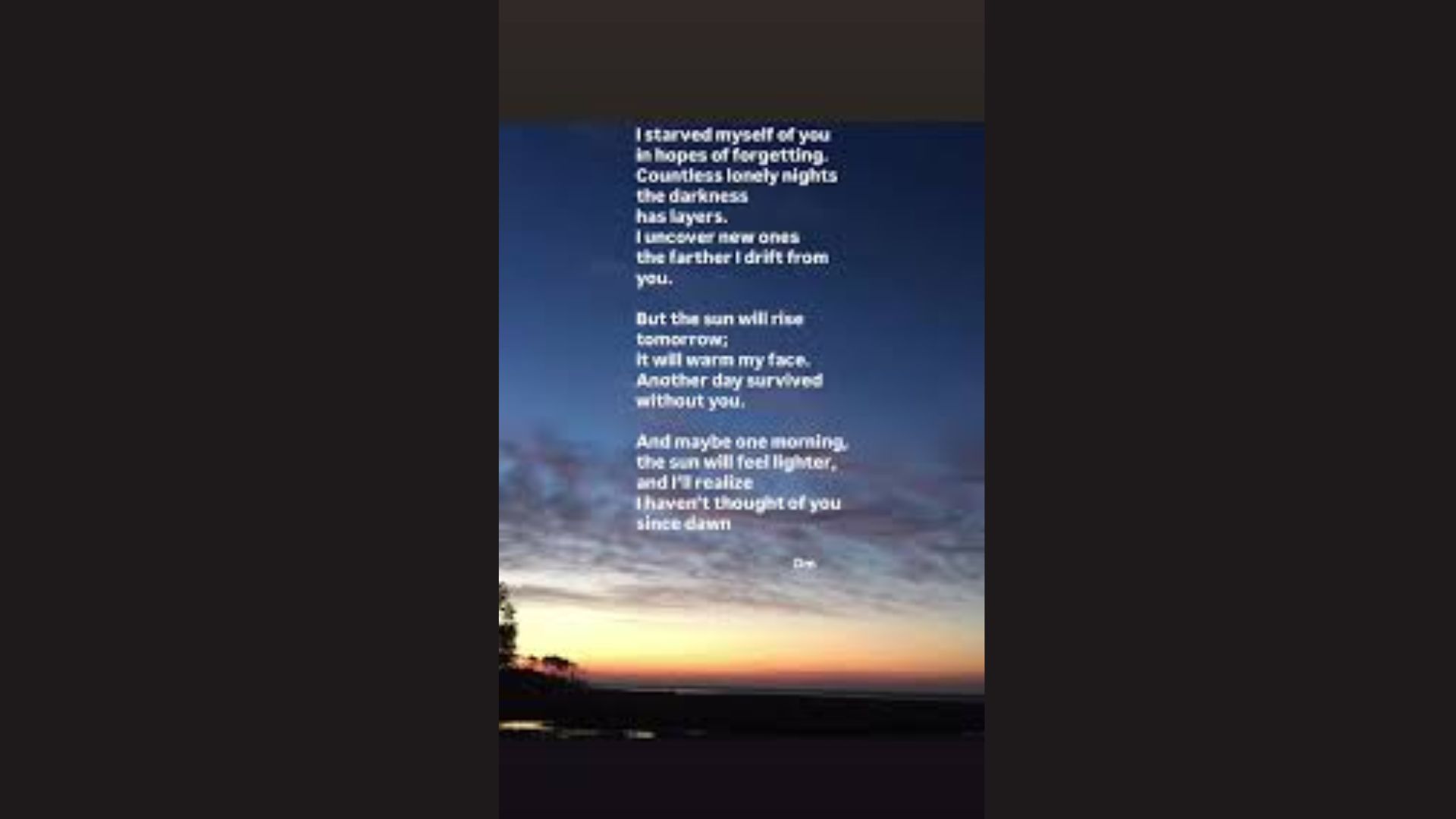
Kunitz reflects on a life lived through change, loss, and growth. He acknowledges pain without being crushed by it.
The poem is about moving forward anyway. Not because everything is fine, but because forward is the only real option.
It speaks to resilience in a grounded, mature way. Not dramatic, just honest.
This is a good one for anyone in the middle of a big life change, looking for something that gets it without sugarcoating it.
Tips to Write Your Own self-love Poems
Writing your own poems about self-love might feel intimidating. But it doesn’t have to be. You don’t need formal training or a literature degree. You just need honesty and a willingness to sit with your own feelings for a few minutes.
Here’s what actually helps:
- Write honestly. Don’t write what you think sounds poetic. Write what’s true for you, even if it feels messy.
- Use simple language. The most powerful self-love poems are often the clearest ones. Simple words hit harder than complicated ones.
- Focus on emotions. Start with how you feel, not what happened. The feeling is the poem.
- Don’t aim for perfection. First drafts are supposed to be rough. Let it be imperfect. That’s part of the process.
- Use images from your own life. A specific memory or place can say more than any abstract phrase.
The point isn’t to write a masterpiece. The point is to practice showing up for yourself on the page. That habit alone changes things. Start small. Even a few lines counts.
Conclusion
self-love isn’t a destination. It’s something you come back to, again and again, especially on the hard days.
These poems have helped me through more than I expected. I think a few of them will do the same for you.
Pick one that felt personal. Save it. Come back to it next week and see if it hits differently.
And if a poem on this list moved you, drop it in the comments. I genuinely want to know which one found you at the right moment. Share this with someone who needs it today.
Frequently Asked Questions
What Are the Best Poems About self-love?
Classics by Maya Angelou and modern work by Rupi Kaur are great starting points. Both offer very different styles but equally strong messages about self worth and healing.
Why Are Poems About self-love Important?
They help build emotional resilience and remind you of your own value in a way that feels personal, not preachy. Good poetry can shift your mindset when nothing else seems to.
Can Poetry Improve Self-Esteem?
Yes. Reading poems that reflect your experience back to you encourages self-reflection and positive thinking over time. Even one poem a day can make a noticeable difference.
Where Can I Find Famous Poems About self-love?
You can find them in published poetry collections, public library databases, and curated online poetry sites. Many are also available for free through literary archives.
How Do I Start Writing self-love Poems?
Start with a feeling or memory that matters to you, then write without editing yourself. Focus on honesty over technique, especially at the beginning.