

If you’ve ever wanted to understand ode poems but didn’t know where to start, you’re in the right place. I’ve put together 11 ode poem examples that are worth reading at least once.
Some are old classics. Some are modern and bold. All of them show what this form of poetry can really do.
I’ve spent time reading and teaching poetry, and I know how overwhelming it can feel at first. This list will help you understand, enjoy, and even write your own ode. Let’s get into it.
What Is an Ode Poem?

An ode is a poem that praises or reflects on a subject, whether that’s a person, a place, an emotion, or an object. Odes are usually formal in tone but can also feel deeply personal.
They tend to be longer than other poems, use strong imagery, and address a clear subject directly. Most follow a structured pattern with repeating stanzas.
There are three main types. Pindaric odes use an ancient Greek three-part stanza structure. Horatian odes are calmer and more personal.
Irregular odes skip fixed rules entirely, which is the form Keats and Shelley often preferred.
Why Read Ode Poem Examples?
Reading examples is one of the best ways to learn what makes an ode work.
Understanding Poetic Expression
Reading odes helps you see how poets use language to say big things in a structured way. You start to notice how word choice and tone shape the whole meaning of a poem.
Learning Literary Techniques
Odes are full of useful techniques. Apostrophe, extended metaphor, and alliteration show up often. Studying these examples helps you spot and use these tools in your own writing.
Finding Creative Inspiration
Sometimes you need a poem to spark something in you. These examples cover love, loss, nature, identity, and culture. There’s something here for every kind of reader.
11 Ode Poem Examples Everyone Should Read
Here are eleven ode poem examples that cover a wide range of styles, voices, and themes.
1. An Horatian Ode upon Cromwell’s Return – Andrew Marvell
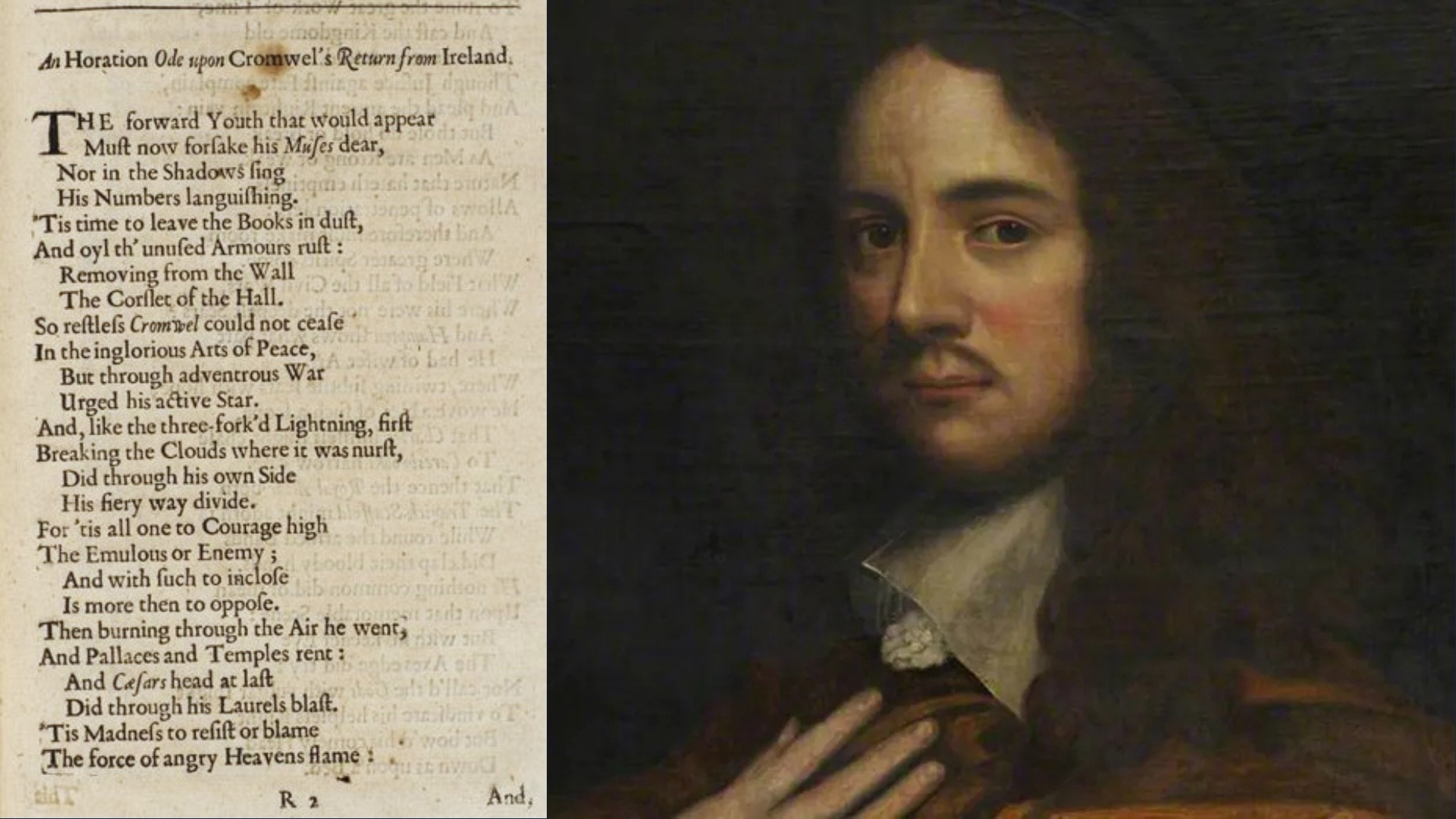
Marvell wrote this in 1650 after Oliver Cromwell returned from Ireland. It mixes praise with political tension. The poem doesn’t fully celebrate or condemn. It just observes, which makes it feel unusually honest for its time.
2. On Desire – Aphra Behn

Behn was one of the first women to write professionally in English. This ode looks at desire as something painful and consuming. Her voice is direct and personal, which was bold for the 1600s.
3. Ode on the Death of a Favourite Cat – Thomas Gray
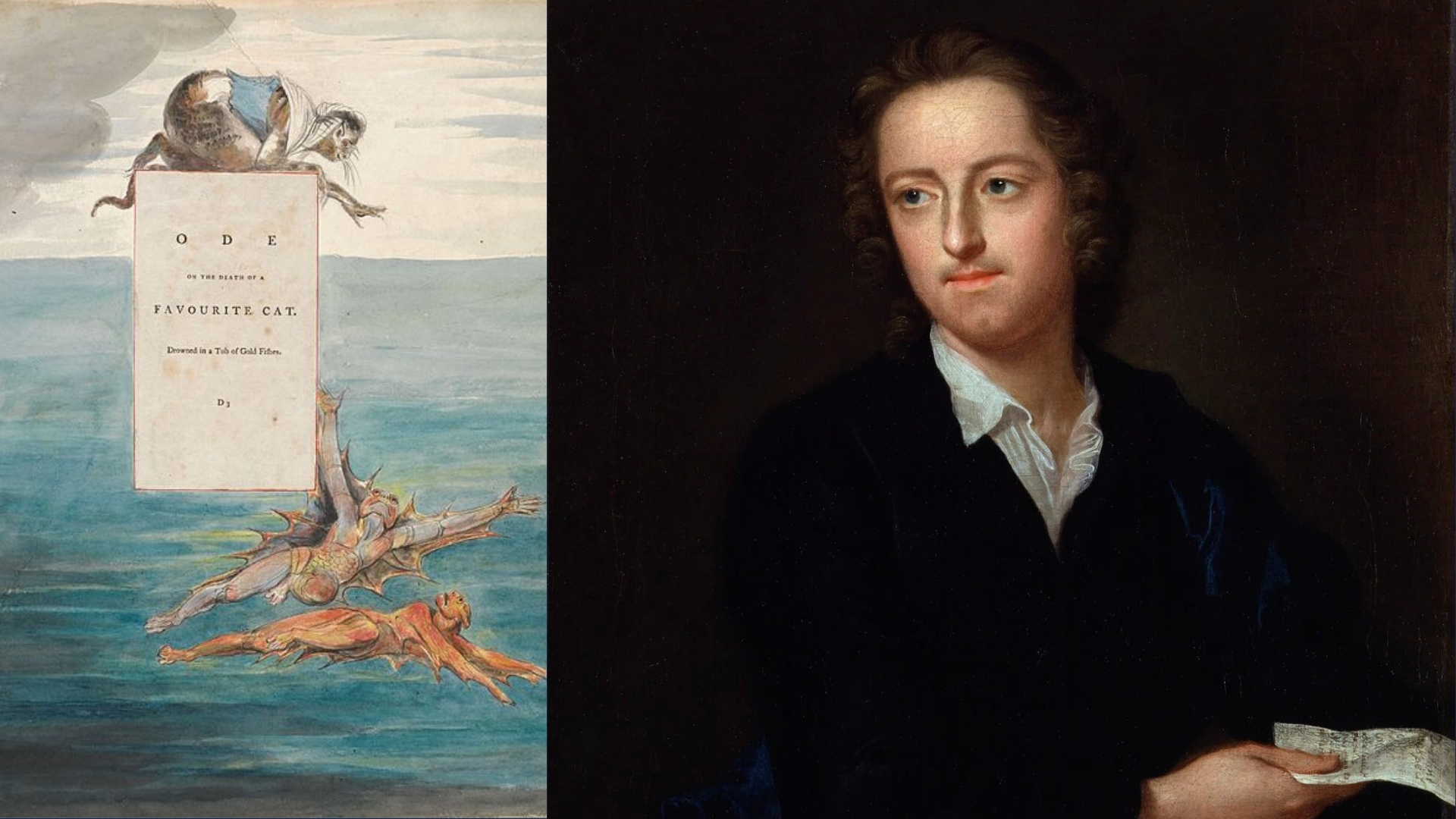
This 1748 poem is both funny and sad. A cat drowns after reaching for goldfish in a bowl. Gray uses the moment to reflect on greed and ambition. It’s a great example of how odes can be playful.
4. Ode Intimations of Immortality – William Wordsworth
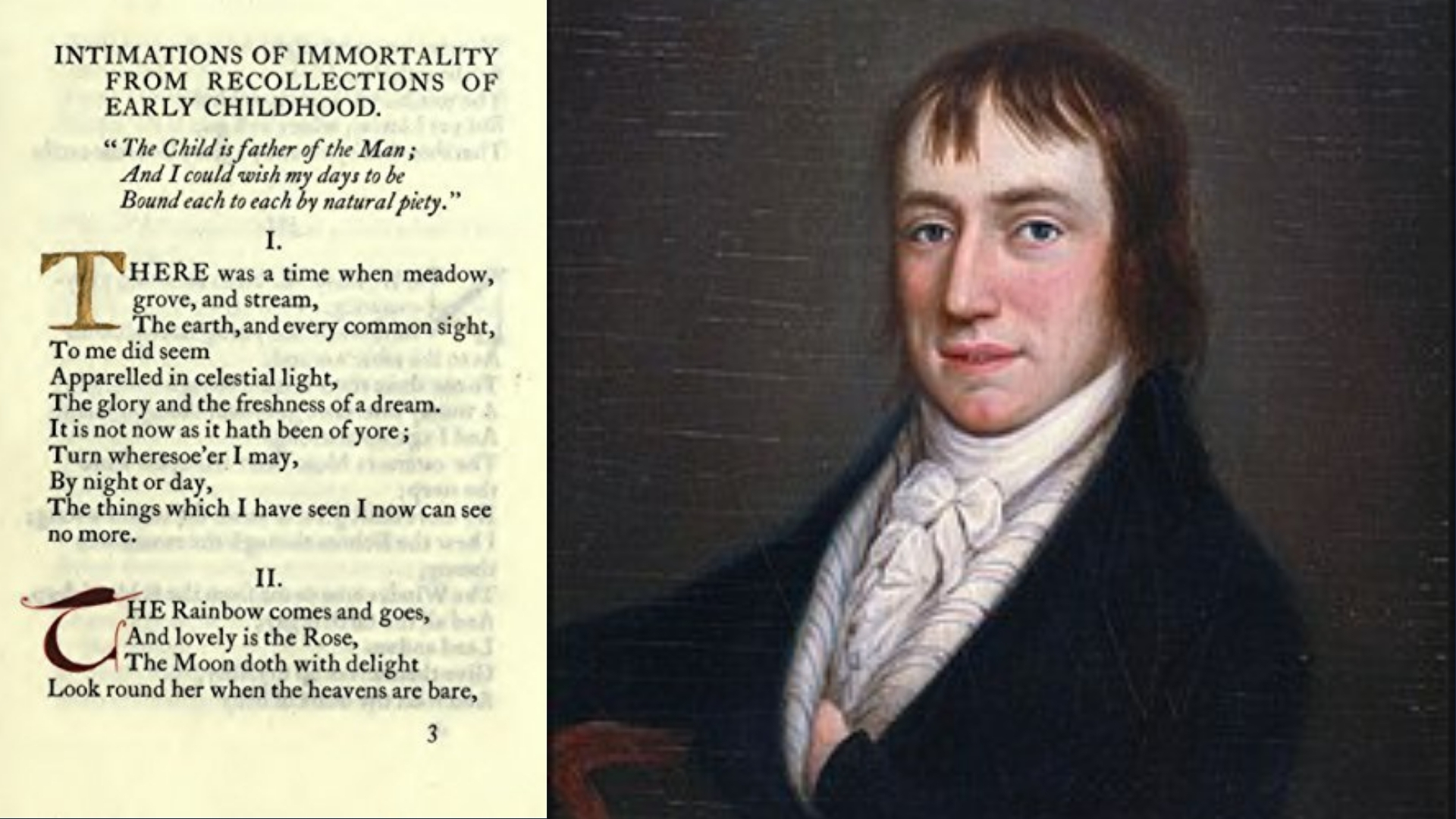
Wordsworth reflects on childhood and how we lose a sense of wonder as we grow up. The poem is long but deeply moving. It’s one of the most important Romantic odes in English literature.
5. Dejection An Ode – Samuel Taylor Coleridge
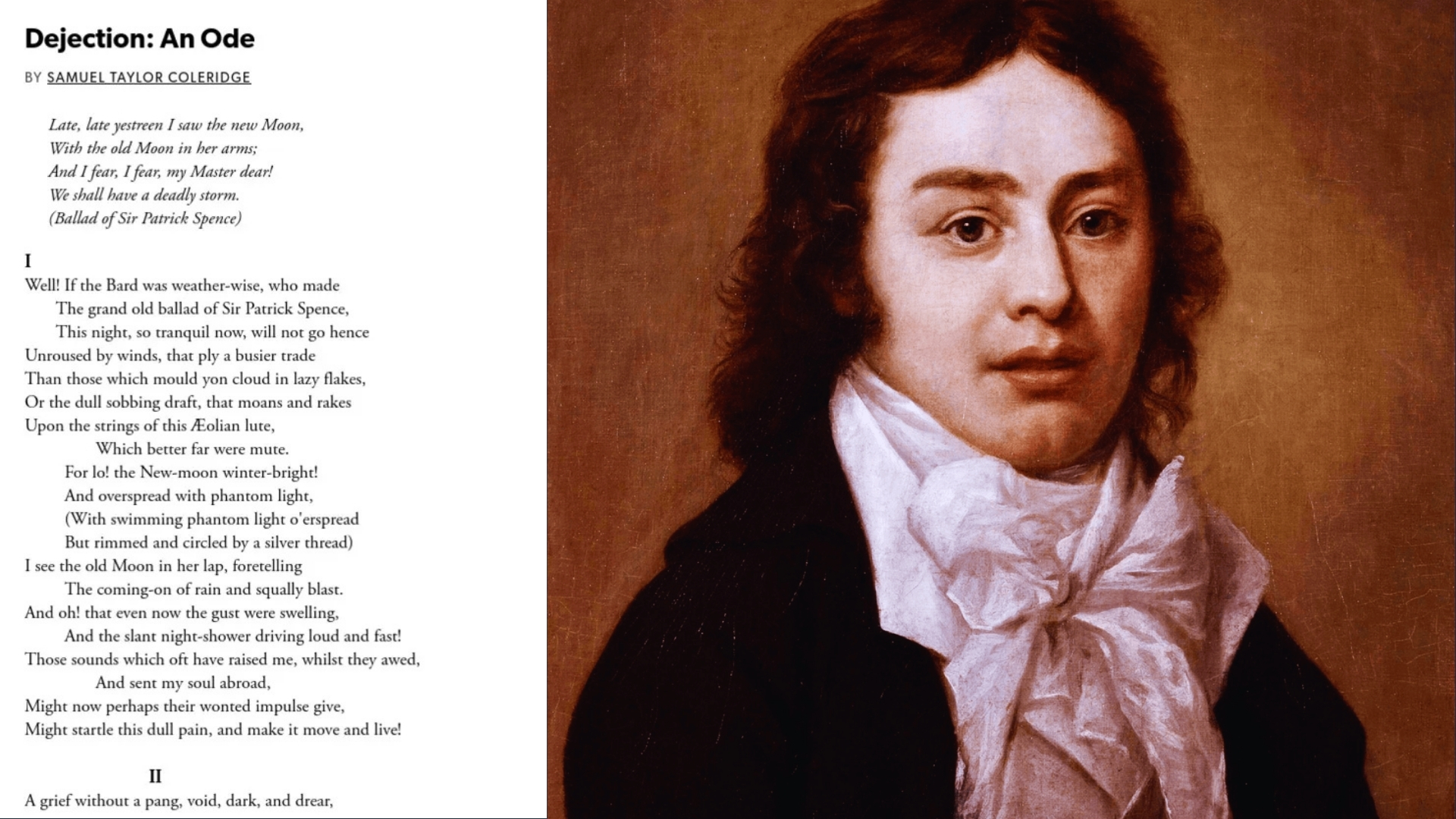
Coleridge wrote this in 1802 during a dark period in his life. The poem is about losing the ability to feel joy or write poetry. It feels raw and honest in a way that still connects with readers today.
6. To a Skylark – Percy Bysshe Shelley
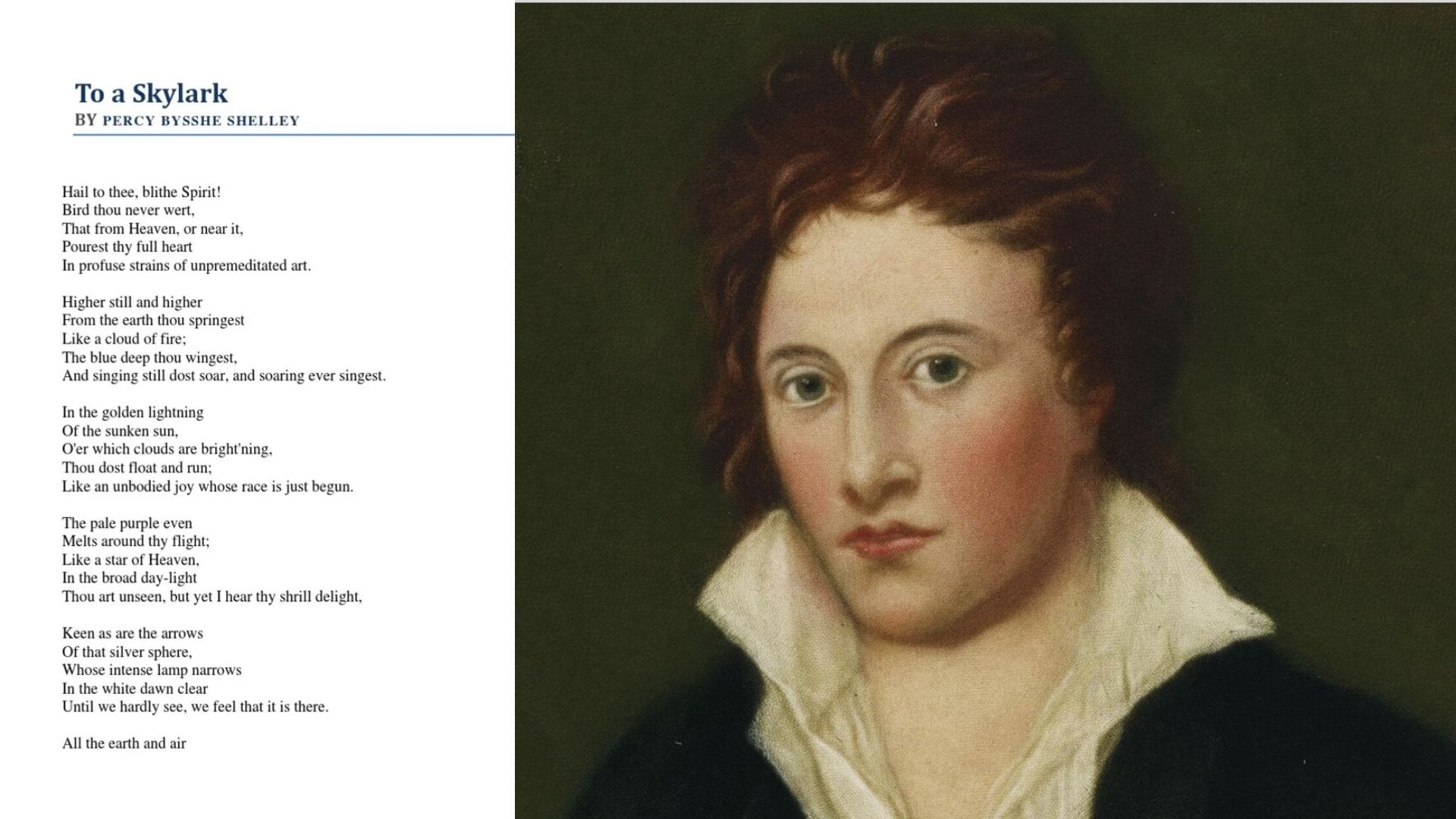
Shelley addresses a skylark as if it represents pure happiness. He compares the bird’s song to poetry itself. The energy of the poem matches the soaring flight of the bird.
7. Ode on a Grecian Urn – John Keats
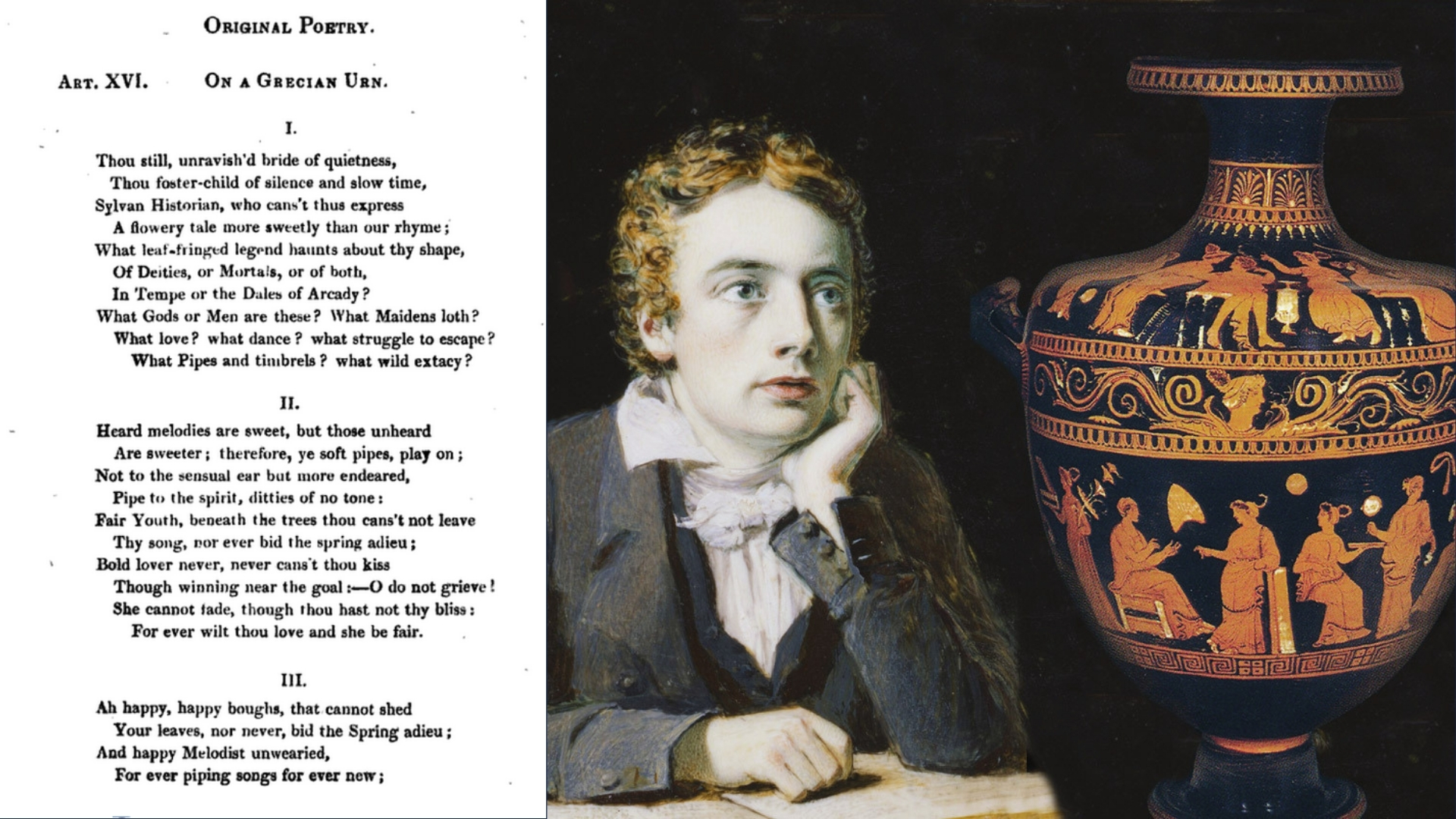
This is one of the most studied poems in English. Keats looks at images on an ancient urn and thinks about art, time, and what lasts forever. The final lines are famous for a reason.
8. Ode to Ethiopia – Paul Laurence Dunbar
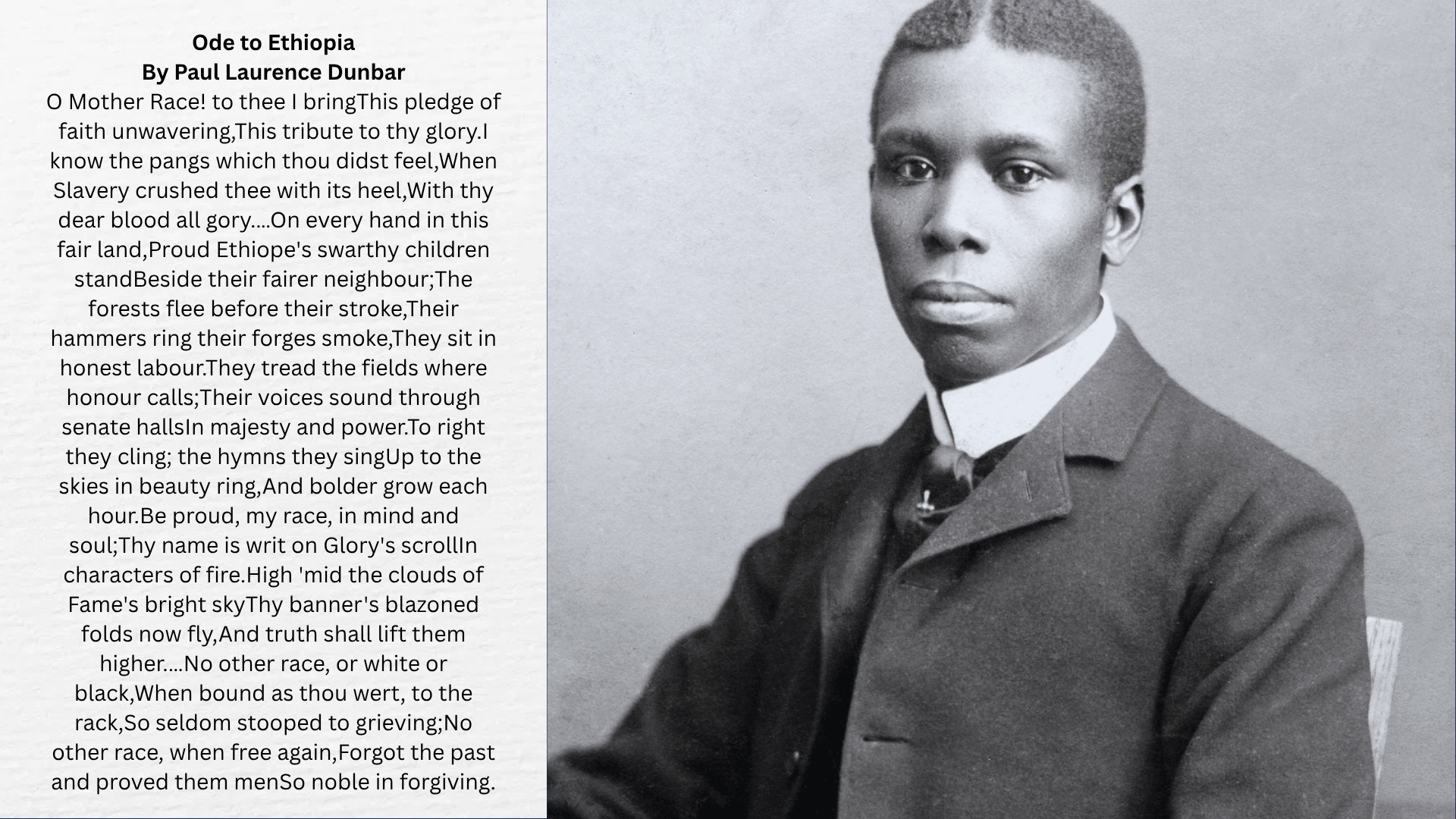
Dunbar wrote this in 1896 as a tribute to the African American experience. It speaks of strength, history, and hope. The poem holds cultural weight that still resonates today.
9. Ode to the Confederate Dead – Allen Tate
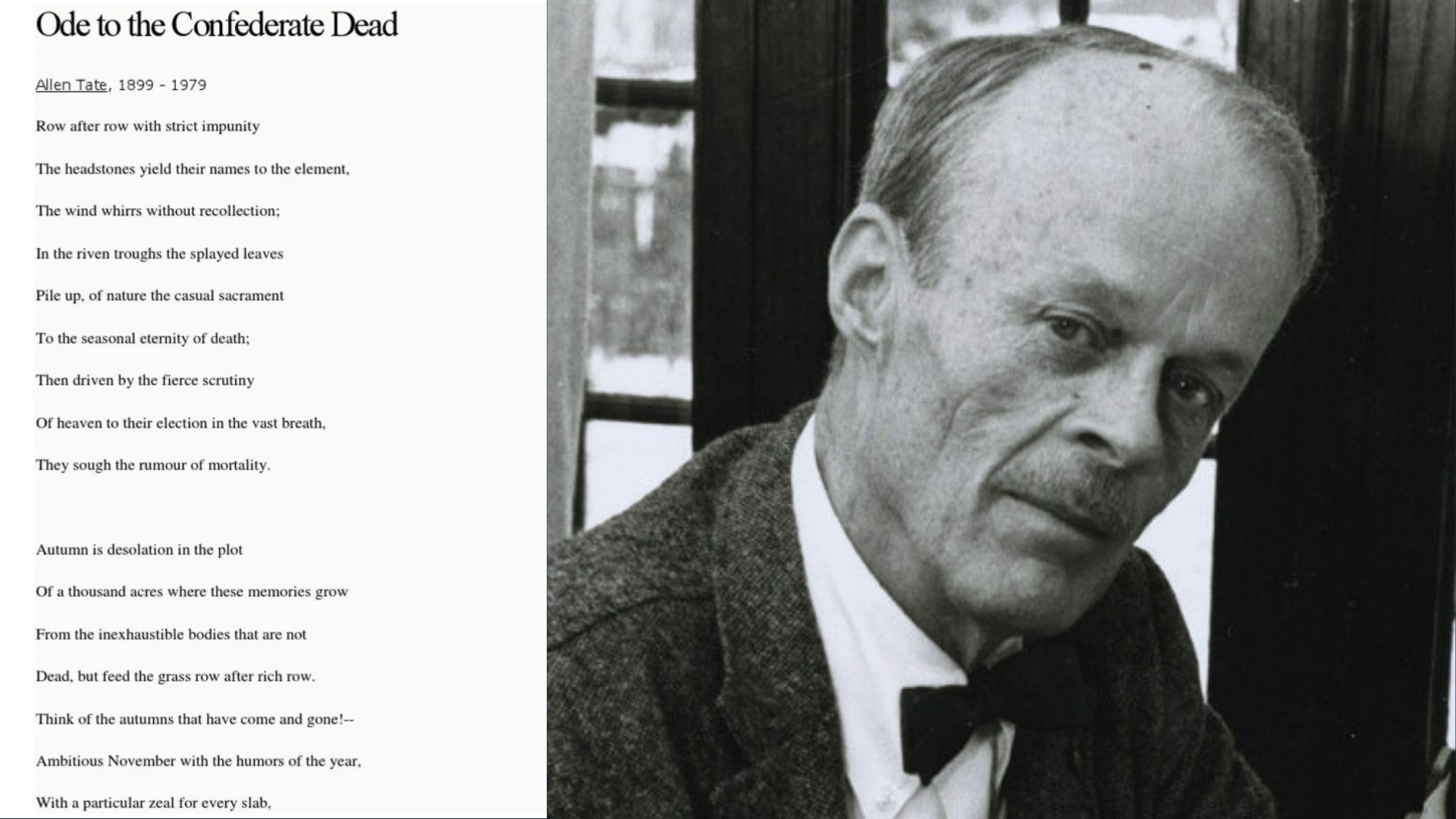
Tate’s 1928 poem is a meditation on memory, loss, and history. A man stands at a Confederate cemetery and reflects on what the past means. It’s complex and rewards careful reading.
10. Ode to Black Skin – Ashanti Anderson
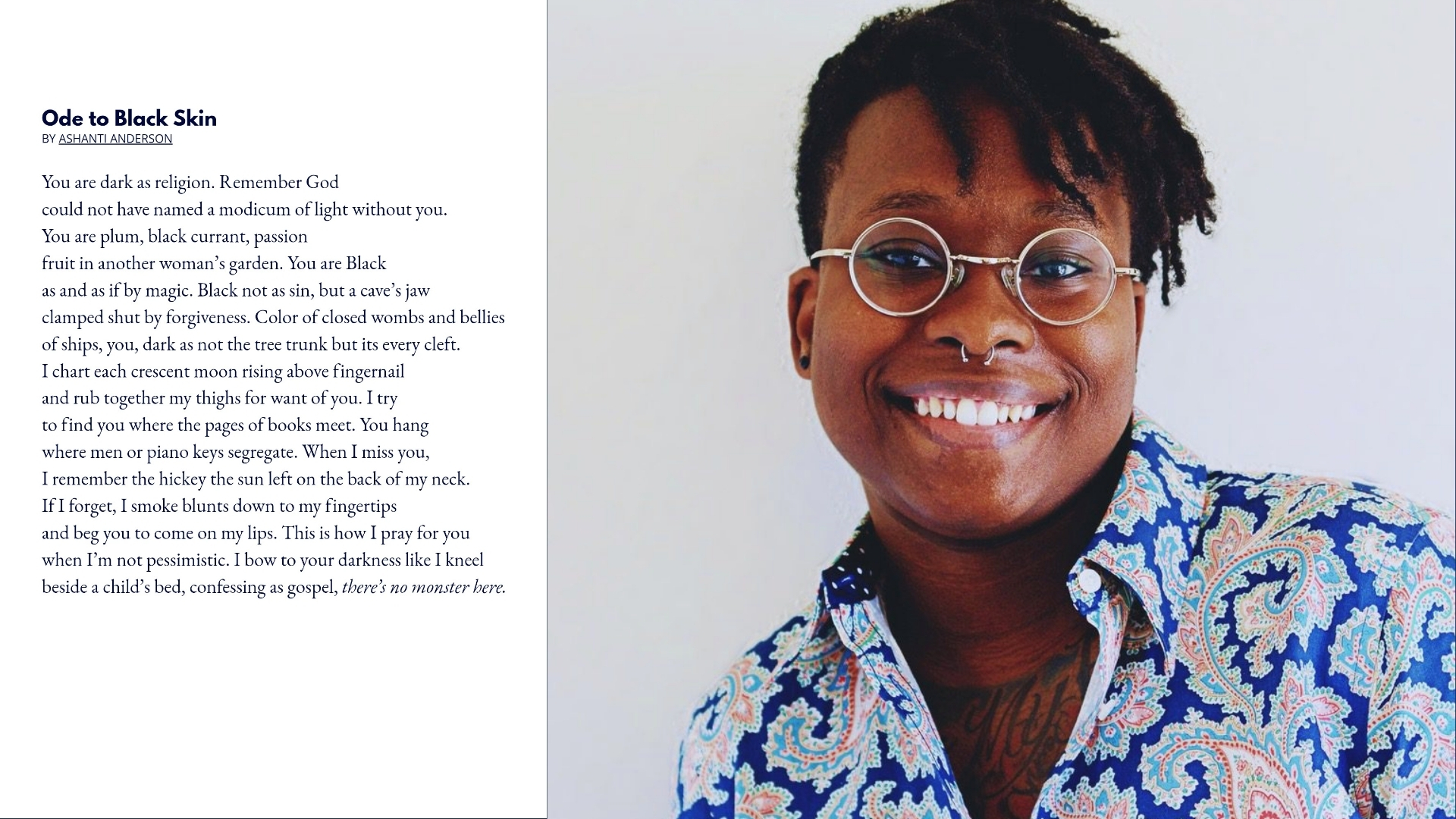
This modern ode is a celebration of identity and self-love. Anderson writes about Black skin with directness and warmth. It’s a powerful reminder that odes don’t have to be old to be meaningful.
11. Ode to the West Wind – Percy Bysshe Shelley
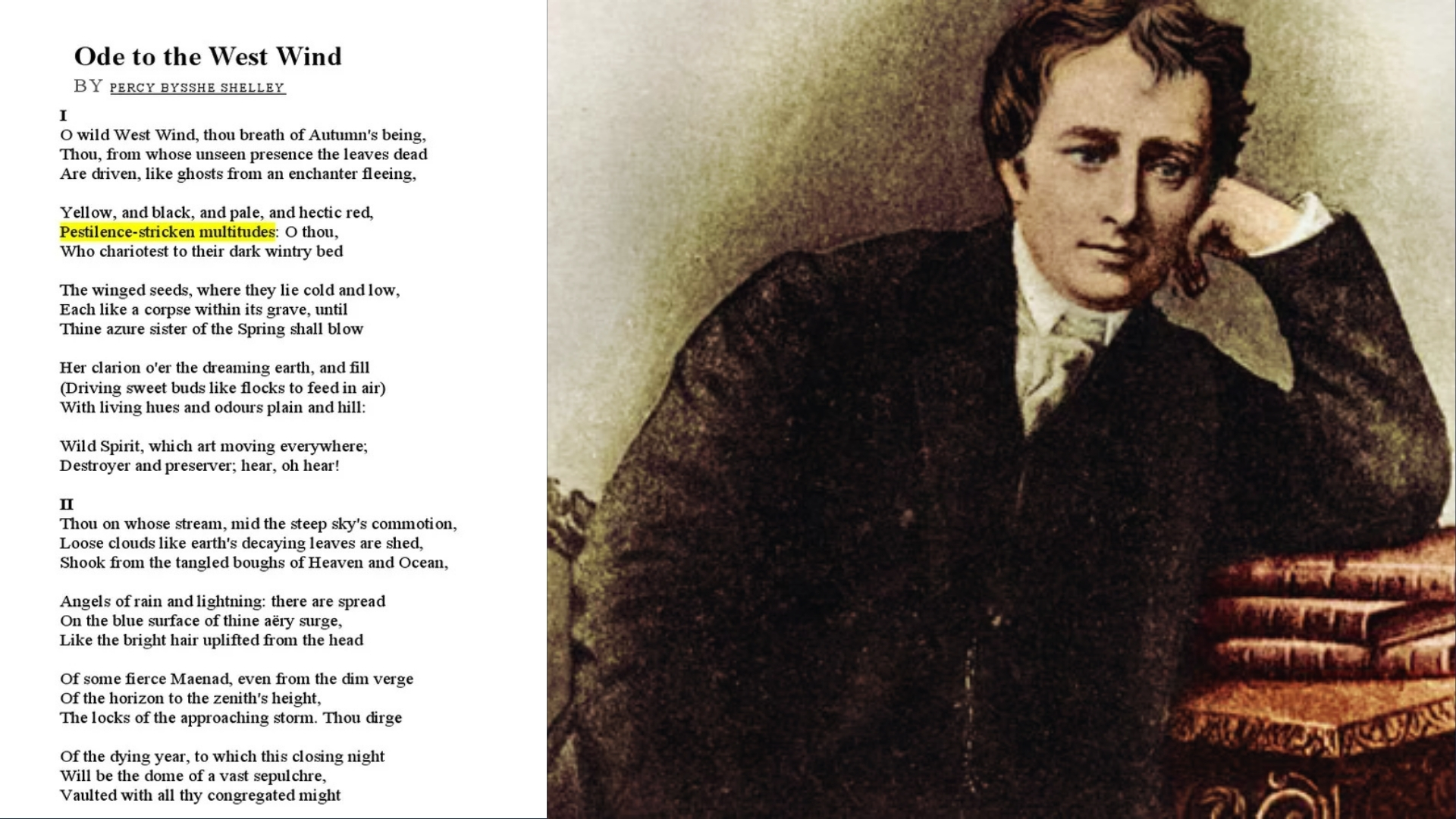
Shelley calls on the west wind to carry his words across the world. The poem is about poetry, nature, and the power of ideas. It’s energetic, structured, and one of Shelley’s best works.
Common Themes Found in Ode Poems
Odes tend to return to the same big ideas, no matter when they were written.
Nature and Beauty
Many odes use nature as their subject or backdrop. The skylark, the west wind, a cat by a fishbowl. Nature gives poets something real to hold onto while exploring bigger ideas.
Emotion and Personal Reflection
Odes are often deeply personal. Poets use them to process grief, joy, or confusion. Reading them can feel like reading someone’s private thoughts.
Art, Time, and Mortality
Keats, Tate, and Wordsworth all return to this theme. What lasts? What fades? Art and time have always pulled poets toward deep reflection.
Identity and Cultural Pride
Dunbar and Anderson use the ode form to celebrate identity. These poems remind us that odes can be political, cultural, and deeply personal all at once.
Reading and Analyzing Ode Poems
You don’t need to be an expert to get something real out of reading an ode.
Focus on Tone and Emotion
Start by asking how the poem makes you feel. Is it joyful? Mournful? Tense? Tone tells you a lot about what the poet is trying to say.
Identify the Subject of Praise or Reflection
Who or what is the poem about? Once you identify the subject, it’s easier to understand the poet’s choices.
Look for Imagery and Symbolism
Odes are full of images. A wind, a bird, a piece of pottery. These images usually stand for something bigger. Look for patterns and ask what they might mean.
Understand the Structure and Form
Count the stanzas. Notice if they repeat. See if the lines follow a rhythm. Structure often supports meaning in ode poems.
Tips for Writing Your Own Ode Poem
These steps can help anyone get started with writing their own ode.
- Pick a subject you genuinely care about, whether it’s a person, a season, a memory, or a feeling you can’t let go of
- Use concrete details instead of vague descriptions to make your images feel real and grounded
- Let genuine emotion drive your words rather than trying to sound like a “proper” poet
- Start with regular stanzas to find your rhythm, then experiment with breaking them up to match your emotion
- Keep your language simple and direct because clarity always hits harder than complicated phrasing
- Write what you actually feel in the moment, not what you think a poem is supposed to say
Conclusion
Odes have lasted thousands of years because they speak to feelings every person knows, loss, love, identity, and wonder. Those things never go out of style.
I still go back to Keats and Shelley when I feel stuck creatively, and reading these ode poem examples always reminds me why poetry matters.
I hope at least one of these poems moved you the same way. If it did, drop a comment below or share this post with a friend who loves poetry. It might be exactly what they needed today.
Frequently Asked Questions
What makes a poem an ode?
An ode is a formal poem that praises or reflects on a subject. It usually has a defined structure and uses emotional, elevated language to address its subject directly.
Are ode poems always serious?
Not at all. Thomas Gray’s ode about a drowning cat is witty and playful. Odes can be humorous, ironic, or even sarcastic depending on what the poet intends.
Can a beginner write an ode poem?
Yes. Start with a subject you care about, use clear images, and let your real feelings guide the words. You don’t need to follow a strict form to write a good ode.
What is the difference between a Pindaric and a Horatian ode?
Pindaric odes follow a complex three-part stanza structure from ancient Greece. Horatian odes are simpler, using repeated stanzas and a more personal, reflective tone.
Why is “Ode on a Grecian Urn” by Keats so famous?
It asks deep questions about art, beauty, and time in a very compact and precise way. The final lines have sparked debate for over 200 years, which is a sign of a truly lasting poem.