

Book at a Glance
- Author: Taylor Jenkins Reid
- Published: July 7, 2015
- Genre: Contemporary Fiction / Romance
- Pages: 352
- Series: Standalone
- Rating: 3.79/5 (Goodreads)
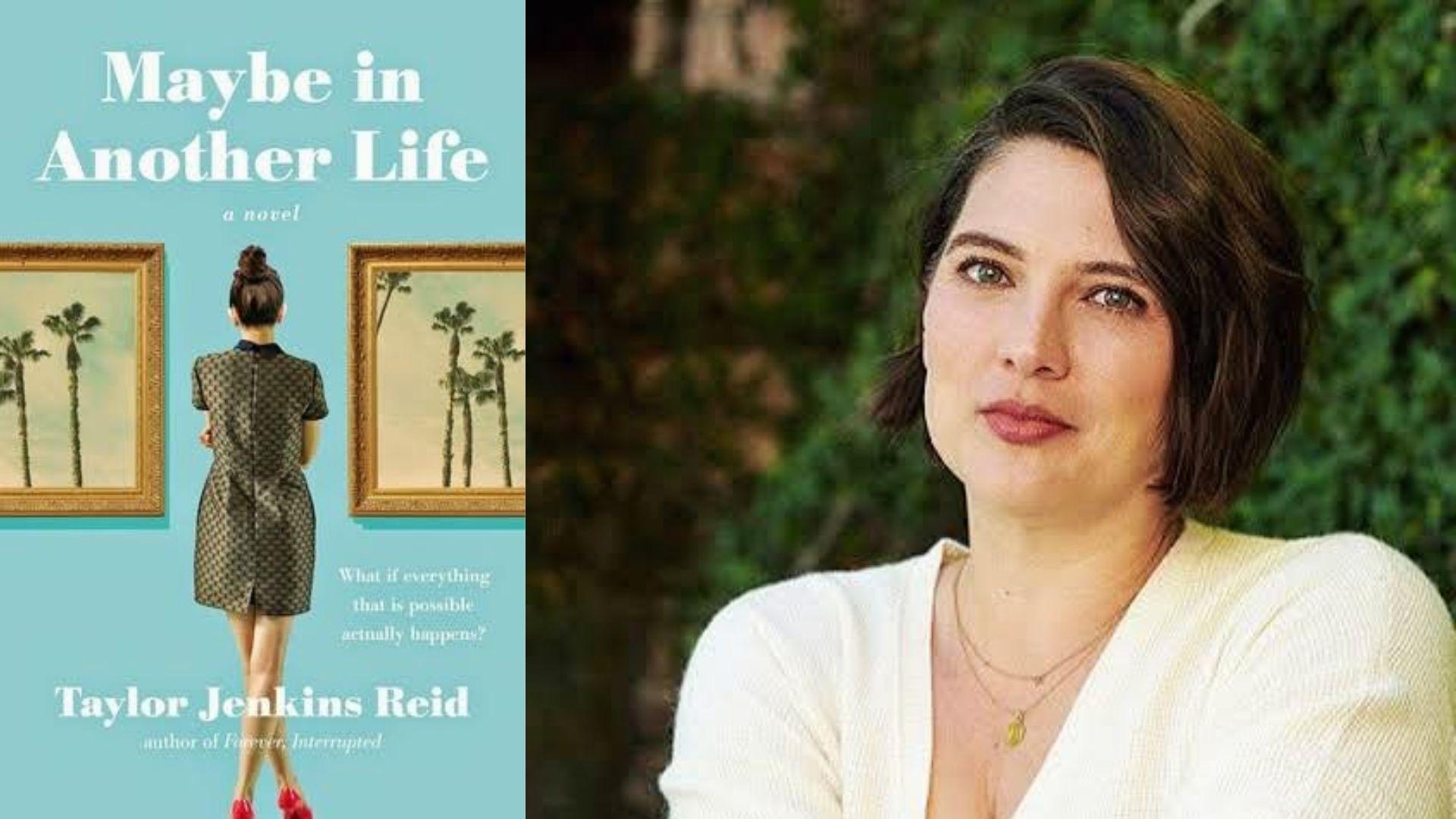
Taylor Jenkins Reid’s Maybe in Another Life follows twenty-nine-year-old Hannah Martin through two separate versions of her life that split at the same moment.
A homecoming party where she has to choose between leaving with her best friend or staying behind with her high school boyfriend.
The novel tells both outcomes side by side, in alternating chapters, so readers watch Hannah build an entirely different home, relationship, and sense of self in each one.
That single decision is the engine of the whole book.
Reid doesn’t treat it as a gimmick. She uses it to ask something more specific.
If a person’s temperament, friendships, and longing for a place to belong stay constant, does the partner they end up with actually change who they become, or just how they get there?
What Maybe in Another Life Is About
Hannah has spent most of her adult life drifting between cities, never settling anywhere long enough to call it home.
When she moves back to Los Angeles and into her best friend Gabby’s guest room, she runs into Ethan, the boyfriend she dated in high school and never quite got over.
At the end of the party where they reconnect, Gabby and her husband Mark are ready to leave, and Hannah has to decide in the moment whether to go with them or stay behind with Ethan.
Readers who enjoy watching a character work through that kind of fork in the road might also like what Tom Lake is actually about: Another novel built around a woman looking back at the choices that shaped her.
Reid splits her narrative from that single party into two parallel storylines that run the length of the book, and each one answers the question a little differently.
Meet Hannah and the People Around Her
Hannah Martin narrates both timelines in the first person, and the book’s real subject is how differently she grows depending on who she’s leaning on.
- Hannah Martin: The narrator of both storylines, a twenty-nine-year-old who has spent her adult life moving between cities without ever settling down.
- Gabby: Hannah’s closest friend since they were 14, whose family took Hannah in at 16, and who appears in both versions of the story as a constant, the one relationship that never depends on which man Hannah chooses.
- Mark: Gabby’s husband, a dentist, whose affair ends his marriage to Gabby in both timelines.
- Ethan: Hannah’s high school boyfriend, who becomes the central relationship in one storyline and a loyal supporting presence in the other.
- Henry: A night nurse Hannah meets during her hospital recovery, who only exists in the timeline where the party ends differently and becomes the emotional center of that half of the book.
A reader drawn to how Reid writes a woman figuring out her own direction, rather than just her romantic life, might also want the Lessons in Chemistry book review, since both novels put a woman’s self-discovery ahead of the love story surrounding it.
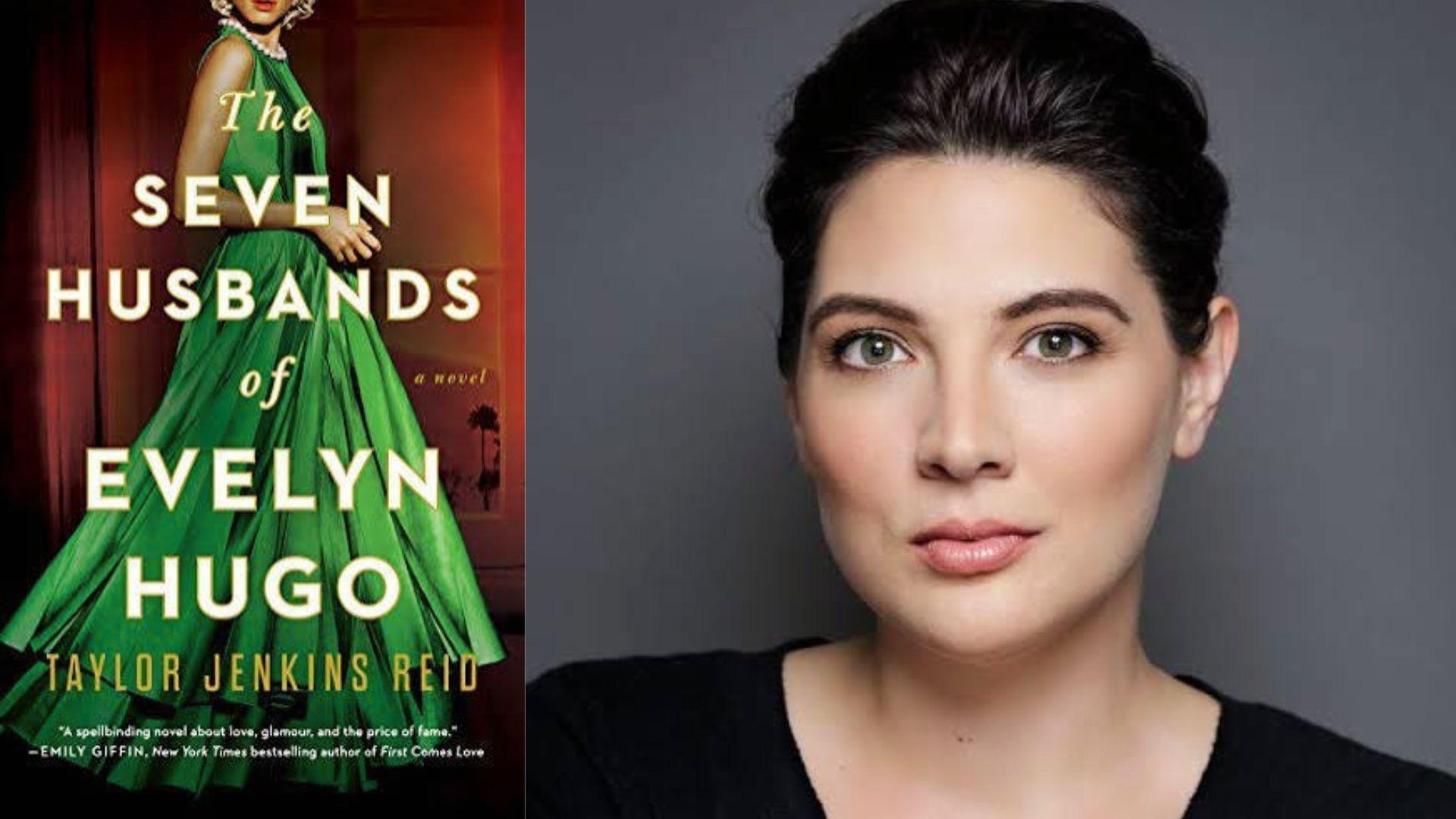
Readers who want to see Reid take that same idea further, across seven marriages instead of two timelines, should check out our full summary of The Seven Husbands of Evelyn Hugo.
The Storyline Where Hannah Goes Home With Gabby
In this version of events, Hannah leaves the party with Gabby and Mark.
On the drive home, the three stop to take photos at an art installation, and Hannah steps into the road to get the shot. A car hits her and speeds away.
She wakes in the hospital three days later with major injuries and learns she will have to relearn how to walk.
It’s here that she meets Henry, the nurse assigned to her overnight care, and the two begin to form a connection neither of them planned on.
Hospital policy keeps Henry at a professional distance for a stretch of the book, and he’s even moved to a different shift after a colleague notices the two of them growing close.
Hannah spends this storyline learning to walk again through physical therapy, and the care she receives from the nurses around her points her toward a career she never considered: nursing.
After her release, she searches the hospital for Henry and gets reprimanded, but months later the two meet by chance at a bakery, where they bond over cinnamon rolls.
Readers who like watching two people circle each other before admitting how they feel may also enjoy the Normal People book review, which handles a similarly patient, slow-burn connection.
By the end of this timeline, Hannah has found something she didn’t have at the start: A physical home in Los Angeles, a calling in nursing, and a marriage to Henry, with their first child on the way.
Gabby remains by her side through the recovery, which only deepens the one friendship that holds steady across both versions of Hannah’s life.
The Storyline Where Hannah Stays With Ethan
In the second timeline, Hannah stays behind when Gabby and Mark leave the party, and she and Ethan pick up where they left off years earlier.
The reunion moves quickly, and the two slide back into a relationship with the kind of ease that suggests they never fully let go of each other.
The complication arrives when Hannah reveals she is pregnant, the result of a relationship she’d been in before returning to Los Angeles with a man who was already married.
Ethan struggles to picture himself raising a child that isn’t his, and he ends the relationship.
Hannah turns to Gabby for support, and the two lean on each other for a different reason this time, since Gabby is also processing Mark’s affair in this version of the story.
Ethan eventually comes back, telling Hannah he can’t imagine his life without her, and commits to raising the baby alongside her.
The storyline closes three years later at one of Gabby’s birthday parties, where Hannah and Ethan are parenting their daughter together and hoping to expand their family.
The ending mirrors the other timeline in its warmth, even though the path there involved a breakup and a return that the Henry storyline never has to work through.
How the Two Timelines Compare and Connect
Reid structures the chapters so they alternate consistently between the two Hannahs, which keeps both storylines moving at roughly the same pace instead of letting one overshadow the other.
Details that echo across both versions of Hannah’s life:
- Mark’s affair ends Gabby’s marriage in both timelines
- Gabby’s birthday party closes both storylines
- Recurring conversations between Hannah and Gabby about whether some things in life are simply meant to happen no matter what choices come before them
Those echoes are doing more than tying the structure together.
They’re Reid’s way of suggesting that Hannah’s path to feeling settled doesn’t depend entirely on the decision she makes at the party.
Her friendship with Gabby, her eventual sense of purpose, and her capacity to be loved all show up in both lives, just wearing different shapes.
The Climax and the Ending Explained
Each storyline builds to its own emotional peak.
In the Henry storyline, Hannah sneaks through the hospital in her wheelchair to find him and takes the blame when a nurse catches her. Months later, they meet by chance at a bakery, where Henry admits he’d been going there hoping to see her.
In the Ethan storyline, the climax is his return, the moment he chooses to step into fatherhood for a child that isn’t biologically his, which is a far bigger leap than simply getting back together.
By the final chapters, both versions of Hannah have landed somewhere stable, loved, and rooted in Los Angeles, which is the home she spent the earlier part of the book unable to find anywhere.
Reid doesn’t rank one ending above the other.
The book’s closing argument is that Hannah was always going to find her way to a full life, and the specific man beside her at the end matters less than the growth she goes through to get there.
What the Book Is Really About
Underneath the romance, Maybe in Another Life is interested in fate versus choice, and whether believing in one makes the other feel less frightening.
Hannah spends both timelines wondering if she and Ethan, or she and Henry, were always destined to end up together, or whether she’s simply telling herself that story to make sense of a decision she can’t take back.
The book also treats home as something a person builds rather than finds.
Hannah’s years of moving from city to city left her without roots, and in both storylines, it’s her relationships (with Gabby most consistently, and with either Henry or Ethan) that finally give her a place to belong.
Reid uses the parallel structure to argue that identity isn’t something one relationship can hand to a person.
It’s something Hannah has to build in either life, with whoever happens to be standing beside her.
Sum Up
Maybe in Another Life tells one woman’s story twice over, splitting her path at a single party and following both versions all the way to their own kind of happy ending.
Hannah’s two lives look different on the surface,
One built around a hospital recovery and a careful romance with Henry, the other around a breakup, a return, and a family with Ethan, but both arrive at the same place: A woman who finally has a home, a purpose, and someone who loves her.
Who Should Read Maybe in Another Life: This book is a strong pick for readers who enjoy dual-timeline storytelling in the vein of Sliding Doors, fans of Taylor Jenkins Reid looking for an earlier, quieter entry in her catalog, and book clubs drawn to discussions about fate, friendship, and the paths not taken.
For more on Reid’s full body of work, visit Taylor Jenkins Reid’s official website.
Frequently Asked Questions
What inspired Taylor Jenkins Reid to write Maybe in Another Life?
Reid has said she’s long been drawn to fate, chance, and the butterfly effect, and cited the film Sliding Doors and parallel-universe TV episodes as direct influences.
Does the audiobook add anything the print edition doesn’t?
The audiobook, narrated by Julia Whelan, runs just over nine hours, and some editions include a bonus conversation between Whelan and Reid.
What age group is Maybe in Another Life best suited for?
It’s shelved as adult contemporary fiction, dealing with relationships, infidelity, and an unplanned pregnancy, so it reads best for mature teens and up.