

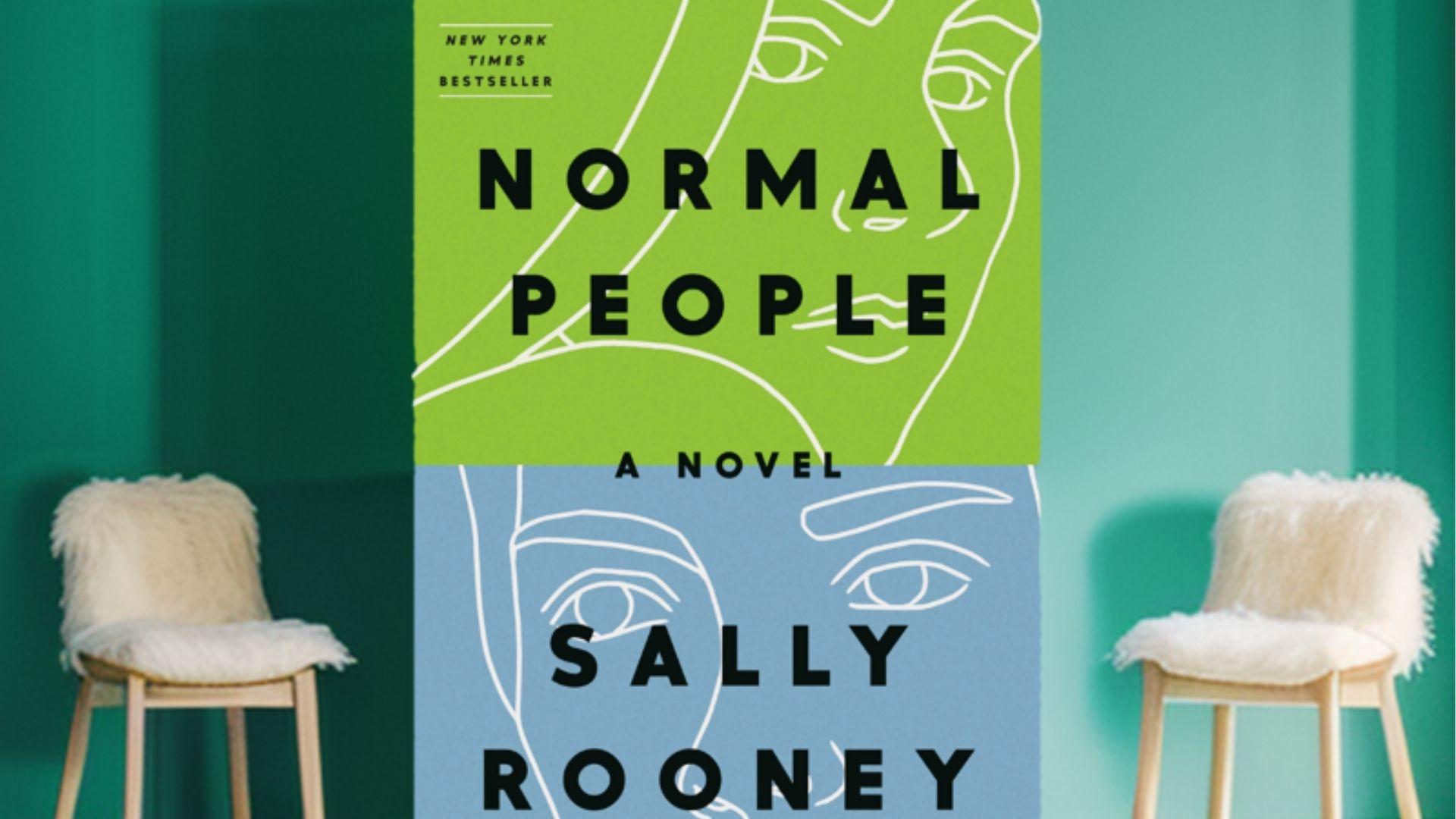
Here is the most honest thing you can say about Normal People. It makes readers genuinely angry at fictional characters, and then feel slightly embarrassed about how much they care.
Critics called it the defining literary novel of its generation. Readers on Reddit called it an exercise in deliberate frustration. Both are right and that tension is exactly why it deserves more than a surface-level review.
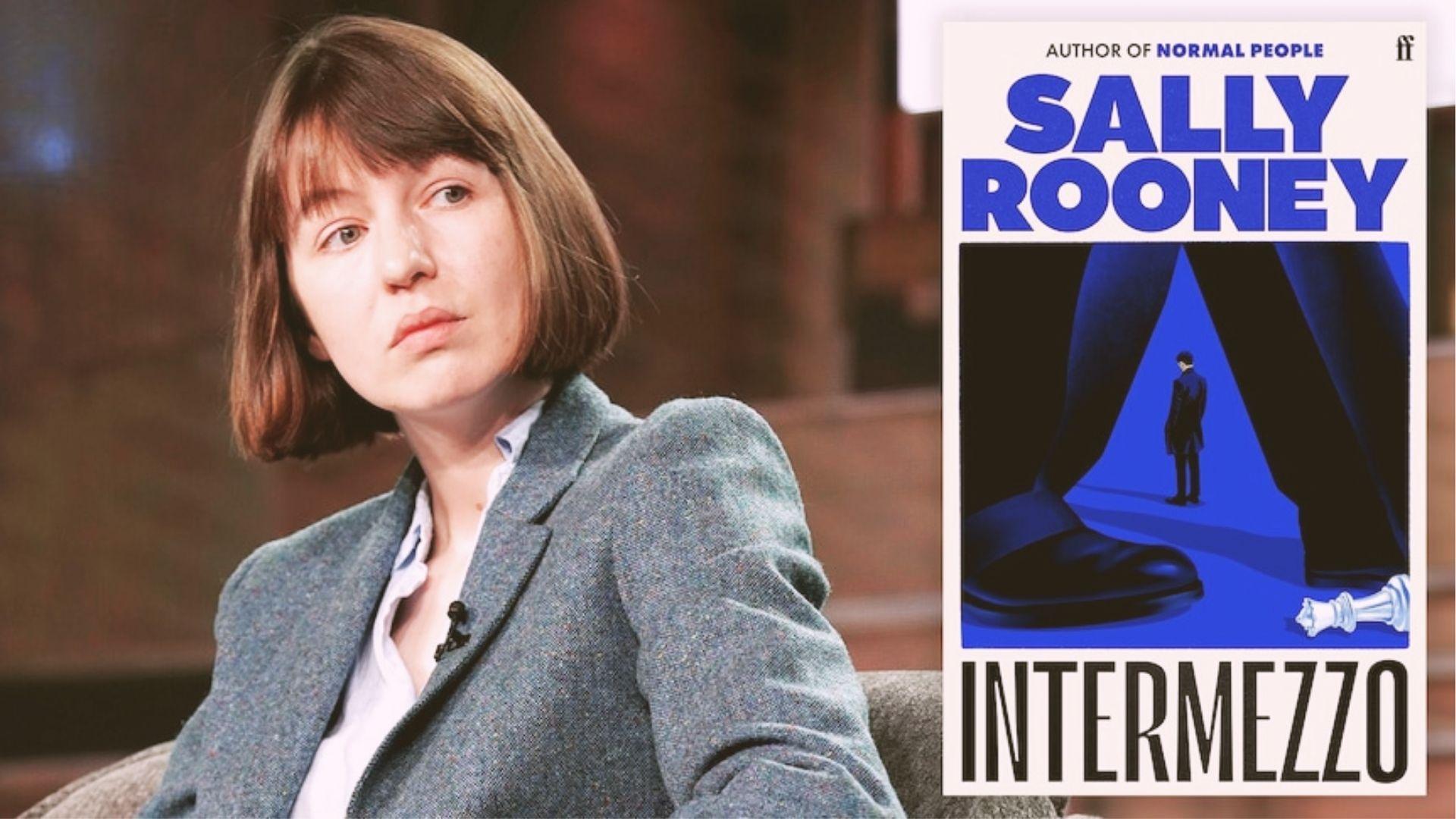
She is also the author of Conversations with Friends, her debut novel that covers similar ground: complicated relationships, class tension, and characters who struggle to say what they mean. If you are new to her work, Normal People is the best place to start.
The short version: Normal People is a psychologically precise, beautifully written novel about two Irish young people who are clearly meant for each other and spend four years making sure that doesn't happen.
Normal People at a Glance
| Detail | Information |
| Author | Sally Rooney |
| Published | August 2018 (Ireland) · April 2019 (US) |
| Genre | Literary fiction / Contemporary romance |
| Setting | Carricklea, Ireland → Trinity College Dublin |
| Main characters | Connell Waldron, Marianne Sheridan |
| TV adaptation | Hulu / BBC Three, 2020 |
| Goodreads rating | 3.8 / 5 · 2M+ ratings |
What Is Normal People About?
The novel follows Connell and Marianne from their final year of secondary school in a small Irish town through four years at Trinity College Dublin.
It spans 2011 to 2015, told in chapters dated by month rather than numbered because Rooney understands that we experience relationships in fragments, not clean arcs.
In high school, Connell is the most popular boy in school. Marianne is the wealthy outsider everyone dislikes. They start a secret romance that Connell refuses to make public, terrified of what his social world will think. He keeps her hidden. She lets him. That original wound is what the entire novel keeps circling back to.
At Trinity, everything inverts. Marianne flourishes. Connell, stripped of the social scaffolding that made him someone back home, is adrift. Rooney is not writing a simple love story. She is writing about how the environments we move through make us and what happens when those environments change.
Connell and Marianne: Who Are They Really?
Most reviews treat them as a unit. That is exactly the mistake the novel warns against.
Connell is a quietly devastating portrait of male anxiety. Liked everywhere he goes, no idea who he is. His passivity in the relationship is not laziness, it is class shame made flesh.
His mother cleans Marianne's house. That fact sits in him like a splinter the entire novel. He also develops depression at university, which Rooney renders without drama. It simply arrives and stays, the way it does in real life.
Marianne is brilliant, funny, and perceptive about everyone except herself. Her home life, a cold mother, an abusive brother, has taught her one lesson she cannot shake: that she is not someone worth protecting.
She has internalized this so completely that she drifts toward relationships that confirm it. Rooney handles this without judgment and without flinching.
The gap between Marianne's intelligence and her self-worth is the engine of her entire arc.
That is why readers connect with them so deeply. Most people have felt, at some point, like they were standing in their own way.
The Real Themes Underneath the Romance
Class and Social Mobility
Connell's mother is a domestic worker. Marianne's family employs her.
In their hometown, money gives Marianne no advantage because the currency there is likability, and she has none.
At Trinity, that flips entirely. Rooney's argument is precise: class in modern Ireland has become more fluid and more insidious at the same time. The markers have shifted. The wounds have not.
Why They Never Just Talk to Each Other
The most common complaint about this novel is that all their problems could be solved by one honest conversation. That is true. It is also the point.
Connell learned not to want things publicly. Marianne learned not to ask to be treated well. Their communication failures are symptoms of damage, not lazy plotting.
Rooney reinforces this with a stylistic choice worth noticing: she does not use quotation marks for dialogue.
Spoken words and internal thoughts exist in the same typographical space. The reader, like the characters, is never entirely sure what has been said aloud and what has only been thought.
Sally Rooney's Writing Style
Rooney writes in close third-person, alternating between Connell and Marianne. Her sentences are clean and direct. She trusts you to keep up.
What makes her style instantly recognizable is the lack of quotation marks for dialogue. Spoken words and internal thoughts sit in the same space on the page.
You are never quite sure what was said out loud and what only happened inside someone's head. For a novel about two people who cannot communicate, that is not an accident.
What Critics Said
The praise was substantial:The Guardian called it an elegant love story for a cynical age. The New York Times praised Rooney's nimble, droll prose and its precise attention to class.
Goodreads readers across two million ratings consistently describe the central relationship as one of the most painfully realistic they have encountered in fiction.
The frustration was equally real: Reddit threads and lower-star reviews follow the same pattern: the cyclical misunderstandings feel manipulative, the passive protagonists become exhausting, and the novel's refusal to give readers the catharsis they have earned starts to feel like withholding for its own sake.
Both reactions are valid. The book is designed to frustrate. The question is whether you find that frustrating in an illuminating way or just a punishing one.
Content Warnings
Before you start, know what is in here:
- Emotional and physical abuse (Marianne's family)
- Depression (Connell's university arc)
- Disordered eating and suicide (secondary but present)
- Explicit sexual content throughout
These are not incidental. They are load-bearing elements of the novel's themes. Go in prepared.
Book vs. TV Show: Which First?
The Hulu and BBC Three adaptation starring Daisy Edgar-Jones and Paul Mescal is genuinely excellent, one of the rare cases where an adaptation equals its source.
The show makes Connell's interior life legible in ways prose can only approximate. Paul Mescal's performance alone is worth the watch. The book gives you more of Rooney's prose and deeper access to both characters during the university years.
The honest call: watch the first episode. If it hooks you, read the book before finishing the series. You will get more from both that way.
Is Normal People Worth Reading?
Yes, with the right expectations.
This is not a comfortable romance. It is a novel about two people who are psychologically incapable, for most of its pages, of letting themselves have what they clearly need. Reading it requires accepting that Rooney is doing this on purpose.
Read it if you: want literary fiction with real emotional intelligence, have ever been in a relationship complicated by class or background, or appreciate character-driven fiction where interiority matters more than plot.
Skip it if you: need protagonists who make rational decisions, are sensitive to the content warnings above, or find the "why won't they just talk" dynamic genuinely unbearable rather than illuminating.
Its 3.8 Goodreads rating across two million readers is the most honest possible summary: half find it devastating and perfect, the other half find it maddening. Very few find it forgettable.
Final Thoughts
Reading Normal People is not a comfortable experience, and that is exactly what makes it worth your time.
Connell and Marianne will frustrate you. They will also stay with you long after the last page. This normal people book review only scratches the surface of what Rooney unpacks about class, love, and the damage we carry from childhood.
If you want fiction that actually challenges you, pick this one up next.
Frequently Asked Questions
Why did Normal People become so popular?
Rooney's precise prose, the emotional authenticity of the relationship, and a viral TV adaptation that aired mid-pandemic in 2020. The cultural debate about whether Connell and Marianne are sympathetic or infuriating kept it in active conversation for years.
Is Marianne autistic in Normal People?
Rooney never diagnoses her. Some readers interpret her social difficulties and directness as consistent with autism or ADHD. The novel leaves it deliberately open.
What is a famous line from the book "Normal People"?
A famous line from Normal People by Sally Rooney is: "I don't know what's wrong with me, says Marianne. I don't know why I can't be like normal people.”
Does Normal People have a happy ending?
The ending is open, not resolved. Rooney does not give you the neat conclusion you have been waiting for. Whether it reads as hopeful or heartbreaking depends entirely on you. That ambiguity is the point.
What is the main message of Normal People?
That the damage done earliest, by family, by the roles we are assigned before we are old enough to choose, does not disappear just because we move somewhere new. Love is possible. But it has to compete with that damage every step of the way.