
I still remember the first time I saw a poem shaped like a butterfly. It stopped me in my tracks.
That was my introduction to concrete poem examples, and I have been fascinated ever since. If you have ever wondered how words can become art, you are in the right place.
In this blog, I will walk you through what concrete poems are, share 11 real examples, and show you how to write your own.
I have spent time studying these poems so you do not have to start from scratch.
Whether you are a student, a teacher, or just someone curious about creative writing, this guide has everything you need. Let's get into it.
What Is a Concrete Poem?
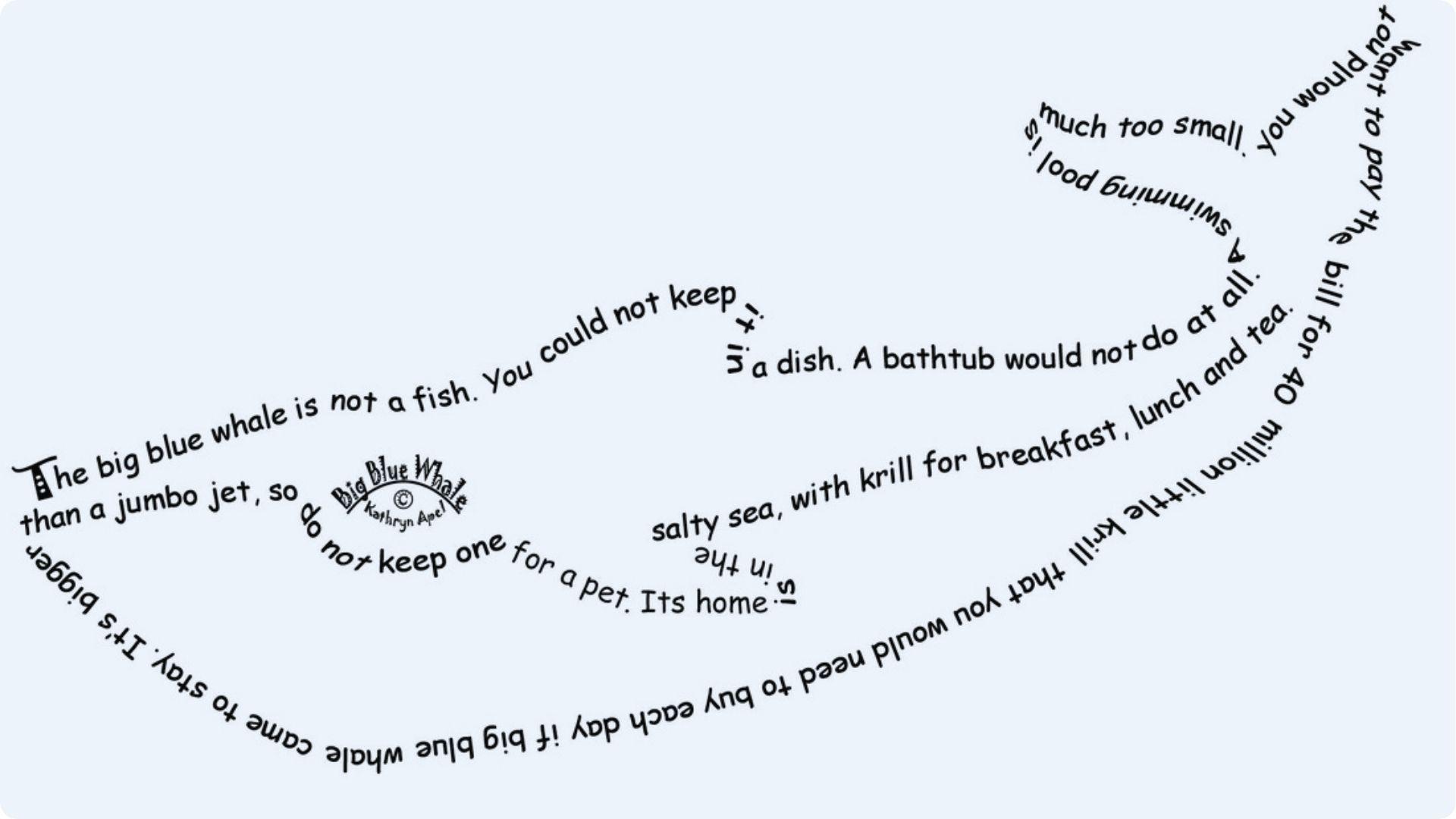
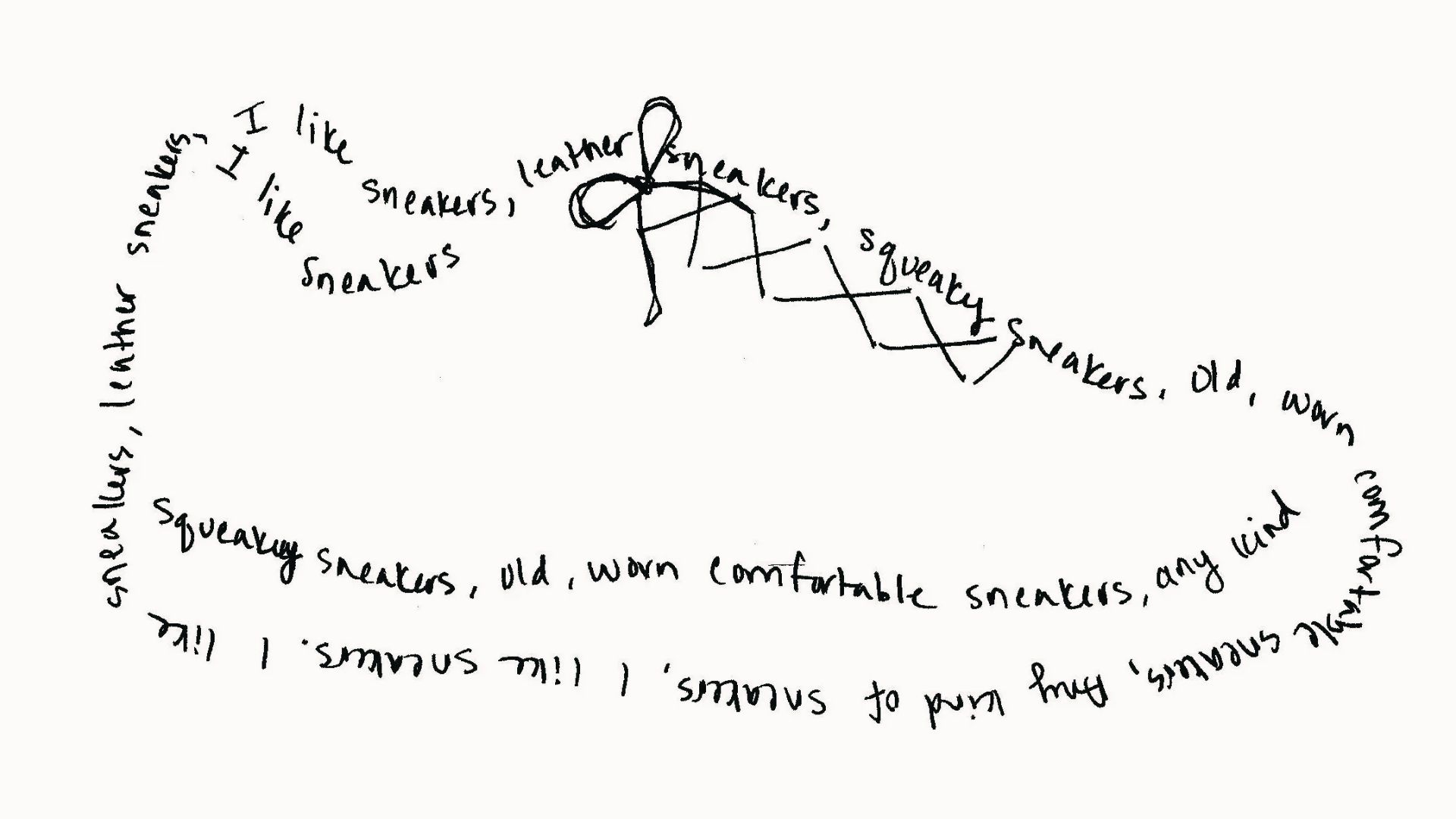
A concrete poem uses the arrangement of words on the page to form a visual shape that adds meaning to the text.
The layout itself becomes part of the poem's meaning, not just decoration. Unlike traditional poetry, it relies on how words look on the page, not just how they sound.
The term "concrete poetry" was first used by European artists Max Bill and Öyvind Fahlström in the early 1950s, though the ancient Greek poet Simmias of Rhodes was shaping words into images centuries earlier.
Concrete poems fall into two types: outline poems, where words trace a shape's edge, and line poems, where words fill the entire image.
11 Concrete Poem Examples
These well-known and beginner-friendly examples show the range and creativity possible in concrete poetry.
1. Easter Wings by George Herbert
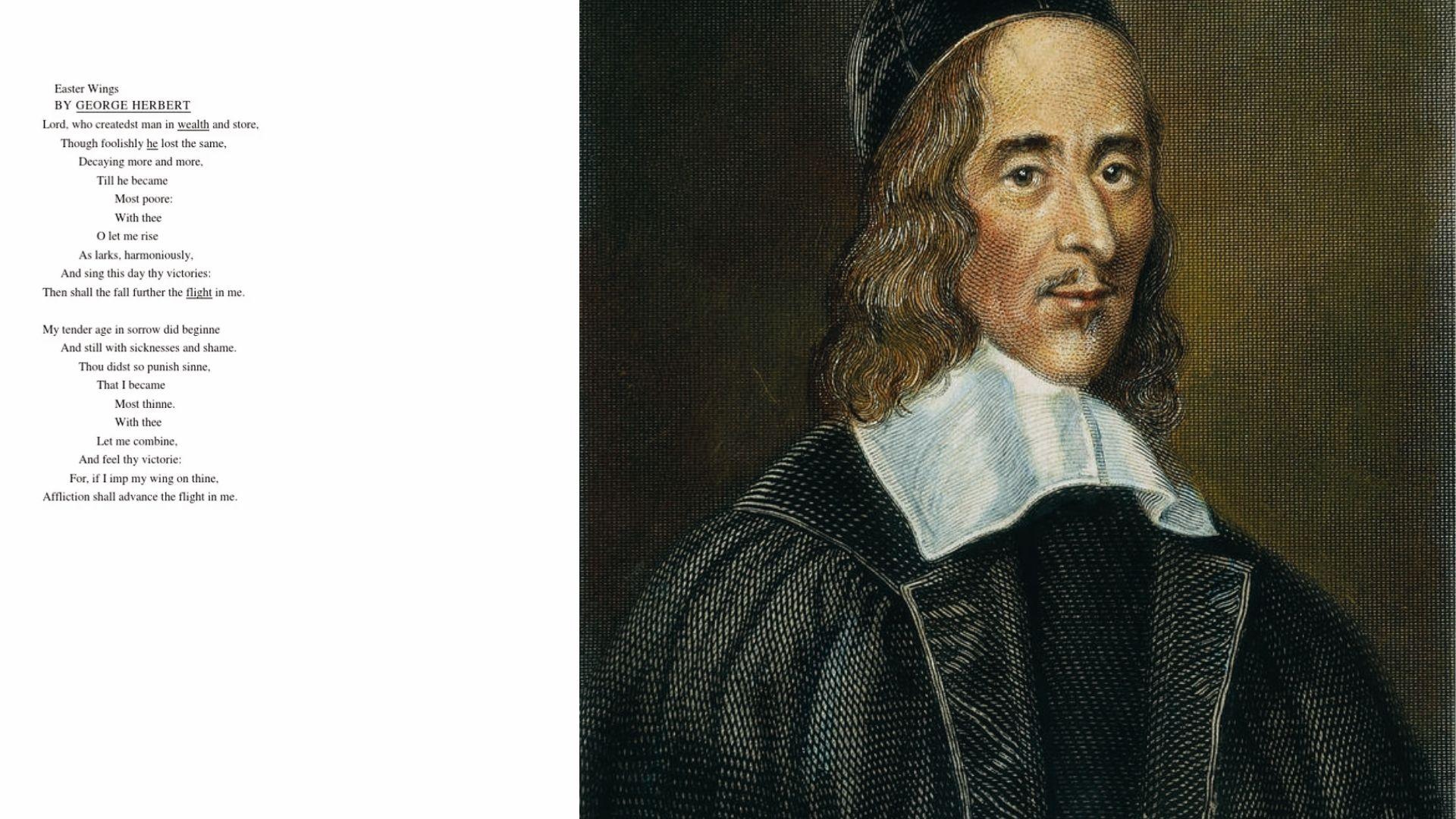
Easter Wings, written in 1633, is one of the earliest and most studied concrete poems in English literature.
The poem is shaped like two pairs of wings, with lines that grow shorter and then longer again as the text moves down the page.
This visual narrowing and expanding mirrors the poem's theme of human fall and spiritual rise.
George Herbert was a Welsh poet and Anglican priest, and his religious faith is deeply woven into the structure itself.
The poem was published posthumously in his collection The Temple in 1633, the same year he died.
The shape does not just decorate the words. It carries the meaning, making this poem a landmark example of form and content working as one.
2. The Mouse's Tale by Lewis Carroll
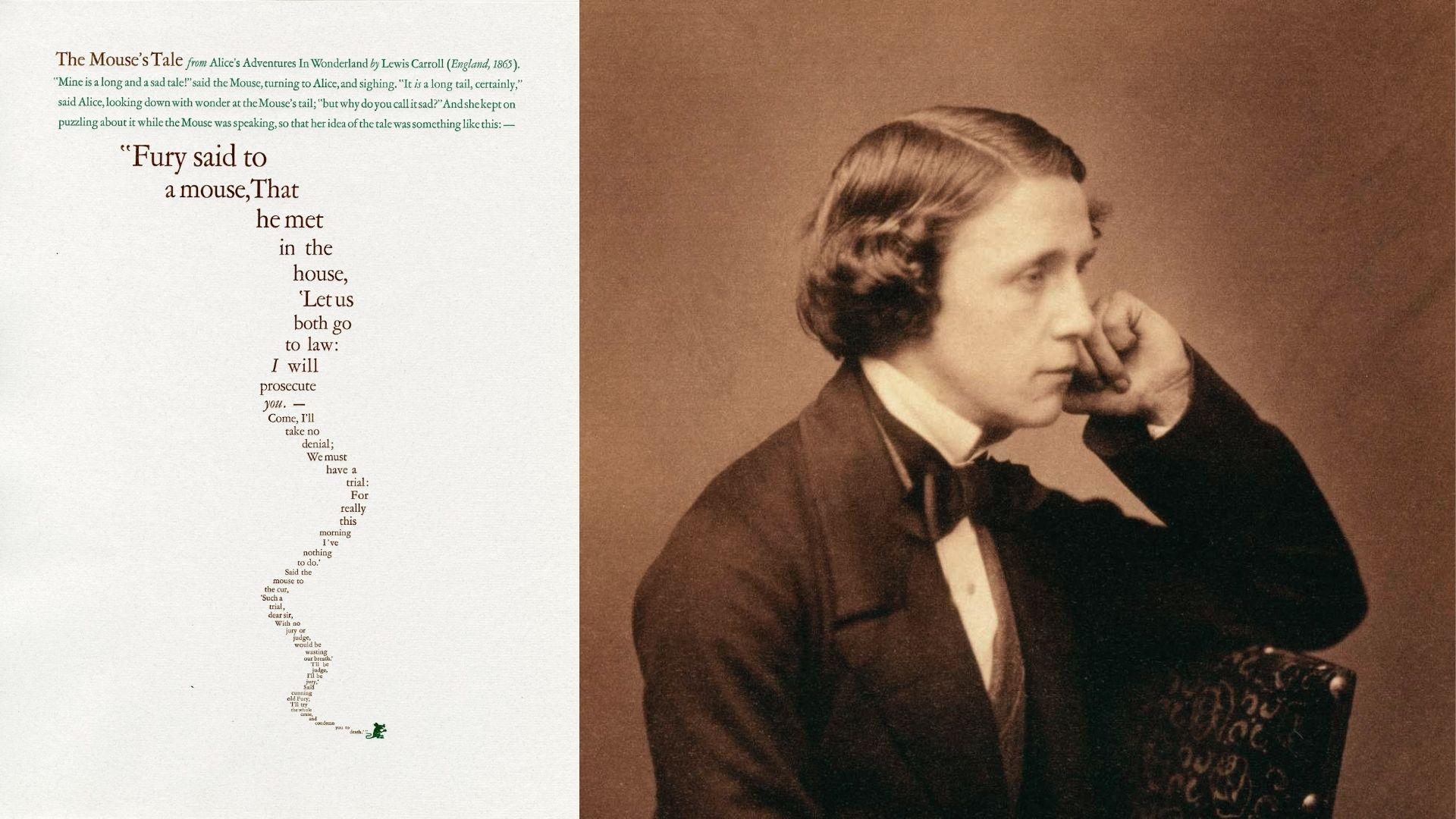
Lewis Carroll included this poem in Alice's Adventures in Wonderland, published in 1865, and it remains one of the most charming concrete poem examples for younger readers.
The text is arranged in a long, curving shape that tapers toward the bottom, mimicking the look of a mouse's tail on the page.
The story within the poem involves a mouse speaking to Alice, and the tail shape adds a layer of visual humor that matches Carroll's playful writing style.
It is a clever way to connect the appearance of the text to the subject being described. Many teachers use this poem to introduce concrete poetry in a fun and approachable way.
3. Il Pleut by Guillaume Apollinaire
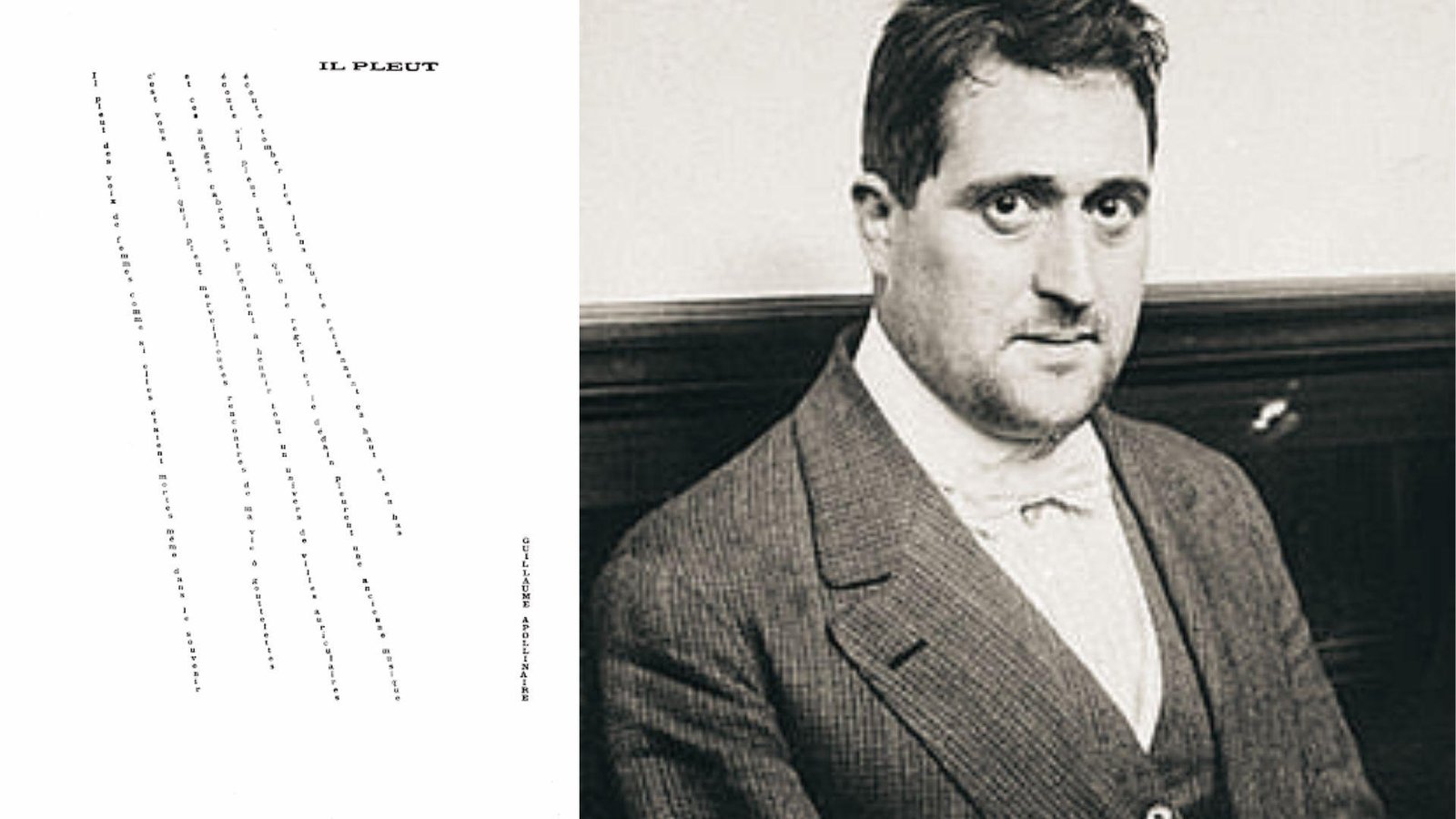
Il Pleut, which translates to "It Is Raining," was written by French poet Guillaume Apollinaire in 1918 and published in his collection Calligrammes.
The words fall diagonally down the page in thin vertical streams, directly imitating the look of rainfall.
A calligram is a poem where the visual arrangement of the text represents the poem's subject, and this is one of the most recognized examples of the form.
Apollinaire was one of the first modern poets to treat the page as a visual canvas, and this poem is considered a defining work in that tradition.
The emotional tone of the poem is melancholic, and the rain-like layout reinforces that feeling in a way plain text never could.
4. Grasshopper (r-p-o-p-h-e-s-s-a-g-r) by E. E. Cummings
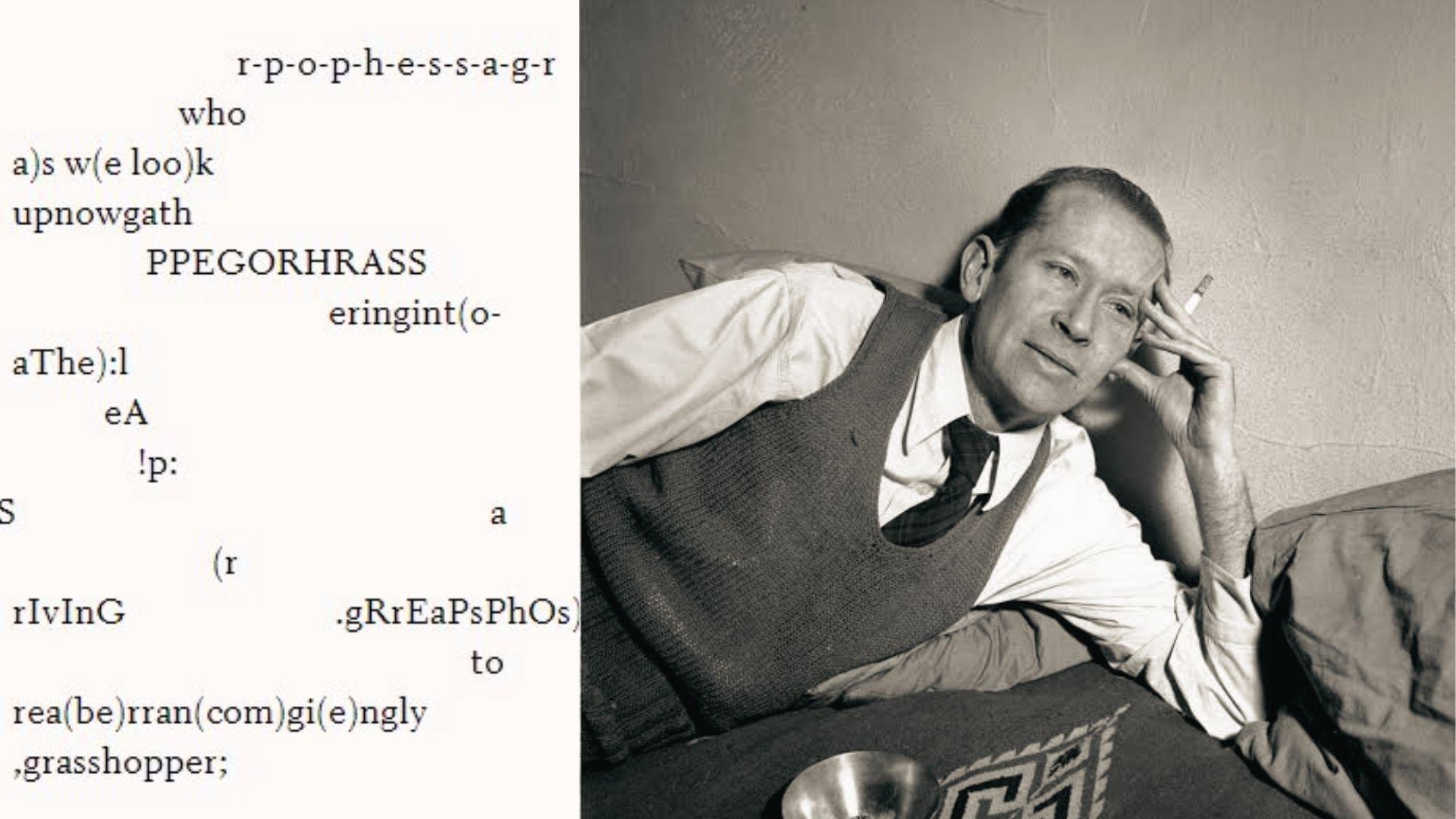
This poem by E. E. Cummings is one of the most technically inventive concrete poem examples ever written.
The letters of the word "grasshopper" are scattered and rearranged throughout the poem, slowly assembling into the correct spelling by the final lines.
The fragmented letters mimic the unpredictable, jumping movement of a grasshopper in mid-leap.
Cummings was known for breaking grammar and typography rules, and this poem shows exactly why that approach can be so effective.
It asks the reader to slow down and pay close attention to each letter, turning the act of reading into a physical experience that mirrors the insect's motion.
5. Apfel by Reinhard Döhl
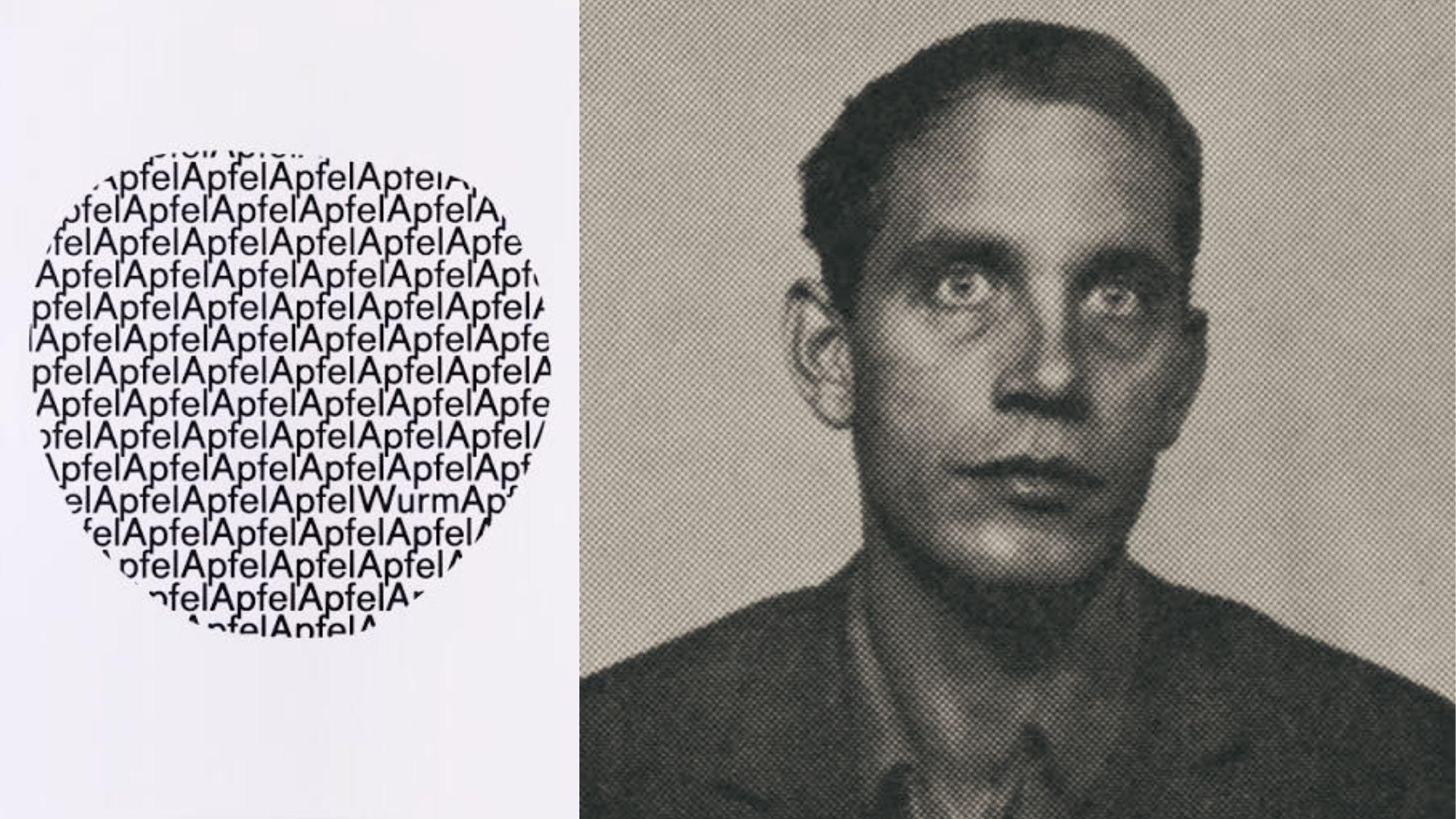
Apfel, created by German poet Reinhard Döhl in 1965, is one of the cleanest and most recognized examples of minimalist concrete poetry.
The entire poem is made up of the word "Apfel," meaning apple in German, repeated in rows to form the rounded shape of the fruit.
Hidden within the apple shape is one small word, "Wurm," meaning worm, tucked inside like a surprise.
This use of repetition to build both shape and meaning is one of the defining techniques of the form.
It is a poem that works entirely through visual arrangement, making it an ideal starting point for anyone new to this form.
6. Swan and Shadow by John Hollander
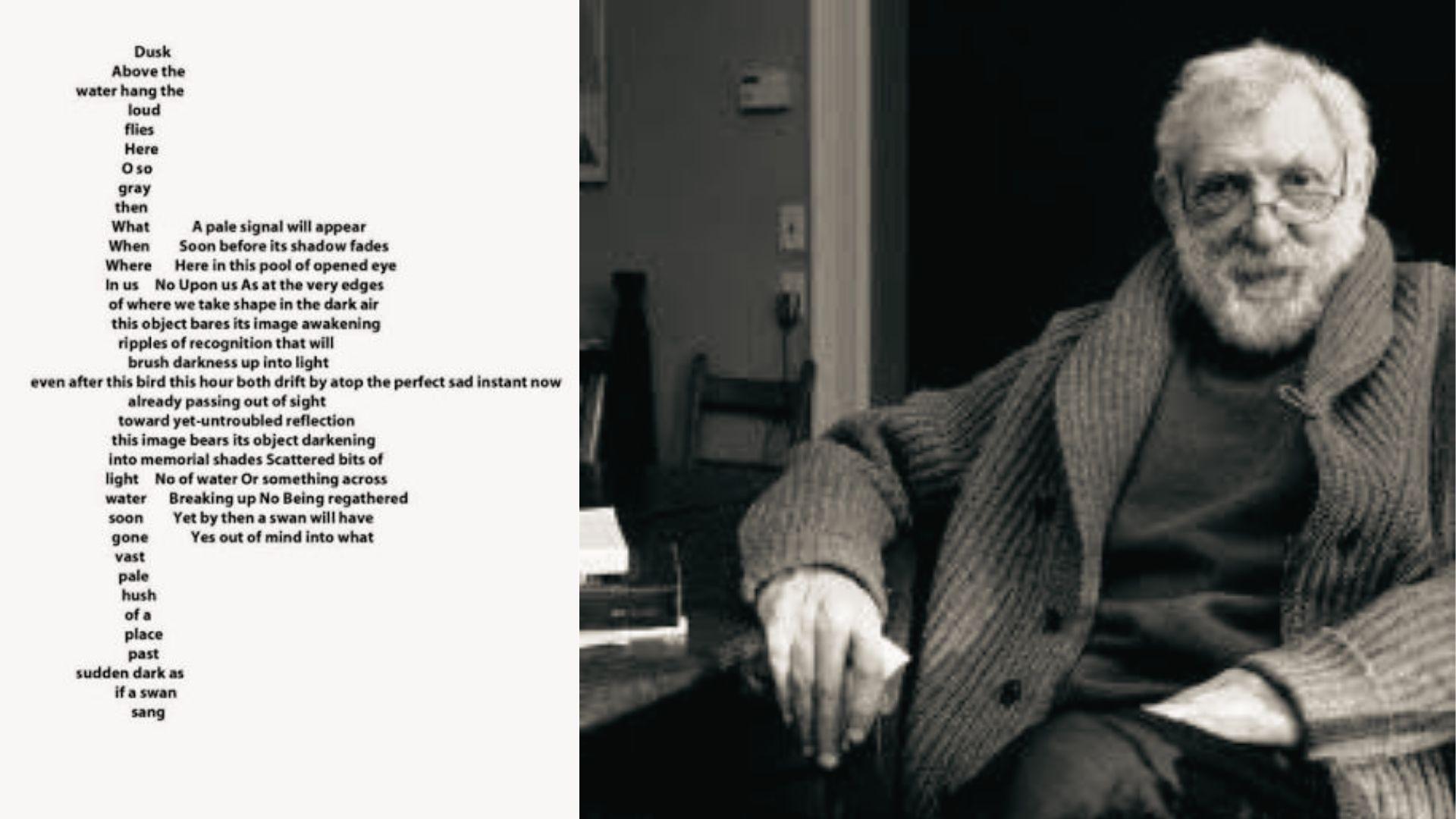
Swan and Shadow, written by American poet John Hollander in 1969, is widely admired for its visual symmetry and quiet emotional depth.
The words are arranged to form the shape of a swan sitting above its own reflection in still water, with the shadow mirroring the bird below.
The top half of the poem describes the swan in bright, clear language, while the bottom half uses darker, more fragmented words to represent the shadow.
This contrast between light and reflection gives the poem a meditative quality.
It is one of the best concrete poem examples of how visual structure and word choice can reinforce a single, unified theme.
7. Forsythia by Mary Ellen Solt
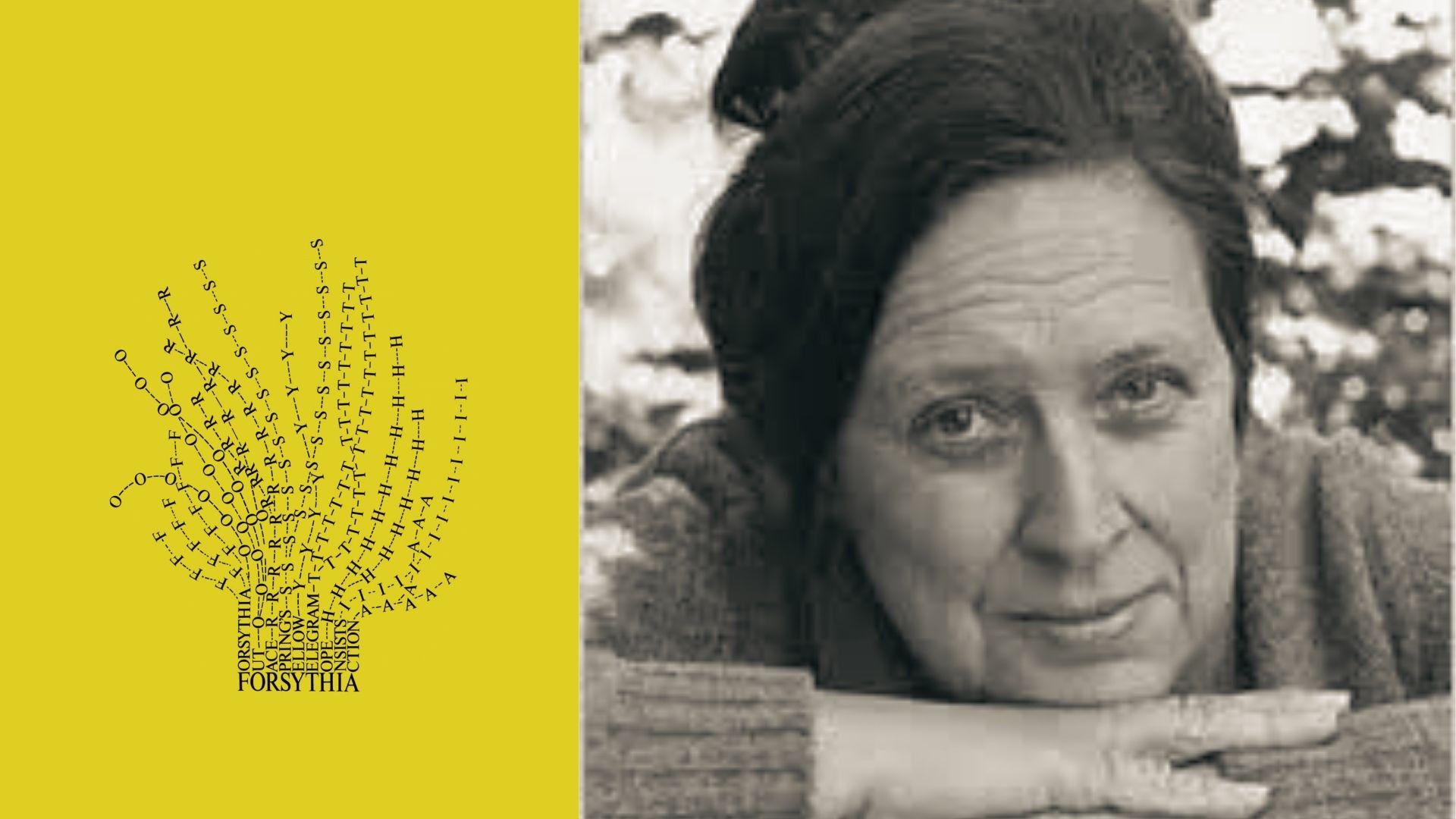
Mary Ellen Solt created Forsythia in the 1960s as part of her broader work in the international concrete poetry movement.
The poem was included in her collection Flowers in Concrete (1966), which focused on using letters and words to recreate the shapes of flowers.
The individual letters of the word "FORSYTHIA" serve as branches that spread outward from a central point, and short words grow from them like blossoms.
Solt was deeply interested in the relationship between language and visual art, and this poem reflects that interest clearly.
It shows that a single word can become an entire structural framework, turning botany and language into one connected image.
8. Plan Wheel by Doug Gonzalez
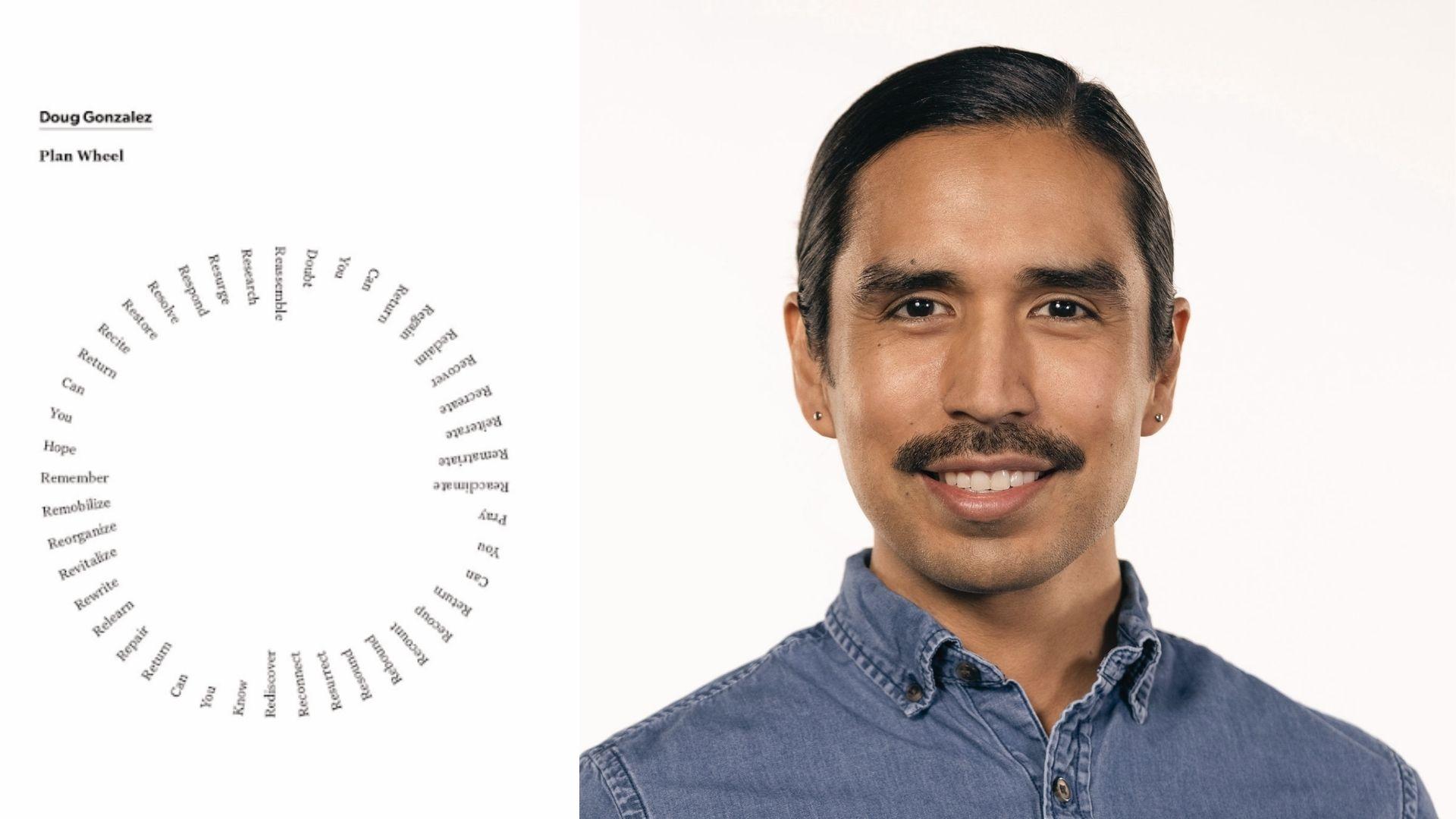
Plan Wheel is a contemporary concrete poem that arranges text in a circular, spinning pattern to suggest the look and feel of a turning wheel.
The words are placed along curved lines that radiate outward from the center, giving the poem a strong sense of motion and repetition.
Gonzalez uses this structure to reflect themes of cycles, planning, and continuous movement.
The circular format means the poem has no clear beginning or end, which adds to the idea that the process it describes keeps going.
It is a strong example of how modern poets continue to find new ways to use the page as a design space.
9. Cherry by Yi Li
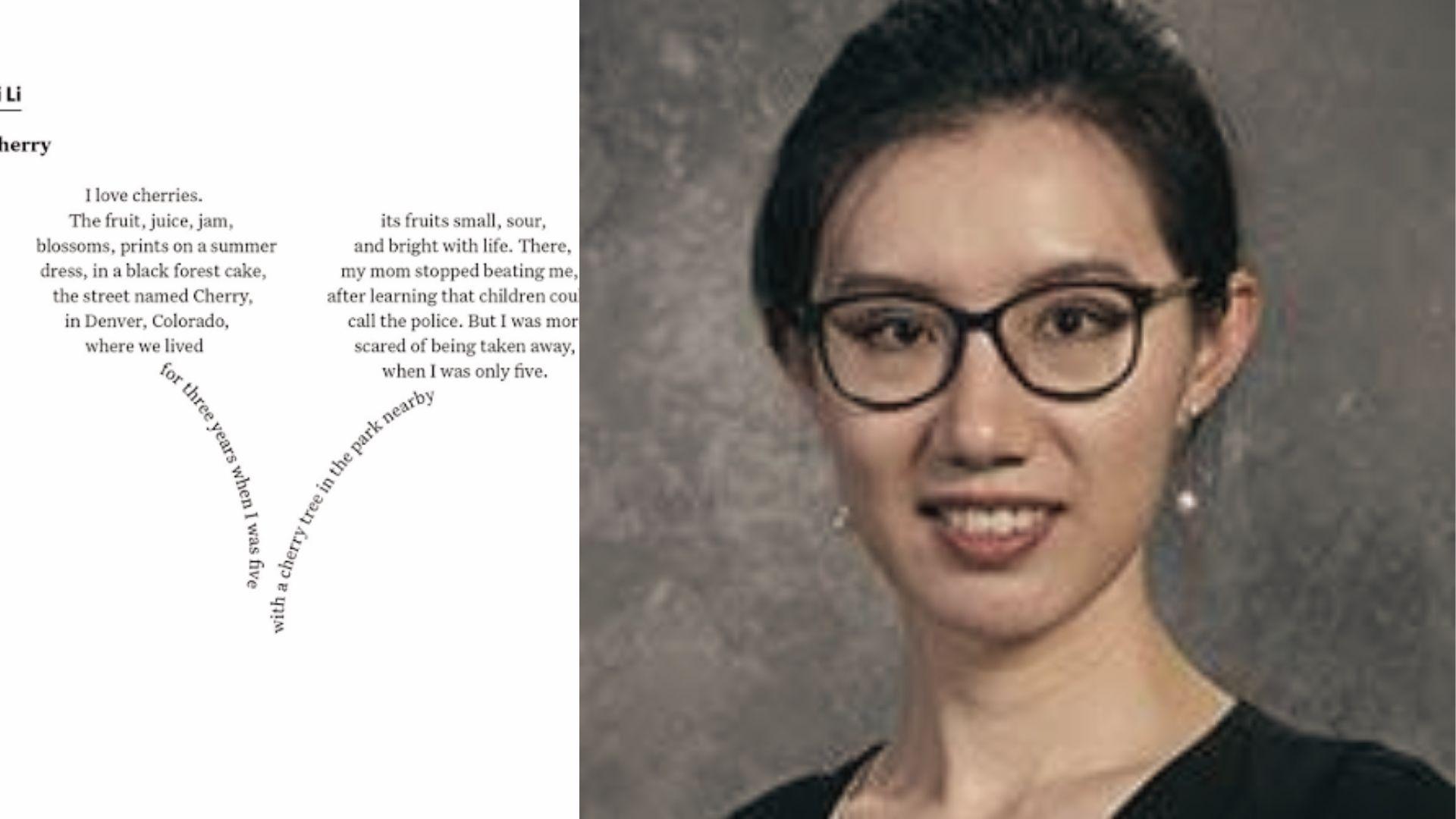
Cherry by Yi Li is a quiet, minimal concrete poem that uses just a few carefully chosen words to suggest the round, compact shape of a cherry.
The text is arranged in a tight, circular cluster that immediately reads as the fruit without needing any illustration.
What makes this poem stand out is how little it uses to say so much. There are no long descriptions or complex images, just words placed with intention.
For beginners, this poem is a good reminder that concrete poetry does not need to be complicated to work well.
Sometimes the most restrained approach creates the strongest visual and emotional impact.
10. Social Distancing by Juan Felipe Herrera
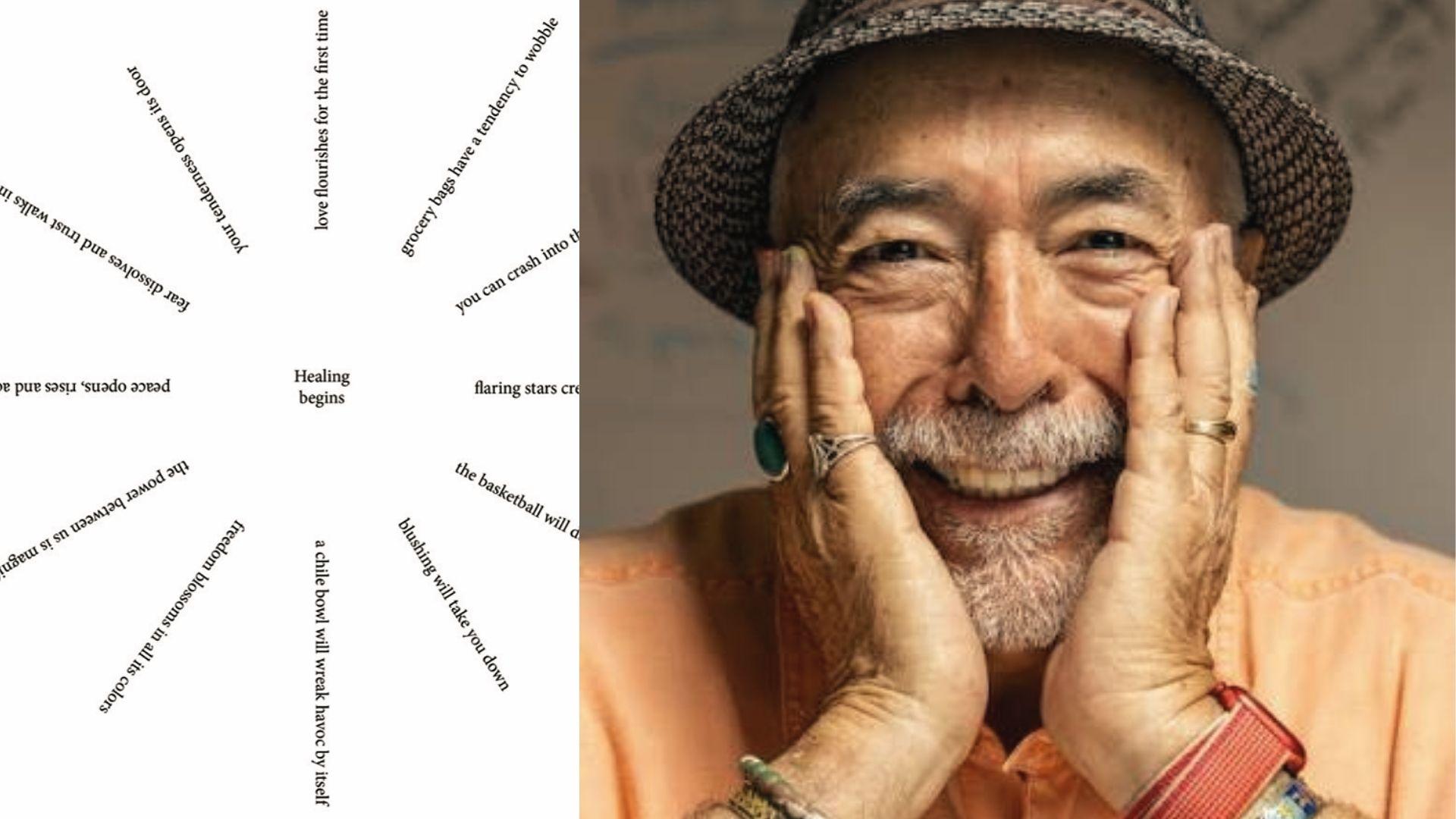
Juan Felipe Herrera wrote Social Distancing during the COVID-19 pandemic, using the spacing of words on the page to reflect the physical separation people were forced to keep from each other.
Words are spread far apart, with wide gaps of white space between them, making the page feel empty and disconnected.
The loneliness and silence of that period are captured not through description but through the layout itself.
Herrera, who served as the United States Poet Laureate, brought a public and political dimension to a very personal form.
This poem shows how concrete poetry can respond directly to current events in a way that feels immediate and emotionally honest.
11. Simple Tree Concrete Poem (Original Example You Can Copy)
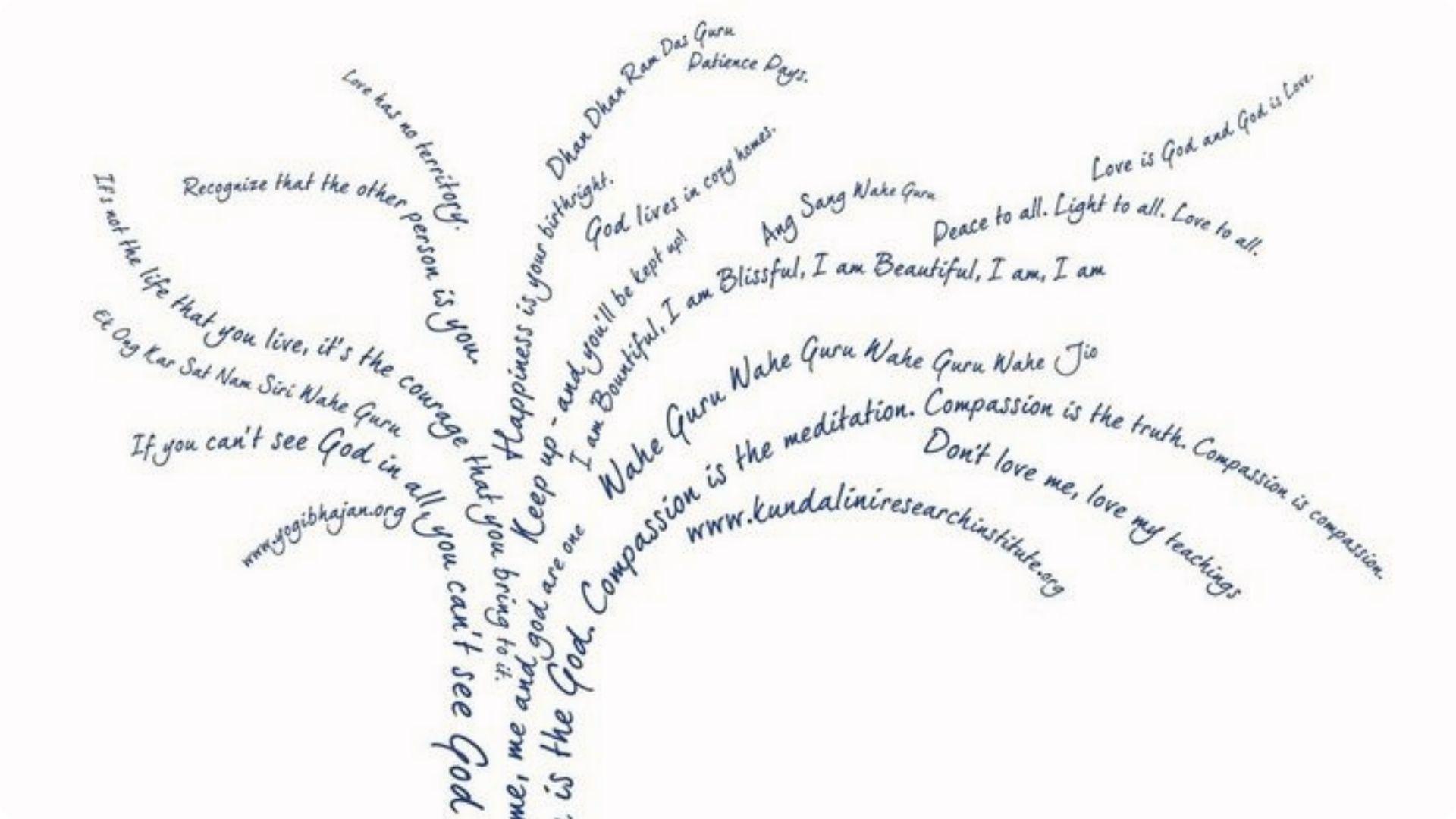
A tree is one of the most beginner-friendly shapes for writing your first concrete poem, and it works well across all age groups.
Start by placing a cluster of words at the top of the page to form a wide, rounded canopy, using words like "leaves," "shade," "green," "branches," and "grow."
As you move down the page, let the words narrow into a single column that forms the trunk, using words like "bark," "roots," and "hold."
The shape should be recognizable at a glance, and the words should connect naturally to the idea of a tree. This is a great way to practice before moving on to more complex shapes.
How to Create Your Own Concrete Poem Step by Step
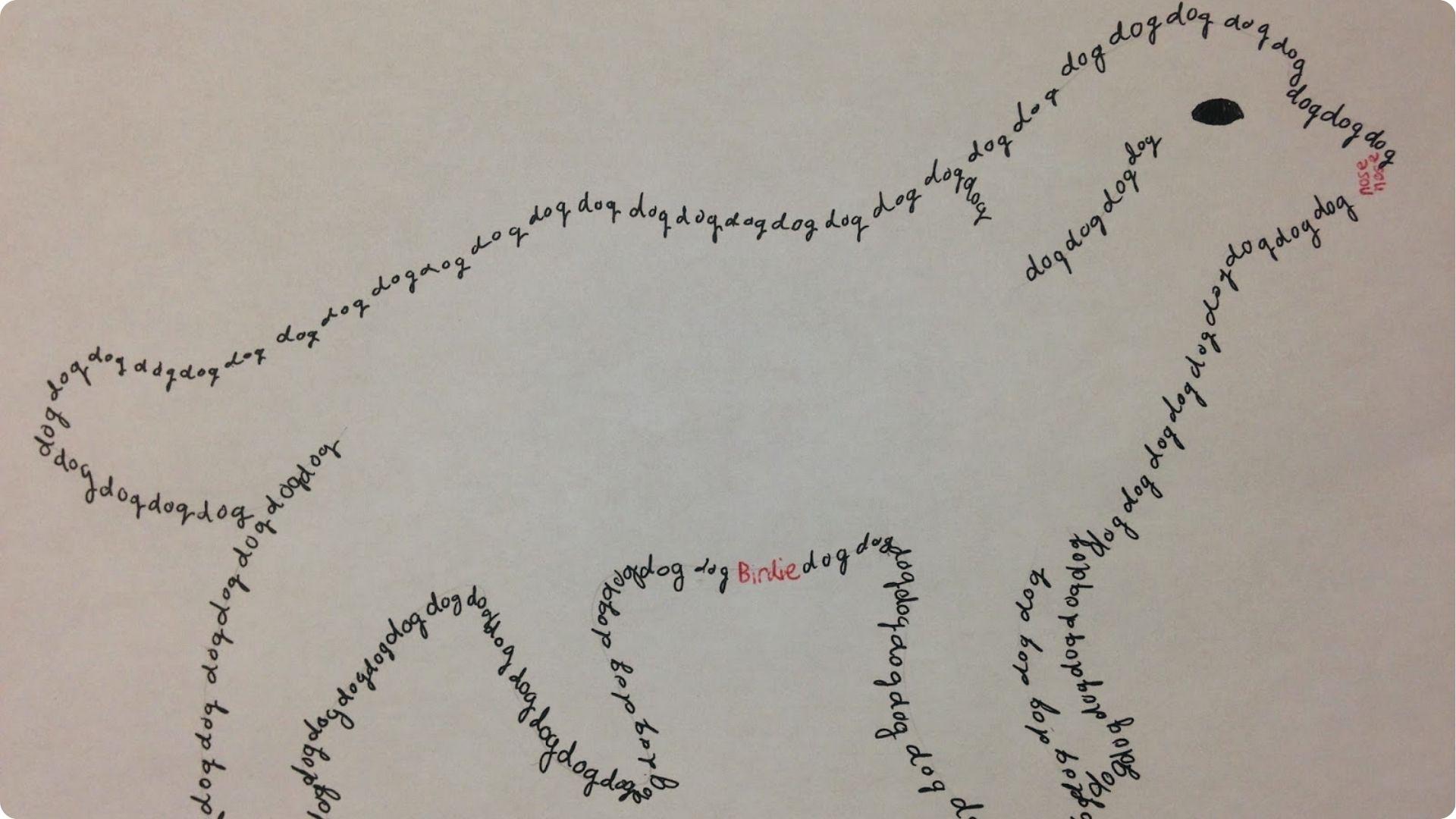
Follow these steps to go from a blank page to a finished visual poem you will be proud to share.
Choose a Simple Shape or Object
Start with something recognizable. A heart, star, tree, or raindrop works well for beginners. The simpler the shape, the easier it will be to arrange your words clearly.
Write Words That Match Your Theme
Before arranging anything, write down words that connect to your chosen shape.
If you are making a sun poem, think of words like warm, bright, glow, rise, and light. Having a word bank makes the next steps easier.
Arrange the Words into the Shape
Use a pencil and paper first or a simple text editor.
Place your words along the outline of your shape. You can repeat words, vary font sizes, or use single letters to fill the form.
Edit the Layout for Clarity and Balance
Step back and look at the overall shape. Is it recognizable? Are the words spaced evenly? Adjust until the shape is clean and the text is easy to read.
Read Your Poem Aloud and Refine It
Reading aloud helps you catch awkward word choices. The poem should make sense when read from top to bottom or left to right.
If something feels off, swap out a word or adjust the layout.
Easy Ideas and Topics for Writing Concrete Poems
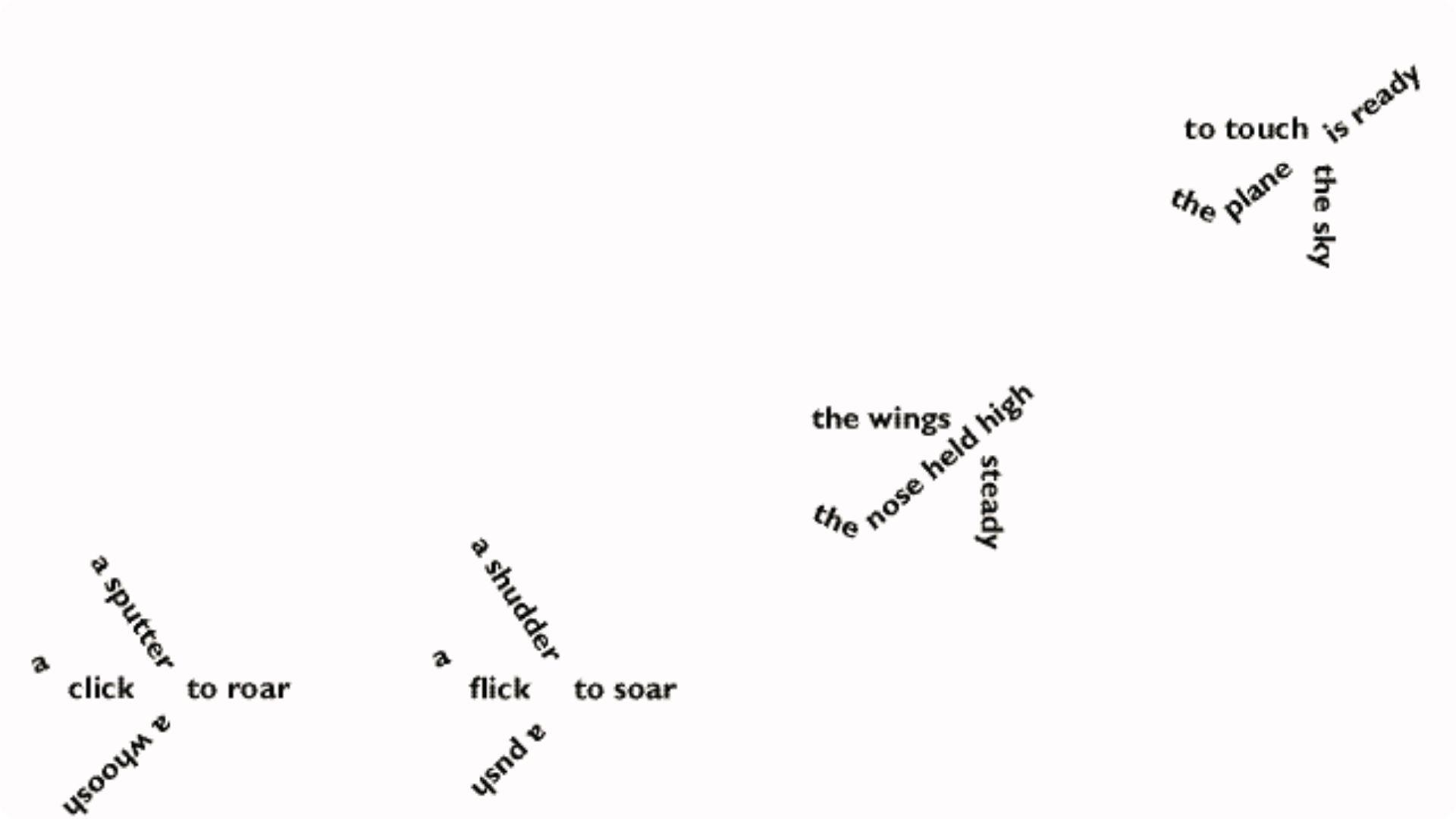
These topic ideas make it simple to start writing your first or next concrete poem.
Nature-Themed Concrete Poems
Nature offers endless inspiration. Try writing poems shaped like a flower, a cloud, a wave, or a mountain.
Use sensory words that describe what you see, hear, and feel in nature.
Animal and Bird Shape Poems
Animals are popular choices because their shapes are easy to recognize. A butterfly, fish, cat, or bird can all work well.
Match the words to the animal's personality or behavior for added meaning.
Holiday and Seasonal Ideas
Holidays give you a ready-made theme and shape. Think pumpkins for fall, snowflakes for winter, or hearts for Valentine's Day.
These are fun and work well for greeting cards or classroom displays.
School Project Ideas for Students
Students can write concrete poems for science, history, or English class.
A poem shaped like a planet for a space unit or a map outline for a geography project adds creativity to any assignment.
Creative Topics for Beginners
If you are just starting out, try food, everyday objects, or simple emotions.
A pizza slice, a coffee cup, or a smiley face are all easy shapes to work with. The goal is to have fun while learning the form.
Common Mistakes to Avoid When Writing Concrete Poems
Knowing what not to do is just as helpful as knowing the right steps when creating concrete poetry.
- Avoid shapes with too many curves and fine details. Start with simple forms like a circle, heart, or tree until you feel confident.
- More words do not improve a concrete poem. Choose only the words that add real meaning and keep the shape clear.
- Never let the visual design take over completely. Read your poem as plain text first and revise if the words do not make sense.
- Spacing controls how well the shape reads on the page. Small adjustments to spacing can make a big difference in the final look.
- Formatting choices like font size and line breaks affect the visual result. Take time to review the full layout before calling the poem finished.
Concrete Poetry at a Glance
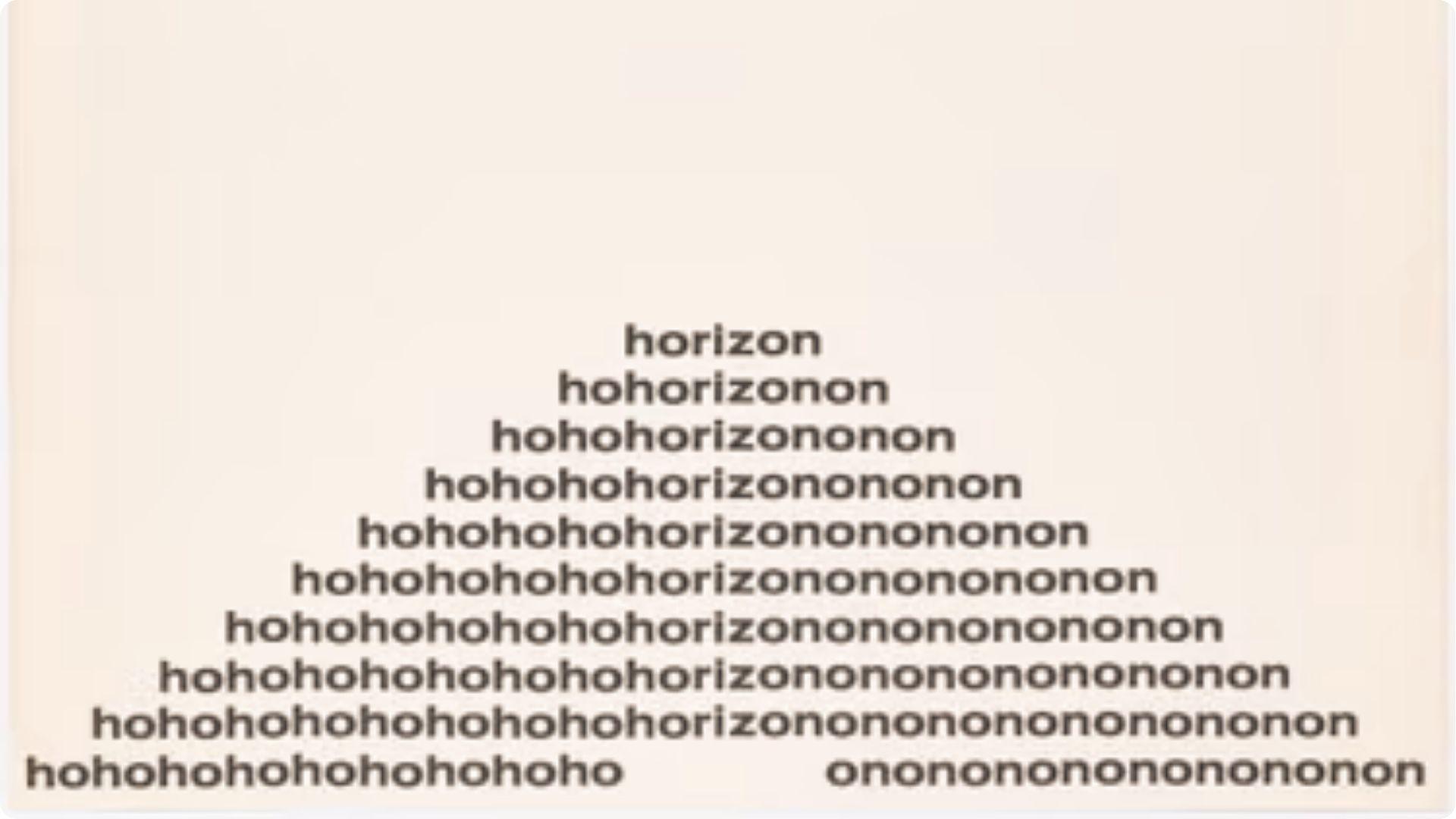
A quick look at the key facts, famous names, and classroom appeal behind concrete poetry.
Characteristics of Concrete Poems
Concrete poems use visual placement, repetition, and typography to express meaning. The shape is part of the poem, not just decoration.
Most concrete poems are short and focused on a single subject.
Some use a single repeated word to build the entire image, while others use varied text to fill a shape.
Famous Poets Known for Concrete Poetry
George Herbert, E. E. Cummings, Guillaume Apollinaire, and Mary Ellen Solt are among the most recognized names in this field.
Eugen Gomringer, the Swiss-Bolivian poet, is also widely credited with helping to define the movement in the mid-20th century.
Their work helped bring concrete poetry into mainstream literary culture.
Why Concrete Poems Are Popular in Classrooms
Concrete poems are accessible, fun, and do not require advanced writing skills.
They encourage creativity and visual thinking, which makes them a great fit for students at all levels.
Teachers often use them to introduce poetry to reluctant readers.
Shape Poem vs. Concrete Poem: Are They the Same?
These two terms are often used interchangeably, but there is a small difference. A shape poem simply looks like a shape.
A concrete poem uses the physical arrangement of letters and words to add meaning beyond just appearance. Not all shape poems are concrete poems, but many overlap.
Tips for Writing Better Concrete Poems
Small adjustments in how you approach design and language can make a big difference in the final poem.
- Keep the design simple and easy to recognize at a glance
- Use clear, direct language that connects to your shape
- Match the shape to the poem's subject or emotion
- Try spacing words further apart, repeating a word, or changing letter size to add visual interest
- Recreate a famous concrete poem example to learn how structure and meaning work together before writing your own
Conclusion
These concrete poem examples show just how creative writing can get when you let the shape do some of the talking.
You now have the examples, the steps, and the ideas to start writing your own. The best way to learn is to simply pick up a pen and try.
Start with a simple shape and see where the words take you. If this post was helpful, leave a comment below and share what you created.
You can also share this article with a friend who loves creative writing or check out more of our poetry guides for more inspiration.
Frequently Asked Questions
What Are Concrete Poem Examples?
Concrete poem examples are visual poems where words form a shape. They combine written language with design to create meaning through both text and appearance.
How Do You Write a Concrete Poem?
Pick a simple shape, choose words that relate to it, and arrange them along the outline. Adjust spacing until the shape looks clean and readable.
Can Concrete Poems Rhyme?
Concrete poems do not have to rhyme. The focus is on visual arrangement, though some poets choose to include rhyme for added rhythm and effect.
What Age Group Is Concrete Poetry Best Suited For?
Concrete poetry works well for all ages. It is especially popular with children and middle school students because it combines creativity with visual thinking naturally.
Do You Need Special Software to Create a Concrete Poem?
No special software is needed. A pencil and paper work perfectly. For digital versions, free tools like Google Docs or Canva give enough control over text placement.