



Retirement announcements usually come with a podium and a microphone.
Kobe Bryant’s came as a poem, and within an hour of its release, the site hosting it was briefly inaccessible.
The Dear Basketball poem is the free-verse farewell letter Bryant published on The Players’ Tribune on November 29, 2015, to announce that the 2015-16 season would be his last.
The Kobe Bryant poem opens on a boy rolling socks into imaginary game-winners and closes on the same boy with a countdown running.
What happens between those two images explains why it still gets read, and why it later became an Oscar-winning short film.
Full Text of Dear Basketball Poem
The full text of Kobe Bryant’s Dear Basketball poem appears below, as first published on The Players’ Tribune on November 29, 2015.
It is a short free-verse letter addressed to the game itself and signed with his first name. Read it straight through once, then use the sections after it to see how it was built.
Dear Basketball,
From the moment
I started rolling my dad’s tube socks
And shooting imaginary
Game-winning shots
In the Great Western Forum
I knew one thing was real:
I fell in love with you.
A love so deep I gave you my all —
From my mind & body
To my spirit & soul.
As a six-year-old boy
Deeply in love with you
I never saw the end of the tunnel.
I only saw myself
Running out of one.
And so I ran.
I ran up and down every court
After every loose ball for you.
You asked for my hustle
I gave you my heart
Because it came with so much more.
I played through the sweat and hurt
Not because challenge called me
But because YOU called me.
I did everything for YOU
Because that’s what you do
When someone makes you feel as
Alive as you’ve made me feel.
You gave a six-year-old boy his Laker dream
And I’ll always love you for it.
But I can’t love you obsessively for much longer.
This season is all I have left to give.
My heart can take the pounding
My mind can handle the grind
But my body knows it’s time to say goodbye.
And that’s OK.
I’m ready to let you go.
I want you to know now
So we both can savor every moment we have left together.
The good and the bad.
We have given each other
All that we have.
And we both know, no matter what I do next
I’ll always be that kid
With the rolled up socks
Garbage can in the corner
:05 seconds on the clock
Ball in my hands.
5 … 4 … 3 … 2 … 1
Love you always,
Kobe
Source: Kobe Bryant, “Dear Basketball,” The Players’ Tribune, November 29, 2015.
The Kobe Bryant Poem and the Retirement It Announced
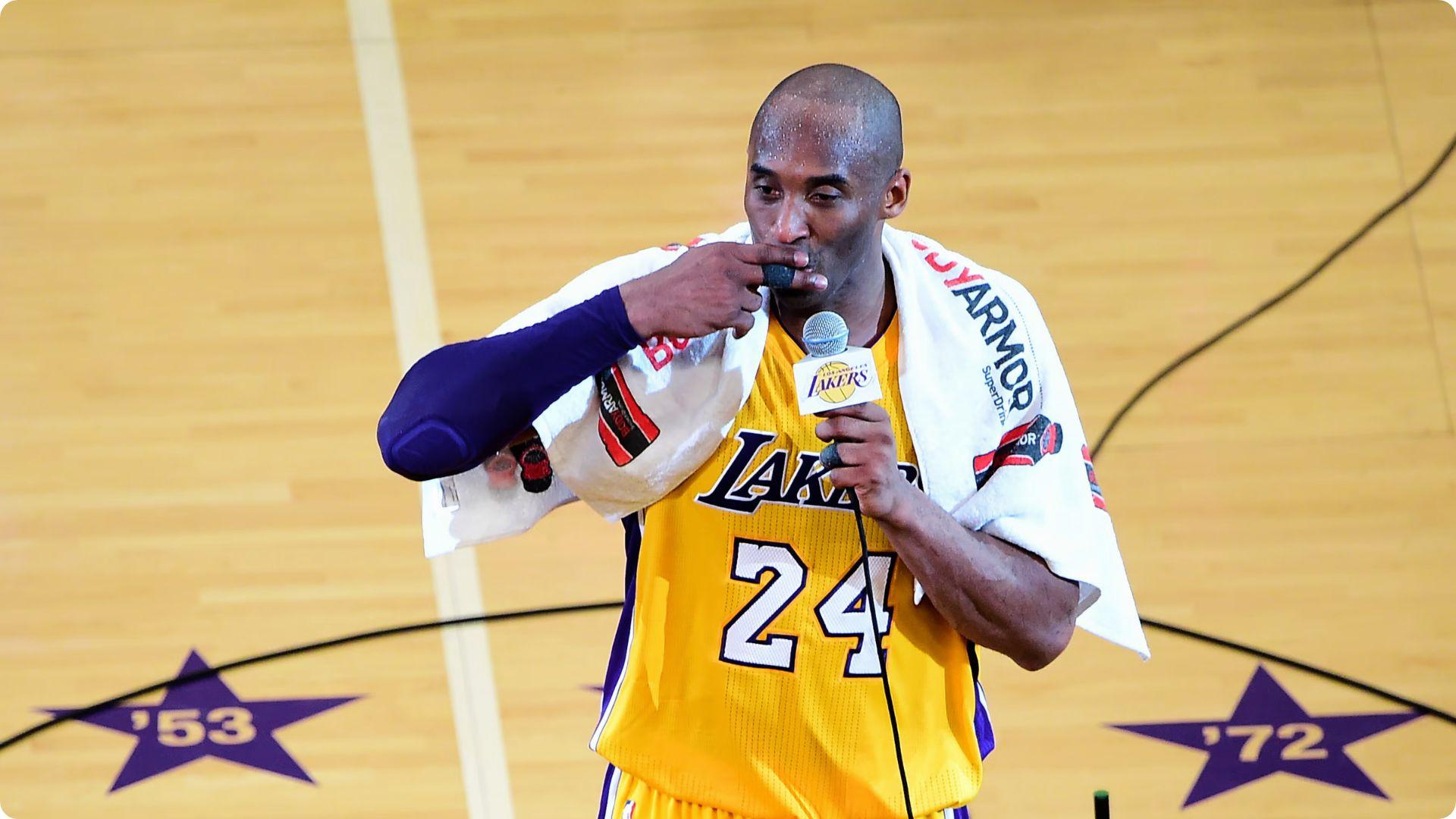
Bryant was 37 when he announced his retirement through the poem, in the middle of his 20th season with the Los Angeles Lakers, where he had won five championships.
The news was not a complete surprise, since the Associated Press reported that he had said many times in recent weeks that he was considering making the season his last.
He chose The Players’ Tribune, a platform where athletes speak for themselves without filtering their news through media outlets, as Poynter described it.
The season ended on his terms. On April 13, 2016, he scored 60 points in a 101-96 comeback win over the Utah Jazz in his final game, according to ESPN’s game coverage.
With that night in mind, the poem’s own construction deserves a closer look.
Dear Basketball Poem Analysis: Form, Imagery, and Theme
Reading the Kobe Bryant poem from different angles shows how much a short text can do with one address, a few concrete objects, and a single shift in mood.
A Letter Addressed to a Game
Bryant speaks directly to basketball from the salutation to the sign-off, which turns a sports retirement into the end of a relationship.
The free verse, with short lines and no rhyme, makes it sound like a decision being worked out as he writes. To mark up the poem yourself, try this guide to annotating a poem.
Imagery From Childhood to the Final Season
The poem is built from physical objects, a habit common in poems about growing up.
It opens on a boy rolling his father’s tube socks and shooting imaginary game-winners, and it closes on the same boy with a garbage can in the corner and five seconds on the clock.
That ring structure suggests the whole career was the game he had been playing in his head, and Bryant leaving his final game with 4.1 seconds remaining gives the countdown extra weight.
Love, Sacrifice, and Letting Go
The central tension runs between devotion and departure. Bryant says he gave the game his mind, body, spirit, and soul, but his body has told him it is time to stop.
The next line, a plain acceptance that this is fine, shifts the mood from lament to consent, and he asks to savor the time that remains rather than leave in anger.
From Poem to Oscar-Winning Short Film
Bryant later turned the poem into an animated short, also titled Dear Basketball, that runs about five minutes.
Glen Keane, the Disney animator behind The Little Mermaid, Aladdin and Beauty and the Beast, directed and animated it, and John Williams composed the score, which Variety reported was the first time Williams had scored a short film.
Bryant narrates, and the film follows the arc of the poem from childhood to the final season.
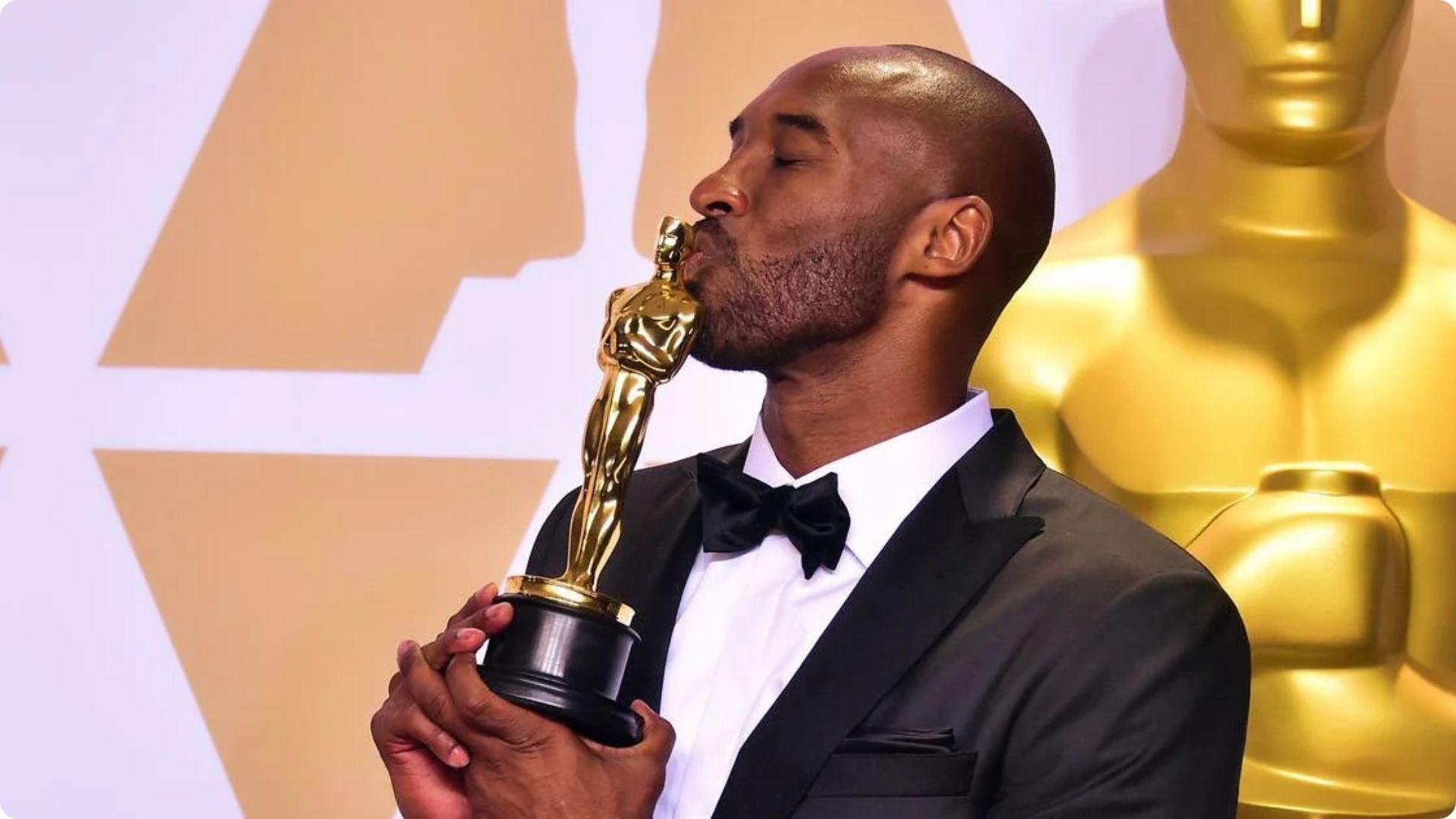
At the 90th Academy Awards on March 4, 2018, the film won Best Animated Short Film, and Bryant accepted the Oscar as executive producer alongside Keane, according to ESPN’s report on the win.
Keane used his speech to credit Bryant for the message and to say that dreams become possible through passion and perseverance.
Bryant said the push to adapt the poem came from his daughter Gianna, who reminded him that he was always telling his children to chase their dreams and should do the same.
How to Write Your Own Dear Letter Poem
Bryant’s poem works as a model because it starts with an object rather than an idea, and you can borrow that structure in five steps.
- Pick what you’re leaving:Choose a sport, hometown, instrument, or job you have outgrown, and address it by name in the first line.
- Open with one concrete image: Use a detail from the first time you met it, the way Bryant uses socks and a garbage can, instead of explaining how you felt.
- Say what you gave and received: Keep the lines short and the verbs physical.
- Place the turn: Add one plain admission that something has changed, then a line that accepts it without bitterness.
- Close on your opening image and sign it: Ending where you began gives the poem a ring structure, and a signature makes it read like a real letter.
Read it aloud once before you stop, and capitalize a word only where your voice naturally stresses it. Bryant capitalizes a single word, and the restraint is part of the effect.
Why Kobe’s Farewell Letter Holds Up
The Dear Basketball poem works because it turns a retirement announcement into a small, concrete story: a boy with rolled socks, a game that asked for everything, and a body that finally said no.
Its letter form makes the goodbye personal, its opening and closing images make the career feel like one continuous game, and its shift from lament to acceptance gives readers something to carry away.
If the poem’s theme of giving everything to the work you love interests you, our guide to the Man in the Arena poem is the next one to read.
Frequently Asked Questions
Is There a Dear Basketball Song?
Not as a standalone song, but John Williams composed the score for the animated short. In 2017, he conducted the Los Angeles Philharmonic at the Hollywood Bowl while Bryant narrated the poem live over the animation, as Variety reported.
Where Can I Watch the Dear Basketball Short Film?
Granity Studios released it free on dearbasketball.com and Vimeo in January 2020, but availability has changed since, so check the official site first. It has also been sold digitally as part of the 2018 Oscar-nominated shorts program, according to Fatherly.
Did Dear Basketball Win Any Awards Besides the Oscar?
Yes. It won the Annie Award for Best Animated Short Subject at the 45th Annie Awards, according to Glen Keane Productions, and it was an official selection at the 2017 Tribeca Film Festival, where it premiered.


