

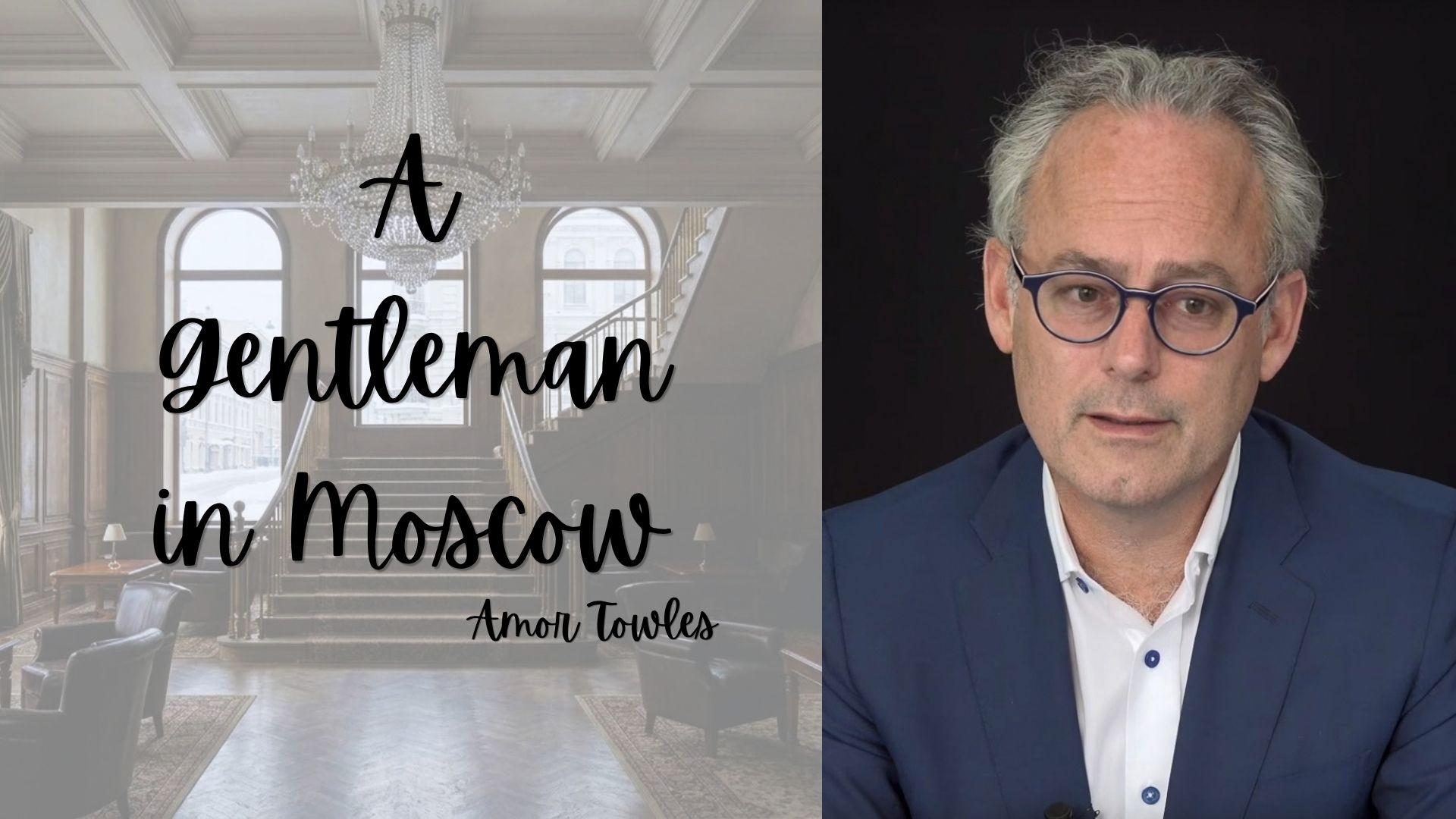
Some books grab you by the collar. This one pulls up a chair and takes its time.
A Gentleman in Moscow by Amor Towles has quietly become one of the most passed-around novels of the past decade. Everyone seems to love it. Fewer people tell you why or whether you actually will.
That’s what this review is for. By the end, you’ll know exactly what kind of reader this book is built for, and whether that’s you.
What is A Gentleman in Moscow Actually About?
A Gentleman in Moscow is a 2016 novel by Amor Towles. It follows Count Alexander Rostov, a Russian aristocrat sentenced to lifelong house arrest inside Moscow’s grand Metropol Hotel in 1922.
The Count doesn’t go to prison. He goes to a single building and stays there — for decades.
What unfolds isn’t a tense escape story or a political thriller. It’s something quieter. The novel moves through the years in episodes, using the hotel as a window onto Soviet Russia rather than a stage for dramatic events.
That distinction matters before you pick it up.
If you’re expecting mounting tension or a race toward resolution, this isn’t that book. The pace is unhurried by design. Towles is more interested in who the Count becomes than in what happens to him. The iconic Ordinary Grace works the same way, where the emotional weight quietly sneaks up on you.
At its core, this is a character study wrapped in history. The Metropol’s walls hold the story in, but the Count’s inner life, his wit, his relationships, and his quiet defiance is where the novel actually lives.
What Makes the Writing and Setting Work?
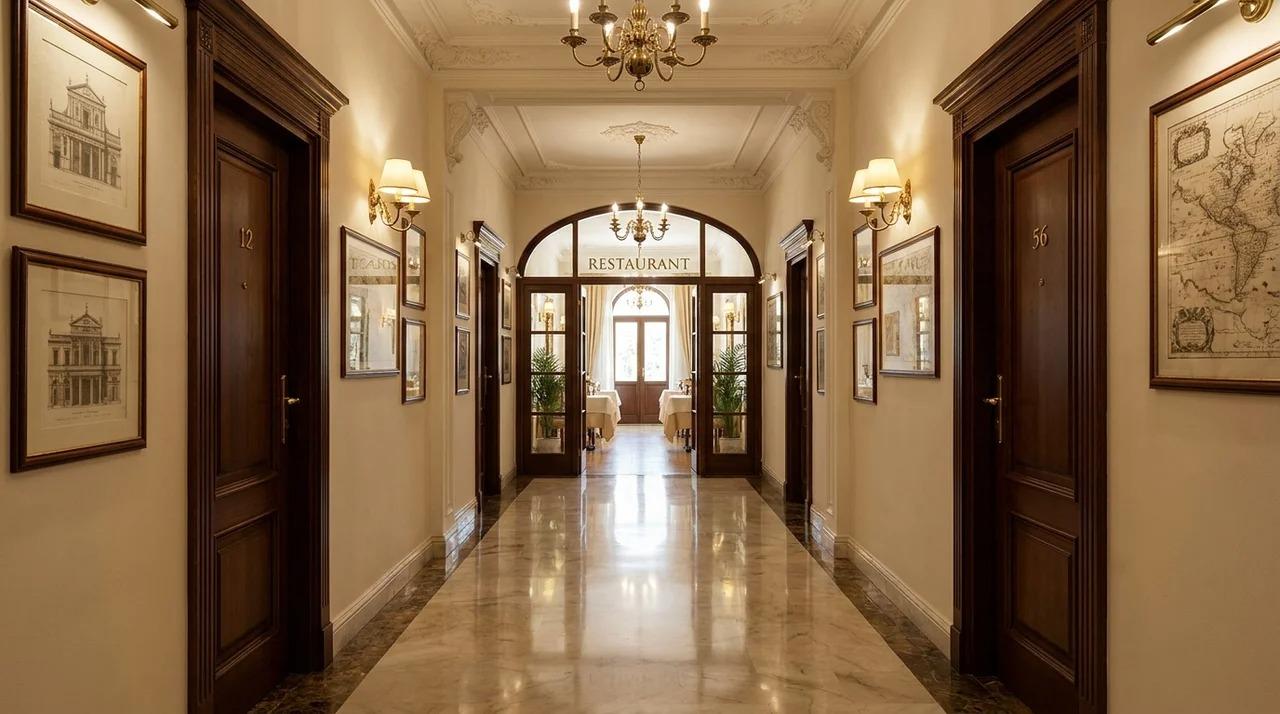
The single-location setting in A Gentleman in Moscow is a deliberate structural choice, and towles builds an entire emotional world inside it.
Most readers assume confinement shrinks a story. Here, it does the opposite. The constraint is the point.
The Metropol as a World, Not a Prison
The hotel isn’t one room. It has floors, kitchens, a barbershop, a wine cellar, private dining rooms, and hidden corridors the Count learns to navigate over years.
Towles maps this vertical geography carefully. As the Count’s freedom narrows outward, his knowledge of the building deepens. He moves from the grand suite to the attic room, but gains the whole interior in return.
The recurring cast of hotel staff, chefs, and guests functions the way the plot does in other novels. These are the relationships that create stakes. A head chef’s rivalry, a seamstress’s loyalty, a young girl’s curiosity, these threads carry narrative weight without requiring the story to go anywhere.
The Metropol becomes legible as a society in miniature. That’s what makes the confinement work. The world doesn’t shrink. It reorganises around what’s available.
Towles’s Prose Style
Towles writes with precision and a light formality that matches the Count’s character exactly. The narration doesn’t just describe Rostov. It sounds like him.
The sentences are considered. Details are specific and often gently comic. A dish described at dinner, a suit hung with particular care; these aren’t padding. They signal how the Count experiences the world, as someone who finds meaning in the particular rather than the grand.
If that register clicks for you, the prose feels immersive. If it doesn’t, it can read as ornate.
That’s worth knowing going in. Towles aren’t trying to be spared. The style is a deliberate choice, and for the right reader, it’s one of the book’s clearest strengths.
Count Rostov: Why the Protagonist Carries the Whole Novel
Rostov works as a character not because he’s witty, but because the novel frames his confinement as a choice to live fully rather than a loss to endure.
That’s a harder thing to pull off than it sounds.
The Bolsheviks strip him of his apartment, his title, and his place in society. What they can’t touch is his inner life. His curiosity, his humour, his precise attention to food and wine and conversation aren’t personality quirks. They’re how he refuses to be diminished.
Towles makes this visible through the relationships Rostov builds inside the hotel. The friendships he forms with staff, chefs, and the people who pass through his world aren’t background colors. They’re the novel’s actual argument.
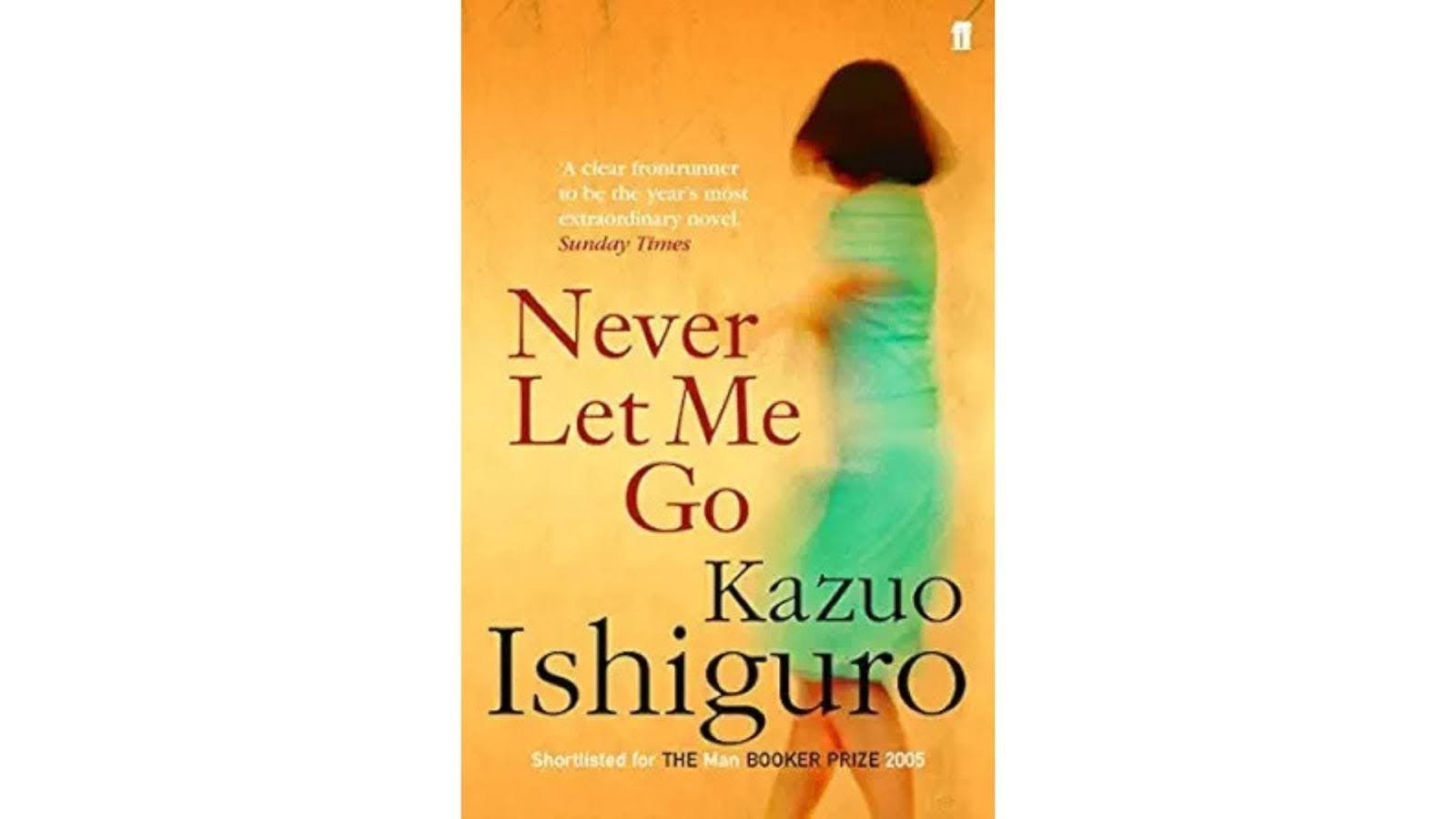
Status is gone. Connection remains. And connection, the novel insists, is where a meaningful life actually lives. It’s the same quiet argument that Never Let Me Go makes, just through a completely different lens.
That’s what elevates Rostov beyond a charming aristocrat. He’s not just surviving his sentence. He’s demonstrating something about dignity, about attention, about what it means to inhabit a life fully when the world has made it very small.
Where some readers push back is here. Rostov is almost never broken. He grieves, yes, but he recovers. He adapts. He stays, in some fundamental way, intact.
For some readers, that reads as strength. For others, it reads as the novel protecting its protagonist from real darkness.
It’s a fair criticism. Rostov’s composure can tip into idealism, depending on what you bring to the book. If you need a character to crack under pressure, he may keep a frustrating distance.
If you don’t, he’s one of the more rewarding companions in recent literary fiction.
What the Book Does Not Do and Who That Will Bother
A Gentleman in Moscow is slow by design, and that’s not a flaw the author missed. It’s a commitment the whole novel is built around.
Knowing that going in changes everything.
The structure is episodic. One chapter doesn’t build urgency into the next. There’s no mounting threat, no ticking clock, no plot mechanism pulling you forward. If that’s what keeps you turning pages, you’ll feel its absence by the end of the first third.
That’s not a reading failure. It’s a mismatch.
The historical setting raises a similar point. The novel takes place against decades of Soviet upheaval, but Towles keeps that history at a careful distance. What you get is atmosphere and implication, not immersion in political violence or working-class suffering.
The Metropol is a world of fine dining, cultured conversation, and quiet resilience. Russia outside its walls is present, but it stays outside.
Readers who want gritty historical realism will find that deliberate. The novel isn’t trying to be that book. It’s a different question entirely: what does a dignified life look like when the world has reduced your options to almost nothing?
That’s a legitimate artistic choice. But it means the darkness you might expect from Soviet-era fiction is largely absent here.
These aren’t weaknesses in execution. They’re the shape of the book. If you know that before you start, you read it on its own terms.
Who Should Read ‘A Gentleman in Moscow’?
If you enjoy character-driven literary fiction and novels where meaning builds slowly, this is worth your time. If you need plot momentum to stay engaged, it probably isn’t.
That’s not a hedge. It’s just an honest split.
Readers who connect with precise prose, quiet observation, and a protagonist whose inner life does most of the work tend to find this book genuinely rewarding. It’s the kind of novel that gets better as it goes, once you’ve accepted what it’s doing.
Readers who rely on external tension or historical grit to stay invested will likely find the pace a persistent obstacle. The goodwill you need to give this book in the first third is real, and not everyone finds it repaid.
The numbers are worth noting. A Gentleman in Moscow holds a 4.31 rating on Goodreads across more than 700,000 ratings. That’s broad appeal by any measure.
But the dissent on Reddit is genuine, and it clusters around pace. The divide is predictable once you know it exists.
Read the first fifty pages and trust your reaction. The rest of the book is more of the same, only deeper.
Final Verdict
A Gentleman in Moscow doesn’t ask you to keep up. It asks you to slow down, and most readers either find that freeing or frustrating within the first fifty pages.
That reaction tells you everything you need to know.
Amor Towles built a novel about confinement that somehow feels expansive. That’s the quiet trick at its centre, and it’s worth experiencing firsthand.
If the book sounds like your kind of read, pick it up. If you’re still unsure, start at page one and give it thirty pages. You’ll know.
Frequently Asked Questions
What is so great about A Gentleman in Moscow?
The novel takes a simple premise, a man confined to a single hotel and carries it to genuine emotional depth. Rostov becomes a compelling companion across decades, and the book makes a quiet, convincing case that a rich life is built from connection, not circumstance.
Is A Gentleman in Moscow historically accurate?
It’s set against real Soviet history but deliberately stylised. Towles captures the era’s atmosphere without immersing readers in historical suffering; emotional truth takes priority over documentary detail.
What did The Guardian say about A Gentleman in Moscow?
The Guardian reviewed the television adaptation, praising Ewan McGregor’s performance and describing the series as a charming period drama. Critical reception for both the novel and the show has been broadly positive.
Is A Gentleman in Moscow part of a series?
No. It’s a standalone novel. Amor Towles has written other books, including Rules of Civility and The Lincoln Highway, but A Gentleman in Moscow has no sequel and no connected storyline.