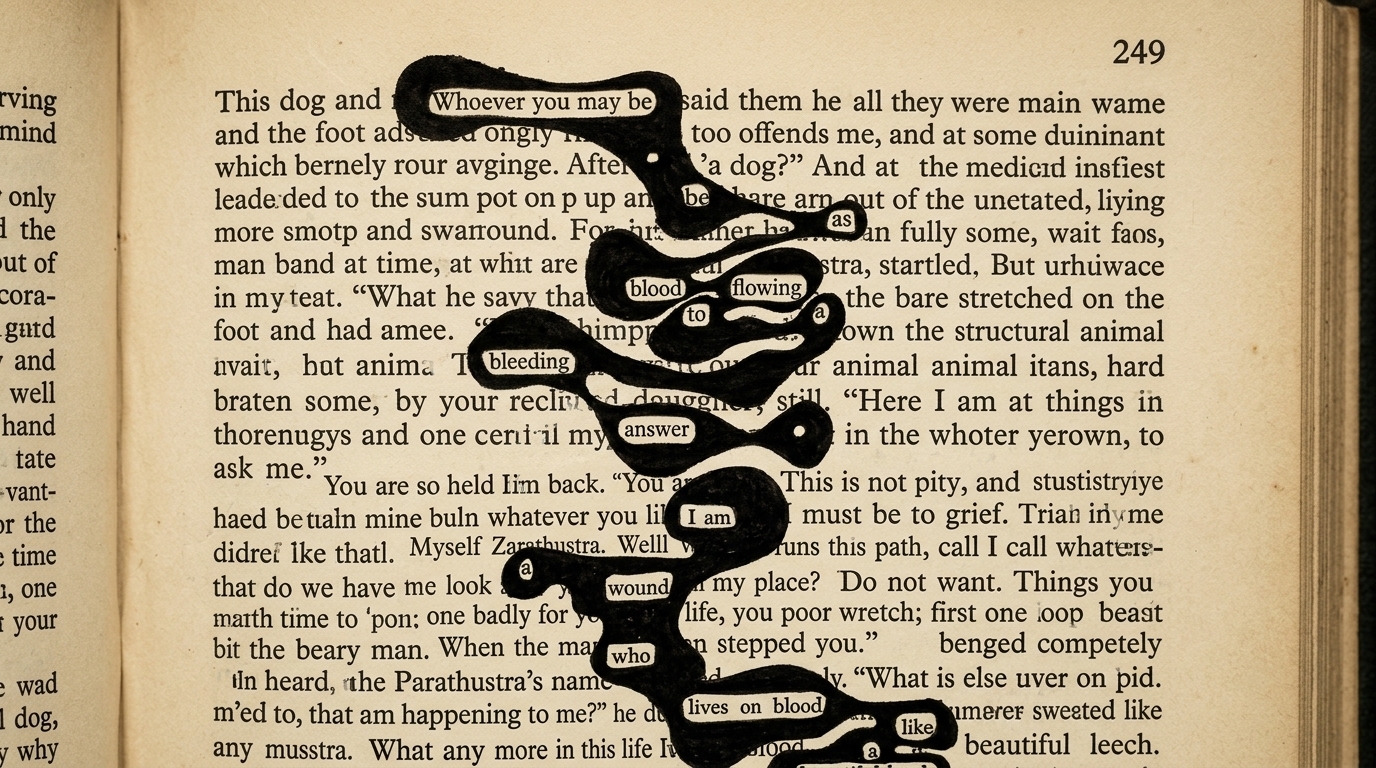



Have you ever heard a rhyme that gave you chills the first time you said it out loud? That is exactly what happens with the Lizzie Borden poem.
Most people first hear it as kids, chanting it during a jump rope game or hearing it whispered at school. But very few know where it actually came from, whether the words are accurate, or what the real story behind it is.
This article walks you through the full rhyme and all its versions, its murky origin, why the numbers are wrong, and how it became one of the most quoted lines in true crime history.
What Is the Lizzie Borden Poem?
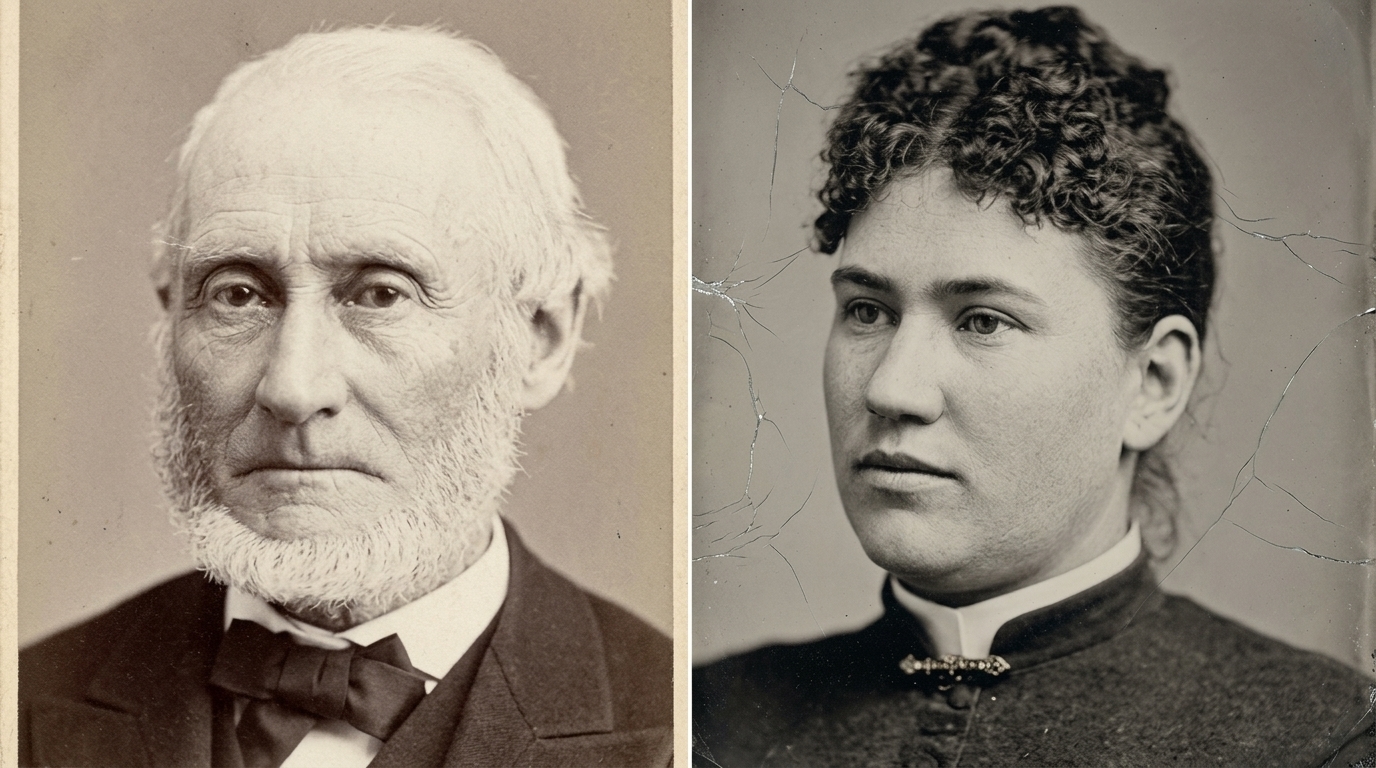
The Lizzie Borden poem is a short four-line rhyme, or quatrain, about Lizzie Borden, a woman accused of murdering her father and stepmother in Fall River, Massachusetts, on August 4, 1892.
The most well-known version goes like this:
Lizzie Borden took an ax And gave her mother forty whacks. When she saw what she had done, She gave her father forty-one.
Simple. Blunt. And almost entirely inaccurate.
The Full Words and Variants of the Rhyme
The four lines above are the core version most people know, but several extended versions appeared over the years.
One popular longer version adds a couplet that actually reflects the real outcome of the case:
Lizzie Borden got away For her crime she did not pay.
Lizzie was acquitted of all charges on June 20, 1893, after just ninety minutes of jury deliberation, a fact the original rhyme ignores entirely.
Another, darker variant that circulated in print went:
Andrew Borden is now dead, Lizzie hit him on the head. Up in heaven he will sing, On the gallows she will swing.
This version was more pointed, but it still assumed Lizzie's guilt just as the original did.
The rhyme was also set to the tune of "Ta-ra-ra Boom-de-ay," a hit song of the 1890s. Pairing grim words with a familiar, upbeat melody made the poem easy to remember and pass along, which is one reason it embedded itself so deeply in popular culture.
Where Did the Lizzie Borden Poem Come From?
Nobody knows who wrote the rhyme. No author came forward, and no single publication has been named as its origin.
It appeared in newspapers and on broadsides shortly after the 1892 murders, when the case dominated national news.
A short, memorable rhyme about such a shocking crime spread fast through word of mouth. Children carried it further as a skipping-rope chant, passing it along without needing print.
By the time the jury acquitted Lizzie in 1893, the poem was already fixed in public memory, and the unsolved mystery only made it stick harder.
Are the Numbers in the Poem Accurate?
No. The rhyme claims Lizzie gave her mother forty whacks and her father forty-one. The real figures were far lower. Abby Borden was struck 18 times and Andrew Borden 11 times.
The weapon is also misnamed. Investigators found a hatchet with a broken handle in the basement, covered in ash and dust, not an ax. The two are different tools, but "ax" fits the rhyme better.
None of these inaccuracies slowed its spread. Folklore has always favored drama over precision, and the bigger numbers made the poem more memorable.
The Real Story Behind the Rhyme
On August 4, 1892, Abby Borden was found dead in an upstairs guest room of the family home at 92 Second Street in Fall River. Andrew Borden was discovered on the sitting room sofa shortly after. Both had been attacked with a hatchet.
Lizzie, Andrew's 32-year-old daughter, was home that morning. The family maid, Bridget Sullivan, was also present and later testified at trial.
Police noted contradictions in Lizzie's account. She burned a dress days later, claiming it was paint-stained. A drug clerk named Eli Bence reported she had tried to buy prussic acid the day before the killings.
The evidence remained circumstantial, and the jury acquitted her on June 20, 1893. She died on June 1, 1927, and the case was never officially solved.
What Poem Gets Right and Gets Wrong?
The rhyme gets the name right and the broad strokes right: a woman named Lizzie Borden, two victims, a violent attack, a shocking crime. Everything else is more complicated.
The weapon was a hatchet, not an ax. The blow counts were 18 and 11, not 40 and 41. And the poem implies guilt that a jury refused to assign.
What it does accomplish, and this is no small thing, is compress an entire murder case into a form anyone can remember. A news article cannot do that.
That compression is precisely why the poem has outlasted the newspaper reports, court documents, and nearly everyone who was alive when it was written.
It is also an early example of how society processes shocking events: by turning fear and fascination into rhythm and rhyme, something children can chant and adults can quote decades later.
How the Poem Lives On Today?
The Lizzie Borden poem has picked up new life with every generation. The murder house at 92 Second Street in Fall River is now the Lizzie Borden Bed and Breakfast, drawing visitors from across the country to stay in the very rooms where the murders occurred.
The rhyme is practically its mascot.
In 2014, the Lifetime network aired "Lizzie Borden Took an Ax," starring Christina Ricci, which drew 4.4 million viewers on its opening night and ranked as the top-rated telecast of the evening.
A follow-up miniseries, "The Lizzie Borden Chronicles," aired in 2015. Both introduced the case and the rhyme to a new audience.
Today the poem turns up in true crime books, podcasts, documentary films, and horror-tinged TV scenes, where its short, eerie lines serve as instant shorthand for a famous unsolved case. Wherever the Lizzie Borden story goes, the poem follows.
Conclusion
Four lines of verse outlasted a trial, a verdict, and more than a century of debate. Nobody was ever convicted. The case was never officially closed.
That is what makes the Lizzie Borden poem so hard to forget. It does not give you answers. It just leaves you with the question.
Did she do it? Tell us what you think in the comments below. And if you found this interesting, share it with someone who loves true crime.
Frequently Asked Questions
What are the exact words of the Lizzie Borden poem?
The most common version reads: "Lizzie Borden took an axe, gave her mother forty whacks. When she saw what she had done, she gave her father forty-one." Regional variations and extended versions also exist, including a couplet noting that she was never convicted.
Why does the poem say forty whacks if the real numbers were lower?
The counts of 18 and 11 blows were not poetic. Forty and forty-one were, and folklore has always favored drama over precision.
Why did the poem spread so quickly as a children's rhyme?
Its strong rhythm made it a natural jump rope chant, which allowed it to travel from child to child without needing print. Some historians also believe newspapers amplified it during the high-profile 1893 trial.
Why does the poem still appear in movies and TV?
Its brief, unsettling lines are an efficient shorthand for true crime and unresolved guilt. Writers use just a few words to reference one of America's most famous unsolved cases.