


Poetry can feel confusing at first. But once you know its building blocks, everything clicks. This article breaks down the elements of poetry in plain, simple terms.
You will learn what each element means, how it works, and how to spot it in real poems.
I have spent years studying literature and helping students make sense of poetic devices that experience shapes every word here.
By the end, you will read poems with more confidence and clarity.
Structure and Form Elements of Poetry
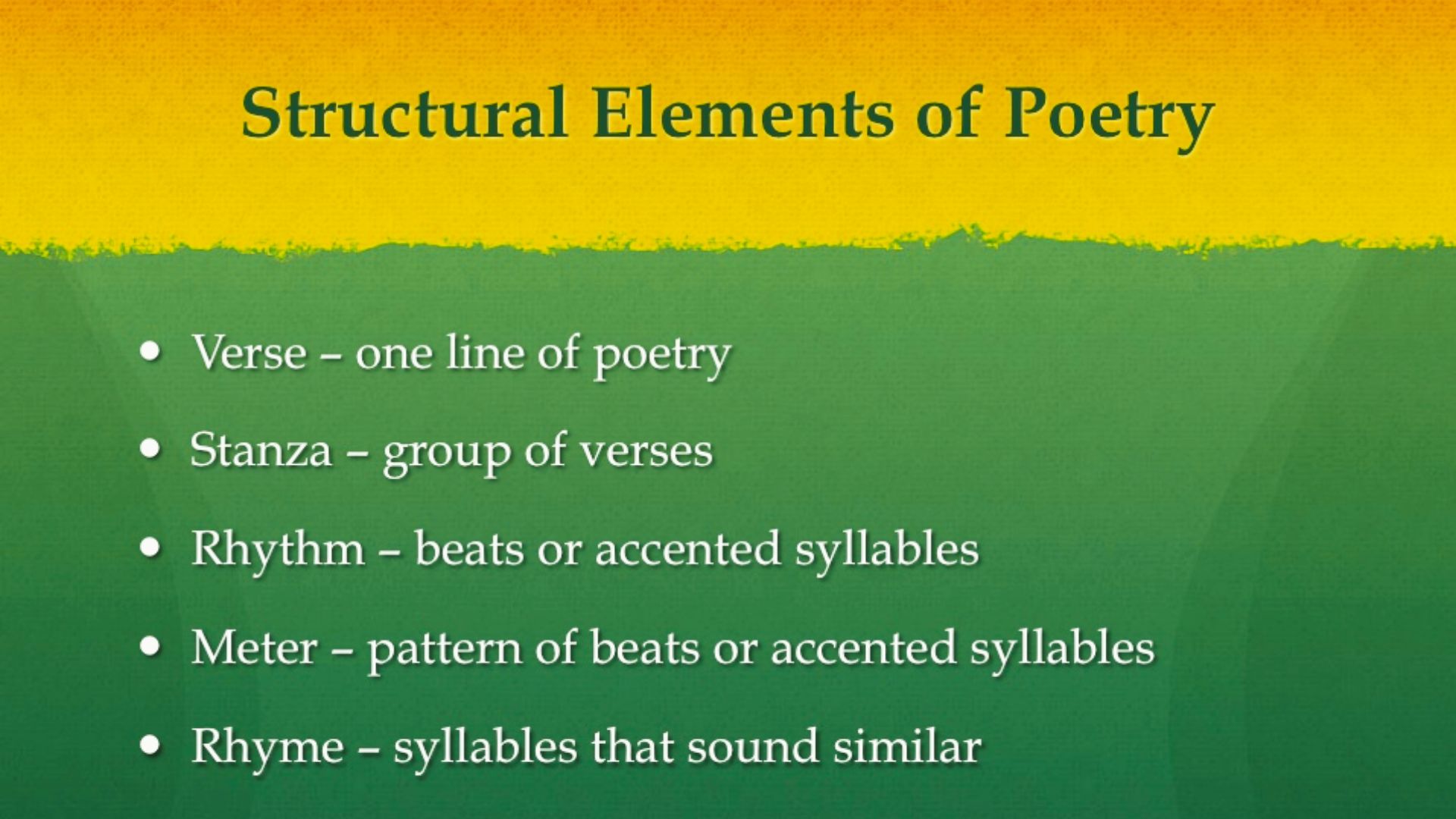
Structure and form are the backbone of any poem. They shape how a poem looks, sounds, and flows on the page.
A line is a single row of text, while a stanza groups those lines into sections much like paragraphs in an essay.
Meter measures the rhythm through patterns of stressed and unstressed syllables.
Form refers to the overall type of poem, such as a sonnet or haiku. Together, these elements give every poem its shape, pace, and visual identity on the page.
13 Elements of Poetry Explained
1. Rhyme
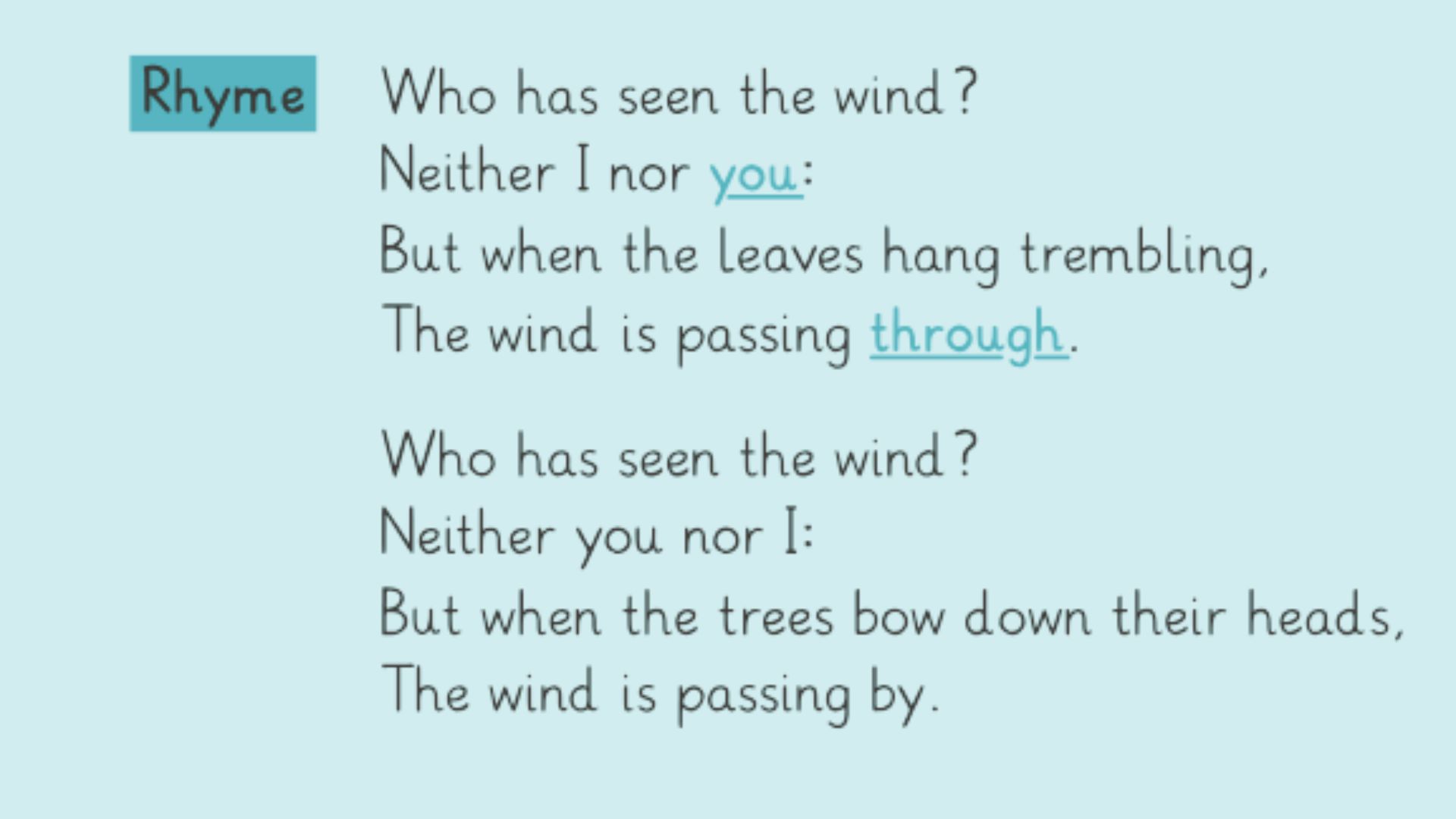
Rhyme happens when two or more words share the same ending sound. It makes poems easier to remember and adds a musical feel. Not all poems rhyme, but when they do, the pattern is called a rhyme scheme.
2. Rhythm
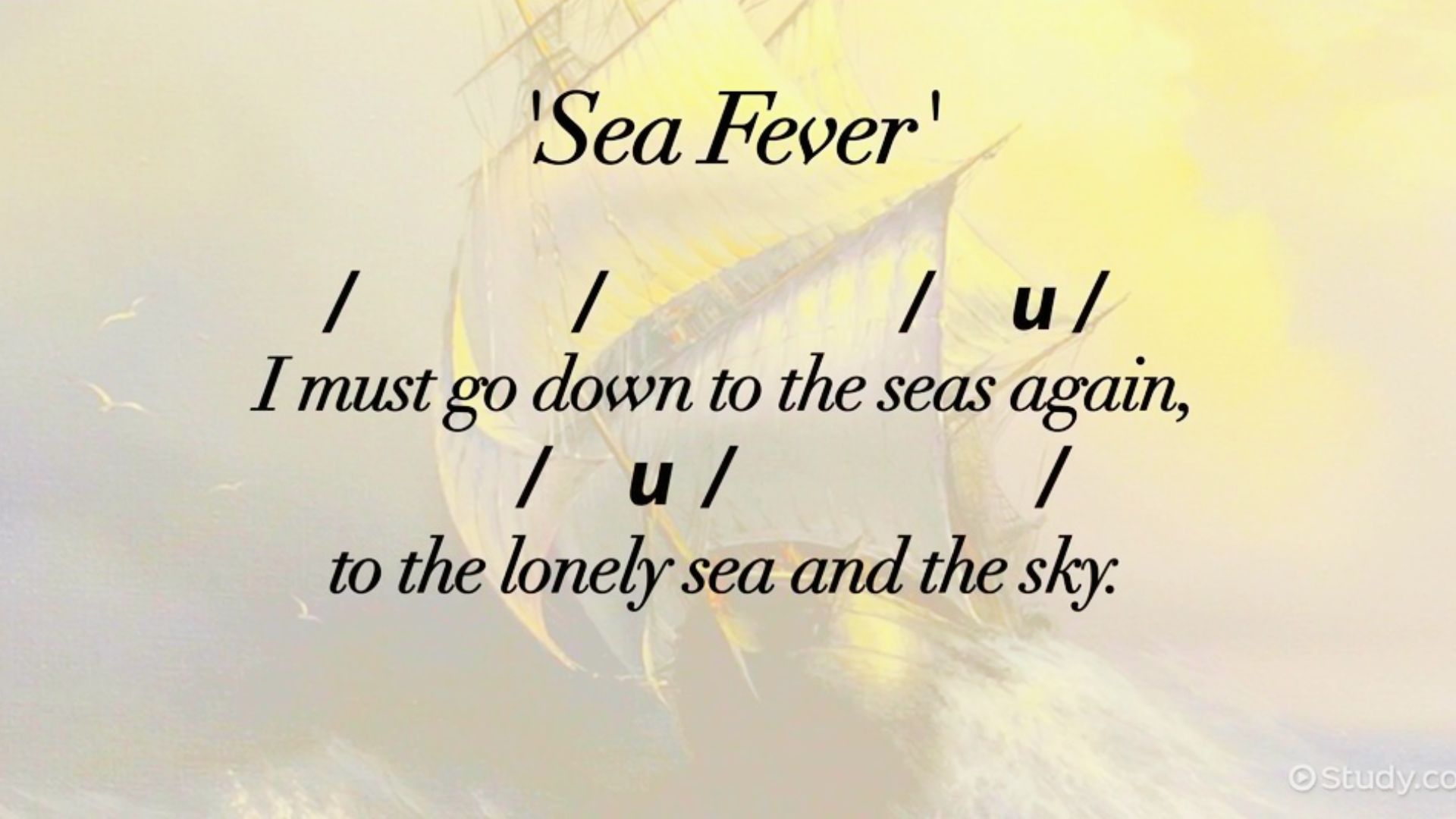
Rhythm is the natural flow of sound in a poem. It comes from patterns of stressed and unstressed syllables. Good rhythm makes a poem feel smooth and satisfying to read aloud.
3. Meter
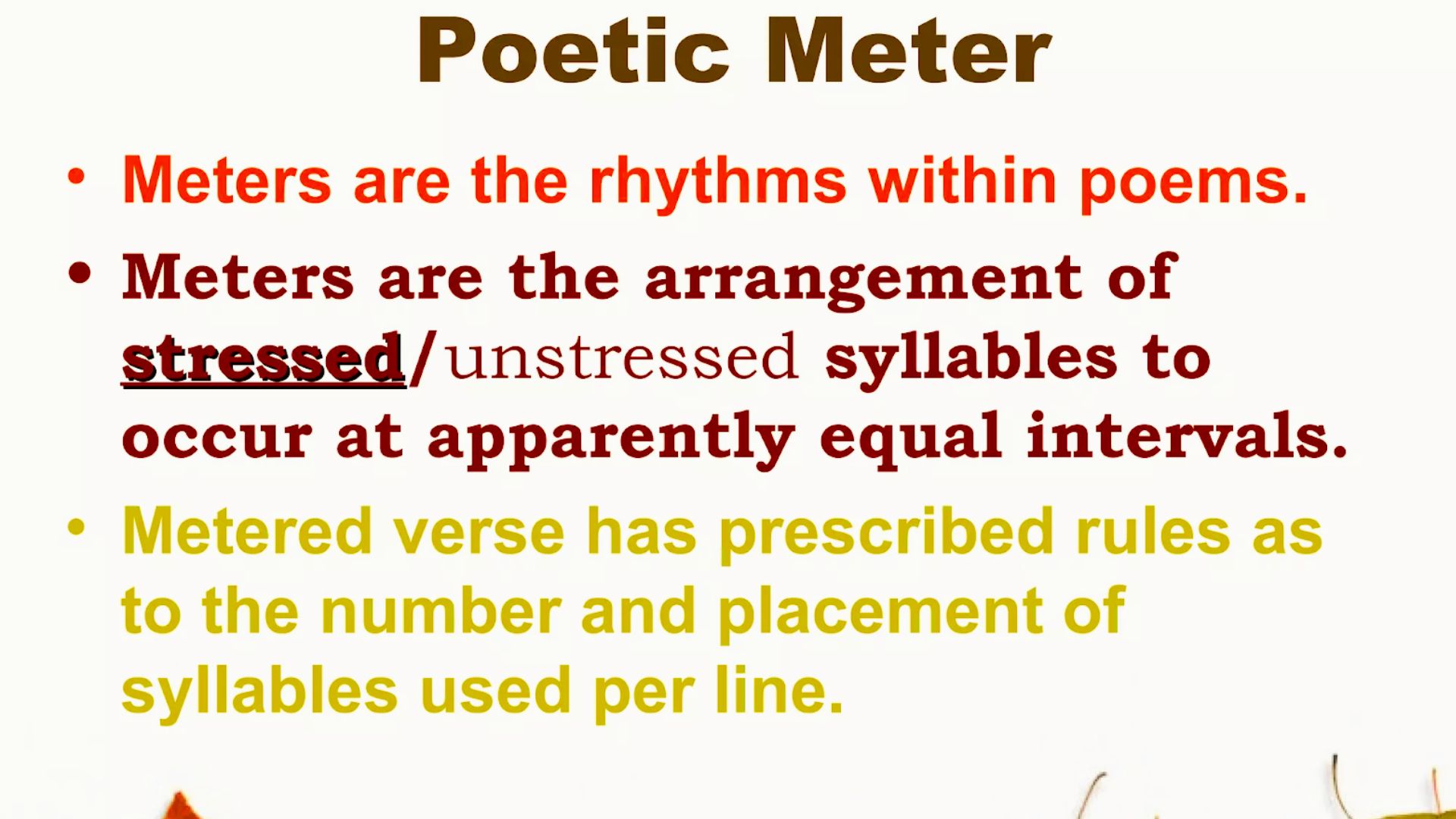
Meter is the formal measurement of rhythm in a poem. It counts syllables and organizes them into units called feet. The most common meter in English poetry is iambic pentameter, with ten syllables per line.
4. Stanza
A stanza is a group of lines in a poem, working like a paragraph. It separates ideas and gives the reader a natural pause. A poem can have one stanza or many, depending on what the poet wants.
5. Line Breaks and Enjambment
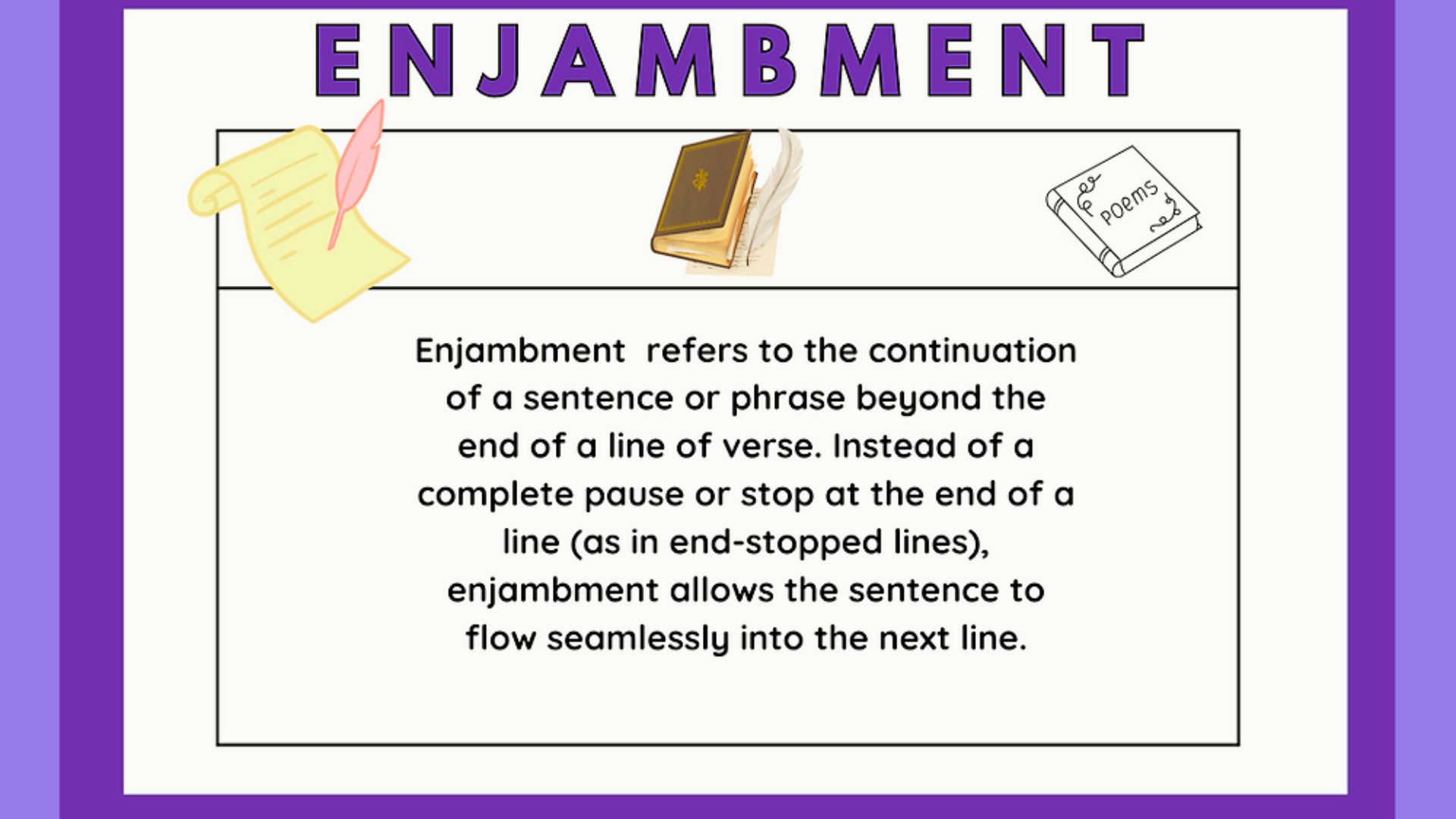
A line break is where a line of poetry ends, chosen by the poet. Enjambment is when a sentence continues past the line without a pause. This technique creates movement and pulls the reader forward naturally.
6. Form
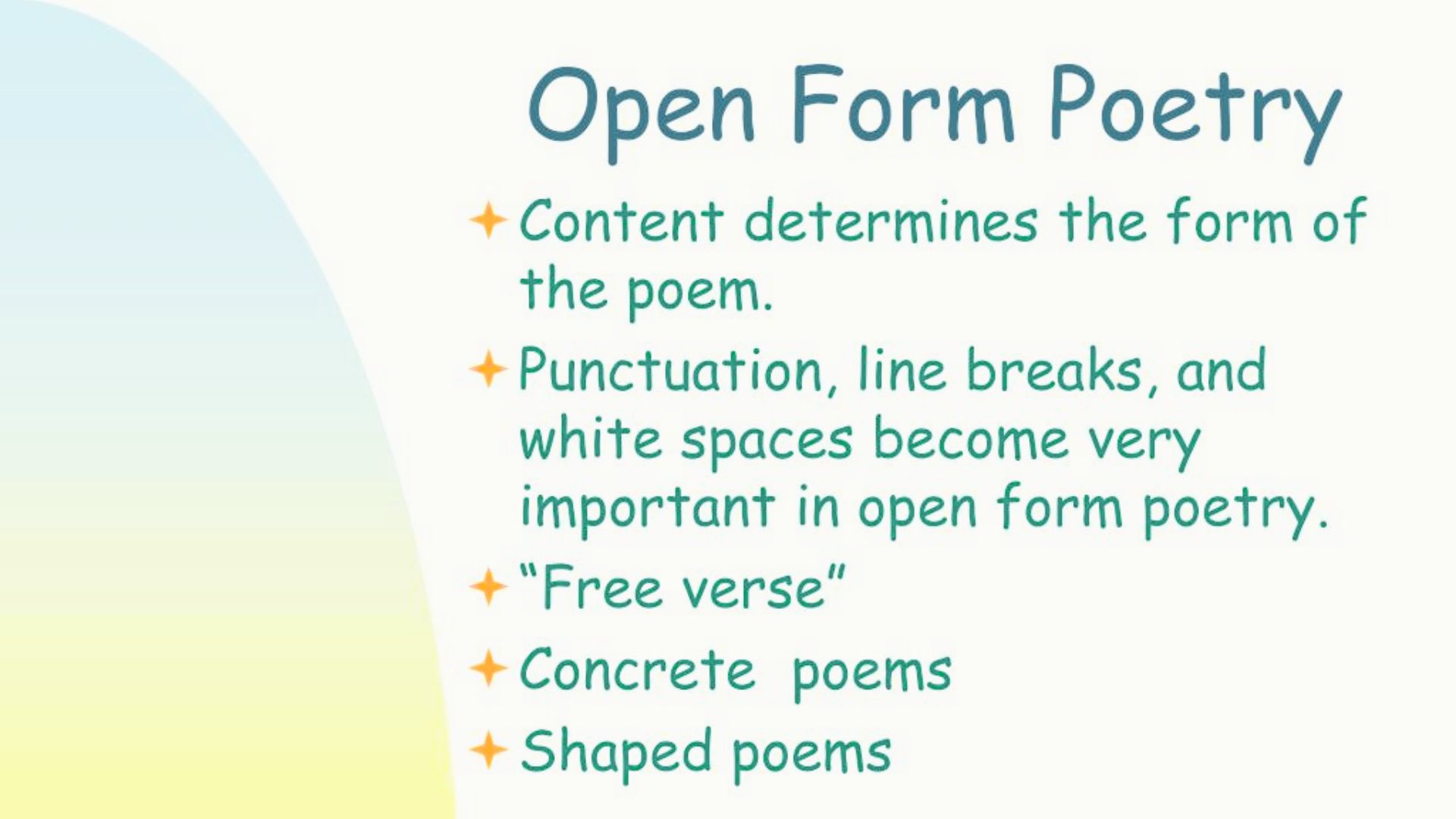
Form refers to the type or overall structure of a poem. Some forms follow strict rules, like sonnets or haikus, while others are open. Knowing the form helps you understand the poem’s purpose and style.
7. Imagery
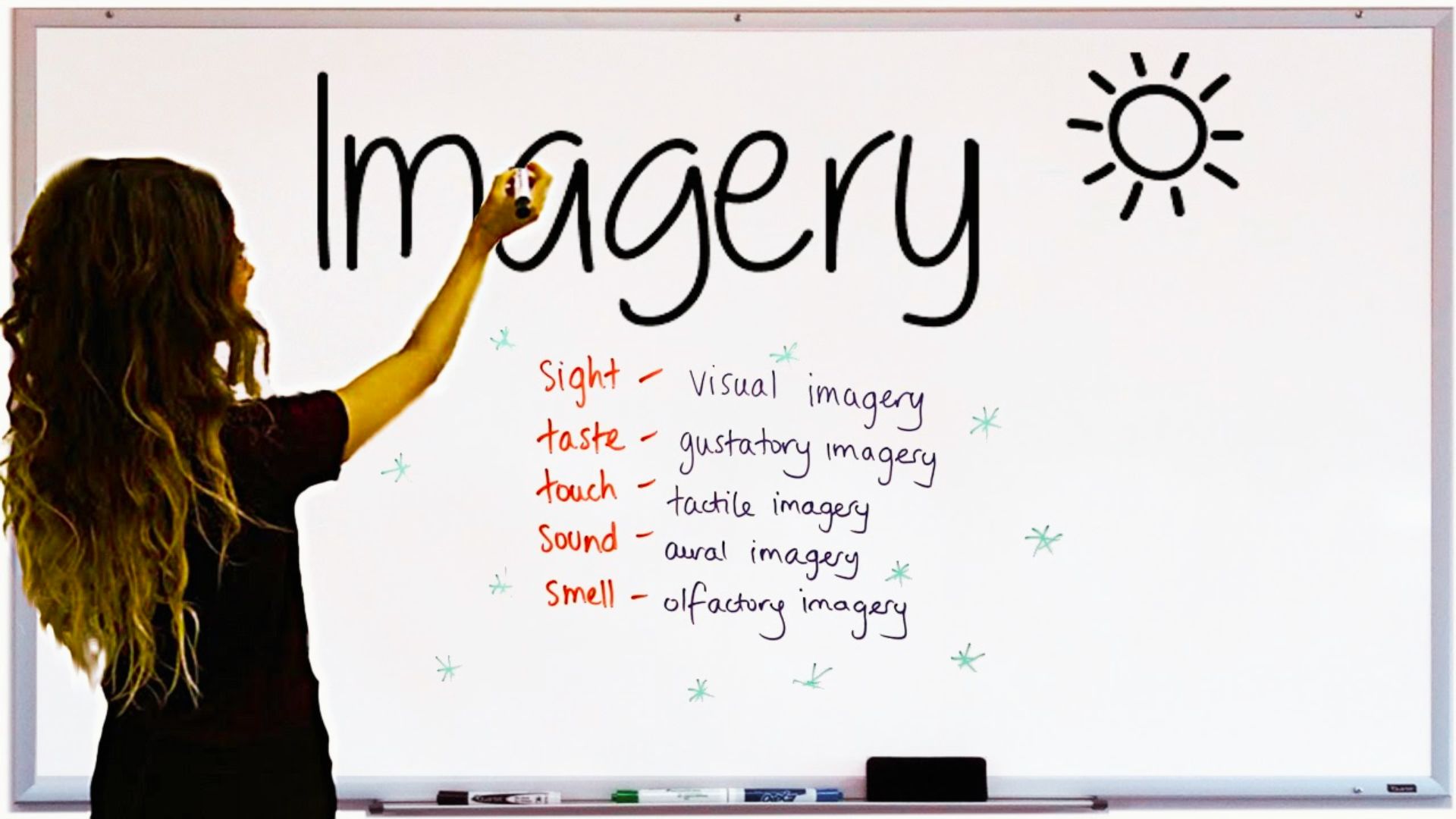
Imagery is language that creates mental pictures by appealing to the senses. It helps readers see, hear, smell, taste, or feel what the poet describes. Good imagery makes abstract ideas feel real and vivid.
8. Theme
Theme is the central message or idea behind a poem. It goes deeper than the topic and reflects what the poet is really saying. To find it, ask what the poet wants you to think or feel about life.
9. Tone
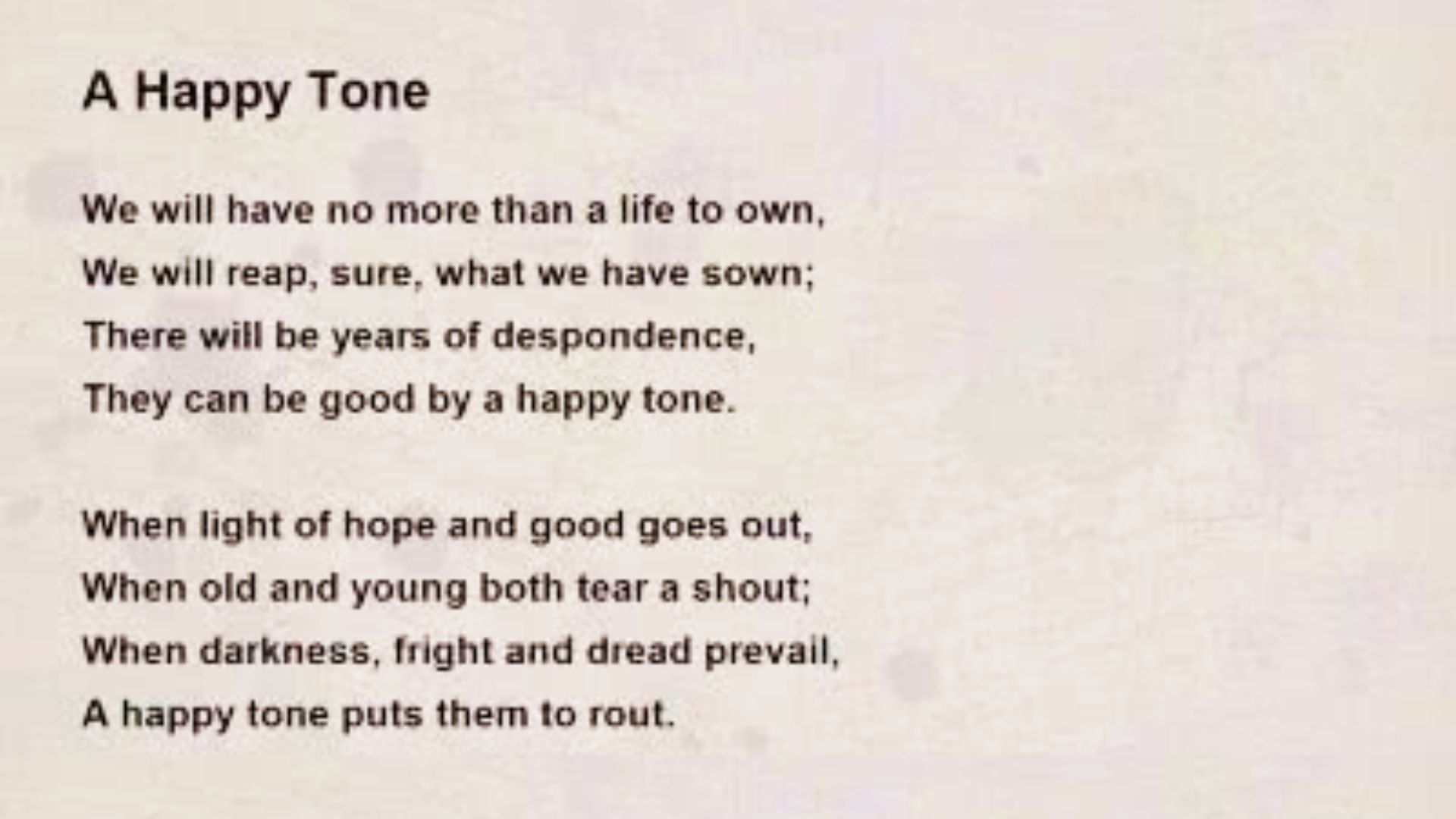
Tone is the poet’s attitude toward the subject of the poem. It shapes how the reader feels while reading, whether sad, joyful, or playful. Tone comes through word choice, imagery, and the overall rhythm of the poem.
10. Alliteration
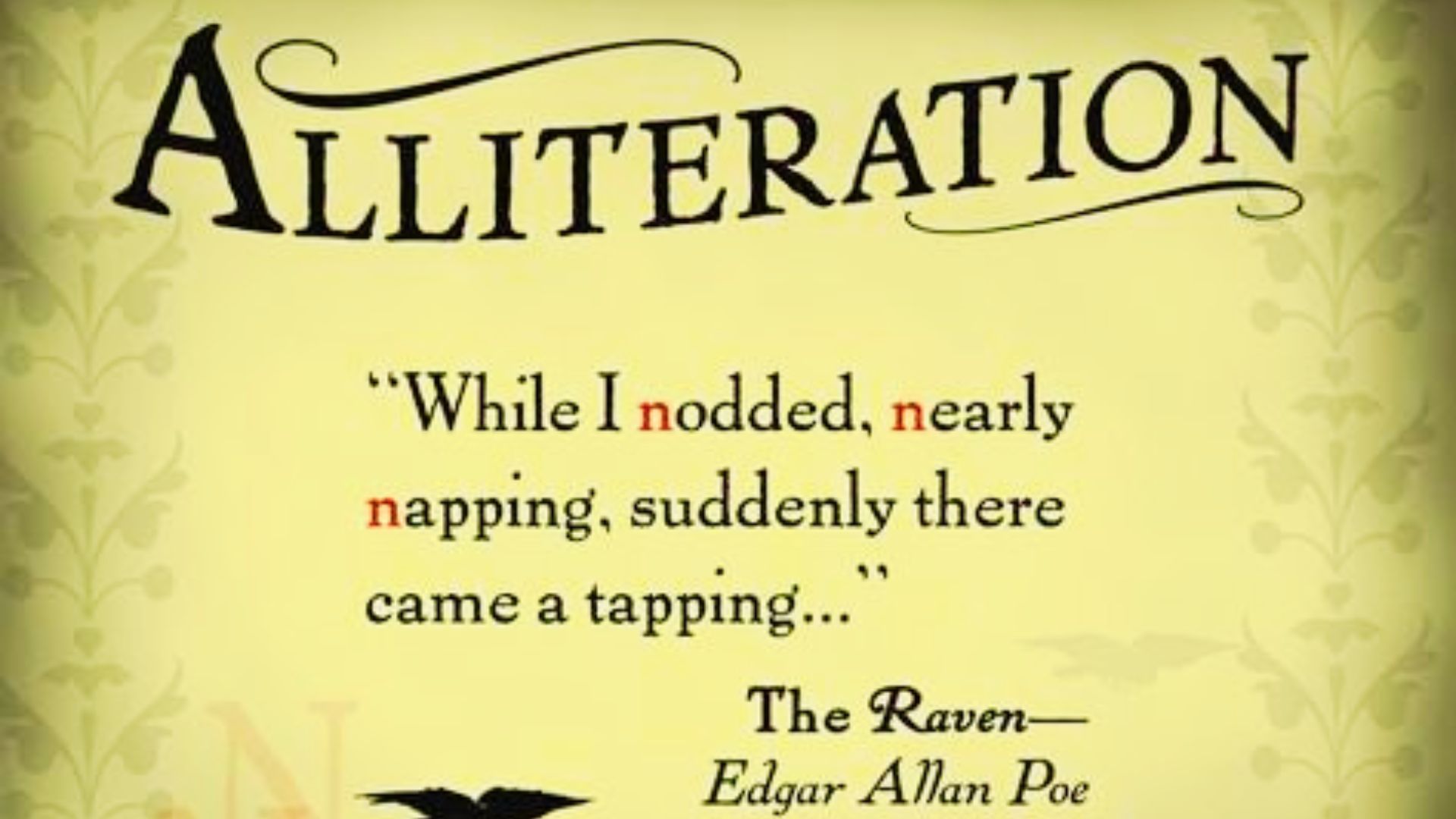
Alliteration is the repetition of the same starting sound in nearby words. It creates a musical effect and draws attention to specific phrases. Poets use it to add emphasis and make lines more memorable.
11. Assonance
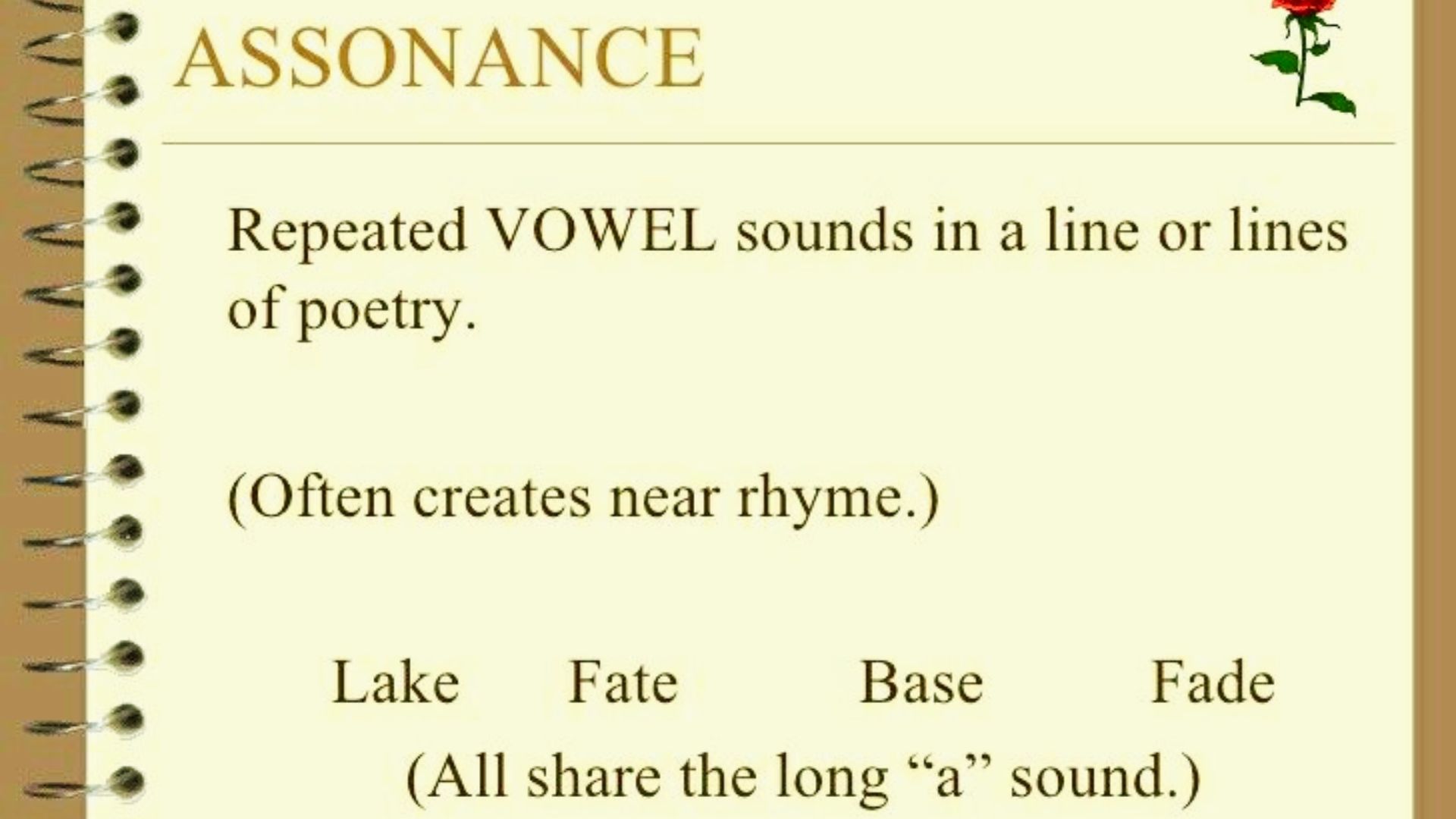
Assonance is the repetition of vowel sounds within nearby words in a line. The words do not need to rhyme fully for assonance to work. It adds internal musicality and a sense of flow to the poem.
12. Consonance
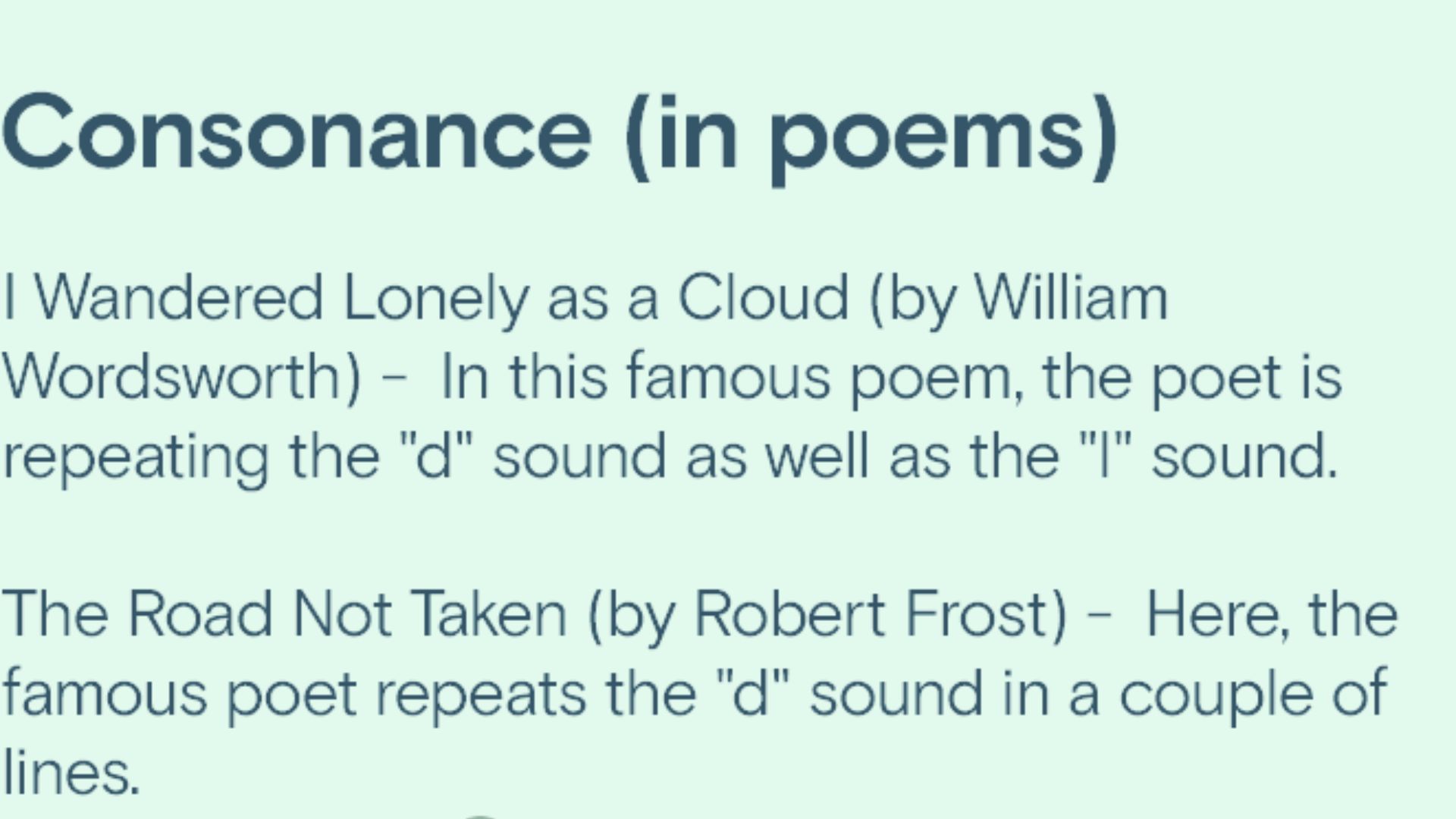
Consonance is the repetition of consonant sounds within or at the end of words. It adds texture and reinforces the mood of a poem. Unlike alliteration, the repeated sound can appear anywhere in the word.
13. Metaphor and Symbolism
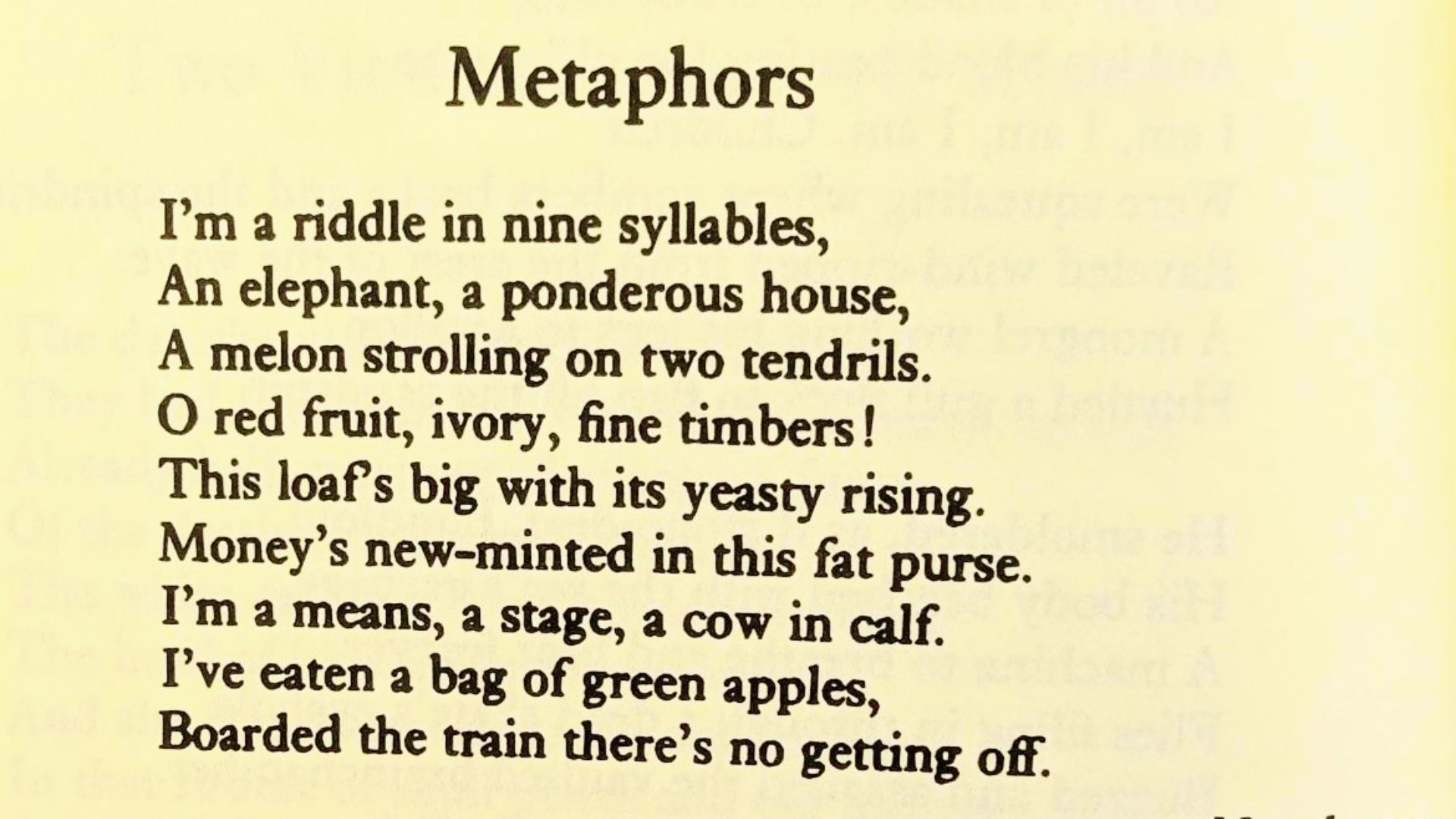
A metaphor directly compares two unlike things without using “like” or “as.” Symbolism is when an object or image stands for a bigger idea. Both devices add deeper layers of meaning beneath the surface of a poem.
Elements of Poetry Examples
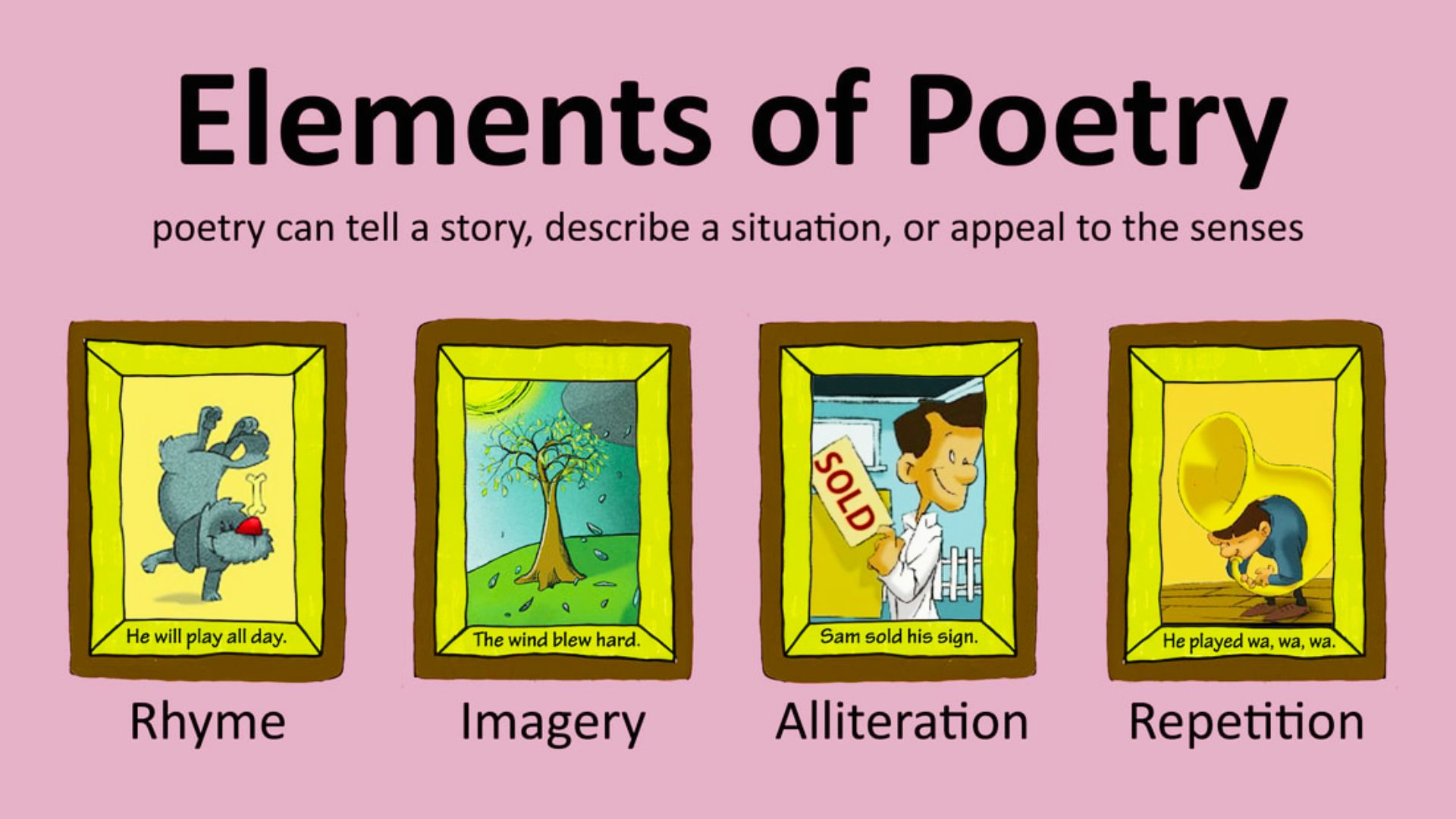
Real examples make abstract ideas click. Here are poetic devices shown in action.
Examples of Sound Elements in Poetry
Alliteration repeats the “f” sound in Coleridge’s “The fair breeze blew, the white foam flew.” Assonance echoes the “e” vowel in Poe’s “Hear the mellow wedding bells.”
Consonance ties words together through the “k” sound in “He struck a streak of bad luck.”
Examples of Structural Elements in Poetry
Frost’s “Stopping by Woods on a Snowy Evening” uses four-line stanzas to build a quiet, steady tone. Williams’ “The Red Wheelbarrow” uses enjambment to pull the reader forward without pause.
Shakespeare’s sonnets follow a strict 14-line structure with an ABAB CDCD EFEF GG rhyme scheme.
Examples of Figurative Language in Poetry
Dickinson’s “Hope is the thing with feathers.” directly compares hope to a bird through metaphor. Frost uses the fork in the road in “The Road Not Taken” as a symbol for life choices.
Wordsworth’s “I wandered lonely as a cloud.” places the reader in an open, drifting scene through imagery.
How to Identify Elements of Poetry in a Poem
You do not need to be a scholar to read poetry well. A simple, step-by-step approach works best.
Read the Poem Carefully
Read the poem once from start to finish without stopping. Then read it again, paying attention to words that feel important or repeated. Notice the layout, stanzas, and line lengths on the page.
Identify Sound Patterns and Rhythm
Read the poem aloud and listen for rhyme, beat, and repeated sounds. Notice vowel sounds that echo and consonants that repeat across lines. Mark any patterns you hear as these point to sound elements.
Analyze Imagery and Figurative Language
Look for words that create mental pictures and appeal to the senses. Check if something is being compared to something else or standing for a bigger idea. These are signs of imagery, metaphor, and symbolism at work.
Understand the Theme and Tone
Ask what the poem is really about and how it makes you feel. Think about the poet’s attitude toward the subject. Write simple answers and do not overthink it.
Tips for Understanding Poetry Elements
Here are simple habits that help you get more from every poem you read.
- Focus on repeated sounds and patterns, as repetition always points to the most important ideas.
- Pay attention to word choice, since unusual or specific words often carry the most meaning.
- Read poems aloud to make rhythm and sound devices easier to notice and understand.
- Look for comparisons and images to spot metaphors, symbolism, and imagery more easily.
- Practice with short poems like haikus and sonnets before moving to longer works.
Conclusion
Poetry used to feel like a puzzle to me. But learning these elements changed everything.
Once you know what to look for, every poem starts to make sense. You notice the rhythm, feel the tone, and see the deeper meaning behind each word. Start small.
Pick one poem and look for just one element. Then build from there.
If this article helped you, leave a comment below or share it with someone who is learning about the elements of poetry. You might just make poetry click for them too.
Frequently Asked Questions
What Are the Basic Elements of Poetry?
The basic elements of poetry include rhyme, rhythm, meter, imagery, theme, and tone. These shape how a poem sounds, looks, and what it means to the reader.
What Are the 12 Elements of Poetry?
The 12 commonly listed elements include rhyme, rhythm, meter, stanza, line breaks, form, imagery, theme, tone, alliteration, assonance, and consonance. Some sources also add metaphor and symbolism as a thirteenth element.
What Are the Structural Elements of Poetry?
The structural elements of poetry include lines, stanzas, meter, form, and line breaks. These control how a poem is organized and how it appears on the page.
What Are the Key Elements of Poetry?
The key elements include sound devices like rhyme and alliteration, structural elements like stanzas and form, and literary devices like imagery and metaphor. Together they shape the full meaning and experience of a poem.
Why Are Elements of Poetry Important?
Knowing the elements of poetry helps you read and understand poems more deeply. They give you the tools to analyze what a poet is doing and why, making every poem more meaningful.