

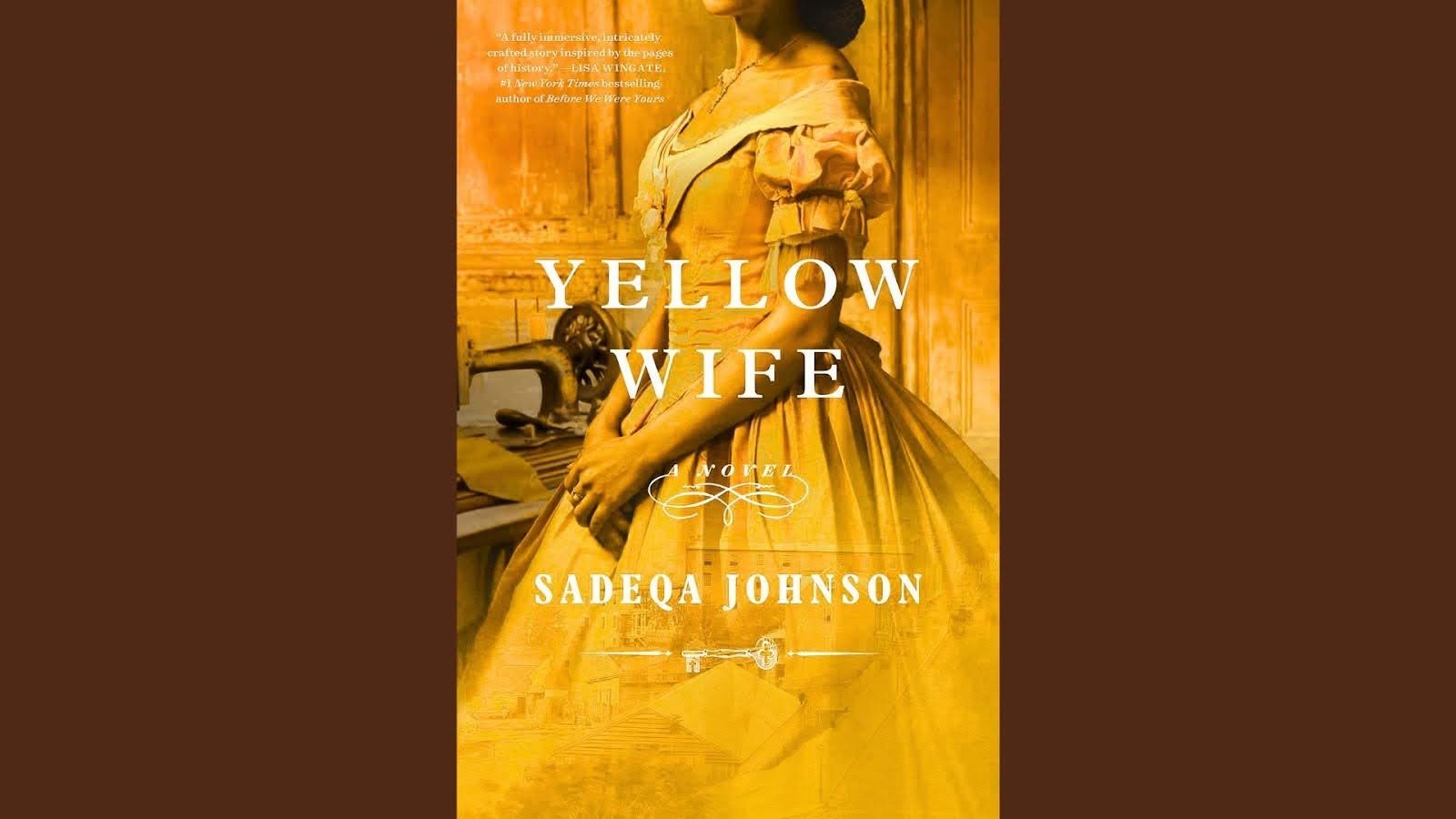
Seeking only the most thorough summary of Yellow Wife? The location that is correct is just here.
This guide breaks down everything you need to know about Johnson’s powerful novel. Meet with Pheby Delores Brown, understand all of the plot, and learn just why this book is so important.
“Yellow Wife” takes you back to Virginia when slavery was occurring. In the story, teenage Pheby, a mixed-race enslaved woman, is followed. She fights to survive. This story uses true events, namely, Mary Lumpkin’s biography. A real event is Devil’s Half Acre, a slave jail in Richmond.
I have read many reviews and studied the book’s history to provide correct information. Most readers complete this compelling page-turner in days.
In this important book are graphic descriptions of slavery, physical violence, and sexual assault.
Yellow Wife Summary
Yellow Wife tells the story of Pheby Delores Brown and her fight to survive slavery in Virginia. This isn’t just another historical novel. It’s based on real people and real places that existed in America.
Life on Bell Plantation
Pheby Delores Brown starts her life on Bell Plantation in Virginia. She’s the daughter of Ruth, an enslaved seamstress and healer, and Jacob Bell, the white plantation owner. Pheby has light skin, which people called “yellow” back then.
She gets special treatment compared to other enslaved people. She lives in the house, learns to read, and plays piano. Her mother, Ruth, is forced to sleep with Jacob Bell just to protect Pheby.
Pheby is seventeen when the story begins. She’s in love with Essex Henry, an enslaved boy who plans to escape. Jacob Bell promises Ruth he’ll free Pheby on her eighteenth birthday. Meanwhile, Missus Delphina Bell watches everything with jealous eyes.
When Everything Falls Apart
A carriage accident changes everything. Ruth and Jacob Bell get badly hurt. Delphina refuses to get Ruth a doctor, and Pheby watches her mother die.
Delphina has been forcing Essex to have sex with her, and she gets pregnant. When the baby is born with dark skin, Delphina drowns her own child. Pheby helps Essex escape to the North but stays behind, trusting Jacob Bell’s promise.
Pheby gets arrested for helping Essex escape. Jacob Bell dies, taking any hope of freedom with him. She’s marched to a slave jail with almost no food or water. The Bell Plantation is gone. Her mother is dead. Her chance at freedom is dead, too.
Arrival at Devil’s Half Acre
Pheby arrives at Lapier’s jail: a place people call Devil’s Half Acre. This isn’t a regular jail. It’s where enslaved people are held before being sold and shipped away.
Rubin Lapier owns the jail. When he sees Pheby, he decides to keep her for himself. Pheby realizes she’s pregnant with Essex’s baby.
She went from reading books and playing piano to being trapped in one of the most feared places in the South. Word comes that Jacob Bell has died. Her last tiny hope of rescue dies with him.
Life as Rubin’s Forced “Wife”
Rubin makes Pheby his mistress. He gives her gifts at first and treats her kindly. Don’t be fooled. She’s still enslaved, and she sees how cruel he is to other people.
Pheby has five children total: one son with Essex, and four daughters with Rubin. The children with Rubin are light-skinned enough to be raised as white children. Pheby must pretend she loves Rubin and act like his wife.
She’s forced to share Rubin’s bed and tell him she loves him. She knows he has sex with other enslaved women, too. Every single day, she smiles when she wants to scream.
The Impossible Daily Choices
Pheby’s life at Devil’s Half Acre forces her to make horrible choices. She hosts dinner parties for slave owners. She helps prepare young enslaved women to be sold into prostitution.
She lives in constant fear that her son will be sold away from her. So she does whatever Rubin wants. She even gets a tutor for her four daughters.
Every choice damages her sense of self-worth. But every choice also keeps her children safe. That’s the impossible situation slavery created. Her status as his mistress is uncertain and dangerous, but it’s the only protection she has.
Pheby’s Internal Struggles
Pheby starts the story young and naive. She believes in promises and trusts that good things will happen. That innocence dies fast once she’s sold.
Her survival instincts kick in. She becomes practical and learns to do what’s needed to stay alive. She grows stronger, but she also grows harder.
Pheby sometimes acts superior to Elsie, the Jailer’s coo, who has darker skin and less status. When given authority, she sometimes puts Elsie in her “place.” This shows how slavery made Black people hurt each other. Pheby and Elsie eventually understand each other, but the damage shows the lasting stains of slavery.
Essex Returns and the Final Act of Defiance
Years pass. Then, Essex gets captured in the North and brought back to Lapier’s jail for punishment. Pheby meets with him secretly.
She can’t escape herself: she won’t leave her daughters behind. But she can free others. She helps Essex escape again and sends their son North with him. She also frees two other enslaved workers.
She risks everything to give them freedom. She sacrifices her own freedom to free her son. That’s the impossible choice she makes.
The Ending
Pheby never escapes. She stays at Devil’s Half Acre with Rubin until he dies. Essex and their son make it safely to the North.
The ending comes through letters between Pheby and her oldest daughter. We get small glimpses of what happened to her children after the jail. Many readers wanted more details about the consequences Pheby faced.
Some readers loved the ending. Others felt rushed. Either way, Pheby’s story ends where it began: in captivity. She freed others but never freed herself.
Major Themes found
Yellow Wife isn’t just a story about one woman. It’s about what slavery did to everyone it touched. Three big themes run through the whole book.
The Trauma of Enslavement shows how everyday damages Pheby’s sense of who she is. The trauma doesn’t stop when slavery ends: it passes down through generations. Enslaved people made impossible choices that hurt them deeply.
The Dehumanization of Slavery reveals how enslaved people were treated like objects. Women faced sexual violence with no protection. Families got ripped apart through sales. Submission Versus Defiance shows the tricky balance Pheby maintains. She appears to submit but secretly defies him. She helps people escape while seeming loyal. She records names and stories of people she can’t save. Submission and defiance aren’t opposites in this story.
Final Thoughts on Yellow Wife
Yellow Wife stays with you long after you finish reading. This isn’t a book you forget in a week. It’s a book that changes how you think.
- Pheby is fictional, but Mary Lumpkin was real. That’s what makes this book powerful. It gives voice to people whose stories were erased from history. Devil’s Half Acre was a real place in Richmond, Virginia, that most people never learned about in school.
- The story shows how slavery’s effects still hurt Black people today. The colorism, the trauma, the divisions: they didn’t end when slavery ended. This book honors forgotten people and tells the truth. You can’t read it and stay the same.
- Most readers finish this book in just a few days because they can’t put it down. The short chapters move fast, and the writing is clear and powerful. The book doesn’t just tell you what happened: it makes you experience it. Clear descriptions create real pictures in your mind.
- Be warned, though: this book is heavy. You’ll feel overwhelming sadness learning about Devil’s Half Acre. That’s the point. The emotional weight hits hard, but it’s worth it. Pheby’s courage stands out most as you watch her transform from a naive girl to a strong survivor.
- The historical accuracy matters. Sadeqa Johnson did her homework. The story stays with readers for days after they finish. The book raises hard questions. Could you sacrifice your freedom to free your children? Could you smile at your oppressor to survive? These questions stick with you.
- Sadeqa Johnson is a former public relations manager who won serious awards. The National Book Club Award, Phillis Wheatley Book Award, and USA Best Book Award for Best Fiction all recognize her talent. She’s known for creating historical fiction that feels real and hits hard.
- Read Yellow Wife. Yes, it’s difficult. Yes, it will make you sad. But it’s worth every hard moment. The story grabs you from page one. This book is perfect for anyone interested in historical fiction or American history. This is a must-read that should be remembered.
Conclusion
This is your complete Yellow Wife overview. From Bell Plantation to Devil’s Half Acre, you now know Pheby’s story of the impossible choices she confronted and how she sacrificed her freedom so that she could save her son.
Pick up a copy after you’re ready to read Yellow Wife as well as experience Pheby’s story firsthand. The story is going to challenge at least your perspective. It will also stay with you long after you turn the last page.
Have you read “Yellow Wife?” What were your thoughts on all of Pheby’s difficult choices? Comment with your own thoughts down below. Let’s try to start a conversation.
Frequently Asked Questions
What is Yellow Wife about?
Yellow Wife follows Pheby Delores Brown, a seventeen-year-old enslaved woman in Virginia during the 1850s. After losing her mother and protector, she’s sold to Devil’s Half Acre slave jail. The book shows her survival as Rubin Lapier’s forced mistress and her fight to protect her children.
Is Yellow Wife based on a true story?
Yes. While Pheby is fictional, the story is inspired by Mary Lumpkin, a real enslaved woman who had five children with slave trader Robert Lumpkin. Devil’s Half Acre was a real slave jail in Richmond, Virginia, owned by Lumpkin.
How does Yellow Wife end?
Pheby helps Essex and their son escape to freedom, but stays behind with her four daughters. She lives with Rubin until he dies. The epilogue reveals through letters that Essex and their son reached safety in the North.
What are the main themes in Yellow Wife?
The book finds three main themes: the lasting trauma of enslavement, the dehumanization of slavery through sexual violence and family separation, and the complex balance between submission and defiance as survival strategies.
Is Yellow Wife hard to read emotionally?
Yes, it’s emotionally heavy. The book contains graphic descriptions of slavery, physical violence, and sexual assault. However, most readers find it worth the difficulty because it tells an important story about courage and survival.