

Gabrielle Zevin’s novel has now become such a social media phenomenon. Since bookstores cannot keep it on shelves, your feed is probably full of people posting about it. The narrative revolves around Sam and Sadie, two friends who bond over video games, and they spend decades creating them together.
That relationship is at the heart of this book, and it shows that friendship may be as complicated as romance can be.
This tomorrow and tomorrow and tomorrow review seeks to give you an honest look at failures plus successes. The book does indeed have some great moments, I think. But is all the hype deserved by it? I am going to share all of my real thoughts and feelings, and I will not just repeat what everyone else is now saying.
My Overall Take on Tomorrow and Tomorrow and Tomorrow
I’m giving this book 4 out of 5 stars. It’s a solid read that kept me interested, but I don’t think it’s the masterpiece some people claim it to be. The first half absolutely lives up to the buzz. Zevin nails the feeling of being young and creative, and the gaming references hit perfectly if you grew up in that era.
The book shines when it focuses on Sam and Sadie’s friendship. These characters feel real, with all their flaws and strengths showing through. I loved seeing authentic representations of Korean, Jewish, and Japanese cultures woven into the story. Sam being on the asexual spectrum adds another layer that many readers will connect with.
However, the second half loses some steam. The plot starts to wander, and some character choices left me scratching my head. If you love gaming culture and complex friendships, you’ll probably enjoy this. But if you need tight plotting all the way through or you’re looking for a romance, this might not be your book.
The Story and Main Characters
At its core, this Tomorrow and Tomorrow and Tomorrow review centers on two people who meet as kids and reconnect in college. Their shared love of games brings them back together, and they decide to build something amazing. The story spans about thirty years, showing how their relationship changes over time.
Here are the main players:
- Sam Masur: A Korean American who survived a terrible car accident as a child. Gaming becomes his safe space and his way to connect with others. His physical disability and emotional scars shape how he moves through the world.
- Sadie Green: A Jewish game designer with serious talent and a complicated past with her former teacher. She’s driven and creative but carries her own trauma that affects her relationships.
- Marx: Sam’s college roommate who comes from a Japanese background. He becomes their producer and brings a warmth to the group that balances out Sam and Sadie’s intensity.
Sam and Sadie first meet in a children’s hospital where Sam is recovering. They bond over Super Mario Bros. and other Nintendo games. Years later, they run into each other at a train station near their college. That chance meeting leads to creating Ichigo, a game that launches their careers and changes everything.
What Makes This Book Special
The gaming nostalgia is real and powerful. Zevin references Oregon Trail, Mario, and dozens of other classics that will make older millennials feel seen. But she doesn’t just name-drop. She understands what these games meant to people and why they mattered. The games Sam and Sadie create feel believable, like things you’d actually want to play.
What makes this tomorrow and tomorrow and tomorrow review different from others is my appreciation for the friendship angle. Zevin refuses to force Sam and Sadie into a romance, and that choice makes the book stronger. Their relationship is messy and deep without needing to become romantic. Too many books assume men and women can’t just be friends, so this feels refreshing.
The representation deserves praise, too. Korean, Jewish, and Japanese cultures appear naturally in the story. Sam’s experience on the ace spectrum gets real attention. The MMORPGs the characters create include LGBTQIA+ themes that feel genuine. When Sam deals with his disability, it’s not inspirational material. It’s just part of his life, handled with respect and honesty.
The flashback structure works well. Zevin jumps around in time without confusing readers. These looks backward add emotional weight at just the right moments. You learn why characters act certain ways, and it all clicks into place.
Where the Book Stumbles
The second half is where my tomorrow and tomorrow and tomorrow review has to be honest about problems. Around the halfway point, the story starts to lose focus. Scenes that should be tight and meaningful feel stretched out. New plot threads appear that don’t add much to the core story.
Some of Sam’s actions in the later sections feel off. The book seems to present certain behaviors as romantic or understandable when they’re actually pretty questionable. I found myself disagreeing with how the narrative framed these moments. It made me like Sam less, which I don’t think was the author’s goal.
The pacing needed work. At almost 400 pages, the book could have been tighter. Some sections drag when they should move quickly. The ending doesn’t maintain the energy that made the first half so compelling. It wraps things up, but not with the punch you’d expect after such a strong start.
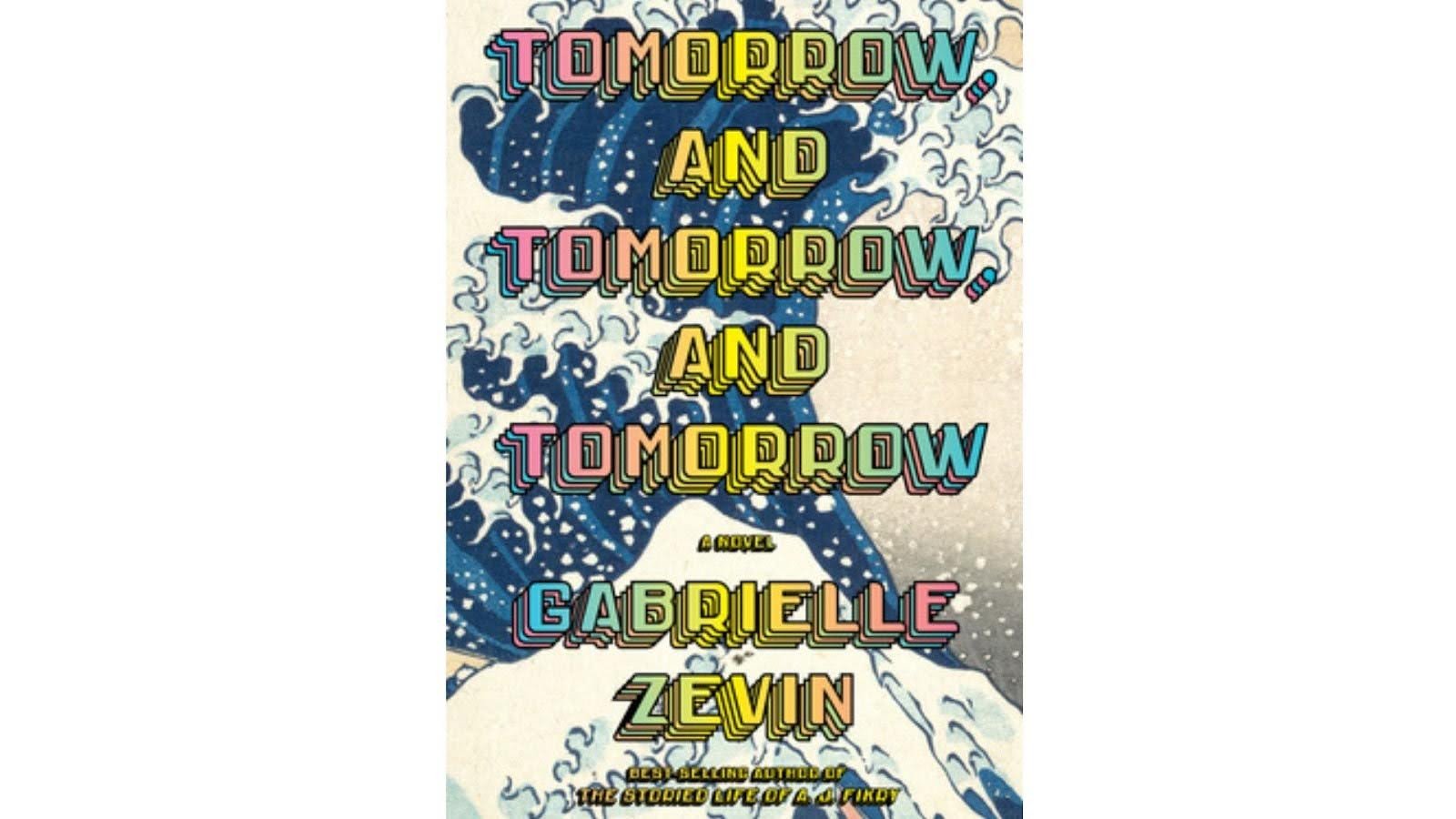
One small thing: the cover design and title might actually keep some readers away. If you’re not familiar with the Shakespeare reference, “Tomorrow and Tomorrow and Tomorrow” might sound repetitive or strange. The cover looks literary and serious, which could make gamers think it’s not for them. That’s a shame because gamers would probably love big chunks of this book.
Themes Worth Discussing
This book explores different types of love beyond just romance. Sam, Sadie, and Marx share something deep that doesn’t fit into neat categories. Zevin shows how friendships can be just as intense and complicated as romantic relationships. Sometimes they matter even more.
Creative partnerships come with real costs. Working with someone you love means risking that relationship when things go wrong. The book looks at how making art together can bring people closer or tear them apart. Both Sam and Sadie sacrifice personal things for their games, and you see how that choice affects them over time.
Trauma appears throughout the story, and so does the idea of finding escape through games. Sam uses gaming to cope with his accident and the pain that followed. Sadie has her own reasons for needing that escape. The book asks whether this is healthy or just avoiding real problems. There’s no simple answer given, which feels true to life.
The debate about violence in video games comes up naturally. As Sam and Sadie’s games get more popular, they face criticism about the content they create. The book doesn’t preach but does make you think about these questions. How much responsibility do creators have? Can violent games still have meaning and value?
Should You Read Tomorrow and Tomorrow and Tomorrow?
Read this book if you love gaming culture and want to see it treated with respect. Read it if you appreciate complex friendships that feel real. Read it if diverse representation matters to you and you want to see it done well. The characters’ different backgrounds add richness without feeling like boxes being checked.
You might want to skip it if you need fast-paced plots that never slow down. If you prefer traditional story structures with clear beginnings, middles, and ends, this might frustrate you. If you picked this up hoping for romance between Sam and Sadie, you’ll be disappointed. That’s not what this book is about.
My final verdict in this tomorrow and tomorrow and tomorrow review: it’s worth reading despite not living up to every bit of hype. I’d recommend it to specific audiences rather than telling everyone to rush out and buy it. The book made me interested in reading more of Zevin’s work, though I’m not racing to grab her entire backlist tomorrow.
Conclusion
Looking back upon this tomorrow and tomorrow and tomorrow review, my feelings are mixed, but they are mostly positive. Sam and Sadie’s bond shows that platonic love is sometimes as strong as romantic love. Their games have more importance than entertainment. They’re about trying to make something with matter, meaning, and connection.
This book is one that has huge hype surrounding it. Perhaps that hype is bigger than is appropriate. Hype does not imply that a book has bad quality. Your expectations should merely be managed by you.
Your view beats faith in my view or any view. Maybe the parts will be loved by someone. I didn’t like them. You might have different problems with it. That is how reading excites. Each of us brings all of our experiences to the page that we own.
Frequently Asked Questions
Is Tomorrow and Tomorrow and Tomorrow Appropriate for Young Adults?
The book contains mature themes, including trauma, death, and complicated relationships. It’s thoughtfully written but probably works best for older teens and adults who can handle heavier content.
Do You Need to Be a Gamer to Enjoy This Book?
Gaming knowledge helps you appreciate the references, but it’s not required. The friendship themes work for any reader. Non-gamers can still connect with the characters and their relationships.
How Accurate Is the Gaming Industry Portrayal?
The game development process feels credible and well-researched. Zevin clearly understands how the industry works. Small studios and creative partnerships are shown with realistic detail and challenges.
What Other Books Are Similar to This One?
Try “The Ensemble” by Aja Gabel for creative partnerships. “Ready Player One” shares gaming themes. “The Interestings” by Meg Wolitzer covers friendship over decades with similar depth.
Will There Be a Movie Adaptation?
Film rights have been sold, and production is moving forward. Details about casting and release dates aren’t final yet, but the project is in active development.