

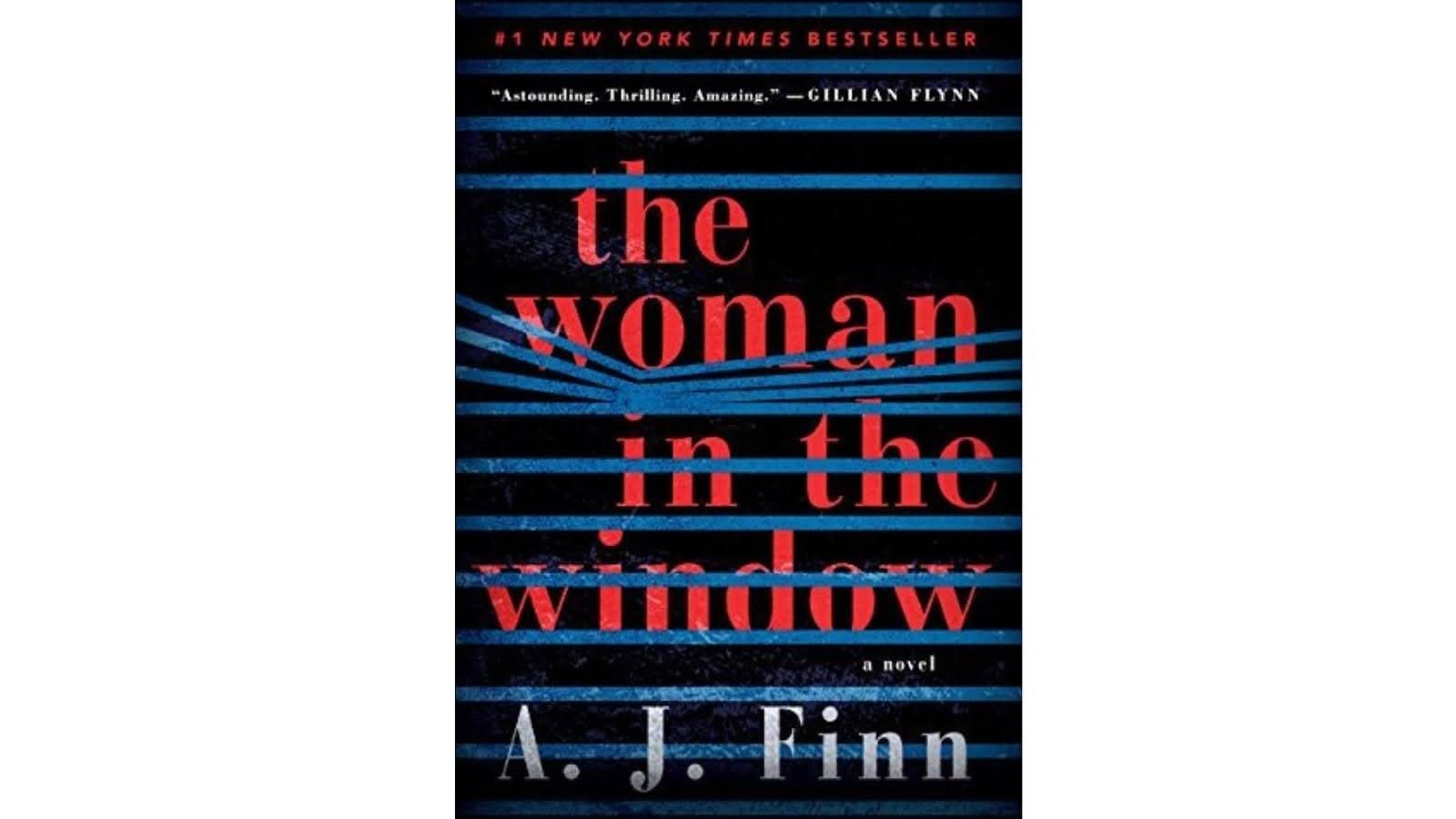
Have you ever wondered about the true lives of your very own neighbors seen through just a window? “The Woman in the Window” by A.J. Finn takes on this simple idea, becoming a gripping psychological thriller.
Bookstores saw this debut novel back in 201,8 as it then quickly became a bestseller. A woman sees something terrible in the story. Does she actually witness it at least? The book has a surprising story.
In this, we will look at the places where it struggles, plus what makes this book work, as well as whether it is worth your time. For all thriller lovers who are seeking out books that may keep you up during the night, read through this The Woman in the Window book review so that it can help you to decide if the book belongs on your list.
What Is The Woman in the Window About?
A.J. Finn published this psychological thriller in 2018. The author’s real name is Daniel Mallory, and this was his first novel. Before becoming a writer, he worked in book publishing, which helped him understand what readers want in a thriller.
The story follows Anna Fox, a woman living alone in her New York City brownstone. She suffers from agoraphobia, which means she’s terrified of leaving her house. Anna spends her days watching old movies and looking out her window at the neighbors. Her life is quiet and lonely until a new family moves in across the street.
One night, Anna sees something shocking through her neighbor’s window. She witnesses what looks like a violent crime. But when she tries to tell people what she saw, nobody believes her. The police think she’s confused. The neighbors say she’s wrong. Anna begins to question her own memory and sanity.
The Story Behind the Book
The book’s success story is almost as interesting as the plot itself. A.J. Finn is a pen name for Daniel Mallory, who wanted to keep his personal and professional lives separate. His background in publishing gave him insider knowledge about what makes a thriller sell.
Publishers loved the manuscript and got into a bidding war for the rights. The book sold for a reported $2 million before it even hit stores. This created huge buzz in the publishing world. When it finally came out, it shot to the top of bestseller lists. The book sold millions of copies worldwide and was translated into many languages.
Hollywood quickly noticed the book’s success. Netflix bought the rights and made a movie adaptation starring Amy Adams as Anna Fox. The film came out in 2021 after several delays. Critics gave the movie mixed reviews, though many said Adams gave a strong performance. Awards recognition came too the book appeared on several “best thriller” lists and got nominated for various prizes.
What Works Well in This Thriller
The atmosphere is one of the book’s biggest strengths. Finn creates a sense of being trapped right alongside Anna. Her house feels like a character itself, both a safe space and a prison. Every creak and shadow adds to the tension. The writing makes readers feel claustrophobic and paranoid, just like the main character.
Using an unreliable narrator is a smart choice that pays off. Anna drinks too much wine and takes medication that affects her memory. She sees a therapist and struggles with mental health issues. This makes everything she says questionable. When she reports the crime, readers don’t know if they should believe her either.
The pacing keeps things moving at a good speed. Chapters are short and end with hooks that make you want to keep reading. The book includes lots of references to classic Hitchcock films like “Rear Window,” which adds another layer for movie fans to enjoy. The plot twists are well-timed, appearing right when the story might start to drag.
Where the Book Falls Short
Despite its strengths, the book has some clear problems. The biggest issue is predictability. Many readers figure out the major twists before they happen. The book follows common patterns from other psychological thrillers, so experienced readers of the genre can see what’s coming. Some plot points feel too familiar, like they were borrowed from other popular books.
Character development is another weak spot. While Anna gets plenty of attention, the other characters feel thin. The neighbors across the street don’t feel like real people with real motivations. They exist mainly to serve the plot. Anna’s past gets explained through flashbacks, but even her backstory feels a bit generic. The book tells readers what to think about characters instead of letting them form their own opinions.
Some moments in the story rely too much on coincidence. Characters show up at exactly the right (or wrong) time. Important information gets revealed through convenient discoveries. These plot devices make the story feel constructed rather than natural. Critics pointed out these flaws when the book came out. Some praised the entertainment value while noting the lack of depth.
About The Woman in the Window
After reading A.J. Finn’s thriller from start to finish, we can say it’s a solid choice for fans of the genre. The book earns a strong 4 out of 5 stars for its ability to keep readers hooked. While it has some flaws, the good parts outweigh the weak spots.
What makes this book stand out is its main character, Anna Fox. She’s an unreliable narrator, which means readers can’t always trust what she tells them. This creates constant doubt and tension. Is she telling the truth? Is she imagining things? The mystery keeps building with every chapter. The pacing moves quickly, and the plot twists come when you least expect them. Finn knows how to write scenes that make you want to keep reading, even when you should be sleeping.
However, this The Woman in the Window book review wouldn’t be complete without mentioning the downsides. Some readers find certain plot twists too easy to predict. The secondary characters feel flat and don’t get much development. A few moments in the story feel too convenient, like the author needed something to happen and made it fit. Still, these issues don’t ruin the overall experience.
Who Will Enjoy This Book?
This book has a clear target audience. Fans of psychological thrillers will find a lot to like here. If you’re the type of reader who loves unreliable narrators and stories that play with reality, this book delivers.
People who enjoyed “Gone Girl” or “The Girl on the Train” make up the perfect audience. These books share similar themes: troubled women, mysterious crimes, and a reality that’s hard to pin down. If those stories kept you hooked, this one probably will too.
The book also works for readers who want something quick and easy to finish. It’s not difficult to read, and the chapters move fast. The writing style is straightforward without being boring. However, readers should be comfortable with dark themes. The book deals with mental health issues, violence, and trauma. These topics are handled seriously but might be too heavy for some people.
Tips for Getting the Most from This Book
To really enjoy this thriller, try to read it in just one or two sittings. The book works best when you can stay in the story without long breaks. The suspense builds naturally, and stopping too often can break the spell.
- Avoid detailed reviews beforehand. Many reviews give away important plot points. Go in knowing as little as possible for maximum impact.
- Pay attention to small details.s The author plants clues throughout. Details that seem minor often matter later.
- Keep an open mind about Anna. Try not to decide too quickly whether she’s reliable or not. Let the story unfold.
- Notice the movie reference.s If you know Hitchcock films, you’ll catch extra layers of meaning.
The key is letting yourself get pulled into Anna’s world. Don’t try to solve everything too fast. Sometimes the fun is in the uncertainty itself. This is the woman in the window book review suggests treating it like a ride, just go with it, and see where it takes you.
Conclusion
Looking back upon everything we’ve covered in this The Woman in the Window book review, “The Woman in the Window” has both strengths and weaknesses as a solid psychological thriller. It greatly tenses up and adds atmosphere through its unreliable narrator. Readers will turn the pages late into the night because of that pacing.
The book follows familiar patterns from that time. Characters would benefit from added depth, and some twists are foreseen. These flaws do not quite ruin that experience. However, they prevent the book from achieving greatness indeed.
As it grows also as it changes, the psychological thriller genre persists onward. This book shows the reader expectations, explaining the genre’s rise in popularity. You might adore it or deem it fair. It remains helpful to undergo such a thing.
Frequently Asked Questions
Is The Woman in the Window Based on a True Story?
No, this is completely fiction. A.J. Finn created the story from his imagination. However, the author drew inspiration from classic thriller movies like “Rear Window” and real psychological conditions. The character’s struggles with mental health feel realistic, but the plot events are made up.
How Scary Is The Woman in the Window?
The book focuses more on psychological tension than horror. It’s not gory or graphic, but it deals with disturbing themes. There’s violence, but it’s not described in extreme detail. The fear comes from not knowing what’s real. Most adult readers find it intense but not nightmare-inducing.
Is the Movie Different from the Book?
Yes, the Netflix adaptation made several changes. The movie simplified some plot points and changed certain character details. The ending is slightly different, too. Many readers felt the book was better, though the movie has its fans. Amy Adams’ performance got praise even from critics who didn’t love the film overall.
What Age Group Is This Book Appropriate For?
This book is written for adults. It deals with mature themes, including mental illness, substance abuse, and violence. The content isn’t appropriate for young readers. We’d recommend it for ages 16 and up, depending on maturity level. Parents should read reviews carefully before giving it to teens.
Are There Similar Books I Should Read Next?
Try “The Girl on the Train” by Paula Hawkins or “Gone Girl” by Gillian Flynn if you haven’t already. “Behind Closed Doors” by B.A. Paris and “The Silent Patient” by Alex Michaelides offer similar thrills. “Then She Was Gone” by Lisa Jewell is another good choice for fans of unreliable narrators and mystery.