

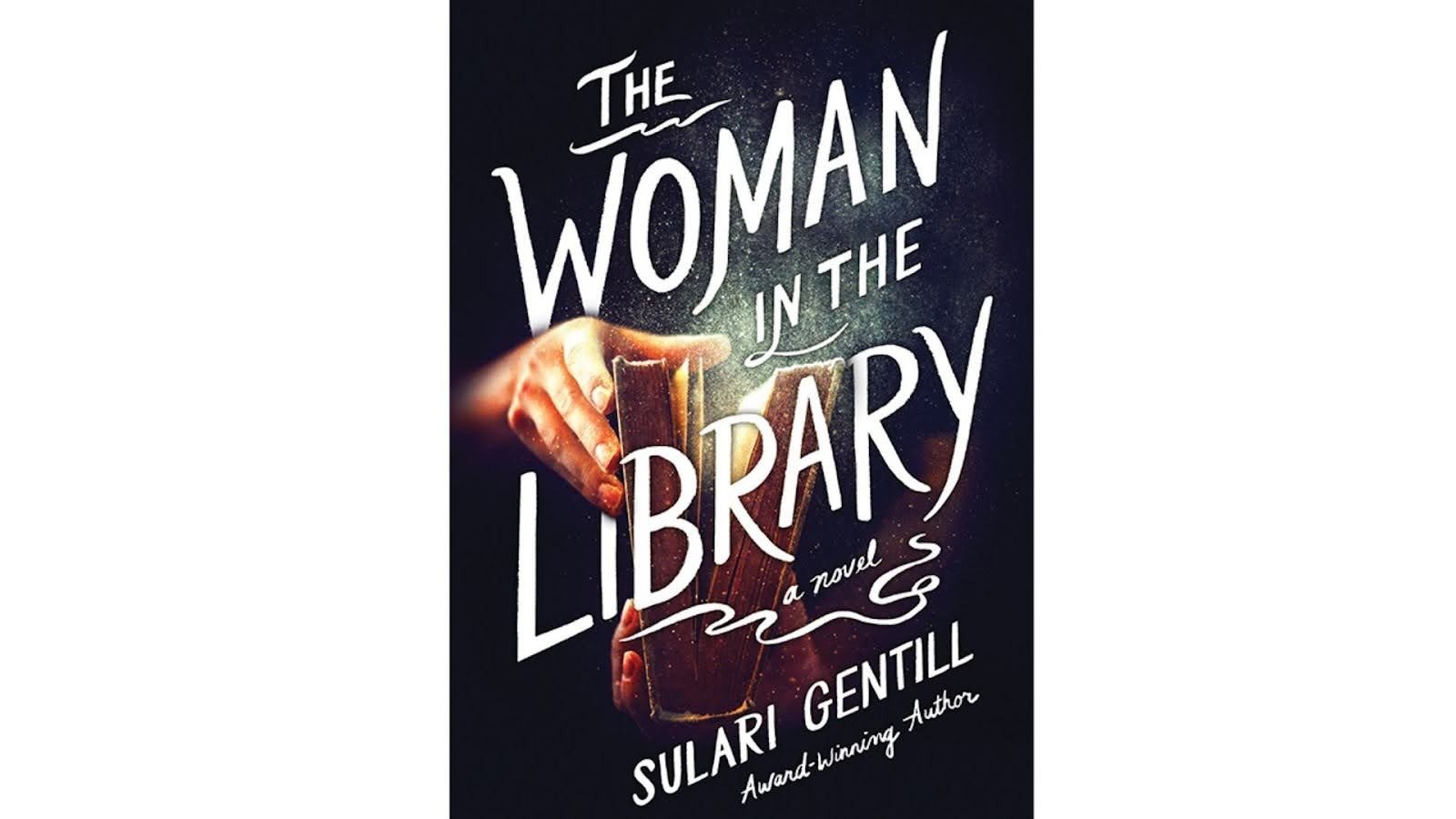
Have you ever read a book that caused you to question reality versus fiction? Sulari Gentill does do that in “The Woman in the Library.” Most mysteries are just not like this one.
In two levels, the story works. At first, you watch four strangers meet at the Boston Public Library when murder happens. Second, you can watch as an Australian writer creates that exact story. The writer does swap out emails with a fan who does seem threatening. A book provides mysteries on two different occasions.
Readers enjoy both puzzles often. The book has you guessing with correctness until you get to the final pages of it. You will read until midnight with this story if you like rule-breaking storytelling.
Plot Summary: What Happens in The Woman in the Library
The woman in the library summary starts with four strangers sitting in the Boston Public Library’s reading room. Their names are Freddie, Cain, Marigold, and Whit. They’re all working quietly when a scream cuts through the silence. Someone has been murdered in the library. These four people become connected through this scary moment, and they start forming friendships even as the police treat them as possible suspects.
But here’s where things get interesting. What you’re actually reading is a novel being written by Hannah Tigone, an Australian author stuck in lockdown during the pandemic. After each chapter, you read emails from Leo, her biggest fan and beta reader. At first, Leo seems helpful and friendly, giving Hannah details about Boston since she’s never been there.
As the story goes on, Leo’s emails become darker and more troubling. The woman in the library summary wouldn’t be complete without mentioning this creepy second story. You start to worry about Hannah’s safety in real life while also trying to figure out who killed the woman in her fictional story. It’s two mysteries happening at the same time, and both keep you on the edge of your seat.
The Book Within a Book Structure Explained
Sulari Gentill created something really smart with this book’s structure. You’re not just reading a regular mystery novel. You’re reading a manuscript that Hannah is writing, complete with her friend Leo’s responses after each chapter. Hannah herself never appears directly in the main story. You only know her through the emails addressed to her.
This setup lets Gentill talk about the pandemic and modern issues without making the whole book about those topics. Hannah is writing from locked-down Australia about characters in Boston. Leo keeps giving her information about what Boston is really like. The woman in the library summary shows how this format adds extra tension because you’re always wondering what Leo’s real intentions are.
The structure might seem confusing at first, but most readers say it clicks pretty quickly. Once you understand what’s happening, it makes the reading experience even more fun. You get to see how a writer builds a story while also watching a potentially scary situation develop in the background. It’s like reading two books that somehow fit together perfectly.
Character Analysis: The Four Strangers
The main characters in Hannah’s novel feel real and complicated, which makes sense since they’re supposed to be her creations.
- Freddie (Winifred): She’s a writer who becomes the main character. She’s smart and curious, always trying to figure out what’s really going on. Her growing feelings for Cain add romance to the mystery.
- Cain: Another writer who forms a quick bond with Freddie. He has his own secrets and a complicated past. The connection between him and Freddie feels natural and adds heart to the story.
- Marigold: A psychology student covered in tattoos who’s fiercely loyal to her new friends. She’s probably the most interesting character because she has so many layers. Just when you think you understand her, you learn something new.
- Whit: A Harvard Law student dealing with family pressure and his own hidden problems. He seems like he has everything together on the outside, but a lot is going on beneath the surface.
Each character has secrets they’re hiding. The woman in the library summary highlights how their friendships grow stronger because they all experienced the same frightening event. They support each other while also wondering if one of them could be the killer.
The Creeping Menace of Leo
Leo starts out seeming like the perfect beta reader. He’s excited about Hannah’s work and provides helpful details about Boston’s streets, weather, and local culture. Since Hannah has never visited Boston, Leo’s knowledge seems like a gift. He answers her questions and cheers her on as she writes.
Then something shifts. His emails start feeling wrong. The tone changes from supportive to possessive. Leo begins making comments that sound threatening or overly personal. The woman in the library summary needs to include this growing sense of danger because it’s what makes the book so tense.
You start reading Leo’s messages with increasing worry. What does he really want from Hannah? Is he just a fan, or is he something more dangerous? This parallel mystery building outside Hannah’s fictional world creates a sense of dread that grows with every chapter. By the end, you’re as concerned about what’s happening to Hannah as you are about solving the library murder.
Critical Reception: What Reviewers Are Saying
Most reviewers praise the clever and fresh way Gentill tells this story. The woman in the library summary has gotten attention from book lovers who appreciate something different in the mystery genre. Many readers gave it four stars and called it one of the more interesting mysteries they’ve read recently.
Some readers admit the meta-narrative confused them at first. They had to read a few chapters before understanding the book-within-a-book setup. But once they got it, most said it added to their enjoyment. Reviewers especially love the strong character development and how real the four strangers feel despite being fictional characters in a fictional story.
The atmospheric writing gets lots of praise, too. Gentill creates a great sense of dread and tension. Readers enjoy the guessing game of trying to solve both mysteries at once. A few people had mixed feelings about the dual storyline approach, wishing one thread had been stronger. But overall, the woman in the library summary shows that this book has been well received by readers looking for something fresh and original.
Themes: Friendship, Trust, and the Power of Words
One of the strongest themes is how friendships can form from shared experiences, even scary ones. The four strangers become close because they went through something traumatic together. They lean on each other and create bonds that feel real and important.
Trust plays a huge role, too. Can these new friends trust each other? Can Hannah trust Leo? The book constantly makes you question who’s telling the truth. The pandemic context sits in the background without taking over the whole story. Gentill also weaves in themes about race and social issues in natural ways that feel part of the characters’ lives rather than forced lessons.
The creative process itself is a theme. The woman in the library summary explores what it means to be a writer and how stories get created. There’s a line in the book about how “words can be the most treacherous weapons,” and that idea runs through both storylines. Words can hurt, heal, reveal truth, or hide it. Both Hannah and her characters learn this lesson in different ways.
Who Should Read This Book
This book works great for several types of readers.
- Mystery and thriller fans who want something beyond the usual detective story will find lots to love here.
- Readers who enjoy meta fiction and stories that play with structure will appreciate Gentill’s creative approach.
- Book clubs should consider this one because it gives you so much to discuss. The dual storylines and character choices create great conversation topics.
- Fans of atmospheric, character-driven suspense will enjoy how Gentill builds tension through relationships and psychology rather than just action.
- Anyone interested in fresh narrative structures who’s tired of the same old mystery format will find this refreshing.
If you like books that make you think while also keeping you guessing, the woman in the library summary suggests this is worth your time. It’s perfect for readers who want both a clever puzzle and characters they care about.
Conclusion
“The Woman in the Library” connects quite well with readers through a truly unique offering. Comprehension of the structure might take a few chapters. The payoff is worth that small difficulty.
For smart construction and for characters you actually care about, Gentil’s memorable scenes make this book strong. She spoke persuasively of pandemic isolation and current fears without dedicating the entire book to them. Right away, the dual mystery setup keeps you interested at two different levels.
This book delivers on freshness if that is what you want in the mystery genre. It’ll make you think, and keep you guessing. You have a love for reading, and it is something that will remind you of that fact.
Frequently Asked Questions
Is The Woman in the Library Part of a Series?
No, this is a standalone novel. While Sulari Gentill writes the Rowland Sinclair historical mystery series, this book stands completely on its own. You don’t need to read anything else to enjoy it.
How Does the Ending Resolve Both Storylines?
Both the murder mystery in Hannah’s novel and the disturbing situation with Leo reach conclusions. Most readers report that the ending addresses both narrative threads, though some readers found one resolution more satisfying than the other.
Do I Need to Know About Boston to Enjoy This Book?
Not at all. Gentill wrote from Australia during lockdown and captures Boston through research and Leo’s letters. The setting feels real and detailed but remains accessible to readers from anywhere in the world.
Is This Book Scary or Violent?
It’s more suspenseful and creepy than graphically violent. Tension builds through mood and psychological unease rather than explicit gore. The fear comes from not knowing who to trust and wondering what will happen next.
What Makes This Different from Other Mystery Novels?
The unique book-within-a-book structure sets it apart completely. You’re reading a murder mystery while simultaneously watching a potentially dangerous relationship develop between an author and her reader through emails, creating two layers of suspense.