

Its Hidden Meanings
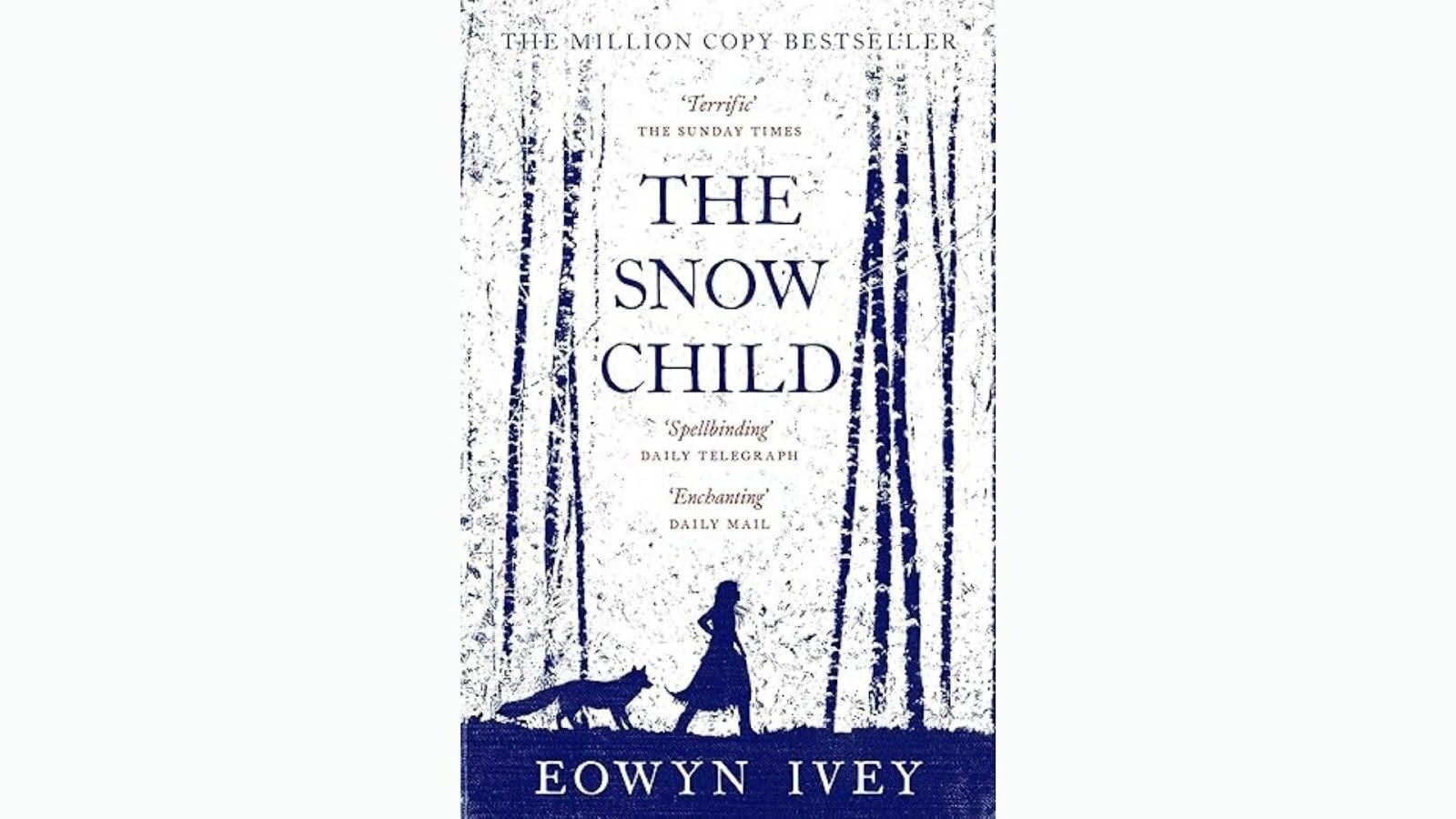
What happens in the Alaska frozen wilderness when grief meets with magic? The Snow Child by Eowyn Ivey is a moving debut novel about loss and hope, plus that thin line between wonder and reality.
Jack and Mabel are now a couple who are healing after they lost their baby. Snow shows a strange girl and a life alter. She does magically bring a chance for rebuilding their own hearts with love.
This blog features a review. I will review “The Snow Child.” The story carries much meaning. Emotion is also present to some extent. Unforgettable moments shaping your soul show simple love, along with loss’s shaping power.
Plot Summary of The Snow Child
Jack and Mabel moved to Alaska in the 1920s, hoping to start fresh after losing their baby. The harsh wilderness tests their marriage and their will to survive. They feel alone and lost in this cold, empty land.
One snowy evening, they built a snow girl in their yard. They give her a red scarf and mittens, just like children do. The next morning, the snow figure is gone, but they see a real girl playing in the woods.
This Snow Child summary centers on Faina, the mysterious child who appears and disappears like magic. She’s wild and free, living in the forest without parents. The story connects to an old Russian tale called “The Snow Maiden,” where a snow child comes to life but cannot survive the warmth of spring.
Key Characters and Setting
Jack works hard to make their homestead successful. He’s strong and determined, but he carries deep sadness about their lost child. His love for Mabel keeps him going through the toughest times.
Mabel struggles with depression and feels out of place in Alaska. She’s educated and comes from a comfortable life. The wild frontier challenges everything she knows about herself. Her connection with Faina slowly helps her heal.
The 1920s Alaskan setting is like another character in the story. The cold, snow, and isolation shape every part of the plot. Neighbors like Esther and George provide friendship and support during the hardest moments.
Critical Reception and Awards
Critics praised Ivey’s first novel for its beautiful writing and emotional depth. Many called it one of the best books of the year. The story won the hearts of both readers and book reviewers across the country.
The book received several important awards and was a finalist for the Pulitzer Prize. This recognition helped establish Ivey as a major new voice in American literature. Book clubs everywhere chose it for their monthly discussions.
Readers connect deeply with the themes of loss and hope. Many say that the Snow Child summary doesn’t capture how moving the actual story is. The book continues to find new fans years after its first publication.
Thematic Analysis of The Snow Child
The Snow Child is more than a story it’s a rich “collection of themes that explore grief, hope, and the magic hidden in everyday life:
Grief and Healing Through Magical Realism
The story shows how people deal with terrible loss in different ways. Jack throws himself into physical work, while Mabel retreats into sadness. Both struggle to find meaning after their tragedy strikes their family.
Faina represents the child they lost and the hope they thought was gone forever. The snow child becomes a bridge between their past pain and future healing. Through caring for her, they learn to care for each other again.
The book leaves readers wondering what’s real and what’s magic. This uncertainty mirrors how grief can make everything feel strange and unclear. The magical elements help us understand emotions that are too big for regular words.
Isolation and Community in Frontier Life
Alaska’s wilderness creates both physical and emotional isolation for the couple. The long, dark winters test their mental strength. Survival depends on preparing for harsh weather and dangerous conditions that can kill the unprepared.
Their neighbors become a chosen family in this remote place. Esther and George show them how frontier people support each other. Community meals and shared work create bonds stronger than blood relationships sometimes provide.
Marriage faces unique challenges when couples are alone together for months. Jack and Mabel must learn to communicate better and support each other. Their relationship grows stronger as they face difficulties together in their new home.
The Power of Folk Tales and Storytelling
The Russian Snow Maiden legend provides the backbone for this modern story. Old tales help people understand new experiences and difficult emotions. Stories connect us to wisdom from different cultures and past generations.
Esther shares Russian stories that help explain Faina’s mysterious nature. These folk tales give meaning to strange events that logic cannot explain. Cultural traditions provide comfort and understanding in a foreign land.
Stories become a way to process grief and make sense of loss. When regular explanations fail, myths and legends offer different kinds of truth. This Snow Child summary shows how storytelling helps people heal from trauma and find hope.
Eowyn Ivey’s Writing Style and Technique
Ivey creates beautiful pictures with her words, especially when describing Alaska’s wild nature. Her sentences flow like poetry while telling a clear story. Readers can feel the cold wind and see the snow-covered mountains through her vivid descriptions.
Symbolism and Motifs
Winter represents death, grief, and the frozen state of Jack and Mabel’s hearts. Snow covers everything, hiding the land’s true nature underneath. The cold season mirrors their emotional numbness after losing their child through miscarriage.
The snow child symbolizes many things: their lost baby, renewed hope, and the magic of love. Faina appears when they need her most and changes as their healing progresses. She represents the part of them that can still believe in wonder.
Nature’s cycles show how life continues even after terrible loss strikes families. Spring always follows winter, just as healing can follow grief. The changing seasons remind us that nothing stays the same forever, including pain and sadness.
Comparisons and Cultural Context
The story fits into the long tradition of fairy tales that explore serious adult themes. Like the Brothers Grimm stories, it uses magical elements to discuss real human problems. Modern readers still need these kinds of tales to help process difficult emotions.
Other magical realism authors like Gabriel García Márquez and Alice Hoffman also mix realistic and magical elements. Ivey’s work continues this tradition while adding her own unique voice. Her Alaska setting makes the magic feel fresh and original.
This Snow Child summary places the novel within contemporary Alaskan literature that celebrates the state’s unique culture. Authors like Dana Stabenow and Kim Rich also write about Alaska’s challenges and beauty. Ivey’s work helps readers understand this special place and its people.
Tips for Reading The Snow Child
- Keep an open mind about magical elements accept both realistic and magical parts as equally important.
- Don’t try to explain away the mysterious events let them enhance the story’s emotional impact.
- Observe seasonal changes throughout the book Ivey uses weather and natural cycles to reflect characters’ emotions.
- Notice how the Alaskan setting shapes the mood and influences the plot.
- Consider the historical context of 1920s Alaska limited communication and medical care affected the characters’ choices.
- Understand the challenges of frontier life to better appreciate the characters’ struggles.
- Explore Russian folk tales, especially “The Snow Maiden,” for a deeper understanding of Faina’s story.
- Recognize how cultural traditions and stories add layers of meaning to Ivey’s narrative.
- Discuss the book with others book clubs or reading groups reveal new perspectives and interpretations.s
Conclusion
The Snow Child isn’t just a character within a story about a mysterious girl who is in the snow it’s about the forgettable beauty of hope and the quiet ache of loss. You’ll see that even in the hardest winter, Jack and Mabel’s adventure can show.
EwoynIveyy blends magical realism with raw human emotion and caring so smoothly that you question what’s real or fake and what people imagine, but maybe that’s a point sometimes we need a little magic.
The Snow Childslingers speaks, in the end, with you through a universal something, the desire to endure, to love, and to believe in wonders even when his life feels unbearably heavy. Its story is thorough. It describes caring and loving things.
Frequently Asked Questions
What is The Snow Child about?
The Snow Child tells the story of Jack and Mabel, a couple who move to 1920s Alaska after losing their baby. They build a snow girl who mysteriously comes to life as Faina, helping them heal from their grief.
Is The Snow Child based on a true story?
No, it’s fiction inspired by the Russian folk tale “The Snow Maiden.” Ivey created original characters and plot while using the fairy tale as a foundation for her magical realism approach to storytelling.
What genre is The Snow Child?
The book combines magical realism with historical fiction. It takes place in a real historical setting but includes supernatural elements that blur the line between reality and magic throughout the narrative.
How does The Snow Child end?
Without spoiling the story, the ending follows the pattern of the original Russian folk tale. Faina’s fate connects to the seasonal changes and the characters’ emotional growth throughout their healing process.
Why did The Snow Child win awards?
Critics praised Ivey’s beautiful prose, emotional depth, and skillful blending of magical and realistic elements. The book’s exploration of grief, healing, and hope resonated with both professional reviewers and general readers.