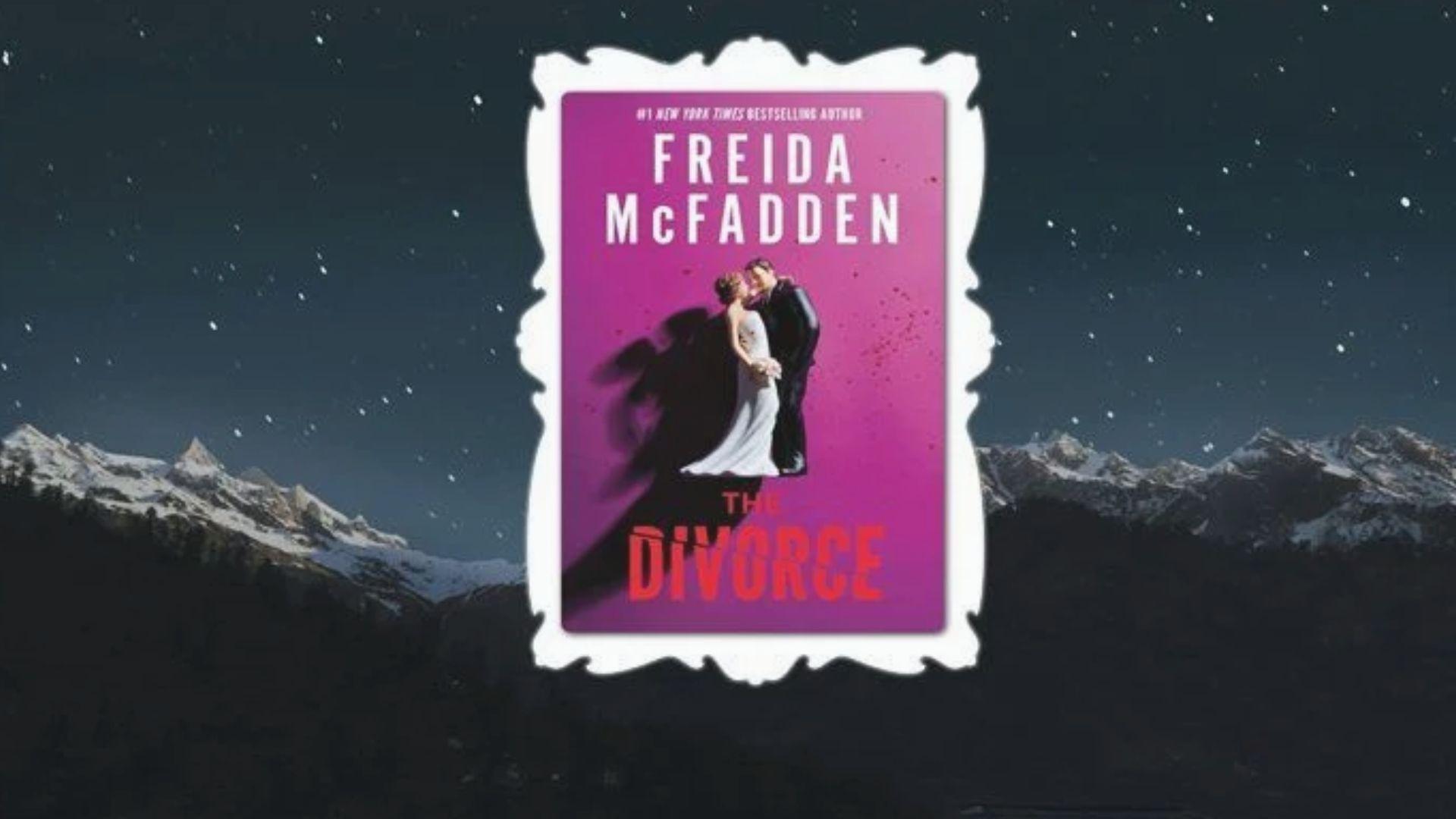


Picking up a new thriller always comes with a risk. You spend hours on a book that either blows you away or leaves you wondering why everyone hyped it up. The Housemaid book review debate sits right in that middle ground.
Freida McFadden's psychological thriller follows Millie, an ex-con who takes a housekeeping job for a wealthy couple and slowly uncovers the dark secrets hidden inside their perfect home.
I went through the whole thing so you don't have to guess. You'll get an honest look at the pacing, the twist, the character flaws, and a straight verdict on whether it's worth your weekend.
What Is The Housemaid Actually About?
Millie Calloway is broke, sleeping in her car, and carrying a criminal record that makes most employers end the call before she finishes her sentence.
When Andrew and Nina Winchester offer her a live-in housekeeping position at their beautiful home, she takes it. She doesn't have many options.
Andrew seems warm and kind. Nina is unpredictable. She makes deliberate messes, changes the rules without warning, and watches to see how Millie reacts. It's the kind of household that makes you question whether you're overreacting or being slowly worn down on purpose.
Then Millie notices something about her attic bedroom:the lock is on the outside of the door.
That detail is the hinge the entire story turns on. Everything before it is set up. Everything after it is a different book.
The Housemaid is a psychological thriller built around a single structural flip, and the whole premise exists to deliver you to that moment cleanly. Once you understand that, you understand what kind of book you're holding.
What The Housemaid Gets Right
Most readers who loved this book finished it in one sitting and couldn't quite explain why. That's not an accident. It's the result of two specific craft decisions working together in a way most reviews mention but never actually break down.
The Chapter Structure Is Doing Deliberate Work
The chapters are short. Some are two pages. A few are less. And almost every one ends just before something resolves. That's not a stylistic quirk. It's a pacing mechanism.
When a chapter is 500 words and closes on an unresolved beat, your brain doesn't register it as a natural stopping point. It registers it as a pause. You tell yourself one more chapter. Then another. Four hours pass.
This is why "one-sitting read" appears in nearly every positive review of the housemaid book. The chapter structure doesn't just make reading feel easy.
It makes stopping feel like an interruption. That's harder to engineer than it looks, and McFadden executes it consistently from page one to the end.
The Twist Works Because of the Dual POV Structure, Not in Spite of It
The book alternates between two narrators. Both feel believable. Both feel like they're giving you the real version of events. But neither one is showing you the complete picture.
Because the chapters are so short, you get used to accepting incomplete information as normal. You stop waiting for the full story because the format trains you not to expect it yet.
So when the final reveal recontextualises everything you've read, it doesn't feel like a cheap trick. It feels like the book kept a promise you didn't know it made. The reader isn't tricked.
They're shown the same household from two angles that finally add up. That mechanism is the core of why the housemaid book review conversation splits so cleanly between people who loved it and people who saw it coming.
If you're reading carefully for craft, you can spot the scaffolding. If you're reading for pace, the twist lands exactly as intended.
Where The Housemaid Falls Short
The criticisms of this book are real, and they're worth understanding properly, not just listing and moving on.
Millie's Choices Don't Always Hold Up
She has a tough background. She's street-smart enough to have survived things that would break most people. But throughout the first half of the book, she repeatedly ignores warning signs that her own history should have made her catch immediately.
Critics call it passive. The more accurate word is engineered. Millie stays in danger because the plot needs her there, not because her character would realistically stay.
For readers who build emotional investment through character logic, that gap is hard to overlook.
The Plot Holes Are Structural, Not Accidental
Several readers point out moments where evidence gets ignored or characters make choices that only work if nobody thinks too hard about them.
This happens because every narrative decision in The Housemaid is optimised for protecting the twist. Internal logic gets sacrificed to preserve the surprise. The ending lands but if you go back and trace the threads carefully, some of them don't connect the way they should.
That's not sloppy editing. It's a deliberate trade-off, and it costs the book some of its credibility on reflection.
The Prose Is Simple. Very Simple.
Some readers describe it as reading like it was written for a younger audience. That's not entirely unfair. The sentences are short, the vocabulary stays basic, and emotional beats are stated rather than shown.
For readers who find that breezy, the simplicity is part of what makes the book so fast. For readers who expect prose to carry tension, who believe the writing itself should make your chest tighten and not just the plot, the flatness is a real problem.
Thrillers live and die in the atmosphere, and the atmosphere requires texture. The Housemaid keeps the texture deliberately thin to keep the pace high.
None of these flaws are hidden. They're just more or less disqualifying depending on what you're asking the book to do.
Who Should Read The Housemaid and Who Probably Shouldn't
Here's the honest version.
Read it if you want something fast and genuinely twisty that you can finish in a weekend. Read it if you've been in a reading slump and need a book that pulls you in without asking much of you.
Read it if you enjoy thrillers for the ride and don't mind suspending disbelief when the plot needs you to. In that context, The Housemaid delivers.
Skip it if character consistency matters more to you than plot momentum. Skip it if simple prose breaks your immersion rather than freeing you up. Skip it if you've read a lot of psychological thrillers and have calibrated expectations for how tight the mechanics should be.
In that context, the flaws will bother you from early on, and no twist is satisfying enough to fix a reading experience that's been grinding against the grain.
The Housemaid is not a ceiling-level psychological thriller. Books like Gone Girl or Behind Closed Doors are working harder at the craft level.
What McFadden has written is a very well-executed version of a specific, limited thing: a fast, entertaining, twist-first read that knows exactly what it is and doesn't pretend otherwise. That's genuinely worth something. It's just not everything.
Think of it as a palate cleanser, not a main course. Go in expecting that, and you'll probably finish it satisfied.
The Bottom Line
So here's where the housemaid book review lands. It's a fast, twist-driven thriller that does exactly what it sets out to do.
The pacing is tight, the structure is clever, and the reveal works. But the character logic has gaps, the prose stays flat, and the plot trades realism for surprise.
If you want a quick, entertaining read that pulls you through in one sitting, this is a solid pick. If you need strong writing and airtight plotting, look elsewhere.
Enjoyed this review? Drop a comment below telling me which thriller you think does it better.
Frequently Asked Questions
Is there a movie adaptation of The Housemaid?
Yes, a film adaptation is in development. Amazon Studios acquired the rights, though no official release date has been confirmed yet.
How many pages is The Housemaid?
The Housemaid is around 320 pages. It reads much faster than that because of the short chapters and quick pacing throughout.
Is The Housemaid based on a true story?
No, it is entirely fictional. Freida McFadden created the story and characters from scratch with no real-life events behind it.
What age group reads The Housemaid most?
It is most popular among adult readers aged 25 to 45, particularly those who regularly read psychological thrillers and domestic suspense novels.
Has The Housemaid won any awards?
It was nominated for the Goodreads Choice Award for Readers' Favorite Mystery and Thriller in 2022 but did not take the top spot.