

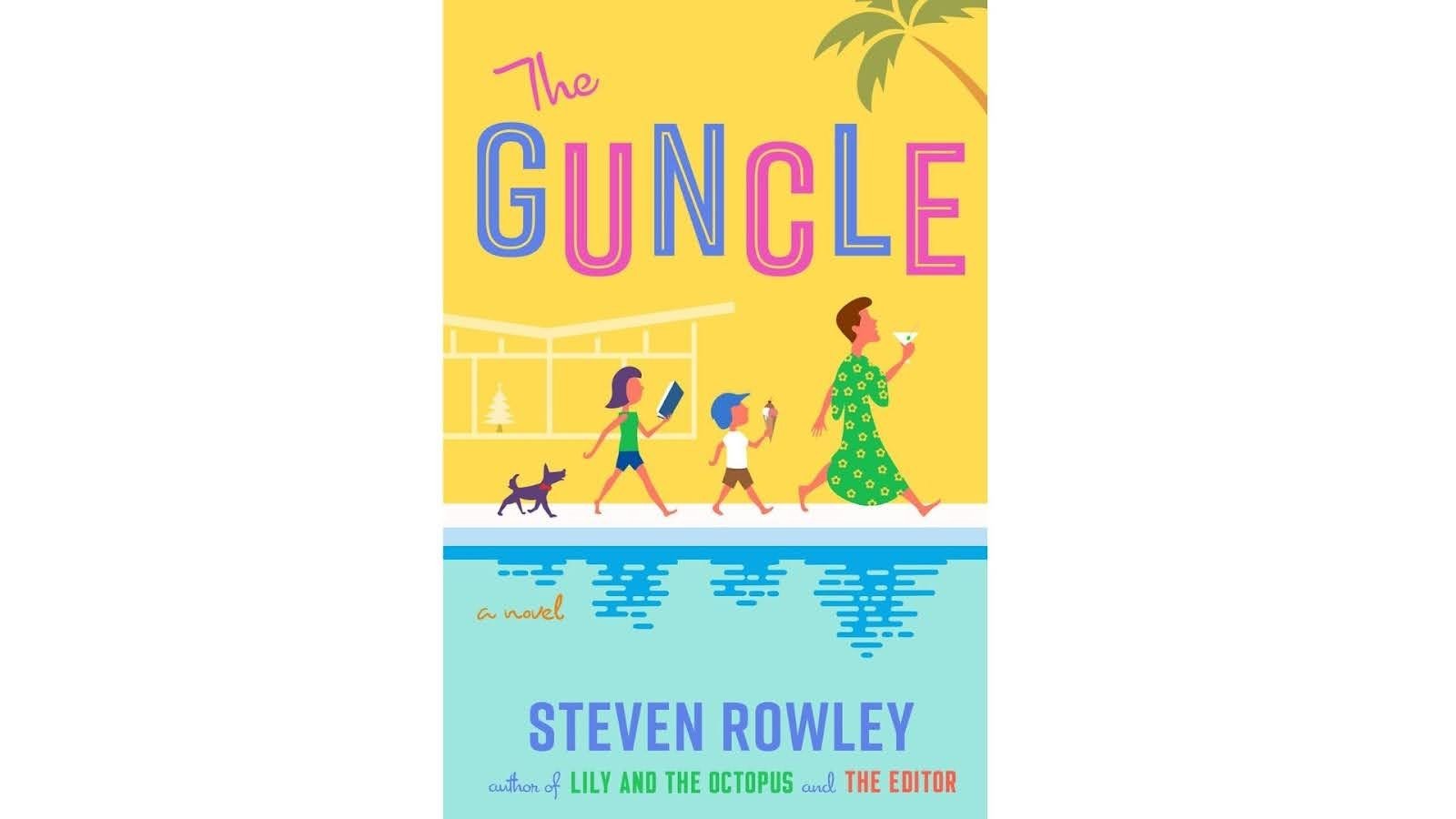
I picked up Steven Rowley’s “The Guncle” entirely on a whim, straight from my local library. The bright cover by Chance caught my eye. I did not know what would occur, though. Heavy topics such as death, grief, and family problems mix with laugh-out-loud humor in this contemporary novel.
Initially, doubts existed within me. The main character annoyed me initially. I am happy I kept reading, however. This story, one that is about a gay uncle caring for his niece and nephews, turned into one of the most touching books I have read in years.
I’ll discuss what the book is about in this review. Also, I will explain the reason it moved me, along with its target audience. If you are looking for the guncle summary since it does go beyond only plot points, you are in the right place.
What The Guncle Is About?
Let me give you the guncle summary that covers the basic setup. This book follows Patrick, a former TV star who’s hiding from the world in Palm Springs.
The Basic Story
Patrick used to be on a sitcom, but now he lives alone in the desert. He’s known as GUP – Gay Uncle Patrick – to his niece and nephews. When his sister-in-law Sara dies, everything changes. Sara was his best friend from college, and her death rocked the whole family.
Patrick’s brother Greg falls apart after losing his wife. Greg starts abusing pills and needs help. The family decides Patrick should take care of Sara’s two kids for the summer. That means nine-year-old Grant and six-year-old Maisie come to live with their uncle for ninety days.
Patrick has no idea how to be a parent. He’s been alone for years, dealing with his own grief. But now he has to figure out how to help two kids who just lost their mom.
The Core Themes
This book digs deep into grief at different ages. The kids are learning what it means to lose a parent. Patrick is still dealing with the death of his partner Joe, which happened years before. Everyone handles loss differently, and the book shows that honestly.
Family relationships get messy in this story. Patrick has to learn how to care for these kids while dealing with his own trauma. After Joe died, Joe’s family cut Patrick out completely. That pain still affects him, even as he tries to help Grant and Maisie.
The book also shows how taking care of others can help us heal. Patrick finds a reason to get out of bed again. The kids need him, and that gives his life meaning when he thought he’d lost it all.
My Initial Reactions to the Writing Style
I need to be honest about the gun summary of my first impressions. Patrick really got on my nerves at the start. He was negative, closed off, and kind of mean to everyone around him. His way of talking felt forced and irritating.
Patrick lives alone in Palm Springs and won’t deal with his feelings. He’s stuck in his grief for Joe and pushes everyone away. The way he spoke to his brother and others made me wonder if I’d finish the book.
But then the kids show up, and everything changes. The writing gets better once Maisie and Grant arrive. Patrick starts to soften, and his character becomes much more likable. If you feel annoyed in the first chapters, just keep going. The story gets so much better.
The Humor That Made Me Laugh Out Loud
Despite the sad topics, this book made me laugh more than I expected. Patrick’s sense of humor keeps things from getting too dark.
The Guncle Rules
Patrick creates “Guncle Rules” for the kids – life lessons that are both funny and sweet. Rule #8 says, “Live your life to the fullest every single day.” These rules sound dramatic, but they work. Patrick treats Grant and Maisie like tiny adults who understand pop culture references.
The way Patrick talks to the kids is absurd. He expects them to know about old movies and celebrity gossip. Maisie is six, but Patrick discusses things with her like she’s thirty. This creates some of the funniest moments in the book.
Patrick’s rules aren’t just jokes, though. They help the kids see life differently during a terrible time. The humor serves a purpose – it helps all of them cope with Sara’s death.
Memorable Funny Moments
The kids calling him GUP never gets old. Grant and Maisie use it naturally, and it becomes a term of love. During one scene, they’re eating pizza when Grant asks Patrick why he likes boys. Patrick handles it with humor and honesty, making what could be awkward into something sweet.
Patrick’s reactions to small things are over the top. When someone mentions his age, he yells, “That’s almost fifty!” like it’s the worst insult possible. These moments break up the heavier scenes and keep you smiling.
The book’s cover looks light and fun. But inside, there’s real emotional weight. That contrast works well – the humor makes the sad parts easier to handle.
The Deeper Emotional Weight
When you read the guncle summary of the plot, you might think it’s just a fun summer story. But this book goes much deeper than that.
Grief as a Central Theme
Sara planned this whole thing before she died. She knew Patrick needed healing, and she thought helping the kids would save him. Patrick starts processing his grief for Joe while helping Grant and Maisie deal with losing their mom.
There’s a quote on page 295 about grief orbiting the heart. It captures how loss never really leaves – it just circles you. The book shows how a six-year-old grieves differently from a nine-year-old, and how adults carry grief in their own way.
Each character handles Sara’s death uniquely. Grant asks questions and wants to talk. Maisie seems okay, but then breaks down when you least expect it. Patrick sees his own unhealed wounds in their pain.
Substance Abuse and Family Crisis
Greg’s pill problem is what brings the kids to Patrick. After Sara’s death from cancer, Greg can’t cope. He turns to pills, and it gets bad enough that he can’t take care of his children. This crisis forces Patrick back into his family’s life.
The book doesn’t make Greg a villain. He’s a man who lost his wife and fell apart. Adult siblings have complicated relationships, and this story shows that. Patrick loves his brother but also resents him. That’s real.
Family dysfunction plays a big role here. No one knows how to talk to each other at first. They’re all dealing with their own pain. The summer becomes about more than just watching the kids.
Patrick’s Experience as a Gay Man
After Joe died, his family excluded Patrick from everything. They didn’t see Patrick as a real family member, even though he and Joe were together for years. That rejection still hurts Patrick deeply and shapes how he sees relationships.
When Grant starts asking questions about being gay, Patrick is protective but honest. He wants Grant to feel safe being whoever he is. On page 201, Patrick says, “We adopt a safe version of ourselves for the public.” That line hit hard.
The book shows the difference between chosen family and biological family. Joe’s blood relatives rejected Patrick, but Sara always loved him. The kids accept Patrick completely. That contrast means everything.
Character Growth That Felt Authentic
Patrick’s change throughout the summer feels real. He starts as someone who won’t leave his house or deal with his emotions. By the end, he’s engaged with life again. The growth happens slowly, which makes it believable.
There’s a scary moment when Patrick realizes he’s healing. He panics because healing means moving on from Joe. In one powerful scene with Greg, Patrick admits he can’t do it anymore – but he means he can’t keep living in the past.
The kids pull Patrick out of his isolation without trying. They need breakfast, help with feelings, and someone to pay attention to them. Patrick has to show up for them, which forces him to show up for himself, too.
What Didn’t Quite Work for Me
No book is perfect, and The Guncle has a few weak spots. There’s a romantic subplot that felt a bit forced. A new love interest shows up, but I wish we had gotten to know this character better.
I also wanted slightly more plot beyond character development. The book focuses heavily on internal growth, which is great. But sometimes I wished more things actually happened.
The critiques don’t ruin the book at all. The focus on grief and family relationships is still the main strength. I’d still strongly recommend this book despite these minor issues.
Tips for Reading The Guncle
If you decide to read this book, here’s my advice based on my experience and what I wish I’d known going in.
- Great choice for book clubs – lots to discuss
- Keep tissues nearby – you’ll laugh and cry
- Content includes death, grief, cancer, and substance abuse
- Best when you need a book that shows pain but also hope
- The humor helps balance out the heavier moments
Read this when you want something meaningful but not overwhelming. It respects your emotions while still making you feel something real.
Conclusion
After reading The Guncle, I’d give it a strong recommendation. It’s not perfect, but it’s special. Steven Rowley manages to write about really hard topics while keeping you engaged and even laughing.
This book is perfect for people dealing with grief who want something that understands their pain. It’s great for fans of LGBTQ+ fiction who want authentic representation. If you love character-driven stories where people actually change and grow, you’ll enjoy this.
The guncle summary of Patrick’s experience – learning to parent while healing from loss – stays with you after you finish. Give this book a chance, even if Patrick annoys you at first. His growth is worth the initial frustration. By the end, you’ll understand why Sara trusted him with her children.
Frequently Asked Questions
Is The Guncle Appropriate for Young Readers?
The book contains mature themes, including death, grief, cancer, and substance abuse. It also has some adult language and situations. I’d recommend it for older teens and adults rather than younger readers.
How Does The Guncle Handle LGBTQ+ Representation?
The representation feels authentic and respectful. Patrick’s identity as a gay man is central to the story. The pizza conversation about sexuality is handled beautifully – honest, age-appropriate, and sweet. It doesn’t feel forced or like a teaching moment.
What Makes The Guncle Different from Other Grief Novels?
The humor sets it apart from typical grief books. Most sad books stay sad, but this one makes you laugh throughout. The uncle-niece-nephew relationship is also unique. Plus, having two grief storylines – Patrick’s and the kids’ – adds depth.
Will The Guncle Make Me Cry?
Yes, probably. Several emotional moments got meteary-eyedy. But the tears are balanced with laughter and hope. It’s not the kind of book that leaves you feeling destroyed. You’ll cry, but you’ll also feel good.
Do I Need to Like the Main Character to Enjoy This Book?
Not at all! I didn’t like Patrick at first, and I still loved the book. His growth is the whole point. You’re supposed to see his flaws and watch him become better. Initial dislike actually makes the ending more satisfying.