

“I was sitting within a taxi, wondering if I had overdressed for the evening, when I looked from the window and Mom was rooting through a Dumpster.” This opening line grabs you right away.
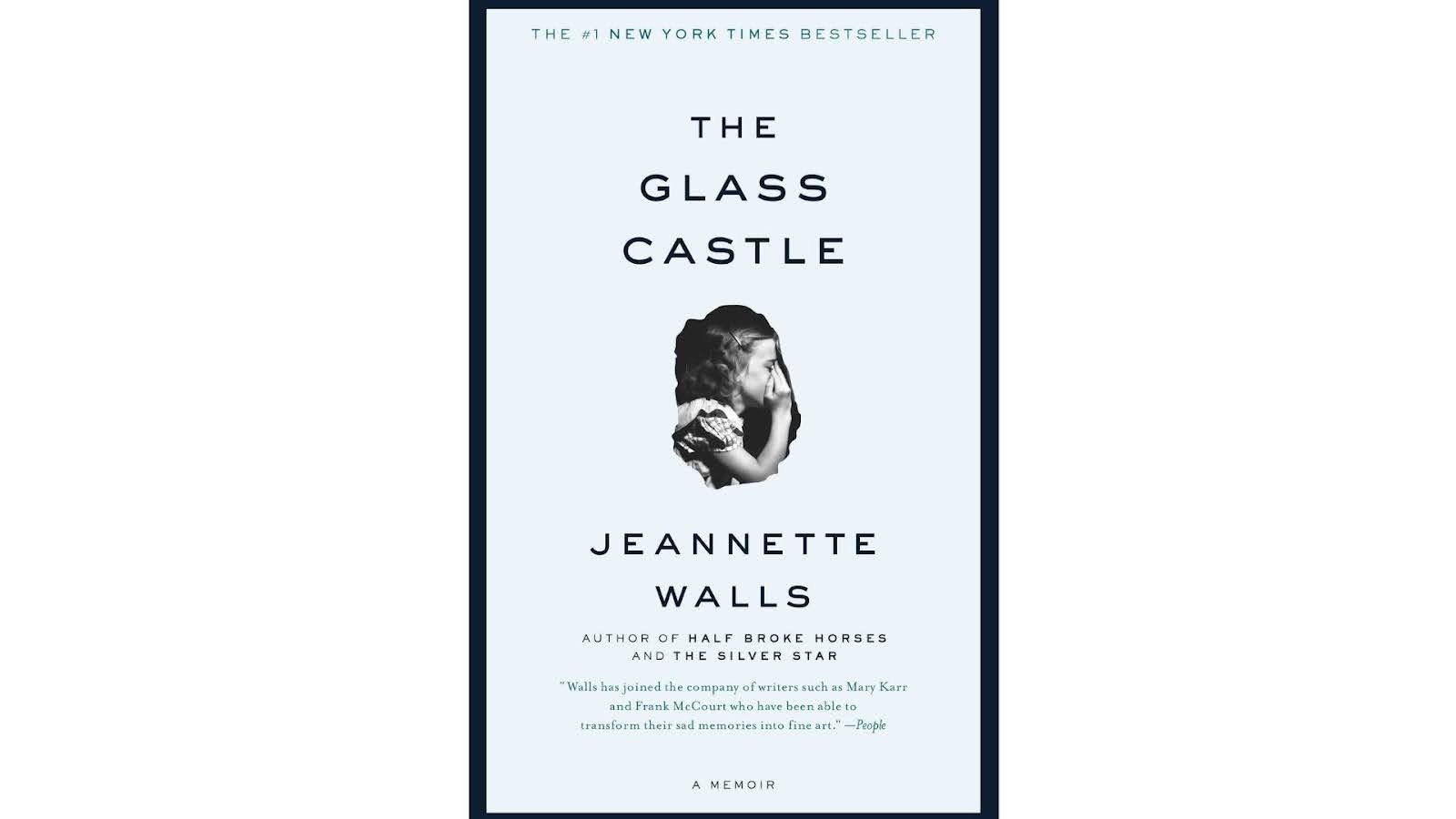
In 2005, The Glass Castle was something that came to be written now. The author happens to be Jeannette Walls. It tells of the true story of her youth since she had a poor upbringing, and her parents neglected all their kids in ways that differ from most.
This critique determines if this story suits you. We must check the story as well as the writing style. Its active relevance is also something that we will know here. Memoirs were changed in how people write by how people read with The Glass Castle.
The Glass Castle Review: Is It Worth Reading?
This book earns 4.5 out of 5 stars. It’s one of those memoirs that stays with you long after you finish reading.
You should read The Glass Castle if you like true stories about people who survive tough times. Fans of Educated by Tara Westover will love this book. It’s perfect for people who want to understand how some families work differently. The writing is clear and easy to follow, even when the content gets hard.
Some readers might find this book too heavy. The story includes child neglect, alcoholism, and extreme poverty. If you want something light and fun, pick a different book. The parents’ choices can make you angry. But the book shows how strong kids can be when they have to raise themselves.
What Is The Glass Castle About?
The Glass Castle follows Jeannette Walls from age three to adulthood. Her father, Rex, was smart and charming but drank too much. Her mother, Rose Mary, wanted to paint and be an artist instead of taking care of her kids.
The family moved constantly across desert towns in the Southwest. They lived in places without heat, water, or food. Sometimes they slept outside. The four Walls children learned to take care of themselves because their parents wouldn’t.
As teenagers, the kids escaped to New York City one by one. They built successful lives despite their past. The “Glass Castle” was a house Rex promised to build someday-a dream that never came true. The book shows how Jeannette made sense of her childhood years later.
The Parents Who Raised Themselves
Rex Walls could talk anyone into anything. He taught his kids about science and told them they were special. But alcohol ruined him. He’d disappear for days and spend food money on drinks.
One birthday, Jeannette asked him to stop drinking. He promised he would, but he never did. Rex loved his kids in his own way. He just loved alcohol more.
Rose Mary believed hardship made kids stronger. She had a teaching degree but didn’t want to work. She’d rather paint than cook dinner. Even today, she lives near Jeannette and doesn’t apologize for how she raised her children. She thought letting kids struggle helped them grow up tough. The sad part? Social services never stepped in to help these children, even when things got really bad.
Jeannette Walls’ Writing Style
Walls writes like she’s telling you facts, not asking for sympathy. She doesn’t cry about her childhood or blame anyone. She just tells you what happened and lets you decide how to feel.
This makes the book powerful. When she mentions eating popcorn for weeks or having an outdoor piano in the desert, you can almost laugh. Then you realize how awful it actually was. She finds humor in terrible situations without making light of them.
The sentences are short and simple. You won’t find fancy words or long descriptions. Walls shows you what happened through actions and conversations. She doesn’t over-explain feelings. When her sister Lori finds out their dad stole her escape money, Walls just describes Lori’s quiet reaction. What she doesn’t say hits harder than pages of crying would.
Why The Glass Castle Still Resonates
This book came out in 2005 and stayed on bestseller lists for over six years. Why? Because the story connects with everyone, even people who had normal childhoods.
The themes are universal. We all understand family love, even when it’s complicated. We all want to overcome hard times. We all try to find our own path in life. The book shows that people can survive almost anything.
Walls was scared to tell her story. She thought people would judge her for being poor and having weird parents. But when she shared her truth, she found out that many people hide parts of their past. The book helps readers accept their own histories. You don’t have to be ashamed of where you came from.
Critics loved it. Regular readers loved it. It helped memoirs like Educated get published years later. The Glass Castle proved that honest, real stories matter more than perfect writing.
Is The Glass Castle A True Story?
Yes, every word is true. People ask this question a lot because the story seems too crazy to be real.
The Walls siblings backed up everything Jeannette wrote. They all remember the same events. Today, Lori works in New York and has a good career. Brian also lives in New York with a stable life. Maureen has struggled with mental health problems but survived. Three out of four kids made it out and built successful lives.
Rex Walls died in 1994, before the book came out. Rose Mary is still alive and lives near Jeannette in New York. The family supported the book, even though it revealed private, painful things. Their reaction shows that Jeannette told the truth about their shared past.
The Glass Castle Movie
In 2017, Hollywood turned the book into a movie. Woody Harrelson played Rex, and Naomi Watts played Rose Mary. Brie Larson starred as adult Jeannette.
Jeannette Walls liked the movie. She said Woody Harrelson got her dad exactly right-both the good parts and the broken parts. The film showed scenes from the book in a way that honored her story.
Critics gave mixed reviews. Some thought it was powerful. Others felt it couldn’t capture what made the book special. Movies can’t show you a person’s thoughts or that matter-of-fact writing style. The book gives you much more detail about the family’s life. If you watch the movie first, you’ll miss a lot. Read the book, then watch the film if you want to see the story come to life on screen.
Tips for Reading The Glass Castle
Before you start reading, know that this book covers tough topics. It’s not a light beach read, even though the writing is simple.
Here are some tips to help you get the most from this Glass Castle book review experience:
- Take breaks when you need them: Some parts are hard to read, especially scenes about neglect and hunger
- Notice what Walls doesn’t say: Her restraint makes the book more powerful than pages of complaints would
- Think about the time period: This happened in the 1960s and 70s, when people didn’t report family problems as much
- Pay attention to small details: Walls includes little moments that show big truths about her family
- Read it with others: Book clubs love discussing questions about parenting, forgiveness, and family love
- Consider the kids’ point of view: Remember that Jeannette experienced this as a child, not an adult
After you finish, you might want to read Walls’ other books. Half Broke Horses tells her grandmother’s story. The Silver Star is a novel. Both help you understand the full family history.
The Glass Castle works best when you give it time to sink in. Don’t rush through it.
Conclusion
The Glass Castle is still going to be among the greatest memoirs that were written. It’s brave as well as clear to remain honest. Instead, Walls turned her painful childhood into not only a story, but a story that has helped millions.
It does have some thread of bleakness or sadness, but also some optimism. Yet still the children thrived also survived. People are tougher than their thoughts. That’s the point for them.
In the event that you like either a survival story or else memoir, this is really a good book. It’s in any bookstore or any library that you can find it. Frankly, your life is going to look nothing like Jeannette’s when you’re done. Jeannette’s life is an extreme one. Nevertheless, everyone has something to say: your truth is important as well.
Frequently Asked Questions
Is The Glass Castle Appropriate For Young Readers?
This book is best for readers aged 14-15 and up. It includes mature themes like alcoholism, child neglect, and poverty. There’s also brief sexual content. High school students can learn a lot from it, but parents should use their judgment. It sparks good discussions about strength and survival.
How Does The Glass Castle Compare To Educated By Tara Westover?
Both books show kids growing up in broken families. Education helps the children escape in both stories. The Glass Castle features moving around and poverty, while Educated shows isolated survivalism. Tara Westover published her book 13 years after Walls. Both prove that children can beat impossible odds. Read The Glass Castle first since it came earlier.
Did Jeannette Walls Reconcile With Her Parents?
Yes, Jeannette kept a relationship with her parents throughout their lives. She never cut them off completely, even after everything they did. Her mother still lives near her in New York today. The book shows deep love mixed with pain. Rex died in 1994, before she published the memoir. Their relationship was complicated, but never ended.
What Happened To Jeannette’s Siblings?
Lori has a successful career and lives in New York. Brian also built a stable life after moving to New York. Maureen has faced mental health challenges over the years. All four kids escaped to New York as teenagers. Three out of four are doing well. They stayed close to each other through everything and remain connected today.
Should I Watch The Movie Before Reading The Book?
Read the book first to get the full experience. The book includes much more detail and depth than any movie can show. Films have to cut and change parts of the story. The movie works better as something to watch after reading. Many readers say the book’s plain style makes it better than the film version.