

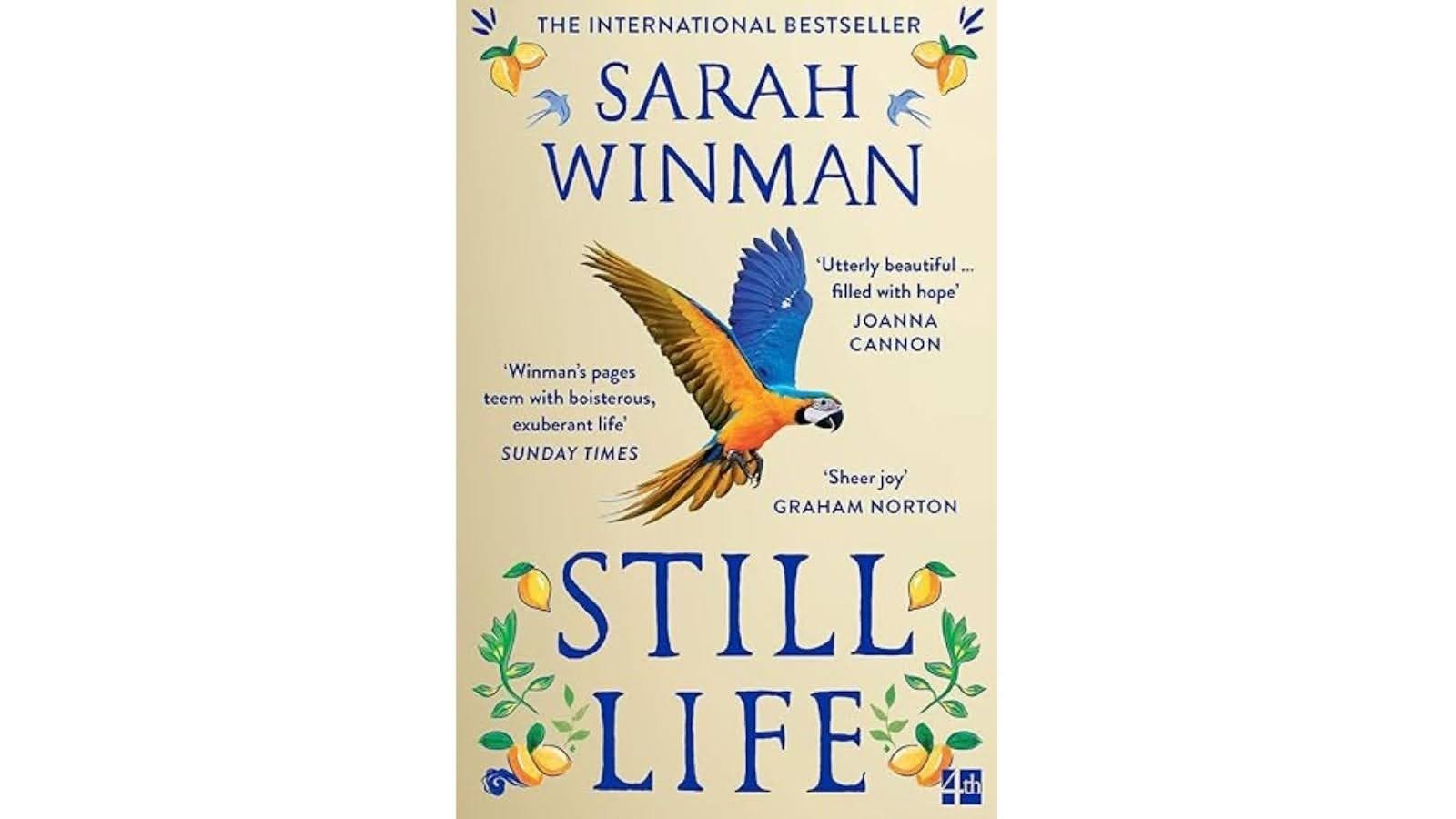
Sarah Winman created something special with her touching novel “Tin Man,” besides another sincere story is what she brings us now. Her talent for building characters that feel like actual people is proven by “Still Life”. These characters feel as if they are from your neighborhood.
In this review, honest opinions about the contents of Sarah Winman’s book entitled “Still Life” are offered. Successes alongside potential failures will be examined for readers. The story moves from wartime Italy to post-war London into Florence’s art-filled streets.
Here, criticisms of various readers and compliments to you shall be seen. Some do adore Winman for that lovely writing style. Others desire more exciting events beyond. “Still Life” belongs in your reading collection if this review helps your decision.
Still Life Plot Summary and Main Characters
The story begins in 1944 Italy, where chance brings two very different people together during the chaos of war.
- Ulysses is a British soldier who makes globes for a living
- Evelyn Skinner works as an art historian and is in her 60s
- They meet in a Tuscan villa wine cellar during an air raid
- Their brief connection changes both their lives
- After the war, Ulysses returns to London to find that his wife Peggy has moved on.
- He learns he has a daughter named Alys
- The story moves to The Stoat And Parrot pub, run by landlord Col
- Other key characters include Cress, who becomes like family to Ulysses
- Eventually, Ulysses, Alys, and Cress move to Florence to start fresh
- Years later, Ulysses and Evelyn meet again in Florence
This still life, Sarah Winman’s summary, covers decades of their lives. The book shows how people create families from friendship and how art and beauty help heal old wounds.
What Reviewers Love About Still Life
Winman writes with real skill. Her characters feel like people you know, with all their good points and flaws. She builds each person slowly, letting readers get to know them like old friends. The writing flows in a way that makes you want to keep reading.
Florence comes alive on every page. The city becomes almost like another character in the story. Food, wine, and art fill the scenes with rich details. You can almost smell the Italian cooking and see the golden light on old buildings. Many readers say the book made them want to visit Florence right away.
The “found family” idea works really well here. Characters who aren’t related by blood become closer than many real families. Col, Ginny, Cress, Pete, and even Claude the parrot all play important roles. Their relationships feel real and warm. The connections between people matter more than big, dramatic events.
Common Criticisms and Concerns
Not every reader connects with Winman’s approach to storytelling. Some find the book lacks the usual structure they expect from novels.
- The opening takes more than 100 pages to really get going
- Some events seem to happen by chance rather than for clear reasons
- Characters don’t always grow and change in big ways
- The book focuses more on mood than on exciting plot twists
- Readers sometimes prefer Ulysses’ parts over Evelyn’s art sections
- The writing can feel too clever at times
- No speech marks make reading harder for some people
- Early characters don’t always come back in meaningful ways
This still life, Sarah Winman’s summary wouldn’t be complete without noting these concerns. Some readers have a love-hate relationship with the book. They enjoy parts of it but wish other parts worked better.
Writing Style and Literary Merit
Winman uses an unusual style without regular speech marks. This makes the book feel different from most novels. The narrator sometimes speaks directly to readers, which can be charming or annoying depending on your taste. It’s literary historical fiction rather than a typical war story.
Her writing gets compared to authors like Laurie Lee and Maggie O’Farrell. The focus stays on creating a mood rather than driving toward big plot points. The atmosphere matters more than what happens next. This works well for readers who enjoy beautiful language.
Many people find the audiobook easier to follow. The narrator’s voice helps with the unusual punctuation style. If you struggle with the written version, the audio might work better. The story flows more smoothly when you hear it read aloud.
Who Should Read Still Life
Literary fiction fans will likely enjoy this book. If you prefer stories about people and relationships over action and suspense, this still life Sarah Winman summary suggests you’ll find much to love. The book works well for readers who don’t mind a slower pace.
People interested in post-war settings and Italian culture will find plenty to enjoy. The historical details feel real without taking over the story. If you loved “Tin Man,” you’ll probably want to read this too. Winman’s voice stays consistent between both books.
Book clubs might enjoy discussing the themes and characters. There’s enough depth for good conversations. The audiobook works well for people who struggle with the punctuation style. Choose based on how you prefer to read challenging literary fiction.
Tips for Getting the Most from Still Life
Reading with others or in a book club can help you appreciate the deeper meanings. Discussion brings out themes you might miss reading alone.
- Give the first 100 pages time to work their magic
- Don’t expect a traditional historical fiction structure
- Focus on how characters relate to each other
- Try the audiobook if the punctuation style bothers you
- Consider reading “Tin Man” first for context
- Pay attention to the Italian setting and culture
- Notice how art and beauty help characters heal
This still life, Sarah Winman’s summary suggests, patience pays off with this book. The rewards come from appreciating the writing style and character development rather than exciting plot twists.
Conclusion
“Still Life” offers writing of beauty with patterns that aren’t always expected. Winman makes a world containing art, food, friendship, and healing. Her characters are as real as you wanting to visit Florence.
Literary fiction readers find the book most enjoyable. Its strengths do not lie in action-packed stories. You will probably connect with this one if you are into atmosphere. The book is also concerned with relationships. It might seem slow for you if you crave clear plots and excitement.
This summary from Sarah Winman, this still life, shows the book dividing the readers. To try it for yourself is the best way for you to know. It is of worth for many of the readers, even taking patience.
Likely, fans of literary fiction will rate it 4 out of 5 stars. Yet common readers may rate it only 3 out of 5.
Frequently Asked Questions
Should I Read Tin Man Before Still Life?
No, you don’t need to read “Tin Man” first. “Still Life” stands alone, but reading both books helps you understand Winman’s writing style better.
Is Still Life Suitable for Book Clubs?
Yes, it works well for book clubs. The themes of friendship, art, and healing give groups plenty to discuss and debate together.
How Historically Accurate Is Still Life?
The historical setting feels real, but this is fiction first. Winman uses history to support her story rather than teaching detailed historical facts.
What Age Group Is Still Life Appropriate For?
Adult readers will connect best with the themes. The content is suitable for teens, but younger readers might find the pace too slow.
How Does Still Life Compare to Other WWII Fiction?
This book focuses on healing after war rather than battle scenes. It’s more like Elizabeth Strout than typical war novels.