

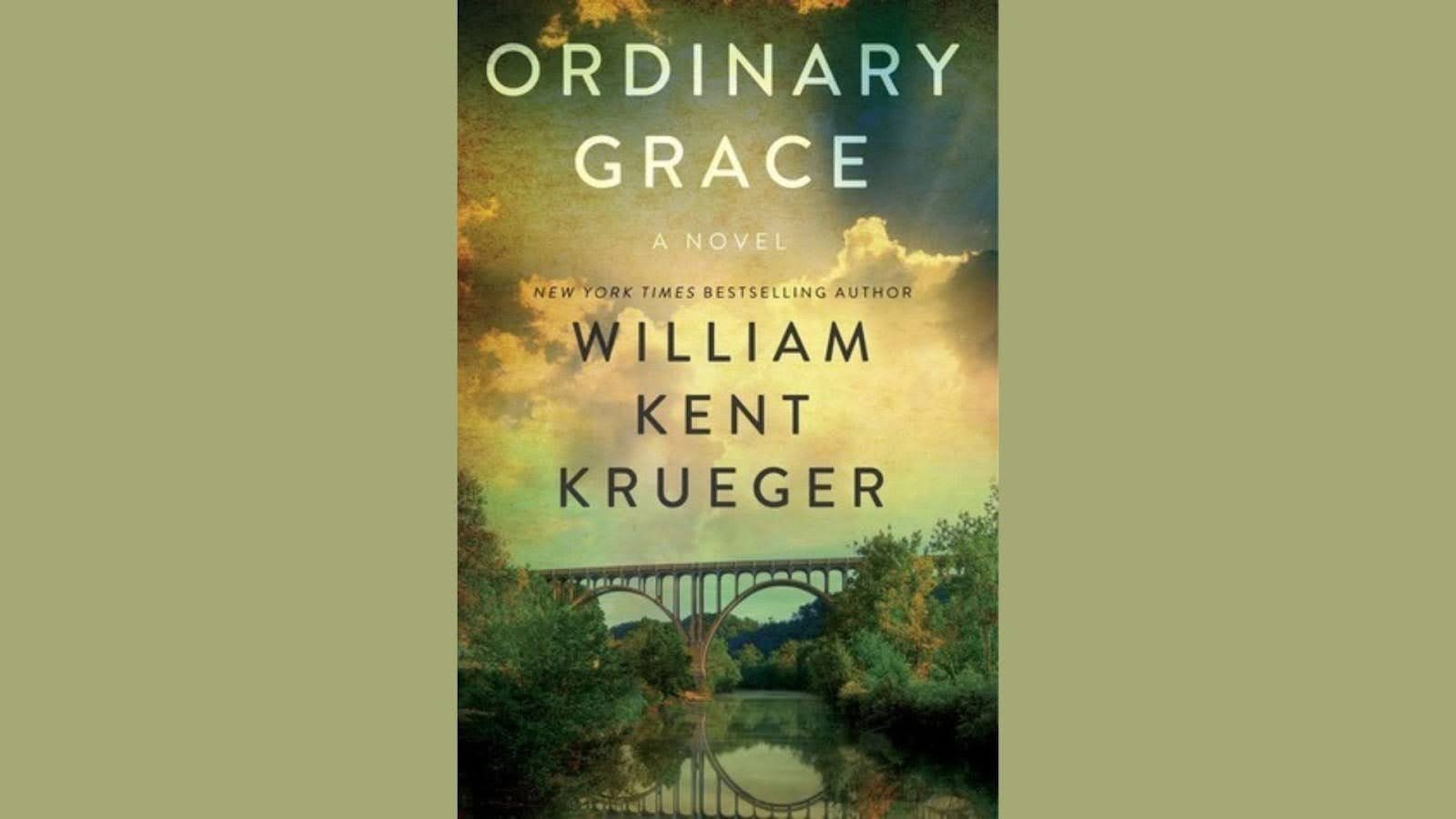
I will share here in this blog: What would happen if everything within a small Minnesota town could change during only a single summer? The Ordinary Places Grace of William Kent Kruger follows Frank Drum. The young teenager’s life is upended completely. Loss causes this change.
This novel merges queries of growth, belief, ethics, religion, and enigma. Some see a suspenseful crime story as that. Others do feel that it is a sincere coming-of-age tale.
Tragedy disrupts ordinary life, as shown by Kruger. The story examiness grace with understanding, along with forgiveness, and it impacts every single reader. The effect is a durable mark.
What Is Ordinary Grace About?
Set in 1961, New Bremen, Minnesota, the story comes from Frank Drum, now grown up and looking back. As the son of a Methodist minister, Frank sees his small town through curious but innocent eyes.
The story works as both a mystery and a look at faith. Frank tries to understand why bad things happen to good people. His father preaches about God’s love, but Frank sees mostly pain and loss around him.
Each death in the story connects to the others, building toward answers that some readers find obvious and others find surprising.
Quick Take on the Book’s Reception
The book won the Edgar Award for Best Novel and stayed on bestseller lists for years. Many readers praise how Krueger handles big themes like faith, family, and forgiveness. The story feels real and honest about small-town life in the 1960s.
But this Ordinary Grace book review must note the mixed reactions, too. Some readers love the deep emotional parts but find the mystery weak. They say the answers come too slowly or feel too predictable.
Most agree the book works best as literary fiction with mystery elements, not as a straight mystery novel.
Themes examinesd in Ordinary Grace
Ordinary Grace deals with the biggest questions people face when life gets hard.
Faith and doubt run through every chapter. Frank’s father holds strong beliefs about God’s plan, while Frank struggles to understand why terrible things keep happening. The contrast between adult faith and teenage questions drives much of the story’s emotional power.
Coming of age happens fast when tragedy strikes. Frank starts the summer as a normal kid worried about baseball and girls. By the end, he has seen death up close and learned hard truths about the adults around him.
Mystery and suspense build as the deaths pile up, though some readers in this ordinary grace book review process found the answers too easy to guess. The real mystery might be less about who did what and more about how people survive loss and find meaning in suffering.
Characters and Relationships
Frank Drum makes a strong narrator because he sees things clearly but doesn’t always understand what he sees.
Frank tells the story as an adult looking back, which gives the book a sad but wise tone. As a 13-year-old, he notices everything but can’t always make sense of adult behavior. His growth through the summer feels real and earned.
Jake Drum, Frank’s younger brother, seems quiet but often sees things others miss. Ariel Drum, their talented sister, dreams of leaving their small town for bigger things. Their parents, Nathan and Ruth Drum, struggle with their own problems while trying to guide their children through tragedy.
The supporting characters, from friends to suspects to mentors like Gus, help build a complete picture of small-town life. Each person carries their own secrets and struggles, making the community feel real and lived-in.
Writing Style and Storytelling
Rick Bass uses clear, evocative language that makes the small-town setting come alive. The storytelling feels intimate, almost like sitting beside Frank as he reflects on his past. His descriptions of nature and daily life are rich without ever feeling heavy.
The story flows in a measured, thoughtful pace, allowing readers to absorb emotions and details. Moments of tension are interspersed with quiet reflection, which makes the impact of key events even stronger.
Bass balances simplicity and depth perfectly, letting the narrative resonate on both emotional and intellectual levels. It’s the kind of storytelling that stays with you long after the last page.
Emotional Depth and Themes
The novel captures the emotional nuances of adolescence and grief in a deeply personal way. As Frank navigates his summer, readers experience the bittersweet mix of curiosity, fear, and growth.
Themes of forgiveness, loss, and understanding are woven seamlessly into everyday moments. It’s not just about the events themselves but how they shape the characters’ inner lives.
Personal reflection is central to the book. You feel Frank’s confusion and clarity simultaneously, making it easy to connect with his path.
Small-Town Life and Community
Bass paints a vivid portrait of small-town life, showing both its charm and its limitations. The town feels lived-in, with secrets, gossip, and community bonds shaping every interaction.
Each character, from friends to neighbors, contributes to a larger picture of life in this tight-knit community. You can almost hear the local accents and see the familiar streets.
This sense of place enhances the story’s realism. You feel like an insider, experiencing both the beauty and the underlying tensions of the town.
Character Growth and Realism
Frank’s path from a curious, naive boy to a more reflective young adult feels authentic. His observations grow sharper, and his understanding deepens with each experience.
Other characters also evolve naturally, reflecting realistic human behavior. Ariel’s ambitions, Jake’s quiet insight, and the parents’ struggles all add layers to the narrative.
The growth feels earned rather than forced. You can relate to their struggles and victories, which makes the story resonate on a personal level.
Mystery and Suspense
Even though the story is a coming-of-age tale, the novel maintains a subtle suspense throughout. You’re kept engaged, wondering how secrets will unfold and how Frank will process them.
Bass carefully paces the revelations, balancing tension with character development. The suspense isn’t just about plot it’s about emotional stakes and moral dilemmas.
As a reader, you feel invested in the outcome, not just for the resolution of the mystery but for the well-being and growth of the characters.
Conclusion
Those who enjoy mindful faith-based stories may connect with Frank’s summer of growth as well as loss. The 1960s period details, along with the small-town setting, are what create a believable world. Krueger handles big themes with care. Krueger treats those themes with respect.
Readers wanting a fast-paced mystery will have expectations then. They might feel disappointment if the story is lacking in twists that surprise. As the book moves slowly, character development gets more of a focus than plot surprises. This ordinary grace book review recommends it to book clubs in addition to readers who like literary fiction that has mystery elements.
The novel has a lasting popularity, which proves that many readers can value emotional truth more than clever plotting, so the novel is worthwhile as well for those who seek stories regarding faith, family, and forgiveness.
Frequently Asked Questions
Is Ordinary Grace based on a true story?
No, Ordinary Grace is fiction, though Krueger draws from his own childhood experiences growing up in small-town Minnesota to create authentic details and emotions.
What age group should read Ordinary Grace?
The book works best for mature teens and adults due to themes of death, violence, and complex moral questions, though the writing style remains accessible.
How does this ordinary grace book review rate the mystery elements?
The mystery aspects are weaker than the character development, with some readers finding the solution predictable, but the emotional path makes up for it.
What makes Ordinary Grace different from other coming-of-age novels?
The book combines faith-based themes with mystery elements and focuses on how tragedy shapes a young person’s understanding of good, evil, and forgiveness.
Should I read other William Kent Krueger books after Ordinary Grace?
Yes, if you enjoy Krueger’s writing style and Minnesota settings, though his Cork O’Connor mystery series has a different tone than this standalone novel.