

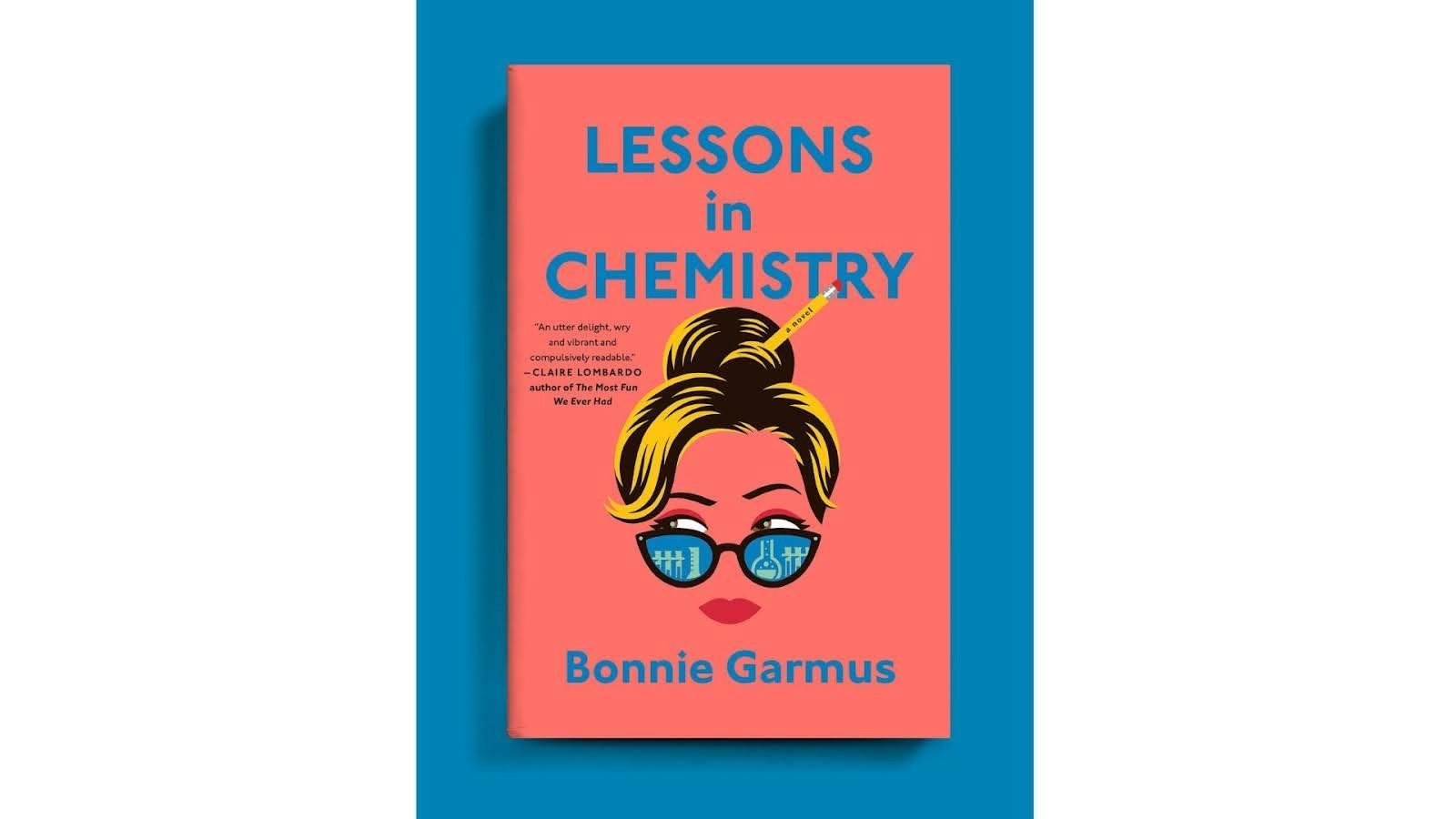
Lessons in Chemistry probably caught your eye across BookTok and Instagram. Bonnie Garmus’ first novel turned into a bestseller quickly. It is a hot topic.
The book, set within the 1960s, tells of chemist Elizabeth Zott. Sexism confronts her at work. The book is really about so much more in scope than just that. It concerns science, feminism, and a cooking show. A buzz exists. You might be wondering: Is it actually good?
In this lesson in chemistry review, I’ll break down what works and what doesn’t, and help you decide if this book is worth your time. Here’s what the critics and everyday readers are saying.
What Critics and Readers Are Saying About Lessons in Chemistry
Most people who read this book really liked it. The lessons in chemistry review scores across major platforms show strong ratings. Goodreads users gave it an average of 4.2 out of 5 stars, while many book reviewers praised Garmus’s fresh writing style.
Readers love the book’s unique voice and how fast the pages turn. Many say they couldn’t put it down. The feminist themes feel powerful without being preachy. Elizabeth Zott comes across as a fully developed character, not just a symbol. The humor mixed with serious topics keeps things balanced.
However, some critics pointed out problems. A few scenes feel too perfect or unrealistic. The book’s treatment of religious characters bothers some readers who find them one-dimensional. Some plot points wrap up too neatly or move too quickly. Still, these complaints don’t ruin the overall experience for most people.
The Story Behind the Hype
Elizabeth Zott doesn’t fit the typical 1960s woman mold. She’s a chemist who takes her work seriously and refuses to play by society’s sexist rules. When she loses her lab job due to discrimination, she ends up hosting a cooking show. But this isn’t your regular cooking show.
Elizabeth treats cooking like chemistry. She explains the science behind every recipe. She tells her mostly female audience that they’re capable of more than society expects. Her daughter, Mad (short for Madeline), is brilliant and unusual, adding another layer to the story.
The book also features Elizabeth’s relationship with Calvin Evans, a fellow scientist. Their romance forms an important part of the plot. When tragedy strikes, Elizabeth must figure out how to move forward. The story covers grief, single motherhood, and fighting for your place in a world that doesn’t want you there.
Writing Style and Narrative Voice
Bonnie Garmus writes with a light touch, even when handling heavy subjects. Her debut novel feels confident and polished. The tone stays playful but never dismisses the serious discrimination Elizabeth faces. This balance makes the book both fun and meaningful.
One unique choice: the family dog, Six-Thirty, gets his own chapters from his point of view. This adds humor and gives readers a break from the intensity. Some readers love this quirky addition, while others find it odd. The scientific terms scattered throughout feel natural rather than forced.
The dialogue sparkles with wit. Characters say things that sound real but are also clever. Garmus knows how to make you smile while making you think. Her sentences move quickly, which helps the book feel like a page-turner even during slower moments.
Character Development and Relationships
Elizabeth Zott stands out as the main character. She’s stubborn, brilliant, and doesn’t understand social norms the way others do. Many readers see her as possibly neurodivergent, though the book never labels her that way.
Key character elements:
- Elizabeth’s refusal to compromise her values
- Her scientific mind applied to everything
- Growth through grief and motherhood
- Complex relationships with other women
The female friendships in this book matter. Harriet, Elizabeth’s neighbor, becomes a true friend despite their differences. Mad’s relationship with her mother shows both love and tension. Not all women in the story support each other, which feels realistic for the time period.
Supporting characters like Calvin Evans, the TV producer, and various lab workers add depth. Each person changes throughout the story. They’re not just there to help Elizabeth-they have their own problems and growth.
Themes That Resonate
The 1960s sexism jumps off every page. Elizabeth faces constant harassment and discrimination at work. Male colleagues steal her ideas. Bosses refuse to promote her because she’s a woman. These scenes might make you angry, but they’re based on real history.
The book focuses heavily on women in science and STEM fields. Elizabeth’s struggles mirror what many real women scientists faced. Single motherhood adds another challenge-Mad’s school doesn’t accept that Elizabeth is both mom and breadwinner. Society expects women to choose between career and family.
Grief plays a major role after a tragic event. Elizabeth must process loss while raising her daughter alone. The science versus religion tension appears throughout, though some readers wish this were handled with more care. Many themes still apply today, even though the story takes place 60 years ago.
What Works Well in the Novel
These lessons in chemistry review wouldn’t be complete without highlighting the book’s strengths. It works as pure entertainment-you can read it on vacation or before bed and enjoy the story. But it also makes you think about bigger issues.
The mix of light and serious keeps you engaged. One chapter makes you laugh with Six-Thirty’s thoughts, the next makes you furious about workplace discrimination. Character arcs feel complete and satisfying. Elizabeth grows without losing herself. The historical details feel researched, even if Garmus takes some creative freedom.
Most readers finish the book quickly because it’s hard to stop reading. The emotional moments hit hard when they need to. You care about Elizabeth and want her to succeed. That investment in the character makes everything else work better.
Where the Book Falls Short
Some moments feel too sweet or convenient. Elizabeth always has the perfect comeback. Problems solve themselves a bit too easily. Real life has more mess and uncertainty. A few readers compare it to movies like Hidden Figures but say it doesn’t handle difficult topics with the same depth.
Religious characters come across as flat villains. They exist mainly to oppose Elizabeth rather than to feel like real people with complex beliefs. This bothers readers who wanted more balance. One subplot involves foreshadowing that doesn’t quite work you see the twist coming too early.
The ending wraps up almost every storyline with a bow. Some people love this satisfying conclusion. Others think it’s unrealistic. The “too good to be true” resolution might bother readers who prefer grittier, more realistic fiction. These flaws don’t ruin the book, but they keep it from being perfect.
The TV Adaptation vs. The Book
Apple TV+ made a series based on the book starring Brie Larson as Elizabeth Zott. The show changes quite a bit from the source material. Some characters get different storylines. The tone shifts slightly to fit a TV format.
Bonnie Garmus, the author, reportedly wasn’t happy with some changes. She had limited control over the adaptation process. Many readers say the book tells the story better. The series has nice production values, but loses some of the book’s charm.
If you’re interested in both, read the book first. That way, you can form your own opinion before seeing someone else’s version. The book lets you imagine Elizabeth yourself rather than seeing an actor’s take.
Who Should Read This Book
These lessons in chemistry review suggest the book for several types of readers. If you like historical fiction set in the mid-20th century, you’ll probably enjoy it. The 1960s setting feels vivid and well-researched.
Perfect for readers who want:
- Feminist stories with backbone
- Character-focused plots over action
- Light reading that still has meaning
- Books about women in science
- Feel-good stories with some edge
- Something similar to The Marvelous Mrs. Maisel in book form
Fans of books like The Seven Husbands of Evelyn Hugo or Daisy Jones & The Six might like this one. It has that same readable quality mixed with substance. Book club members love discussing the themes and characters.
Conclusion
Is Lessons in Chemistry worth the hype? Mostly, yes. Our chemistry review showed a solid, enjoyable book. It had important things to say. Author Bonnie Garmus created a memorable main character. She told her story with humor and heart.
The book has its flaws (in particular, some of the moments are too perfect, and some of the characters are too thin), but the film far exceeds it. The feminist theme is pretty lightweight, and the science is interesting, but only in how stuff works.
Lessons in Chemistry was a good read for me. I don’t think it was meant to be life-changing at all, though it was well worth it. You will finish it quickly, and then think about it later. You will recommend it to your friends, which is what good popular fiction does.
Frequently Asked Questions
Are Lessons in Chemistry Based on a True Story?
No, the story and characters are fictional. However, Bonnie Garmus based the workplace discrimination on real experiences women scientists faced in the 1960s. Elizabeth Zott isn’t a real person.
How Long Does It Take to Read Lessons in Chemistry?
Most readers finish in 4-7 days with casual reading. The book has about 400 pages, but it reads quickly. You could finish it in one weekend if you have time.
What Age Group Is the Lessons in Chemistry app Appropriate For?
The book works best for adults and older teens (16+). It contains some mature themes, including sexual assault, workplace harassment, and grief. The content isn’t graphic but deals with serious topics.
Are There Any Trigger Warnings for Lessons in Chemistry?
Yes. The book includes sexual assault (not graphic), death of a major character, workplace harassment, sexism, and suicidal ideation. Some religious readers may find the portrayal of faith negative.
What Book Should I Read After Lessons in Chemistry?
Try The Paris Apartment by Lucy Foley, The Invisible Woman by Erika Robuck, or The Queen’s Gambit by Walter Tevis. All feature strong female leads dealing with male-dominated fields or time periods.