

What occurs if someone unheard for 140 years gains a voice?
Jim appears in Mark Twain’s 1884 novel. The Adventures of Huckleberry Finn features this character. He is used as a vehicle to transport Huck downriver to freedom because Jim’s perspective cannot be used to tell the tale.
In Percival Everett’s book James: An American Story, Jim (now James) speaks. We hear him speak his fears, his hopes, and his plans. He becomes a real person, fighting for freedom and family. Then he stopped being a helpful addition to somebody else’s tale.
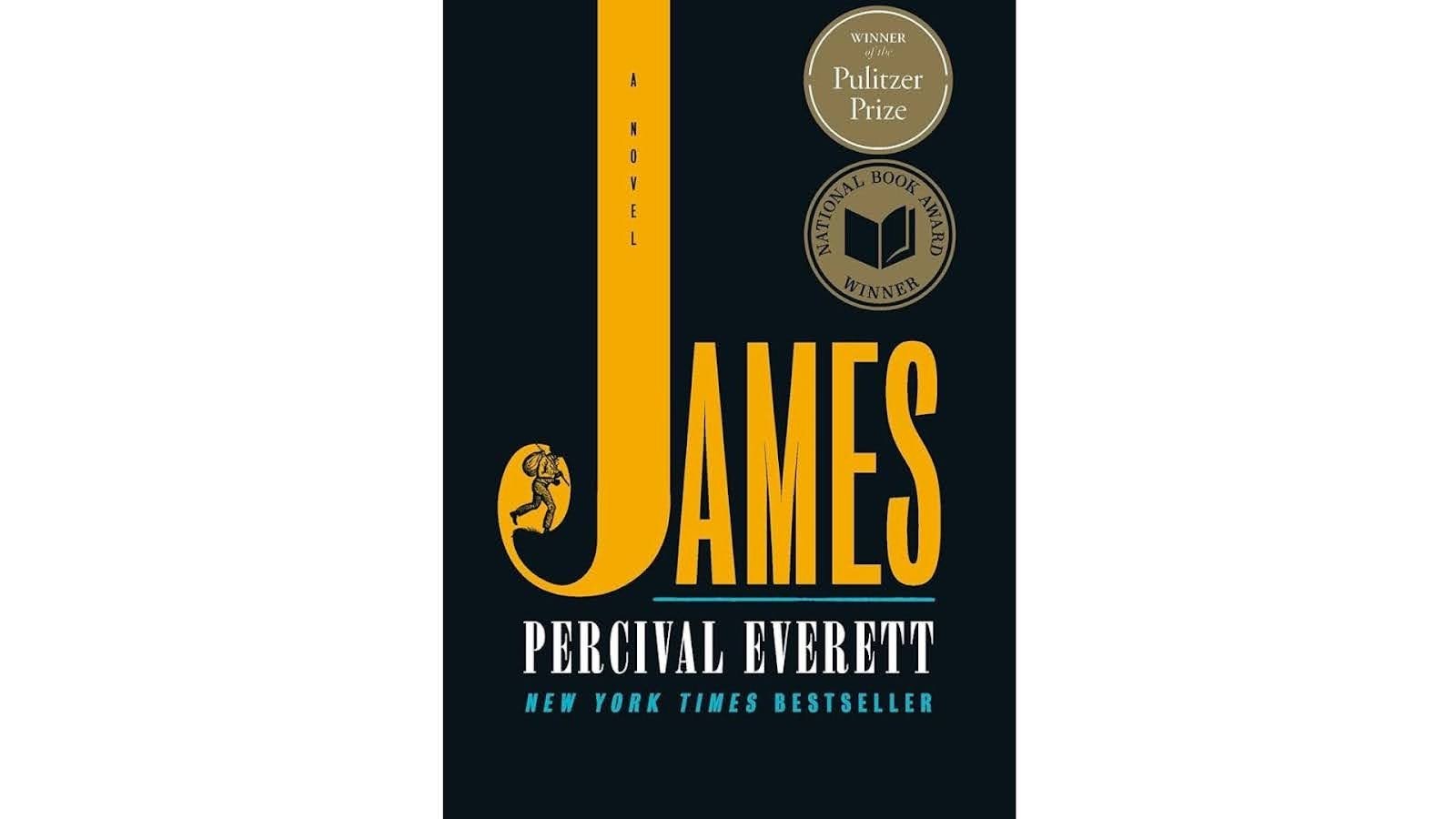
This James book review shares the book’s importance, why you should read it, and what you can expect from the book.
What James Is Really About?
James is an enslaved man facing the worst fear of his life: separation from his family. When he learns he’ll be sold downriver, away from his wife and daughter forever, he makes a desperate choice. He runs.
On Jackson Island in the Mississippi River, James meets Huck Finn, a white boy running from his own troubles. The two form an unlikely partnership as they float down the river on a raft. Every day brings new dangers, from slave catchers to violent encounters along the shore.
But this James book review must make something clear: Everett tells a story that goes far beyond Twain’s original. James is not a simple character or a comic figure. He’s a fully realized person with intelligence, fears, hopes, and an iron will to survive. The stakes are life and death. The goal is freedom and family.
How does James Change Huckleberry Finn?
Everett’s version does something that changes everything about how we understand the original story.
The Language Switch
James reveals a truth that’s both shocking and obvious: enslaved people code-switched. When white people are around, James and other enslaved characters speak in the broken dialect that white owners expect. The moment they’re alone, they speak in perfect, educated English.
This simple choice carries enormous weight. It shows that enslaved people weren’t ignorant. They were performing ignorance to stay alive. The intelligence was always there, hidden for survival. Every “yes, massa” was a strategic choice, not a limitation.
This revelation changes everything about how we read the original Huckleberry Finn. What seemed like a simple dialect was actually resistance.
Jim’s Hidden Education
In Everett’s telling, James can read and write. He learned in secret, knowing that literacy was forbidden and dangerous. A pencil becomes his most precious possession, a symbol of his refusal to accept the role forced upon him.
There’s a powerful moment where James thinks about written words. He realizes that if he can see the words himself, no one else can control what they mean. Reading and writing give him agency in a world designed to strip it away.
This James book review can’t overstate how radical this choice is. It directly challenges the “happy slave” myth. It shows education as an act of rebellion.
Tone Shift
Mark Twain used humor and satire throughout his novel. Everett takes a different approach. While there are moments of dark humor, the overall tone is grounded in harsh reality.
The weight of authentic perspective changes everything. We feel the constant fear. We understand the calculations James must make every moment. We see the world through the eyes of someone fighting for his life and his family.
Satire appears, but Everett uses it carefully. When it does appear, it cuts deep, especially in scenes involving minstrel shows and performances of race.
The Most Important Themes in James
Humanity vs. Property: This sits at the book’s core. James is a thinking, feeling person with hopes and fears. But the law treats him as property, as less than human. The tension between these two realities drives every page.
The Power of Story: Who tells history matters more than almost anything else. For 140 years, Jim’s story was told by others. Everett shows us what changes when Jim tells it himself. The same events look completely different from his point of view.
Identity and Performance: James must perform stupidity to survive. He must pretend to be less than he is. This speaks to a terrible historical truth about what slavery required of its victims. The psychological cost of this performance runs through the entire novel.
Freedom’s True Cost: Freedom isn’t free, as the saying goes. James risks death. He leaves everything familiar. He endures hardship after hardship. The book shows us exactly what he gives up and what he’s willing to sacrifice.
Family as Motivation: Every choice James makes comes back to family. His wife and daughter drive his every decision. This grounds the story in something real and relatable. We understand his choices because we understand love.
Everett’s Writing Style: Simple Yet Devastating
Everett writes with restraint. His sentences are often short and direct. But this simplicity makes the emotional moments hit even harder. There’s no excessive decoration or flowery language. Just clear, powerful prose.
The first-person narration brings us inside James’s mind. We hear his thoughts directly. We feel his fear and his determination. The intimacy makes us connect with him as a real person, not a character.
Everett uses dialect strategically, showing when James speaks in “slave dialect” and when he speaks his true language. This technique serves the book’s central point about performance and survival.
The pacing changes based on what the story needs. Action scenes move fast. Quiet moments of reflection slow down. One section involving a minstrel show stands out as particularly sharp satire, using historical figures like Daniel Emmett to make its point.
Throughout, Everett balances anger and hope. The book doesn’t shy away from slavery’s horrors. But it also shows the strength and humanity of those who survived it.
Do You Need to Read Huckleberry Finn First?
Short Answer: No, but it helps.
“James” works as a standalone novel. You don’t need to know Twain’s story to follow this one. Everett provides enough context for new readers to understand everything that happens. The plot makes sense on its own terms.
That said, reading both books together creates a richer experience. You see how Everett responds to Twain. You notice the changes he makes. You appreciate the references and the reframing.
Why James Matters Beyond the Pages?
“James” does more than tell a good story. It corrects a historical wrong. For generations, readers encountered Jim as a flat character, often as comic relief. Everett gives him back the agency and humanity he always deserved.
In classrooms across America, teachers assign “Huckleberry Finn” every year. Many students struggle with its racial language and outdated perspectives. “James” offers something different. It can be taught alongside the original, or instead of it. Either way, it changes the conversation.
The book adds important depth to ongoing discussions about race, literature, and whose stories get told. It reminds us that classics aren’t sacred and unchangeable. They can be questioned, challenged, and reimagined.
Tips for Reading James
Before you start this book, know that it requires emotional space. This isn’t light reading for the beach or before bed.
- Create time to process what you read the content can be heavy
- Notice when and how James changes his speech patterns
- Watch for symbols like the pencil, the river, and character names
- Basic knowledge of the slavery era will help you understand the context
- Consider reading with a book club this story begs for discussion
- Keep tissues nearby several moments will move you
- Read without distractions give the narrative your full attention
Taking your time with “James” will reward you. The book has layers that reveal themselves on careful reading.
Conclusion
The James book review simply gives “James” five stars without hesitation, and it earns every one of them.
For literary fiction, for an interest in American history, or for understanding classics in new ways, you must read this book. The book exceeds a response to Mark Twain, and it can stand alone as an important book worthy of reading.
Percival Everett accomplished something unique: a novel directly timely and timeless, its aspects target truths reaching far beyond the present day.
Get this book. Read it carefully. Talk about it. Share it with others who you think need to read it. All I can do in this James book review is hint at the experience to be had in this novel.
Frequently Asked Questions
Is James Suitable for Teenagers?
Yes, for mature teens. The book deals with slavery’s harsh realities, including violence and racist language. But it handles these topics thoughtfully. High school students ready for serious literature can benefit from reading it. Parents should preview it first.
How Historically Accurate Is the Portrayal of Slavery?
Everett researched thoroughly. While “James” is fiction, it reflects real historical truths about slavery, resistance, and survival. The code-switching, hidden literacy, and daily dangers all have a historical basis. Fiction serves truth here.
What Other Percival Everett Books Should I Read?
Try “The Trees,” “Erasure,” or “Dr. No” next. Each shows Everett’s range and brilliance. “Erasure” inspired the film “American Fiction,” which earned multiple Oscar nominations.
Can I Read This for Book Club?
Absolutely. “James” offers rich material for discussion. Themes of identity, race, history, and literature give groups plenty to talk about. Many publishers offer book club discussion guides.
Is James Better Than the Original Huckleberry Finn?
The comparison misses the point. These books serve different purposes. Twain wrote for his era. Everett writes for ours. Both have value. “James” doesn’t replace the original it adds to our understanding.