


Have you ever read something that feels like direct advice for your life?
I had that moment with If— by Rudyard Kipling. It made me pause and think about how I handle pressure, failure, and success.
In this blog, I will break down the if poem by Rudyard Kipling theme in a simple way. You will read the full poem and understand what each idea really means.
Stay with me, you might find one lesson here that changes how you respond to life.
Overview of “If—” by Rudyard Kipling

The poem If— was published in 1910 in Rewards and Fairies. It quickly became one of the most read poems in English literature.
It is written like advice from a father to his son. Each line shares a lesson about how to live with strength and calm thinking.
The poem focuses on values like patience, honesty, and control over emotions. These ideas are still useful in everyday life.
Kipling was inspired by leadership and strong character. That is why the poem feels practical, not just poetic.
Full Text of the Poem “If—”
If you can keep your head when all about you
Are losing theirs and blaming it on you,
If you can trust yourself when all men doubt you,
But make allowance for their doubting too;
If you can wait and not be tired by waiting,
Or being lied about, don’t deal in lies,
Or being hated, don’t give way to hating,
And yet don’t look too good, nor talk too wise:
If you can dream—and not make dreams your master;
If you can think—and not make thoughts your aim;
If you can meet with Triumph and Disaster
And treat those two impostors just the same;
If you can bear to hear the truth you’ve spoken
Twisted by knaves to make a trap for fools,
Or watch the things you gave your life to, broken,
And stoop and build ’em up with worn-out tools:
If you can make one heap of all your winnings
And risk it on one turn of pitch-and-toss,
And lose, and start again at your beginnings
And never breathe a word about your loss;
If you can force your heart and nerve and sinew
To serve your turn long after they are gone,
And so hold on when there is nothing in you
Except the Will which says to them: ‘Hold on!’
If you can talk with crowds and keep your virtue,
Or walk with Kings—nor lose the common touch,
If neither foes nor loving friends can hurt you,
If all men count with you, but none too much;
If you can fill the unforgiving minute
With sixty seconds’ worth of distance run,
Yours is the Earth and everything that’s in it,
And—which is more—you’ll be a Man, my son!
Public domain poem for educational use
If Poem by Rudyard Kipling Theme
The if poem by Rudyard Kipling theme focuses on becoming a strong and balanced person. It teaches you how to stay calm, honest, and steady in all situations.
Theme of Self-Control
Life can feel messy. People panic. Emotions rise fast. Kipling tells you to stay calm even when others lose control. That is real strength.
Self-control means you do not react without thinking. You pause. You choose your response. I have seen this work in real life. Staying calm often gives better results than reacting quickly.
Theme of Patience and Perseverance
Waiting is hard. I know that. You know that too. The poem reminds you to keep going without getting tired of waiting. Good things take time.
Failure will happen. That is normal. What matters is that you try again. Patience and effort together build strong results over time.
Theme of Integrity and Honesty
It is easy to lie when others do it. But the poem asks you to stay honest. Truth matters, even when it feels difficult. That builds trust.
Being honest also means staying true to your values. Not chasing approval. In the long run, honesty gives you peace and respect.
Theme of Resilience and Courage
You will lose things. Plans will break. It happens to everyone. Kipling says to rebuild without complaining. That takes courage.
Risk is also part of growth. You cannot avoid it if you want progress. I believe this is one of the strongest lessons in the poem.
Theme of Humility and Balance
Success feels great. Failure hurts. But both are temporary. The poem teaches you to treat them the same way. Stay steady.
Do not let success go to your head. Do not let failure break you. Balance helps you stay grounded in all situations.
Theme of True Manhood / Maturity
At its core, the poem talks about growing into a complete human being. It is not about gender. It is about responsibility and wisdom.
You learn to control emotions, act with honesty, and stay strong. That is what real maturity looks like in everyday life.
Why “If—” Is Still Relevant Today
Even today, the if poem by Rudyard Kipling theme fits perfectly into modern life. The lessons feel simple, yet very practical.
Life Lessons for Modern Readers
Emotional control matters more than ever. Life moves fast and stress is common. The poem helps you handle pressure better. You think clearly instead of reacting fast.
It also teaches resilience. That is useful in both personal and work life. These lessons stay useful no matter the time.
Application in Daily Life
In your career, patience and effort help you grow step by step. In relationships, honesty and calm thinking build trust.
As a leader, balance and control help you make better decisions. You can apply these lessons in small daily actions.
About the Author: Rudyard Kipling
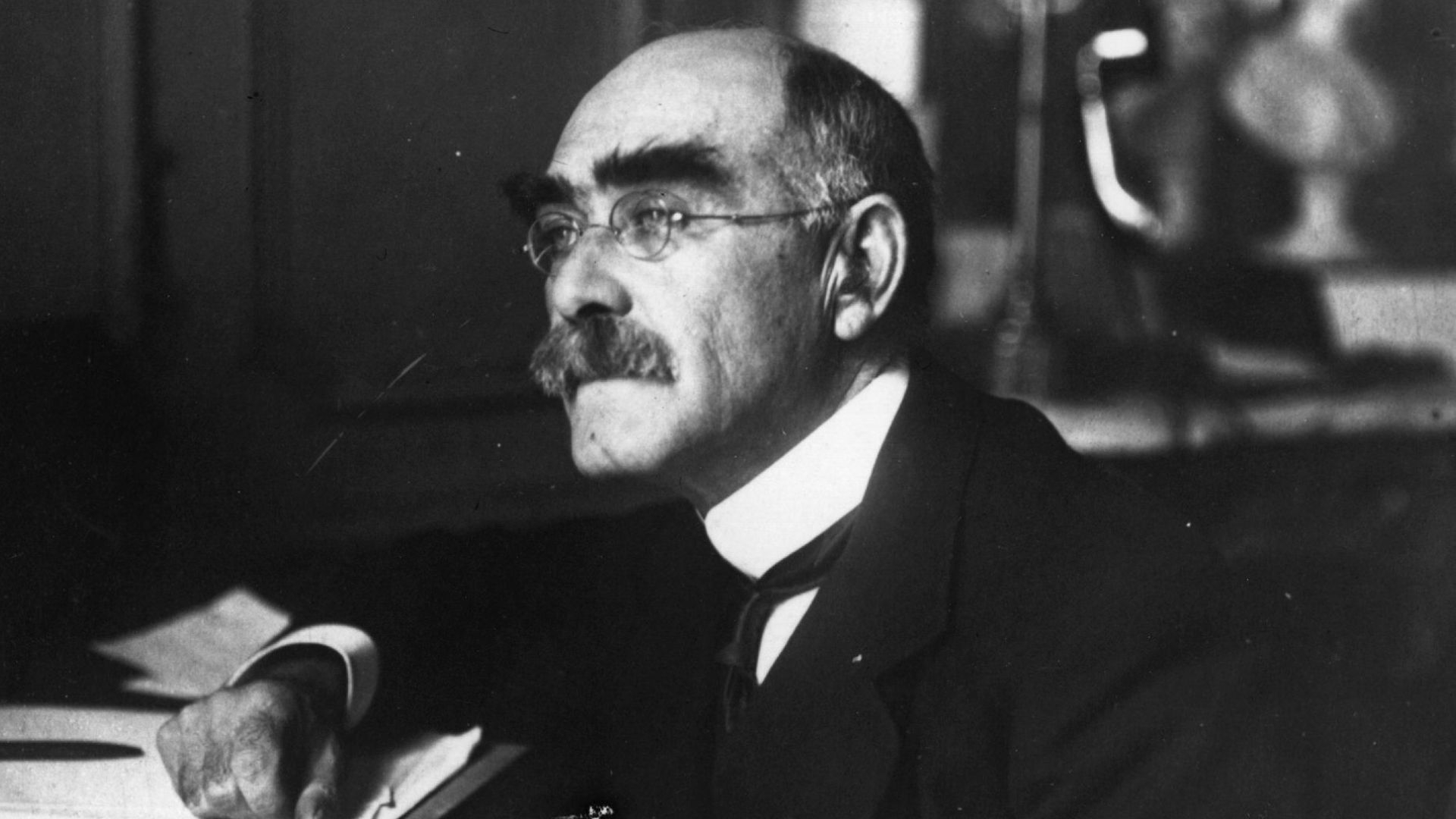
Rudyard Kipling was born on December 30, 1865, in Bombay, British India.
He began his career as a journalist in India, where observing people from all walks of life gave his writing a deeply human quality.
He later became one of the most celebrated writers in the English language, known for works like The Jungle Book and Just So Stories, and in 1907 became the first English-language writer to receive the Nobel Prize in Literature.
Despite personal hardships, including the loss of his son in World War I, Kipling continued to write with strength and wisdom. He passed away on January 18, 1936, but his words endure.
If—, published in 1910, remains one of the most inspiring poems ever written.
Conclusion
Before you move on, take a minute and think.
Which line from the poem felt close to your life right now? Hold on to that one idea and try it in your next real moment. Small actions matter more than big plans.
The if poem by Rudyard Kipling theme is not just for reading. It is for practice.
If this helped you, share it with a friend or save it for later. Also, tell me in the comments, which lesson are you going to apply first?
Frequently Asked Questions
What is the main theme of the poem “If—” by Rudyard Kipling?
The main theme is self-mastery, patience, and becoming a mature individual.
Is “If—” a motivational poem?
Yes, it is widely considered one of the most inspirational poems ever written.
What does “Triumph and Disaster” mean in the poem?
It symbolizes success and failure, both of which should be treated equally.
Why is “If—” still popular today?
Its lessons on discipline, resilience, and integrity remain relevant in modern life.
What is the message of the final line of the poem?
It defines true success as becoming a complete and responsible human being.