



You pass strangers every day, and each time you quietly choose between looking up and looking away.
Sam Walter Foss built a whole poem around that choice:“The House by the Side of the Road,” first published in 1897, in which a speaker asks to live beside the highway of life so he can “be a friend to man” rather than judge travelers or live alone.
Historian J. Dennis Robinson notes that copies once hung in the homes of many working-class Americans, and the poem’s plain question is a big reason why.
Below, you’ll find the full 1897 text, a stanza-by-stanza reading, the Homer line printed above the poem, and the long-running argument over which New Hampshire house inspired it.
Full Text of The House by the Side of the Road
Foss published the poem in 1897, so it is in the public domain in the United States, and the text below follows page 11 of Dreams in Homespun, the book where it first appeared.
I have kept the original wording, including the spelling “travellers,” and replaced the printed dashes with commas and semicolons. Any line can be checked against the scanned 1897 first edition.
“He was a friend to man, and lived in a house by the side of the road.” Homer
There are hermit souls that live withdrawn
In the peace of their self-content;
There are souls, like stars, that dwell apart,
In a fellowless firmament;
There are pioneer souls that blaze their paths
Where highways never ran;
But let me live by the side of the road
And be a friend to man.
Let me live in a house by the side of the road,
Where the race of men go by,
The men who are good and the men who are bad,
As good and as bad as I.
I would not sit in the scorner’s seat,
Or hurl the cynic’s ban;
Let me live in a house by the side of the road
And be a friend to man.
I see from my house by the side of the road,
By the side of the highway of life,
The men who press with the ardor of hope,
The men who are faint with the strife.
But I turn not away from their smiles nor their tears,
Both parts of an infinite plan;
Let me live in my house by the side of the road
And be a friend to man.
I know there are brook-gladdened meadows ahead
And mountains of wearisome height;
That the road passes on through the long afternoon
And stretches away to the night.
But still I rejoice when the travellers rejoice,
And weep with the strangers that moan,
Nor live in my house by the side of the road
Like a man who dwells alone.
Let me live in my house by the side of the road,
Where the race of men go by;
They are good, they are bad, they are weak, they are strong,
Wise, foolish, so am I.
Then why should I sit in the scorner’s seat,
Or hurl the cynic’s ban?
Let me live in my house by the side of the road
And be a friend to man.
House by the Side of the Road Meaning, Stanza by Stanza
The poem suggests that a good life is lived within reach of others.
The house stands for open, judgment-free friendship, and the road stands for human life, with its hope, strain, and sorrow.
Foss’s speaker chooses to watch the whole procession and share its feelings instead of withdrawing.
Foss builds that idea in three movements, and reading them in order shows how much the repeated refrain carries.
Stanzas One and Two: Fellowship Over Solitude
The first stanza lists three kinds of souls, the hermit, the star that “dwells apart,” and the pioneer, and then turns on the word “But” to claim a fourth option.
Foss does not mock the other three; he declines them.
Robert Frost’s traveler stands at a fork and must choose, a decision unpacked in the road less traveled meaning guide, whereas Foss’s speaker never sets out at all.
He stays where he is and lets the world come to him. Stanza two then names the terms of that friendship, since the men on the road are “as good and as bad as I.”
Stanzas Three and Four: Sharing Joy and Sorrow
In stanza three, the speaker watches those who “press with the ardor of hope” pass beside those “faint with the strife,” and he turns away from neither group.
Stanza four widens the view to the whole road, with its meadows and mountains, its afternoon and its night, and then grounds his response in feeling: He rejoices and weeps with strangers instead of living “like a man who dwells alone.”
It is also the only stanza that leaves out the refrain “And be a friend to man,” so the one stanza that names loneliness is the one that withholds the poem’s answer to it.
The danger the poem names is isolation, not hardship. A modern counterpart appears among the kindness poems worth reading, where the argument runs through loss rather than through simple welcome.
Stanza Five: Why Scorn Fails
The last stanza echoes stanza two, but it adds a catalogue of “good,” “bad,” “weak,” “strong,” “wise,” and “foolish” that ends on the self-implicating “so am I”.
That line turns the closing question, “why should I sit in the scorner’s seat,” into an argument rather than a boast, because a person who counts himself among every type has no vantage point from which to look down.
The phrase “scorner’s seat” also recalls the “seat of the scornful” in Psalm 1:1 of the King James Bible.
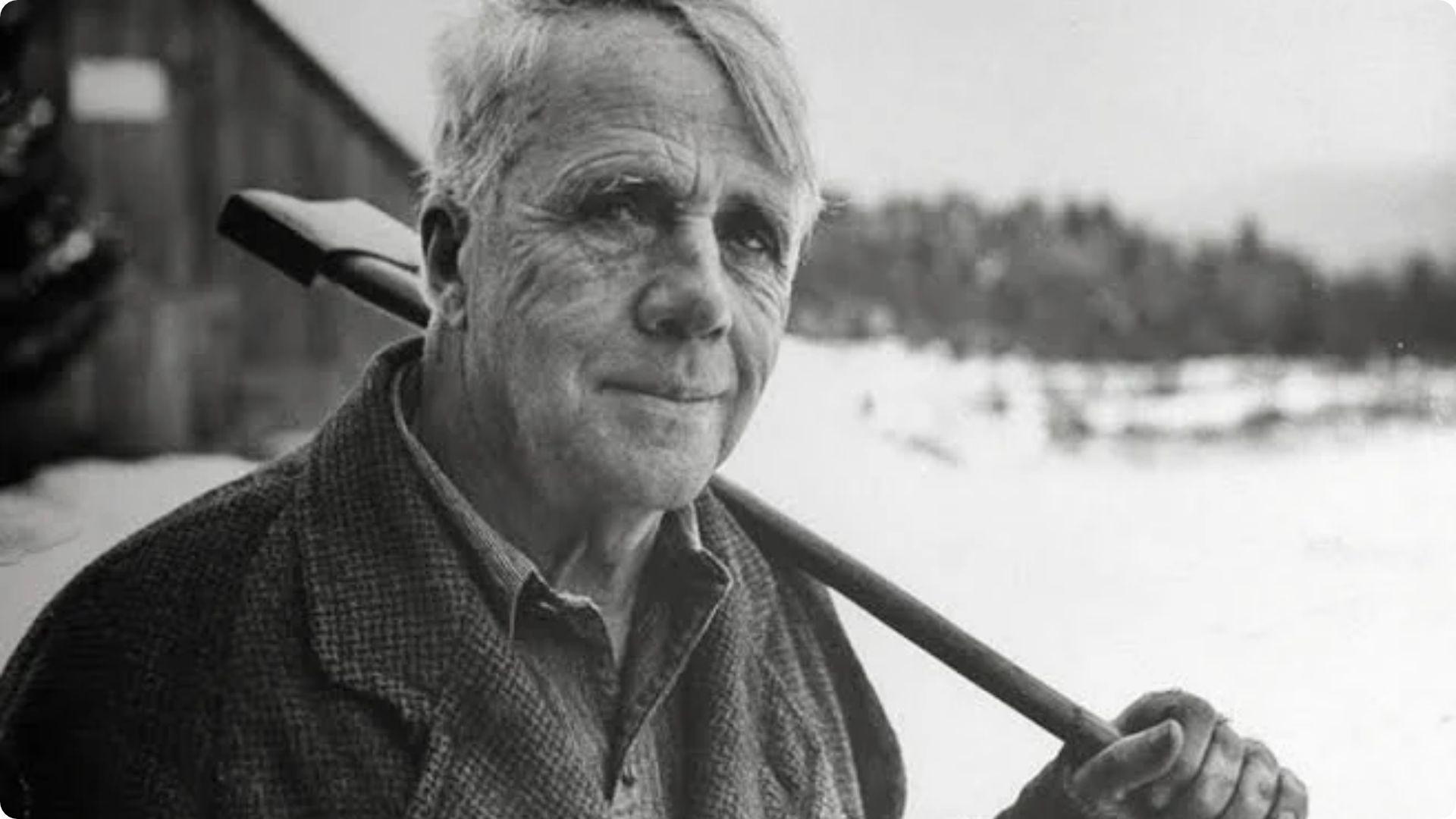
Sam Walter Foss, the Librarian Behind the Poem
Foss was born in Candia, New Hampshire, in 1858 and died in 1911.
His mother died when he was four, and he worked on his father’s farm before attending Tilton Seminary and graduating from Brown University in 1882.
From 1898, he served as librarian of the Somerville Public Library in Massachusetts, and he wrote poems for newspapers almost daily.
Seen beside its neighbors in Dreams in Homespun, the poem looks less like a stray hymn to kindness and more like Foss’s central habit of measuring people by the friendship they give.
In “Aunt Haskett,” a rich man’s costly funeral draws no real tears while a washerwoman’s is easy to cry at, and “Suspender Souls” asks for souls that “stretch up to any man” and “reach down to any boy.”
The Homer Epigraph and Its Source in the Iliad
The line above the poem is credited to Homer, but it is a paraphrase rather than a quotation.
It traces to Book 6 of the Iliad, where the Trojan Axylus is introduced shortly before he dies. In Samuel Butler’s Iliad Book 6 translation, he is “beloved by all men” because he kept a house by the roadside and welcomed everyone who passed.
Homer adds that none of those guests stood by him when Diomedes killed him. Foss keeps the hospitality and drops that ending, which turns a brief obituary into an open-ended wish.
Which Real House Inspired the Poem?
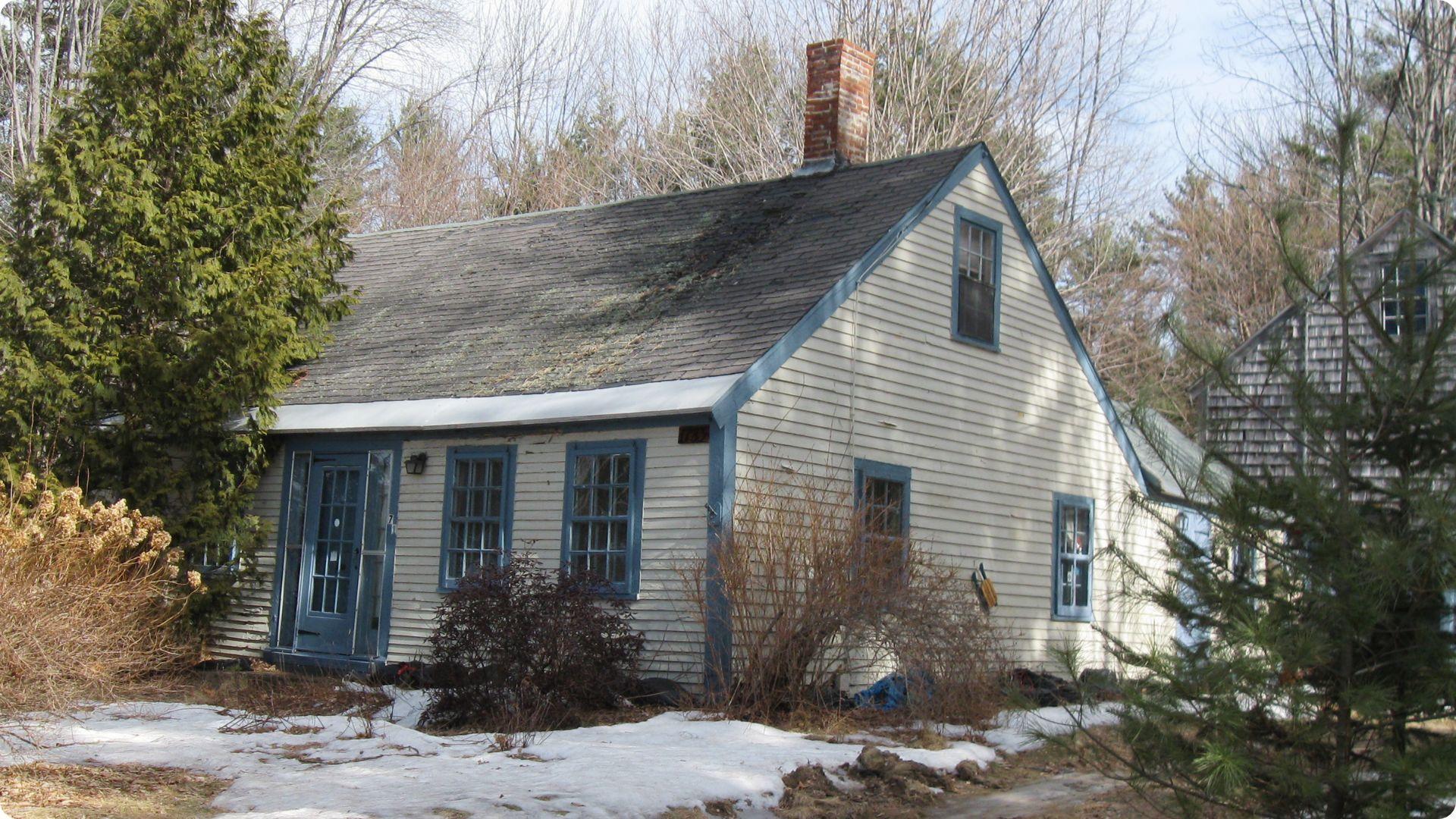
No single house is confirmed.
A house at 61 School Street in Tilton, New Hampshire, where Foss boarded in 1877 and 1878, carried the poem’s name for over a century and sits on the National Register of Historic Places.
Foss’s sister reportedly said he meant no particular house, and some accounts point to his boyhood home in Candia.
The federal National Register nomination record lists the Tilton house with a 1980 publication date and gives its significant years as 1783, 1877, and 1878.
The dispute even reached the press, where a 1982 Concord Monitor article was headlined “Tilton Wins Spoils From Fame Of Poet Sam Foss.”
The Tilton house was demolished in March 2020, according to its Wikipedia entry, which cites town records, so the poem now outlasts its most famous building.
Why a House by the Side of the Road Still Works
The poem makes one plain argument and tests it from five angles: A person who counts himself among the good and the bad, the weak and the strong, has no ground for scorn and every reason to stay close to the road.
Foss borrowed the image from Homer’s Axylus, left out the tragedy, and gave 1890s readers a short verse they could keep on a wall.
The Tilton house is gone, yet the text survives intact in its first book printing.
Read the poem aloud once more and notice that stanza four alone holds back the refrain, ending instead on the word “alone.”
Frequently Asked Questions
Who Said, “Let Me Live in a House by the Side of the Road and Be a Friend to Man”?
Sam Walter Foss wrote both lines. The exact wording “Let me live in a house” appears only in stanza two; stanzas three and five say “my house,” and stanza one begins “But let me live by the side of the road,” so quotations vary depending on which stanza a writer copied.
Who Wrote, “Let Me Live in a House by the Side of the Road”?
Foss did. His other best-known poem, “The Coming American,” appeared in Whiffs from Wild Meadows in 1895 and calls for “bring me men to match my mountains.” His five collections ran from Back Country Poems in 1892 to Songs of the Average Man in 1907.