


Hope is one of those things everyone claims to understand until someone asks them to explain it.
In 1861, Emily Dickinson answered that question in twelve lines. “Hope is the thing with feathers” doesn’t just describe hope. It defines what hope actually is, how it behaves, and why it never asks anything from you.
What makes this poem worth reading closely isn’t the comfort it offers. It’s the precision. Dickinson builds an argument, not a feeling.
“Hope is the Thing with Feathers” by Emily Dickinson
Here is the complete text of the poem, reproduced with Dickinson’s original punctuation and capitalisation.
“Hope” is the thing with feathers –
That perches in the soul –
And sings the tune without the words –
And never stops – at all –
And sweetest – in the Gale – is heard –
And sore must be the storm –
That could abash the little Bird
That kept so many warm –
I’ve heard it in the chillest land –
And on the strangest Sea –
Yet – never – in Extremity,
It asked a crumb – of me.
Dickinson wrote this poem around 1861. It was published in 1891, several years after her death.
What Kind of Poem Is “Hope Is the Thing with Feathers,” and What Is It Arguing?
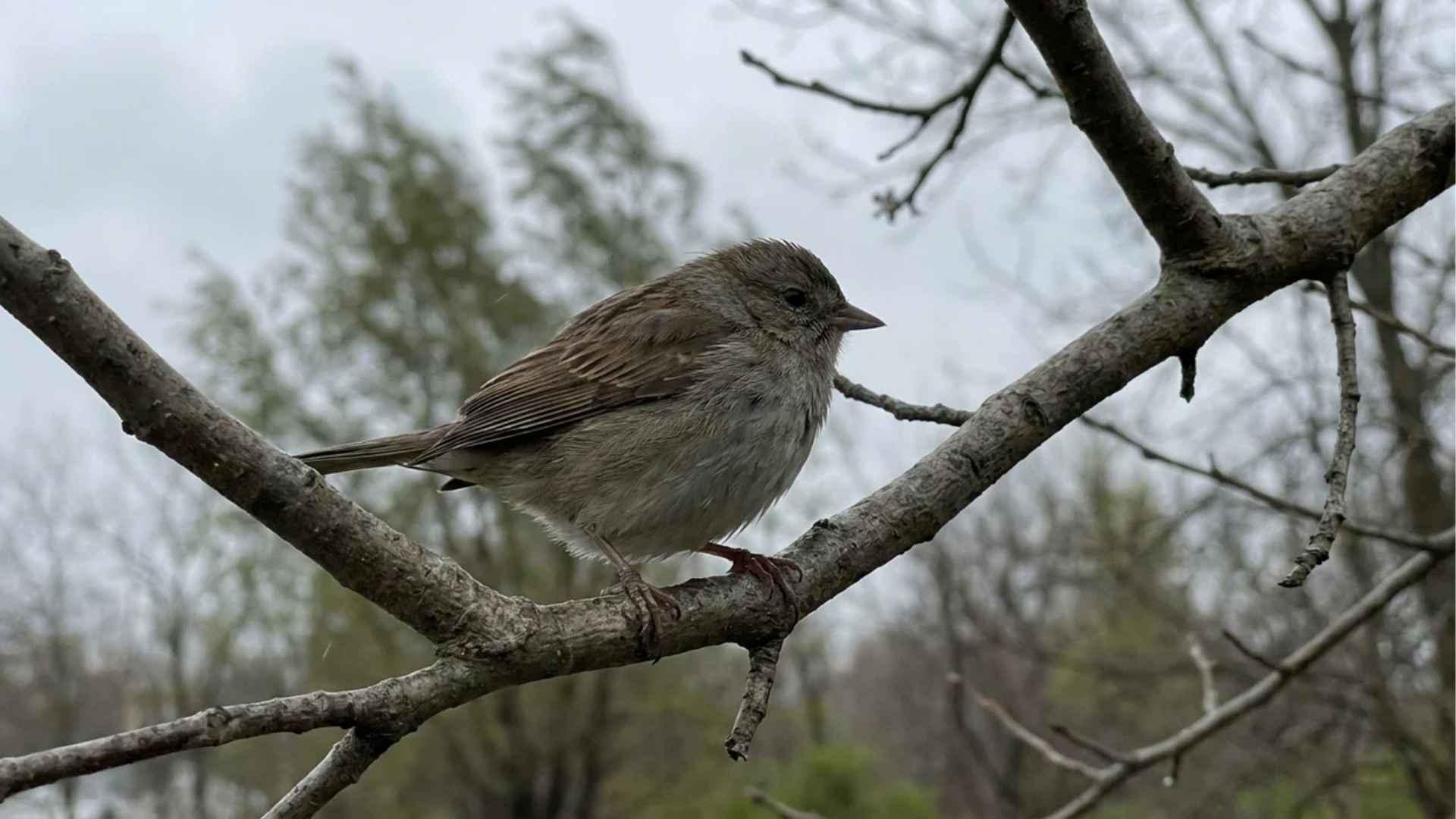
It makes a precise claim. Hope is a self-sustaining presence inside you that asks nothing in return. Dickinson isn’t celebrating hope. She’s defining what it actually is.
This isn’t a descriptive poem. It’s an argument.
Dickinson doesn’t tell you hope is strong. She shows you what hope does, specifically under pressure, and lets that behaviour make the case.
The bird isn’t decoration. It’s the whole argument.
Every quality she assigns to hope lives inside the metaphor. Where hope lives, how it sounds, what it survives. Take the bird away, and the claim falls apart.
That’s what makes this poem unusual. It doesn’t ask you to feel hopeful. It asks you to understand what hope is.
Why a Bird? What the Feathers Are Actually Doing
Dickinson chose feathers because they do two things at once. They’re light and they insulate. That combination is exactly what hope needs to be.
A heavy protector becomes a burden. Feathers don’t. They wrap without weighing you down, and that’s the quality Dickinson is after. Hope shelters you without asking you to carry it.
But feathers only matter because of what the bird is doing.
Most readings notice the bird sings. What they miss is that it perches. It doesn’t arrive when things get bad. It doesn’t fly in from somewhere else. It’s already there, still, inside the soul, before anything happens.
That’s not a small distinction. It means hope isn’t something you summon. It’s something that lives in you permanently, whether you’re aware of it or not.
Then there’s the song itself.
Birds don’t use words. Their sound is felt before it’s understood. Dickinson calls it “the tune without the words,” and that’s deliberate. Hope doesn’t work through reasoning. It operates underneath language, beneath the point where logic has already given up.
That’s why it persists when nothing makes sense anymore. You can’t argue your way out of hope, because hope was never making an argument. It was just singing.
That idea of something operating beyond language and reason is what separates the best short poems from the ones that just describe. The Ozymandias poem summary is another good example of a poem where the argument runs deeper than what’s said on the surface.
Feathers, stillness, wordless sound. Each choice closes off a way hope could fail.
What the Storm Stanza Reveals About How Hope Actually Works
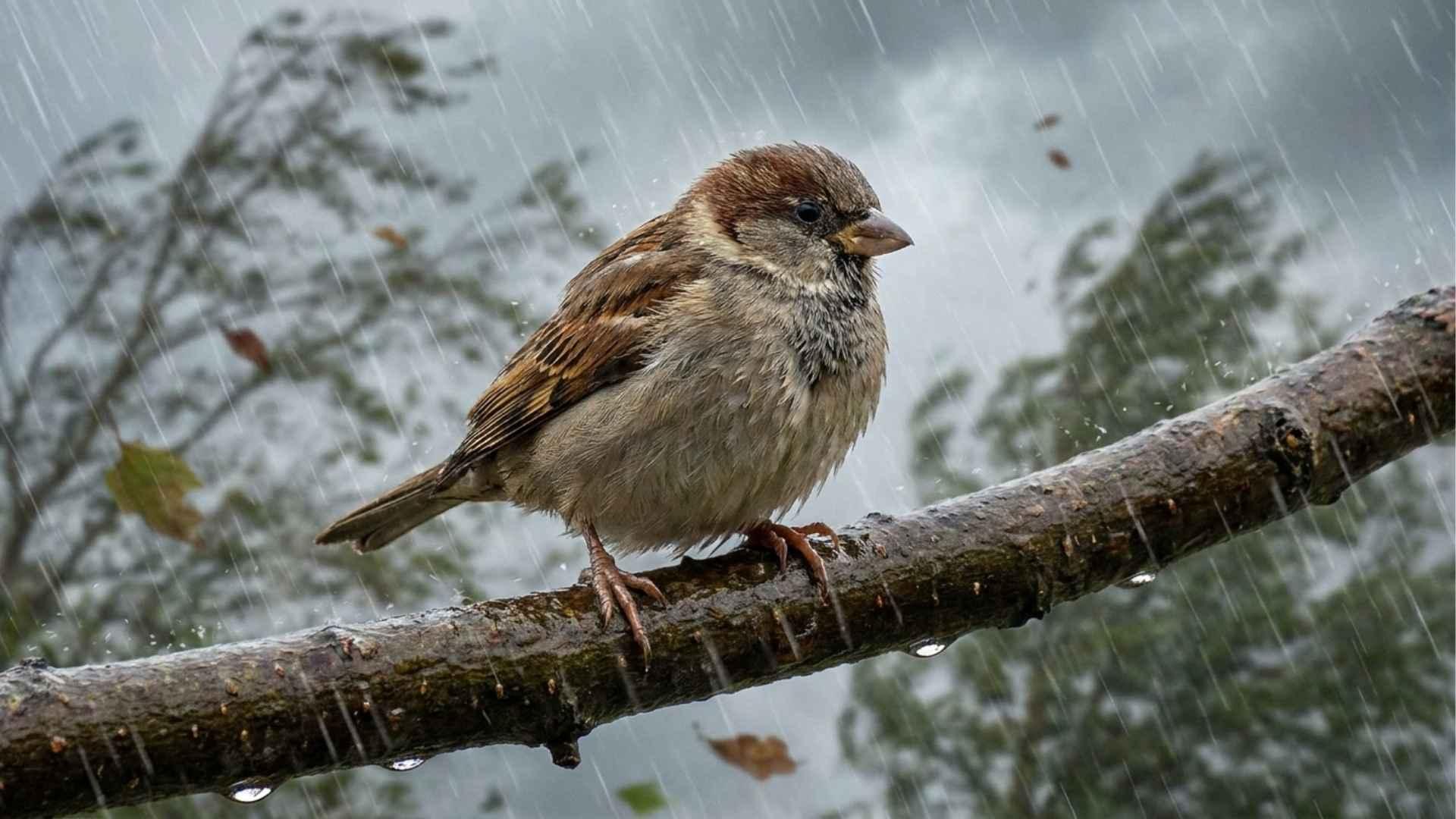
In this poem, hope doesn’t survive the storm. It gets louder in it.
That’s not the same thing. Most readings treat this stanza as proof that hope endures hardship. Dickinson is saying something sharper. The storm isn’t a test hope passes. It’s the condition that makes hope most audible.
Without pressure, you might not notice it at all.
The word Dickinson uses is “abash.” It means to embarrass, to make something lose its composure. She’s saying no storm has ever made the bird feel small. Not silenced. Not shamed it. That’s a stronger claim than survival.
Survival just means it’s still there. Dickinson is saying it was never rattled.
There’s one thing worth being honest about here. The poem says the bird never stops singing. It doesn’t say you always hear it.
In genuine extremity, hope may be present and still feel completely out of reach. That’s not a contradiction of the poem. It’s built into it. The singing continues. Whether it reaches you depends on the storm.
What “It Never Asked a Crumb of Me” Actually Means
The closing line isn’t gratitude. It’s an observation about how hope operates.
Hope gives. It never collects. Not attention, not tending, not even acknowledgement. A crumb is the smallest thing you could offer someone. Dickinson says hope never asked for even that.
This separates hope from almost every other inner resource.
Faith asks to be practised. Love asks to be returned. Grief asks to be felt and processed. All of them place some demand on you, even if it is a gentle one. Hope in this poem places none.
It sustains you without requiring you to sustain it.
That’s where the comfortable reading of this poem starts to miss something. This isn’t warm. It’s stranger than that. Dickinson is describing a presence that operates entirely outside your cooperation. You don’t tend it. You don’t earn it. You don’t even need to notice it.
It was already singing before you thought to listen. Mary Oliver makes a similar move in her work; if the wild geese poem resonates with you, it’s probably for the same reason this one does.
Final Thoughts
Most poems about hope ask you to hold onto it. “Hope is the thing with feathers” makes a different case entirely. You don’t hold onto hope. It holds onto you.
Dickinson’s precision is what stays with you after a close reading. This isn’t comfort poetry. It’s a quiet argument about something that operates entirely without your permission.
If this reading changed how you see the poem, share it with someone who’d appreciate it. And if you want more close readings like this, browse the rest of the blog.
Frequently Asked Questions
What is the main message of “Hope Is the Thing with Feathers”?
Dickinson argues that hope is a permanent presence inside you that sings on regardless of conditions. It asks nothing in return. It sustains you without needing you to sustain it.
Why does Dickinson compare hope to a bird with feathers specifically?
Feathers protect without adding weight, which is exactly what hope does. The bird perches inside the soul rather than arriving from outside. Its song is wordless, so hope works even when logic has nothing left to offer.
What does “it never asked a crumb of me” mean?
It means hope places no demand on you at all. Not gratitude, not attention, not effort. It gives without ever collecting anything in return.
When was “Hope Is the Thing with Feathers” written and published?
Dickinson wrote it around 1861. It wasn’t published until 1891, nearly five years after her death, as part of a posthumous collection.